



Happy Birthday to those who have passed on and to those great wrestlers still with us:
In Memoriam:
Whitey Caldwell 1935
Happy Birthday:
“Hitman” Bret Hart (69)
Achim Albrecht\Brakkus (64)
Charles Robinson (62)
Scott Garland\Scotty 2 Hotty (53)
Kailey Latimer\Kamille (34)
RIP Memorial: We stop & remember those who have passed on this day and gave themselves to the business for us, the fans. We salute you and thank you.
Iron Mike DiBiase 7-2-1969 at the age of 45
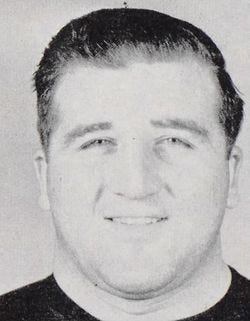
“Tiger” Jack Pesek 7-2-1990 at the age of 67

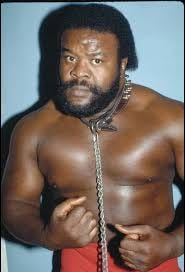
Sylvester Ritter 7-2-1998 at the age of 45
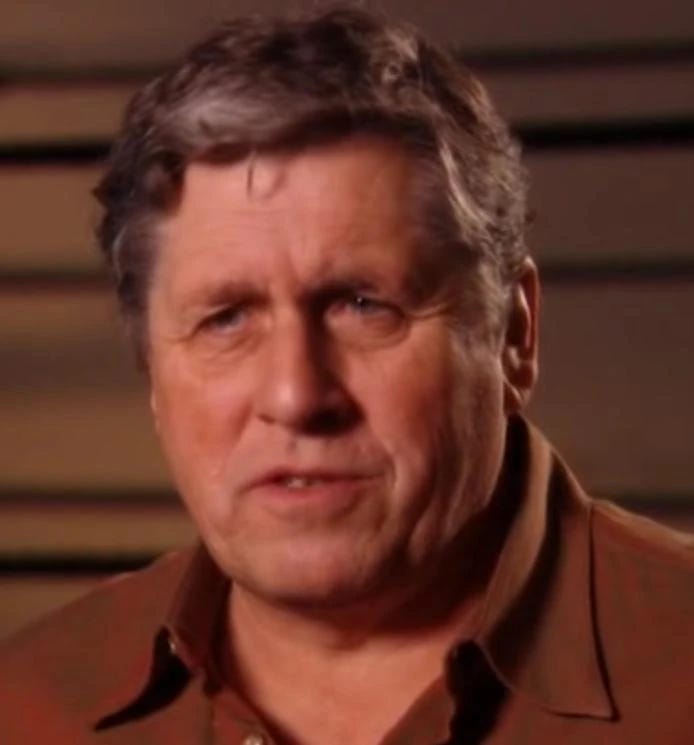
Smith Hart 7-2-2017 at the age of 68
The Life and Career of Johnny Saint
Johnny Saint’s chain wrestling was not merely a collection of holds strung together; it was a philosophy of anticipation, economy of motion, and relentless problem-solving on the mat. Rooted in the catch-as-catch-can tradition he absorbed during training under Billy Robinson and George Kidd, Saint’s style turned every exchange into a chess match where he stayed two or three moves ahead. Opponents rarely felt they had secured a hold before Saint had already begun the reversal sequence. This “counter for every counter” reputation—earned across decades of World of Sport television and independent bouts—made his matches clinics in British technical wrestling at its purest. His work emphasized seamless transitions between control, escape, and offense, often using the opponent’s own momentum and positioning against them while maintaining a clean, sportsmanlike demeanor that lent credibility to even the most intricate sequences.
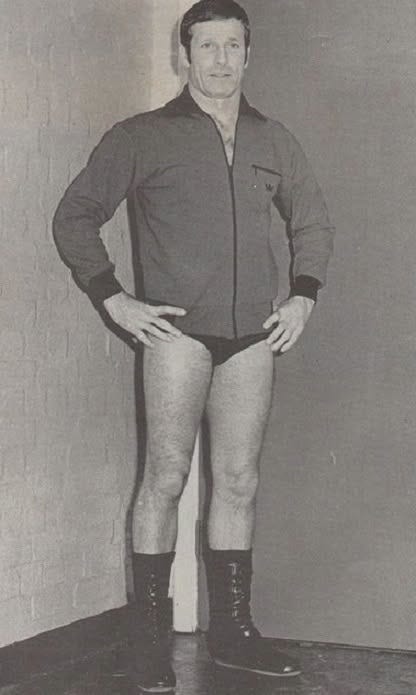
At the foundation of Saint’s chains were his signature wrist-lock entries and arm-control work. He frequently initiated or responded with wrist locks and rolling wrist snaps, using them as both control tools and springboards. A typical sequence might begin with Saint securing a wrist lock from a collar-and-elbow tie or after ducking an opponent’s lunge. From there he would flow into an arm wringer, twisting the joint to create space, then transition into a hammerlock or chickenwing variation. The key was persistence combined with fluidity: even if the opponent escaped or reversed, Saint would immediately reattach to the same limb or switch to the opposite side, wearing down resistance over multiple exchanges. In round-based matches against technicians like Steve Grey, this arm work became a through-line across five-minute rounds—Saint maintaining wrist or arm control for extended periods, forcing Grey to expend energy escaping while setting up pins or submissions later. The rolling wrist snap added a dynamic layer, allowing him to reverse wrist control into an arm drag, a takedown, or a quick schoolboy attempt without breaking the chain’s rhythm.
Escapes formed the other half of Saint’s chain-wrestling identity. He was renowned for unique, “Saint-esque” escapes that turned defensive positions into offensive opportunities. Against headscissors, for example, he would not simply power out but use a combination of bridging, hip movement, and precise hand placement to slip free and immediately flow into a reversal pin or arm lock. Bridges were central here—not just the dramatic pin bridges, but functional bridges used to create space, reverse weight distribution, or transition from bottom to top position. In one notable exchange versus Terry Jowett, his escape from a headscissors drew strong crowd reactions precisely because it looked both technically sound and visually crisp, feeding directly into continued grappling rather than a reset. These escapes were rarely flashy high spots; they were efficient, low-risk maneuvers that preserved energy and kept the chain alive.
The schoolboy pin variations represent perhaps Saint’s most recognizable chain-wrestling signature. He developed a multi-directional series—jump over, crawl under, step over—leading into schoolboy or small-package pins. Rather than a single rolling pin, these sequences involved rapid changes in level and direction that disoriented opponents and created openings. An opponent might block one direction only for Saint to flow into the next, often ending with a bridge or roll-up that scored the fall or forced a frantic kick-out. This acrobatic yet grounded footwork turned what could have been static pinning attempts into dynamic, multi-step chains that rewarded anticipation and timing. Combined with his wrist-lock entries, these pin sequences created natural flow states: control the arm → force a reaction → use the reaction to set up the directional pin attempt → bridge or transition if kicked out.
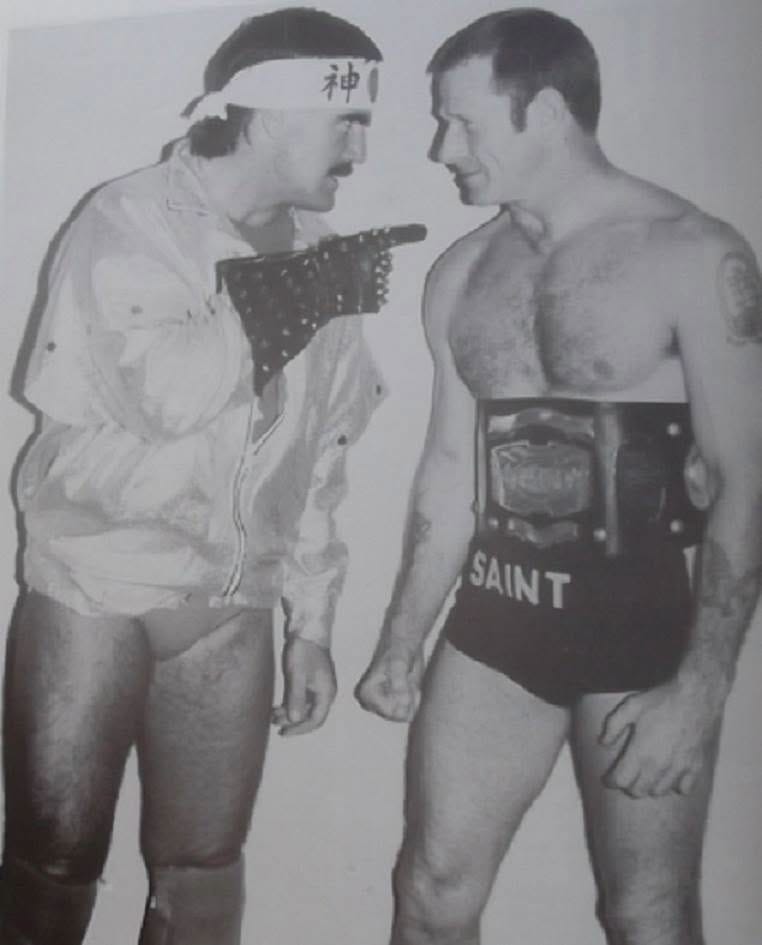
Pictured: Mark Rocco points a finger at Johnny Saint
Saint’s finishing sequence, the Johnny Saint Special (also known as the Lady of the Lake roll-up or hold), served as the elegant culmination of his chain-wrestling principles. Descriptions portray it as a deceptive cradle or small-package variation in which Saint would roll into a protective ball position, bait the opponent with an extended arm, then pull them into an arm lock or secure the pin. The beauty lay in its integration: it could emerge organically from a wrist-lock chain or an escape sequence rather than feeling tacked on. The “offer an arm” bait exploited the opponent’s instinct to grab or control, turning their aggression into the setup for the finish. This move encapsulated Saint’s deceptive simplicity—he made complex positioning look effortless and used psychology (the bait) alongside technical execution.
Against different opponent archetypes, Saint adapted the density and intensity of his chains. Versus pure technicians such as Steve Grey or Ken Joyce, matches became breathtaking displays of synchronized counter-wrestling—constant movement, mutual respect in the exchanges, and sequences where each man tried to “outdo” the other in escapes and reversals. Grey matches often featured eight five-minute rounds of non-stop grappling with arm holds persisting across breaks in action and dramatic equalizer pins. Against rougher or character-driven wrestlers like Jim Breaks, Saint relied more on clean, high-percentage chains and precise counters to neutralize brawling tactics, sometimes landing on his feet after reversals to immediately re-engage. He could simplify when necessary—using dropkicks or quicker offense against less technically inclined opponents—yet still insert signature escape-and-pin chains to elevate the overall quality. Even in later career exhibitions or against larger or power-based wrestlers, he used quickness and chain wrestling to avoid being overpowered, often accommodating the opponent’s style while protecting his own technical identity.
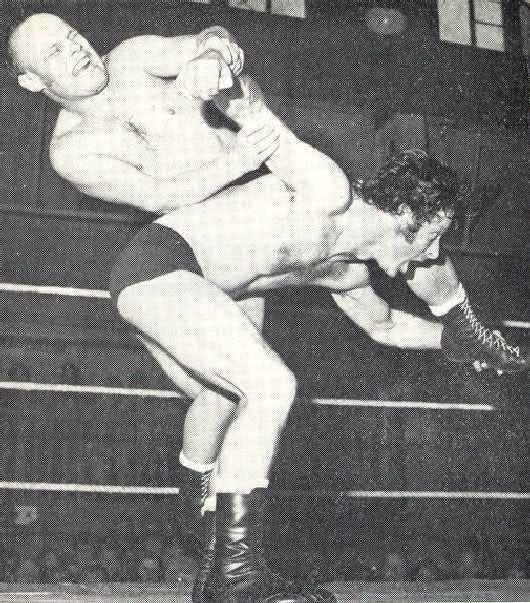
Pictured: Johnny Saint lifts Zoltan Boscik
What elevated Saint’s chain wrestling beyond mere technique was the urgency and psychology he infused into every sequence. He conveyed the sense that he was constantly striving to solve the puzzle in front of him, which made the chains feel competitive and alive rather than cooperative choreography. In an era when British wrestling sometimes leaned into theatricality, Saint’s work stood out for its internal logic: every hold had a purpose, every escape a consequence, and every transition advanced the story of who controlled the match. His minimal use of rule-breaking further reinforced this—opponents and audiences trusted that the outcomes of these chains reflected skill rather than external factors.
Saint’s approach has left a lasting imprint. Modern wrestlers who trained with or were influenced by him, including those in the Chikara scene and WWE’s NXT UK roster, adopted elements of his counter-wrestling mindset and specific transitions. Moves inspired by or directly named after the Johnny Saint Special have appeared in the arsenals of technically minded performers who value chain wrestling as storytelling. His matches, particularly the Grey and Joyce encounters, remain essential study material for anyone seeking to understand how British catch wrestling could be both visually engaging and intellectually rigorous.
In the end, Johnny Saint’s chain wrestling was defined by mastery of fundamentals executed at a high speed with exceptional anticipation. He did not rely on one signature hold or flashy reversal; instead, he built an interconnected web of wrist control, directional pins, bridge escapes, and bait-and-switch finishes that could be adapted to any opponent or match length. The result was a body of work that feels timeless—sequences that reward repeated viewing because new layers of timing and counter-intelligence reveal themselves with each watch. In an industry that often prioritizes spectacle, Saint proved that the deepest drama could emerge from two men simply trying to out-grapple each other, one hold, one escape, and one transition at a time.
One Thing I Learned About Cage Matches

Pictured: Possibly the first cage match in 1937 in Atlanta, Georgia
The concept of enclosing the ring to prevent interference dates back to the 1930s. One of the earliest documented cage matches (using chicken wire fencing around the ring) took place on June 25, 1937, in Atlanta, Georgia, where Jack Bloomfield defeated Count Petro Rossi. Some records point to similar chicken-wire enclosures as early as January 1936 in Missouri. These early versions were designed primarily to keep wrestlers contained and outsiders out, evolving over time from chicken wire to steel bars and eventually the more common (and safer) chain-link fencing used today. 
Cage matches gained major prominence in the U.S. territorial era and WWE’s predecessor (WWWF) in the 1970s as a way to settle intense rivalries definitively. A notable early high-profile example was the 1975 steel cage match at Madison Square Garden between Bruno Sammartino and Ivan Koloff. The stipulation became a staple for blowoff bouts, with dramatic escapes over the top or through the door deciding winners in many promotions (though some territories allowed pins or submissions inside the cage). High spots like Jimmy “Superfly” Snuka’s iconic leap off the top of the cage against Don Muraco in the early 1980s further evolved the match type into a spectacle.

Thank You for Reading
I’m Tony Richards, Pro Wrestling Historian, Author and Storyteller. I share pro wrestling historical items in each issue of the Time Tunnel Pro Wrestling History Newsletter. Thanks for reading! If you enjoy my information on select events, matches and insights, please share it with folks you think might like to be a subscriber!
Remember, premium investors get access to exclusive and special content such as some special issues including a multi-part deep dives on wrestling territories, wrestler bios and championship title histories, special audio and video interviews on territory pro wrestling and more available in the Pro Wrestling Time Tunnel for Premium Investors.