


Happy Birthday to those who have passed on and to those great wrestlers still with us:
In Memoriam:
Ed “Strangler” Lewis 1891
Man Mountain Dean 1891
Rusher Kimura 1941
Terry Funk 1944
Happy Birthday:
Nightmare Danny Davis (74)
Mike Tyson (60)
David Harwood\Dax Harwood (42)
Cody Runnels\Cody Rhodes (41)
Victoria Crawford\Alicia Fox (40)
Vannarah Riggs\Su Yung (37)
RIP Memorial: We stop & remember those who have passed on this day and gave themselves to the business for us, the fans. We salute you and thank you.
Michel Martel 6-30-1978 at the age of 33
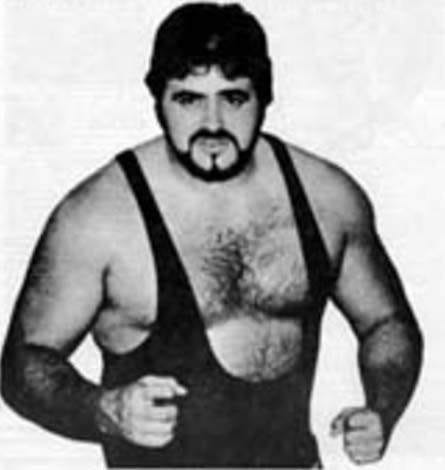
Chris Taylor 6-30-1979 at the age of 29
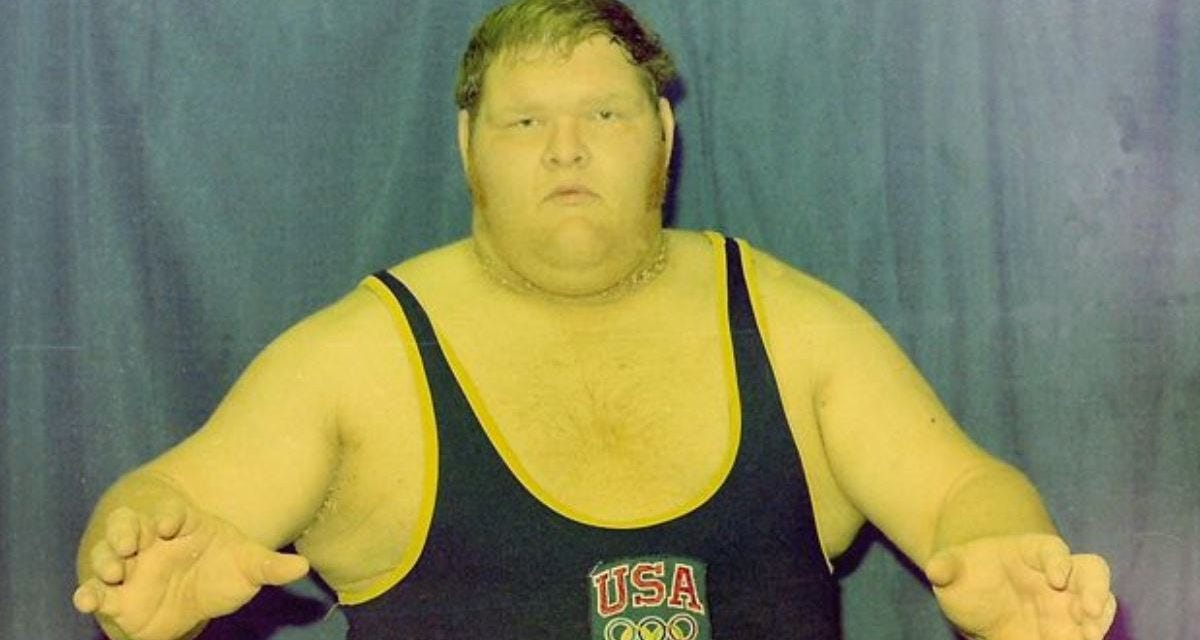
Al Szasz 6-30-1989 at the age of 76
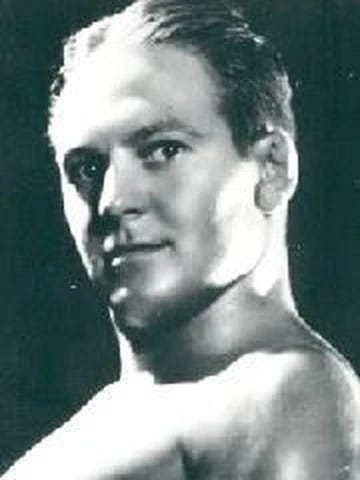
Duke Keomuka 6-30-1991 at the age of 70
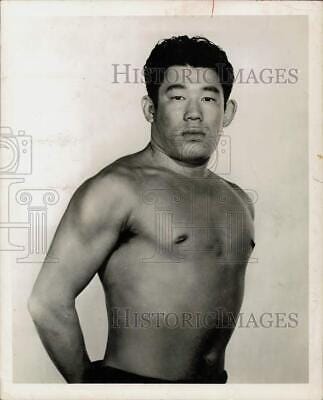
Larry O’Dea 6-30-1997 at the age of 53

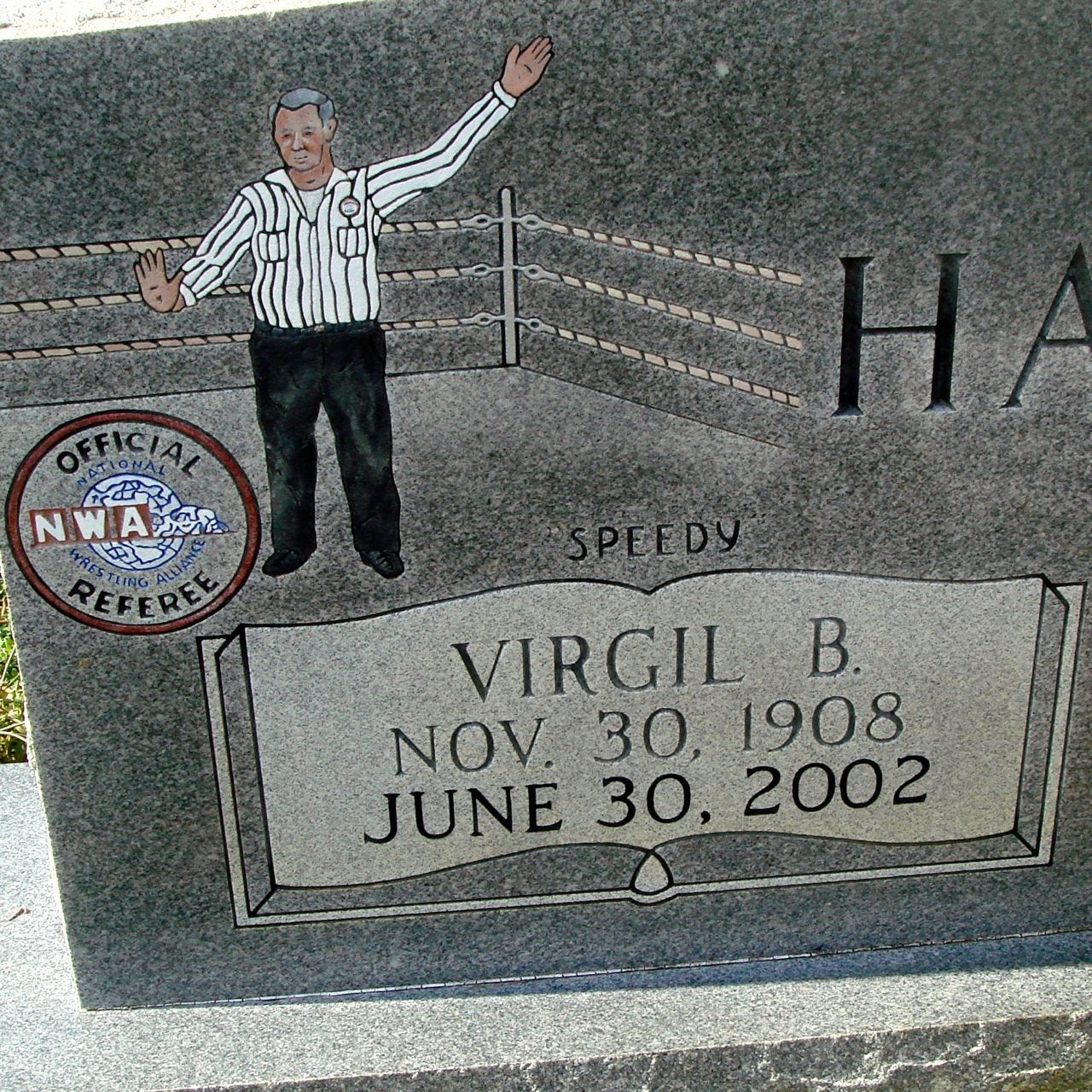
Virgil “Speedy” Hatfield 6-30-2002 at the age of 94
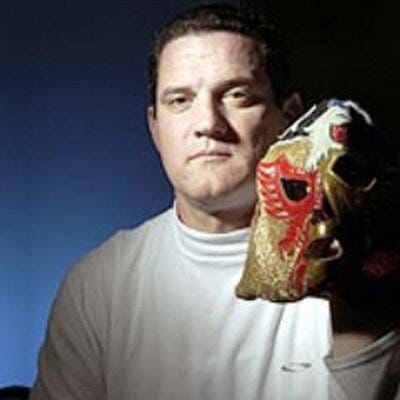
Sandor Kovacs 6-30-2004 at the age of 84

Killer Tim Brooks 6-30-2020 at the age of 72

Del Wilkes\The Patriot 6-30-2021 at the age of 59
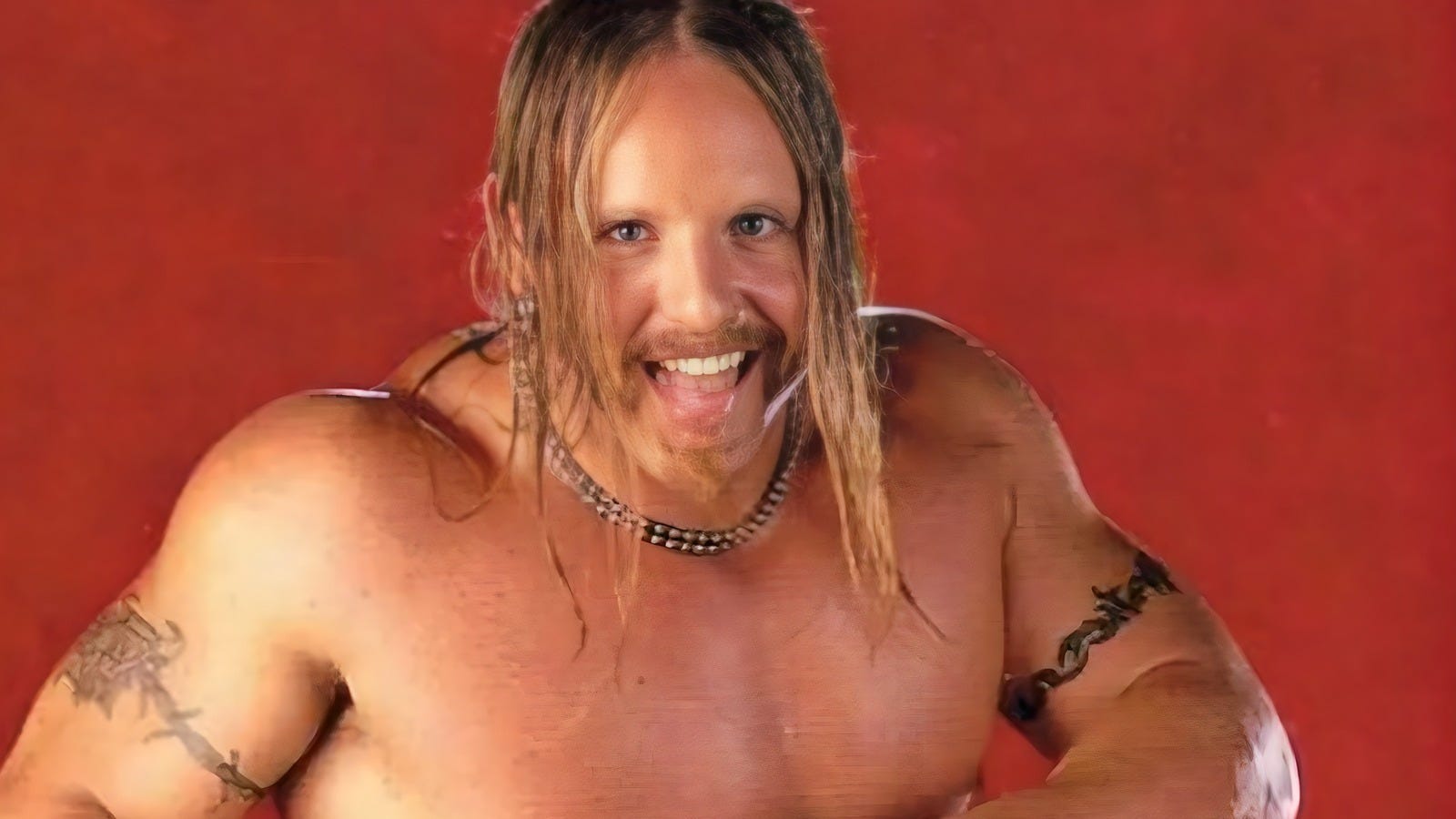
Darren Drozdov\Droz 6-30-2023 at the age of 54
Flashback 1961:
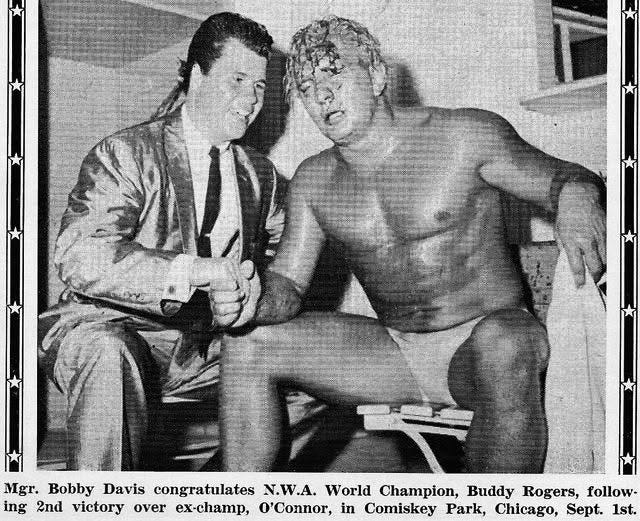
The Crown Changes Hands: Buddy Rogers Defeats Pat O’Connor for the NWA World Heavyweight Championship – June 30, 1961, at Comiskey Park, Chicago
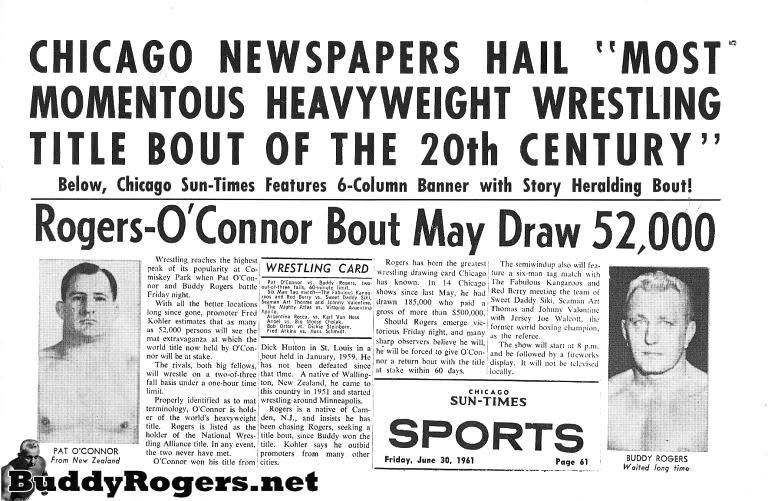
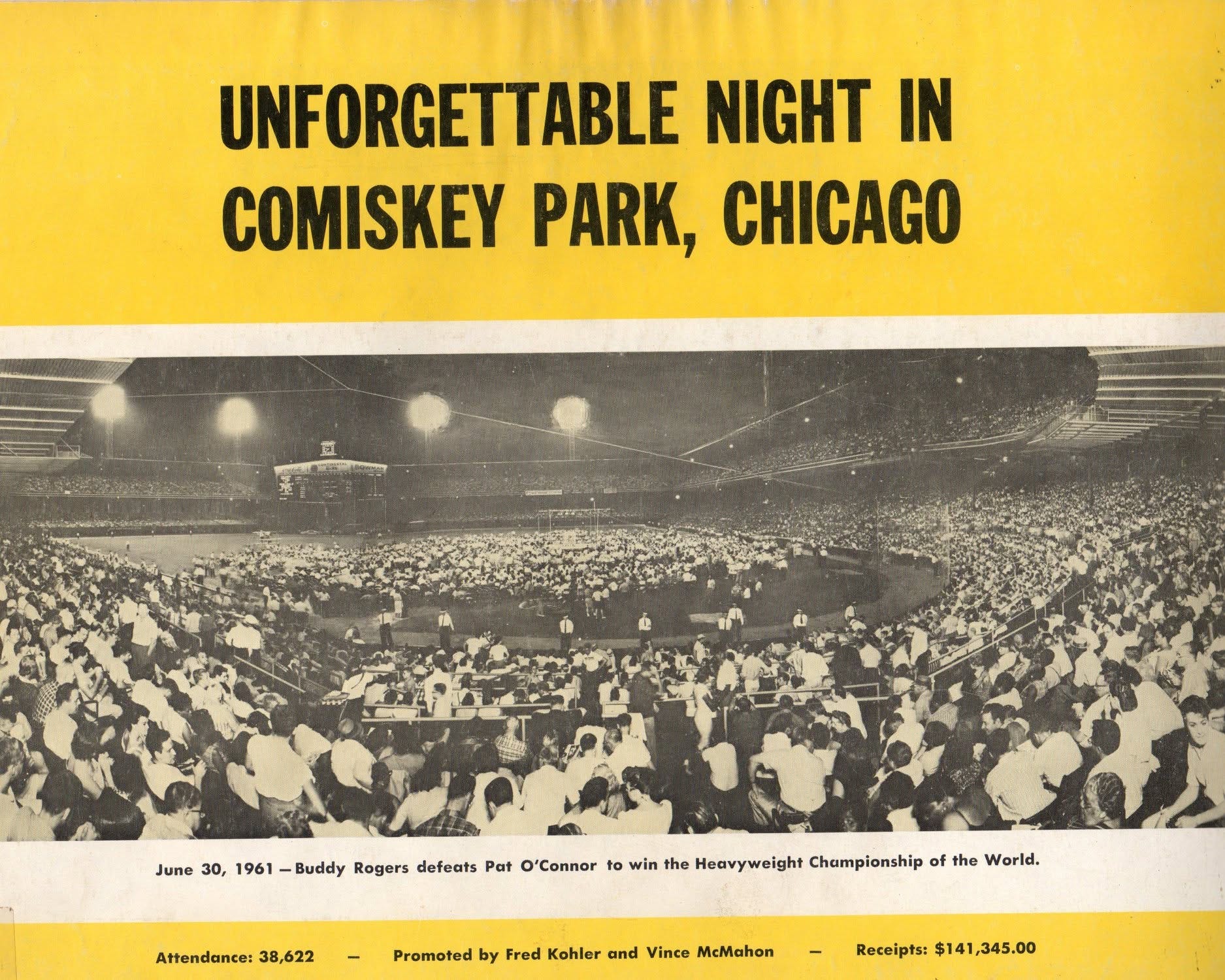
On a warm summer evening in 1961, more than 38,000 fans packed Chicago’s Comiskey Park—not for baseball, but for professional wrestling’s biggest spectacle of the era. The National Wrestling Alliance’s World Heavyweight Championship hung in the balance as challenger “Nature Boy” Buddy Rogers, accompanied by his cunning manager Bobby Davis, faced defending champion Pat O’Connor in a best two-out-of-three-falls match billed as the “Match of the Century.”
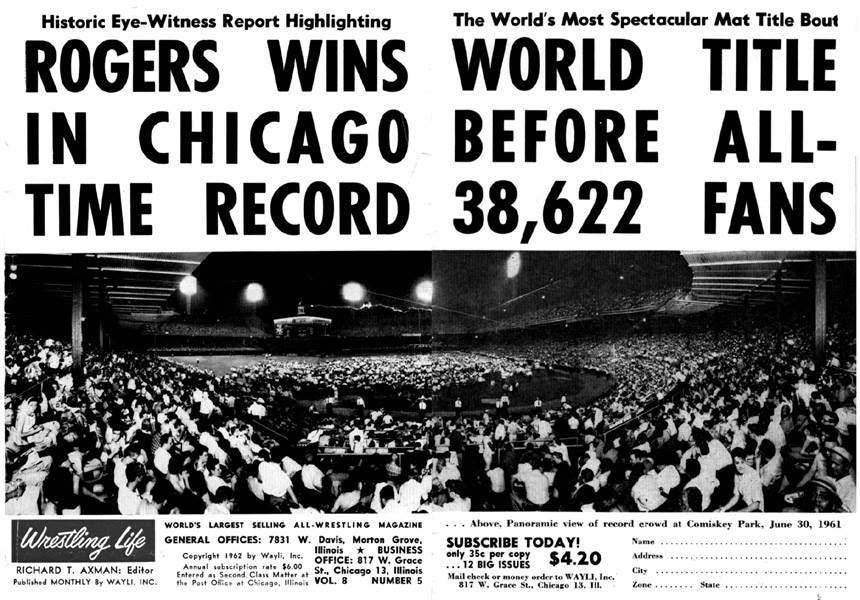
What unfolded was more than a title change. It was a defining moment in the territorial era: a massive live gate that showcased the drawing power of star power and personality, the crowning of the NWA’s first heel World Champion, and a dramatic finish that blended athleticism, opportunism, and legitimate injury. The event drew a reported gate of around $148,000 (a near-record figure for years) and stood as one of North America’s largest wrestling crowds until the mid-1980s. 
The Road to Comiskey Park
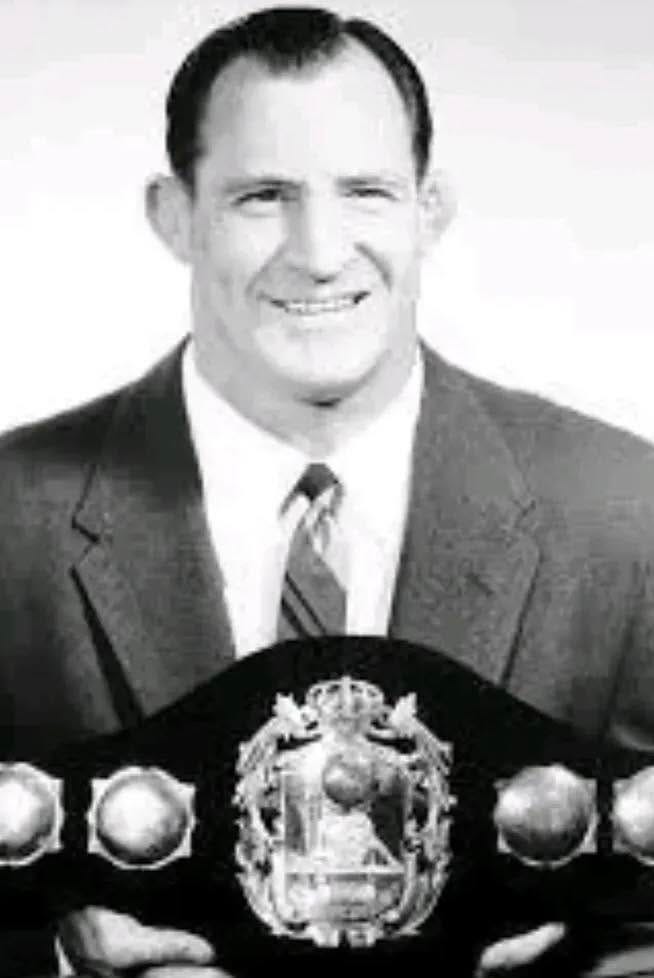
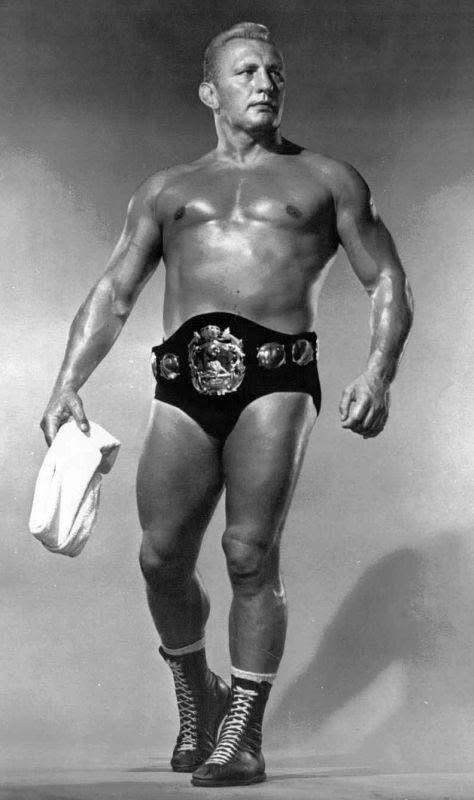
Pat O’Connor entered the match as one of the most respected and technically proficient champions in NWA history. Born Patrick John O’Connor on August 22, 1924, in Raetihi, New Zealand, he brought a genuine amateur pedigree rare among professionals of the time. He represented New Zealand at the 1948 Pan American Games, won national amateur heavyweight titles, and earned a silver medal in freestyle heavyweight at the 1950 British Empire Games. Trained for the pros by Len “Butch” Levy, O’Connor debuted in 1950 and quickly established himself as a scientific wrestler—masterful with holds, armbars, and mat-based control that emphasized precision over flash.
He captured the NWA World Heavyweight Championship on January 9, 1959, defeating Dick Hutton in St. Louis. His 903-day reign (one of the longer ones of the era) was marked by consistent defenses across territories and a reputation as a clean, fan-friendly babyface who could work with anyone. He had notable run-ins with bookers like Sam Muchnick and Fred Kohler over bookings and pay, underscoring the business tensions beneath the cooperative NWA banner.
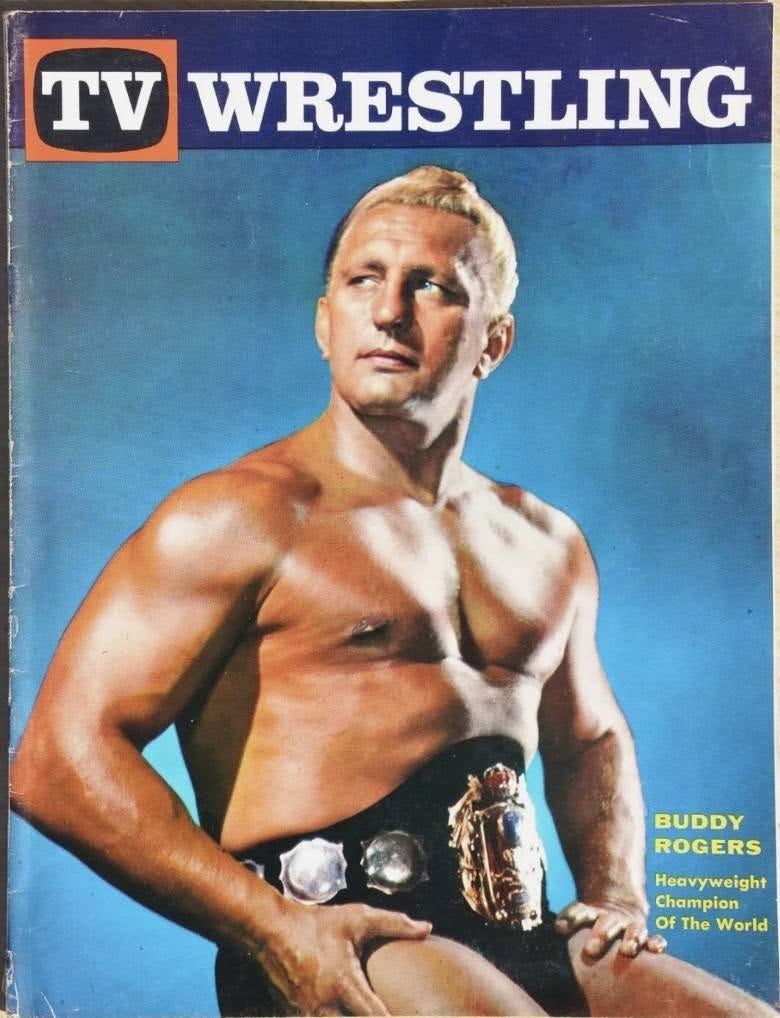
Buddy Rogers, born Herman Gustav Rohde Jr. on February 20, 1921, in Camden, New Jersey, represented the opposite archetype. An athletic multi-sport standout who served in the U.S. Navy during World War II, Rogers debuted professionally in 1939 and evolved into one of the era’s most charismatic and polarizing figures. He adopted the “Nature Boy” persona—bleached blonde hair, arrogant strut, peacock-like showmanship, and bombastic interviews—after early success in Texas (where he feuded with and beat Lou Thesz for the NWA Texas title) and the Midwest. Manager Bobby Davis amplified the heat with ringside antics and verbal barbs. Rogers excelled at bumping, selling, and opportunistic offense, bringing a more dynamic, personality-driven style that contrasted with pure scientific wrestling. He had held numerous regional world titles in splinter groups but sought the full NWA recognition.
The matchup had been building for years in the minds of fans and promoters. Rogers had positioned himself as a top national draw, particularly in the Northeast and Midwest. Chicago promoter Fred Kohler (of Fred Kohler Enterprises / NWA Chicago) saw the potential for a stadium-filling supercard. Reports indicate involvement or cooperation from figures like Vince McMahon Sr. of Capitol Wrestling, reflecting the NWA’s ability (when aligned) to pool star power across territories for major events. The two-out-of-three-falls format was standard for title matches, adding layers of drama and comeback potential.
The Night at Comiskey Park
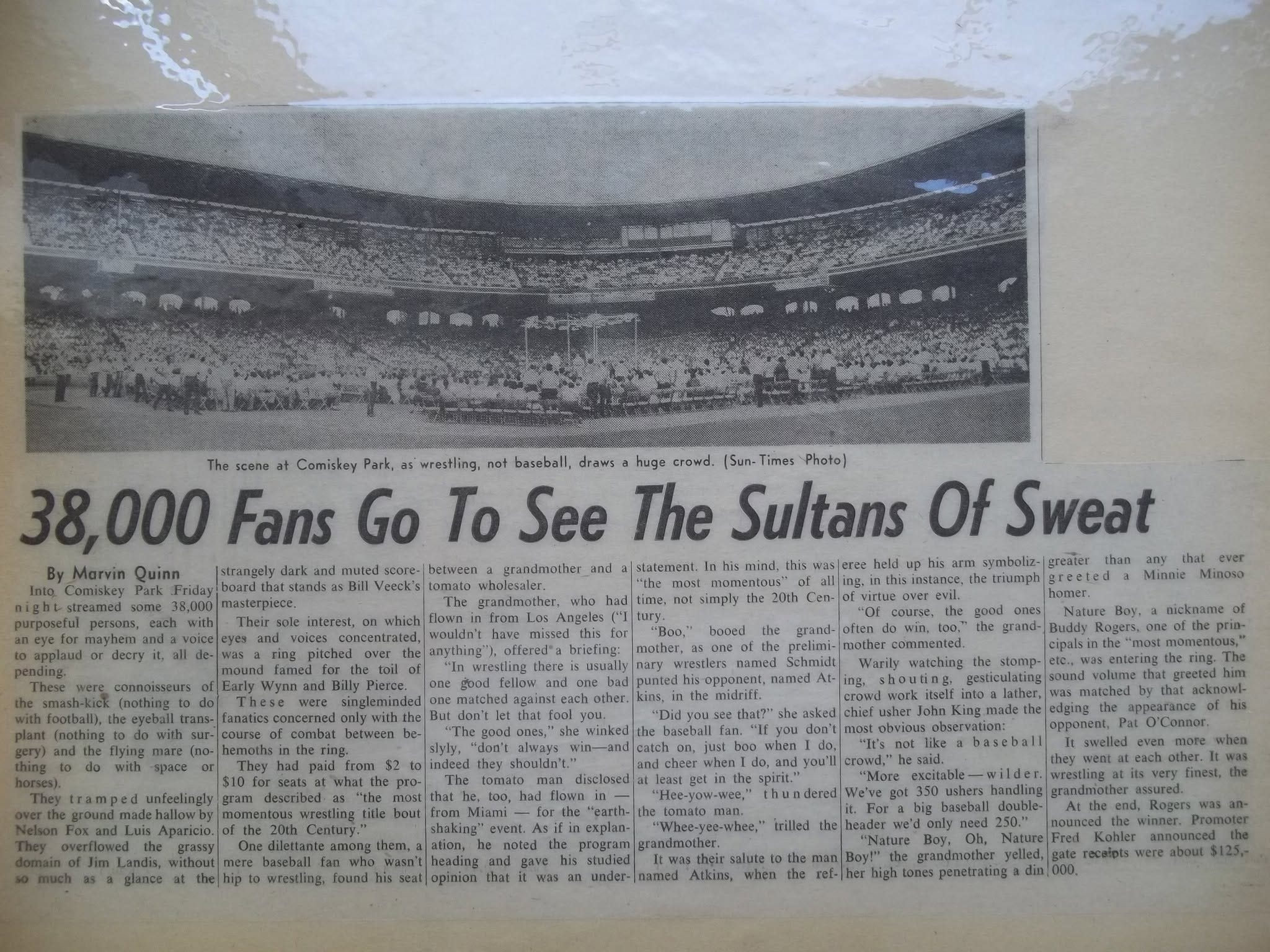
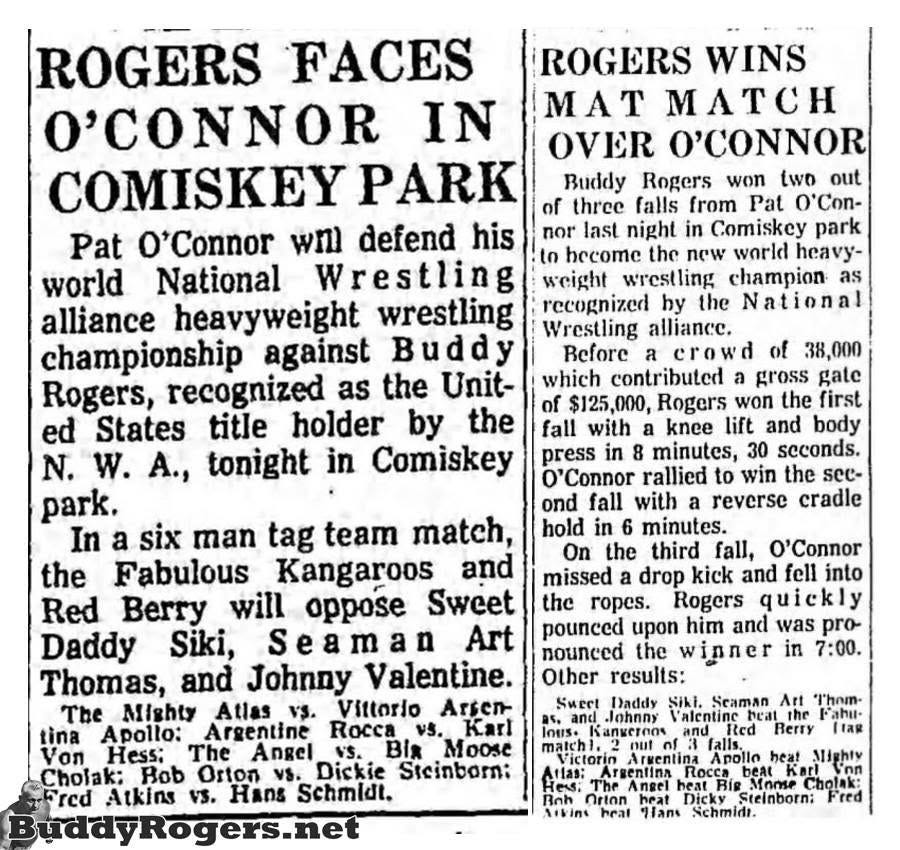
Comiskey Park, home of the Chicago White Sox, transformed into a wrestling coliseum. The undercard featured a mix of local favorites and national names: Haystacks Calhoun defeated The Crusher; Antonino Rocca beat Karl von Hess; Bob Orton Sr. defeated Dick Steinborn; and a six-man tag saw Art Thomas, Johnny Valentine, and Sweet Daddy Siki defeat The Fabulous Kangaroos and Red Berry. These bouts built atmosphere and showcased the depth of the territorial roster.
When the main event arrived, the crowd of approximately 38,622 (with some reports citing slightly higher figures) was electric. Referee Stan Sarberneck of Chicago presided over the best two-out-of-three-falls contest. Rogers, the arrogant heel in tights with his golden locks and manager at ringside, faced the no-nonsense, technically sound O’Connor.
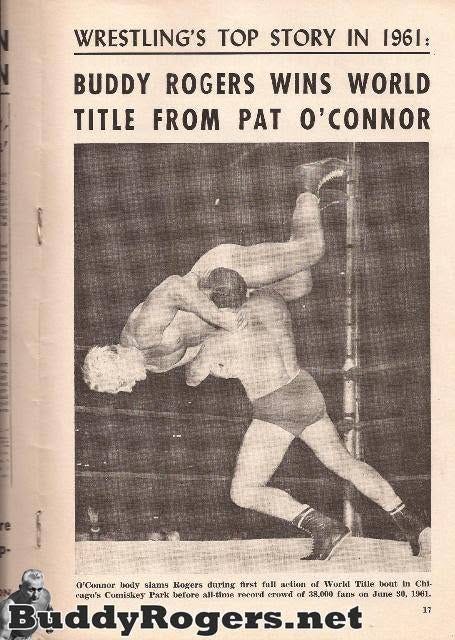
Contemporary accounts and surviving color footage (remarkably preserved and available today) reveal a hard-fought, if occasionally rushed, contest that prioritized narrative and drama over flawless execution. O’Connor used nasty, varied arm locks and bars to control early action. Rogers bumped and sold dramatically, taking punishment without sympathy to build heat.
• Fall 1 (won by Rogers around the 8:30 mark): Rogers secured the first fall through opportunism—reportedly countering an O’Connor charge in the corner with a well-timed knee lift or similar tactic that caught the champion off guard.
• Fall 2 (won by O’Connor, evening the score around the 14:30 mark): O’Connor responded with technical mastery, evening the match with his signature O’Connor Roll or a precise pinning combination after wearing Rogers down with holds.
• Deciding Fall (Rogers wins at approximately 21:30 total): O’Connor dominated aggressively, looking to close it out. However, he missed a dropkick near the ropes, crotched himself on the top strand, and suffered a legitimate groin injury. As he tried to roll away, the opportunistic Rogers capitalized with a pinfall to become the new NWA World Heavyweight Champion.
The finish was classic heel booking—skill meeting cunning and a touch of fortune (or misfortune for the champion). It delivered the desired shock and controversy while protecting both men’s credibility.
Immediate Aftermath and Business Impact
Rogers’ victory made him the first recognized heel NWA World Heavyweight Champion, a significant shift. His reign lasted until January 24, 1963, when he dropped the title to Lou Thesz in Toronto under carefully controlled circumstances (one-fall match, safeguards to ensure the outcome amid reported promoter frustrations with Rogers’ booking preferences and injuries). Rogers later became the inaugural WWWF World Champion in 1963 before losing quickly to Bruno Sammartino.
O’Connor, despite the injury in the finish, continued as a top draw and respected veteran. He later co-owned the St. Louis Wrestling Club and remained influential in the industry until his passing in 1990.
The gate and attendance validated the territorial model’s strength in 1961. Big live events in baseball stadiums could still produce record-setting numbers when the right stars aligned. Kohler’s Chicago territory thrived on such spectacles, even as underlying promoter tensions (Kohler vs. Muchnick and others) simmered beneath the NWA surface.
Enduring Legacy
This title change sits at a fascinating crossroads in pro wrestling history. It bridged the long scientific dominance of Lou Thesz with a more personality-driven, showmanship-oriented era embodied by Rogers. The “Nature Boy” archetype—arrogant, charismatic, bleached-blonde heel—directly influenced future icons, most notably Ric Flair, who adopted the name, strut, interviews, and even the figure-four leglock. Rogers helped popularize a more dynamic in-ring style with flying moves and bumps that energized crowds.
For the NWA and territorial system, the event demonstrated both the alliance’s cooperative power (pooling talent for mega-draws) and its fractures (political maneuvering around title changes and bookings). It highlighted Chicago’s status as a major wrestling hub and proved that live attendance remained king even as television expanded.
The surviving footage allows modern fans and historians to study the match directly—a rare window into 1961 territorial wrestling at its peak. It was not a flawless technical classic, but it was a compelling, dramatic contest with real stakes, strong storytelling, and historical weight. The opportunistic heel victory, the legitimate injury spot, and the massive crowd created a moment that echoed for decades.
In the broader arc of the territory era, June 30, 1961, at Comiskey Park represents a high-water mark for live-event spectacle and star-driven booking. It crowned a new kind of champion while honoring the old guard, encapsulating the tension between tradition and evolution that defined professional wrestling’s golden territorial years. The NWA World Title had changed hands in dramatic fashion, and the wrestling world would never be quite the same.
This night remains essential viewing and study for anyone seeking to understand how personality, promotion, and athletic drama combined to create enduring legends in the pre-national-expansion era.
Thank You for Reading
I’m Tony Richards, Pro Wrestling Historian, Author and Storyteller. I share pro wrestling historical items in each issue of the Time Tunnel Pro Wrestling History Newsletter. Thanks for reading! If you enjoy my information on select events, matches and insights, please share it with folks you think might like to be a subscriber!
Remember, premium investors get access to exclusive and special content such as some special issues including a multi-part deep dives on wrestling territories, wrestler bios and championship title histories, special audio and video interviews on territory pro wrestling and more available in the Pro Wrestling Time Tunnel for Premium Investors.