


Happy Birthday to those who have passed on and to those great wrestlers still with us:
In Memoriam:
Greg Peterson 1932
Larry Simon/Professor Boris Malenko 1933
Cowboy Bob Kelly 1936
Bill Dromo 1937
Jose de Jesus Diaz Mendoza\Villano I 1951
Happy Birthday:
Jon Heidenreich (57)
RIP Memorial: We stop & remember those who have passed on this day and gave themselves to the business for us, the fans. We salute you and thank you.
Hans Schnabel 6-28-1980 at the age of 72

Matt Borne\Doink the Clown 6-28-2013 at the age of 55
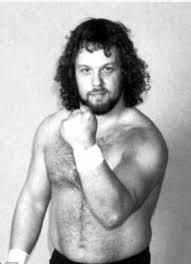
Lynn Braxton\Big Bad Mama 6-28-2013 at the age of 61

Significant Debuts:
El Santo 6-28-1934 at the age of 16
The Fabulous Moolah 6-28-1948 at the age of 24 at the Armory in Charlotte, North Carolina in a 5-Woman Rassle Royal with Dot Dotson & Nell Stewart going over to face each other in a singles match while Moolah (Lillian Ellison), Theresa Theis and Rose Evans eliminated
Jaguar Yakota 6-28-1988 at the age of 15 in a singles match losing to Mayumi Takahashi at the Ota Ward Gymnasium in Tokyo, Japan
Flashback 1976:
Q2 April-June
West Texas Territory
Amarillo, Texas Office
In the second quarter of 1976, Western States Sports continued its established role as a cornerstone of NWA territory wrestling in West Texas. Headquartered in Amarillo and operated by the Funk family, the promotion ran a reliable circuit that included regular stops in Lubbock, Odessa, and Abilene, with occasional dates further afield. The Funks leveraged Terry Funk’s reign as NWA World Heavyweight Champion alongside local stars like Ricky Romero and Dory Funk Jr. to keep cards competitive and engaging. Title activity in both the singles and tag divisions provided clear story drivers, while visiting talent and multi-man matches added depth. Specific attendance figures for individual house shows from this era are sparsely documented in surviving records, but the frequency of events and booking of major attractions suggest solid regional draw consistent with the territory’s mid-sized status. The following breakdown examines April, May, and June individually, highlighting key wrestlers, programs, title changes, and available business context per month.
April 1976
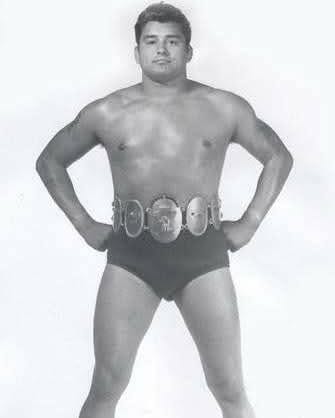
April opened with a burst of championship movement that set a brisk pace for the quarter. Scott Casey entered the month as NWA Western States Heavyweight Champion, but his reign concluded in mid-month when Jerry Brisco defeated him for the title on or around April 16 in Amarillo. Brisco’s arrival injected fresh energy into the singles scene as he worked programs against established territory hands. Around the same time, the tag division saw its own turnover: on April 16 in Lubbock, Bobby Jaggers and Randy Tyler captured the NWA Western States Tag Team Championship by defeating Ricky Romero and The Silver Streak.
Cards that month featured consistent main-event presence from Ricky Romero, who frequently battled heels such as Hank James and mixed it up in tags. Dory Funk Jr. and the Super Destroyer clashed in several high-profile singles matches, while Terry Funk’s appearances elevated the entire circuit. Notable bouts included Funk facing Harley Race in Abilene on April 14 and again in Amarillo on April 15, contests that drew strong interest given Funk’s world title status and Race’s reputation as a top challenger (one account describes a competitive hour time-limit draw in Amarillo). Jerry Brisco also crossed paths with Scott Casey and other contenders in the lead-up to and following the title change. Other regulars like The Lawman, Lord Al Hayes, Reggie Parks (who unmasked as The Avenger later in the month), and Jerry Kozak filled out solid undercards in towns across the territory. The Super Destroyer challenged for and exchanged the International Title with Gene Kiniski (billed as The Mighty Canadian) during this period.
Business appeared steady, with multiple towns hosting events in a typical week. While exact attendance tallies for most April cards are not preserved in detail, the presence of the world champion and high-profile matches against Race likely produced stronger-than-average gates in key venues like the Amarillo Sports Arena and Lubbock facilities, supporting the promotion’s ongoing operations without reported downturns.
May 1976
May built directly on April’s momentum, with continued title activity and the introduction of bigger attractions toward month’s end. The Western States Heavyweight Championship remained with Jerry Brisco for much of the month as he defended and worked programs against the likes of Scott Casey and Dory Funk Jr. The tag titles changed hands again on May 12 in Abilene, where Scott Casey teamed with Reggie Parks to defeat Jaggers and Tyler for the belts. This pairing created natural story overlaps between the singles and tag scenes.
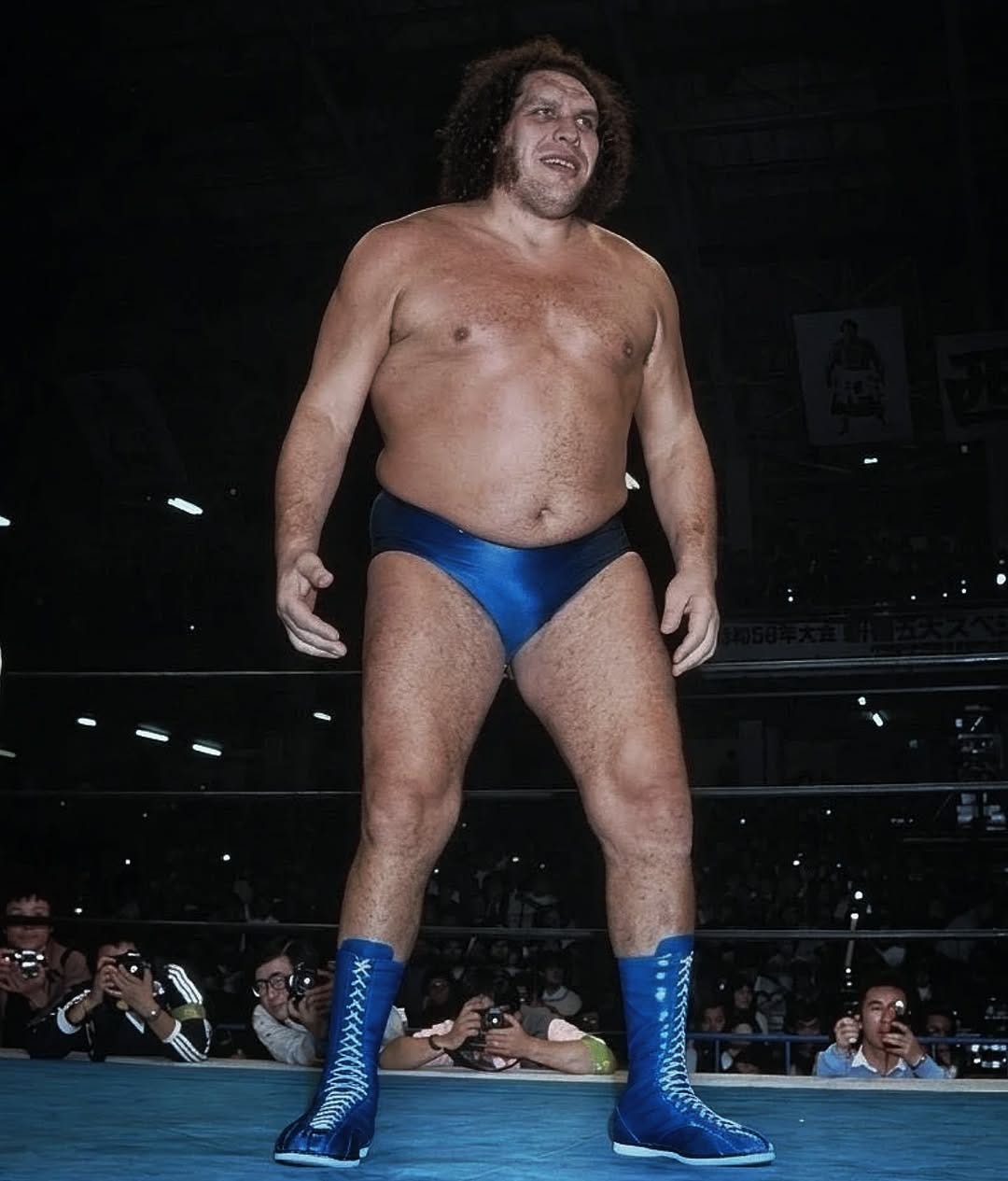
Ricky Romero stayed central, headlining or co-headlining with wins and challenges against Hank James, Bobby Jaggers, Randy Tyler, and others, often in decisive or disqualification finishes that advanced ongoing rivalries. Dory Funk Jr. continued his feud with the Super Destroyer, while multi-man tags frequently mixed divisions and gave mid-card talent opportunities. Dick Murdoch made appearances, adding his rugged style to the mix, and Frank Goodish worked dates as well. Late in the month, Andre the Giant provided a major draw, winning battle royals in shows around Odessa on May 25, Abilene on May 26, and Amarillo on May 27. These spectacles complemented the territory’s core action and likely boosted attendance in those key towns.
The promotion maintained its circuit rhythm, running events in Amarillo, Lubbock, Odessa, and Abilene with regularity. While specific monthly gate figures remain limited in available historical accounts, the Andre the Giant battle royals and steady title programs contributed to healthy crowds, helping the territory hold its own amid broader NWA competition and sustaining weekly operations effectively.
June 1976
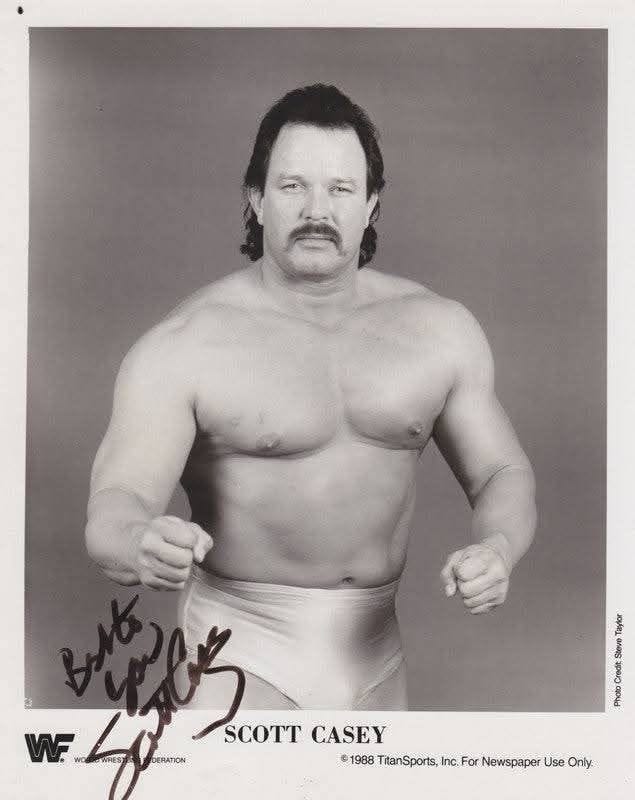
June brought further title resolution and a continued emphasis on star power. Scott Casey regained the Western States Heavyweight Championship from Jerry Brisco on June 4 in Lubbock, restoring the title to a familiar local presence and opening new program possibilities. The tag titles turned over once more on June 11 in Lubbock, with Davey O’Hannon and Dennis Stamp defeating Casey and Parks to claim the belts. These changes kept both divisions active and prevented any single team or champion from dominating for too long.
Terry Funk remained a major drawing card, notably facing Jack Brisco in Amarillo on June 3. Other programs saw Ricky Romero, Dory Funk Jr., the Super Destroyer, Hank James, and various combinations continuing their spring rivalries into the new month. The roster depth allowed for varied cards featuring The Lawman, Larry Lane, and other regulars alongside the titleholders and challengers. Multi-man tags and six-man matches remained common, providing action-packed nights that rewarded regular attendees.
The business side reflected the same steady approach seen earlier in the quarter, with shows distributed across the core towns. While exact attendance numbers for June events are not comprehensively documented, the world champion’s continued involvement and fresh title picture helped sustain solid regional interest and gates consistent with the territory’s typical house show performance heading into the summer.
Overall, Q2 1976 illustrated the strengths of the Amarillo territory under Western States Sports. Rapid yet purposeful title changes in both divisions, strong performances from anchors like Ricky Romero and the Funks, and strategic use of visiting stars created engaging storylines and consistent live events.
Thank You for Reading
I’m Tony Richards, Pro Wrestling Historian, Author and Storyteller. I share pro wrestling historical items in each issue of the Time Tunnel Pro Wrestling History Newsletter. Thanks for reading! If you enjoy my information on select events, matches and insights, please share it with folks you think might like to be a subscriber!
Remember, premium investors get access to exclusive and special content such as some special issues including a multi-part deep dives on wrestling territories, wrestler bios and championship title histories, special audio and video interviews on territory pro wrestling and more available in the Pro Wrestling Time Tunnel for Premium Investors.