


Happy Birthday to those who have passed on and to those great wrestlers still with us:
In Memoriam:
Dean Detton 1929
Dick Afflis\Dick The Bruiser 1929
Happy Birthday:
Chris DeJoseph\Big Dick Johnson
Kimberly Ann Frankele (36)
RIP Memorial: We stop & remember those who have passed on this day and gave themselves to the business for us, the fans. We salute you and thank you.
Henry W. Mittlestadt\Tiny Mills 6-27-1987 at the age of 74
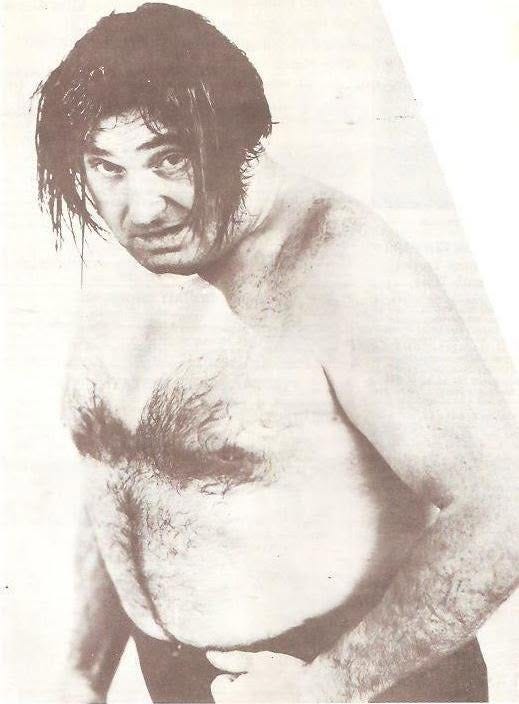
Alex Perez 6-27-2001 at the age of 71

Pat Hutchinson 6-27-2006 at the age of 50
(no photo availbale)
John Czawlytko\Max Muscle 6-27-2019 at the age of 56

The Life and Career of Cowboy Bob Kelly
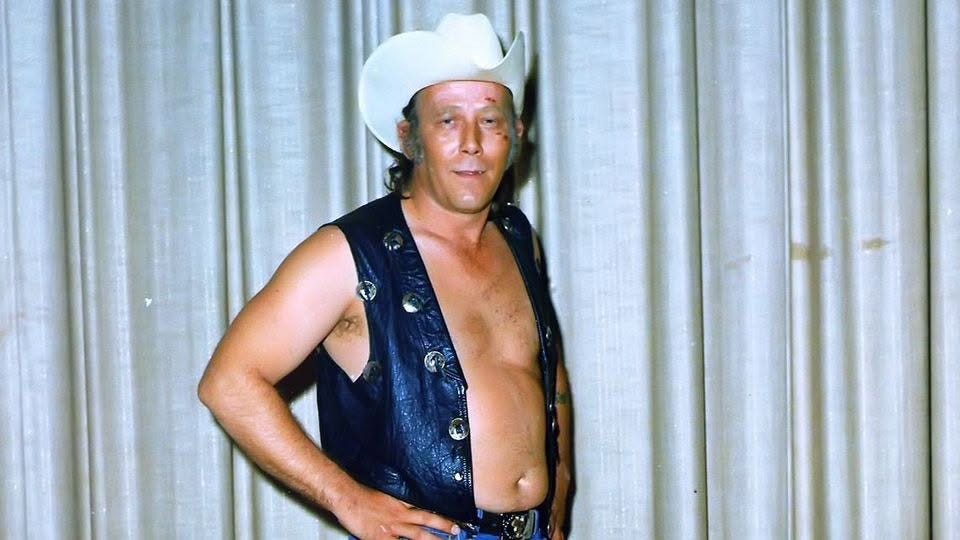
Robert Raymond Kelley, better known as “Cowboy” Bob Kelly, stands as one of the most beloved figures in the rich history of territorial professional wrestling. Born on June 28, 1936, on a farm in rural Louisville, Kentucky, Kelly embodied the archetype of the all-American babyface hero—a larger-than-life personality who combined athletic prowess, genuine charisma, and deep community roots. Over his career, primarily in the Gulf Coast Championship Wrestling territory spanning Alabama, Mississippi, and northern Florida, he became a record-holding champion, a trusted booker, and a hero to thousands who packed arenas like the Mobile Civic Center to cheer him on.
Kelly’s path to wrestling was shaped by his early loves for rodeo and grappling. An avid rodeo fan and competitive bronco rider in his youth, he earned the “Cowboy” nickname that would define his persona. He served in the United States Marine Corps in the early 1950s, where he competed on the wrestling team, gaining his first formal taste of the sport. After his military service, he married his wife Chris in June 1958—a union that would last over 55 years and produce five children. The couple’s partnership became a cornerstone of his life, with Chris often traveling with him and supporting his career.
Kelly entered the wrestling business in 1959 in his hometown of Louisville, working for a promotion run by Wee Willie Davis. He started humbly—setting up rings, serving as a ring announcer, and refereeing—before transitioning to in-ring competition. Initially billed as “Irish” Bob Kelly, he honed his skills under trainers like Davis, Doug Kinslow, and later Charlie Carr and Lee Fields. A pivotal period came in 1965 during a stint in North Bay, Ontario, Canada, under promoter Larry Kasaboski. There, veteran Matt Gilmore (working as the Hangman) mentored him, encouraging Kelly to trust his instincts and develop his own style. This experience helped Kelly find his voice and confidence in the ring.
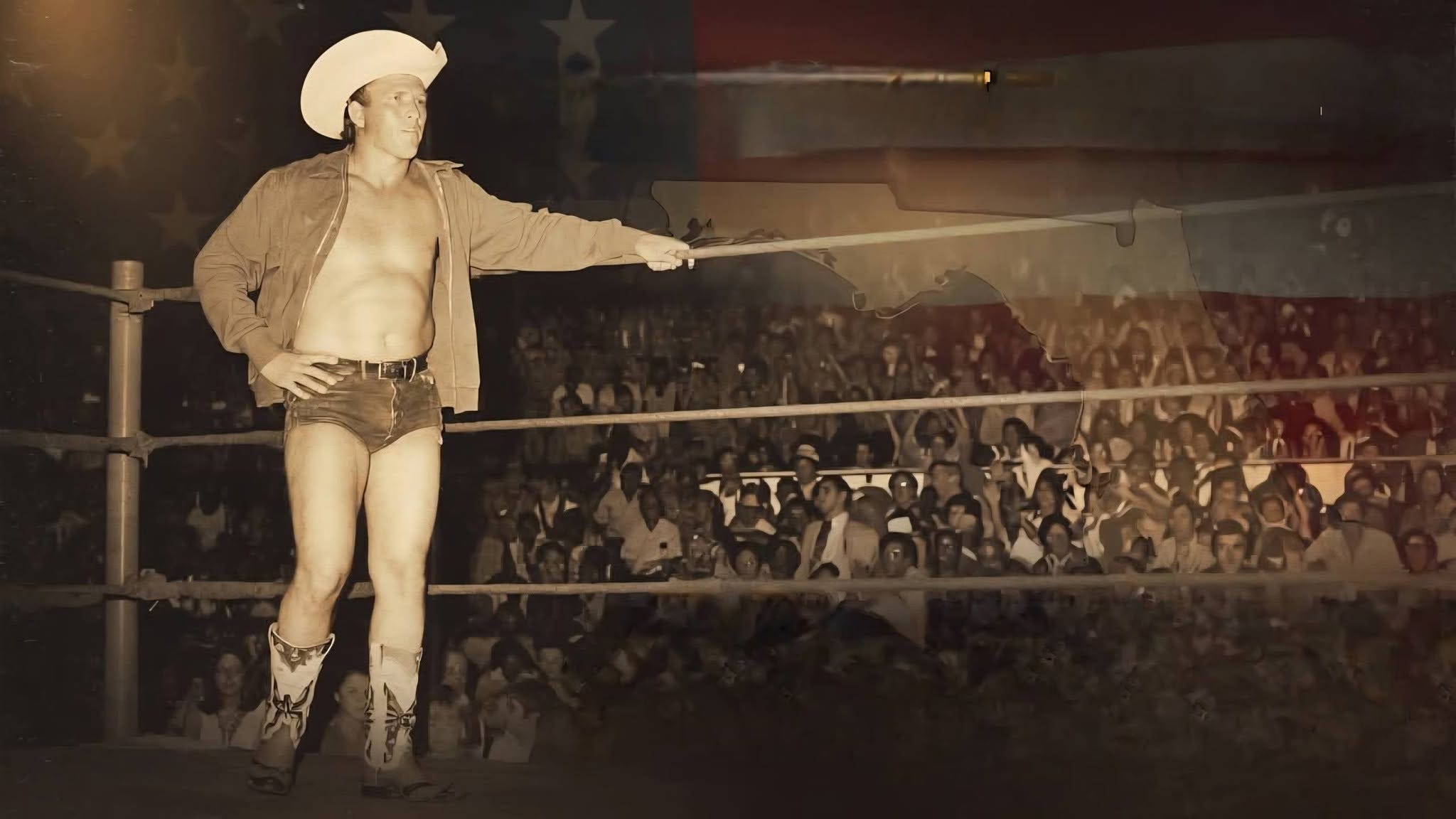
It was in Mobile, Alabama, however, that Kelly truly found his home. He formed a profound friendship with promoter Lee Fields, whom he often described as one of the two great miracles of his life (alongside meeting Chris). The Gulf Coast territory suited Kelly perfectly. As a top babyface, he rarely needed to travel extensively, staying close to home and his fans. “It was a deal where we didn’t need to go anywhere else,” Kelly later reflected. “We had a home there and we was booked and we was on top, we made money… we were only out of town once or twice a week.” He made occasional trips to Eddie Graham’s Florida territory and Puerto Rico but remained loyal to the Gulf Coast.
Kelly’s in-ring style and persona resonated deeply. At 5’11” and around 216 pounds, he wasn’t the biggest wrestler, but his bulldog finisher, toughness, and everyman authenticity made him a star. He held numerous titles, including a record 18 reigns as NWA Mississippi Heavyweight Champion and 11 as NWA Gulf Coast Heavyweight Champion. Other accolades included the NWA Gulf Coast Tag Team Championship (with partners like Bobby Fields, Ramon Perez, and Rip Tyler), the NWA City of Mobile Heavyweight Championship (four times), and more. His memorable feuds—with the Wrestling Pro (Tarzan Baxter), Eddie Sullivan, Don Fargo, and others like Mike Boyette—drew packed houses. One legendary 1971 bout saw Kelly defeat the “Hippie” Mike Boyette, leading to Boyette’s hair being cut and sold to enthusiastic fans.
Beyond wrestling, Kelly took on booking responsibilities in the territory, working closely with Lee Fields and coordinating with National Wrestling Alliance figures like Sam Muchnick to bring in top talent. He occasionally came out of retirement for storylines, wrestling his final match around 1986-1987. His commitment to fans was legendary; after matches, he and Fields would stay to sign autographs and connect with the audience, fostering lifelong loyalty.
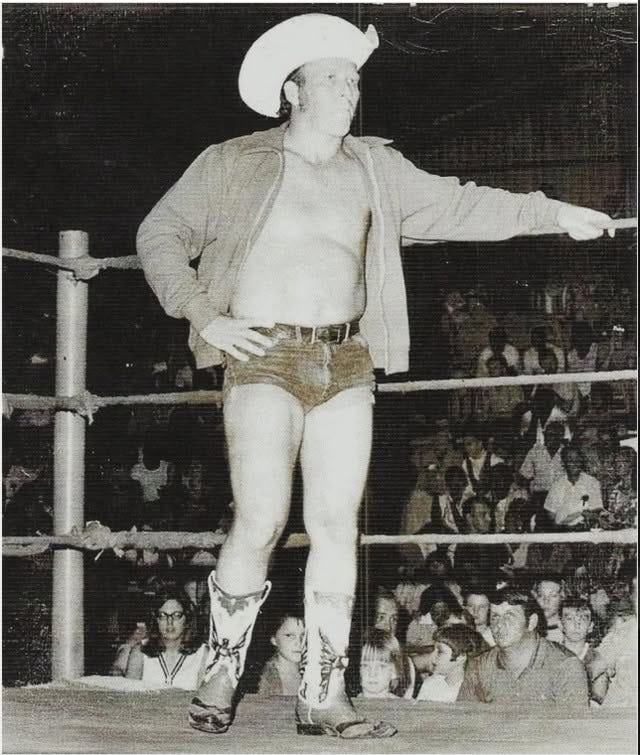
After stepping away from full-time wrestling in 1977, Kelly remained active in Mobile. Through his friendship with Fields, who owned a racetrack, Kelly became a race car driver. He also ran a wrecker service, sold real estate alongside Chris (earning recognition for top sales), and stayed involved in the wrestling community. He served as President of the annual Gulf Coast Wrestlers Reunion, was a Cauliflower Alley Club Board member, and cherished reunions that kept the territory’s legacy alive. He was inducted into the Lee Fields Gulf Coast Wrestling Hall of Fame in 2013 and the NWA Hall of Fame in 2014.
Kelly’s later years were marked by both joy and profound loss. He maintained a shrine in his home honoring his wrestling days and his beloved wife Chris, who passed away in October 2013. Her death deeply affected him. Kelly passed away on October 12, 2014, at age 78, from complications of lung cancer, surrounded by family. Friends noted that grief played a significant role in his declining health.
Cowboy Bob Kelly’s legacy endures as the ultimate hometown hero of the Gulf Coast. Described as “John Wayne, Wyatt Earp, and Roy Rogers all rolled into one,” he represented an era when wrestling territories thrived on local stars who gave back to their communities. For fans who grew up watching him on local TV or cheering in packed arenas, he was more than a wrestler—he was a symbol of resilience, loyalty, and the golden age of territorial wrestling. As one longtime admirer recalled, Kelly never forgot his roots or his fans, a quality that made him a blessing to the business and the people it touched.
In the annals of pro wrestling history, Cowboy Bob Kelly exemplifies why the territorial era produced such enduring legends: authenticity, hard work, and a genuine connection with the audience. His story remains a vital chapter in understanding the cultural impact of wrestling in the American South.
One Thing I Learned About Alex Perez
A legitimate tough guy and shooter from the 1960s–70s territories (particularly the South), Perez had a gimmick centered on having “the hardest punch in wrestling.” He was known for his stiff, realistic striking style and even had success in early mixed martial arts-style bouts or worked-shoot matches before transitioning into managing and other roles later in his career.
He was a true pioneer of the “tough guy” archetype in an era when many wrestlers relied more on showmanship.
Thank You for Reading
I’m Tony Richards, Pro Wrestling Historian, Author and Storyteller. I share pro wrestling historical items in each issue of the Time Tunnel Pro Wrestling History Newsletter. Thanks for reading! If you enjoy my information on select events, matches and insights, please share it with folks you think might like to be a subscriber!
Remember, premium investors get access to exclusive and special content such as some special issues including a multi-part deep dives on wrestling territories, wrestler bios and championship title histories, special audio and video interviews on territory pro wrestling and more available in the Pro Wrestling Time Tunnel for Premium Investors.
Great edition of the chronicle today. Loved reading more about Cowboy Bob Kelly.