



Happy Birthday to those who have passed on and to those great wrestlers still with us:
In Memoriam:
Henry Ordermann 1882
Cal Eaton 1908
Jackie Fargo 1930
Jim Grabmire 1932
Percival A. Friend 1945
“Pretty Boy” Larry Sharpe 1951
Happy Birthday:
James Morrison\James J Dillon (85)
Davey O’Hannon (75)
Sandra Calderon\Lady Apache (55)
Matt Stryker (52)
Mark Jindrak\Marco Corleone (49)
RIP Memorial: We stop & remember those who have passed on this day and gave themselves to the business for us, the fans. We salute you and thank you.
Joe Acton 6-26-1917 at the age of 65

“Nature Boy” Buddy Rogers 6-26-1992 at the age of 71

Steve King\Chief Cherokee 6-26-1998 at the age of 46
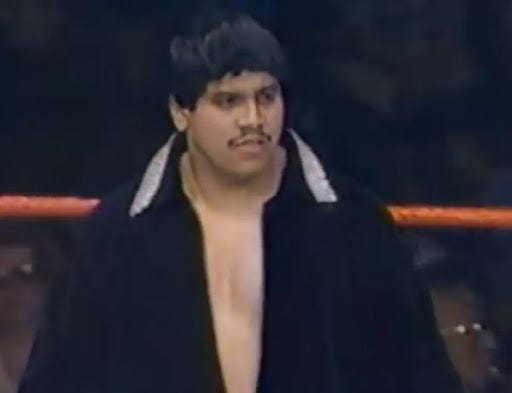
Buck Ramstead 6-26-2019 at the age of 75

Louis Tillet 6-26-2024 at the age of 89
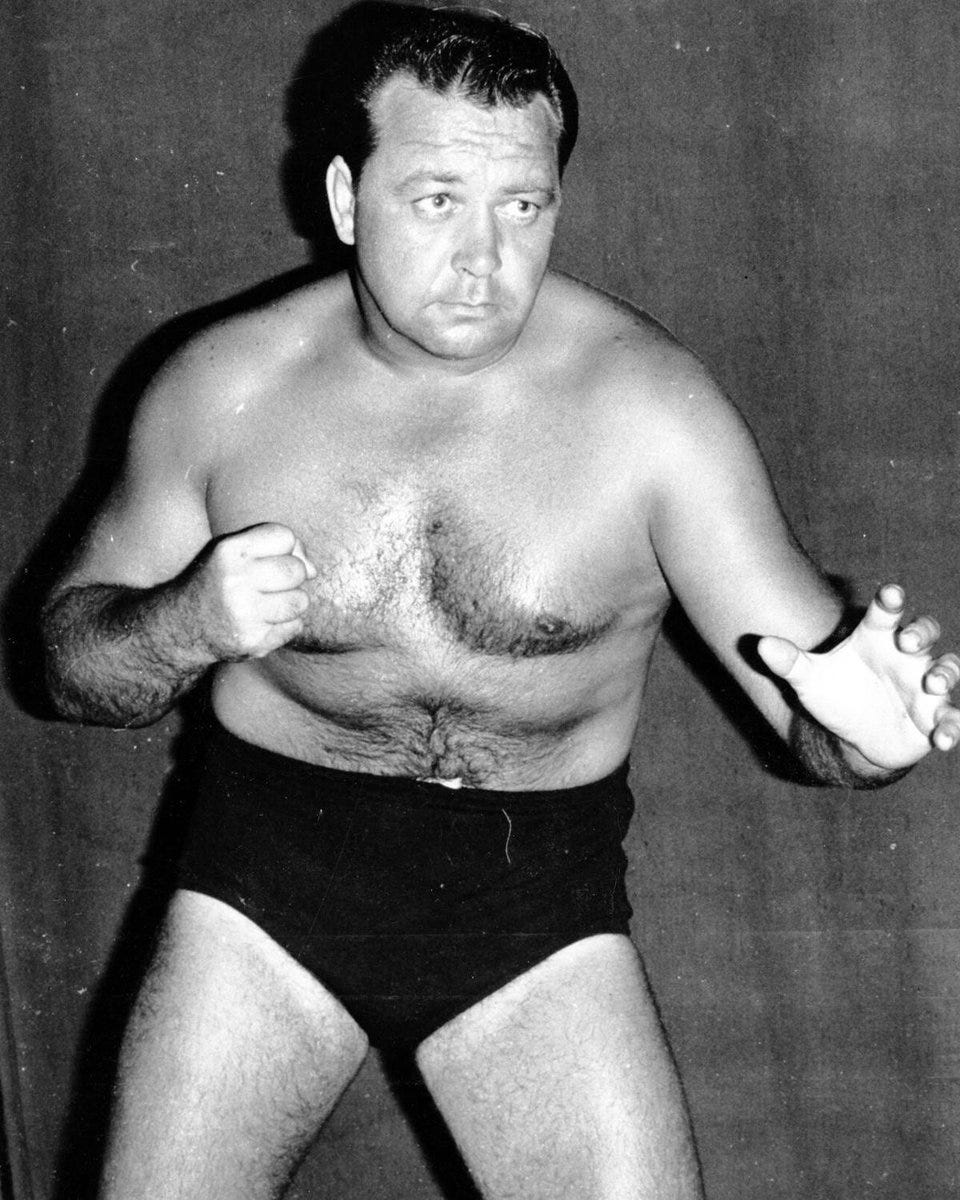
The Life and Career of The Cobra, George Takano
George Takano, born Joji Takano on June 23, 1958, in Yamaguchi, Yamaguchi Prefecture, Japan (with some sources noting Kitakyushu or related areas), stands as a fascinating figure in professional wrestling history. A mixed-heritage athlete of Japanese and African American descent, he carved out a distinctive career that spanned multiple promotions, weight classes, and personas. Best known as the masked high-flyer and technician The Cobra—billed from Uganda—he achieved significant success in the junior heavyweight division during the 1980s, particularly in New Japan Pro-Wrestling (NJPW) and its international partnerships.
Later unmasking and competing as George Takano, he transitioned into tag team wrestling and independent promotions. His journey reflects the globalization of puroresu, the territorial-to-national shifts in the U.S., and the challenges of sustaining a career in a demanding sport. Despite retiring from full-time competition around 2004, with a final match in 2018, Takano remains active as a promoter, underscoring his enduring commitment to the industry.
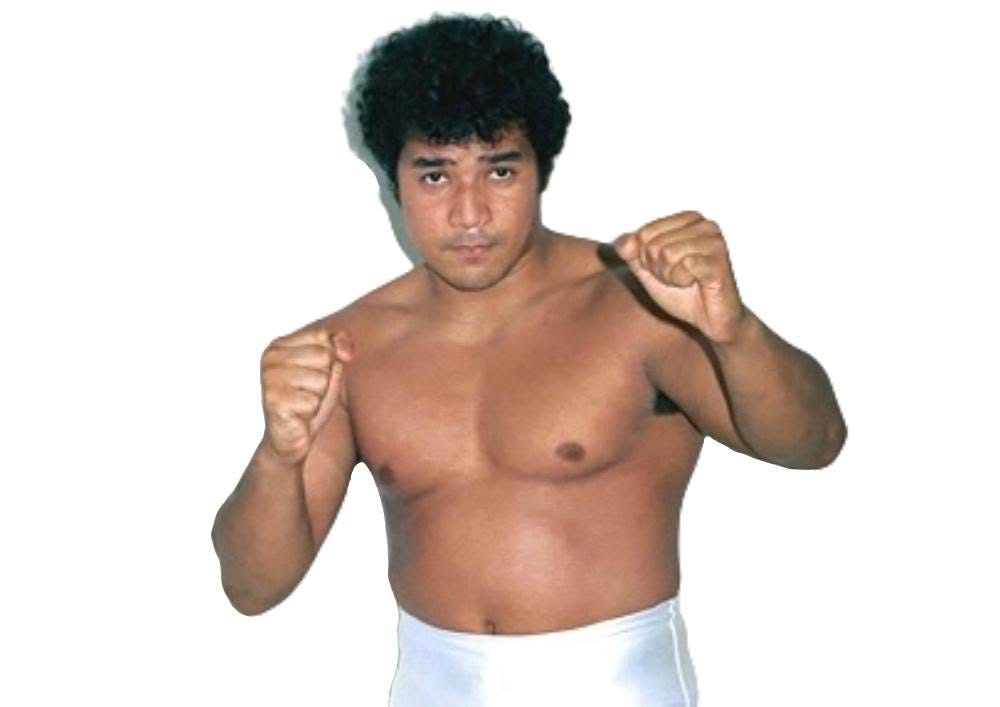
Takano’s background is marked by resilience amid personal challenges. His father was an African American Marine stationed at the Iwakuni base, also noted as a promising boxer, who returned to the United States, leaving Takano’s Japanese mother to raise him and his younger brother, Shunji Takano (also a wrestler). As a mixed-blooded child in post-war Japan, Takano navigated identity and cultural complexities that later informed his adaptable ring personas.
At age 15, he entered the world of sumo wrestling in March 1974, training in a grand sumo stable. However, the stable folded in January 1976, prompting a pivot. This early exposure to disciplined, physical combat sports proved foundational. He trained under the legendary “Tokyo Joe” (Yukihiro Sakada, or Joe Daigo), a key NJPW trainer and talent scout who emphasized amateur wrestling holds, submissions, endurance, and technical proficiency. Takano debuted on February 10, 1977, entering the rigorous NJPW dojo system in late 1976.
His mixed heritage and athletic build (listed at around 6’1”–6’2” or 185–188 cm, and 115 kg / 253–254 lbs in his prime) gave him a versatile, imposing presence that blended power, agility, and aerial prowess—ideal for the evolving junior heavyweight style of the era.
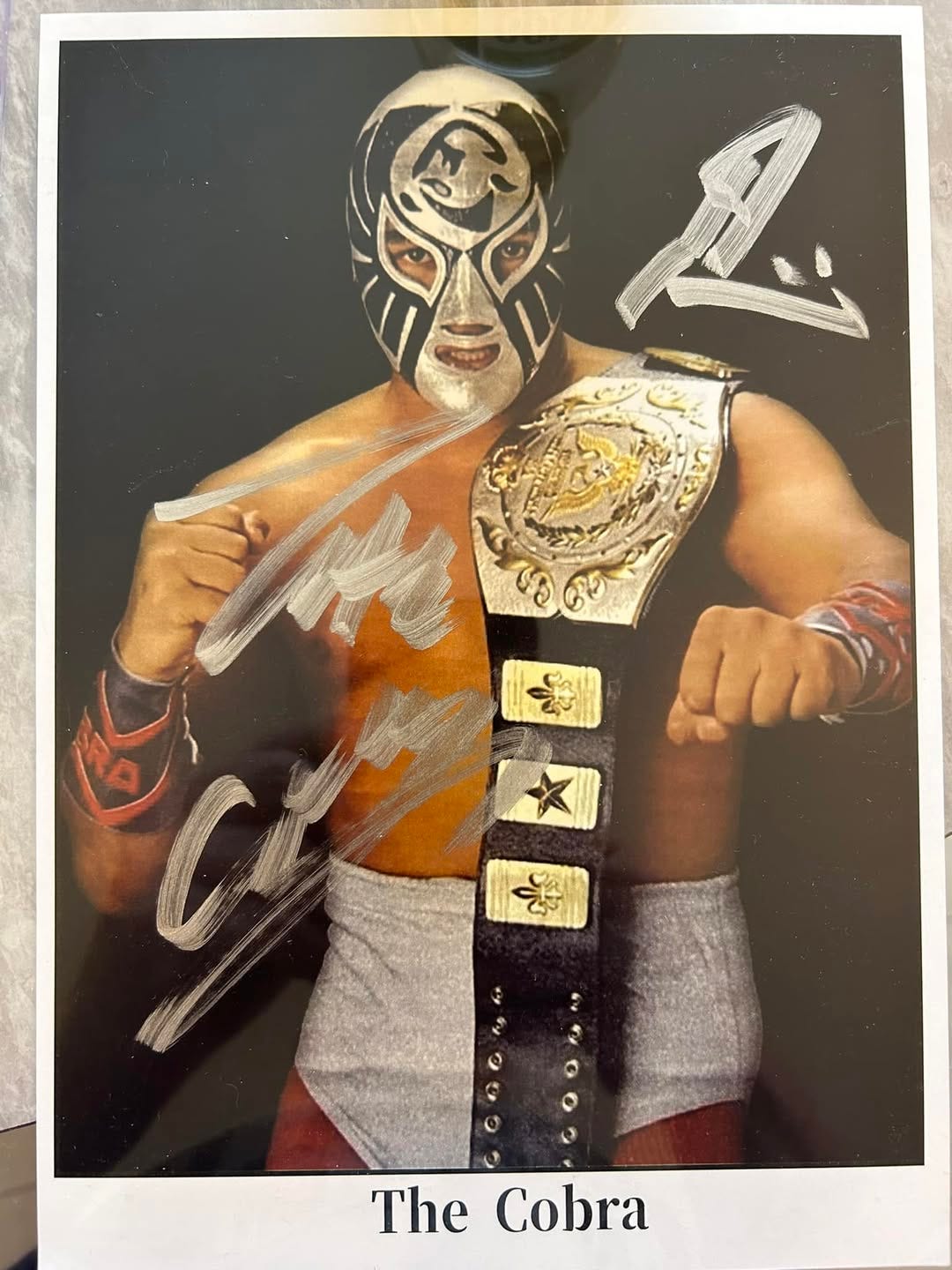
Early in his career, Takano gained experience in NJPW before venturing to North America, notably Stampede Wrestling in Canada. There, in September 1983, he captured the British Commonwealth Mid-Heavyweight Championship, establishing himself as a credible competitor. Shortly after, billed as The Cobra (a masked persona from Uganda), he defeated Davey Boy Smith to win the vacant NWA World Junior Heavyweight Championship on November 3, 1983, in Tokyo. This marked a pivotal moment, positioning him as a top junior in the NWA ecosystem.
The masked Cobra gimmick—evoking mystery, speed, and danger—thrived in the 1980s crossover between NJPW and the World Wrestling Federation (WWF, now WWE). In December 1984 at Madison Square Garden, he defeated Black Tiger (Marc “Rollerball” Rocco) for the WWF Junior Heavyweight Championship. He had notable programs with stars like Dynamite Kid (whom he defeated for the title in one account) and others, showcasing high-flying dropkicks, the Cobra Twist (a signature submission), and technical exchanges.
In 1985, Takano had a memorable night against Hiro Saito, losing and then regaining the NWA World Junior Heavyweight Title in the same evening, highlighting his resilience. He held the WWF Junior title until its vacancy in late 1985 amid NJPW’s separation from WWF. His 1986 tournament final loss to Shiro Koshinaka for the inaugural IWGP Junior Heavyweight Championship was a high-profile defeat that closed one chapter while opening another.
As The Cobra, Takano excelled in a golden age of junior heavyweights. He feuded with talents like the Dynamite Kid, Black Tiger, and others in tours that blended Japanese strong style with international flair. His work rate and ability to adapt to different crowds helped popularize the division internationally. Observers noted his improvement; the Wrestling Observer Newsletter named him Most Improved in 1984.
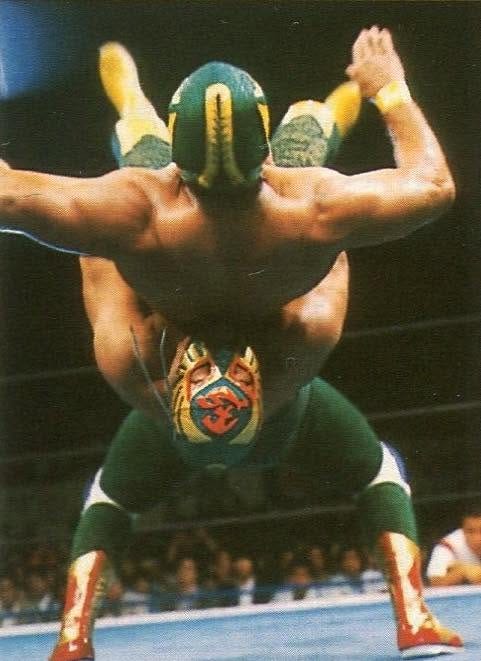
Pictured: Fishman receiving a powerful punishment from George Takano, The Cobra
By 1986, Takano unmasked and began wrestling as George Takano, shifting toward heavyweight competition. This evolution allowed him to showcase a broader skill set beyond the high-flying junior style. In March 1989, he teamed with Super Strong Machine (later known as Strong Machine) to win the IWGP Tag Team Championship, holding it for nearly four months before losing to Riki Choshu and Takayuki Iizuka. This period highlighted his versatility as both a singles star and reliable tag partner.
In 1990, Takano joined the newly formed Super World of Sports (SWS), a promotion with WWF ties that featured interpromotional dream matches. He faced or teamed against American stars including Randy Savage, Rick Martel, Tito Santana, Bret Hart (scoring a win), The Rockers (with brother Shunji), Demolition, and Legion of Doom. These bouts exposed him to larger Western audiences and underscored the era’s globalization trends. With Shunji, he won the SWS Tag Team Championship in 1992, though they lost it the next night to The Natural Disasters. SWS folded in June 1992, leading the Takano brothers to form Pro Wrestling Crusaders (PWC).
Post-SWS, Takano’s career shifted to independents and smaller promotions. He was involved in groups like Palaestra and continued working in Japan and abroad, including Consejo Mundial de Lucha Libre (CMLL). He quietly retired from full-time competition around 2004 after approximately 27 years, though he made sporadic comebacks in 2007, 2013, and notably on April 21, 2018.
Beyond in-ring work, Takano founded or co-founded promotions including Network of Wrestling (NOW), Fighting Spirit Wrestling (FSR, based in Hokkaido), and contributed to Pro Wrestling Crusaders. These efforts focused on developing talent and sustaining regional wrestling scenes, reflecting a shift from performer to promoter and mentor.
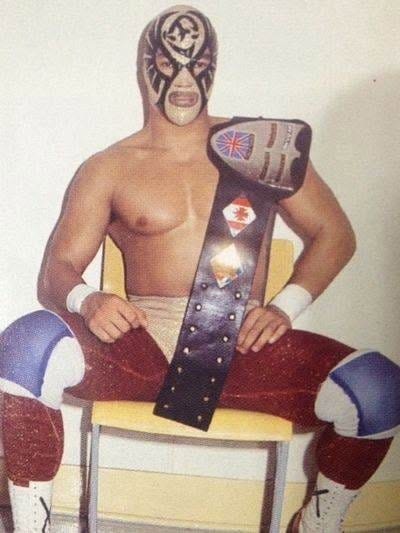
George Takano’s career embodies several key themes in pro wrestling history. As a biracial wrestler in Japan, he navigated cultural and physical expectations, using personas like The Cobra to create intrigue and overcome potential biases. His success in the junior heavyweight division during the 1980s helped elevate that weight class alongside icons like Tiger Mask, Dynamite Kid, and the early Liger/Koshinaka generation—contributing to puroresu’s technical and aerial innovation.
His international excursions, especially in Stampede and WWF/NJPW crossovers, positioned him as a bridge between territories. Wins over Davey Boy Smith, Black Tiger, and others, plus programs with Bret Hart and The Rockers, demonstrated his credibility against global talent. The tag work with Super Strong Machine and Shunji showcased family and stable dynamics common in Japanese wrestling.
Challenges included the instability of promotions like SWS and the physical toll of the sport, which led to his retirement. Post-career, his promotion work in Hokkaido highlights a commitment to grassroots wrestling, nurturing new generations in an era dominated by larger entities.
Critically, Takano was respected for his work ethic, adaptability, and improvement arc—from sumo hopeful to decorated champion. While never the absolute top draw like contemporaries in the heavyweight division, his junior heavyweight title reigns and tag successes left a solid legacy. He is remembered fondly in puroresu circles for matches that blended athleticism with storytelling.
Today, at age 67, Takano’s influence persists through FSR and the wrestlers he helped develop. His story—from dojo trainee with a complex heritage to masked international champion and promoter—illustrates wrestling’s power as a vehicle for personal reinvention and cultural exchange.
George Takano/The Cobra’s career is a testament to perseverance, versatility, and passion for the squared circle. From early sumo roots and masked glory in the 1980s to behind-the-scenes leadership, he contributed meaningfully to wrestling’s evolution across continents and decades.
One Thing I Learned About James J. Dillon
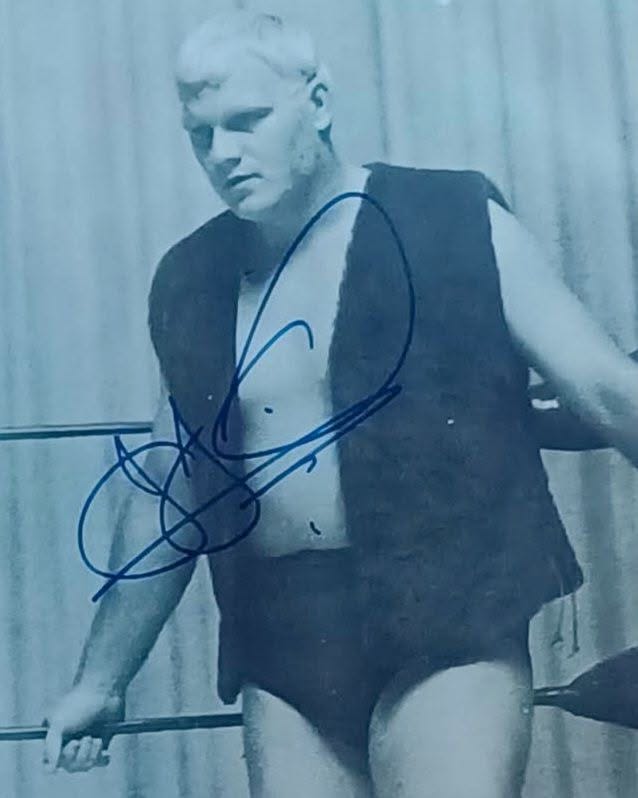
He started his career in 1963 as a wrestler and referee in the Florida territory under Eddie Graham. After his run as a singles competitor he transitioned fully into managing and later executive roles (including as WWF VP of Talent Relations in the 1990s.
Thank You for Reading
I’m Tony Richards, Pro Wrestling Historian, Author and Storyteller. I share pro wrestling historical items in each issue of the Time Tunnel Pro Wrestling History Newsletter. Thanks for reading! If you enjoy my information on select events, matches and insights, please share it with folks you think might like to be a subscriber!
Remember, premium investors get access to exclusive and special content such as some special issues including a multi-part deep dives on wrestling territories, wrestler bios and championship title histories, special audio and video interviews on territory pro wrestling and more available in the Pro Wrestling Time Tunnel for Premium Investors.