


Happy Birthday to those who have passed on and to those great wrestlers still with us:
In Memoriam:
Promoter Paul Jones 1901
Tony Santos 1922
George Takano\The Cobra 1958
Happy Birthday:
Brandi Rhodes (43)
Jessica McKay\Billie Kay (37)
RIP Memorial: We stop & remember those who have passed on this day and gave themselves to the business for us, the fans. We salute you and thank you.
James Johnson\”Crazy” Luke Graham 6-23-2006 at the age of 66
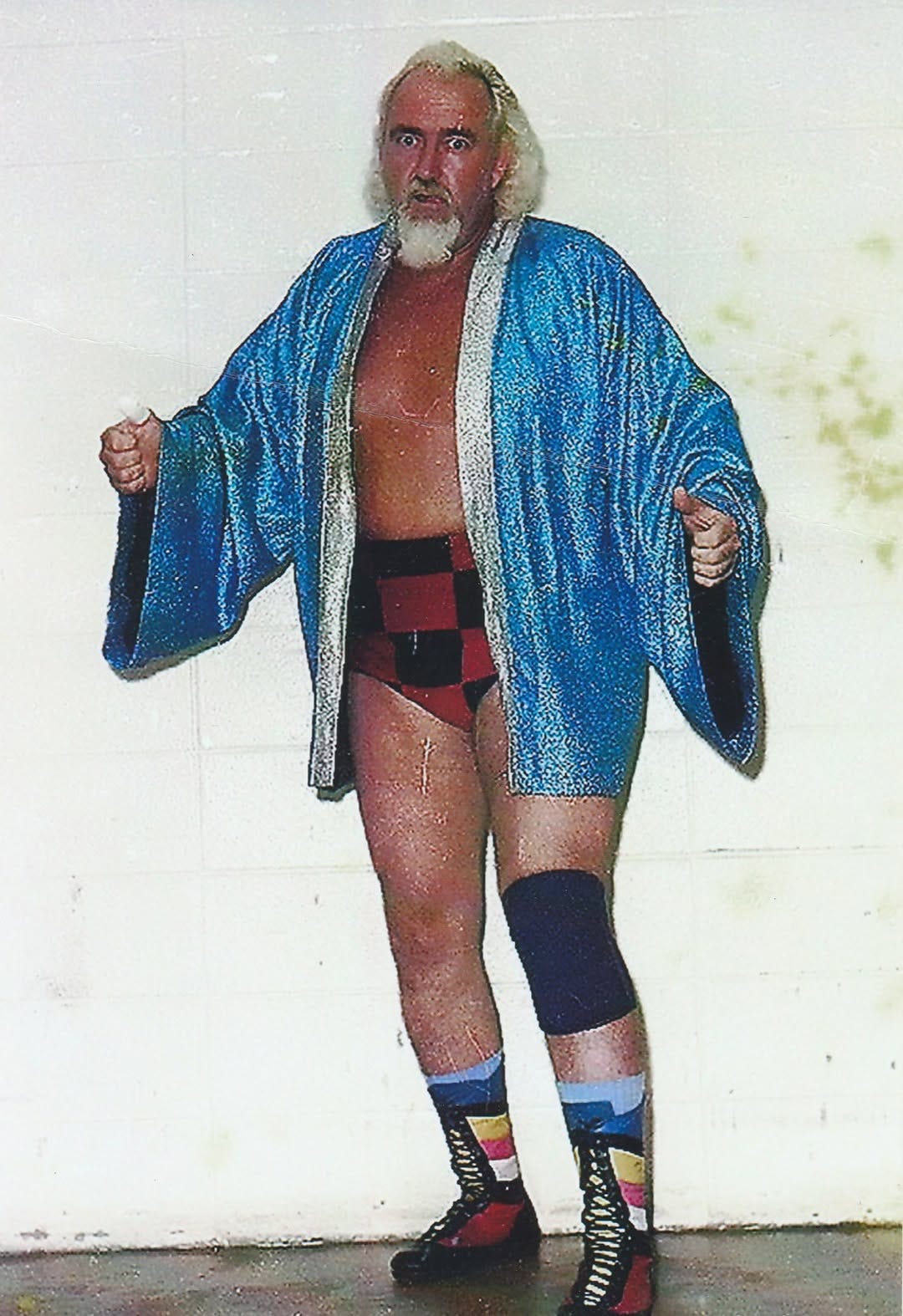
Ronnie P. Gossett 6-23-2007 at the age of 63
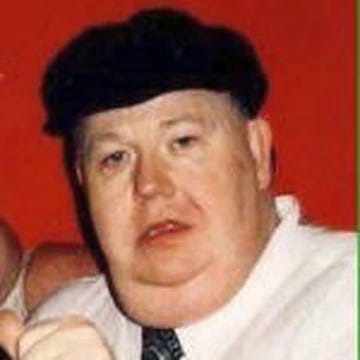
Larry Nelson 6-23-2014 at the age of 70
Nancy Lewis\Daisy Mae 6-23-2015 at the age of 85

Tetsuo Sekigawa\Mr Pogo 6-23-2017 at the age of 66
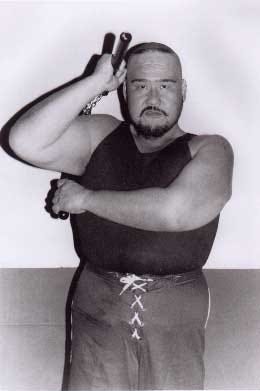
Melissa Coates\Super Genie 6-23-2021 at the age of 50

Significant Debuts:
Spiros Arion 6-23-1963 at the age of 22
Ashura Hara 6-23-1978 at the age of 31
Mick Foley 6-23-1986 at the age of 21
Minoru Suzuki 6-23-1987 at the age of 19
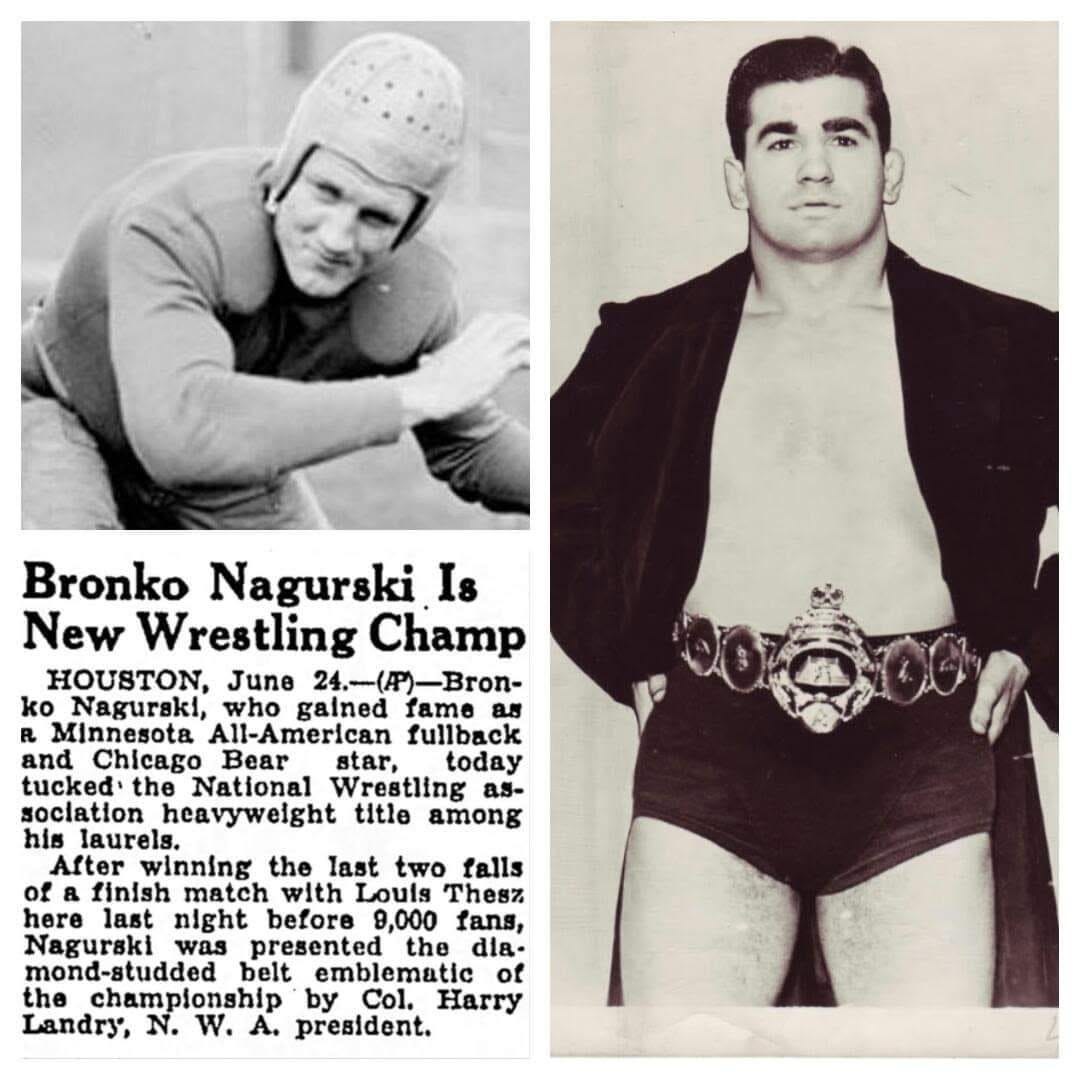
The Showdown in Houston: Bronko Nagurski Defeats Lou Thesz for the National Wrestling Association World Title
June 23, 1939
In the turbulent world of 1930s professional wrestling, where multiple “world” titles coexisted amid territorial rivalries and athletic commission politics, few matches carried the weight of legitimacy and star power as the June 23, 1939, clash between Bronko Nagurski and Lou Thesz at the Sam Houston Coliseum in Houston, Texas. With approximately 9,000 fans in attendance, Nagurski, the legendary NFL fullback turned grappler, defeated the young but already formidable Lou Thesz to capture the National Wrestling Association (NWA) World Heavyweight Championship.
This bout represented more than a simple title change; it was a collision of eras, athletic backgrounds, and promotional ambitions in an industry still defining its national champions. It was contested under best two-out-of-three falls rules and lasted roughly 65 minutes.
The Contenders: Football Legend vs. Technical Prodigy
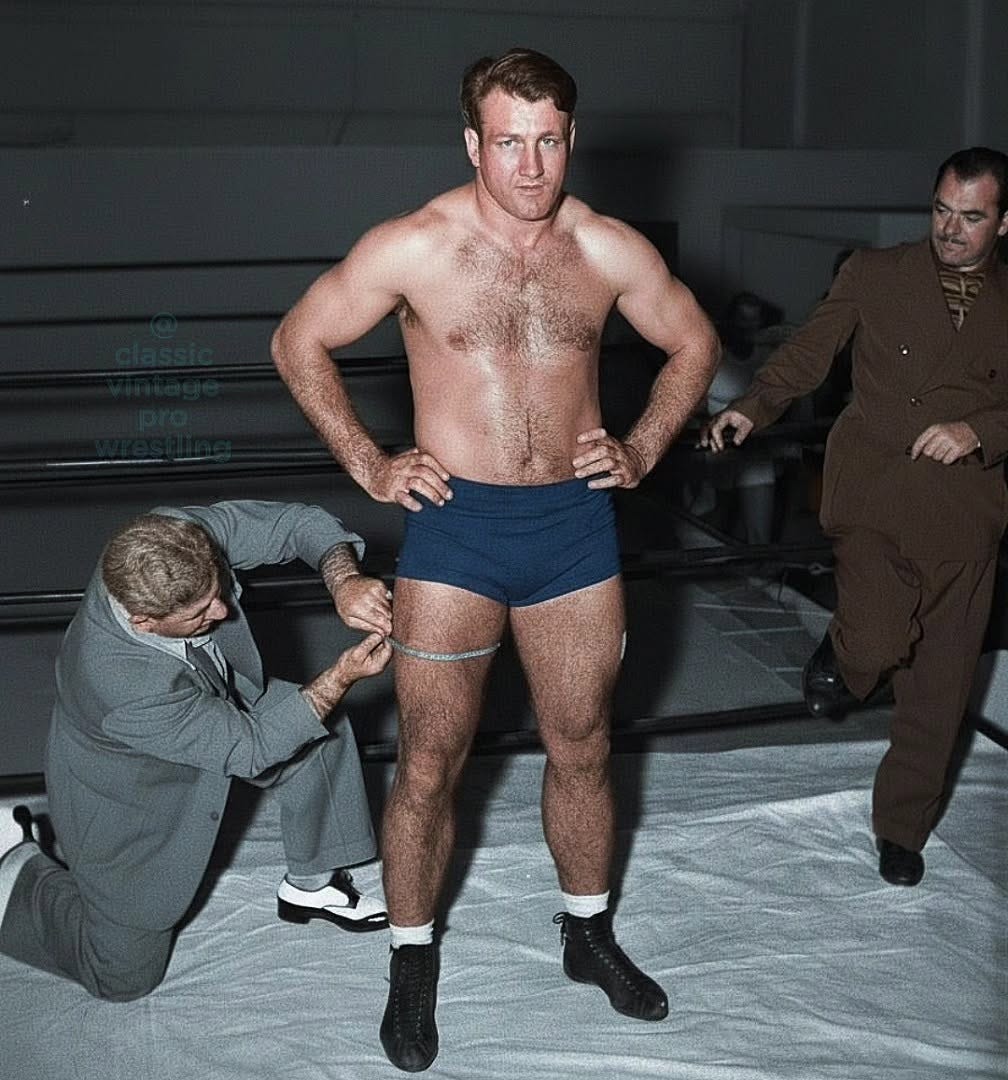
Bronko Nagurski (born Bronislau Nagurski in 1908) entered wrestling as a proven powerhouse. A consensus All-American at the University of Minnesota and a dominant force for the Chicago Bears—helping secure NFL championships—Nagurski brought unprecedented mainstream athletic credibility to the squared circle. Standing 6’2” and weighing around 235 pounds, his raw strength, durability, and football-honed toughness made him a natural draw.
Lou Thesz, by contrast, was a rising technical master. Born in 1916, Thesz was in his early 20s but already a seasoned wrestler with a background in amateur grappling and a reputation for scientific wrestling. He had won the NWA title earlier that year on February 23, 1939, in St. Louis by defeating Everett Marshall. Both men standing 6’2”, the match promised a clash of styles—Nagurski’s bruising power versus Thesz’s technical precision.
The Match and Its Dramatic Pinfall Sequence
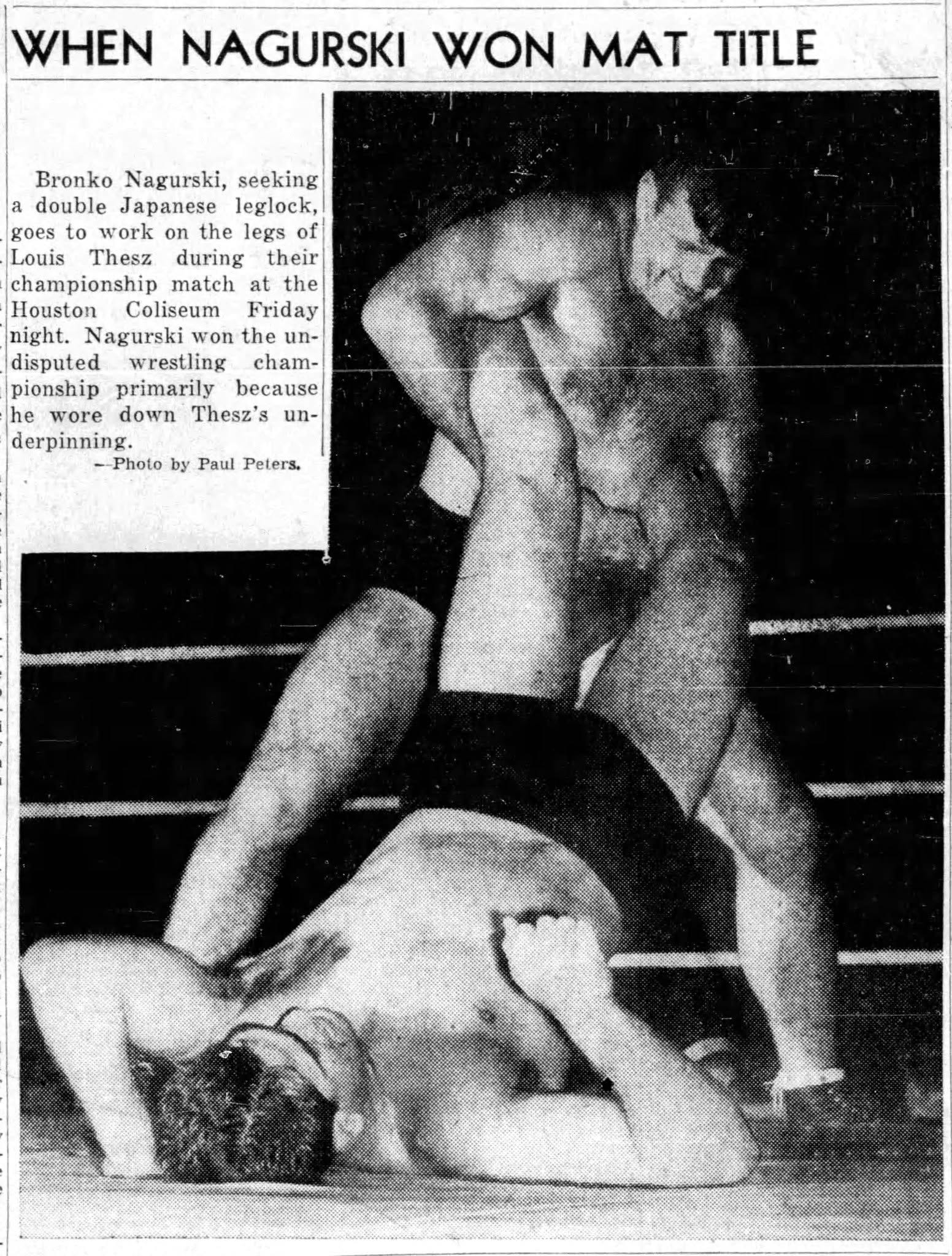
Contemporary newspaper accounts provide a vivid picture of the action. Nagurski dropped the first fall in 22 minutes and 33 seconds to Thesz’s airplane spin and dropkick combination.
In the second fall, Nagurski turned the tide with a punishing reverse toe hold applied after five minutes. He maintained pressure for four minutes, visibly injuring Thesz’s knee. Thesz eventually broke the hold but was vulnerable; Nagurski followed with a flying tackle and reverse body slam to secure the second fall.
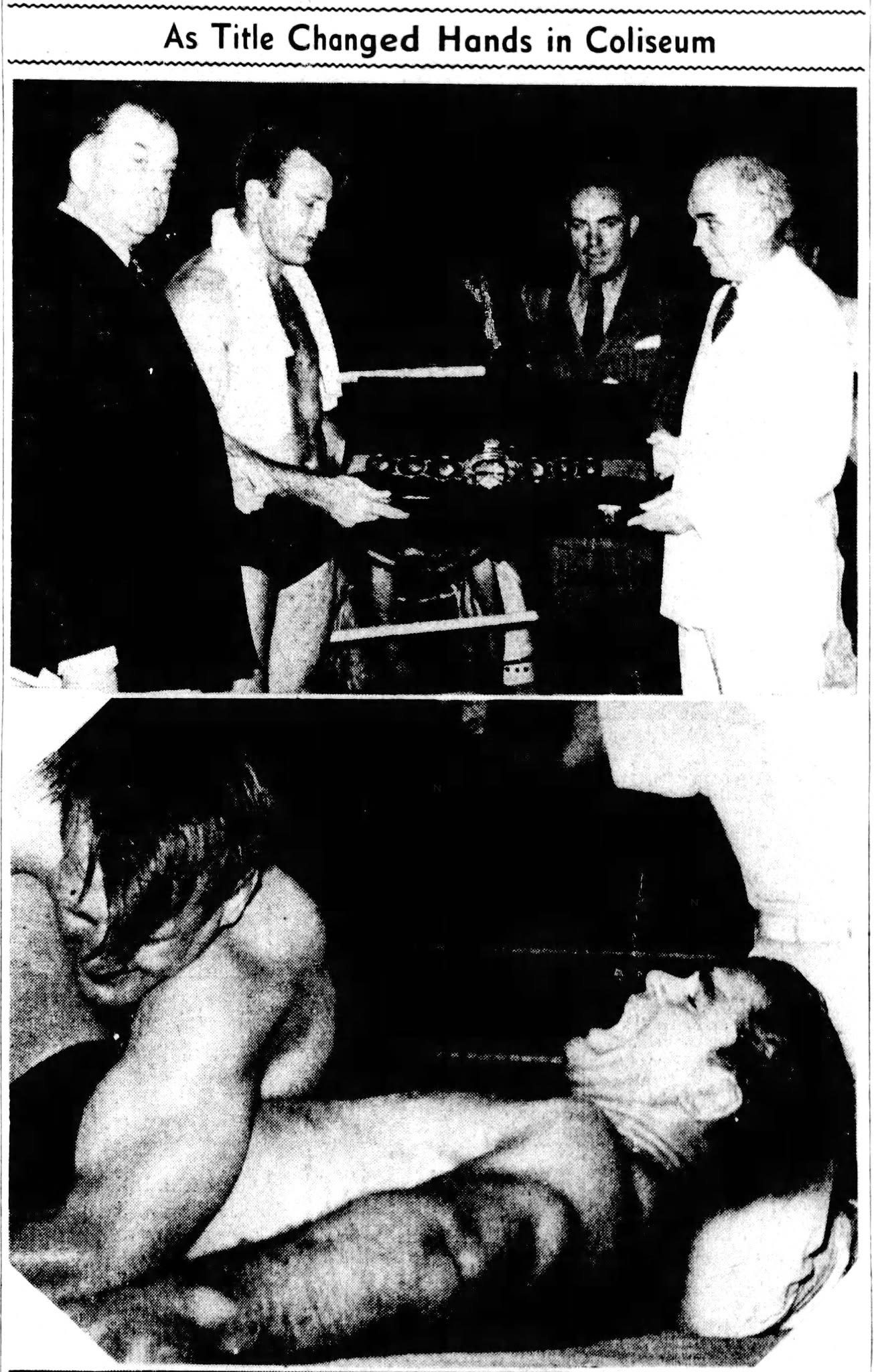
Thesz returned for the decisive third fall wearing a heavy knee bandage and clearly compromised. Nagurski capitalized quickly in just 5 minutes and 21 seconds, finishing with another slam (likely a body slam variation) for the pinfall and the title victory. Thesz suffered a legitimate fractured kneecap in the contest, underscoring the era’s physical realities. Houston Mayor Holcombe reportedly presented Nagurski with a diamond-studded belt valued at $10,000.
Historical Context in the Territory Era
This title change occurred during a fragmented period for world championships. The National Wrestling Association, an offshoot of the National Boxing Association, sought to legitimize a single world champion amid competing claims. Nagurski’s reign lasted 258 days.
Nagurski would lose the title to Ray Steele in March 1940 but regain it in 1941, demonstrating his value as a reliable draw. Thesz, despite the injury, would go on to multiple world title reigns and become one of the most respected figures in wrestling history, later central to the formation of the National Wrestling Alliance in 1948.
Legacy of the Match
The Nagurski-Thesz bout exemplifies the transitional nature of late-1930s wrestling: bridging the strongman/carnival roots with the emerging emphasis on athletic legitimacy and star-driven storytelling. Nagurski’s victory cemented his status as a multiple-time world champion and pop culture icon. For Thesz, the loss and injury were setbacks in a career defined by resilience and longevity.
Today, this match stands as a compelling snapshot of the sport’s evolution, highlighted by the dramatic sequence of falls and the real athletic toll. Nagurski’s triumph that evening was not just another title win; it was a validation of the football-to-wrestling pipeline and a pivotal moment in the National Wrestling Association’s efforts to crown a definitive world champion.
One Thing I Learned About Tony Santos
He not only promoted Big Time Wrestling out of Boston Arena and Garden in the 1960s–70s, but he was also instrumental in giving early breaks to future stars while maintaining a strong independent presence in New England after the death of longtime promoter Paul Bowser. His promotion helped bridge the territory era and was known for solid, regional cards that featured both established names and up-and-comers.
Thank You for Reading, Listening and Watching
I’m Tony Richards, Pro Wrestling Historian, Author and Storyteller. I share the history of pro wrestling territory era in each content vehicle of the Pro Wrestling Time Tunnel. We publish the Week-In-Review each Sunday as a digest for our community members. If you enjoy my information on select events, matches and insights, please share it with folks you think might like to be a subscriber!
Remember, premium investors get access to exclusive and special content such as some special issues including a multi-part deep dives on wrestling territories, wrestler bios and championship title histories, special audio and video interviews on territory pro wrestling and more available in the Pro Wrestling Time Tunnel for Premium Investors who contribute and invest in the work I do to preserve the history of the territory era.