


Happy Birthday to those who have passed on and to those great wrestlers still with us:
In Memoriam:
Steven Romero\Jay Youngblood 1955
Happy Birthday:
Mario Mancini (59)
RIP Memorial: We stop & remember those who have passed on this day and gave themselves to the business for us, the fans. We salute you and thank you.
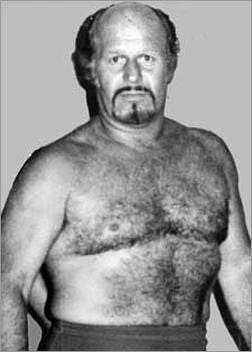
Don Greene 6-21-2014 at the age of 83
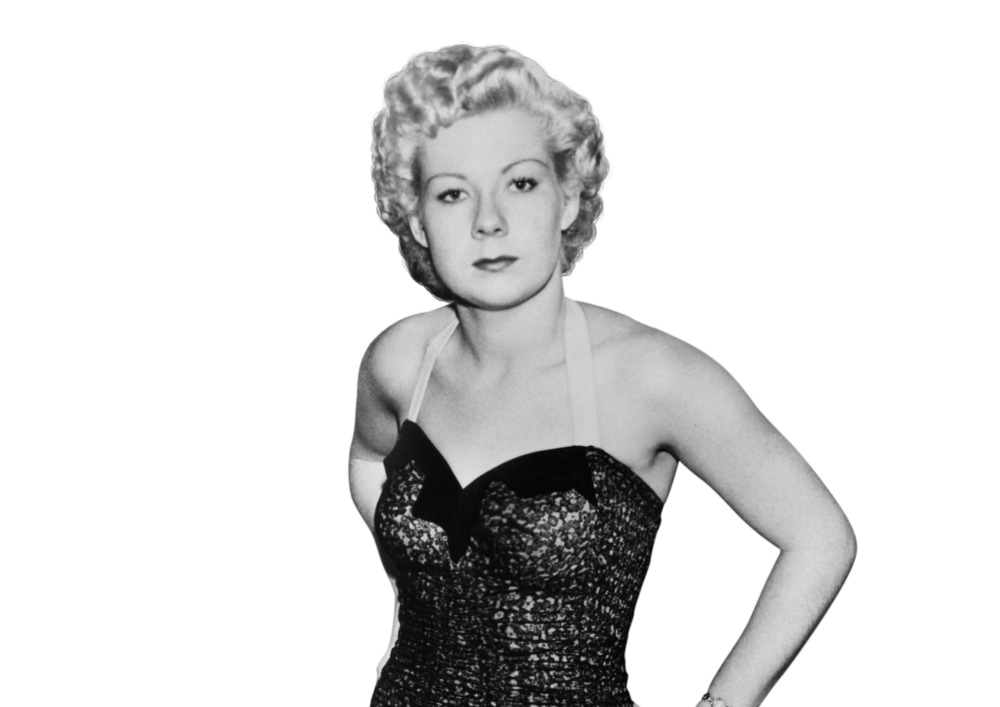
Cora Combs 6-21-2015 at the age of 88
Flashback 1976
Q2 Analysis (April-June)
Tennessee Territory
Nashville, Tennessee
In the spring and early summer of 1976, the NWA Mid-America promotion—led by Nick Gulas with Roy Welch’s long-standing partnership—remained the dominant force in what fans and historians still call the classic Tennessee wrestling territory. The operation ran a wide circuit that touched Memphis, Nashville, Chattanooga, Huntsville, Birmingham, Louisville, Evansville, Lexington, Bowling Green, and numerous smaller towns across Tennessee, Kentucky, southern Indiana, and northern Alabama. Weekly television tapings, primarily out of Nashville studios, fed the entire region, while house shows rotated through key arenas such as the Mid-South Coliseum in Memphis, the Fairgrounds or Hippodrome in Nashville, Memorial Auditorium in Chattanooga, Louisville Gardens, and various coliseums and auditoriums in the smaller markets.
The territory’s flagship city was Memphis, where the Mid-South Coliseum served as the weekly anchor. Attendances through April, May, and June generally ranged from the mid-5,000s to peaks above 11,000, reflecting steady rather than explosive business but still respectable drawing power for a mature territorial promotion in the Bicentennial year. Cards were built around a core roster that blended established veterans, masked or wildman heels, and a rising young star who was rapidly becoming a focal point of the promotion.
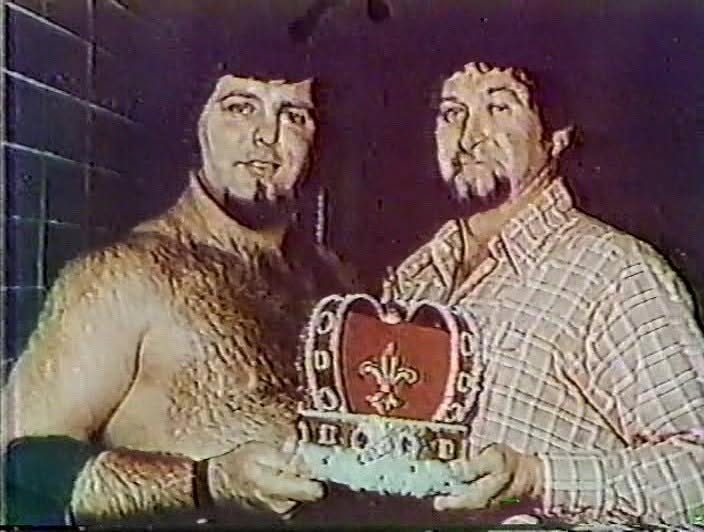
Pictured: NWA Southern Heavyweight Champion, Jerry Lawler and manager, Sam Bass
The most prominent storyline revolved around Southern Heavyweight Champion Jerry Lawler and the popular babyface pairing of promoter-wrestler Jerry Jarrett with the dynamic 19- to 20-year-old Tommy Rich. Lawler, working as a cunning and often arrogant heel, frequently teamed with the unpredictable Plowboy Frazier (and sometimes Sam Bass) against Jarrett and Rich. These matches often spilled into multi-man tags or featured special stipulations that heightened the personal animosity. This rivalry was concentrated primarily on the Memphis side of the territory, where Lawler’s Southern title programs anchored the main events.
On April 5 at the Mid-South Coliseum, Jarrett and Rich defeated Sam Bass and Plowboy Frazier in a key tag encounter, with Lawler at ringside. The following week (April 12, drawing 8,391), Lawler and Frazier beat Ernie Ladd and Ron Mikolajczyk in a “loser leaves town” match, adding stakes and drama. Lawler remained the Southern Champion throughout Q2 and defended the title regularly, often in matches with unusual stipulations. On April 5 he defeated Ron Mikolajczyk under “first man to throw a punch or break a rule loses” rules. Other highlights included a “lights out” match against Don Anderson (May 3), a DQ win over Plowboy Frazier (May 10), and a wrestling-versus-boxing match against Ricky Johnson on June 21 before a strong crowd of 11,188. The June 28 card drew 9,626 and featured Lawler defeating Bob Armstrong.
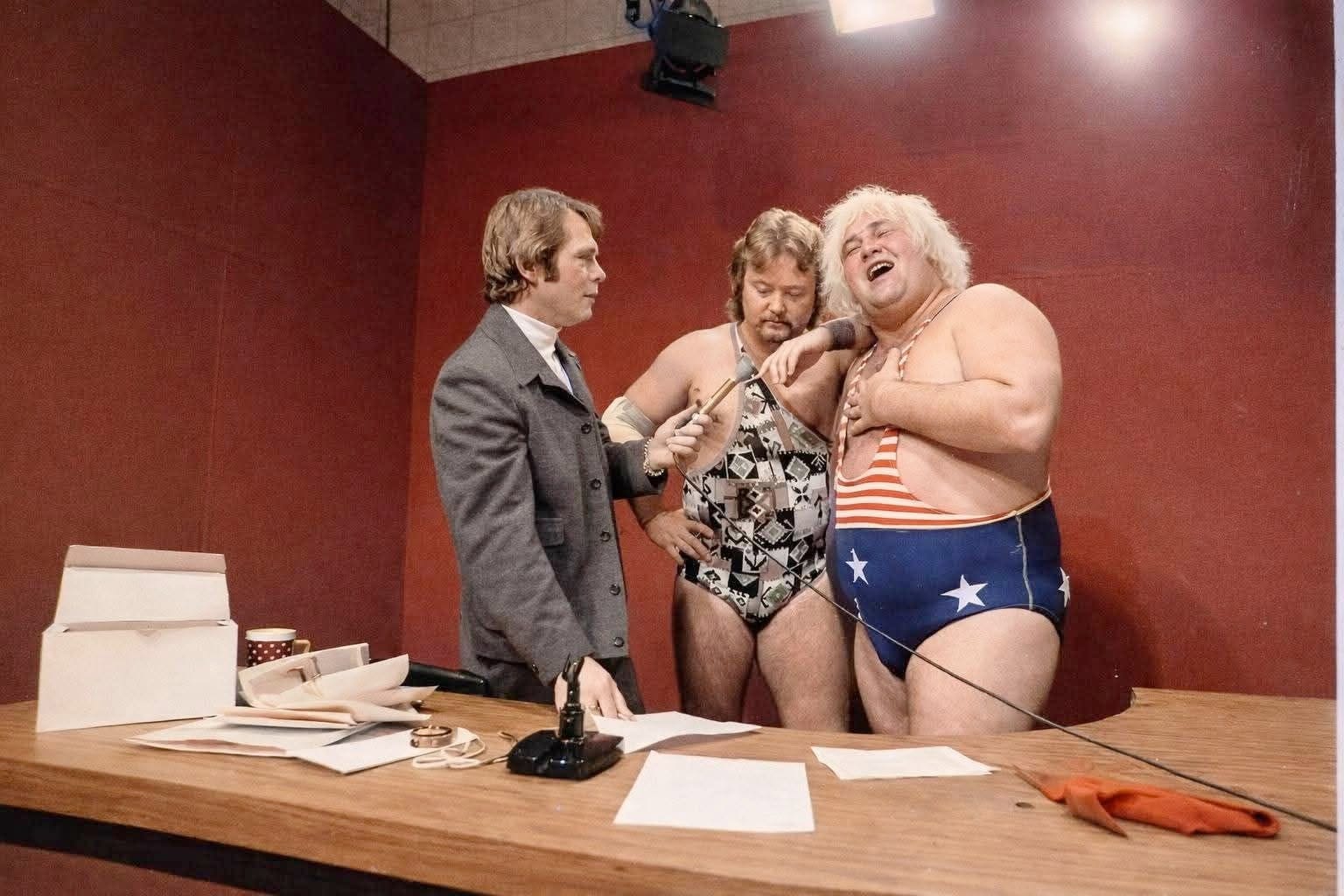
Pictured: Phil Hickerson and Dennis Condrey, The Bicentennial Kings brag to Sterling Brewer on TV42 Birmingham, Alabama
The tag team picture was especially active and helped differentiate the territory’s two main ends. The Southern Tag Team Titles changed hands multiple times in Memphis during Q2, keeping the division hot with frequent defenses and dramatic finishes. Bill Dundee and Big Bad John captured the belts on April 5, only to lose them to Don Greene and the masked Scorpion on May 10. Greene and Scorpion held through much of May before Jackie Fargo and Jerry Jarrett took the titles on June 14. Other teams such as Tojo Yamamoto pairings and various heel combinations filled out the undercards and multi-man tags.
Meanwhile, the Bicentennial Kings—Dennis Condrey and Phil Hickerson—served as the lead heel tag team for much of the year. They were multiple-time (and record) holders of the NWA United States Tag Team Championship (Mid-America version), with several reigns across 1975–1976; one of their reigns included an April 17, 1976, title win and they were still recognized as champions in some markets into late April (they ultimately held the title five times total before it was abandoned later in 1976). Their programs, including notable rivalries with the Fargos (Jackie Fargo and Roughhouse Fargo or similar), ran primarily on the eastern end of the territory around Nashville and Chattanooga. This geographic split allowed the promotion to tailor its top angles: Lawler’s singles programs and associated tags dominated the profitable Memphis/Jarrett side, while the Bicentennial Kings drove heat in the eastern markets with their US Tag title defenses and feuds. Under-card and mid-card action kept shows moving with reliable workers such as Tojo Yamamoto (often in multi-man tags and known for his wooden shoe), Eddie Marlin, Danny Miller, Don Anderson, Roger Kirby, David Schultz, the Bounty Hunters, and Bearcat Brown. Stipulations like no-DQ tags, falls-count-anywhere, mask-vs.-title challenges, and even a handicap match involving “Gentleman Ben the Wrestling Bear” added variety and spectacle. The territory’s willingness to rotate stipulations and title changes helped maintain freshness across the weekly loop.
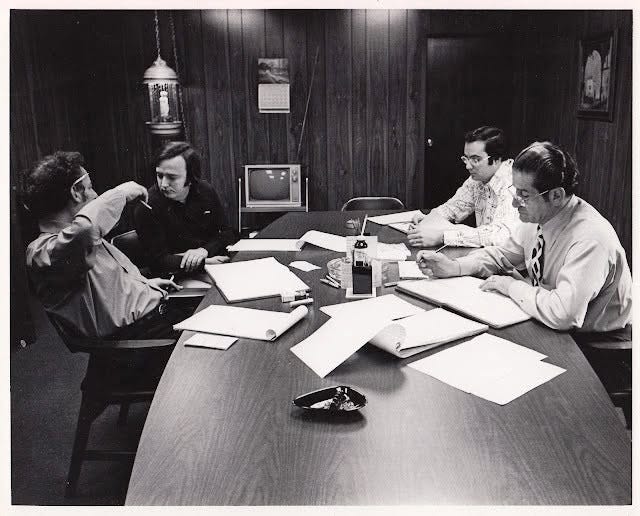
Pictured: Booking meeting at the Gulas-Welch offices in Nashville as Nick Gulas, George Gulas, Mike Duncan and Len Rossi set up matches and television programs across the vast Tennessee Territory
Nashville functioned as both an operational hub and a television production center. Gulas had long run studio wrestling there, and house shows at the Fairgrounds or similar venues featured the same traveling core talent that appeared in Memphis, often emphasizing the Bicentennial Kings versus Fargos-style programs on that end. Cards in secondary markets mirrored the Memphis formula but were often trimmed for smaller venues and crowds. Chattanooga’s Memorial Auditorium hosted regular events that built toward bigger fall cards, incorporating the eastern tag feuds.
Louisville, Kentucky, received periodic visits as part of the circuit. A May 28, 1976, show at Louisville Gardens included Jarrett and Tojo Yamamoto against David Schultz and Bill Ash, plus singles matches featuring Nick Adams versus Sam Bass and other familiar names—evidence that the same storylines and talent rotated through the Kentucky stops. Evansville, Indiana, was considered one of the important regular stops on the classic Memphis/Tennessee circuit, drawing solid local followings on its weekly or bi-weekly nights. Lexington and Bowling Green, Kentucky, along with other smaller Tennessee towns, filled out the loop with scaled-down versions of the same cards, ensuring the territory maintained a broad geographic footprint and consistent television exposure.
Birmingham and Huntsville, Alabama, sat at the edge of the Mid-America influence. While primarily served by Gulf Coast Championship Wrestling (promoted by Lee Fields) with its own roster of Southern tough guys and tag-team title changes, these cities also received Mid-America television and occasional crossover or joint cards. The overall effect was a layered Southern wrestling landscape in which fans in Alabama towns could follow both local Gulf Coast action and the bigger Mid-America stars via TV.
Business Health and Historical Context
Overall, the Tennessee territory in Q2 1976 presented a picture of classic territorial stability. Memphis provided reliable gates in the 6,000–11,000 range on many Monday nights; the circuit ensured that smaller towns received regular visits from top talent; and television penetration into Nashville, Chattanooga, Huntsville, Birmingham, Louisville, and other markets kept the promotion culturally relevant. The Bicentennial year added a layer of patriotic color, most visibly through teams like the Bicentennial Kings.
Beneath the surface, however, structural tensions were beginning to surface. Nick Gulas’s insistence on prominently featuring his son George created friction with wrestlers and with Jerry Jarrett, who controlled much of the profitable Memphis end of the business. These issues would erupt into open conflict in 1977, leading Jarrett to break away and form the Continental Wrestling Association. In the spring and summer of 1976, though, the promotion still operated as a cohesive, wide-reaching territory with hot angles tailored to its different regional ends, active titles, and a clear pathway for young talent like Tommy Rich to rise alongside veterans such as Jarrett, Lawler, Dundee, and Yamamoto.
The second quarter of 1976 thus stands as a snapshot of a territory at the height of its traditional form—vibrant live events, rotating storylines across a broad circuit with distinct eastern and western emphases, and the first hints of the changes that would reshape Southern wrestling in the years ahead. The matches, stipulations, and rivalries in Memphis, the steady circuit work in Nashville, Chattanooga, Louisville, Evansville, and the other listed towns all contributed to a rich, interconnected regional wrestling scene that fans in 1976 experienced as both weekly entertainment and part of their local culture.
Jerry Jarrett’s Expanding Powerbase
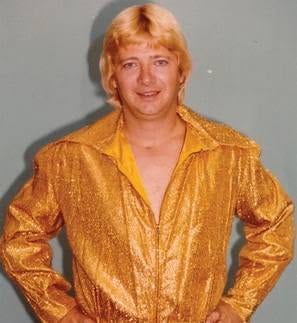
By Q2 1976, Jerry Jarrett occupied a unique and increasingly powerful dual role in Nick Gulas and Roy Welch’s NWA Mid-America promotion: he was both a top babyface wrestler and a key booker/promoter with significant operational control over the lucrative western/Memphis end of the territory. His position made him one of the most influential figures in the region at a time when underlying tensions with Gulas were beginning to simmer.
In-Ring Performer and Top Babyface
Jarrett was an active, high-profile wrestler throughout the spring and early summer of 1976. He frequently headlined or co-headlined cards at the Mid-South Coliseum in Memphis and on the circuit, most notably as the veteran partner to the rapidly rising young star Tommy Rich. Their popular babyface team was central to the territory’s main storyline, clashing repeatedly with the heel duo of Jerry Lawler and Plowboy Frazier (sometimes joined by Sam Bass or others).
Specific examples from Memphis cards include the April 5 tag team victory over Sam Bass & Plowboy Frazier (with Lawler at ringside), along with multiple multi-man tags involving Tojo Yamamoto and Rich throughout April and May. Jarrett had a long history of tag team success in Mid-America, with multiple reigns in the Southern Tag Team Championship (Mid-America version) and other titles during the 1970s. His experience and drawing power as a reliable, likeable babyface complemented the youthful energy of Rich and helped anchor the Memphis side of the feuds.
Booker, Promoter, and Business Operator
Behind the scenes, Jarrett’s influence extended far beyond the ring. He had begun booking and promoting for the Gulas territory as early as 1967, handling shows in Memphis and key circuit towns such as Louisville, Evansville, Lexington, and others in the western half of the operation. By the mid-1970s he was effectively running or heavily involved in the day-to-day promotion and booking of the profitable Memphis end of the territory while Gulas oversaw the broader Nashville-based operation.
Jarrett was known for a pragmatic, business-first approach. He helped elevate Jerry Lawler into a major attraction and prioritized angles and talent that drew money. His mother, Christine Jarrett, was also deeply involved in promotions and operations in certain markets. This operational control over Memphis and several circuit towns gave Jarrett substantial leverage and visibility within the promotion.
Growing Tensions and the Road to the 1977 Split
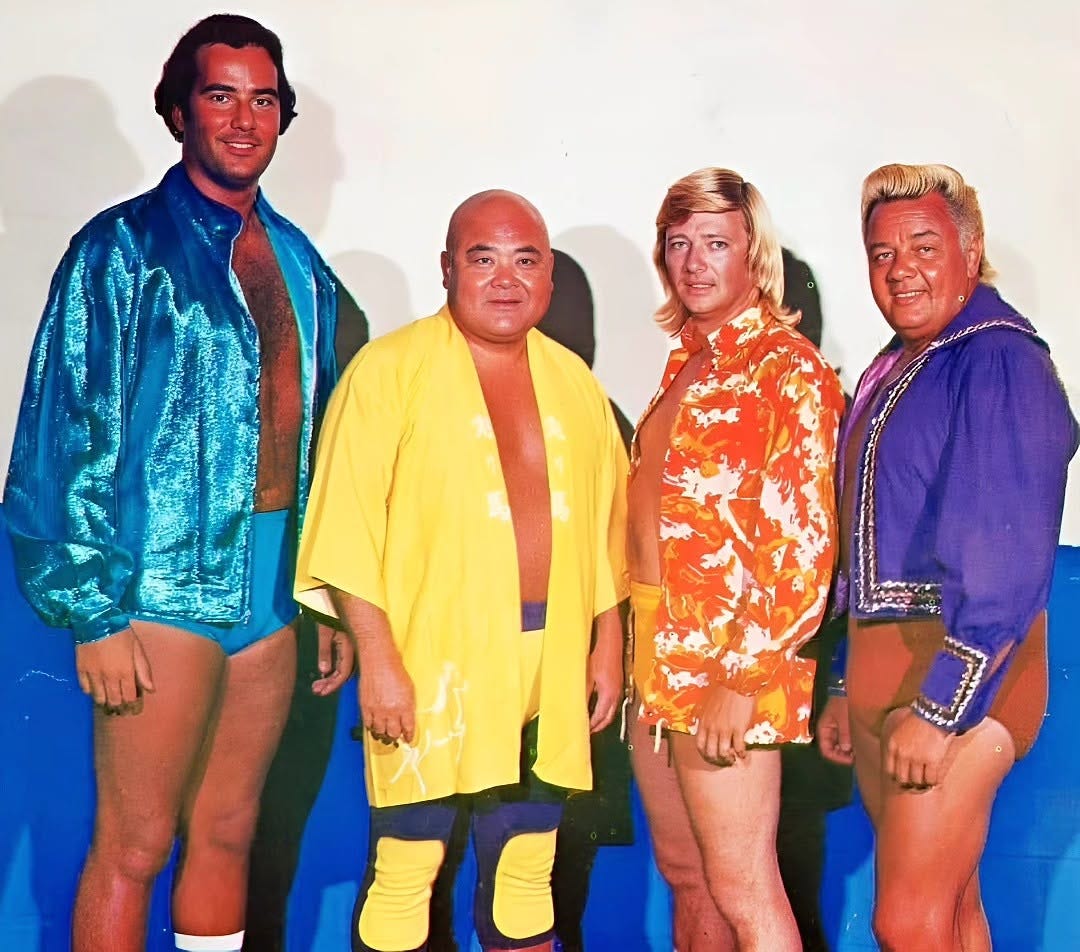
Pictured:: The top babyfaces in the Tennessee Territory, George Gulas, Tojo Yamamoto, Jerry Jarrett and Jackie Fargo
By 1976, friction with Nick Gulas was already evident. The primary point of contention was Gulas’s insistence on pushing his son George Gulas as a top star despite George’s limited in-ring ability. Jarrett and many wrestlers resisted this, believing it harmed business. Jarrett’s focus on strong, money-drawing programs (such as the Lawler vs. Jarrett/Rich dynamic) clashed with Gulas’s booking preferences.
Roy Welch, Gulas’s long-time partner, was stepping back due to health issues around this period, leaving Jarrett dealing more directly with Gulas. These tensions, combined with Jarrett’s growing control over Memphis and key talent relationships (especially with Lawler and announcer Lance Russell), set the stage for the dramatic 1977 split. In 1977 Jarrett broke away to form the Continental Wrestling Association (CWA), taking Lawler, key on-air talent, and much of the Memphis infrastructure with him. He successfully competed against and eventually absorbed much of the old Mid-America territory.
Summary of Jarrett’s Position in Q2 1976
Jarrett was the bridge between the old guard and the future of the territory. In the ring he was a respected veteran babyface carrying major programs alongside the next generation (Tommy Rich). Behind the curtain he was a savvy booker and promoter with real operational authority over the territory’s most important market (Memphis) and its western circuit. His dual role made him indispensable to the promotion’s day-to-day success in 1976, while his independent streak and business acumen positioned him as the man who would ultimately reshape Southern wrestling by breaking away the following year.
This multifaceted position — wrestler, booker, promoter, and emerging power broker — is why Jarrett is remembered as one of the pivotal figures in the transition from classic territorial wrestling to the more modern promotions that followed. His story in 1976 perfectly illustrates both the strength and the internal fractures of the NWA Mid-America empire at its peak.
Thank You for Reading
I’m Tony Richards, Pro Wrestling Historian, Author and Storyteller. I share pro wrestling historical items in each issue of the Time Tunnel Pro Wrestling History Newsletter. Thanks for reading! If you enjoy my information on select events, matches and insights, please share it with folks you think might like to be a subscriber!
Remember, premium investors get access to exclusive and special content such as some special issues including a multi-part deep dives on wrestling territories, wrestler bios and championship title histories, special audio and video interviews on territory pro wrestling and more available in the Pro Wrestling Time Tunnel for Premium Investors.