


Happy Birthday to those who have passed on and to those great wrestlers still with us:
In Memoriam:
Earl McCready 1905
Brad Armstrong 1962
Happy Birthday:
Scott Norton (65)
Chuck Palumbo (55)
Pamela Martinez\Bayley (37)
RIP Memorial: We stop & remember those who have passed on this day and gave themselves to the business for us, the fans. We salute you and thank you.
Mike Clancy 6-15-1988 at the age of 64
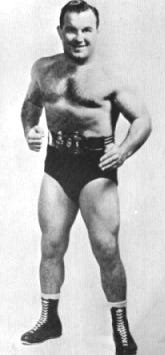
Dick Murdoch 6-15-1996 at the age of 49

Sherry Russell\Sensational Sherri Martel 6-15-2007 at the age of 49

Mercedes Waukago\Princess Tona Tomah 6-15-2007 at the age of 72
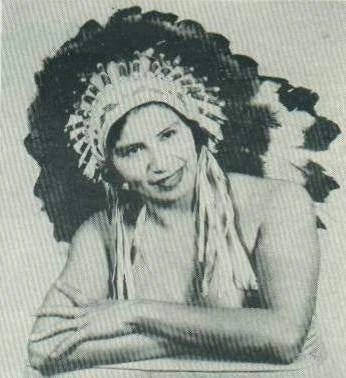
Gilberto Melendez\Gypsy Joe 6-15-2016 at the age of 82
7 Stages of the Territory Era
Stage 5: Consolidation (1965-1975)
Year 2 of Stage 5, Month 6
June 1966
In the broader arc of the Territory Era, June 1966 represented a period of relative stability and localized strength amid the ongoing fragmentation of the post-war wrestling landscape. The National Wrestling Alliance (NWA) remained the central governing body in North America, with Gene Kiniski as its World Heavyweight Champion since defeating Lou Thesz in January. Kiniski’s reign provided a reliable touring draw, though individual territories operated with significant autonomy in booking, talent, and championships. Business was generally healthy in established strongholds, supported by consistent arena attendance, television exposure where available, and star power, but challenges like venue issues in the Northeast and the growing independence of certain promotions hinted at underlying pressures.

The NWA World Title scene was anchored by Kiniski, who defended across territories. In June, he appeared in key markets like Atlanta, maintaining his status as a top heel champion.
St. Louis, Missouri: St. Louis under promoter Sam Muchnick stood as one of the strongest and most respected territories in the National Wrestling Alliance (NWA) during the Territory Era. June 1966 exemplified its health, with strong attendance at Kiel Auditorium, star-driven cards featuring NWA World Champion Gene Kiniski, and a mix of established veterans and rising talent like the Funk brothers. Muchnick’s promotion benefited from its reputation for fair, competitive-style wrestling, quality TV exposure via Wrestling at the Chase, and frequent big-name appearances that drew consistent crowds.
The territory remained robust. Kiel Auditorium cards regularly pulled solid-to-sellout gates, reflecting strong local fan interest and Muchnick’s booking prowess. While specific June house show figures beyond the major Kiel card are limited in available records, the pattern from surrounding months (often 9,000–12,000+ for Kiel events) suggests sustained financial health. Television and radio helped build anticipation, and the market’s centrality in the NWA allowed for talent exchanges that kept rosters fresh without oversaturation.
The June 3rd, 1966 card at the Kiel Auditorium was a sellout with NWA World Champion Gene Kiniski defending the title against challenger Lou Thesz. It was a time-limit draw (each man won one fall in a one-hour bout). This high-stakes rematch from Kiniski’s January title win built respect and tension without a definitive finish, keeping both men strong for future bookings. In a six-man tag team match, Ernie Ladd, Cowboy Bob Ellis & Pat O’Connor defeated Fritz Von Erich, Dick the Bruiser & Moose Evans (when Ellis pinned Evans). Dory Funk Jr. & Terry Funk defeated Moose Cholak & Dan Plechas (best 2/3 falls). Mario Milano defeated Ivan Volkoff. Other bouts: Sonny Myers vs. Joe Blanchard (no contest due to injury), Joe Tomasso defeated Thor Hagen.

Pictured: Thesz cranks down on a head scissors with Kiniski as the victim
Wrestling At The Chase TV episodes throughout the month featured build-up matches, undercard action, and promos hyping the Kiniski-Thesz clash. Typical TV cards included wins for stars like Kiniski, Thesz, the Funks, and Bruiser, with angles focused on tag team turmoil and personal feuds (e.g., Funk family vs. heels like Von Erich/Bruiser).
June 1966 highlighted St. Louis as a premier NWA territory — financially stable with sellout potential, creatively engaging through star vs. star bookings, and influential due to Muchnick’s leadership. The mix of title defenses, family feuds, and veteran credibility kept fans invested. This period exemplified “Stage 5” maturity in the territory system: decentralized but interconnected, with localized booking that drove consistent gates amid the broader NWA landscape. For historians like Tony Richards, it offers prime examples of how strong promotion and talent management sustained the business in a key Midwest market
Dallas\Big Time WrestlingTerritory: The Dallas-based Big Time Wrestling promotion, operated under promoter Ed McLemore at the iconic Sportatorium, continued to serve as a vital hub in the Texas wrestling scene alongside operations in Fort Worth, San Antonio, Corpus Christi, and Houston. This period reflected a stable but competitive territorial landscape within the NWA framework, where Fritz Von Erich was emerging as a central figure both in the ring and behind the scenes. Business remained healthy with regular weekly cards drawing consistent crowds to the Sportatorium and other regional venues, supported by strong local television exposure and talent exchanges that kept rosters dynamic. Attendance at Tuesday night shows typically filled the arena adequately for the era, bolstered by heated feuds and championship defenses that appealed to Texas fans’ love for rugged, grudge-style action.
Fritz Von Erich was the standout star and a major box-office draw, holding the NWA Texas Heavyweight Championship early in the month before key transitions. He had recently captured the NWA United States Heavyweight Championship (Texas version, later evolving into the American Heavyweight Title) by defeating Brute Bernard around June 6, only for Johnny Valentine to regain it shortly thereafter on June 9 in a high-profile encounter. This back-and-forth created significant heat and helped drive gates across Dallas-Fort Worth and beyond. Valentine, a top heel with a vicious style, proved to be a formidable rival, engaging Fritz in bloody, physical bouts that exemplified the territory’s hard-hitting ethos. Other prominent wrestlers included Bull Curry, known for his wild Brass Knuckles matches and bloody rivalries with Louie Tillet; the Curry brothers (Bull and Fred); Dory Dixon; Nick Kozak; Blackjack Daniels; Roger Kirby; and undercard talents like Benji Ramirez, The Ox, and various women’s wrestlers such as Princess Little Cloud and Toni Rose.
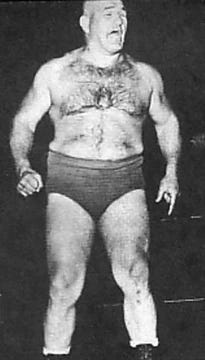
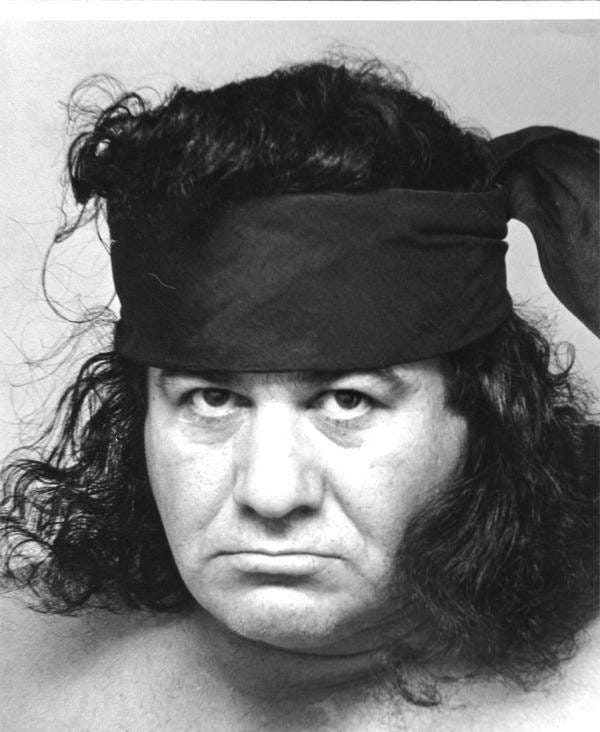
Pictured: The wild and crazy Brute Bernard, Fritz Von Erich’s primary challenger for the NWA American Title in June 1966
Weekly cards at the Dallas Sportatorium featured a mix of singles, tags, and specialty matches that built ongoing storylines. On June 7, Bull Curry and Louie Tillet battled to a no-decision in a Brass Knuckles title bout due to excessive bleeding, highlighting the territory’s tolerance for hardcore elements. June 14 saw another double disqualification between Curry and Tillet, while multi-man tags and draws involving Dixon, Kirby, and others kept the undercard active. By June 21 and 28, larger eight-man tags and bouts with The Destroyer, The Zebra Kid, and Swede Karlsen maintained momentum. These shows emphasized personal feuds, with Curry-Tillet violence and Von Erich-Valentine tensions providing the main event spark. Similar action spilled into Fort Worth, San Antonio, Corpus Christi, and Houston, where the Texas Heavyweight Title and regional tag titles were defended regularly, ensuring the entire Lone Star State market stayed interconnected and profitable.
Overall, June 1966 showcased the Texas territory’s resilience and potential for growth. Fritz Von Erich’s rising prominence, combined with reliable draws like Valentine and Curry, sustained strong live gates amid the broader NWA ecosystem. While not yet at the explosive levels of later decades under the Von Erich family, the business was solid, with localized angles tailored to regional audiences and enough star power to compete with neighboring promotions. This month laid groundwork for Fritz’s increasing influence, foreshadowing the shifts that would make Dallas the epicenter of Texas wrestling.
Amarillo\West Texas: The Western States Sports promotion, also known as the Amarillo or West Texas Territory, operated as a solid regional force within the National Wrestling Alliance under the leadership of promoter Dory Funk Sr. and with strong involvement from his sons Dory Funk Jr. and the emerging Terry Funk. Covering key cities across West Texas such as Amarillo, El Paso, Odessa, Lubbock, Abilene, San Angelo, and Hereford, along with occasional stops in Albuquerque, New Mexico, and other nearby markets, the territory emphasized rugged, athletic wrestling that resonated with local audiences. Business remained healthy for the era, with weekly cards at venues like the Amarillo Sports Arena drawing consistent crowds supported by local television and radio promotion. While not always selling out massive arenas, the promotion sustained reliable gates through family feuds, title defenses, and a mix of veteran talent and up-and-coming stars, reflecting the mature “Stage 5” dynamics of the Territory Era where localized booking kept operations profitable amid NWA talent exchanges.
With the wise veteran, Doc Sarpolis as the one who was overseeing the growing skillset of Dory Funk, Sr’s booking skillset. Funk Sr. Also served as the lead babyface and a foundational figure both in the ring and behind the scenes, lending credibility and promoting a tough, no-nonsense style. His sons were central draws: Dory Funk Jr., already establishing himself as a technical standout with his spinning toe hold, and Terry Funk, gaining momentum with his aggressive approach. Other key wrestlers included Ricky Romero as a perennial fan favorite, Mike DiBiase, Dan Miller, Jack Donovan, Kurt Steiger, and various touring heels like The Angel and Krusher Kowalski. The roster blended homegrown talent with NWA imports, creating compelling matchups that highlighted family pride and regional rivalries. Championships such as the NWA North American Heavyweight Title (Amarillo version) and tag team belts provided focal points for storylines, with frequent defenses across the territory’s expansive footprint.

Pictured: Ricky Romero
Weekly shows followed a steady rhythm, building heat through multi-week angles. For instance, on June 23 in Amarillo, Terry Funk defeated The Angel by disqualification in a quick but intense opener, while other bouts featured Bob Boyer against Kurt Steiger and multi-fall tag or singles contests that kept undercards active. Similar cards rolled through Lubbock, Odessa, Abilene, and El Paso, where local heroes like the Funks clashed with invaders in best-of-three-falls matches or specialty bouts. Feuds often centered on the Funk family’s rising prominence against established veterans, with blood-and-guts elements and scientific wrestling contrasting to appeal to different fan segments. Talent trades with territories like Dallas allowed for fresh faces, preventing stagnation while maintaining the territory’s identity.
Overall, June 1966 illustrated the Amarillo/West Texas Territory’s resilience and foundational strength. Under Doc Saprolis’ guidance, the promotion delivered consistent live events tailored to West Texas audiences who appreciated hard-hitting action and local stars. The involvement of Dory Jr. and Terry Funk foreshadowed greater successes ahead, including Dory Jr.’s eventual NWA World Title run. This period exemplified effective territorial operations: interconnected cities sharing talent and storylines, solid business health through weekly consistency, and a focus on in-ring quality over spectacle.
Los Angeles\NWA Hollywood: The Los Angeles-based Worldwide Wrestling Associates (WWA) promotion, operating out of the iconic Olympic Auditorium and often referred to in the context of its later NWA Hollywood era, maintained a strong presence in the Southern California wrestling scene under the leadership of the Eaton/LeBell family following Cal Eaton’s passing earlier that year. Mike LeBell was stepping into a more prominent role alongside his mother Aileen, guiding a promotion known for its athletic style, international talent, and weekly television exposure that helped sustain fan interest across the region. Business remained healthy for the territory, with regular cards at the Olympic Auditorium drawing solid crowds in the 8,000 to 10,000+ range for major shows, supported by local TV and a mix of established stars and rising performers that appealed to the diverse Los Angeles audience. While not always sellouts, the gates reflected a stable operation amid the broader NWA landscape, with the promotion still recognizing its own WWA World Heavyweight Championship separate from the NWA title.
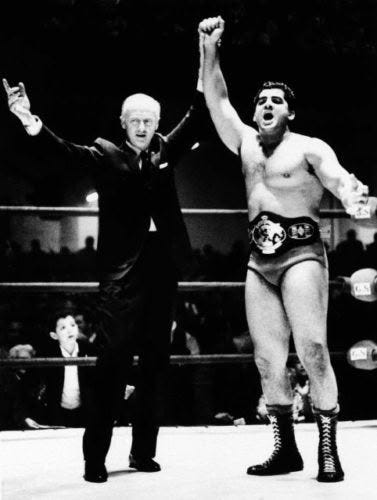
Pictured: Pedro Morales, WWA World Heavyweight Champion
Pedro Morales stood as a central figure and major box-office draw, holding the WWA World Heavyweight Championship through much of the month as a popular babyface champion known for his power and technical prowess. He successfully defended the title in various bouts while also teaming with Luis Hernandez to capture the WWA World Tag Team Championship on June 24, creating a dual-champion dynamic that added excitement to cards. Other key wrestlers on the roster included Buddy Austin as a top heel challenger, The Destroyer (Dick Beyer), Bobo Brazil, El Mongol, Hard Boiled Haggerty, Gorilla Monsoon, Luis Hernandez, and a variety of undercard talents like Joe Carollo, The Butcher (Don Jardine), and women’s wrestlers such as Lita Marez. The mix of Hispanic stars like Morales, international invaders, and rugged brawlers created compelling ethnic and stylistic rivalries tailored to the LA market.
Weekly shows at the Olympic Auditorium and surrounding venues featured a steady buildup of angles centered on championship defenses and personal feuds. Morales continued his winning ways in singles and tag action early in the month, with highlights including strong performances against heels and multi-man tags that kept the undercard vibrant. By late June, the tag title victory with Hernandez provided fresh storylines, while Austin loomed as a persistent threat, setting up their eventual clash in August. Matches emphasized best-of-three-falls formats, scientific wrestling mixed with brawling, and occasional specialty bouts that highlighted the promotion’s emphasis on in-ring quality. Talent exchanges with other territories brought in fresh faces, preventing roster fatigue while maintaining the territory’s identity as a hub for high-flying and hard-hitting action.
Overall, June 1966 showcased the Los Angeles/WWA territory’s resilience during a transitional period for the promotion. With Pedro Morales anchoring the main events and a deep roster delivering consistent entertainment, the business demonstrated solid health through reliable attendance and engaging storylines that resonated with Southern California fans.
San Francisco\Big Time Wrestling:Booked and romoted by Roy Shire under the Big Time Wrestling banner, thrived as one of the strongest and most innovative operations on the West Coast within the National Wrestling Alliance framework. Based primarily at the legendary Cow Palace in Daly City, with cards extending to other Northern California markets like Oakland, San Jose, Sacramento, and Fresno, the promotion delivered high-energy shows that blended athleticism, intense brawling, and compelling personalities. Business remained robust, with regular Friday or Saturday night events at the Cow Palace consistently drawing strong crowds in the thousands, supported by local television exposure on KTVU and a reputation for must-see main events that kept fans engaged in a competitive regional landscape.
Key stars anchored the roster, led by the dominant tag team known as the Blond Bombers, Pat Patterson and Ray Stevens, who were perennial draws with their slick, rule-bending style and multiple reigns as NWA World Tag Team Champions in the territory. Bill Watts emerged as a central figure in the singles scene, navigating a turbulent run with the NWA United States Heavyweight Championship (San Francisco version). On June 4, Watts lost the title to Gorilla Monsoon in controversial fashion involving manager interference, only for the belt to be held up briefly before Watts regained it on June 25 in a decisive rematch at the Cow Palace. This angle added significant heat and storyline momentum. Other prominent wrestlers included Pepper Gomez as a fan-favorite high-flyer and powerhouse, Bobo Brazil, Bearcat Wright, Kinji Shibuya, and various touring talents like Luis Hernandez and undercard workers who filled out multi-man tags and specialty bouts.
Weekly cards featured a mix of championship defenses, grudge matches, and tag team turmoil that built ongoing rivalries. The Blond Bombers defended their tag titles in hard-fought encounters against teams featuring international stars and local challengers, while the US Title drama between Watts and Monsoon headlined key shows with best-of-three-falls action emphasizing power and endurance. Matches often incorporated blood feuds, scientific wrestling, and crowd-pleasing spots tailored to the diverse Bay Area audience, with talent exchanges bringing fresh opponents from other NWA territories to prevent stagnation.
Portland Wrestling: Led by Don Owen under the Big Time Wrestling banner, operated as a reliable and respected NWA stronghold across Oregon, Washington, and surrounding areas. Centered in Portland with cards extending to Eugene, Salem, Seattle, and other regional venues, the promotion delivered consistent weekly programming that emphasized athletic competition, rugged rivalries, and a mix of local favorites and touring talent. Business remained healthy for the era, with solid attendance at live events supported by longstanding television exposure, including a return to KPTV in 1966, which helped build fan engagement in a dedicated regional market. While not always filling the largest arenas to capacity every night, the territory sustained profitable operations through steady gates and storylines tailored to Pacific Northwest audiences who appreciated hard-hitting, no-frills wrestling.
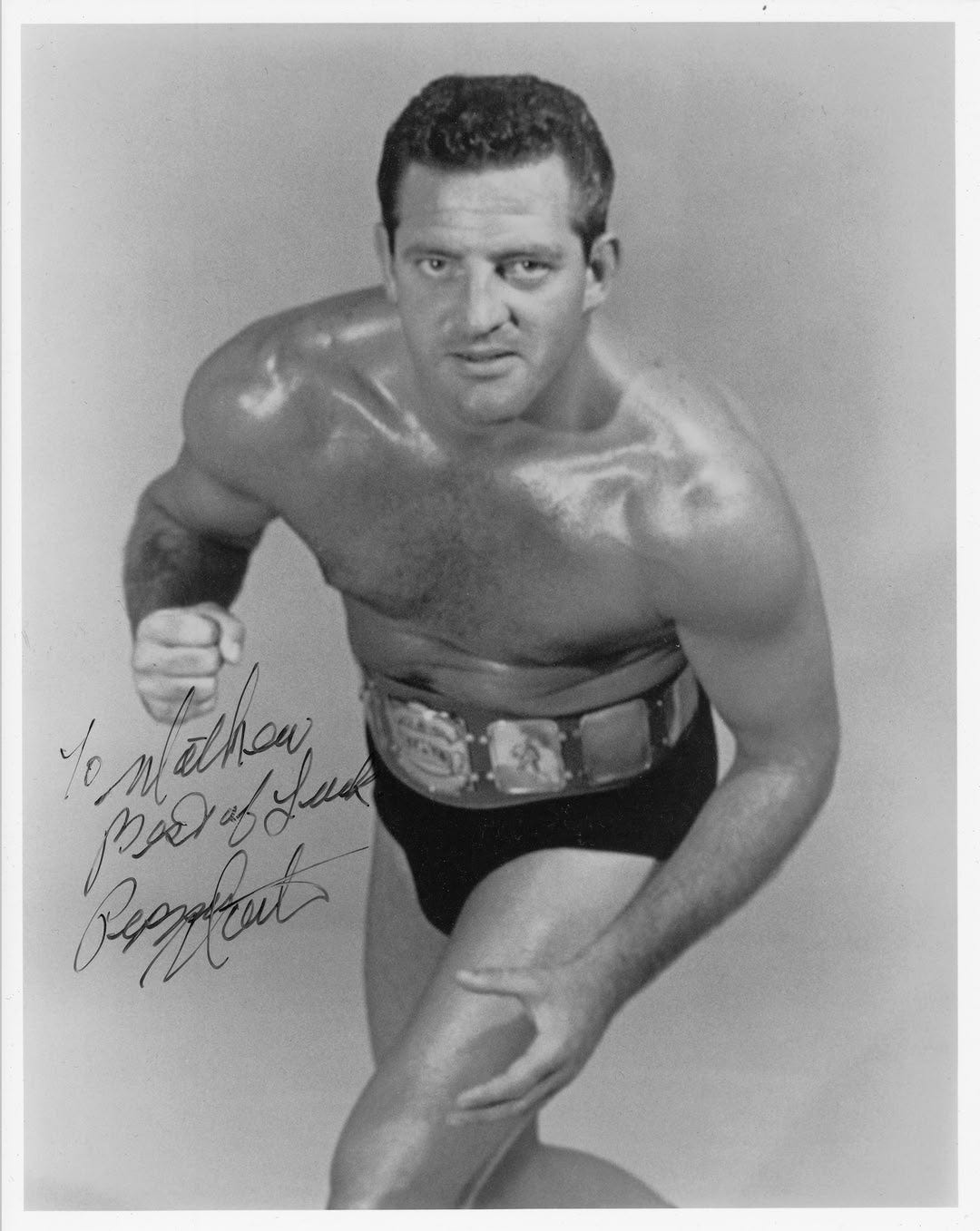
Pictured: Pepper Martin, NWA Pacific Northwest Heavyweight Champion
Pepper Martin emerged as a standout star during the month, capturing the NWA Pacific Northwest Heavyweight Championship on June 15 in Eugene by defeating Stan Stasiak, marking the beginning of one of his multiple reigns with the title. This change injected fresh momentum into the main event scene, positioning Martin as a dynamic babyface champion with a scientific yet aggressive style. Stan Stasiak, a previous champion, remained a major heel presence, contributing to heated exchanges that carried over into subsequent weeks. Other key wrestlers on the roster included Tony Borne as a crafty veteran, Shag Thomas as a pioneering and popular performer, Rene Goulet for tag team excellence, and various undercard talents who rounded out the cards with multi-man tags and specialty bouts. The roster benefited from NWA talent exchanges, bringing in fresh opponents while maintaining the territory’s identity of quality in-ring action.
Weekly cards across Portland and road towns featured a steady buildup of angles, with the heavyweight title transition serving as the primary focus. Matches typically followed best-of-three-falls formats or time-limit draws that highlighted endurance and technical prowess, while tag team divisions remained active with teams involving Martin, Goulet, and others defending or challenging for regional honors. Feuds centered on personal grudges and championship pursuits, blending scientific wrestling with occasional brawling elements that resonated locally. These shows maintained momentum leading into later summer events, ensuring the territory stayed interconnected and engaging for fans.
Overall, June 1966 exemplified the Portland territory’s steady strength under Don Owen’s long-term leadership. With key title activity driven by stars like Pepper Martin and Stan Stasiak, combined with reliable television and live event consistency, the promotion demonstrated solid business health in a mature territorial landscape.
Jim Crockett Promotions\Mid-Atlantic Wrestling:: operating across the Carolinas, Virginia, and surrounding Mid-Atlantic markets from its base in Charlotte, North Carolina, functioned as a stable and respected National Wrestling Alliance territory under promoter Jim Crockett Sr. Cards ran regularly in key cities such as Charlotte, Greensboro, Raleigh, Norfolk, and Richmond, emphasizing classic tag team wrestling that defined the promotion’s identity during this era. Business remained healthy with consistent attendance at live events, bolstered by local television programming and a focus on long-term rivalries that built loyal regional fanbases. The territory thrived on its reputation for hard-fought, two-out-of-three-falls matches and family-friendly yet intense storytelling, sustaining solid gates without major disruptions in a mature territorial landscape.
The roster highlighted standout tag teams and versatile singles performers who anchored the cards. George Becker and Johnny Weaver served as the premier babyface duo, beloved for their scientific style and resilience against rule-breaking heels, frequently headlining with defenses of the NWA Southern Tag Team Championship or similar regional honors. Their primary rivals included the villainous Blond Bombers, Rip Hawk and Swede Hanson, whose aggressive, blond-haired heel tactics generated tremendous heat and drew crowds through extended feuds. Other key figures included talents like Nelson Royal, Paul Jones (in early stages), the Missouri Mauler, and various touring NWA stars who added depth to undercards and specialty bouts. The mix of established locals and imports kept the product fresh while maintaining the promotion’s core emphasis on tag team excellence.
Weekly shows and road cards featured ongoing angles centered on tag team supremacy and personal grudges. Matches typically unfolded in best-of-three-falls formats, with Becker and Weaver clashing against Hawk and Hanson in multi-week programs that built anticipation across towns. Singles action and multi-man tags provided undercard support, often highlighting technical prowess or brawling elements tailored to enthusiastic Southern and Virginia audiences. Talent exchanges with other NWA territories ensured variety, preventing burnout and allowing storylines to evolve naturally over the expansive circuit.
Overall, June 1966 demonstrated Jim Crockett Promotions’ enduring strength as a cornerstone Mid-Atlantic territory. With top draws like Becker, Weaver, Hawk, and Hanson driving fan engagement and reliable business through classic booking, the promotion exemplified solid health and the interconnected nature of the NWA system.
Championship Wrestling From Florida: under the National Wrestling Alliance banner and led by figures including Eddie Graham as a top star and emerging influence, maintained a strong presence across the Sunshine State with regular cards in key markets such as Tampa, Jacksonville, Miami, Orlando, and other regional venues. The territory emphasized athletic, story-driven wrestling with a mix of technical bouts, tag team action, and heated personal rivalries that appealed to Florida’s diverse audiences. Business remained healthy for the era, with solid attendance at live events supported by local television programming that helped build anticipation and sustain fan loyalty in a competitive Southern territorial landscape.
Eddie Graham stood out as a central babyface draw, leveraging his technical skills and charisma in ongoing programs that often involved tag team excellence and singles pursuits. His storied rivalry with the villainous Professor Boris Malenko added significant heat, with angles featuring rule-breaking tactics and personal vendettas that kept crowds invested. Other prominent wrestlers included talents like Sam Steamboat, José Lothario, Bob Orton Sr., and various touring NWA stars who provided depth to the roster, alongside regional performers who rounded out undercards. The promotion featured active championships such as the NWA Southern Heavyweight Championship (Florida version) and tag team titles, which served as focal points for multi-week storylines following earlier title transitions involving wrestlers like Tarzan Tyler and the Missouri Mauler.
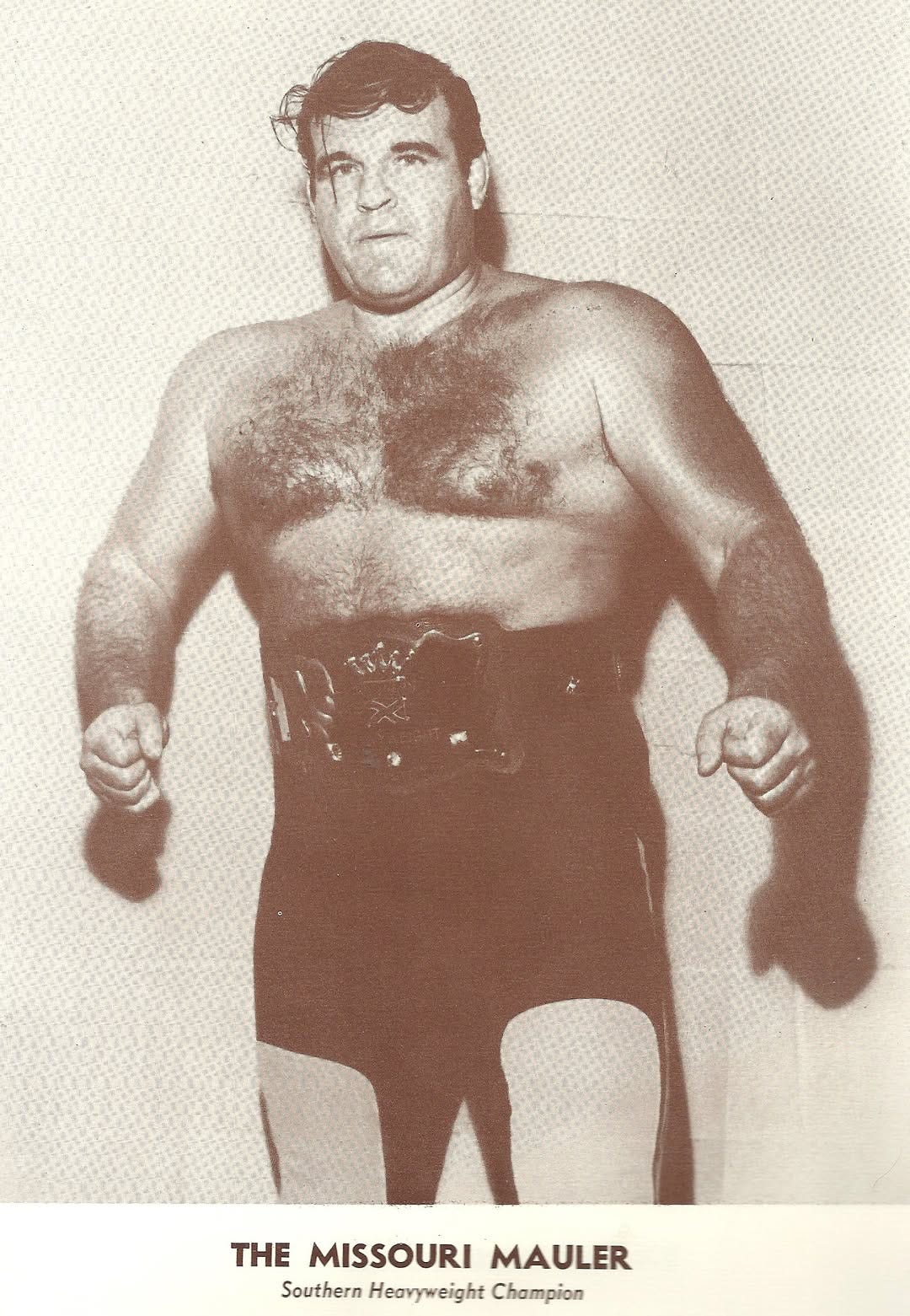
Pictured: The Missouri Mauler (Larry Hamilton) NWA Southern Heavyweight Champion (Florida version)
Weekly shows and road cards across Florida followed a consistent rhythm, highlighting best-of-three-falls matches, tag team turmoil, and specialty bouts that built toward larger summer angles. Feuds centered on Graham’s battles against heels like Malenko, blending scientific wrestling with intense physicality, while tag divisions showcased partnerships that resonated with local fans. Talent exchanges with other NWA territories ensured fresh matchups, preventing roster fatigue and maintaining the promotion’s reputation for quality in-ring action tailored to Florida audiences.
Overall, June 1966 showcased Championship Wrestling from Florida’s solid foundation and potential for growth during this period. With Eddie Graham anchoring key storylines and a balanced roster delivering engaging content, the territory demonstrated reliable business health through consistent gates and compelling rivalries
Georgia Championship Wrestling: The NWA territory based in Atlanta and covering key markets across the state such as Macon, Columbus, Savannah, and Augusta, continued as a solid and active promotion under the leadership of promoter Paul Jones. The territory delivered weekly cards focused on intense personal rivalries, tag team excellence, and championship drama that resonated with Southern audiences who favored hard-hitting, grudge-filled action. Business remained healthy for the era, with consistent attendance at live events in Atlanta and on the road, supported by local television exposure that helped maintain fan interest in a competitive regional scene within the broader NWA framework.
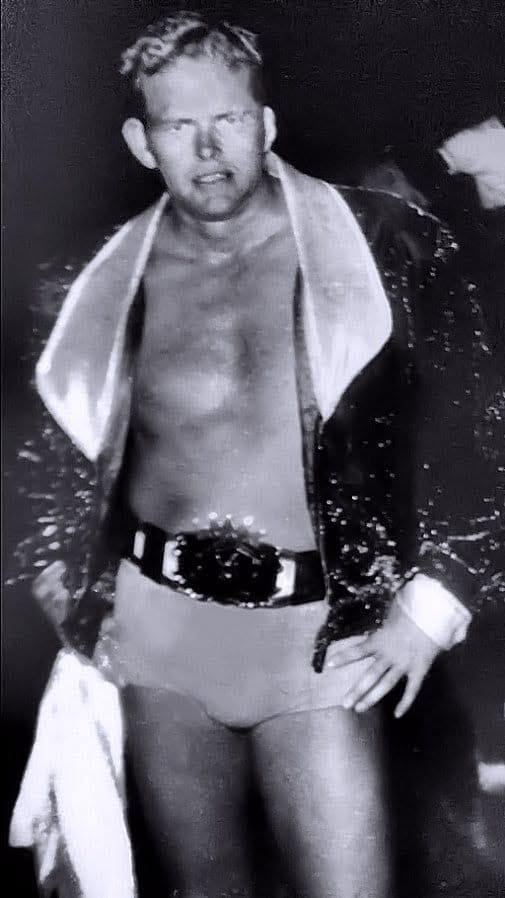
Pictured: Buddy Fuller, NWA Georgia Heavyweight Champion
Buddy Fuller emerged as a central figure, regaining the NWA Georgia Heavyweight Championship on June 17 in Atlanta from Louie Tillet after a brief reign by the Frenchman. This title change injected fresh momentum into the main event picture, positioning Fuller as a resilient babyface champion. NWA World Heavyweight Champion Gene Kiniski made notable appearances, including a June 24 bout in Atlanta where he defeated Fuller by disqualification, underscoring the territory’s access to top NWA talent and boosting gates. Tag team action was particularly hot, with the Infernos capturing the held-up “World” tag team titles from the Mysterious Medics on June 10 in Atlanta, only for further transitions involving teams like Enrique and Alberto Torres adding layers to the ongoing turmoil. Other key wrestlers on the roster included talents like the Torres brothers, various masked and international performers, and undercard workers who filled out multi-man tags and supporting matches.
Weekly shows and road cards featured best-of-three-falls formats, specialty bouts, and building angles centered on championship pursuits and heated feuds. The heavyweight title switch and Kiniski’s visits provided main event draws, while tag team storylines involving the Infernos and their rivals created consistent heat across towns. Talent exchanges with other NWA territories ensured variety, allowing the promotion to blend local stars with touring attractions and maintain a dynamic product tailored to Georgia fans.
Overall, June 1966 highlighted Georgia Championship Wrestling’s steady strength during this period. With key title activity driven by Buddy Fuller, the Infernos, and visiting stars like Gene Kiniski, the territory demonstrated reliable business health through engaging rivalries and consistent live events.
Kansas City\Central States: promoted under Heart of America Sports Attractions with Bob Geigel as a key figure both in the ring and behind the scenes, served as a dependable NWA stronghold across Missouri, Kansas, and surrounding Midwest markets. Operating primarily out of venues like Memorial Hall in Kansas City, Kansas, and extending to St. Joseph, Omaha, and other regional stops, the promotion featured straightforward, hard-hitting wrestling that appealed to working-class audiences. Business remained healthy for the era, with steady attendance at weekly cards supported by local television and a focus on championship storylines that maintained fan interest in a mature territorial environment.
The NWA Central States Heavyweight Championship provided the central focus, with a significant title change occurring mid-month. The Viking defeated Cowboy Ron Reed on June 17 in St. Joseph, Missouri, to capture the title, beginning a reign that added fresh dynamics to the main event scene. Bob Geigel remained an active competitor and influential presence, often involved in upper-card matches and tag team action. Other key wrestlers on the roster included Sonny Myers, Luke “Big Boy” Brown, Tim Woods (Mr. Wrestling), Jack Donovan, Harley Race, and various touring talents such as The Butcher and international performers who brought variety to the cards. The mix of established locals, powerhouses, and technical wrestlers created balanced programs emphasizing endurance and personal rivalries.
Weekly shows and road dates followed a consistent schedule, building angles around the heavyweight title transition and tag team competitions. Matches typically incorporated best-of-three-falls formats or time-limit draws, with undercard bouts featuring talents like Carlos Colon, Alex Perez, and others supporting the main events. The Viking’s victory and subsequent defenses, alongside ongoing programs involving Geigel, Myers, and Brown, generated reliable heat and kept crowds engaged across the territory’s circuit.
Overall, June 1966 illustrated Central States Wrestling’s solid foundation during this period. With pivotal title activity led by The Viking and veterans like Bob Geigel driving the product,
Detroit\Big Time Wrestling: The booking office owned by The Sheik (Ed Farhat) and centered at the Cobo Arena, stood as a dynamic and profitable NWA-aligned territory in the Midwest. The promotion ran regular cards in Detroit and surrounding Michigan markets, capitalizing on a mix of hardcore brawling, international talent, and ethnic rivalries that strongly appealed to the diverse Detroit audience. Business remained healthy for the era, with Cobo Arena shows typically drawing crowds in the 8,000 to 10,000+ range for key events, supported by multiple weekly television programs that built anticipation and sustained fan loyalty in a competitive regional scene.
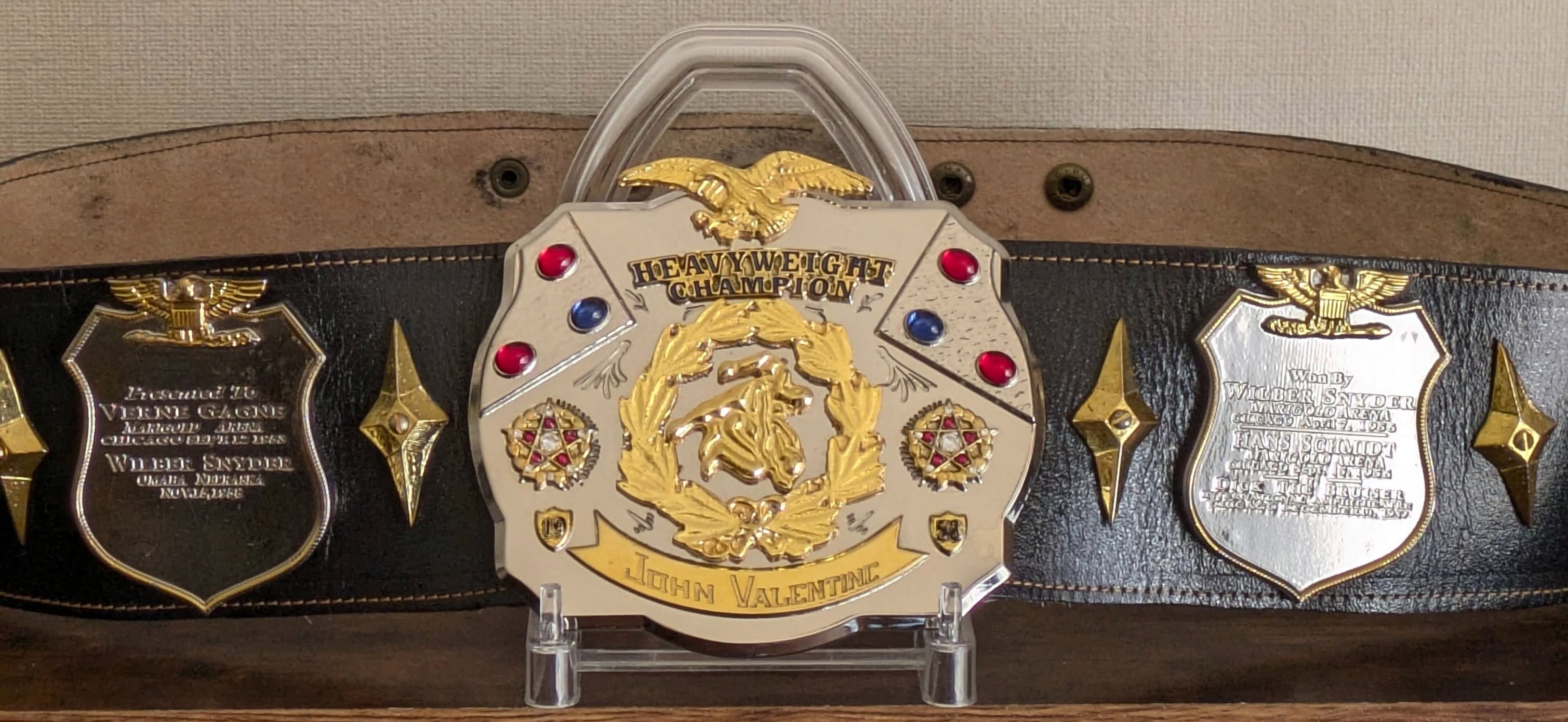
Pictured: The NWA United States Heavyweight Title belt used in Detroit and Toronto from 1962 to 1966
The Sheik served as the promotion’s central figure, both as a vicious top heel and influential promoter, frequently defending his version of the NWA United States Heavyweight Championship in bloody, rule-breaking encounters that defined the territory’s wild style. His long-running feud with babyface powerhouse Bobo Brazil provided the primary box-office draw, generating tremendous heat through personal grudge matches and specialty bouts. Other key wrestlers on the roster included talents like Bulldog Brower as a monster heel, Lord Athol Layton, Bill Miller, Ernie Ladd, Fred Curry, Gino Brito, and various international or undercard performers such as the Volkoff Brothers and George Steele who added depth and variety. The roster balanced local favorites with touring NWA stars, creating compelling matchups that highlighted power, athleticism, and chaos.
Weekly cards at Cobo Arena and road dates featured a steady stream of angles built around championship defenses and intense personal rivalries. Matches often incorporated best-of-three-falls formats, disqualifications due to excessive violence, and tag team action that kept undercards active while main events focused on The Sheik’s defenses against challengers like Brazil or other top babyfaces. Talent exchanges with other territories ensured fresh opponents, preventing stagnation and maintaining the promotion’s reputation for unpredictable, high-energy wrestling tailored to Motor City fans.
Overall, June 1966 showcased Detroit Big Time Wrestling’s solid strength and unique identity during this period. With The Sheik anchoring the main events and a deep roster delivering hardcore action and star power, the territory demonstrated reliable business health
WWA\Indianapolis: a vibrant and independent-minded territory that blended elements of the NWA and AWA while maintaining its own distinct identity. Centered at venues like the Indianapolis Coliseum (Fairgrounds Coliseum), with cards extending to other Indiana markets and occasional joint events, the promotion delivered hard-hitting, personality-driven wrestling that resonated with Midwest fans. Business remained healthy for the era, with strong attendance at major shows — often in the several-thousand range — supported by local television and the drawing power of top stars like Dick the Bruiser, who served as both a key in-ring performer and a guiding force behind the promotion. The territory’s willingness to feature cross-promotional talent helped sustain interest in a competitive regional landscape.
Dick the Bruiser anchored the territory as a dominant babyface powerhouse and multiple-time champion, frequently involved in main event action that showcased his brawling style and resilience. On June 11, Bruiser teamed with Wilbur Snyder to defeat The Assassins (Jody Hamilton and Tom Renesto) for the WWA World Tag Team Championship, injecting fresh momentum into the tag division and creating ongoing storylines around title defenses. Other prominent wrestlers on the roster included talents like The Destroyer (Dick Beyer), Cowboy Bob Ellis, Moose Cholak, Luis Martinez, Chris Markoff, and various undercard performers who added depth with international flair and athletic matchups. The mix of established locals, visiting NWA/AWA stars, and tag team specialists created balanced cards emphasizing power, technical ability, and grudge matches.
Weekly shows and special events built angles around the newly won tag titles and singles rivalries, with best-of-three-falls formats, disqualifications, and multi-man tags keeping crowds engaged. The Bruiser-Snyder victory over The Assassins provided a central hook, while appearances by stars like Gene Kiniski in related cards (including draws or competitive bouts) boosted gates and highlighted the territory’s connections. Talent exchanges ensured fresh opponents, allowing the promotion to maintain a dynamic product tailored to Indianapolis and Indiana audiences who appreciated rugged, no-nonsense action.
Overall, June 1966 showcased the Indianapolis WWA’s solid strength and entrepreneurial spirit during this period. With Dick the Bruiser driving the main events, key title activity in the tag division, and a deep roster
Gulas-WelchTennessee Territory: operated by huge booking office owners in Nashville, Nick Gulas and Roy Welch under the NWA organization, remained a cornerstone of Southern wrestling with a strong presence in key markets including Nashville, Memphis, Chattanooga, Knoxville, and surrounding areas. Centered around weekly cards at venues like the Nashville Fairgrounds Coliseum, the promotion delivered story-rich programming heavy on tag team action, personal feuds, and regional championships that connected deeply with Tennessee audiences who embraced athleticism and grudge-driven storytelling. Business remained healthy for the era, with consistent attendance at live events supported by multiple television outlets across cities, sustaining fan loyalty in a competitive Southern NWA landscape where the territory balanced local heroes with touring talent.
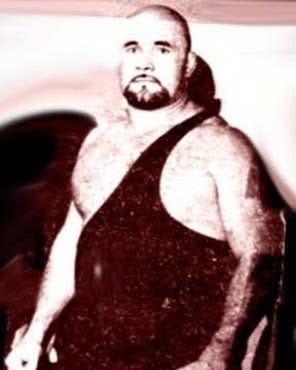
Pictured: Karl Von Brauner, NWA Southern Junoir Heavyweight Champion in June 1966
The roster featured a blend of established veterans and reliable draws, with tag team wrestling as the promotional backbone. Teams like Mario Milano and Len Rossi were active in the Southern Tag Team Championship picture, with ongoing transitions and defenses that kept the division hot throughout the month. Jackie Fargo served as a top babyface attraction known for his charisma and in-ring prowess, often involved in high-profile singles and tag bouts. Tojo Yamamoto provided a distinctive presence with his technical style and cultural appeal, while other key wrestlers included talents like Alex Perez, Eddie Graham during select appearances, and various undercard performers who filled out multi-man tags and supporting matches. The mix allowed for dynamic programs emphasizing best-of-three-falls action and heated rivalries tailored to regional preferences.
Karl Von Brauner had a short three-month run with the NWA Southern Junior Title that is little remembered over the Summer of 1966. In Tennessee in 1966, the Von Brauners were already established as top tag team heels. Karl’s singles title win gave him an extra spotlight and helped build his individual credibility as a credible threat. These kinds of short heel title runs were common — they created fresh programs, protected the popular babyfaces (like local legend Jackie Fargo), and set up big payoff matches when the title changed hands.Jackie Fargo was one of the biggest draws in the territory, so dropping the belt to him on July 27 made perfect sense from a booking standpoint. Karl continued wrestling in the area afterward (including tag team work and other singles matches).
Weekly shows and road cards followed a steady schedule, building angles around tag team supremacy and championship pursuits. Matches highlighted endurance, scientific wrestling mixed with brawling, and storyline progression across the territory’s circuit, with title activity providing main event focus and undercards delivering consistent entertainment. Talent exchanges with other NWA territories brought in fresh opponents, preventing stagnation while reinforcing the promotion’s identity as a tag team powerhouse in the South.
Overall, June 1966 showcased the Gulas-Welch Tennessee Territory’s enduring stability and appeal during this period. With strong tag team focus, star power from figures like Jackie Fargo and Tojo Yamamoto, and reliable gates driven by localized booking, the territory demonstrated solid business health
Leroy McGuirk Oklahoma: operated as a respected and stable promotion centered in Tulsa and Oklahoma City, with cards extending to other regional markets in Oklahoma, Arkansas, and parts of Louisiana and Missouri. McGuirk emphasized legitimate, scientific wrestling rooted in amateur traditions, appealing to fans who valued technical skill and long-term storytelling over spectacle. Business remained healthy for the era, with consistent attendance at venues like the Tulsa Coliseum and Oklahoma City’s Stockyards Coliseum supported by local television and a loyal regional following that appreciated the territory’s focus on in-ring quality and championship integrity within the broader NWA framework.
Danny Hodge served as the territory’s flagship star and major box-office draw, holding the NWA World Junior Heavyweight Championship after capturing it earlier in the year in Oklahoma City. His stiff, mat-based style and Olympic pedigree made him a perennial hero, with defenses and programs that headlined shows and drew strong crowds throughout the month. Other key wrestlers on the roster included talents like Lorenzo Parente, who had recent title history in the junior heavyweight division, along with veterans and regional performers such as Cowboy Ron Reed, Alex Perez, and various touring NWA stars who provided depth to singles and tag team matches. The mix of homegrown legitimate athletes and experienced hands created balanced cards that highlighted endurance, submissions, and personal rivalries tailored to Oklahoma audiences.
Weekly shows and road dates maintained a steady rhythm, building angles around Hodge’s championship reign and supporting feuds in the heavyweight and tag divisions. Matches typically featured best-of-three-falls formats or time-limit draws that showcased technical prowess, with undercard action focusing on multi-man tags and grudge bouts that progressed storylines across the territory’s circuit. Talent exchanges with other NWA promotions ensured fresh opponents, allowing McGuirk to keep the product dynamic while preserving the territory’s identity of authentic wrestling.
Overall, June 1966 showcased the LeRoy McGuirk Oklahoma Territory’s solid foundation and enduring appeal during this period. With Danny Hodge anchoring the main events and a roster committed to quality in-ring action
Gulf Coast & Louisiana: In June 1966, the Gulf Coast Championship Wrestling territory under promoter Lee Fields and the associated Louisiana operations linked to Bill Golden functioned as interconnected segments of the broader NWA Southern wrestling network, covering markets across Alabama, Mississippi, Louisiana, and surrounding areas including Mobile, Dothan, Pensacola, New Orleans, Baton Rouge, Lafayette, and Alexandria. The promotions emphasized rugged Southern-style action, strong tag team divisions, and personal feuds that resonated with regional audiences who appreciated physical, story-driven bouts. Business remained steady for the era, with weekly cards at armories, coliseums, and local venues drawing consistent crowds supported by television programming that helped sustain fan interest across the expansive Gulf Coast circuit.
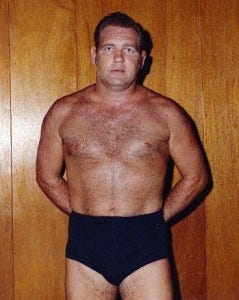
Pictured: Lee Fields
Lee Fields played a central role as both promoter and active wrestler, contributing to the heavyweight scene while his family connections, including brother Bobby Fields, strengthened the roster. Tag team activity was particularly prominent, with Ramon Torres and Silento Rodriguez capturing the NWA Gulf Coast Tag Team Championship on June 3 in Dothan, Alabama, before Rodriguez’s injury led to further transitions involving Bobby Fields later in the summer. The Dirty Daltons (Jack and Frank) remained active challengers and titleholders in the United States Tag Team Championship picture for the region. Other key wrestlers included talents like Bobby Fields, the Torres brothers, various regional performers, and touring NWA stars who added depth to singles and multi-man matches. The roster blended homegrown Southern talent with imports, creating compelling ethnic and grudge-based storylines tailored to diverse Gulf Coast and Louisiana fans.
Weekly shows and road dates maintained a consistent schedule, focusing on best-of-three-falls contests, tag team turmoil, and championship pursuits that built heat across towns. Matches highlighted endurance, brawling, and technical elements, with undercard action supporting main events centered on tag title changes and personal rivalries. Talent sharing between the Gulf Coast and Louisiana ends of the territory, along with exchanges from other NWA promotions, kept the product fresh and prevented stagnation while reinforcing the interconnected nature of the operations.
Overall, June 1966 illustrated the combined strength and adaptability of Lee Fields’ Gulf Coast and Bill Golden’s Louisiana Territory during this period. With active tag team storylines, dependable roster depth featuring the Fields family and Dalton teams, and reliable live event attendance, the promotions demonstrated solid business health amid the mature “Stage 5” territorial model.
AWA: the American Wrestling Association (AWA) territory, centered in Minneapolis with significant operations in Omaha and extending across the Midwest including St. Paul, Milwaukee, and other regional markets, operated as one of the strongest and most athletic promotions in North America under the leadership of Verne Gagne and partners like Wally Karbo. The AWA emphasized scientific wrestling, power brawling, and compelling personalities, with cards running regularly at venues like the Minneapolis Convention Center and Omaha’s Civic Auditorium. Business remained healthy for the era, with solid attendance at live events and strong television exposure that helped build a dedicated fanbase in a competitive landscape, where the promotion balanced its own championships with occasional NWA talent exchanges.
Mad Dog Vachon served as the dominant AWA World Heavyweight Champion, his vicious heel style and technical ability making him a major draw throughout the territory with frequent defenses that headlined shows in both Minneapolis and Omaha. The tag team division was anchored by Dick the Bruiser and The Crusher, who held the AWA World Tag Team Championship after winning it in late May, providing high-impact main events with their rugged, crowd-pleasing brawling. Other key wrestlers on the roster included talents like Larry Hennig and Harley Race as a formidable heel team, Moose Cholak, Wilbur Snyder, Reggie Parks, The Alaskan, and various undercard performers such as Eddie Sharkey, Chris Markoff, and international or regional workers who added depth and variety to the cards. The mix of homegrown stars, powerhouses, and technical specialists created balanced programs tailored to Midwest audiences who appreciated hard-hitting action.
Weekly cards and special events in Minneapolis and Omaha followed a consistent schedule, building angles around Vachon’s championship reign and the Bruiser-Crusher tag title defenses. Matches typically featured best-of-three-falls formats, handicap bouts, and multi-man tags that highlighted endurance and personal rivalries, with undercard action supporting the main events and progressing storylines across the territory’s circuit. Talent exchanges and internal depth kept the product fresh, allowing the promotion to maintain momentum in both key markets.
Overall, June 1966 showcased the AWA Minneapolis and Omaha Territory’s solid strength and athletic focus during this period.
WWWF: Centered around major venues in New York, Pennsylvania, New Jersey, Maryland, and other regional markets, with television tapings in key cities, the promotion thrived on the unparalleled drawing power of its World Heavyweight Champion Bruno Sammartino. Business remained robust for the era, with strong attendance at live events despite occasional venue challenges such as the temporary suspension of Madison Square Garden shows earlier in the year. Local television and radio helped maintain fan engagement, supporting consistent gates in a competitive Northeast landscape where Bruno’s long reign served as the undeniable cornerstone of the territory’s success.
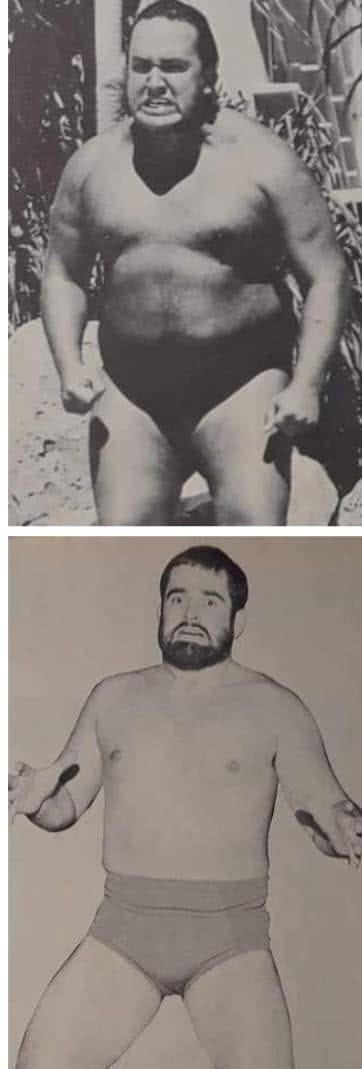
Pictured: Prince Iaukea and The Kentucky Butcher, John Quinn
Bruno Sammartino anchored the territory as the undisputed top babyface and box-office attraction, successfully defending his WWWF World Heavyweight Championship in high-profile bouts that headlined cards across the region. A notable June highlight included his Hawaiian strap match victory over Prince Iaukea (later known as King Curtis) at Pittsburgh’s Forbes Field, showcasing his resilience and power in a specialty bout that generated significant interest. Tag team action featured strong programs with Johnny Valentine and Antonio Pugliese (Tony Parisi) as WWWF United States Tag Team Champions, defending against heels like Baron Mikel Scicluna, Smasher Sloan, and Bill Miller in frequent multi-week rivalries. Other key wrestlers on the roster included reliable performers such as Waldo Von Erich, Bulldog Brower, Arnold Skaaland, and various undercard talents who filled out singles and supporting matches, creating a balanced product that blended technical wrestling, power bouts, and heated personal feuds.
Weekly cards and television tapings followed a steady schedule, building angles around Sammartino’s championship defenses and ongoing tag team turmoil. Matches often incorporated best-of-three-falls formats, disqualifications due to interference or excessive violence, and specialty stipulations that heightened drama and kept crowds invested. Talent exchanges with other promotions brought in fresh challengers, while the core roster’s consistency ensured the WWWF maintained its identity as a promotion centered on heroic babyfaces overcoming villainous heels tailored to passionate Northeast audiences.
Mexico: Lucha Libre was thriving as a cultural phenomenon. EMLL (Empresa Mexicana de la Lucha Libre) ran regular Super Viernes cards at Arena México, emphasizing high-flying masked wrestlers, hair vs. hair matches, and trios action. While specific June 1966 results are less documented in broad timelines, the promotion was building toward its 33rd Anniversary shows later in the year (featuring hair matches with Rene Guajardo, etc.). Stars like El Santo remained massive draws. The business was healthy and distinct from U.S. styles, with strong local attendance and growing media presence.
EMLL: Empresa Mexicana de la Lucha Libre (EMLL), the world’s oldest professional wrestling promotion and the dominant force in Mexican lucha libre, continued its strong tradition of high-flying, mask-versus-mask, and hair-versus-hair spectacles centered primarily at Arena México in Mexico City, with regular events extending to Arena Coliseo and regional shows across the country including Guadalajara. Under the leadership of the Lutteroth family, EMLL emphasized trios action, technical excellence, and culturally resonant storylines that blended athleticism with dramatic rivalries, appealing to passionate Mexican audiences who treated lucha libre as a national passion. Business remained very healthy for the era, with consistent sellouts or strong crowds at Super Viernes Friday night cards in Arena México, supported by extensive media coverage and the enduring popularity of masked stars, sustaining the promotion’s position as a cultural and financial powerhouse distinct from the U.S. territorial model.
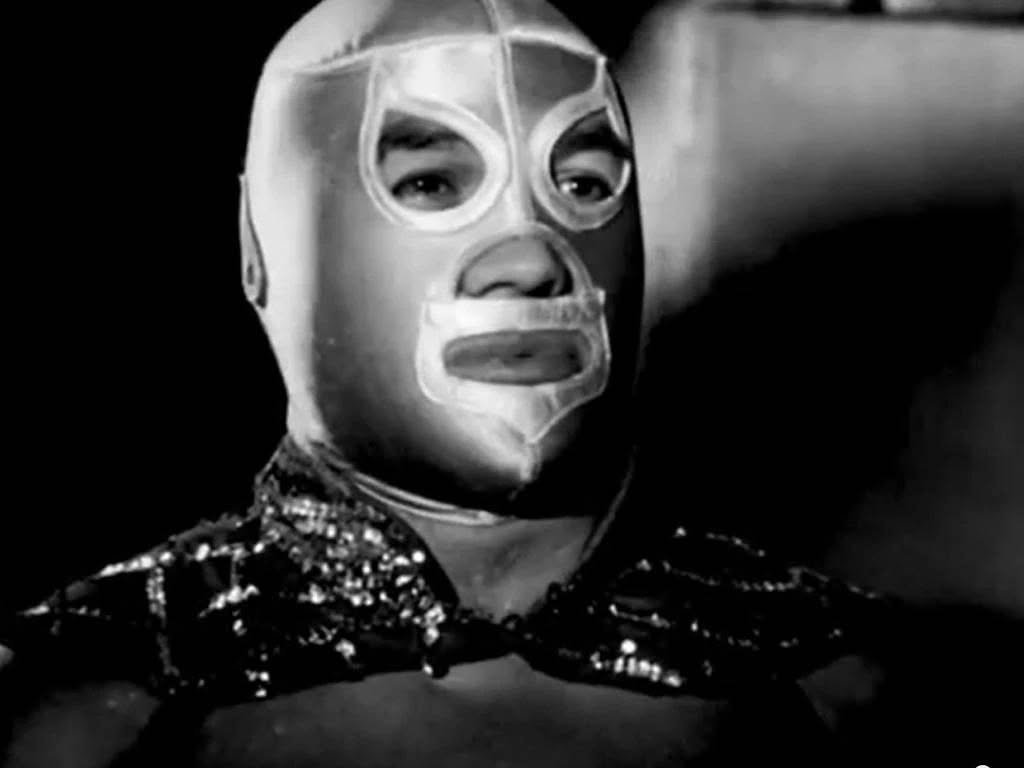
Pictured: El Santo
El Santo remained the undisputed king of Mexican wrestling, a massive box-office draw whose heroic persona and high-flying style headlined major cards and drew families and fans from all walks of life. Other key figures included Rayo de Jalisco as a prominent tag team champion alongside El Santo in the Arena México Tag Team division, Rene Guajardo as a top rudo capable of generating intense heat, and talents like Karloff Lagarde, Ray Mendoza, Dr. Wagner, and various high-flyers and technicians who filled out stacked cards. Tag team divisions were especially active, highlighted by Alfonso Dantes and Pantera Blanca capturing the Occidente Tag Team Championship on June 17 in Guadalajara, adding fresh momentum to regional storylines. The roster’s depth, featuring masked luchadores, international visitors, and multi-generational families, created vibrant programs that highlighted aerial maneuvers, submissions, and high-stakes apuesta matches.
Weekly Super Viernes shows at Arena México and road cards followed a reliable schedule, building long-term angles around championship defenses, trios rivalries, and escalating personal feuds that often culminated in hair or mask challenges later in the year. Matches typically unfolded in best-of-three-falls formats, showcasing lightning-fast action, crowd-pleasing dives, and technical mastery, while undercard bouts provided opportunities for emerging stars and variety. Talent development and internal story progression kept the product dynamic, allowing EMLL to maintain its unique identity focused on lucha libre traditions amid preparations for the upcoming 33rd Anniversary shows in the fall.
Japan\JWA: Centered in major venues across Japan including Tokyo, Kawasaki, Nagoya, and other cities, with a strong emphasis on athletic in-ring action, international talent exchanges, and building toward domestic stars, the JWA delivered consistent cards that blended technical prowess with powerful striking. Business remained healthy for the era, with strong attendance at live events including a major outdoor show that demonstrated sustained fan interest amid a transitional period under new leadership influences. Television exposure and the appeal of visiting NWA stars helped maintain the promotion’s position as Japan’s top circuit in a maturing territorial landscape.
Giant Baba stood out as the central figure and primary box-office draw, his towering presence and improving skills positioning him as the heir apparent to Rikidōzan’s legacy. He featured prominently in main events, showcasing his power and endurance against international challengers. Other key wrestlers on the roster included Hiro Matsuda and Michiaki Yoshimura as JWA All-Asian Tag Team Champions, along with talents like Killer Karl Kox, Duke Keomuka, Eddie Graham, Sam Steamboat, Yoshinosato, Kantaro Hoshino, Kotetsu Yamamoto, and various domestic performers who added depth to undercards and specialty bouts. The roster benefited from strong NWA connections, bringing in foreign stars that created compelling stylistic clashes with Japanese wrestlers.
A highlight of the month was the major outdoor event on June 18 at Kawasaki Baseball Stadium, which drew approximately 15,000 fans. The card featured strong performances including Giant Baba defeating Don Chuy, Karl Kox beating Yoshinosato, Duke Keomuka over Joe Carrolo, and a competitive draw between the All-Asian Tag Team Champions Hiro Matsuda & Michiaki Yoshimura and the team of Eddie Graham & Sam Steamboat. Additional bouts on the show and throughout the month, such as those involving Kotetsu Yamamoto and emerging talents, built ongoing storylines and maintained momentum across tours. Matches emphasized best-of-three-falls formats, technical exchanges, and power-based action tailored to Japanese audiences who appreciated athleticism and international flavor.
Australia\WCW: the Australian wrestling territory promoted by Jim Barnett and Johnny Doyle under the World Championship Wrestling (WCW) banner, also known as the International Wrestling Alliance (IWA), operated as a dynamic and growing force across major markets including Sydney, with cards extending to other cities. Centered at the iconic Sydney Stadium for Friday night shows, the promotion brought international talent and high-quality athletic wrestling to Australian audiences, blending imported stars with emerging local performers in a market that was rapidly expanding under their leadership since launching in late 1964. Business remained healthy for the era, with strong attendance at live events supported by television exposure and the appeal of big-name imports, sustaining solid gates in a territory that was establishing itself as a key international outpost distinct from the North American NWA model.
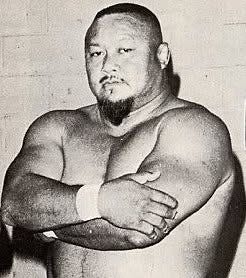
Pictured: professor Toru Tanaka
A major highlight came early in the month with a significant title change. On June 3 at Sydney Stadium, Professor Toru Tanaka defeated Dominic DeNucci to win the IWA World Heavyweight Championship (with Roy Heffernan as special referee), injecting fresh momentum into the main event scene and positioning Tanaka as a dominant heel champion. Other key wrestlers on the roster included international draws like Killer Kowalski, Mark Lewin, Nick Bockwinkel, Bill Dromo, Mitsu Arakawa, Hajji Baba, and local favorites such as Larry O’Day, along with undercard talents like Bruiser Bob Baker, George Lackey, and Alan Pinfold who provided depth and variety. The roster’s mix of powerhouse heels, technical performers, and athletic babyfaces created compelling stylistic clashes tailored to enthusiastic Australian crowds.
Weekly cards at Sydney Stadium and other venues featured a steady buildup of angles around the world title transition and tag team action. Matches typically incorporated best-of-three-falls formats, disqualifications, and personal rivalries that highlighted endurance and international flavor, with undercard bouts supporting the main events and progressing storylines across the circuit. Talent imports and internal development kept the product fresh, allowing Barnett and Doyle to maintain a dynamic offering that emphasized hard-hitting action and star power.
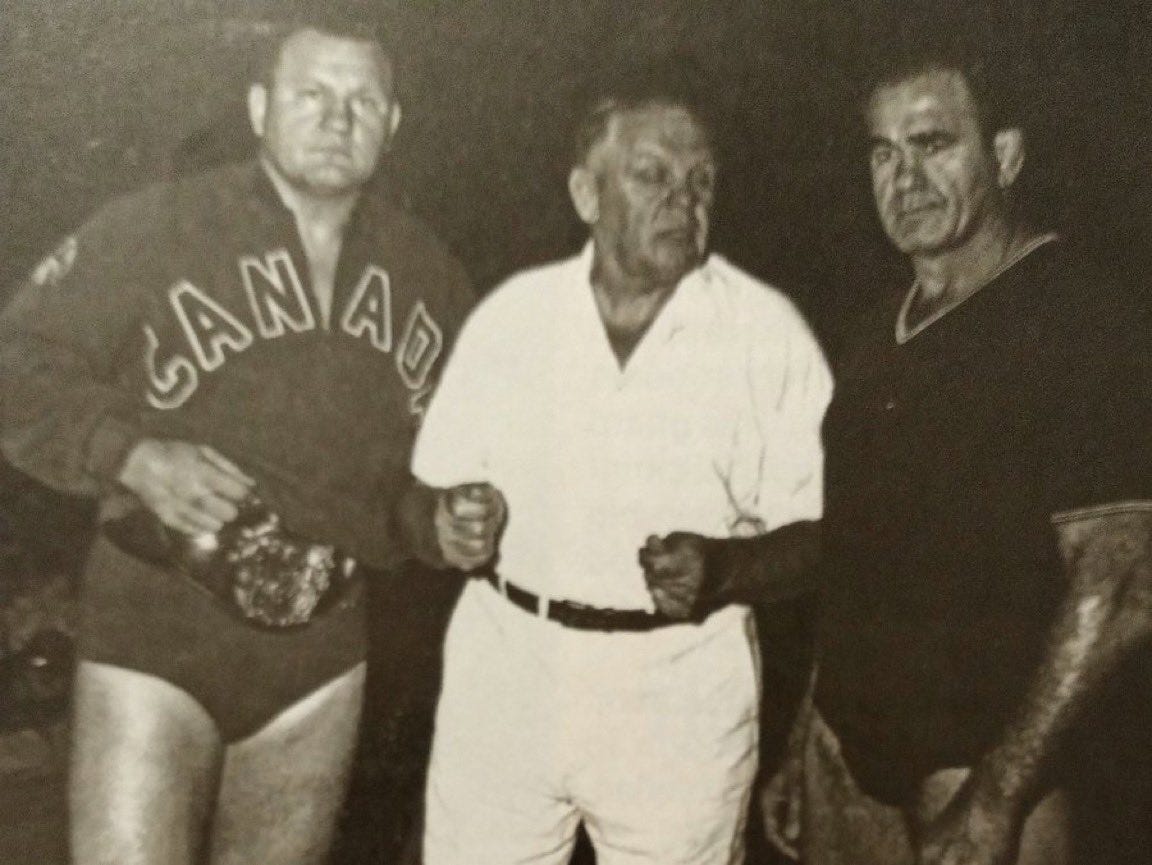
Canada (Vancouver\Montral\Toronto) : In June 1966, Canadian wrestling territories operated as vital components of the National Wrestling Alliance and independent circuits, with major hubs in Toronto under Frank Tunney’s Maple Leaf Wrestling, Montreal/Quebec with All-Star Wrestling, and Vancouver on the West Coast, alongside smaller regional activity in areas like Calgary and Winnipeg. These promotions delivered a mix of technical wrestling, tag team excellence, and international talent exchanges that resonated with Canadian audiences across diverse markets, from the bustling Maple Leaf Gardens in Toronto to regional arenas. Business remained healthy for the era, with consistent attendance at live events supported by local television and the appeal of both homegrown stars and NWA touring champions like Gene Kiniski, sustaining solid gates in a mature territorial landscape interconnected with U.S. promotions.
In Toronto, Whipper Billy Watson continued as a beloved babyface icon, frequently teaming in tag action that headlined cards at Maple Leaf Gardens, while talents like Bulldog Brower, Johnny Valentine, and various masked performers provided strong heel opposition and undercard depth. Montreal’s All-Star Wrestling saw significant title activity, with Hans Schmidt capturing the World Heavyweight Championship from Johnny Rougeau earlier in the period before Édouard Carpentier regained it on June 7 in Quebec City, boosting fan interest through the high-profile transition and subsequent defenses. Vancouver featured active tag team scenes, with teams like John Tolos and Tony Borne recognized in the NWA World Tag Team Championship picture, alongside performers such as Pepper Martin and Stan Stasiak contributing to regional heavyweight programs. Across the territories, rosters blended local favorites with visiting NWA stars, creating compelling matchups that highlighted scientific styles, power brawling, and personal rivalries tailored to Canadian crowds.
Weekly cards and special events maintained a steady rhythm, building angles around championship pursuits and tag team supremacy with best-of-three-falls formats common in main events. In Montreal and Quebec, the world title change drove storylines, while Toronto cards emphasized tag team turmoil and specialty bouts, and Vancouver shows focused on athletic exchanges with Pacific Northwest flavor. Talent sharing across borders kept rosters fresh, allowing promoters to deliver dynamic programming without oversaturation.
Stage 5: Consolidation June 1966
In June 1966, pro wrestling was in a solid “Stage 5” position—mature territories with established stars, frequent title activity to drive gates, and cross-promotional talent sharing (e.g., NWA stars appearing in AWA or JWA). Attendance figures (often 8,000–12,000+ in key venues) and sellouts at places like the Olympic Auditorium in Los Angeles indicated financial health. Angles focused on blood feuds, strap matches, cage matches, and ethnic/heel rivalries that resonated locally.
Challenges included occasional TV disruptions (WWWF), the need for constant talent rotation to prevent burnout, and emerging competition or independence (e.g., WWA in Los Angeles with Pedro Morales as champion). No single “national” crisis loomed, but the fragmented nature foreshadowed later consolidation pressures in the 1970s–80s. International scenes in Mexico and Japan added vibrancy and global flavor.
This month exemplified the Territory Era’s peak appeal: decentralized, story-rich wrestling tailored to regional audiences, with enough star power and turnover to keep fans engaged. For historians and creators like Tony Richards, June 1966 offers rich material on how localized booking and champion defenses sustained the business amid evolving media and cultural landscapes.
Thank You for Reading
I’m Tony Richards, Pro Wrestling Historian, Author and Storyteller. I share pro wrestling historical items in each issue of the Time Tunnel Pro Wrestling History Newsletter. Thanks for reading! If you enjoy my information on select events, matches and insights, please share it with folks you think might like to be a subscriber!
Remember, premium investors get access to exclusive and special content such as some special issues including a multi-part deep dives on wrestling territories, wrestler bios and championship title histories, special audio and video interviews on territory pro wrestling and more available in the Pro Wrestling Time Tunnel for Premium Investors.
These are great. Very long (might be better sent out more frequently, in chunksm, 3 areas per days for example.)