


Happy Birthday to those who have passed on and to those great wrestlers still with us:
In Memoriam:
Dan McLeod 1861
Dan Kroffat 1945
“Mad Dog” “Buzz” Sawyer 1959
Happy Birthday:
Peter Hernandez\Avalon (37)
RIP Memorial: We stop & remember those who have passed on this day and gave themselves to the business for us, the fans. We salute you and thank you.
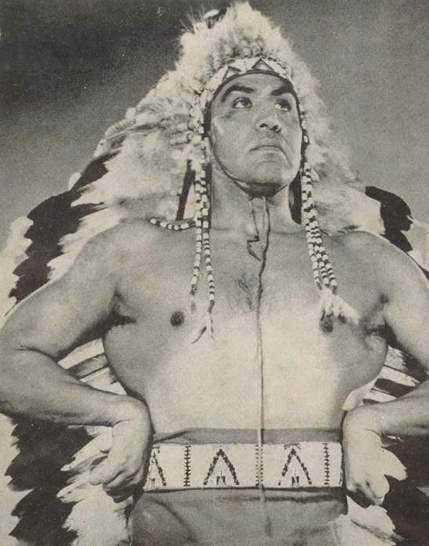
Joseph Chorre, Jr\Suni War Cloud 6-14-1987 at the age of 73
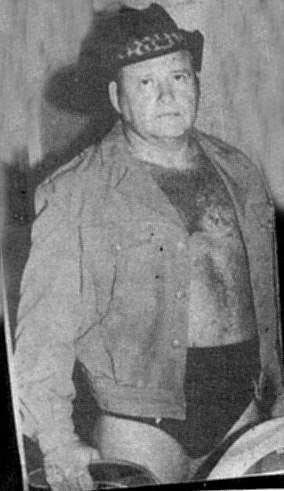
“Bulldog” Don Kent 6-14-1993 at the age of 60
Alfred Dobalo\”Al” Green\Master Blaster Blade 6-14-2013 at the age of 57

Significant Debut:
Bobby Hart 6-14-1962 at the age of 24

Flashback 1976
Q2 Analysis (April-June)
Georgia Championship Wrestling Territory
In the spring and early summer of 1976, Georgia Championship Wrestling (GCW) under promoter Jim Barnett continued its rise as one of the NWA’s premier territories. The promotion thrived on strong weekly TV (soon to benefit from WTCG’s emerging superstation reach), sold-out or near-capacity crowds at venues like the Omni Coliseum in Atlanta and smaller towns across the state, and a mix of veteran talent, rising stars, and heated feuds.
Key figures included the beloved masked babyface Mr. Wrestling II (a top draw and multi-time Georgia Heavyweight Champion), the rugged Dick Slater, the villainous Spoiler (Don Jardine), Ole Anderson (who took on booking duties around this time, influencing the product’s hard-hitting style), and supporting talent like Dusty Rhodes, Mark Lewin, Moondog Mayne, Stan Stasiak, and others.
April
April saw ongoing rivalries and the setup for major summer storylines. The Georgia Tag Team Championship was a focal point. Earlier in the year, teams like the Red Devils (Black Gordman & Great Goliath) had been prominent, but April featured tournament action and transitions.
A notable Omni card on or around mid-April highlighted the depth of the roster. Babyfaces like Mr. Wrestling II continued feuding with heels such as Dick Slater and others. Dusty Rhodes, fresh off a brief Georgia Heavyweight title run earlier in the year (defeating the Spoiler in late January), remained a charismatic draw, often clashing with rulebreakers in six-man or handicap scenarios.
The territory emphasized athleticism and storytelling. Matches frequently involved bloody brawls, disqualifications to protect titles, and angles building toward bigger Omni supercards. Ole Anderson’s influence as booker began shaping a product that balanced Southern psychology with strong in-ring work.
May
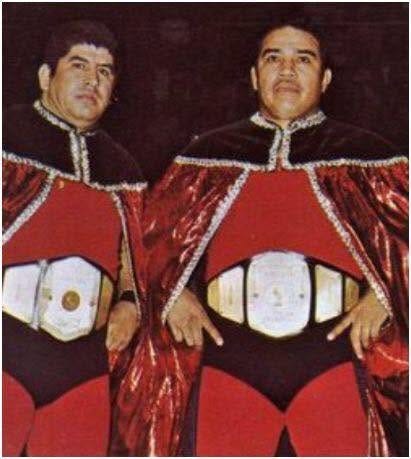
May delivered concrete title movement and marquee bouts. On May 21, 1976, at the Omni Coliseum, a significant tag team tournament unfolded to crown new Georgia Tag Team Champions. Ted & Jerry Oates emerged victorious in a round-robin format, defeating teams including Les Thornton & Tony Charles and Black Gordman & Great Goliath. This set up further tag division chaos.
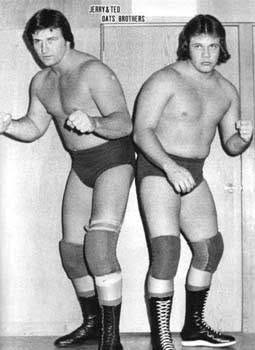
Mr. Wrestling II continued his strong push, defeating Moondog Mayne in a featured singles match on that same card. Other results included Ken Mantell over Greg Valentine, Stan Stasiak over Dean Ho, and Mark Lewin advancing in angles against the Spoiler and Gary Hart.
The Georgia Heavyweight Championship scene simmered. While major changes involving Mr. Wrestling II and Slater occurred slightly later, May built the personal animosity. Slater’s heel persona—fiery and unpredictable—made him a perfect foil for the disciplined, masked hero Mr. Wrestling II. Feuds often spilled into multi-man tags and stipulation previews.
Dusty Rhodes, a rapidly developing national name popped in and out, adding star power. The promotion’s TV product, hosted by the legendary Gordon Solie, helped elevate these stories statewide.
June
June featured further title transitions and escalating angles. The Red Devils lost the Georgia Tag Titles June 7th in Augusta to Dean Ho & Ken Mantell. Subsequent reigns were short, with Jimmy & Johnny Valiant claiming the belts on July 2 in Atlanta before the Black Bombers (Porkchop Cash & Tom Jones) took over mid-month. These rapid changes kept the division dynamic and gave fans reasons to attend weekly cards.
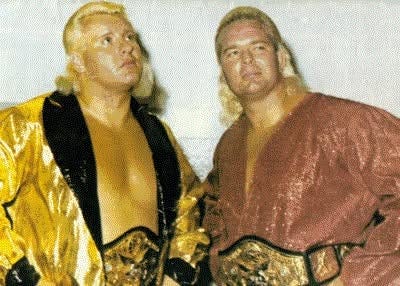
Singles action remained hot. Mr. Wrestling II’s programs with Slater, the Spoiler, and others like Skandor Akbar or Ox Baker provided consistent main events. Stipulation matches (taped fists, lumberjacks, or no-DQ) were common to heighten drama without giving away clean finishes prematurely.
The broader NWA ecosystem influenced Georgia: visiting champions or contenders added prestige. GCW’s growing TV footprint positioned it as a national showcase in the making.
Q2 1976 captured GCW at a peak of popularity and business strength. Attendance at the Omni was robust, TV ratings solid, and the roster balanced veterans with hungry talent. Mr. Wrestling II’s babyface credibility anchored the territory, while heels like Slater and the Andersons (Gene & Ole) provided heat. Tag wrestling was a strength, reflecting NWA traditions.
Towns of the Territory:
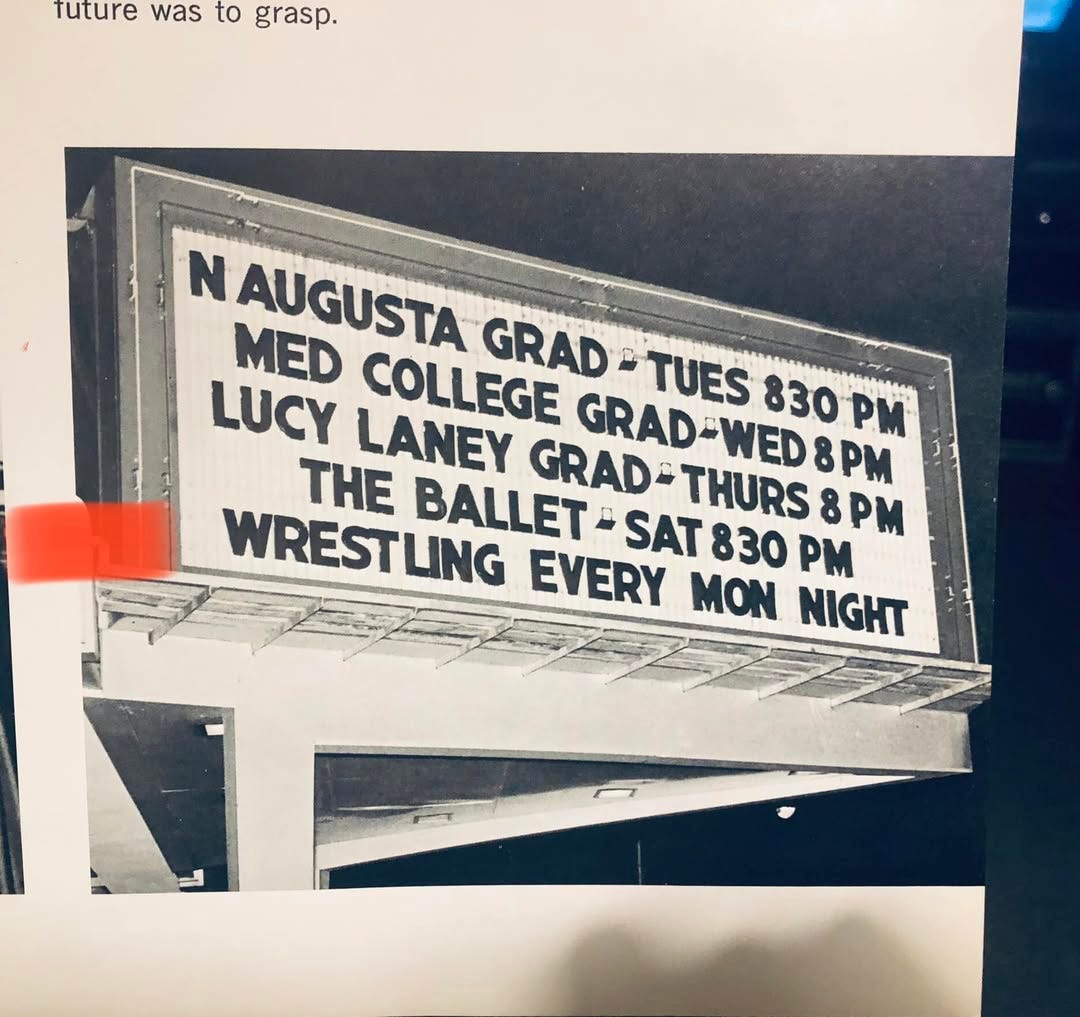
Augusta (Bell Auditorium): One of GCW’s strongest consistent towns, running every Monday night. While detailed 1976 numbers are limited, the venue drew strongly throughout the late 1970s (often 2,000–3,200 fans weekly in peak years like 1977–1979). Q2 1976 aligned with the territory’s overall hot streak, with regular Monday cards featuring top talent and building feuds. Augusta’s Bell Auditorium exemplified the territorial model’s strength: a dependable mid-market venue that generated steady revenue, tested storylines with passionate crowds, and benefited from Gordon Solie’s WTCG TV promotion. It helped sustain the full-time road schedule and contributed to GCW’s financial stability during a peak period of popularity in Q2 1976.
Macon (Macon Coliseum): A key stop with good crowds during this period. The territory’s momentum from TV and star power (Mr. Wrestling II, Slater, Dusty Rhodes, etc.) supported steady houses. GCW ran regular Tuesday night (or similar weekly) shows at the Coliseum as a key stop on the territory loop. These were not always the massive supercards seen at the Omni but served as strong mid-week draws that built feuds and featured top talent rotating through. Macon Coliseum was a reliable workhorse venue that contributed significantly to GCW’s financial health. Weekly cards kept the roster active, advanced storylines (tag turmoil, Mr. Wrestling II programs, invading heels), and supplemented revenue from bigger Atlanta shows. The combination of Gordon Solie’s TV hype and a deep roster translated into consistent turnout in secondary markets like Macon.
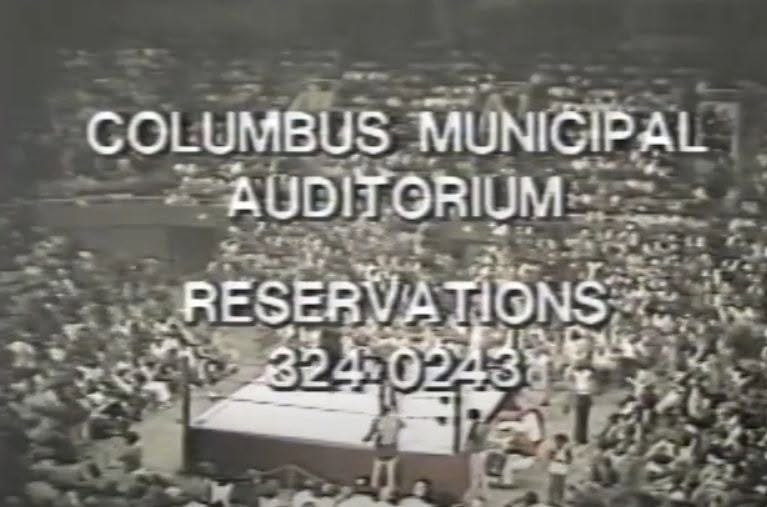
Columbus: (Municipal Auditorium) Frequently hosted significant matches, including title changes and its own Saturday afternoon television show in the market. Crowds were enthusiastic, with electric atmospheres for big singles bouts. It was a reliable draw in the territory’s rotation.
Savannah and Rome: Part of the regular circuit (Savannah Civic Center/Sports Arena and Rome Memorial Gymnasium). These towns contributed to the overall profitability, with attendance varying based on card strength but benefiting from the same roster depth and angles as larger stops. Rome and similar spots were staples for mid-week or spot shows.
Griffin: Griffin-Barnesville Sports Palace (or similar local armory/gym setups). Griffin was a longtime GCW town with a history of solid crowds for mid-card and undercard talent. These shows helped advance storylines for bigger Omni events and kept fans engaged between Atlanta trips.Reliable draw that supported the full-time schedule. Griffin contributed to the financial backbone without the overhead of major arenas.
Marietta: Cobb County Civic Center (Larry Bell Recreational Center area), which began hosting GCW events prominently around 1976. As a newer or ramping-up stop in the circuit during this period, Marietta hosted regular cards that mirrored the territory’s style—tag team matches, singles rivalries involving Mr. Wrestling II’s orbit, and visiting heels. It served as a strong suburban Atlanta alternative, drawing from the metro area while providing accessible live wrestling. Growing importance in the late 1970s, but already a solid contributor in 1976 amid the overall territory strength and emerging superstation exposure.
Carrollton: VFW Fairgrounds or similar local facilities. Part of the regular western Georgia rotation. Shows here featured the same roster depth (Oates brothers, mid-card talent, and feud-builders) and helped maintain momentum for angles like the tag title transitions and Mr. Wrestling II programs. Carrollton was a consistent, if smaller, stop that kept the crew working nearly every night. Steady market that benefited from TV hype on WTCG/Gordon Solie’s broadcasts, ensuring fans in these areas stayed invested and attended Omni or Augusta/Macon shows when big matches were announced.
This quarter set the stage for later 1976 developments, including more intense Slater vs. Mr. Wrestling II clashes (with Slater regaining the Georgia title in the fall) and continued national crossovers. Ole Anderson’s booking emphasized realistic, grudge-driven matches that rewarded fan loyalty.
Thank You for Reading
I’m Tony Richards, Pro Wrestling Historian, Author and Storyteller. I share pro wrestling historical items in each issue of the Time Tunnel Pro Wrestling History Newsletter. Thanks for reading! If you enjoy my information on select events, matches and insights, please share it with folks you think might like to be a subscriber!
Remember, premium investors get access to exclusive and special content such as some special issues including a multi-part deep dives on wrestling territories, wrestler bios and championship title histories, special audio and video interviews on territory pro wrestling and more available in the Pro Wrestling Time Tunnel for Premium Investors.