


Happy Birthday to those who have passed on and to those great wrestlers still with us:
In Memoriam:
Jim Barnett 1924
Johnny Rougeau 1929
“The Bearman” Dave McKigney 1932
Don Manoukian 1934
Ducth Savage 1935
Happy Birthday:
Mando Guerrero (76)
Thomas Clifford\Tyson T-Bone (45)
Tay Melo Conti Guevara (31)
Tony D’Angelo (31)
RIP Memorial: We stop & remember those who have passed on this day and gave themselves to the business for us, the fans. We salute you and thank you.
Ivan Kalmikoff 6-9-1996 at the age of 78
7 Stages of the Territory Era: Special Extra
Stage 4: Investigation
Year 2 of Stage 4, Month 6
June 1956: The Consolidation of the Biggest Media Market in the United States, New York City

Pictured: The New York City evening skyline on Good Friday, April, 1956
The 1950 U.S. Census showed New York City with approximately 7.89 million residents—more than double Chicago (3.62 million, #2) and far ahead of Philadelphia, Los Angeles, and others. By 1956, the metro area had grown further, solidifying its lead.
• TV Penetration and Market Size: The mid-1950s marked the explosive growth of television. New York had the highest concentration of TV households due to its massive population, early station launches (e.g., major networks like NBC, CBS, ABC based there), and urban density. Nielsen and contemporary measurements ranked it #1 by TV homes/viewership potential.
• Media Influence: As the hub for national networks, advertising, and syndication, New York exerted outsized influence. In wrestling context (your Stage 4 focus), Vince McMahon Sr.‘s Capitol Wrestling syndicated shows expanded there (e.g., to WABD Channel 5 on June 21, 1956), leveraging the market’s size for strong local gates at venues like Madison Square Garden precursors.
Comparison to Other Top Markets (1956 Context)
• Chicago (#2): It was a very strong Midwest hub with Fred Kohler’s promotions and WGN TV, but significantly smaller population/TV base than New York.
• Los Angeles (#3–4): Amazing rapid growth but still behind New York and Chicago in raw numbers.
• Philadelphia, Detroit, etc.: Both markets helped form part of the Top 10 and were solid but not in the same league.
Key Point—> This made New York the premier media market for promoters seeking maximum exposure via TV syndication while maintaining territorial control—perfectly aligning with NWA Stage 4 dynamics.
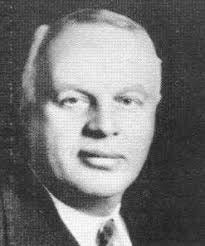
Pictured: Jack Curley
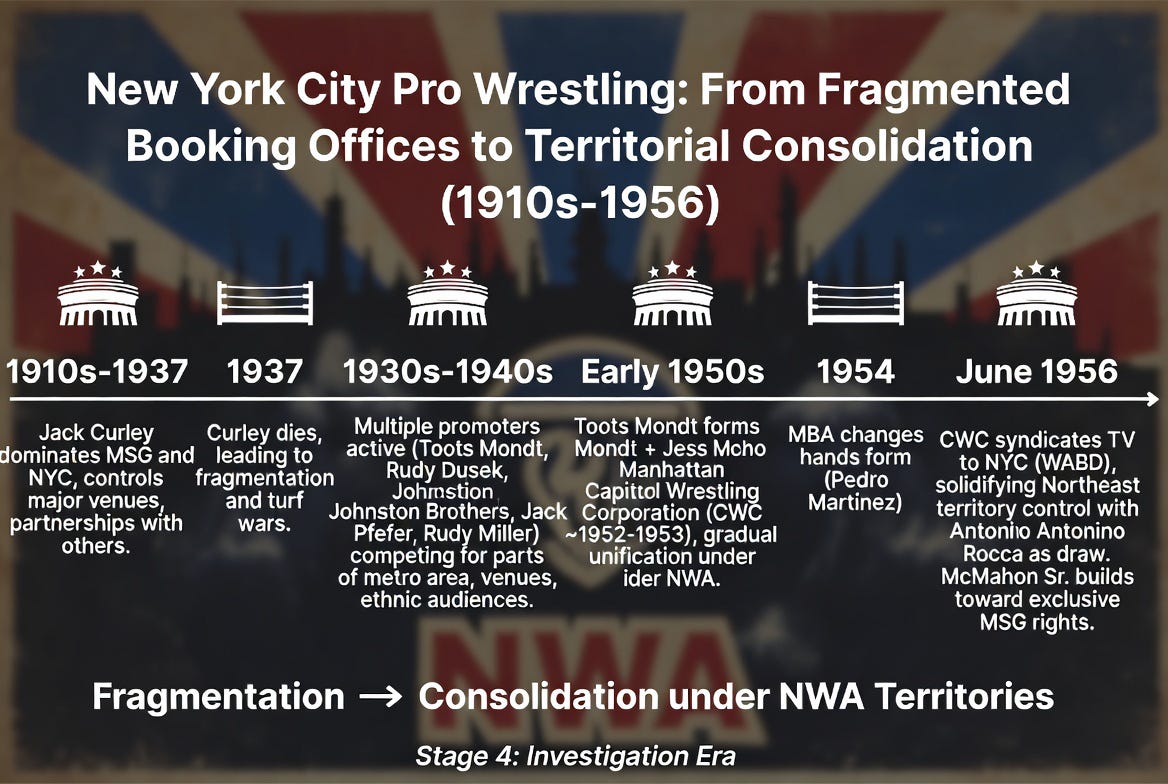
Jack Curley was the dominant promoter in New York City for much of the 1910s–1930s. He controlled major venues like Madison Square Garden and built the city into a premier wrestling territory through big-name matches and connections to boxing. His influence waned after his death in 1937, leading to a fragmented period.
Other figures like Toots Mondt, Rudy Dusek, the Johnston Brothers (Charley and Bill), and Jack Pfefer operated in the New York scene. There were turf wars, syndicates, and shifting alliances. Promoters sometimes specialized in certain arenas, ethnic audiences, or styles (e.g., legitimate vs. worked matches).
The Manhattan Booking Agency (formed by Mondt in 1948 with partners like Rudy Miller and Milo Steinborn) acted as a central booking operation, but it coexisted and collaborated/competed with others. By the late 1940s–early 1950s, multiple promoters (including Dusek and the Johnstons) combined forces for bigger shows while still navigating separate interests.

Pictured: Jess McMahon
In the early 1950s, Toots Mondt partnered with Jess McMahon (Vince Sr.’s father) to form the Capitol Wrestling Corporation (CWC) around 1952–1953. This gradually unified control over the New York territory under the NWA umbrella.
There was a Manhattan Wrestling Enterprises entity as well, reflecting ongoing shifts in booking structures. Pedro Martinez briefly acquired the Manhattan Booking Agency in 1952 before further changes. By June 1956 (the Stage 4 Investigation focus), the Northeast/New York area was largely under McMahon Sr. and Mondt’s influence via CWC, with syndicated TV helping solidify it as a cohesive territory. However, the metro area’s size (NYC, New Jersey, Connecticut, etc.) meant historical layering of promoters and venues persisted in practice, even as NWA boundaries enforced broader exclusivity.
A Short History of Pro Wrestling On the DuMont Network and the Debut in New York of the Studio Studio in 1955
The DuMont Television Network, one of the United States’ earliest commercial television networks operated from 1942 to 1956, featured professional wrestling as a main attraction in its programming, particularly from 1949 through the first part of the 1950s.
Initially, DuMont broadcast matches live from Chicago’s Marigold Arena starting in September 1949 with announcer Jack Brickhouse, which helped popularize the sport nationally and boosted Fred Kohler’s NWA-affiliated territory. Kohler, one of the founding members of the National Wrestling Alliance was the kingpin of television within the Alliance membership.
However, amid financial struggles and rising costs of production, DuMont abruptly canceled the “Wrestling from the Marigold” program in March of 1955, marking the end of its semi-national wrestling broadcasts and contributing to a temporary decline in the sport’s TV visibility.
Strategically trying to fill the gap in its programming, DuMont then shifted the focus to New York City, debuting a studio-based professional wrestling show. This was the first time a pro wrestling program was done in a studio-setting in New York City, rather than an arena, following a format pioneered by Kohler’s Jim Barnett in Cincinnati, Ohio on WLW-TV. The DuMont New York studio was located at 205 East 67th Street.
Haskell Cohen was the publicity director for the National Basketball Association and was involved to some extent as a producer for DuMont and acted as the official Eastern Sports Enterprises representative on these weekly pro wrestling shows according to an article in 3/18/1956 Syracuse Herald-American. Cohen was named as a producer of the shows on WABD-TV and also as being involved with Sunnyside Arena owner Manny Heicklen promoting boxing matches.
The play-by-play announcer was Marty Glickman, who was also noted for his work in basketball and football. The show also featured talent booked by Vince J. McMahon’s Capitol Wrestling Corporation, an NWA booking office with talent such as Pat O’Connor, Don Leo Jonathan, Tiny Mills, Yukon Eric and others.
The show was presented with talent by the Eastern Sports Enterprises company, a New York-based booking office that handled promotions for wrestling, boxing, and other sporting events. Eastern Sports Enterprises was an NWA-affiliated office who booked talent like Angelo Savoldi, Jim Austeri, Abe Coleman and Gino Garibaldi in the years leading up to and around 1955. It was owned by one of the noted Dusek Brothers, Rudy, who had it as an active NWA booking office from 1950 to 1957. Rudy's brothers Ernie, Emil and Joe were also part of the wrestling operations, often referred to collectively as the Dusek Clan from Nebraska, where they dominated the wrestling scene in Omaha and the remainder of the state. Rudy was the primary promoter and operator of the Eastern Sports Enterprises office.

Pictured: Rudy Dusek, majority owner and promoter of Eastern Sports Enterpises, New York City, New York
He had close ties with the Johnston family, who possibly were co-promoters in some capacities earlier, though Rudy remained the primary operator through the mid-50s in New York. James Joy Johnston had immigrated to the US as a child from England and transitioned to management around `1912. In 1931, he became the manager of Madison Square Garden, where he promoted 35 world championship fights until 1937. Charlie Johnston, a brother of James, managed notable boxers, including names like Archie Moore and Sandy Saddler. He handled wrestling bookings across the state of New York and promoted events at Madison Square Garden for the last 15 years of his career until his death in 1969. Another brother, Bill Johnson and after James’ death, he held the promotional license that allowed Toots Mondt to reopen Madison Square Garden for pro wrestling in 1949. Bill primarily promoted at Jamaica Arena. The Johnston Family had several legal challenges while operating including tax withholding discrepancies, but their collective efforts helped sustain pro wrestling in New York post-WWII.
Eastern Sports Enterprises promoted wrestling in buildings like Convention Hall in Camden, New Jersey, Broadway Arena in Brooklyn, New York and the aforementioned Sunnyside Gardens. Unfortunately, by 1957, Rudy Dusek was frozen out of major arenas due to conflicts with rival promoters, Toots Mondt and Vincent J. McMahon, which led to the end of his NWA membership with his New York office. Dusek had always run the smaller buildings in the New York area while Mondt’s Manhattan Booking Agency handled the major venues like Madison Square Garden and Ridgewood Grove.
The History of WABD-TV In New York Television and Pro Wrestling
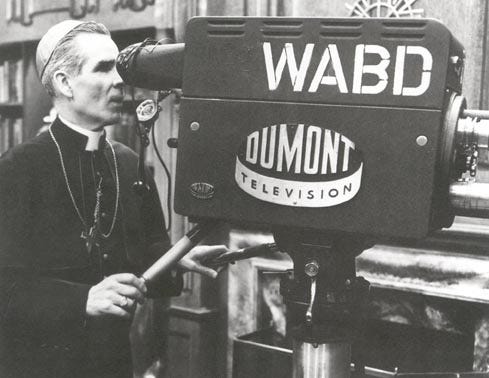
WABD Channel 5 holds a fascinating place in early television history as the flagship station of the DuMont Television Network and a key outlet for syndicated programming, including Vince McMahon Sr.’s wrestling in your June 1956 Stage 4 analyses. It was a pioneer independent station that helped shape local and network TV in the nation’s largest media market.
Early Origins and DuMont Era (1930s–1955/56)
The station traces back to 1938–1940 when Allen B. DuMont launched experimental stations in the New York area. It signed on commercially as WABD on May 2, 1944, originally on VHF Channel 4 before shifting to Channel 5 in December 1945. WABD became the anchor for the DuMont Television Network (one of the earliest U.S. TV networks, launching regular service in 1946). It aired network programming alongside local content and was instrumental in early coaxial cable experiments linking to stations in Washington, D.C.
In 1954, the station moved into the state-of-the-art DuMont Tele-Centre at 205 East 67th Street in Manhattan. It continued as a DuMont O&O station through the network’s decline.
Transition to Independence and 1956 Context
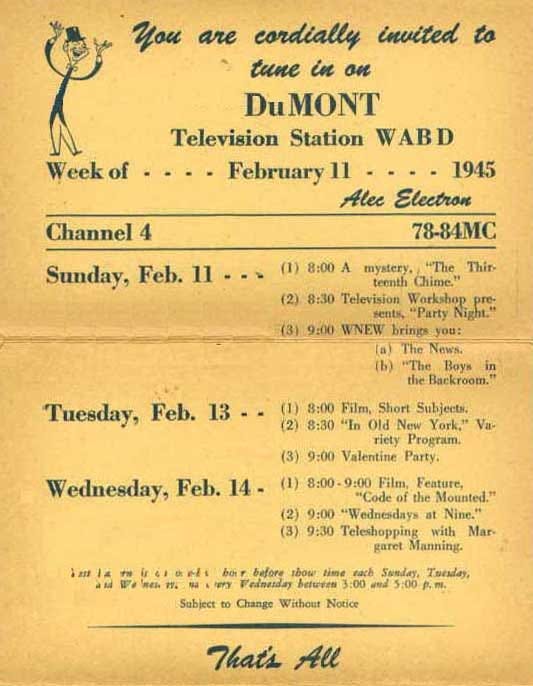
By the mid-1950s, DuMont struggled against stronger rivals (NBC, CBS) due to limited affiliates and financial pressures. The network effectively ceased operations in 1956, leaving WABD as an independent station.
This shift created opportunity. Vince McMahon Sr.’s Capitol Wrestling Corporation wrestling shows (originating from the Capitol Arena in Washington, D.C.) expanded to WABD Channel 5 in New York on June 21, 1956. The program, often aired on Saturday nights (or Thursdays in some slots), featured stars like Antonino Rocca and helped revitalize wrestling interest in the Northeast, driving live gates while reinforcing territorial control in the massive New York DMA. The station’s independence allowed flexible local programming, including sports, movies, and variety, which complemented wrestling’s popularity.
Later Evolution (Post-1956)
In 1958, WABD became WNEW-TV under new ownership (Metropolitan Broadcasting / Metromedia). It built a legendary reputation for classic local programming (e.g., children’s shows, movies, talk, and strong news). The station remained a powerhouse independent before becoming WNYW (Fox 5) in the 1980s. The physical studio space at the former DuMont Tele-Centre is still in use today.
WABD’s transition from DuMont flagship to independent was perfectly timed for McMahon Sr.’s syndication push. In the #1 U.S. media market, this move exemplified Stage 4 territorial strategy—promoter-controlled TV that promoted live events without ceding control to national networks, all while the broader NWA faced DOJ investigation. It boosted Capitol Wrestling’s power in the Northeast and foreshadowed the McMahon family’s long-term media dominance.
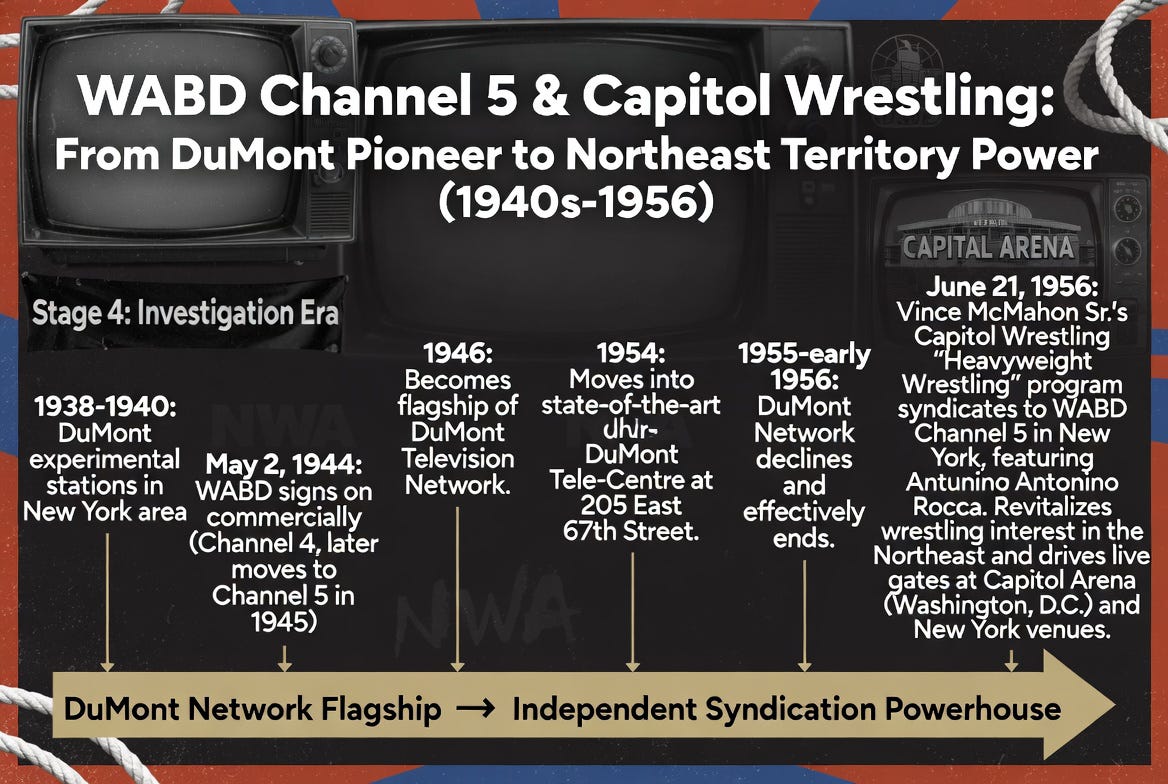
This fragmentation-to-consolidation arc fits my 7 Stages framework and hypothesis well—early competition and multiple offices giving way to regulated territorial control under the NWA, with investigation pressures testing the system. New York’s density made it a high-stakes battleground, unlike more rural territories.
Thank You for Reading
I’m Tony Richards, Pro Wrestling Historian, Author and Storyteller. I share pro wrestling historical items in each issue of the Time Tunnel Pro Wrestling History Newsletter. Thanks for reading! If you enjoy my information on select events, matches and insights, please share it with folks you think might like to be a subscriber!
Remember, premium investors get access to exclusive and special content such as some special issues including a multi-part deep dives on wrestling territories, wrestler bios and championship title histories, special audio and video interviews on territory pro wrestling and more available in the Pro Wrestling Time Tunnel for Premium Investors.