


Happy Birthday to those who have passed on and to those great wrestlers still with us:
In Memoriam:
Ed Farhat\The Shiek 1926
Ernie Roth\The Grand Wizard 1929
Al “King Kong” Kashey 1930
Superstar Billy Graham 1943
Howard Finkel 1950
Happy Birthday:
Jerry Jaffe\Jerry Graham, Jr. (79)
Mick Foley (61)
RIP Memorial: We stop & remember those who have passed on this day and gave themselves to the business for us, the fans. We salute you and thank you.
Bulldog Don Kent 6-7-1993 at the age of 59
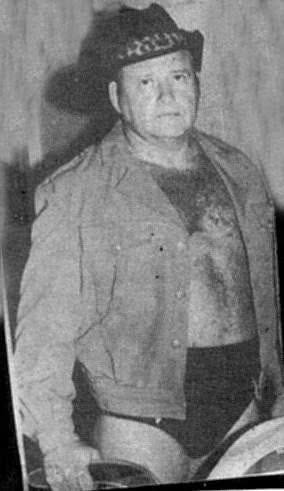
Charlie Harben 6-7-1993 at the age of 79

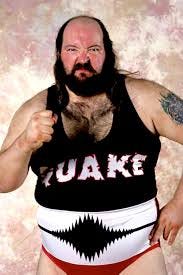
John Tenta\Earthquake 6-7-2006 at the age of 42
Maury High\Rocket Monroe 6-7-2010 at the age of 69

Mark Starr 6-7-2013 at the age of 50

Khosrow Ali Vaziri\The Iron Sheik 6-7-2023 at the age of 76

Significant Debut:
Ted DiBiase 7-7-1974 in Abilene, Texas at the age of 20 years old
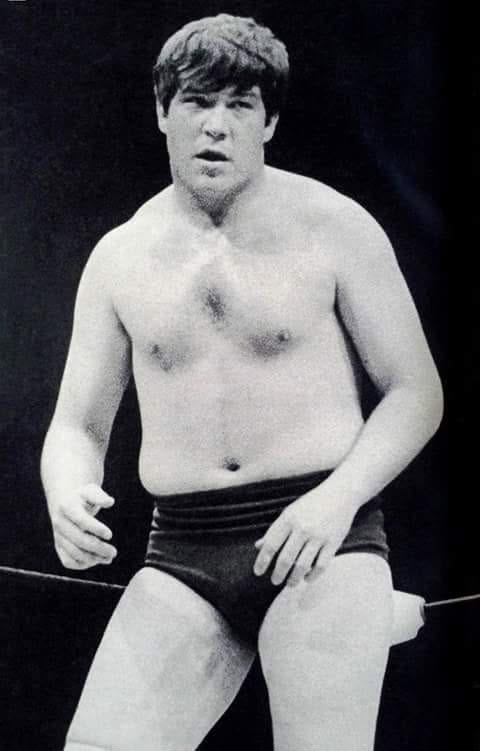
Flashback 1976
Q2 Analysis (April-June)
St. Louis Wrestling Club, St. Louis, Missouri

The St. Louis Wrestling Club, helmed by legendary promoter Sam Muchnick, stood as one of the premier NWA territories in 1976. Centered on the Kiel Auditorium (with occasional use of the Chase Park Plaza for TV), the promotion drew strong crowds to its monthly big shows while maintaining a highly popular weekly Wrestling at the Chase television program on KPLR-TV. This setup kept the territory thriving in the Fragmentation Era of the territorial system. Major stars from across the NWA rotated through, headlined by NWA World Heavyweight Champion Terry Funk, with strong supporting roles for Harley Race, the Funk Brothers (Dory Jr. and Terry), Jack and Jerry Brisco, Dick the Bruiser, Pat O’Connor, and rising star Bob Backlund. Business remained robust, with Kiel cards typically drawing 4,000–10,000 fans depending on the main event, reflecting St. Louis’ status as a wrestling capital.
April 1976

April featured a pivotal title change that energized the territory. On April 23 at the Kiel Auditorium (attendance: 7,567), Bob Backlund defeated Harley Race to win the NWA Missouri Heavyweight Championship. This victory positioned the scientific, clean-cut Backlund as a major babyface attraction and set up ongoing programs with Race and other heels. Muchnick used the angle to build Backlund’s credibility, including a non-title DQ win over Race earlier in the month. 
NWA World Champion Terry Funk headlined on April 23 as well, defeating Dick the Bruiser in a 2-out-of-3 falls match (final fall via DQ). Other key matches included Pat O’Connor and Chris Taylor vs. Blackjack Lanza and Baron Von Raschke, and mid-card action with Wilbur Snyder, Ray Candy, and midget bouts. Under card talent like Lord Alfred Hayes, Ox Baker, Tank Patton, and the Valiant Brothers filled out solid programs.
TV tapings for Wrestling at the Chase continued weekly, showcasing Backlund’s momentum, Kiniski programs, and build for big Kiel shows. Storylines emphasized personal rivalries, scientific vs. power styles, and championship prestige. Business was steady, with the Backlund push helping maintain interest amid the national NWA landscape.
May 1976

May highlighted Backlund’s title defenses and high-profile cross-promotional dream matches. On May 7 at the Kiel (attendance: 4,680—a lighter draw), Missouri Champion Backlund defeated Lord Alfred Hayes. Gene Kiniski also featured prominently, defeating Wilbur Snyder. Tag action included Pat O’Connor and Ray Candy vs. the Valiants (via DQ).
The May 21 Kiel card (attendance: 7,656) delivered a standout main event: Jack Brisco and Gene Kiniski defeated NWA Champion Terry Funk and Dory Funk Jr. in a 2-out-of-3 falls match with Pat O’Connor as special referee. This classic bout exemplified St. Louis’ ability to deliver dream tag matches. Backlund successfully defended the Missouri title against Roger Kirby, while Harley Race defeated Jerry Brisco. Supporting bouts featured Wilbur Snyder & Ray Candy, Hubert Gallant, and Ronnie Etchison. 
TV continued to build angles, with Kiniski and others challenging Funk and Backlund. Feuds mixed world title defenses, Missouri title programs, and veteran vs. rising star dynamics. Attendance fluctuated but remained viable, showcasing the territory’s strength in delivering quality in-ring action that satisfied hardcore fans. The Bicentennial atmosphere added patriotic flavor to babyface pushes.
June 1976
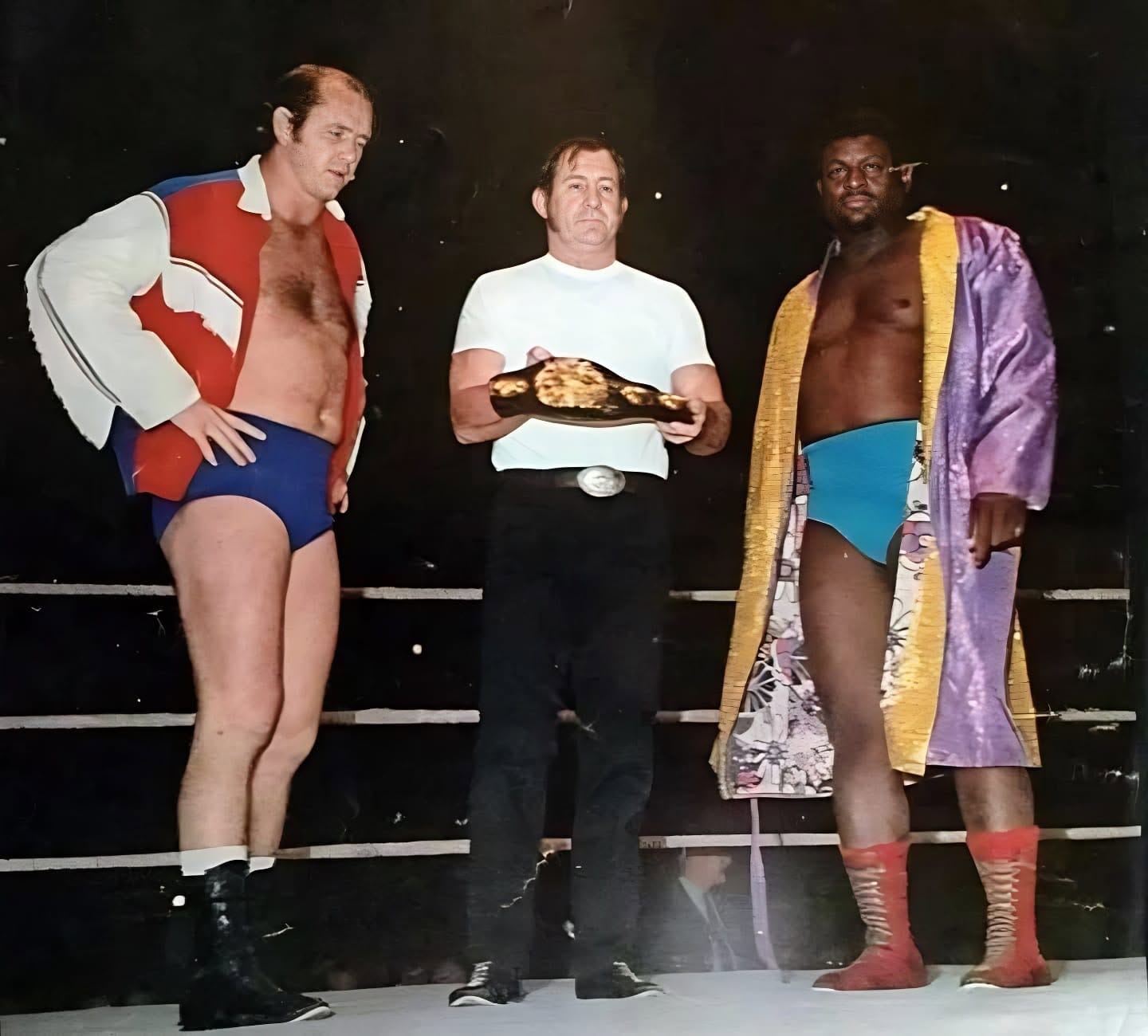
Pictured: Special referee Pay O’Connor presents the NWA World Title belt to the wrestlers, Champion, Dory Funk, Jr and Rufus R. Jones before a title match in 1972 at the Kiel Auditorium in St. Louis, Missouri
June saw continued title programs and big-name appearances. Terry Funk continued world title defenses and programs, including draws and multi-man angles. Backlund’s Missouri reign persisted with defenses, while Race remained a central heel figure. Key TV and house show talent included Dick the Bruiser, Pat O’Connor, Lord Alfred Hayes, Ox Baker, and others like Greg Gagne and Lanny Poffo (early in his career).
Storylines revolved around Funk’s world title run clashing with St. Louis staples, Backlund solidifying his status as Missouri Champion against veterans, and tag team warfare. Special referees like O’Connor and occasional crossovers (e.g., Vern Gagne influences) added prestige. Kiel shows maintained the promotion’s reputation for strong gates when stacked properly, though lighter cards drew modestly.
Wrestling at the Chase kept weekly engagement high, hyping upcoming Kiel Auditorium events and building long-term rivalries. The territory showed no major signs of decline, benefiting from Muchnick’s booking savvy and NWA talent flow.
Overall Analysis and Evolving Business Health
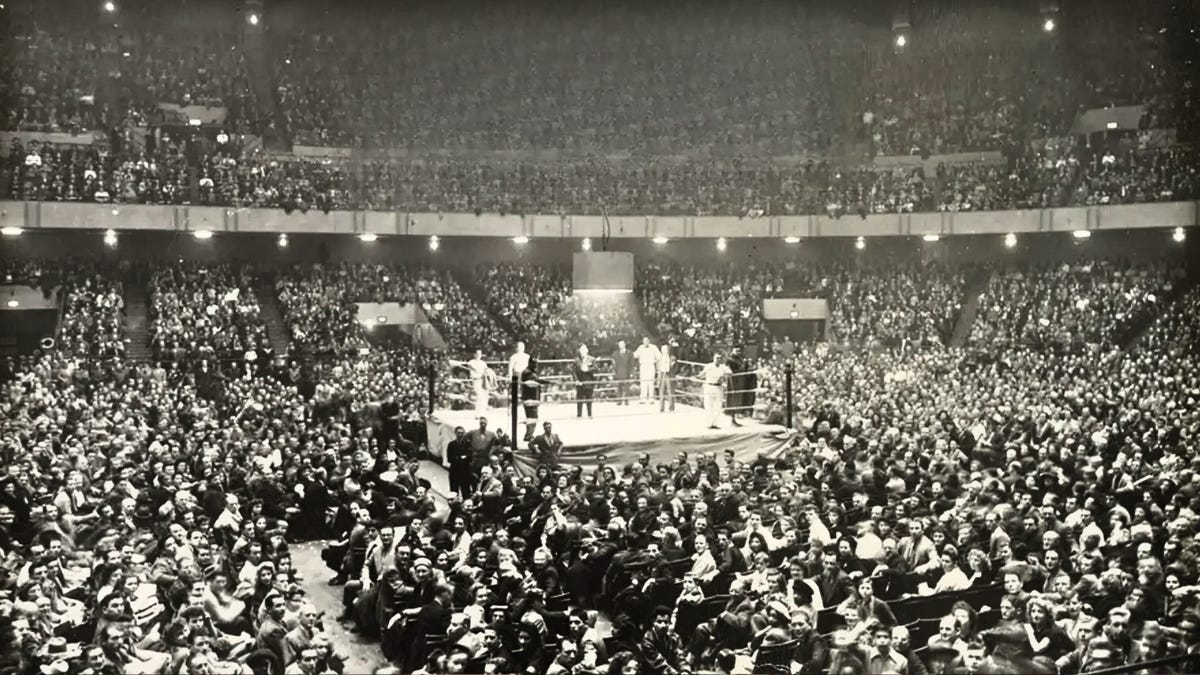
Pictured: The Kiel Auditorium in St. Louis, Missouri
Q2 1976 captured the St. Louis Wrestling Club at a high point of territorial excellence under Sam Muchnick. The promotion blended world-class main events—anchored by NWA Champion Terry Funk—with regional storytelling around the Missouri Heavyweight Championship (highlighted by Backlund’s April win and subsequent defenses). Key wrestlers included Backlund (rising scientific hero), Race (dominant heel), the Funks, Briscos, Kiniski, O’Connor, Bruiser, and reliable support like Hayes, Baker, Candy, and Patton. Championships drove attendance: the NWA World title provided star power, while the Missouri belt offered local stakes. 
Angles relied on 2-out-of-3 falls matches, special referee spots, interference, and personal grudges, all enhanced by Wrestling at the Chase TV. Major “town” was St. Louis itself, with Kiel Auditorium as the flagship venue. Business health was solid: strong crowds for stacked cards (often 7,000+), consistent TV viewership, and effective talent rotation kept the territory prosperous amid industry fragmentation. No major scandals or drops occurred; Muchnick’s conservative yet star-driven approach ensured stability. This quarter exemplified why St. Louis remained a crown jewel of the NWA into the late 1970s and beyond.
The Evolution of Wrestling Series
NEW Release Tomorrow: Don’t miss the release of my latest Evolution of Wrestling Series feature: The Evolution of the Booking Strategies of Sam Muchnick.
Our Premium Paid Subscribers (at just $5 per month or $50 per year) will be sent my latest feature in the series which will provide a comprehensive break-down and analysis or how Muchnick’s booking for the St. Louis market, his various bookers he utilized and the booking of the traveling NWA World Heavyweight Champion morphed and evolved over the years.
The Evolution of the Booking Strategies of Sam Muchnick released to my Paid Subs, tomorrow (Monday) afternoon from the Pro Wrestling Time Tunnel.
Thank You for Reading
I’m Tony Richards, Pro Wrestling Historian, Author and Storyteller. I share pro wrestling historical items in each issue of the Time Tunnel Pro Wrestling History Newsletter. Thanks for reading! If you enjoy my information on select events, matches and insights, please share it with folks you think might like to be a subscriber!
Remember, premium investors get access to exclusive and special content such as some special issues including a multi-part deep dives on wrestling territories, wrestler bios and championship title histories, special audio and video interviews on territory pro wrestling and more available in the Pro Wrestling Time Tunnel for Premium Investors.