


Happy Birthday to those who have passed on and to those great wrestlers still with us:
In Memoriam:
Diamond Lil 1944
Big Bully Busick 1954
Happy Birthday:
Dr D David Schultz (71)
Brian Adias (66)
Jackie Fulton (63)
John Williams\Ian Rotten (56)
Scott Andrews (59)
James Storm (49)
Ross Von Erich (38)
RIP Memorial: We stop & remember those who have passed on this day and gave themselves to the business for us, the fans. We salute you and thank you.
Sylvester Ritter\Junkyard Dog 6-1-1998 at the age of 45
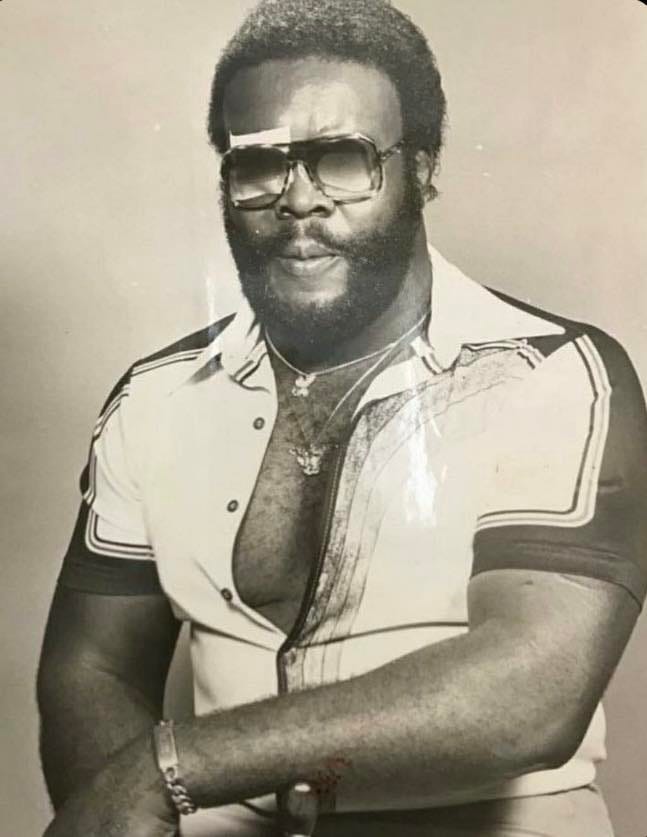
James Dudley 6-1-2004 at the age of 94
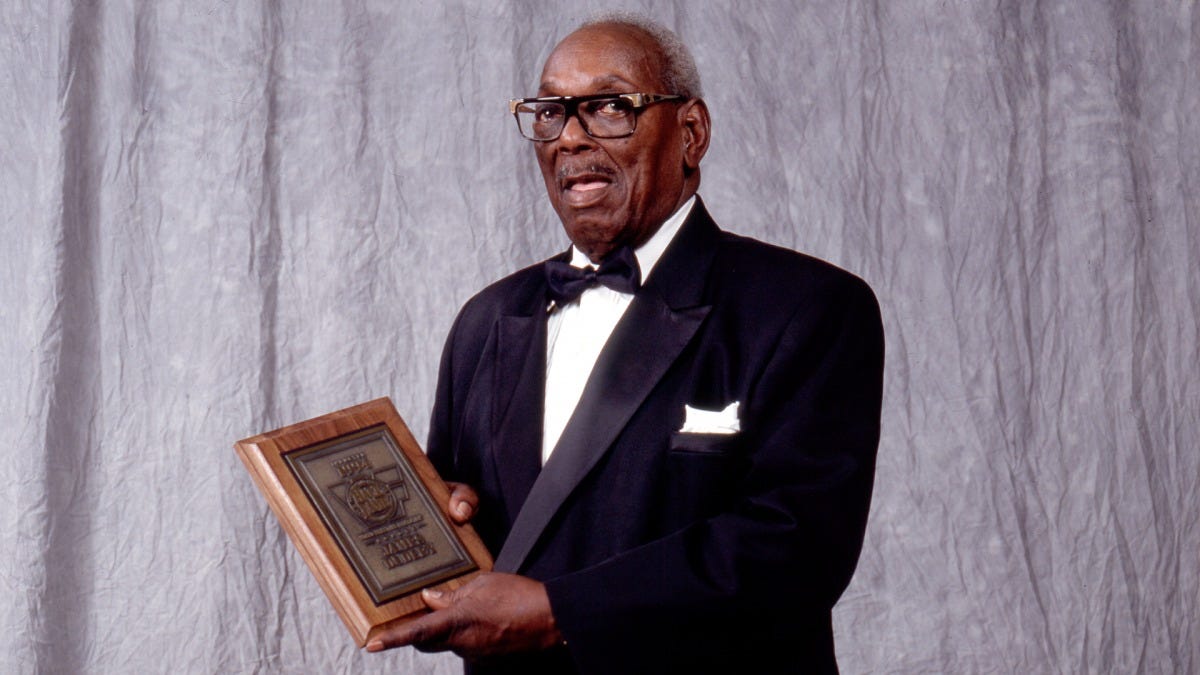
Prince Pullins 6-1-2006 at the age of 72

Tommy Rogers 6-1-2015 at the age of 54
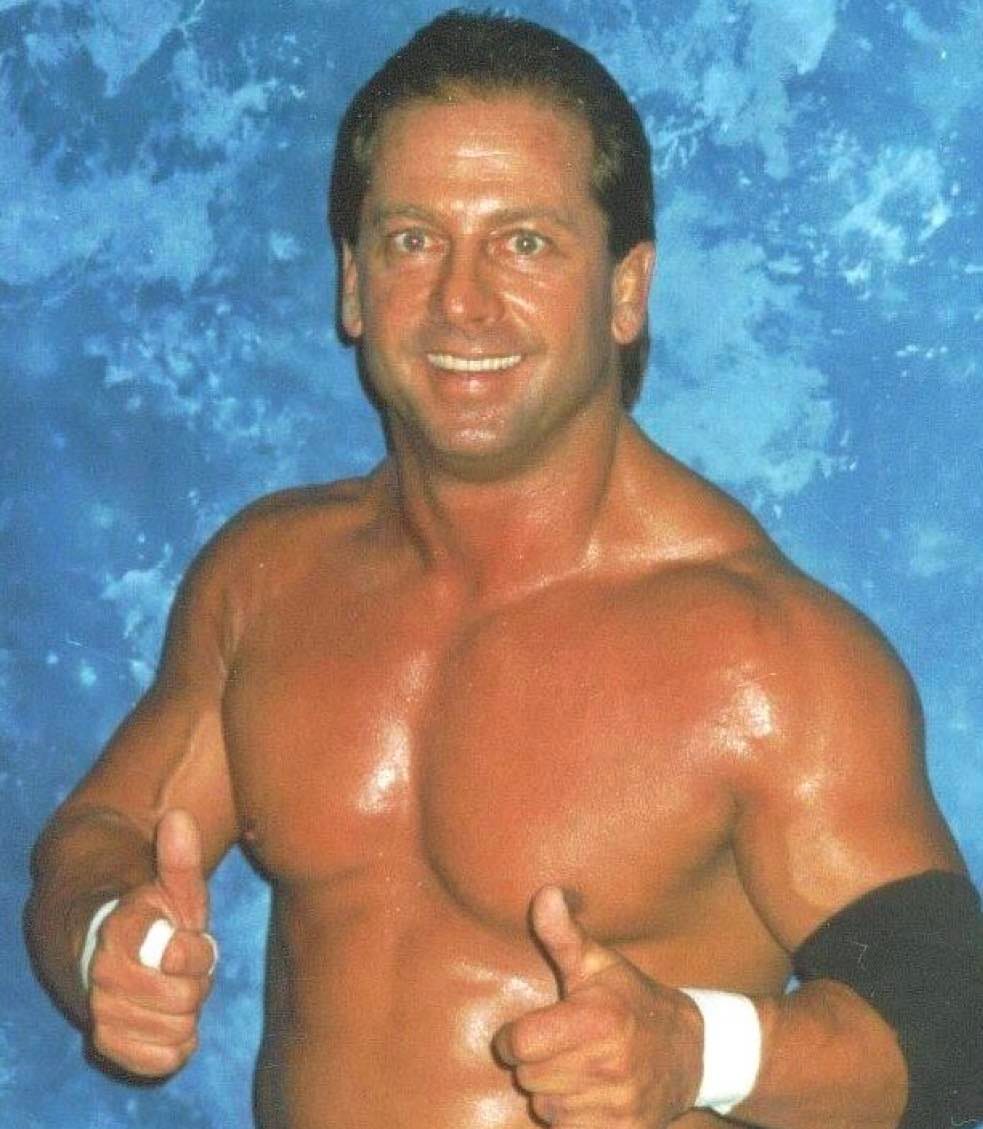
Charles Williams\Rockin Rebel 6-1-2018 at the age of 52
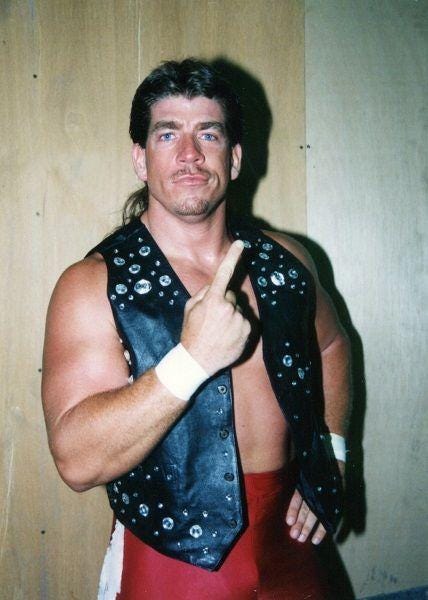
Melanie Pillman 6-1-2022 at the age of 56
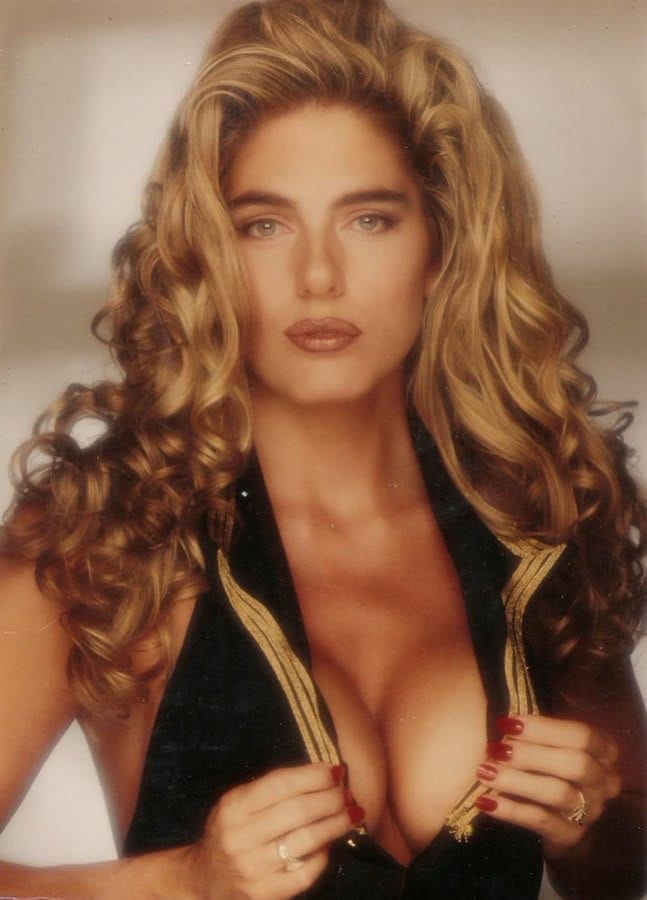
7 Stages of the Territory Era
Stage 3: Expansion
June 1946
Year 2 and Month 6 of Stage 3
The year 1946 marked a pivotal period of post-World War II expansion for professional wrestling. With soldiers returning home, disposable income rising, and a broader cultural appetite for entertainment, the business transitioned from wartime constraints into a more structured, regionally formalized industry. This era laid groundwork for the territory system that would dominate for decades. While the full National Wrestling Alliance (NWA) formed in 1948, 1946 saw increasing cooperation among promoters, talent sharing, and the solidification of circuits across North America.
Post-WWII America experienced a boom in live events as arenas filled with fans seeking escapism and athletic spectacle. Wrestling moved beyond carnival roots toward more theatrical performances, with formalized circuits emerging in key regions. Promoters coordinated more closely to control talent movement and avoid destructive competition, setting the stage for the NWA’s centralized world title concept.
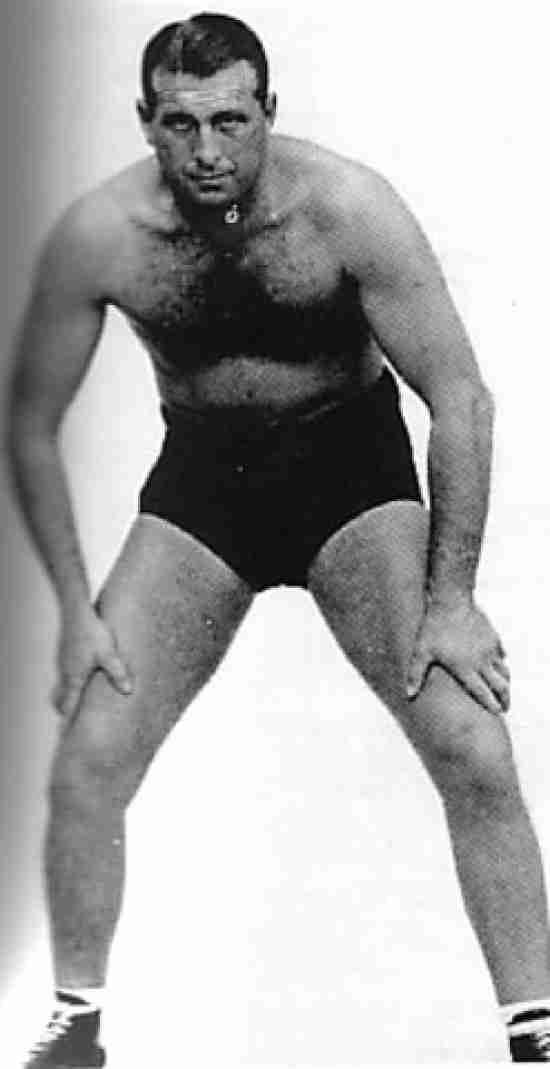
Pictured: Wild Bill Longson, NWA World Champion
Key Regions and Promoters:
• Midwest: Promoters like Paul “Pinkie” George (Des Moines), Orville Brown (Kansas City/St. Louis area), and Fred Kohler (Chicago) were influential. Chicago saw pro wrestling debut on television in July 1946 on WBKB Channel 4 under Kohler, a major development for future mainstream exposure.
• Northeast and Mid-Atlantic: Figures like Ray Fabiani in Philadelphia and others in New York maintained strong urban draws.
• South and Texas: Promoters in Houston and other areas featured rising talent. Dory Detton’s Western States Sports began in Amarillo, Texas, in 1946, later becoming a key NWA territory.
• West Coast: Los Angeles and San Francisco were hotspots, with promoters like Johnny Doyle and Cal Eaton building on pre-war foundations. Hollywood connections boosted visibility.
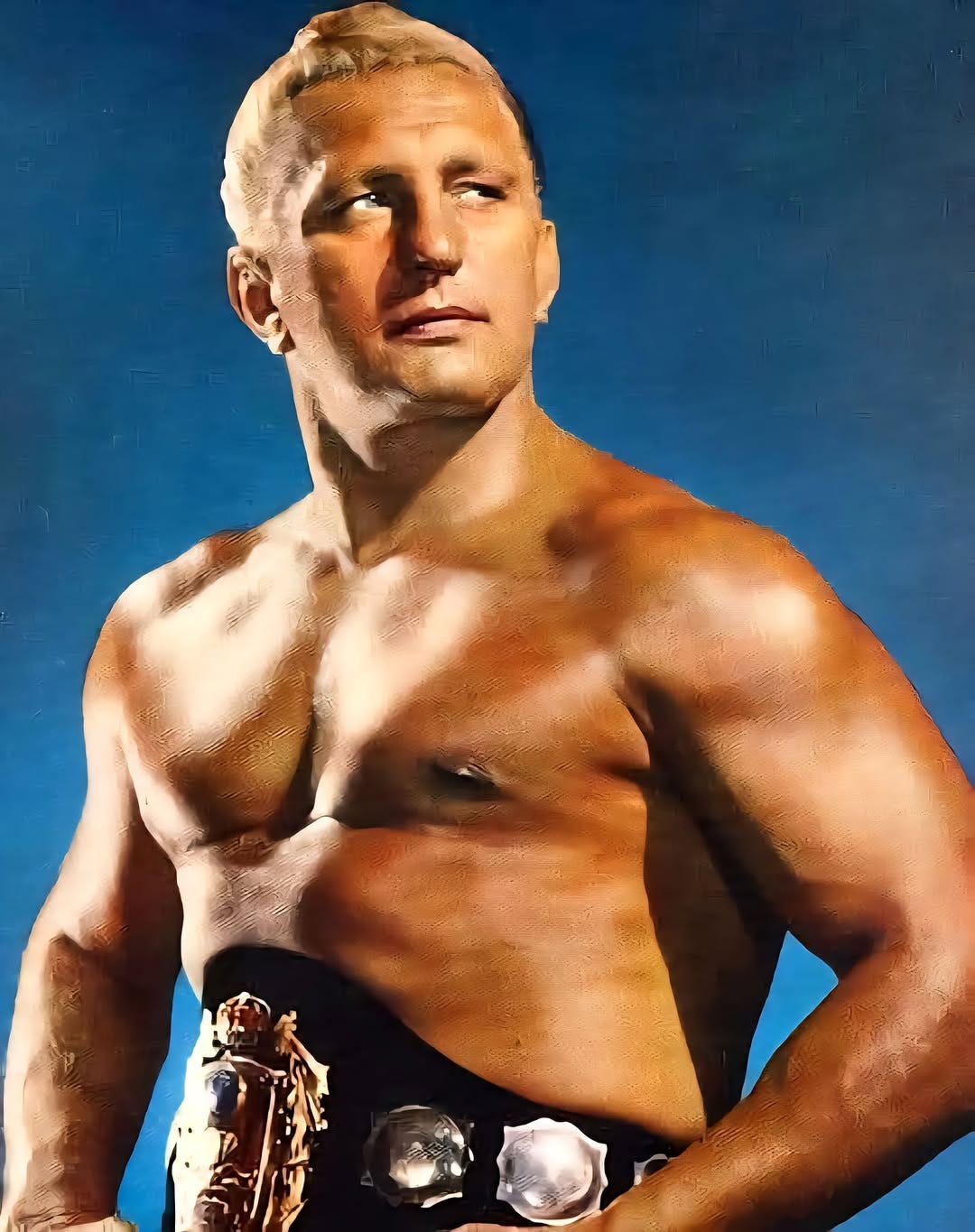
Pictured: Buddy Rogers
Biggest Wrestlers, Storylines, Matches, and Angles:
• Lou Thesz: One of the era’s top technical wrestlers and a future NWA cornerstone. In 1946, he competed extensively, winning the Texas title from Buddy Rogers in May (and dropping it back shortly after). He also challenged for and held regional titles, including defenses and appearances in Montreal. His grappling style represented wrestling’s “legit” athletic side amid growing showmanship.
• Gorgeous George (George Wagner): Emerging as a flamboyant heel with his “Human Orchid” persona—perfumed robes, long hair, and arrogant antics. His act drew mainstream attention (including from Bob Hope), helping shift wrestling toward entertainment. He was active on the West Coast and building national notoriety.
• Other notables included Bill Longson (often billed as a world champion in various territories), Yvon Robert, Buddy Rogers, and various regional draws like Chief Saunooke. Storylines often pitted American heroes against foreign heels, capitalizing on lingering wartime sentiments, or featured grudge matches over regional titles.
Television experiments and large arena shows (e.g., 6,500+ in Louisville) signaled growth, while promoters refined booking to create consistent circuits.
Important Title Changes in June 1946:
The month of June 1946 was two full years prior to the formation of the National Wrestling Alliance, but before the Alliance was formed and for years after (actually until the NWA Missouri Title came along in the early 1970s) the Texas Title (created by partners in the Texas Wrestling Agency, Doc Sarpolis and Morris SIgel) was the single most important title under the National Wrestling Association and later Alliance World Title.
Lou Thesz had defeated Buddy Rogers for this the Texas Title on May 3, 1946, in Houston. A return match on May 10 saw Rogers regain it. Thesz remained a top draw, but no title switch is recorded for the month of June.
The Gulf Coast Louisiana Heavyweight Championship became vacant in June 1946 when champion Al Lovelock could not defend it. Paul Murdock won it shortly after on July 2.
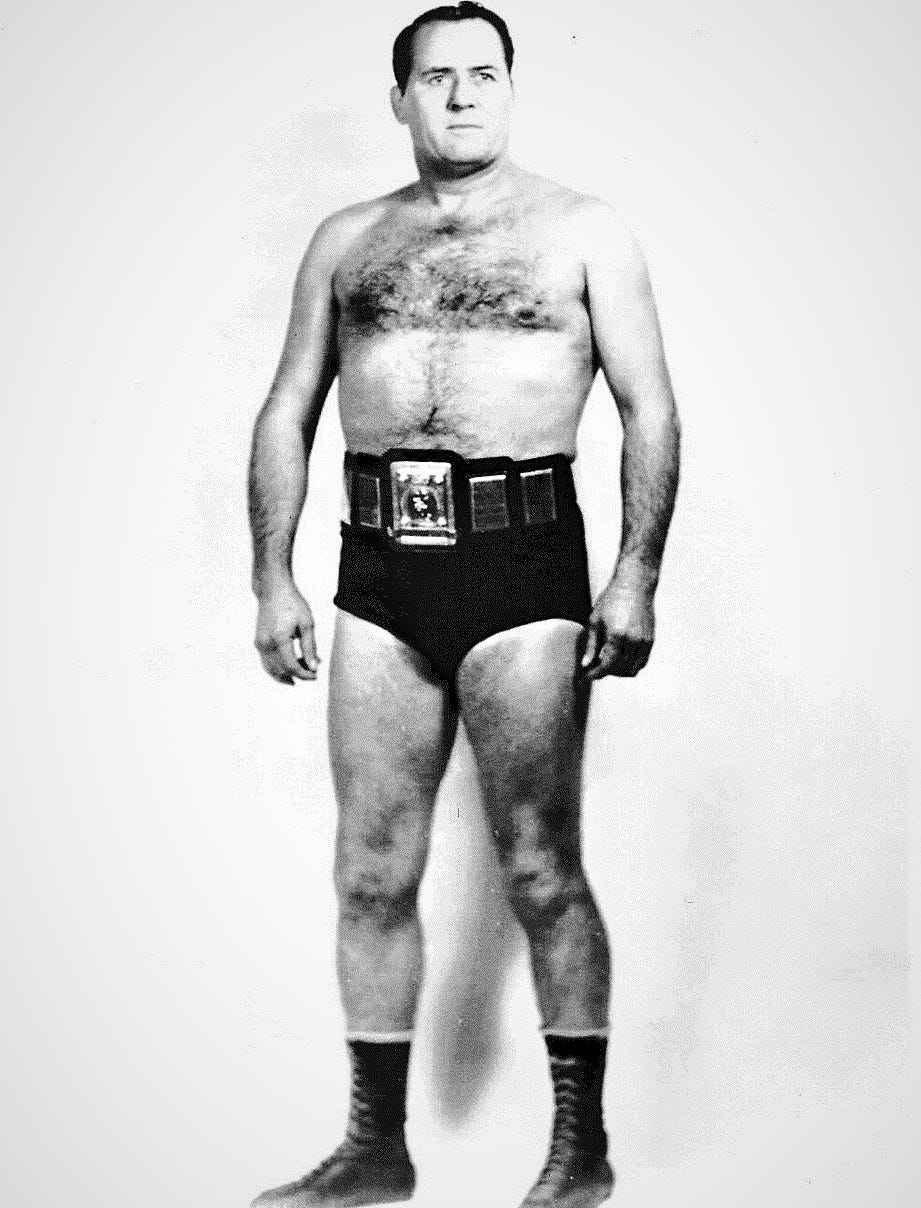
Pictured: Herb Welcb, Southern Junior Heavyweight Champion
Tennessee Territory and Welch Family History Notes:
Herb Welch had suffered a serious car accident on February 28, 1946, which forced him to vacate the Tennessee version of the World Junior Heavyweight Championship. This injury significantly affected the team. The brothers had been recognized as NWA World Tag Team Champions (a version recognized in their territory) in 1944, but they vacated those titles in 1946 due to Herb’s injury and related limitations. By June, Herb was likely still recovering or working a reduced schedule, limiting his activity with brother Roy’s activity as a full-time tag team.
Roy Welch, the older brother and a key figure in the region, was more active behind the scenes. He had already begun promoting in Tennessee in the 1930s–1940s (partnering with Nick Gulas in what would become the NWA Mid-America/Nashville office). In 1946, Roy focused on building and stabilizing the territory’s circuits, including shows in Nashville, Dyersburg, and surrounding areas. The Welches are credited with helping introduce and popularize tag team wrestling as a featured attraction in Tennessee around this time.
West Texas and Funk Family History Notes:
Dory Funk, Sr.: After serving in the U.S. Navy during World War II, Funk turned pro in the mid-1940s (some records note a debut around 1940–1943 under variations like Dory Dean, Dory Deane, or Dory Dillard). In 1946, he was a young, up-and-coming wrestler (age 27) working regional cards in Texas and surrounding areas as a junior heavyweight or all-around competitor known for his amateur wrestling background (high school state champion in Indiana and collegiate experience at Indiana University). Funk was still based out of his Indiana roots or transient in the Southwest post-war, traveling for bookings. He would not relocate to Amarillo until 1949, where he quickly became a top star.
Amarillo Office and West Texas Territory Evolution:
Dory Detton revived professional wrestling in Amarillo. Wrestling had been dormant in the city for about five years (roughly 1941–1946) due to the war and the death of the original Dutch Mantell. Detton staged the first major post-war show on March 14, 1946, at the Tri-State Fairgrounds Automobile Building. This marked the official launch of the territory. The office was running regular but modest cards, focusing on light and junior heavyweights. Detton partnered with figures like Pat O’Dowdy and coordinated with local town promoters in nearby areas (e.g., Sled Allen in Lubbock, Mance Allen). Shows emphasized consistent circuits across West Texas and parts of New Mexico, capitalizing on returning veterans and growing entertainment demand. No major NWA affiliation yet (that came in 1951 for the broader Southwest States Enterprises group).
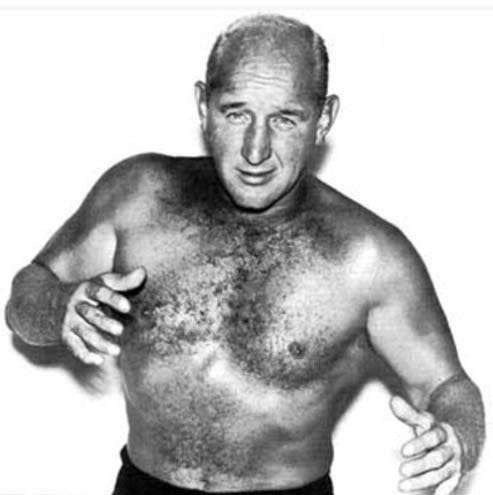
Pictured: Dory Funk, Sr
The State of Texas Pro Wrestling History Notes for June 1946:
Texas emerged as a key battleground for post-war recovery. With wartime restrictions lifted, promoters revived and formalized circuits across the state, capitalizing on returning veterans’ disposable income and a hunger for live entertainment. Texas had multiple active hubs—primarily Houston, Dallas, and the emerging West Texas (Amarillo) scene—operating with relative independence while beginning the talent-sharing patterns that would later support the NWA.
The Houston Booking Office (Texas Wrestling Agency) was the most active and influential area. Promoter Morris Sigel (sometimes spelled Siegel) ran a strong operation through the City Auditorium and other venues. Sigel had built Houston into a regional powerhouse in the 1930s–1940s, emphasizing quality cards with a mix of technical wrestling and crowd-pleasing bouts. Paul Boesch, a former wrestler and war hero, was beginning his association with the promotion around this time (initially as a wrestler/advisor before transitioning to announcing and promoting). Houston cards featured reliable weekly or semi-weekly shows.
In Dallas, Ed McLemore was a key figure here, running events at the iconic Sportatorium. Dallas maintained a strong urban draw, often hosting touring talent and “world champion” defenses (various recognized versions, such as those involving Wild Bill Longson).
San Antonio and Galveston had secondary activity, often tied to Houston’s orbit. Galveston saw promoter transitions later in 1946 with Promoter Jerry Schultz stepping back, more on that in later issues.
The Texas scene blended legitimate athleticism with growing showmanship. Top names included:
• Lou Thesz and Buddy Rogers: These two were central to Houston storylines. Thesz had defeated Rogers for the Texas Heavyweight Title on May 3 in Houston, only for Rogers to regain it on May 10. By June, Rogers was the reigning champion, with defenses and rematch teases likely headlining cards. Their rivalry highlighted the era’s technical vs. charismatic styles—Thesz as the scientific grappler, Rogers as the emerging flamboyant star.
• Emerging and Touring Talent: Cards featured names like Gorgeous George (active on the West Coast but touring), Kay Bell (who would win the Texas title in July), Dave Levin, Ted Cox, and locals/regional draws such as Dizzy Davis, Jimmy Lott, and various junior heavyweights. Storylines often involved grudge matches, foreign heels vs. American faces (echoing wartime themes), and regional title pursuits.
• Tag Team Wrestling: Growing in popularity but secondary to singles main events. No major documented tag title changes in June, though teams appeared regularly.
Specific June activity was steady rather than explosive:
• Houston ran consistent shows (e.g., documented cards around early June included matches with Gorgeous George, Ellis Bashara, and others).
• No blockbuster title changes occurred in June itself—the next major Texas title shift came in July with Kay Bell.
• Amarillo focused on building routines and attendance at the Fairgrounds.
Texas wrestling in June 1946 was thriving amid broader post-WWII optimism. Arenas filled as fans sought escapism, and promoters professionalized operations with more consistent circuits, better venue deals, and cross-territory talent flow. Challenges included lingering economic adjustments and competition for entertainment dollars, but the foundation was solid.
This period directly preceded the NWA’s formalization in 1948. Texas territories would become vital NWA members, known for rugged styles (especially in West Texas) and strong regional identities. Houston under Sigel/Boesch earned a reputation for honest, fan-friendly booking; Amarillo emphasized toughness; Dallas provided big-city spectacle.
In the larger 1946 context, Texas contributed significantly to the industry’s expansion by reviving dormant markets (like Amarillo), elevating stars like Thesz and Rogers, and experimenting with formats that would flourish with television in the 1950s. It was a time of rebuilding, professionalization, and cautious optimism—setting Texas up as one of the strongest wrestling states for decades to come.
St. Louis, Tom Packs and Sam Muchnick History Notes for June 1946:
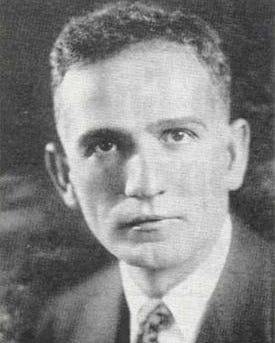
Pictured: Tom Packs
In June 1946, St. Louis was in the midst of a heated promotional rivalry between longtime dominant promoter Tom Packs and his former right-hand man Sam Muchnick. This competition exemplified the expansion phase of post-WWII wrestling, as the city supported two competing promotions running regular cards, often at the same or overlapping venues like Kiel Auditorium.
Background on the Key Figures
• Tom Packs: A veteran promoter who had controlled St. Louis wrestling for roughly 25 years (since the early 1920s). He built the market into one of the strongest in the Midwest, emphasizing credible, athletic bouts. Packs had employed Sam Muchnick as his publicist, booker, and right-hand man for about nine years (starting in the early 1930s). Their relationship soured earlier (around 1941–1942) over business disagreements, including issues related to bonuses and promotional practices.
• Sam Muchnick: A former sportswriter who learned the business under Packs. After military service in WWII, Muchnick returned and launched his own opposition promotion in late 1945. By 1946, he was actively challenging Packs’ monopoly through Sam Muchnick Sports Attractions.
The rivalry was in full swing. Muchnick had resumed promoting after his 1945 military service discharge, but Packs still held the upper hand in attendance and drawing power. Packs’ shows typically outdrew Muchnick’s by a significant margin—often three or four times larger crowds in the early stages of the war.
• Tom Packs’ Promotion: Continued as the established leader. Packs ran strong cards featuring top talent of the era, including frequent appearances by Bill Longson (often billed as a world champion). His operation maintained strong fan loyalty through consistent, high-quality booking at major venues. Packs represented the old guard of wrestling promotion—reliable circuits with an emphasis on athletic legitimacy.
• Sam Muchnick’s Opposition: Muchnick was still building momentum. His cards in 1946 featured solid but not yet superstar-level main events compared to Packs. He struggled with talent access initially, sometimes relying on older or less-established workers. However, Muchnick’s approach focused on honesty and fan-friendly booking, which would later become his hallmark. Crowds were smaller, but he was steadily gaining ground through persistence.
Specific June 1946 activity included regular weekly or semi-weekly shows from both sides. No single blockbuster title change or angle defined the month, but the competition itself created buzz. The two promotions split the market, with fans able to choose between established power (Packs) and the upstart challenger (Muchnick).
This dual-promoter situation in St. Louis was part of the larger post-WWII boom. Returning veterans and economic recovery fueled demand, but it also led to territorial wars as ambitious figures like Muchnick challenged incumbents. The rivalry would continue for several more years:
• Like many wrestling wars, after it increased in intensity over a year or so, it ended pretty swiftly and decisively. Packs eventually sold or stepped back from his promotion (around 1948), with Lou Thesz and others briefly involved.
• Muchnick ultimately emerged as the dominant force in St. Louis by the late 1940s/early 1950s, becoming a key architect of the National Wrestling Alliance (founded 1948).
In June 1946 specifically, the city benefited from the competition—more shows, more talent circulation, and heightened interest—while highlighting the growing pains of formalizing circuits. St. Louis remained a vital Midwest hub, influencing neighboring territories like Kansas City (Orville Brown) and Chicago (Fred Kohler).
The Packs-Muchnick dynamic added drama and depth to the territory’s growth, setting the stage for Muchnick’s long-term success and St. Louis’ reputation for strong, fan-focused wrestling.
Canada: Established Circuits in Major Cities
Canada mirrored U.S. expansion with strong activity in Toronto and Montreal. Promoters capitalized on cross-border talent exchanges.
• Toronto (Maple Leaf Wrestling): Frank Tunney’s operation at Maple Leaf Gardens drew solid crowds (e.g., 8,000–10,000 for shows featuring Chief Saunooke, Al Korman, and others). It served as a key stop for touring U.S. stars.
• Montreal: Eddie Quinn promoted at the Montreal Forum, drawing up to 13,000. Matches involved Lou Thesz, Bobby Managoff, Yvon Robert, and Bill Longson. The city was a hotspot for title defenses and international flavor.
Canadian circuits were more formalized than in prior decades, with regular big-venue shows and integration with U.S. talent pipelines. This set the foundation for deeper NWA involvement in the late 1940s.
Mexico: Lucha Libre Foundations and Rising Icons
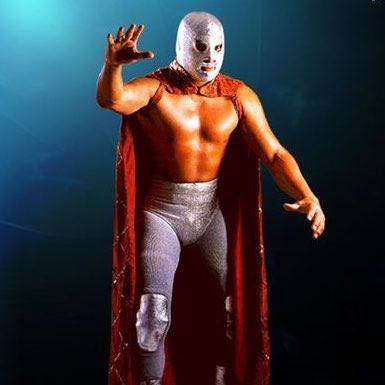
Pictured: El Santo
In Mexico, Empresa Mexicana de Lucha Libre (EMLL, later CMLL) continued developing under Salvador Lutteroth. Lucha libre emphasized high-flying and masked characters, gaining cultural traction.
Key Development: On May 15, 1946, a young Rodolfo Guzmán Huerta (El Santo) won the NWA World Welterweight Championship in a tournament final against Pete Pancoff. Though a rudo (heel), his victory over a foreign opponent sparked massive crowd chants and elevated him toward national hero status. This moment was crucial for lucha libre’s growth as a distinctly Mexican spectacle blending sport, theater, and folklore which powerfully carried over into June and beyond.
EMLL ran consistent cards in Arena México and other venues, fostering stars and storylines that resonated with working-class audiences. Mexico’s scene operated somewhat independently but interacted with NWA titles, contributing to continental expansion.
Overall Status and Trajectory
1946 represented Stage 3: Expansion through:
• Post-war economic recovery fueling attendance.
• Early TV exposure (Chicago) foreshadowing the TV boom of the 1950s.
• Increasing promoter alliances reducing chaos and enabling talent circulation.
• Emergence of charismatic stars like Gorgeous George (showmanship) alongside technicians like Thesz (athletic credibility), broadening appeal.
• Regional circuits solidifying into protected territories, with Canada and Mexico developing parallel but interconnected scenes.
Challenges remained—wrestling still fought for mainstream respect, and full national unification waited until the NWA’s 1948 founding—but the groundwork for wrestling’s first major golden age was firmly laid. The business was professionalizing, growing audiences, and evolving from loosely organized bouts into a structured entertainment industry with dedicated circuits across North America.
Additional Analysis: Fred Kohler’s Television Debut on WBKB Channel 4 (July 1946)

Pictured: Chicago Promoter, Fred Kohler
Fred Kohler was one of the most ambitious and innovative promoters of the post-WWII era. By the mid-1940s, he had established himself as the dominant force in Chicago wrestling, often referred to as the “King of Chicago Wrestling” and his next decision was about to make him one of the Kings of wrestling overall. His decision to bring professional wrestling to television in July 1946 represented a groundbreaking moment—not just for Chicago or the Midwest, but for the entire industry. This debut helped accelerate wrestling’s transition from a regional, live-event business into a visually driven entertainment medium capable of reaching mass audiences.
The Debut: Wrestling from Rainbo Arena
On July 10, 1946, pro wrestling made its television debut in Chicago on WBKB Channel 4 (an independent station at the time, later becoming WBBM-TV). The program, titled Wrestling from Rainbo Arena, was broadcast live or near-live from the Rainbo Arena, a popular venue on Chicago’s North Side that Kohler used regularly.
Early television technology was primitive by modern standards: broadcasts used limited cameras (often just two—one for wide shots of the ring and one for closer action), basic lighting, and no sophisticated production values. Despite these constraints, the shows proved immediately popular. The visual spectacle of wrestling—throws, slams, submissions, and larger-than-life personalities—translated exceptionally well to the small screen, even in black-and-white with grainy resolution.
Kohler overcame initial technical hurdles, such as adapting arena lighting for TV cameras and managing the fast-paced nature of matches for broadcast timing. The Wednesday night slot quickly became a staple, helping WBKB build its local audience in a city where television ownership was still very limited but growing among affluent and curious households.
Strategic Importance
• Post-War Timing: 1946 was a year of rapid recovery. Returning veterans and families sought affordable entertainment. Television was an emerging novelty—Chicago had only a handful of stations, and sets were expensive—but interest was exploding. Kohler capitalized on this perfectly.
• Local Dominance to Broader Reach: Before TV, Kohler promoted successfully in venues across Chicago. Television amplified his reach dramatically. Fans who couldn’t attend live events could now see top talent weekly, driving demand for arena tickets and building star power.
• Production Style: The broadcasts emphasized athleticism and drama. Kohler’s cards often featured a mix of technical wrestlers, strongmen, and emerging showmen. This blend helped wrestling shed some of its carnival reputation and positioned it as exciting athletic entertainment suitable for living rooms.
Immediate and Long-Term Impact
The WBKB debut was a massive success locally. It demonstrated that wrestling could be a reliable, low-cost programming filler for stations—cheap to produce yet highly engaging. This model influenced other promoters and stations nationwide.
By 1948–1949, Kohler expanded further. His shows moved to larger venues like the Marigold Arena, and Wrestling from Marigold was picked up by the DuMont Television Network, giving Kohler’s product national exposure—the first true national wrestling program in the U.S. This made Chicago a powerhouse territory and turned wrestlers like Gorgeous George, Buddy Rogers, and others into household names.
Kohler’s TV efforts:
• Increased live attendance in Chicago and surrounding areas.
• Attracted mainstream media attention and celebrity interest.
• Helped legitimize wrestling as a viable television genre.
• Paved the way for the territory system’s reliance on TV in the 1950s.
Challenges and Broader Industry Effects
Early TV wrestling wasn’t without issues.
Limited camera angles sometimes missed key action, and the new medium required adjustments in in-ring style (more deliberate pacing for viewers). Some traditionalists worried it exposed “the business” too much, but the financial upside was undeniable.
Kohler’s innovation created both opportunity and tension. His growing power and national reach later caused friction within the emerging National Wrestling Alliance (he joined in 1949). While it boosted the business overall, it also highlighted competitive imbalances between promoters with TV access and those without.
In the context of Stage 3: Expansion, Kohler’s 1946 WBKB debut was a defining catalyst. It proved wrestling could thrive in the new electronic media age, foreshadowing the explosive TV-driven growth of the 1950s. His willingness to experiment with technology helped shift the industry from purely localized circuits toward a more interconnected, media-savvy enterprise—setting precedents that promoters like Vince McMahon would later scale nationally decades afterward.
This single broadcast on a hot Chicago summer night in 1946 was far more than a local curiosity; it was a foundational step in professional wrestling’s evolution into a modern entertainment industry.
Thank You for Reading
I’m Tony Richards, Pro Wrestling Historian, Author and Storyteller. I share pro wrestling historical items in each issue of the Time Tunnel Pro Wrestling History Newsletter. Thanks for reading! If you enjoy my information on select events, matches and insights, please share it with folks you think might like to be a subscriber!
Remember, premium investors get access to exclusive and special content such as some special issues including a multi-part deep dives on wrestling territories, wrestler bios and championship title histories, special audio and video interviews on territory pro wrestling and more available in the Pro Wrestling Time Tunnel for Premium Investors.