


Happy Birthday to those who have passed on and to those great wrestlers still with us:
In Memoriam:
Jess McMahon 1882
Jimmy Demetral 1892
Ashley Massaro 1979
Happy Birthday:
Simon Diamond (58)
Steve Maclin (59)
RIP Memorial: We stop & remember those who have passed on this day and gave themselves to the business for us, the fans. We salute you and thank you.
“Bad Boy” Billy Hines 5-26-1993 at the age of 58
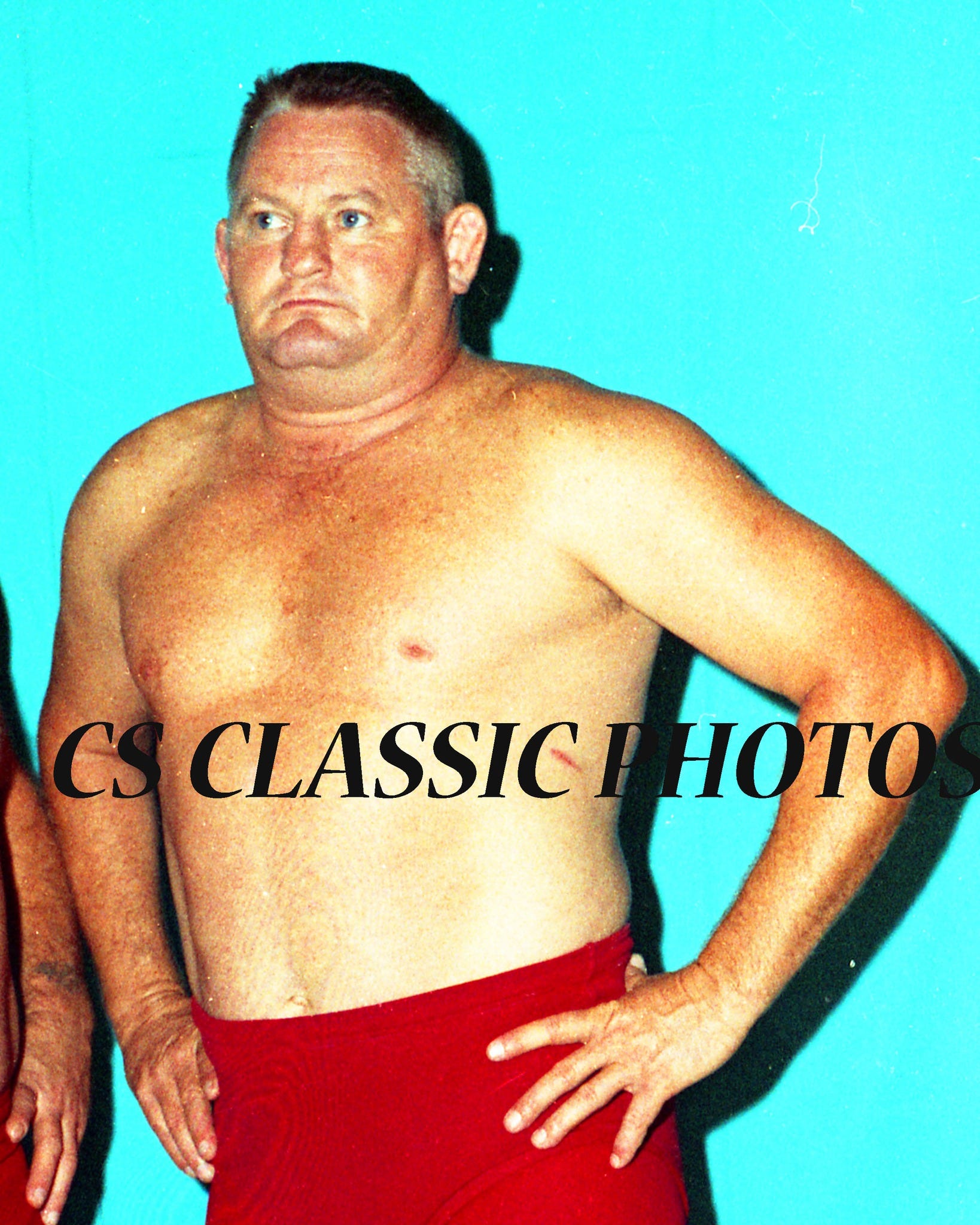
Guy LeRose\Hans Schmidt 5-26-2012 at the age of 87
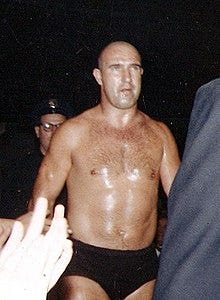
Hector Garza 5-26-2013 at the age of 43
The Life and Career of Buck Robley
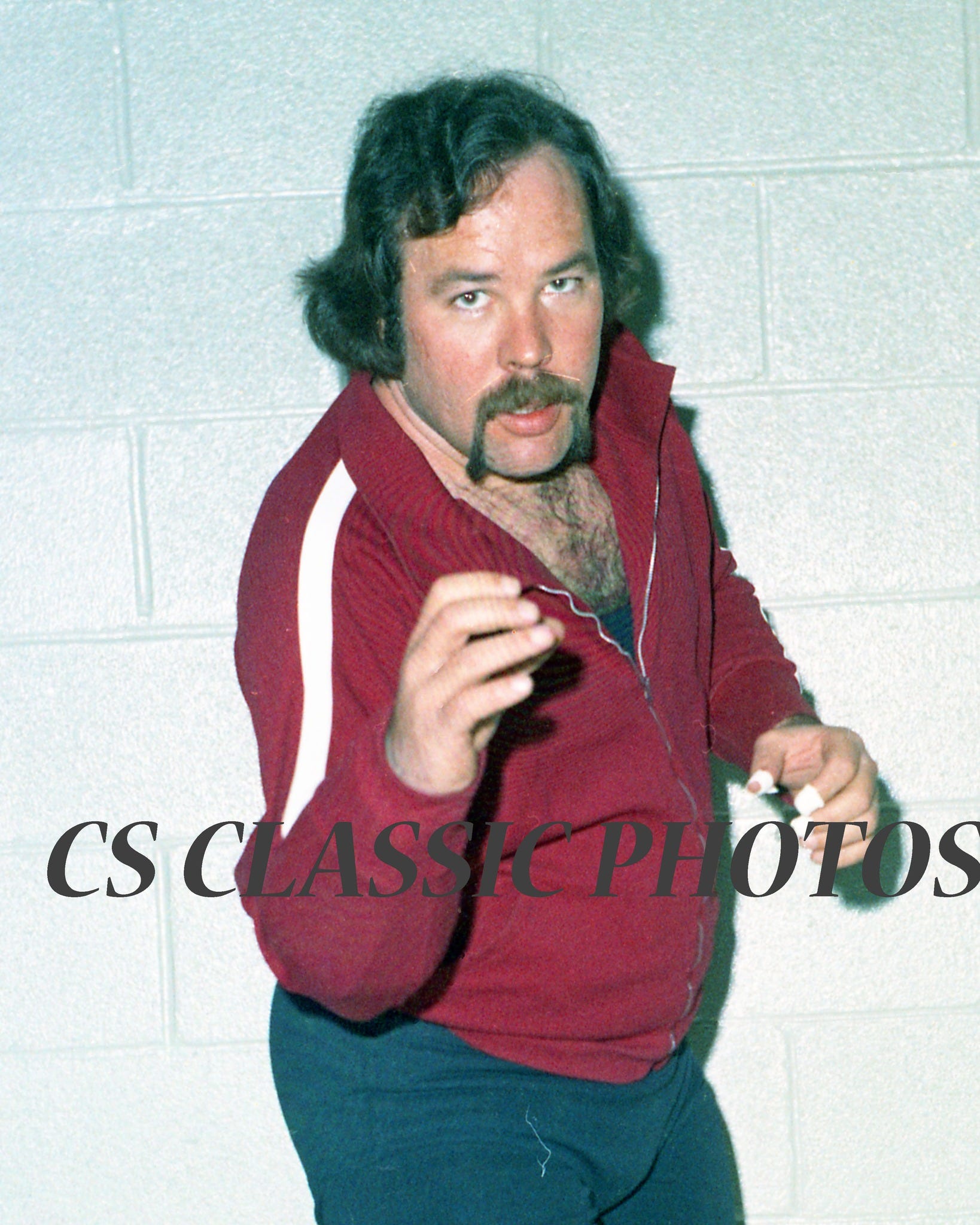
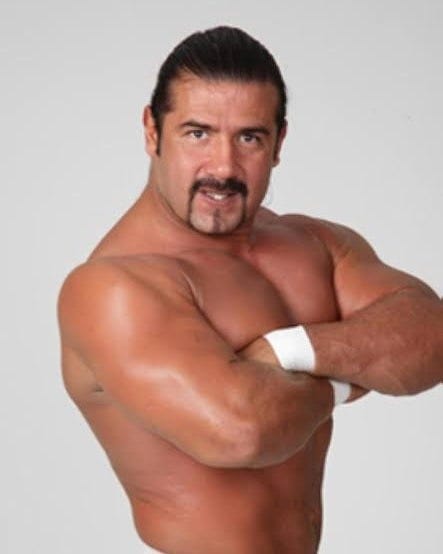
Pictured: Buck Robley
**Photo credit: Chris Swisher, CS Classic Photos
Philip Thompson Robley, better known as Colonel Buck Robley, was born on January 19, 1945, in Bossier City, Louisiana. He passed away on May 28, 2013, in Little Rock, Arkansas, at the age of 68 from complications of congestive heart failure and cancer. Though never a household name like the superstars he helped elevate, Robley stands as one of the most influential behind-the-scenes figures in the territorial era of professional wrestling, particularly in the Mid-South region. He served as a wrestler, heel manager, innovative booker, and talent developer whose ideas left a lasting imprint on the industry.
Details about Robley’s early life are sparse, but he served in the United States Army before entering the business. He made his professional wrestling debut in 1968 in Florida, adopting the ring name Buck Robley (with variations like Colonel Buck Robley, Phil Robley, Buckley Christopher, and George Robley III). Standing 6’1” and weighing around 253 lbs, he was not the most physically imposing competitor, but he excelled as a cowardly, underhanded heel. His signature “Yellow Belly” persona—complete with a pioneering yellow T-shirt reading “Nobody Calls Me Yellow” (designed by a young Jim Ross)—became iconic in the territories. This gimmick played on audience disdain for perceived weakness, making him a master at generating heat.

Pictured: Buck Robley and Bruiser Brody
Robley worked extensively across North America, with key stops in the Carolinas, Amarillo, Central States, Florida, St. Louis, and notably NWA Tri-State/Mid-South Wrestling (later under Bill Watts). He also toured All Japan Pro Wrestling twice in 1981–1982. He was particularly successful in tag team competition, partnering with Bill Watts to capture Mid-South and Louisiana tag titles, teaming with the Junkyard Dog (Sylvester Ritter) for Mid-South Tag Team gold in 1980, and working alongside others like Hank James, Bob Slaughter, and Jerry Blackwell. Singles accomplishments included the NWA Central States Heavyweight Championship (won in 1978 from Doug Gilbert) and the NWA Southeastern Brass Knuckles Championship (held twice in 1983). His style emphasized psychology over athleticism. He was known for clever, carny-style antics that drew crowds. An arm injury later in his career limited his in-ring work and pushed him more toward managing and booking.
Robley transitioned effectively into managing in places like Amarillo, where he handled talents such as Lorenzo Parente and Bobby Hart. He also managed Bob Sweetan. His managerial presence added extra boost to storylines, leveraging his dual role as assistant booker in some territories.
The Bill Watts Relationship
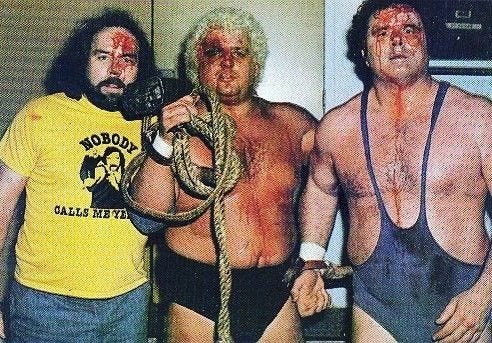
Pictured: Robley, Dusty Rhodes and Bill Watts
His most impactful years came during his extended run with Bill Watts’ Mid-South Wrestling (originally NWA Tri-State, Watts broke away taking the states of Louisiana and Mississippi then rebranded the new split company in 1979). As both an in-ring performer and behind-the-scenes contributor, Robley embodied and helped execute Watts’ distinctive booking vision—one heavily influenced by Eddie Graham’s Florida model of centralized creative oversight combined with hands-on mentorship.
Bill Watts, who had wrestled and learned extensively under Eddie Graham in Championship Wrestling from Florida, deliberately modeled his approach after Graham’s. Graham was renowned for maintaining tight control over booking and creative direction while actively mentoring younger talent and staff, ensuring the product remained consistent, believable, and psychologically sound. Watts brought this philosophy to Mid-South, acting as the ultimate authority who oversaw every major angle while empowering trusted lieutenants—like Buck Robley—to handle day-to-day execution and contribute ideas.
This mentorship dynamic was evident throughout Robley’s tenure. Watts trusted Robley’s natural instincts for in-ring psychology and long-term storytelling but reviewed and refined his more ambitious concepts. Jim Ross later recalled that Robley possessed “a creative mind but had to be vetted by the big Cowboy on many of the wild west type storylines.” This structure fostered innovation while protecting the territory’s core identity: wrestling presented as a tough, credible sport rather than cartoonish entertainment. One of Ross’s most colorful memories involves the booking sessions themselves. He recalled sitting in on meetings between Watts and Robley as “classics. Combustible, compelling ‘discussions’ about how to make the territory better and more profitable.” These sessions reflected the passionate, no-nonsense environment of Mid-South, where ideas were vigorously debated to maintain the promotion’s rugged identity. Ross’s presence as a young announcer and eventual talent relations figure gave him a front-row seat to how these discussions translated into on-screen drama.
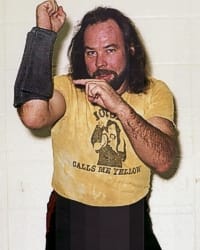
Pictured: Robley in the famous arm brace and yellow T-shirt
Ross specifically highlighted Robley’s knack for heat-generating angles. One memorable example was a bounty storyline involving Ken Mantell. Robley placed a bounty on Mantell, building tension that culminated in a highly engaging match in New Orleans where Jim Ross himself served as the special referee. Ross remembered this as a strong illustration of Robley’s ability to create personal, escalating feuds that felt authentic to audiences.Robley’s on-screen work also left impressions. His “Yellow Belly” coward persona, complete with the yellow “Nobody Calls Me Yellow” T-shirt that a young Jim Ross designed (and which sold as merchandise), became a heat magnet. Ross noted how Robley’s psychology—playing on audience disdain for perceived weakness—fit perfectly into Watts’ preference for credible, hard-hitting storytelling over flash.
Watts’ Mid-South emphasized several interlocking principles that defined the promotion’s golden period (roughly 1979–1984), many of which Robley directly helped implement. Matches and feuds were booked to feel consequential and rooted in athletic legitimacy. High-flying or overly gimmicky spots were de-emphasized in favor of hard-hitting power wrestling and smart psychology. Robley, as a veteran heel, excelled here—his “Yellow Belly” coward gimmick generated massive heat precisely because it played on real audience disdain for perceived weakness.
Mid-South TV wasn’t just a vehicle for house show promotion; it functioned as serialized drama. Multiple interlocking angles advanced each week, building anticipation without giving away major payoffs. Robley, serving as assistant booker (and at times primary booker for stretches), was integral to this. He advocated putting big matches or confrontations on television to hook viewers while saving decisive resolutions for live events—a technique that became industry standard.
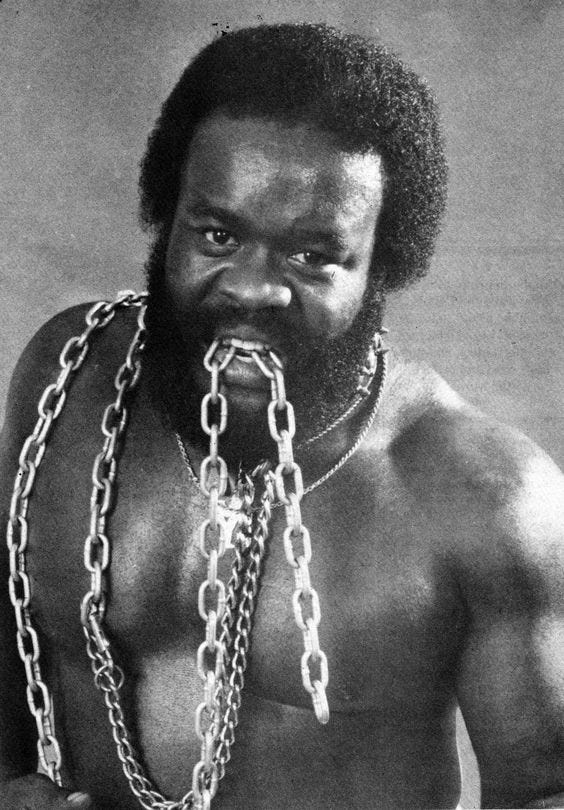
Pictured: Sylvester Ritter aka Junkyard Dog, soon to be shortened to simply JYD
Watts and his team excelled at spotting potential and investing in it. Robley’s most famous contribution was championing Sylvester “Junkyard Dog” Ritter. When Watts wanted to release the inexperienced but charismatic Ritter (fresh from Canada), Robley intervened, arguing for his star potential. He helped craft JYD’s babyface persona, including memorable comedic spots like wheeling Robley to the ring in a wheelbarrow wearing a cooking pot helmet. This patience paid off: JYD became a massive cultural draw in the South, one of the territory’s biggest stars.
Robley also partnered with Watts in the ring, winning the Mid-South Tag Team Championship in November 1979. Their alliance on-screen mirrored their off-screen creative collaboration. Later, Robley teamed with JYD to capture the same titles from the emerging Fabulous Freebirds in April 1980, helping launch that iconic group’s prominence in the territory. Robley’s in-ring style and booking input aligned perfectly with Watts’ preference for clever, carny-style psychology. Feuds often centered on personal grudges, betrayals, and revenge—hallmarks of Graham-influenced booking. The Freebirds angle, for instance, featured intense, escalating violence (including the infamous blinding of JYD) that felt raw and believable, driving strong house show business.
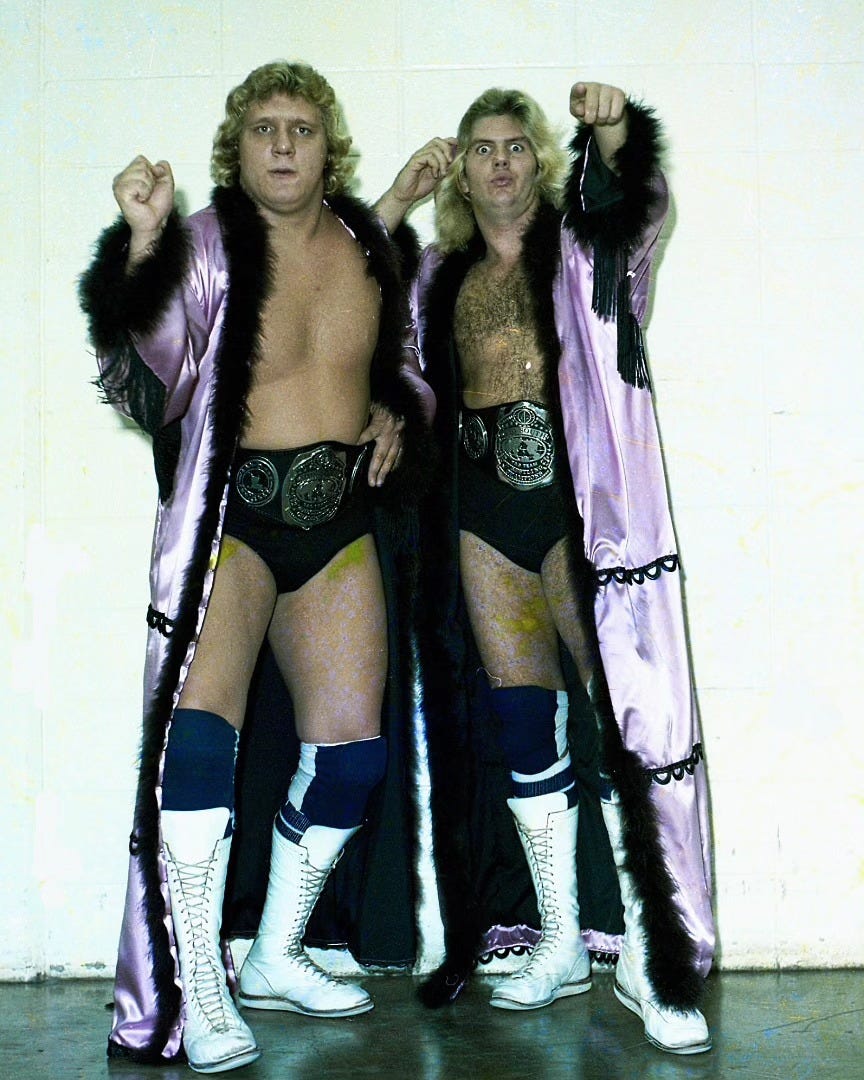
Pictured: The Two-Man team of The Fabulous Freebirds in 1980, Michael Hayes and Terry Gordy
As a wrestling historian specializing in the territorial era, the 1980 feud between the Fabulous Freebirds and Junkyard Dog (Sylvester Ritter) in Bill Watts’ Mid-South Wrestling stands to me as one of the most intense, emotionally charged, and commercially successful rivalries of the period. It exemplified Watts’ booking philosophy of gritty realism, long-term storytelling, and believable consequences, with Buck Robley playing a pivotal on-screen and creative role. The angle’s peak culminated in a record-setting Superdome event that solidified JYD as a cultural phenomenon in the South, especially in the City of New Orleans.
The Freebirds—Michael “P.S.” Hayes, Terry “Bam Bam” Gordy, and Buddy “Jack” Roberts—arrived in Mid-South as brash, rock ’n’ roll heels with immense charisma and athleticism. They quickly targeted top babyfaces, including the emerging Junkyard Dog and his partner, Colonel Buck Robley.
On April 6, 1980, in Monroe, Louisiana, JYD and Robley defeated Hayes and Gordy to win the Mid-South Tag Team Championships. This victory intensified the war. The teams traded the titles, with the Freebirds regaining them in June. Their matches blended athleticism with chaotic brawls, leveraging Robley’s “Yellow Belly” cowardice for comedy and heat while elevating JYD as the resilient powerhouse.
The Infamous Blinding Angle
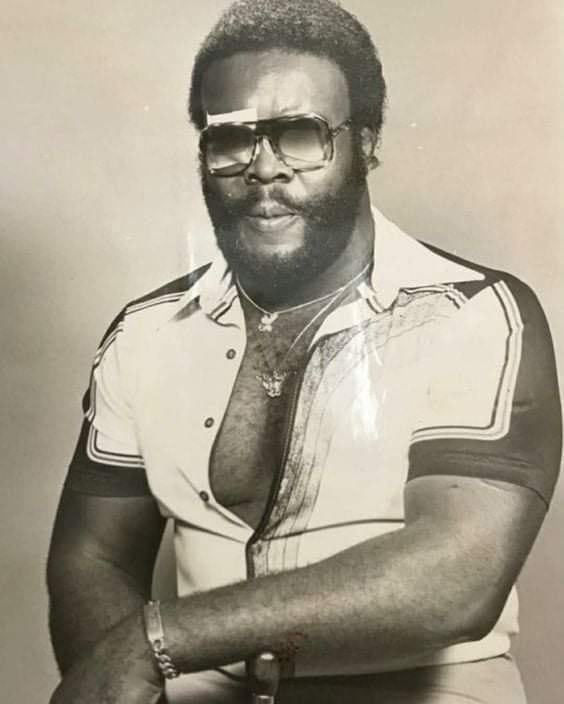
Pictured: The kayfabe “blinded” JYD
The feud’s defining moment occurred during a hair-vs-hair (or loser-gets-hair-removed) match involving Robley. As the Freebirds prepared to humiliate the defeated Robley with hair removal cream, JYD rushed in to save his partner. Hayes turned and smeared the caustic cream into JYD’s eyes instead.
JYD sold the blinding masterfully—staggering, screaming in agony, and collapsing—as if permanently injured. This shocking visual, executed in an era when angles aimed for realism, generated nuclear heat on the Freebirds. Fans genuinely believed JYD was blinded, leading to death threats against the heels and reports of near-riots. Michael Hayes later recalled intense real-world backlash, including being berated by fans.
Buck Robley was central to the setup: the angle targeted him first, positioning him as the vulnerable friend whose peril drew JYD into the trap. This fit Watts’ Graham-influenced mentorship model, where Robley (as wrestler, manager, and assistant booker) helped craft psychologically rich stories that felt personal and consequential.
Aftermath and the Path to Revenge
Post-blinding, Mid-South aired emotional vignettes of a “sightless” JYD training and struggling, building sympathy and anticipation. JYD wore protective goggles in matches, adding to the drama. The program blurred kayfabe and reality, with fans rallying around the hometown hero from New Orleans.
The payoff came on August 2, 1980, at the Louisiana Superdome in New Orleans. In a steel cage dog collar match, the still “blinded” Junkyard Dog faced Michael Hayes. JYD won in dramatic fashion, symbolically regaining his sight or overcoming the injury to deliver justice.
Record-Breaking Superdome Attendance
This event drew one of the largest crowds in Mid-South history—reports vary between 26,000 and over 31,000 fans, with some accounts citing nearly 40,000 for the broader card or related hype. It produced the territory’s biggest gate at the time and remains legendary.
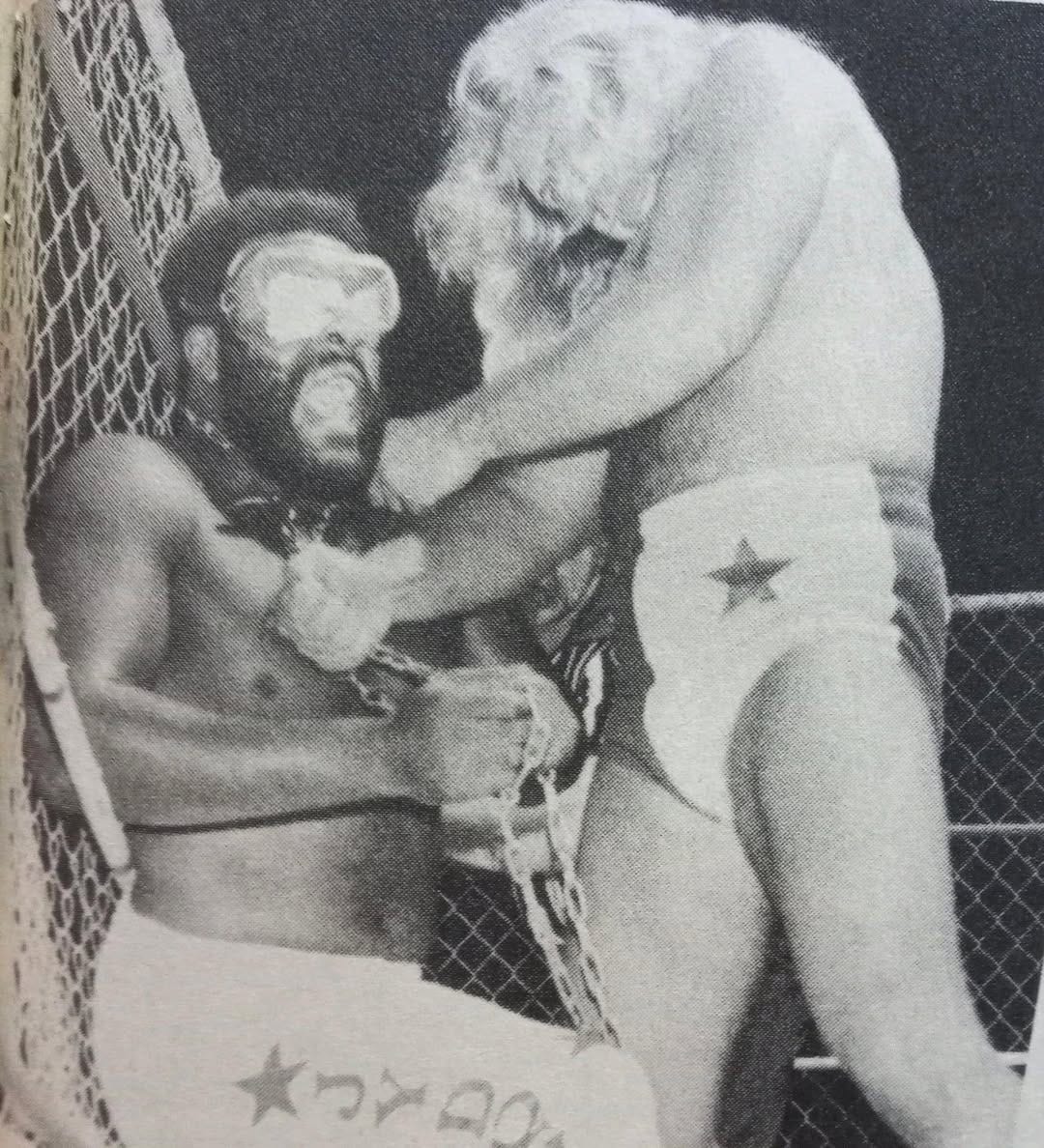
Pictured: Michael Hayes attempts to choke The Junkyard Dog inside a steel caage at the Louisiana Superdome, New Orleans, Louisiana, August 2nd, 1980
The Superdome shows were already a cornerstone of Mid-South’s strategy under Watts, but the Freebirds-JYD program elevated them. Earlier 1980 Superdome events had drawn strongly, but the blinding angle created territory-wide fervor. JYD’s popularity, especially among children in New Orleans, transcended wrestling—he was more popular than local NFL and NBA stars in local surveys.
Robley’s involvement helped launch the Freebirds as major heels while cementing JYD as the territory’s top babyface draw. The angle’s success validated Robley’s instincts for heat and character development, which he championed under Watts’ oversight.
Because television markets did not overlap significantly at the time, Buck Robley—serving in a booking capacity in Georgia Championship Wrestling—saw an opportunity to re-create the core elements of the angle to jump-start business and generate fresh heat. In 1981, the Freebirds feuded with Junkyard Dog and Ted DiBiase (who essentially replaced Robley’s role as the targeted partner/victim in the program).
The Freebirds once again “blinded” JYD with a similar substance during a chaotic tag match segment, complete with emotional selling, vignettes, and fan outrage. DiBiase also absorbed significant punishment in the feud, including a memorable piledriver spot on the floor that added layers of violence and sympathy. Promos and TV segments referenced the injury angles heavily, with Gordon Solie on commentary helping sell the drama to Georgia audiences who were largely unaware of the original Mid-South program.
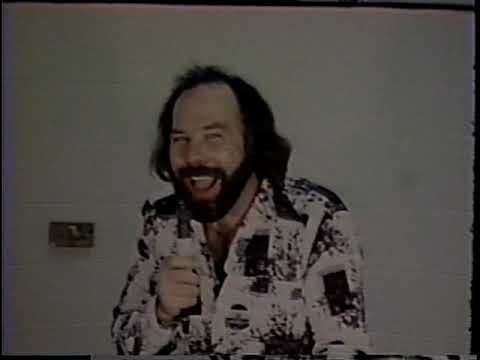
This recreation demonstrated Robley’s confidence in the angle’s psychological power and his desire to boost Georgia’s product through proven, high-impact storytelling. While it didn’t boost The Omni attendance to reach the same historic Superdome heights, it generated strong local business and further cemented the Freebirds as elite heels capable of carrying major territory programs.
The Freebirds-JYD feud, particularly the blinding and Superdome revenge, is frequently cited as a masterclass in old-school booking. It drove massive business, influenced later injury angles, and helped transition JYD toward national recognition (he later joined WWF). Jim Ross praised it as “fantastic storytelling” that set the territory on fire through good-vs-evil drama and fan investment.
For Buck Robley, it represented a career highlight: as JYD’s partner and creative contributor in Mid-South, and later as a booker adapting the concept in Georgia, he helped birth a cultural moment that transcended one territory. The program embodied the gritty, believable wrestling Watts prized, proving that strong psychology and emotional stakes could pack arenas like the Superdome and sustain interest across markets.
Transitioning Out of The Ring
Robley transitioned smoothly from wrestler to manager/assistant booker as arm issues limited his in-ring schedule. This mirrored the mentorship model: Watts gave him responsibility while maintaining oversight. Robley managed talents and contributed to angles involving stars like Ted DiBiase, the Midnight Express, and others. His “integral” role during one of Mid-South’s most successful periods helped blend Watts’ rugged realism with engaging, character-driven stories. The promotion’s peak drew passionate regional crowds by feeling authentic to blue-collar audiences in Louisiana, Mississippi, Oklahoma, and beyond. Robley’s contributions—pushing progressive elements like elevating Black talent (JYD) and standing up for fair pay—added depth to the product.
Colleagues described Robley as a colorful, carny character—fun-loving, sometimes vulgar, a bit transient, but deeply knowledgeable and loyal to friends. He enjoyed reunions with peers like Killer Karl Kox later in life. Stories from Amarillo highlight his humor, poker losses, and camaraderie on the road. He took pride in not being a “yes-man,” which may have limited his opportunities in the national expansion era (he reportedly turned down Vince McMahon in 1984). Yet this independence earned respect from many veterans.
After the territorial system declined, Robley remained involved locally and mentored younger wrestlers. In retirement, he spent time in Bossier City, hanging out with old friends. Health issues, including cancer, marked his final years, during which friends like Don Sanders provided care.
Buck Robley was never a world champion or mainstream superstar, but his impact reverberates through the careers he shaped and the booking philosophies he pioneered. From the cowardly “Yellow Belly” drawing ire in Mid-South arenas to the creative force who helped birth stars like the Junkyard Dog, he embodied the gritty, inventive spirit of old-school wrestling. As Jim Ross noted, his psychological acumen and instincts remain a model for what makes great professional wrestling.
The Watts-Robley partnership exemplified how Graham’s mentorship model could scale successfully in a tough territory. Robley never sought the spotlight like some bookers, preferring to let the product and talent shine. His work under Watts helped launch future stars, refined episodic TV techniques, and proved that credible, psychology-heavy wrestling could thrive even as the national expansion era began.
In an industry that often celebrates the loudest and flashiest, Buck Robley’s quiet but profound influence reminds us that some of the most important figures work behind the curtain, turning potential into legends.
One Thing I Learned About June Byers
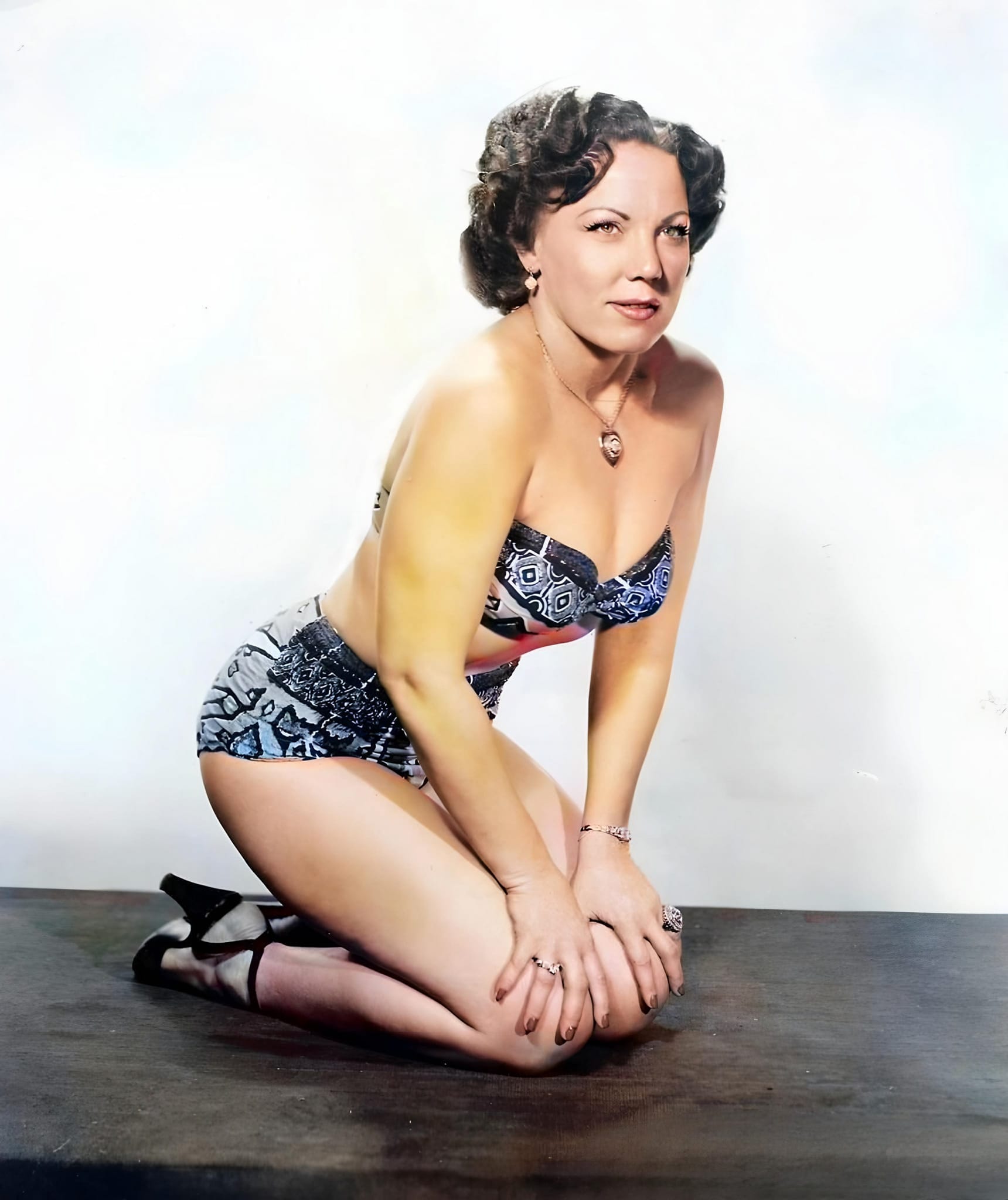
June Byers was such a health-conscious athlete that she drank enormous amounts of orange juice as part of her rigorous training regimen — to the point where people said she smelled like orange blossoms.
This quirky habit fit her image as a powerful, no-nonsense Texas Tornado known for her roughhouse style, vicious chest slaps (often delivered after licking her hand), and a signature pinning hold called the Byers Bridge that she claimed she invented by accident. It was one of many details that made her stand out as a dominant women’s champion in the 1950s and early 1960s.
Thank You for Reading
I’m Tony Richards, Pro Wrestling Historian, Author and Storyteller. I share pro wrestling historical items in each issue of the Time Tunnel Pro Wrestling History Newsletter. Thanks for reading! If you enjoy my information on select events, matches and insights, please share it with folks you think might like to be a subscriber!
Remember, premium investors get access to exclusive and special content such as some special issues including a multi-part deep dives on wrestling territories, wrestler bios and championship title histories, special audio and video interviews on territory pro wrestling and more available in the Pro Wrestling Time Tunnel for Premium Investors.