


Happy Birthday to those who have passed on and to those great wrestlers still with us:
In Memoriam:
William Muldoon 1845
June Byers 1922
Victor Rivera 1944
Happy Birthday:
Lynda Newton\Dark Journey (69)
Gilbert Ramirez\El Mesias (51)
Alberto Del Rio (49)
Joe Anoa’i\Roman Reigns (41)
Taylor Rotunda\Uncle Howdy (36)
RIP Memorial: We stop & remember those who have passed on this day and gave themselves to the business for us, the fans. We salute you and thank you.
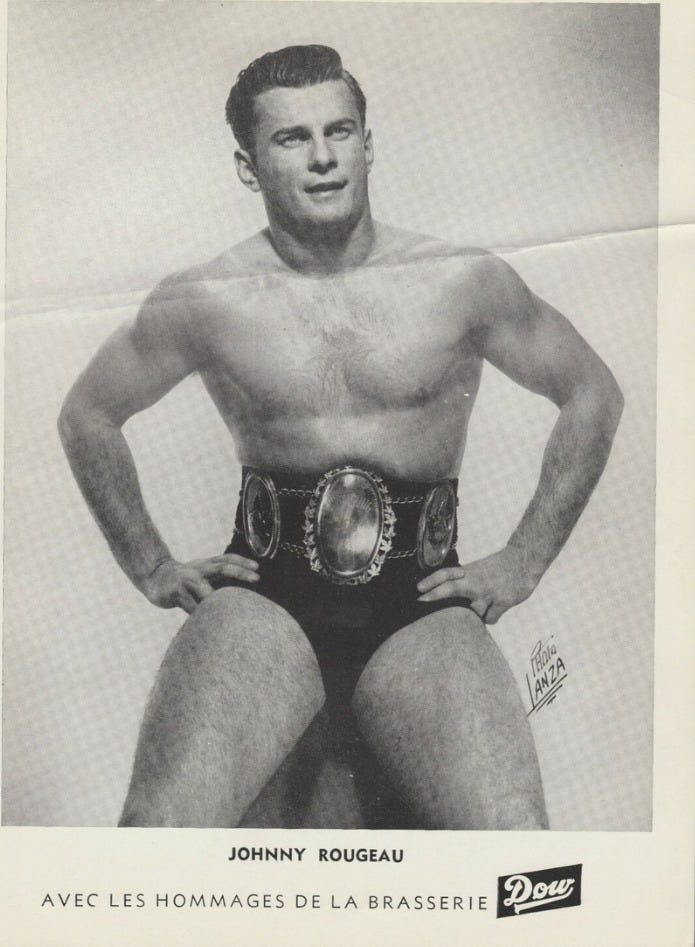
Johnny Rougeau 5-25-1983 at the age of 53
Tex Hager 5-25-1989 at the age of 74
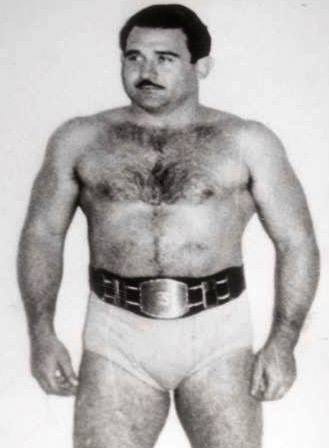
DJ Peterson 5-25-1993 at the age of 33
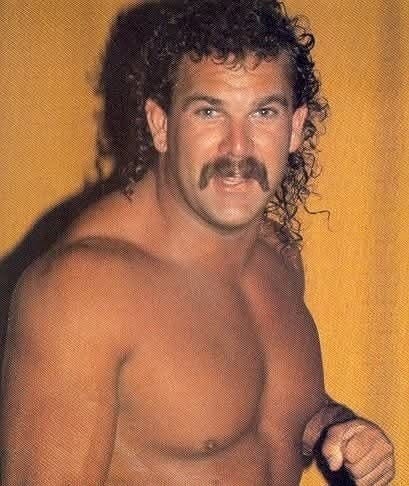
Jean-Louis Cormier\Rudy Kay 5-25-2008 at the age of 65

Rene Goulet 5-25-2019 at the age of 86
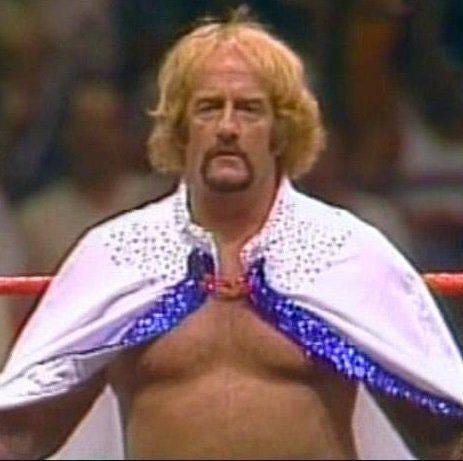
7 Stages of The Territory Era Review
40 Year Flashback
Stage of the Territory Era: Stage 7: Disintegration
Year 2: Month 5: May 1986:
By May 1986, the professional wrestling industry had entered a clear phase of disintegration in the traditional territorial system. The National Wrestling Alliance (NWA) territories, which once operated with relative autonomy under a shared world champion and booking agreements, faced aggressive national expansion by the World Wrestling Federation (WWF) under Vince McMahon Jr. This eroded the old cooperative model. Jim Crockett Promotions (JCP) emerged as the primary NWA counterforce, absorbing or partnering with other territories, while smaller promotions struggled with talent raids, declining attendance, and shifting viewer habits toward cable and syndicated national programming.
The landscape showed fragmentation: WWF dominated the Northeast and major markets along a line to the north marked through the middle of the United States with Hulkamania; JCP pushed a star-studded, athletic product in the Southeast and Midwest; Bill Watts’ rebranded Universal Wrestling Federation (UWF) aimed for a sub-national reach from the Mid-South states of Oklahoma, Texas and Louisiana; and holdout territories like World Class Championship Wrestling (WCCW), Continental, Memphis CWA, Portland, San Antonio’s emerging Wild West efforts, Championship Wrestling from Florida (CWF), and Central States Wrestling (Kansas City) fought for local survival.
Talent mobility increased, with wrestlers jumping promotions amid raids, and cross-promotional experiments (like the Crockett Cup) highlighted both cooperation and underlying tensions. Attendance varied wildly—WWF and JCP drew strong houses, while many territories saw sharp drops.
WWF: National Dominance Solidified Post-WrestleMania 2
WWF, fresh off WrestleMania 2 (April 7, 1986)—a three-city spectacle with Hulk Hogan retaining the WWF World Title against King Kong Bundy in a steel cage—continued its national tour with relentless house show loops. In May 1986, Hogan defended the title across numerous dates against challengers including Paul Orndorff, Don Muraco, and members of the Heenan Family. Key feuds carried momentum: “Macho Man” Randy Savage defended the Intercontinental Title against George “The Animal” Steele and others; the British Bulldogs held the Tag Team Titles in programs against the Dream Team (Greg Valentine & Brutus Beefcake) and Hart Foundation; Jake “The Snake” Roberts continued his heated midcard rivalry with Ricky “The Dragon” Steamboat following the infamous DDT angle.
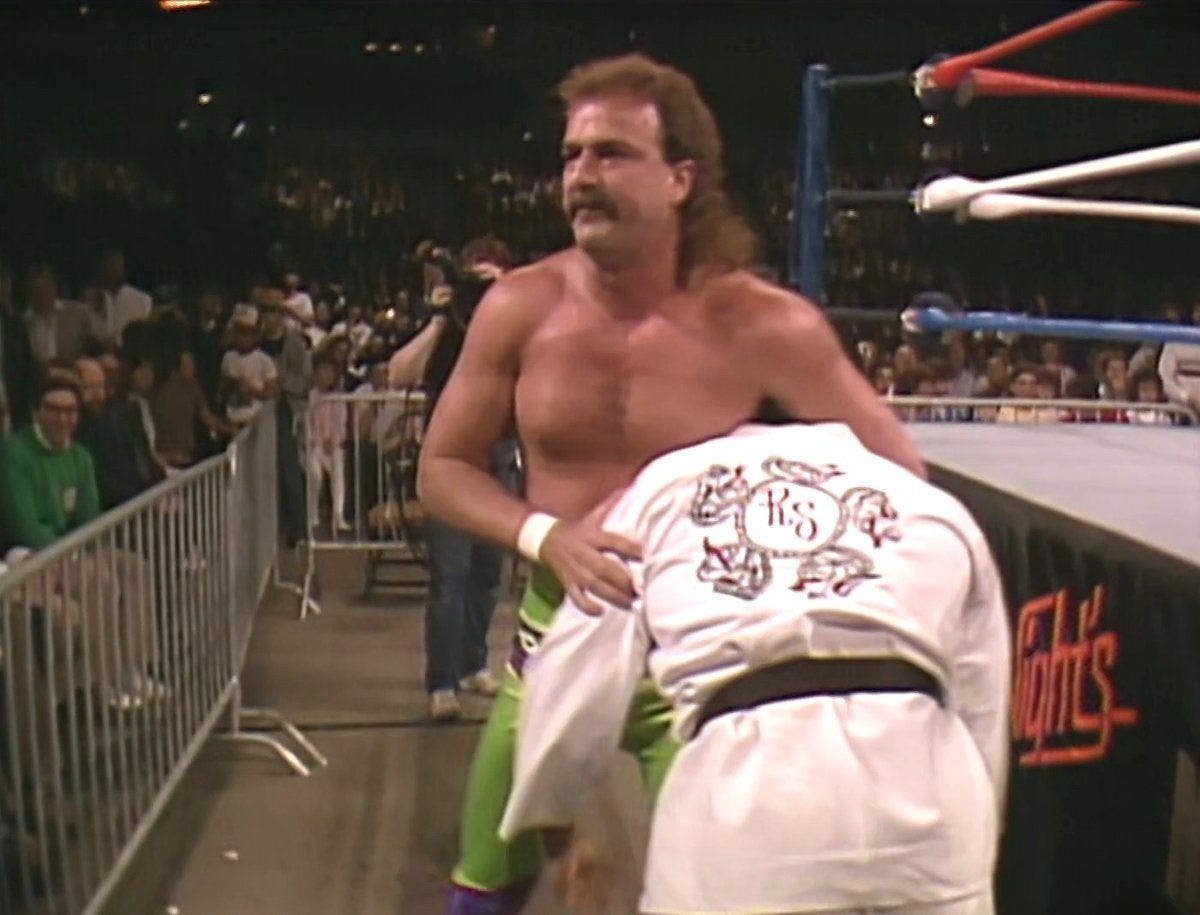
Pictured: Roberts prepares to DDT Steamboat outside the ring
In May, WWF ran extensive house show loops (e.g., multiple dates in early-to-late May at venues like Madison Square Garden, Boston Garden, and regional arenas). The product emphasized larger-than-life characters, celebrity crossovers (lingering from WM2), and Hogan’s charisma. Vince McMahon’s expansion had largely succeeded in carving out a national audience, pressuring territories by saturating TV markets and onboarding selected talent. WWF’s model prioritized entertainment and mainstream appeal over pure athleticism, accelerating the shift away from traditional territories and traditional territorial booking ideas.
Jim Crockett Promotions (NWA): Building Toward the Great American Bash
JCP, under Jim Crockett Jr., positioned itself as the NWA flagship, blending high-level in-ring action with soap-opera angles. In May 1986, the promotion built heat for the summer Great American Bash tour. Ric Flair defended the NWA World Title frequently (often via disqualification or interference to protect the belt), with ongoing rivalries against Dusty Rhodes, Magnum T.A., and others. The Four Horsemen (Flair, Arn Anderson, Tully Blanchard, Ole Anderson) dominated as heels, feuding with babyfaces like the Rock ‘n’ Roll Express, Road Warriors, and Rhodes.
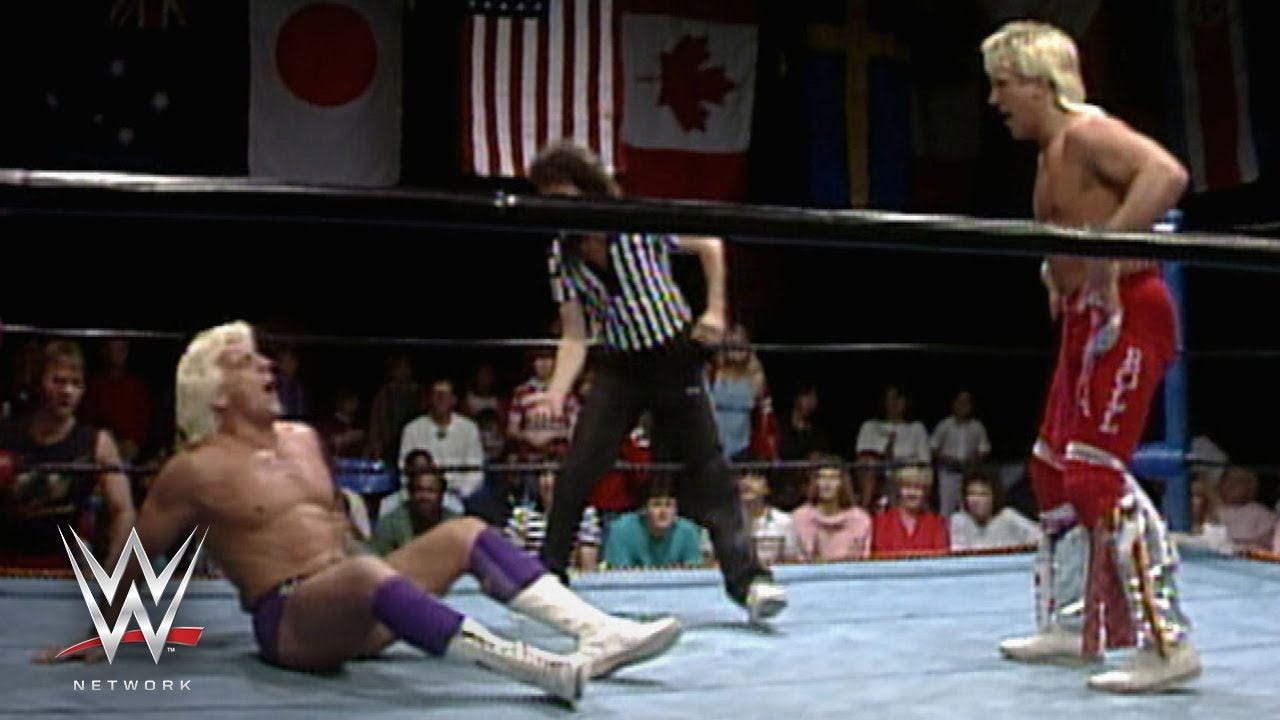
Pictured: Ricky Morton stalks Flair to the corner on WTBS-17
TV shows like World Championship Wrestling and Mid-Atlantic Championship Wrestling featured strong matches and promos advancing these stories. The Crockett Cup (April) had showcased cross-territory cooperation, but by May the focus shifted inward to consolidate power. JCP’s aggressive expansion—including syndication and big arena shows—signaled the “super territory” approach, absorbing talent and markets from weaker promotions. This contributed to disintegration even as it preserved some old NWA traditions.
World Class Championship Wrestling (WCCW): Post-Parade Struggles and Talent Exodus
WCCW held its third Von Erich Memorial Parade of Champions on May 4, 1986, at Texas Stadium, drawing over 24,000 fans. Rick Rude (with Percy Pringle) defended the World Title against Bruiser Brody in the main event, with undercard action involving the Von Erichs (Kevin and Kerry), Freebirds remnants, and others. It was a tribute to David Von Erich but also a showcase amid decline.
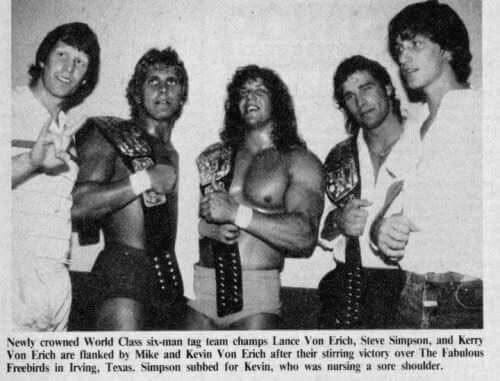
Booker Ken Mantell departed shortly after for Bill Watts’ UWF, taking key talent and know-how. Attendance at regular shows plummeted from previous highs. The Freebirds-Von Erichs feud continued but lost steam with departures. WCCW’s Texas-centric product remained popular locally but faced national pressures, setting the stage for further fragmentation (e.g., Mantell’s later Wild West Wrestling launch).
Bill Watts’ UWF: National Ambitions and Controversial Angles
Mid-South Wrestling rebranded as the Universal Wrestling Federation in early 1986, pushing a rugged, athletic style. In May, owner Bill Watts was central to a major angle: Eddie Gilbert and “The Russians” attacked Watts, creating intense heat. Terry Gordy emerged as a top star, winning the UWF Heavyweight Title on May 30 over Hacksaw Jim Duggan in the finals. Other action included Terry Taylor, Kamala and more.
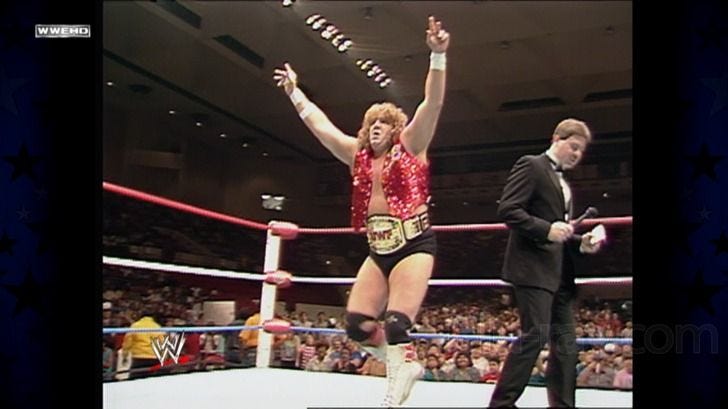
Watts aimed for national expansion to rival WWF and JCP, but the territory’s smaller base and talent poaching limited it. The promotion’s credibility-focused booking contrasted with WWF’s spectacle, appealing to purists but struggling for broader reach.
Jarrett’s CWA (Memphis): Weekly Chaos at the Mid-South Coliseum
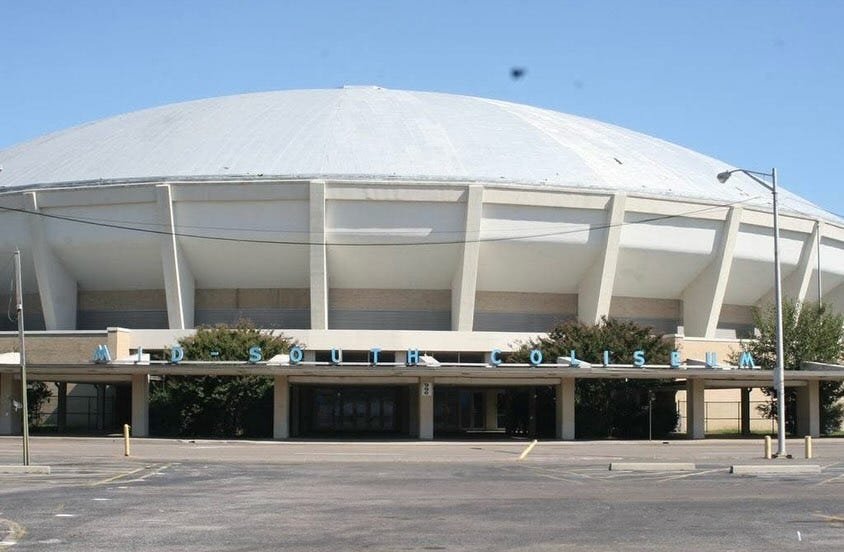
Memphis maintained its reputation for wild, angle-driven weekly TV and arena shows. May 1986 featured ongoing rivalries with Jerry Lawler, Bill Dundee, Buddy Landel, Dutch Mantel, and tag teams like the MOD Squad or Nightmares. Storylines involved title changes, betrayals, and blood feuds typical of the territory’s Southern style—e.g., barbed wire matches and heated promos. Attendance at the Mid-South Coliseum remained solid for a regional promotion.
CWA’s independence and local flavor helped it survive longer than some peers, though national TV competition loomed.
San Antonio Wild West Wrestling: Nascent Efforts
Ken Mantell’s influence post-WCCW led to early Wild West Wrestling activity in the San Antonio/Fort Worth area (launched more fully later in 1986). It drew on ex-WCCW talent like Iceman Parsons, Buddy Roberts, and others for a Texas-flavored product. In May 1986, it represented another splintering, with promoters carving niche local scenes amid broader decline.
Ron Fuller’s Continental Wrestling (Alabama/Knoxville): Stud Stable Dominance
Continental Championship Wrestling, run by Ron Fuller, featured the Stud Stable (Fuller, Robert Fuller, etc.) as a key heel group. Angles involved territory titles, brawls, and Southern rivalries. It stayed viable in its Alabama/Tennessee/Florida footprint but operated on a smaller scale, emblematic of surviving traditional territories.
Championship Wrestling from Florida (CWF): Struggling NWA Holdout
Championship Wrestling from Florida (CWF), long one of the NWA’s more prestigious territories under Eddie Graham, was in steep decline by May 1986 following Graham’s death in January 1985. The promotion continued running weekly cards and TV (often featuring Gordon Solie’s legendary commentary) across Florida cities like Tampa, Orlando, Miami, and Jacksonville, but attendance and relevance had eroded significantly due to national competition and internal instability.
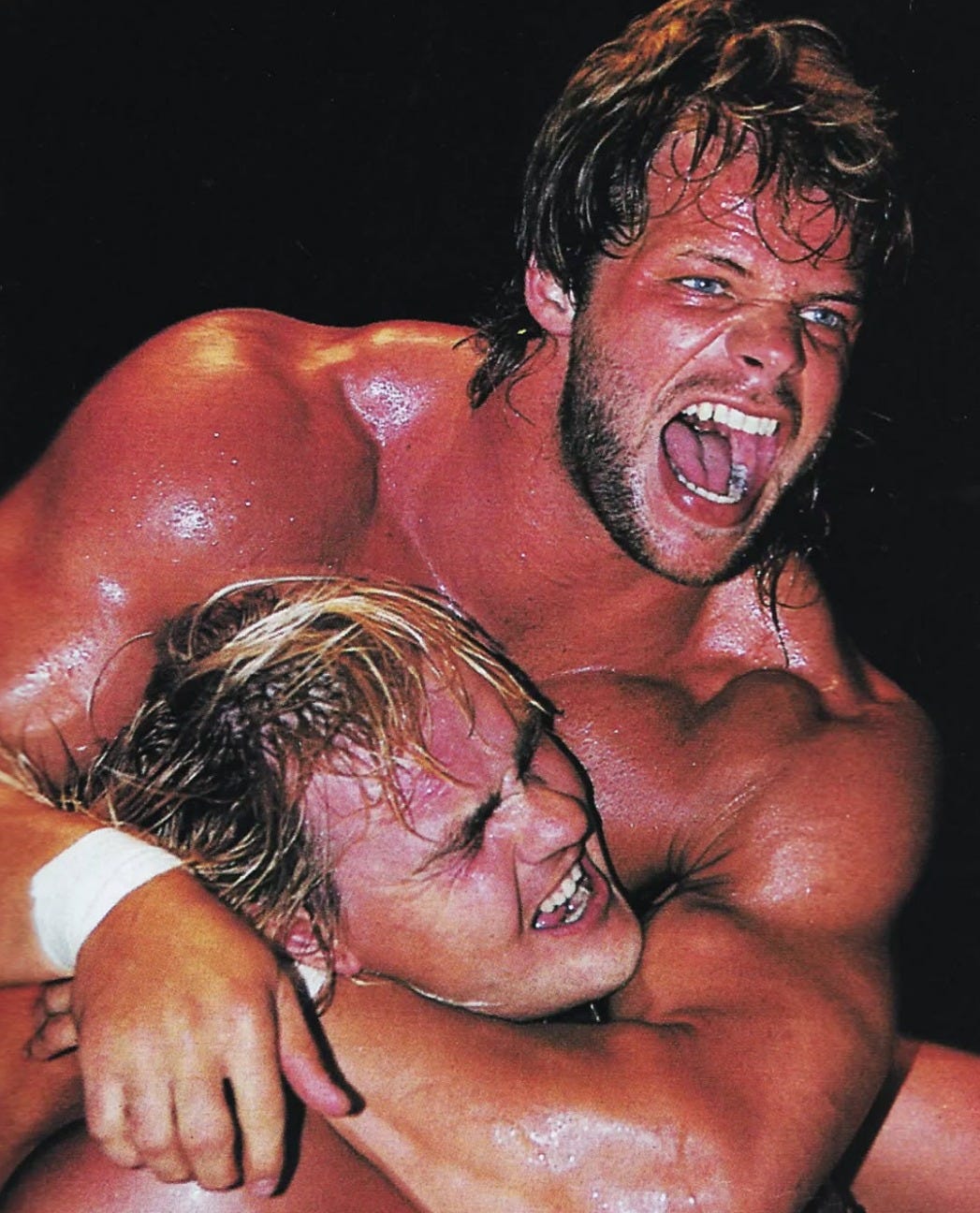
Pictured: Lex Luger with a chinlock on Barry Windham in Florida, May 1986
Key May 1986 activity included standard house shows with talents such as Lex Luger (rising as a major heel), Barry Windham, Ron Bass, Kendall Windham, Jesse Barr, Hector Guerrero, and veterans like Wahoo McDaniel. Storylines revolved around the NWA Florida Heavyweight Title and midcard rivalries involving Kevin Sullivan’s evil cult-like group (with Purple Haze/Mark Lewin). While CWF still held occasional big cards, it functioned more as a regional feeder territory, losing talent upward to JCP. Its struggles exemplified the disintegration affecting even historically strong NWA outposts.
Central States Wrestling (Kansas City): Diminishing NWA Outpost
Central States Wrestling, based in Kansas City and run by Bob Geigel, represented one of the smallest and most vulnerable NWA territories by spring 1986. The promotion ran sporadic cards in Kansas City and surrounding areas, relying heavily on touring NWA champions and shared talent.
In May 1986, cards featured veterans like Bob Brown, Marty Jannetty, Shawn Michaels (early in his career as part of the Midnight Express or tag teams), Bruiser Brody (occasional), and others in standard NWA-style matches. The territory suffered from limited TV reach, declining gates, and inability to compete with national syndication. It served largely as a secondary market for JCP and NWA talent exchanges rather than a thriving independent entity. Central States’ weakness highlighted how smaller Midwestern territories were being squeezed out of existence.
Portland Wrestling (PNW): Regional Holdout
Pacific Northwest Wrestling (Portland Wrestling), run by Don Owen, continued as a traditional, insulated NWA territory emphasizing strong in-ring work and regional loyalty. In May 1986, it ran regular house shows and TV tapings (often at the Portland Memorial Coliseum) featuring talents like Billy Jack Haynes (a top star and Pacific Northwest Champion contender), Brady Boone, Coco Samoa, Art Barr (as Betelgeuse), and veterans such as Dutch Savage and Rocky “Soulman” Johnson on select cards.
A notable event around this period was the buildup to Wrestling Spectacular III (May 21, 1986, at Seattle Center Arena), which drew regional interest with a mix of local and touring talent. The promotion remained largely unaffected by the national wars in the short term due to its geographic isolation and loyal fanbase but was vulnerable to talent drain toward bigger promotions like JCP and WWF. It represented a stable but small-scale traditional operation focused on athletic matches rather than spectacle.
Canadian Promotions: Stampede Wrestling as Primary Holdout
In Canada, the wrestling scene in May 1986 was dominated by Stampede Wrestling in Calgary, Alberta (run by the Hart family after being sold back by WWF in 1985). Under Bruce Hart’s booking, it featured a strong technical style with emerging talents like Owen Hart, Brian Pillman, Chris Benoit, Biff Wellington, and Johnny Smith clashing with heels such as Gama Singh and his Karachi Vice stable (including Shinya Hashimoto, Gary Albright, and others).
Cards in May included standard house shows across the prairies with strong in-ring action and blood feuds typical of Stampede. While insulated from full U.S. national wars, it served as a talent pipeline (many graduates moved to WWF or JCP). Other Canadian activity was limited, with occasional AWA or WWF incursions in Ontario/Quebec, but Stampede remained the primary independent Canadian promotion amid the territorial shift.
Japanese Promotions: Strong In-Ring Focus Amid International Ties
Japan remained a powerhouse of puroresu in May 1986, largely separate from the North American disintegration but with talent exchanges.
• New Japan Pro-Wrestling (NJPW): Led by Antonio Inoki, it emphasized strong-style wrestling. May cards featured stars like Inoki, Tatsumi Fujinami, Riki Choshu, and junior heavyweights (e.g., Nobuhiko Takada, Shiro Koshinaka). International talent flowed in, and the promotion maintained high attendance and TV ratings.
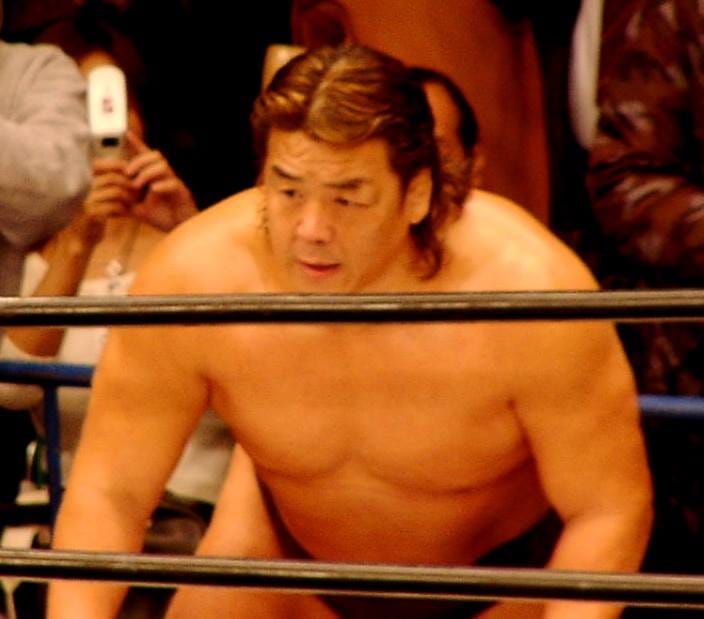
Pictured: Riki Choshu
• All Japan Pro Wrestling (AJPW): Run by Giant Baba, it focused on the Triple Crown and tag team action with Jumbo Tsuruta, Genichiro Tenryu, and foreign stars. Both promotions thrived with athletic, hard-hitting matches, serving as a contrast to the U.S. spectacle model and providing high-level opportunities for touring wrestlers.
Mexican Promotions: Lucha Libre Resilience
Mexico’s scene was vibrant and less affected by U.S. national expansion.
• EMLL (later CMLL): The oldest promotion continued its weekly Arena Mexico cards with high-flying lucha action featuring stars like El Satánico, Atlantis, and Ultraman. It cooperated with UWA on select shows.
• Universal Wrestling Association (UWA): Based in Naucalpan, it drew strong crowds with talents like El Canek and inter-promotional matches. May activity included title defenses and high-stakes Apuestas matches, maintaining popularity through its edgier style and international ties (e.g., with NJPW).
Overall Analysis in the 5th Month of Year 2 of Stage 7: Accelerating Disintegration
May 1986 exemplified the Territory Era’s unraveling. WWF’s national machine rolled on with consistent draws. JCP built a powerhouse NWA alternative through big tours and talent concentration. Watts’ UWF, WCCW’s post-Parade woes, Memphis’s chaotic resilience, Portland’s regional stability, Continental’s grind, CWF’s decline, Central States’ marginalization, Stampede’s Canadian holdout, Japan’s strong-style independence, Mexico’s lucha resilience, and Wild West’s emergence illustrated deepening fragmentation. Cross-promotion offered temporary unity, but economic pressures favored consolidation. By year’s end, further buyouts and shifts would accelerate the move toward a duopoly. The old territory system—once a network of fiefdoms—was disintegrating under modernization, cable TV, and aggressive expansion.
Thank You for Reading
I’m Tony Richards, Pro Wrestling Historian, Author and Storyteller. I share pro wrestling historical items in each issue of the Time Tunnel Pro Wrestling History Newsletter. Thanks for reading! If you enjoy my information on select events, matches and insights, please share it with folks you think might1 like to be a subscriber!
Remember, premium investors get access to exclusive and special content such as some special issues including a multi-part deep dives on wrestling territories, wrestler bios and championship title histories, special audio and video interviews on territory pro wrestling and more available in the Pro Wrestling Time Tunnel for Premium Investors.