


Happy Birthday to those who have passed on and to those great wrestlers still with us:
In Memoriam:
Evan “Strangler” Lewis 1860
Ricky Romero 1931
Happy Birthday:
Selina Majors\Bambi (59)
Elijah Burke\Da Pope (45)
RIP Memorial: We stop & remember those who have passed on this day and gave themselves to the business for us, the fans. We salute you and thank you.
Al Karasick 5-24-1965 at the age of 74
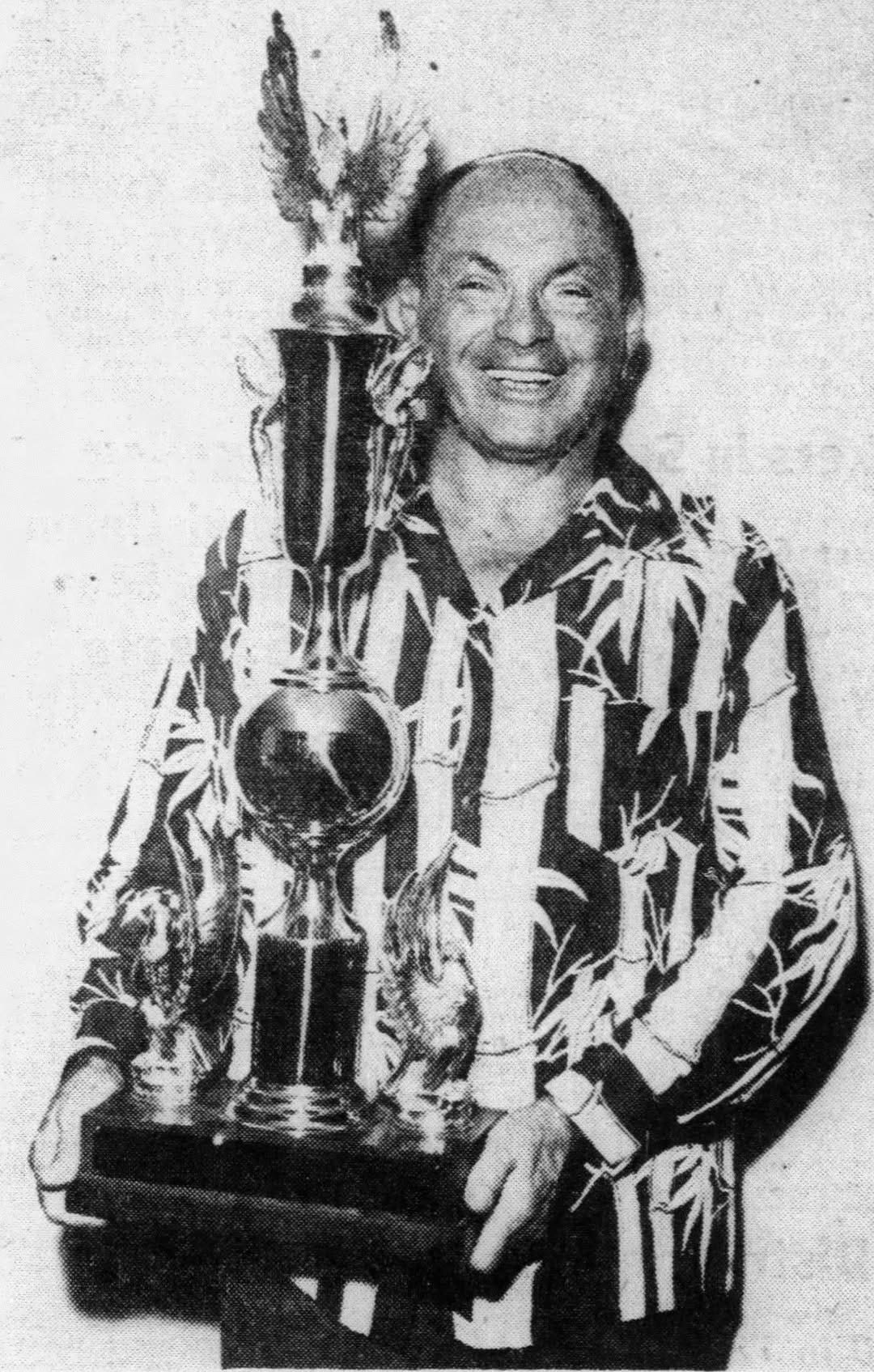
Vincent J. McMahon 5-24-1984 at the age of 69
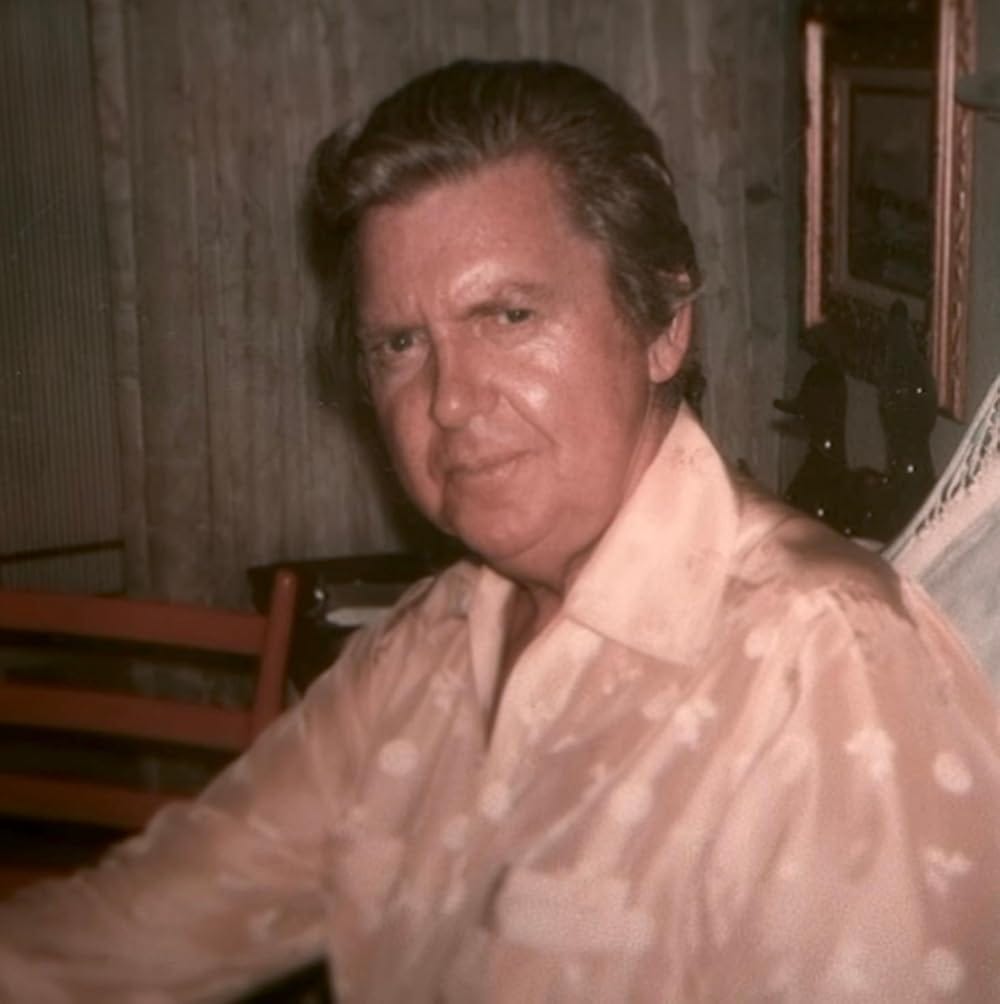
Rusher Kimura 5-24-2010 at the age of 68
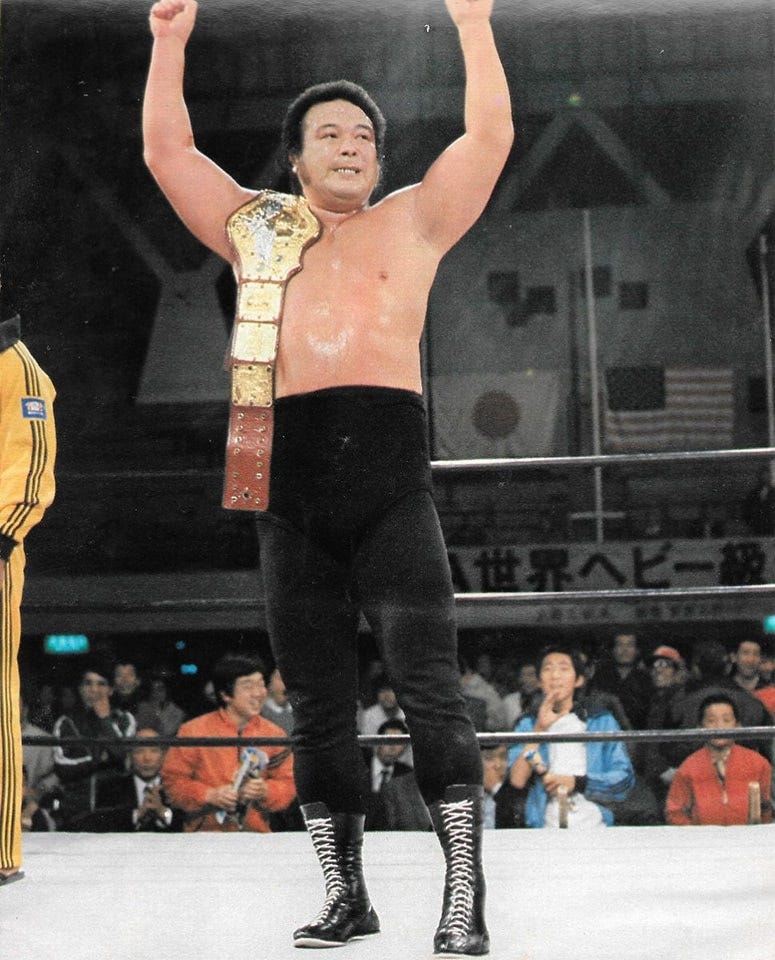
Cowboy Frankie Laine 5-24-2016 at the age of 73
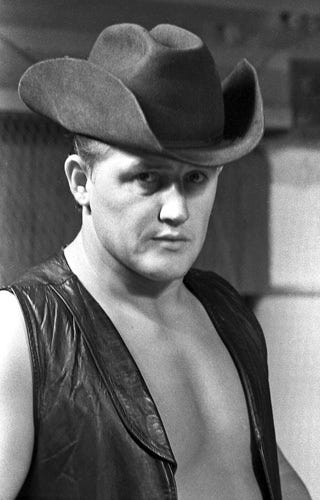
Paul Christy 5-24-2021 at the age of 82
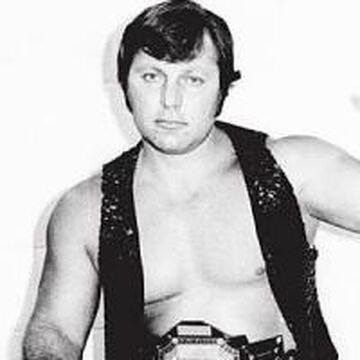
50 Year Flashback
1976
2nd Quarter: April-May-June
Gulf Coast Championship Wrestling
Gulf Coast Championship Wrestling (GCCW), promoted primarily by Lee Fields, operated as a classic NWA territory covering southern Alabama, Mississippi, and the western Florida Panhandle. Major towns included Mobile and Dothan in Alabama, Hattiesburg and other Mississippi stops, and Pensacola and Panama City in Florida. The promotion ran regular house shows in venues like the Mobile Municipal Auditorium (Expo Hall), Dothan arenas, and Pensacola spots, with television tapings feeding local markets. In the spring and early summer of 1976—the U.S. Bicentennial year—the territory featured a mix of veteran tough guys, masked heels, and emerging talent amid solid but not explosive business.
April 1976
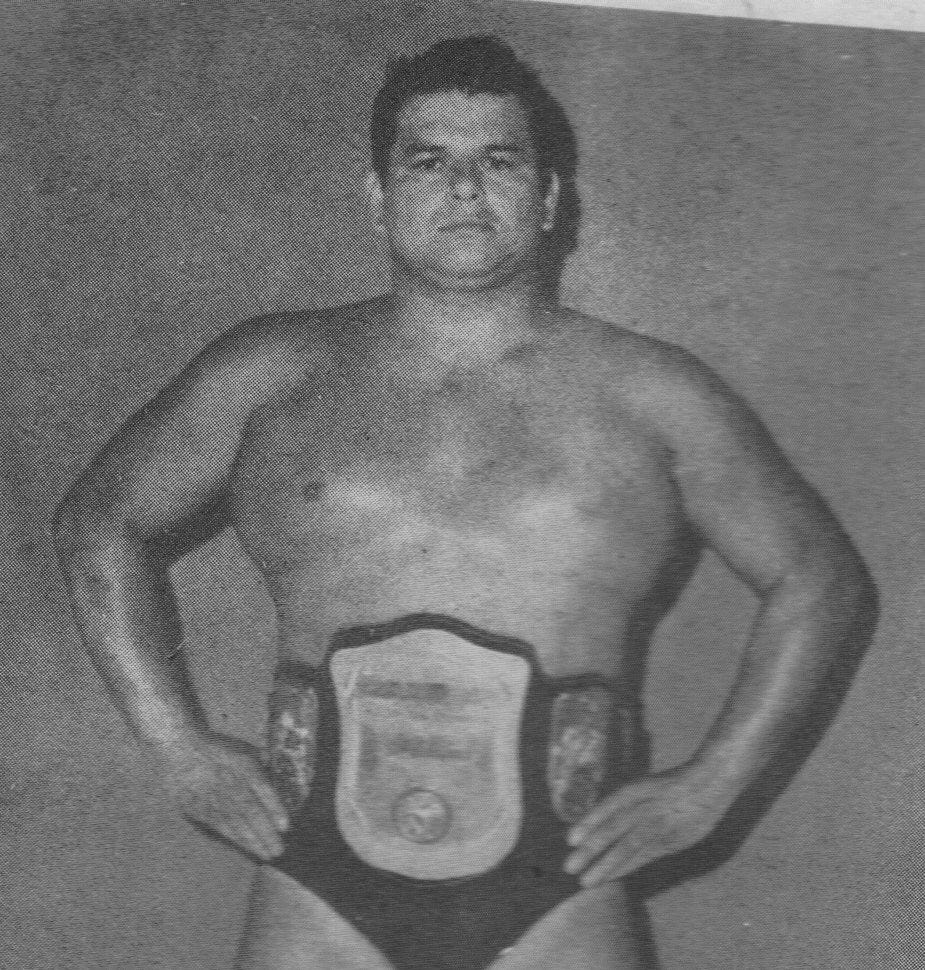
Pictured: Eddie Sullivan, NWA Gulf Coast Heavyweight Champion
The month opened with Eddie Sullivan holding the NWA Gulf Coast Heavyweight Championship after winning it in February. Sullivan, a rugged veteran often aligned with heels, represented the hard-hitting style central to Gulf Coast main events. On April 9 in Dothan, he successfully defended or retained against challengers in what was likely a program emphasizing his toughness.
Tag team action was active. Ron Bass and Dutch Bass (Wayne Koewn, aka Dutch Mantell) held the NWA Gulf Coast Tag Team titles into mid-March but lost them earlier; by April, programs involved teams like Rip Tyler and others. Cowboy Bob Kelly, one of the territory’s most popular babyfaces and a multi-time champion, was prominent in singles and tags. Kelly’s charisma and in-ring credibility helped draw crowds.
Other key wrestlers included The Challengers (masked team featuring Curtis Smith as Challenger #1 and Mike McNally as #2, managed by “Paw” Bass), who were building momentum as heels. Oki Shikina, Lenny Hurst, Sweet Daddy Banks, and mid-carders like Greg Peterson and Danny Little Bear filled undercards. Storylines focused on standard territory fare: veteran heels like Sullivan bullying locals, masked team dominance, and babyface revenge angles. Business appeared steady, with consistent crowds in Mobile and Dothan supporting weekly cards, though no major supercards dominated headlines. The territory maintained its regional identity without heavy national crossover.
May 1976
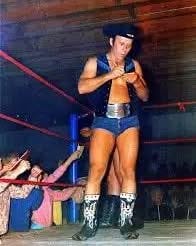
Pictured: Cowboy Bob Kelly
May brought notable title activity. On May 18 in Mobile, Bob Kelly teamed with Rip Tyler to defeat the Bass team (or holders) for the Gulf Coast Tag Team titles, holding them briefly for 17 days. This reflected Kelly’s drawing power and Tyler’s reliability as a tough veteran who also challenged for singles gold.
In the heavyweight division, Ken Lucas (a popular scientific wrestler and multi-time champion) defeated Eddie Sullivan on May 18 in Mobile to claim the Gulf Coast title. Lucas’s win signaled a shift toward more fan-favorite main events. Sullivan regained it by July, but the exchange fueled programs. Alabama and Mississippi state titles (secondary belts) likely featured Rip Tyler or Dynamite Dick Dunn in defenses.
Angles continued with The Challengers rising. They captured the tag titles on June 4 (carrying into late May buildup), defeating prior holders in Dothan. Feuds pitted scientific babyfaces like Lucas and Kelly against rule-breaking heels. TV interviews (with figures like Al Roberts or Charlie Platt) hyped rivalries, emphasizing blood feuds and title stakes. Business health remained positive; the territory’s intimate venues allowed strong crowd reactions, sustaining operations amid the broader NWA ecosystem. No signs of major decline appeared, though competition from other Southern promotions existed.
June 1976
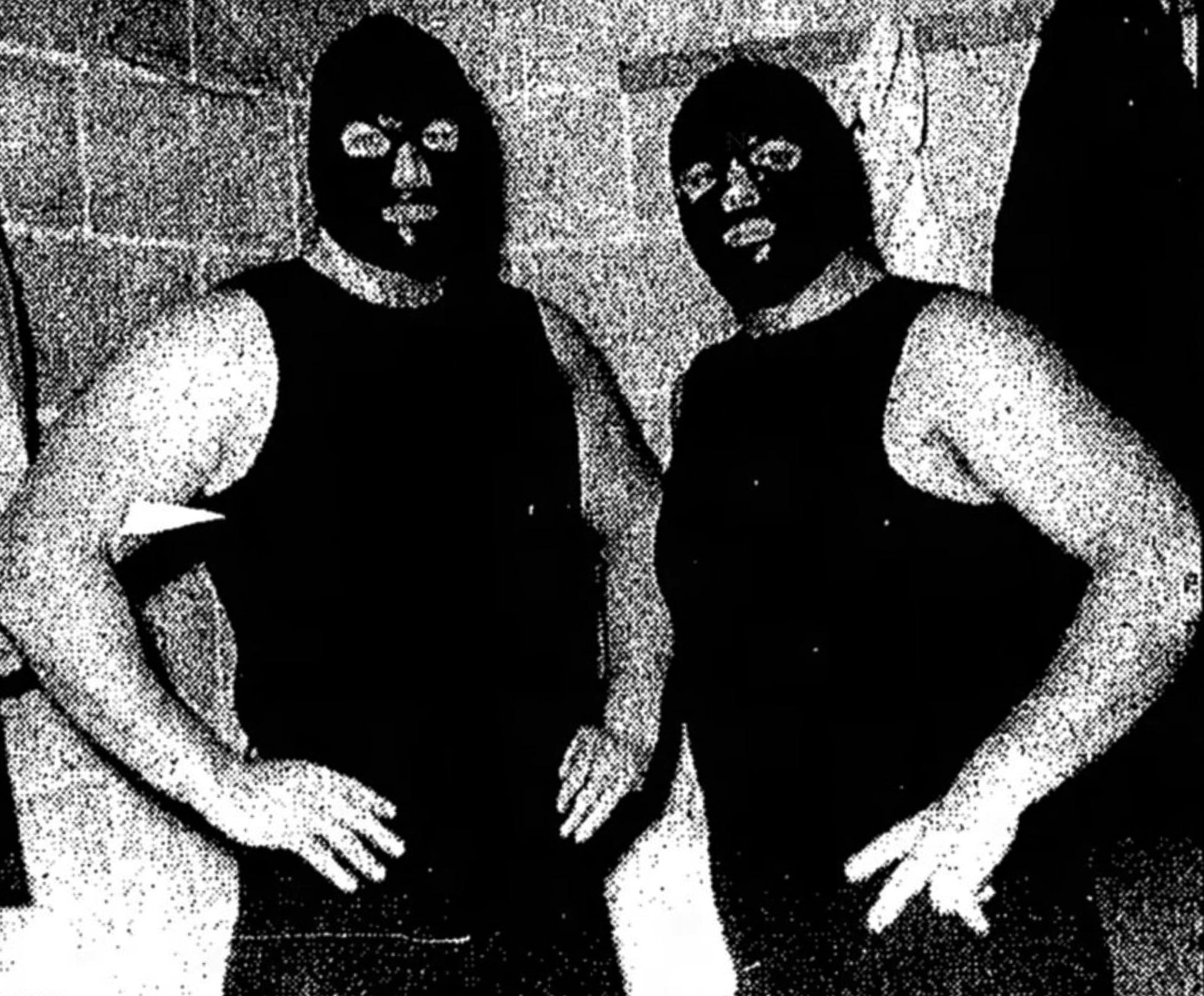
Pictured: The Mighty Yankees (Mike McManus & Curtis Smith who wore the same gear when appearing as The Challengers but Smith wore a black glove on his right hand)
**Photo Credit: Michael Norris
June solidified heel momentum in tags. The Challengers won the Gulf Coast Tag Team titles on June 4 in Dothan (short 7-day reign) before losing them to Ken Lucas and Gorgeous George Jr. on June 11, also in Dothan. The Challengers regained them on June 25 for a longer run into summer. This back-and-forth highlighted the promotion’s reliance on frequent title changes to maintain interest.
Heavyweight action saw ongoing Lucas-Sullivan programs or defenses. Main events in Mobile, Pensacola, and Dothan featured these stars alongside supporting talent like the Wrestling Pro #2 (Eddie Sullivan in a masked role earlier), Oki Shikina, Sweet Daddy Banks, Burrhead Jones, and Lenny Hurst. TV episodes from June (e.g., June 8 tapings) showcased undercard bouts and promos building house show attendance.
Storylines evolved around masked vs. unmasked drama, veteran vs. newcomer clashes, and tag team warfare. The Challengers’ managed heel run provided consistent heat. Business stayed healthy for a regional outfit—crowds supported core towns without major booms or busts. The Bicentennial theme may have added patriotic babyface angles for Kelly and others. By quarter’s end, the territory prepared for summer continuity under Lee Fields before later transitions.
Overall Analysis and Evolving Business Health
Q2 1976 exemplified GCCW’s role as a stable mid-to-lower tier NWA territory. The tradition and hardcore fan base was holding the territory together, but 1976 was not anywhere near the best business year in the history of the territory. As a matter of fact, the territory was on the verge of going out of business, partially due to the lack of passion and interest of Lee Fields, who had turned his eye toward car racing, a hige sport in the South. Main wrestlers like Bob Kelly (top babyface draw), Ken Lucas (scientific hero), Eddie Sullivan and Rip Tyler (rugged veterans), The Challengers (effective masked heels), and supporting acts created reliable programming. Championships—the Gulf Coast Heavyweight and Tag Team titles—changed hands frequently enough to sustain interest without devaluing them, a hallmark of smart territorial booking.
Angles relied on personal rivalries, title matches, and TV buildup rather than national angles. Major towns rotated cards effectively, with Mobile as a hub. Business health was solid: consistent attendance in key markets supported operations, though it lacked the explosive growth of hotter territories. No major scandals or declines marked Q2; the promotion endured into late 1976 before Fields sold to Ron Fuller amid industry shifts.
EXTRA: Lee Fields’ Business Strategy in Building the Gulf Coast Territory
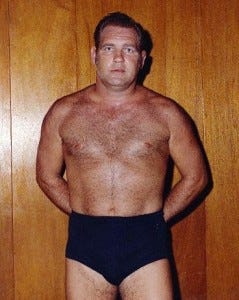
Pictured: Lee Fields, also nicknames “Stud”, owner of Gulf Coast Championship Wrestling
Lee Fields (born Albert Lee Hatfield), a member of the influential Welch/Fields wrestling family, acquired Gulf Coast Championship Wrestling (GCCW) from his cousin Buddy Fuller in late 1959. He transformed a struggling, seasonal operation that had been around since around 1953, into a stable NWA territory that ran successfully for nearly two decades until it started to falter and he sold it to another cousin, Ron Fuller (Buddy’s oldest son), around 1977–1978. His approach exemplified classic territorial wrestling business: conservative, community-focused, and diversified, prioritizing long-term sustainability over rapid expansion.
Core Elements of The Lee Fields’ Strategy
Family and Local Control: Fields’ deep family roots formed the foundation of his operation. His father, Virgil “Speedy” Hatfield, was a longtime promoter and referee who married Bonnie Welch, a member of the prominent Welch wrestling family (sisters to Roy, Jack, Herb, and Lester Welch). This union connected the Fields brothers (Lee, Don, and Bobby) to the broader Welch/Fuller/Golden wrestling dynasty, providing talent pipelines, booking support, and trusted alliances across the NWA. Fields leveraged these family ties extensively—his brothers Don and Bobby were active wrestlers and helped behind the scenes, with Don assisting in promotion after his in-ring career. This reduced outsider dependency and kept talent and decision-making in trusted hands. Family members like the Welches and Fullers provided a network for talent exchanges within the NWA ecosystem. He used figurehead promoters while retaining ultimate control, allowing delegation without losing oversight.
Decentralized Booking and Market-Specific Operations: A hallmark of Fields’ strategy was dividing the territory for efficient management. Cowboy Bob Kelly (the territory’s top babyface draw) booked the creative for the Western End, covering Mobile and Mississippi towns. Kelly’s hands-on role helped turn spot shows into a robust weekly circuit. Rocky McGuire served as booker and promoter for the Eastern End (Dothan, Pensacola, and Panama City), handling day-to-day operations in those key markets. This east-west split allowed tailored programming that maximized local appeal and minimized travel inefficiencies.
Emphasis on Localized Television: Another Welch family-inspired strategy was maintaining separate studio TV shows for each substantial market: Mobile, Dothan, Mississippi, and Pensacola. This hyper-local approach created strong viewer familiarity and star power in every corner of the territory. Rather than relying on a single feed, each market had its own tapings and announcers, which drove house show attendance far more effectively than generic programming. TV interviews and angles—featuring rugged veterans, masked heels like The Challengers, and popular babyfaces like Cowboy Bob Kelly and Ken Lucas—drove house show attendance. Frequent but controlled title changes (Gulf Coast Heavyweight and Tag Team titles) maintained interest. The style stayed traditional Southern: hard-hitting, personal feuds, and blood-and-guts storytelling suited to intimate arenas like the Mobile Exhibition Hall, Pensacola Memorial Auditorium or the Houston County Farm Center in Dothan, as well as makeshift arenas like the bare bones metal building known as the Wade Kennedy Arena in Hattiesburg, Mississippi or the Rainbow Arena in Panama City.
Diversification and Risk Management: Fields avoided putting all eggs in one basket. Skippy Witchen introduced him to stock car racing interests, leading Fields to purchase and operate the Mobile International Speedway. This provided alternative revenue streams but eventually strained his time, contributing to the sale. He ran a lean operation with a core roster supplemented by NWA talent, avoiding the high costs of national stars except for occasional big draws. Secondary state titles (Alabama, Mississippi) and regional angles kept mid-carders relevant and tickets affordable.
NWA Affiliation and Conservative Growth: As an NWA member, Fields benefited from champion visits and talent flow while protecting his territory from invasions. He focused on steady profitability rather than aggressive expansion, which helped GCCW endure economic pressures in the 1970s better than some flashier promotions. The strategy produced reliable gates in core markets without massive risks.
Strengths and Limitations
Strengths:
Stability: Turned a near-failing territory into a two-decade operation with strong local support.
Community Integration: Deep roots in Alabama/Florida/Mississippi, reinforced by family legacy and localized TV, fostered fan loyalty.
Efficiency: Delegated booking (Kelly and McGuire) while maintaining family oversight and diversified income.
Kayfabe Protection: Limited external exposure preserved the illusion that drew traditional fans.
Limitations:
Growth remained regional; the territory never achieved the scale of hotter NWA hubs.
Over-reliance on family and local talent risked stagnation.
Dual business demands (wrestling + speedway) led to the 1977–78 sale, after which Ron Fuller expanded it into Southeastern/Continental Championship Wrestling with a more ambitious vision.
Overall Assessment:
Lee Fields operated as a classic “old-school” territorial promoter: pragmatic, protective of his market, and focused on consistent weekly entertainment rather than spectacle. His strategy succeeded by turning localized television into a powerful sales tool, leveraging family networks and delegated booking structures, and balancing wrestling with other ventures. While not innovative on a national scale, it sustained GCCW through the heart of the territorial era, providing livelihoods for wrestlers and entertainment for Southern fans. The eventual sale reflected smart timing amid personal and industry shifts, allowing the territory to evolve under Fuller. Fields’ model remains a textbook example of sustainable regional promotion in pro wrestling’s pre-national era.
Some Additional Details About The Speedway Racetrack

Mobile International Speedway, a 0.5-mile paved oval track located at 7800 Park Blvd in Irvington, Alabama (just south of Mobile along U.S. Highway 90), has been a cornerstone of short-track racing in the Deep South since its opening in 1965. Nicknamed “the fastest half-mile in Alabama,” it features a capacity of around 9,000 and a rural, old-school charm with minimal barriers, offering open views into surrounding farmland.
Walter “Skip” Wetjen broke ground in 1964 and opened the track in 1965. Built on former farmland, it quickly became a hub during the golden age of stock car racing. Early events drew local and regional competitors, including NASCAR notables.
From 1966 to 1968, MIS hosted open-wheel racing with the annual World 300 for Supermodifieds, attracting stars like Bobby Allison, Dale Hammac, and Armond Holley. Stock car legends such as Red Farmer (who won his 500th feature race there), Gene Tapia, Wayne Niedecken Sr., and Phil Wendt also competed in its early decades.
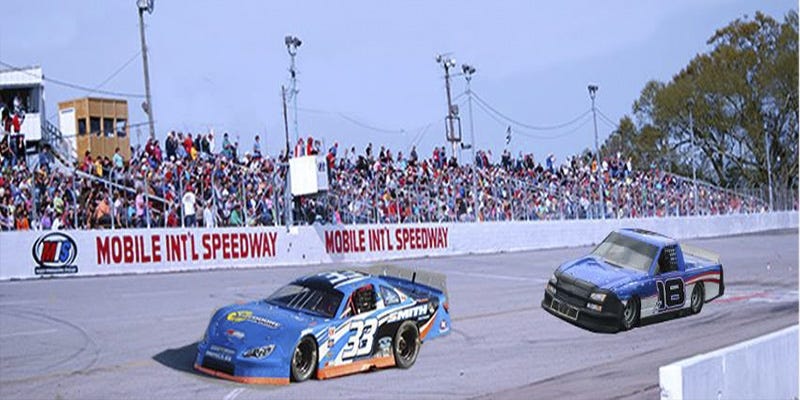
In 1972, Lee Fields—majority owner of Gulf Coast Championship Wrestling and a member of the Welch/Fields wrestling family, took ownership and operation of the speedway. Fields, who had wrestled under his real name and held multiple titles (including the NWA Gulf Coast Heavyweight Championship), brought his promotional expertise from wrestling to racing. He operated it successfully for nearly three decades until his death in 2000.
Under Fields, MIS hosted a wide array of sanctioned events in the 1980s and beyond, including:
• All Pro Stock
• ASA
• NASCAR Grand American
• NASCAR All-American Challenge Series
• NASCAR All Pro Stock Car
• NASCAR Southeast Series (multiple races 1991–2001)
• CARS Hooters Pro Cup Series (1998–1999)
Notable drivers who raced there include Donnie Allison, Rusty Wallace, Dave Mader III, Ronnie Sanders, Mike Cope, Freddy Fryar, Jody Ridley, Kyle Petty, Michael Waltrip, and Kerry Earnhardt. The track helped launch careers of locals like Cale Gale and Grant Enfinger (who dominated ARCA Mobile 200 events there in the 2010s).
A billboard in the pits still reads “Welcome to Mobile, Home of Lee Fields,” honoring his legacy. The track continues to host the annual Lee Fields Memorial races, celebrating his contributions to both wrestling and racing.
After Fields’ passing, his wife, Ida Fields maintained ownership. The track continued hosting regional series, including ARCA Racing Series events (ARCA Mobile 200, 2012–2015) and a NASCAR K&N Pro Series East race (Mobile 150 in 2016). It also served as a filming location for the opening scenes of the 2009 movie The Final Destination.
The facility faced periods of uncertainty, including a closure of about a year around 2022–2023 amid ownership transitions. It reopened in 2023 under new management led by local business owner and racer Eddie Shoemaker (who also operates the adjacent US-90 Dragway/Mobile Dragway). Racing now typically runs every other Saturday from March to September.
Unique Features and Community Role
• No outer walls (except in front of the grandstands) — giving a raw, accessible feel.
• Adjacent drag strip allows double-header racing days.
• Seasonal events like Christmas Nights in Lights and Thriller Lights (Halloween) add family appeal.
• Hosted the Alabama Racing & Wrestling Hall of Fame for years, bridging Fields’ two worlds (with figures like Paul Bearer as emcee).
MIS remains a classic Southern short track—affordable, fan-friendly, and deeply rooted in local racing culture. It has endured economic shifts, ownership changes, and the evolution of motorsports while preserving its Saturday-night dirt-to-pavement heritage. Today, it continues as a proving ground for regional talent and a nostalgic destination for fans of old-school stock car racing.
In the context of Lee Fields’ business strategy, the speedway represented successful diversification: using wrestling profits and promotional know-how to build a second revenue stream in a complementary Southern entertainment niche, sustaining family involvement for decades.
Thank You for Reading
I’m Tony Richards, Pro Wrestling Historian, Author and Storyteller. I share pro wrestling historical items in each issue of the Time Tunnel Pro Wrestling History Newsletter. Thanks for reading! If you enjoy my information on select events, matches and insights, please share it with folks you think might like to be a subscriber!
Remember, premium investors get access to exclusive and special content such as some special issues including a multi-part deep dives on wrestling territories, wrestler bios and championship title histories, special audio and video interviews on territory pro wrestling and more available in the Pro Wrestling Time Tunnel for Premium Investors.
Did Lee ever hold any wrestling matches or shows at the racetrack? Bob Hardcore Holly also raced there as well.