



Happy Birthday to those who have passed on and to those great wrestlers still with us:
In Memoriam:
Andre The Giant 1946
Coloso Colosetti 1948
Cousin Luke 1949
Dick Slater 1951
Happy Birthday:
Jeanne Basone\Hollywood (57)
Psicosis (55)
Aleister Black (41)
Tom Hamilton\Phillips (37)
Kip Sabian (34)
Maxine Dupri (29)
RIP Memorial: We stop & remember those who have passed on this day and gave themselves to the business for us, the fans. We salute you and thank you.
(None)
The Life and Career of Dick Slater
Richard Van Slater, better known to wrestling fans as “Dirty” Dick Slater or “Mr. Unpredictable,” was one of professional wrestling’s most credible and rugged performers during the territorial era of the 1970s, 1980s, and early 1990s. A legitimate tough guy with a background in amateur wrestling and football, Slater built a reputation as a hard-hitting heel who could adapt his style night after night, drawing heat through brawling, psychology, and unpredictability. He held dozens of championships across NWA territories, headlined major events like the first Starrcade, and worked with legends such as Ric Flair, Dusty Rhodes, Terry Funk, and The Great Muta. Yet his career also reflected the grit—and eventual toll—of old-school wrestling: grueling travel, physical punishment, substance issues, and a post-retirement decline marked by injury, legal troubles, and obscurity. Slater died on October 18, 2018, at age 67 from heart complications, leaving behind a legacy as an underrated cornerstone of Southern wrestling.
Born Richard Van Slater on May 19, 1951, in Albany, New York, he was raised in Tampa, Florida, in a wrestling hotbed. He was not initially a pro wrestling fan but excelled in amateur wrestling and football. At Thomas Richard Robinson High School in Tampa, he wrestled alongside Mike Graham (son of promoter Eddie Graham), who helped establish a school program with a donated mat. Slater competed in the Amateur Athletic Union (AAU), training under future pros like Hiro Matsuda and Bob Roop to prepare for Olympic-style competition. He attended the University of Tampa, balancing football (alongside teammates Paul Orndorff and NFL star John Matuszak) and wrestling. An opportunity to try out for the Miami Dolphins reportedly arose, but Slater chose pro wrestling instead. After a national AAU meet, Graham recruited him, leading to training at the Tampa Sportatorium under Jack Brisco, Roop, Matsuda, and Bill Watts. Slater debuted in May 1972 and formed early friendships with Dick Murdoch.
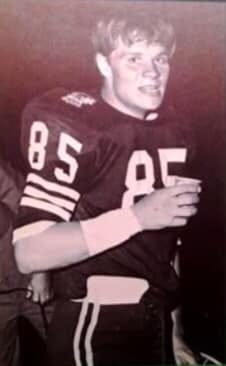
Slater’s early career took root in Championship Wrestling from Florida (CWF) under Eddie Graham. Billed initially as Mr. Florida (or sometimes Texas Outlaw), the 6-foot, 233-pound Slater quickly earned tag team gold, winning the NWA Florida Tag Team Championship four times with partners including Dusty Rhodes, Stan Vachon, Toru Tanaka, and Johnny Weaver. He also captured the NWA Florida Television Championship. These formative years honed his brawling style and credibility as a fighter rather than a pure technician.
Georgia Championship Wrestling became Slater’s career launchpad in the mid-1970s through early 1980s. He credited the territory with making him a star during an eight-year run. There, he won the NWA Georgia Heavyweight Championship multiple times (feuding with stars like Mr. Wrestling II and Paul Jones), the NWA Georgia Tag Team Championship and NWA Macon Tag Team Championship (both with Bob Orton Jr.), and other regional titles. Brief stints in California (with The Von Brauners and others) and Nevada preceded this, but Georgia solidified his reputation as a top heel. Slater claimed he was positioned for an NWA World Heavyweight Championship push but lost out to backstage politics favoring Ric Flair.
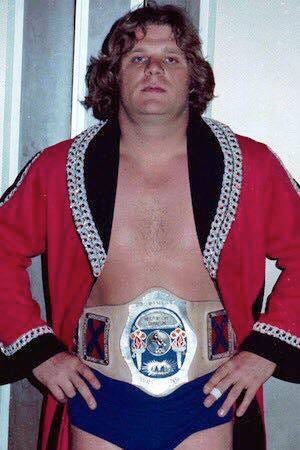
Pictured: Dick Slater, NWA Southern Heavyweight Champion (Florida version)
In 1983, promoter Jim Barnett (and later Jim Crockett) brought Slater to Mid-Atlantic Championship Wrestling, which evolved into World Championship Wrestling (WCW). Teaming with Orton Jr. under manager Gary Hart, the duo became one of the era’s most effective tag teams—bloody, violent, and high-impact. They feuded intensely with Flair, attacking him with an aided piledriver and collecting a bounty from then-NWA champion Harley Race to prevent Flair from challenging at Starrcade. At the inaugural Starrcade in 1983, Slater and Orton defeated Wahoo McDaniel and Mark Youngblood in a brutal match that helped establish the event’s legacy. Slater also held the NWA Mid-Atlantic Heavyweight Championship, NWA Television Championship, and NWA United States Heavyweight Championship. In a memorable act of defiance, he declared himself the “true” world champion during Flair’s reign, commissioning his own belt and feuding further with “The Nature Boy.”
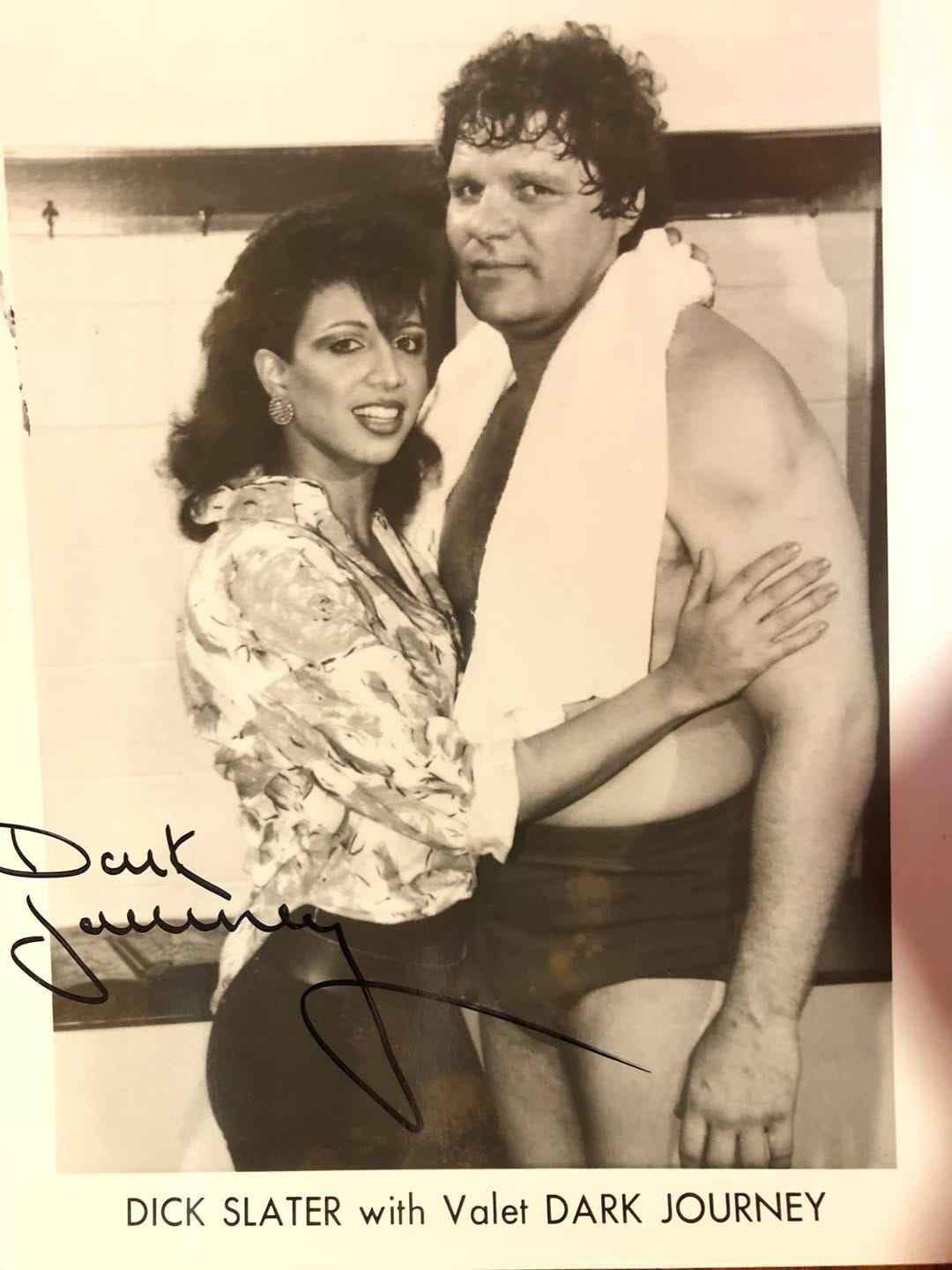
Exhausted from simultaneous bookings (including for Bill Watts, Joe Blanchard, and Paul Boesch), Slater moved to Mid-South Wrestling in 1985–1986. Managed by Dark Journey (Linda Newton, whom he reportedly discovered in an Atlanta strip club), he generated significant controversy and heat with an interracial storyline in a promotion featuring prominent Black talent. He feuded bitterly with Jake “The Snake” Roberts (who DDT’d Dark Journey) and captured the Mid-South North American Championship, Mid-South Television Championship, and UWF World Television Championship. Short tours of Puerto Rico’s World Wrestling Council rounded out this period.
A brief, ill-fated WWF run followed in 1986–1987 as the babyface “Rebel” Dick Slater, complete with Confederate flag gimmickry. He scored some wins (including over Mike Sharpe at The Big Event) but was mostly used as enhancement talent, losing quickly to Don Muraco on Saturday Night’s Main Event and clashing with Jake Roberts. The cookie-cutter schedule and lack of creative freedom led him to quit after roughly a year.
Slater found success in international tours with All Japan Pro Wrestling (1987–1990), teaming with Tommy Rich, Danny Spivey, and Joel Deaton in Real World Tag League and Champion Carnival events. He earned awards like the World’s Strongest Tag Determination League Excite Award (1990 with Deaton) and participated in high-profile challenges against Jumbo Tsuruta and others. A short AWA stint as a bodyguard for Curt Hennig also occurred around this time.
He returned to WCW (formerly Jim Crockett Promotions) in 1989 as part of the J-Tex Corporation stable with Gary Hart, Buzz Sawyer, The Great Muta, and Terry Funk. Feuding with Flair and Sting, the group delivered bloody, chaotic angles—including a controversial plastic-bag spot on Flair at Clash of the Champions VIII that reportedly got Slater fired temporarily. In 1991, he formed The Hardliners with Dick Murdoch, a gritty tag team that targeted the Steiner Brothers. Later, he allied with Greg Valentine and The Barbarian (winning the final WCW United States Tag Team Championship) before joining Colonel Robert Parker’s Stud Stable with Bunkhouse Buck in 1994. The duo won the WCW World Tag Team Championship from Harlem Heat in 1995, feuding with teams like the Nasty Boys and Stars ‘n Stripes. Slater’s final WCW run included the Rough ‘n Ready tag with Mike Enos and a BattleBowl appearance, ending with enhancement matches by late 1996.
Slater’s in-ring persona was defined by adaptability. Promoter Jim Barnett dubbed him “Mr. Unpredictable,” a nickname that fit: “You never knew what I was going to do in the ring,” Slater said. “If you wrestled the same style every single night, people would get bored.” He blended brawling, technical holds (swinging neckbreaker, Russian legsweep, figure-four), and psychology, often drawing comparisons to Terry Funk (with whom he lived, teamed in Japan, and coordinated stunts). Colleagues praised his toughness; Don Kernodle called him a “fighter,” not just a wrestler. Off-camera stories reinforced his legit-hardman image: allegedly knocking out 6’8”, 300-pound John Matuszak in a bar fight, cold-cocking Sting (and giving him a “swirly”) over rumored interest in Dark Journey, and being accidentally shot in the leg by Wahoo McDaniel during a bar altercation (Slater covered for him, claiming a sniper).
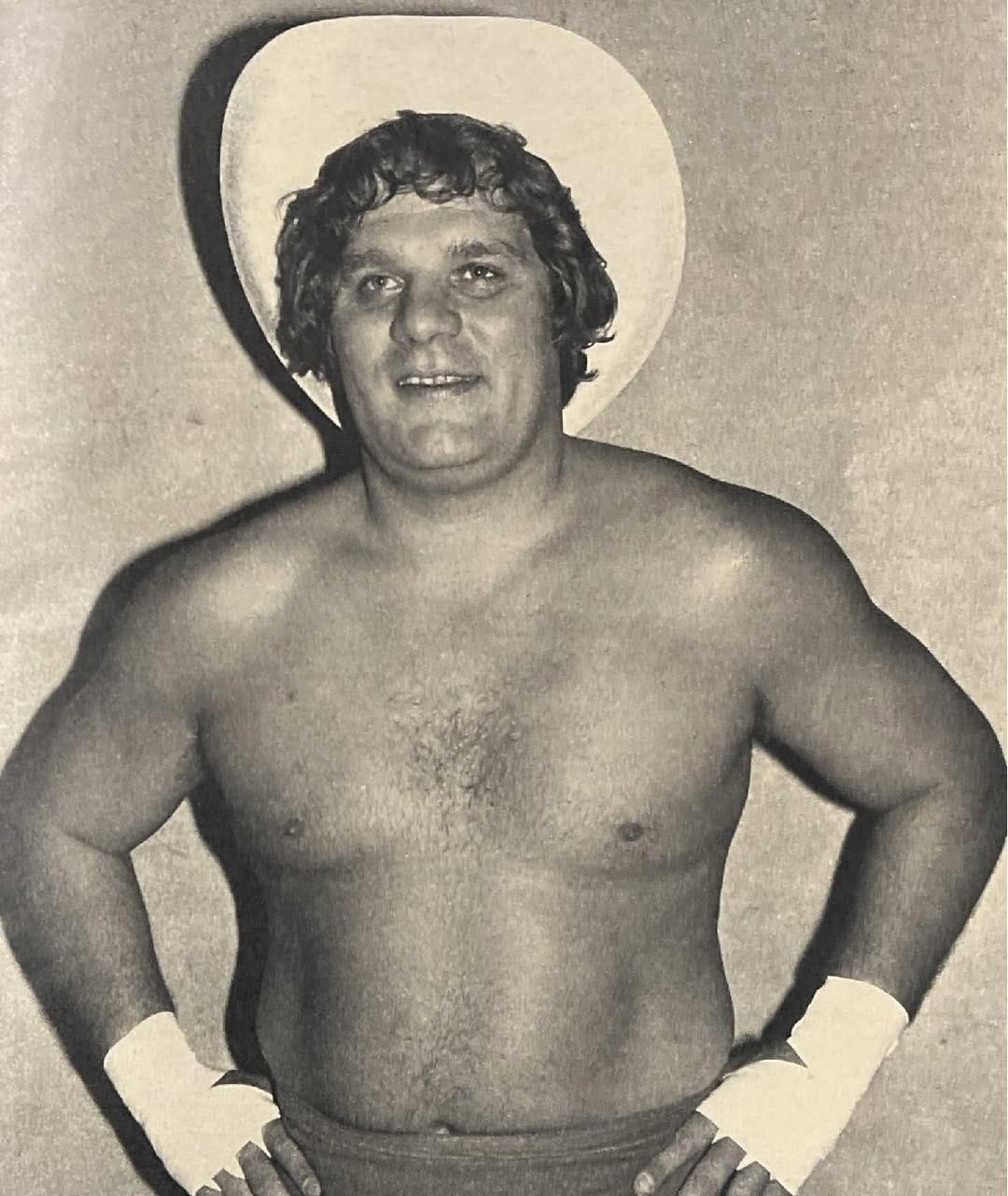
Slater retired in October 1996 at age 45 due to severe back problems that required multiple surgeries and eventually confined him to a wheelchair. He had accumulated more than two dozen singles and tag titles across territories.
Personal life details paint a picture of a complicated man. He had four brothers (George, Russell, James, Carl) and four half-sisters (Nancy, Donna, Sandra, Catherine), plus one daughter. Known for hard living, drinking, and a volatile temper, Slater’s post-wrestling years were difficult. Painkillers for his back became an issue. In 2003–2004, he was arrested after stabbing his ex-girlfriend Theresa Halbert multiple times (leg, arm, back) during a domestic incident; he blamed an overdose of pain medication. Convicted, he received one year of house arrest, two years’ probation, and restitution. By his final years, he lived in a nursing home in Largo, Florida, unable to care for himself fully.
On October 18, 2018, Slater died at 67 from heart complications. Tributes poured in from Ric Flair, WWE, the NWA, and peers who remembered his work ethic and unpredictability. As one obituary noted, his passing symbolized “the death of the old school”—the gritty, territorial era of bloody brawls, real heat, and larger-than-life tough guys who made wrestling feel dangerous and authentic.
Though never a national mainstream star like Flair or Hogan (his Tampa contemporary), Dick Slater exemplified what made territorial wrestling special: credibility, versatility, and a willingness to bleed for the business. His résumé of titles, memorable feuds (Flair, Roberts, Harlem Heat), and influence on younger talent cement his place as a Southern wrestling legend. In an industry that often forgets its territorial heroes, “Dirty” Dick Slater’s unpredictable legacy endures as a reminder of wrestling’s rough-and-tumble roots.
One Thing I Learned About Coloso Colosetti
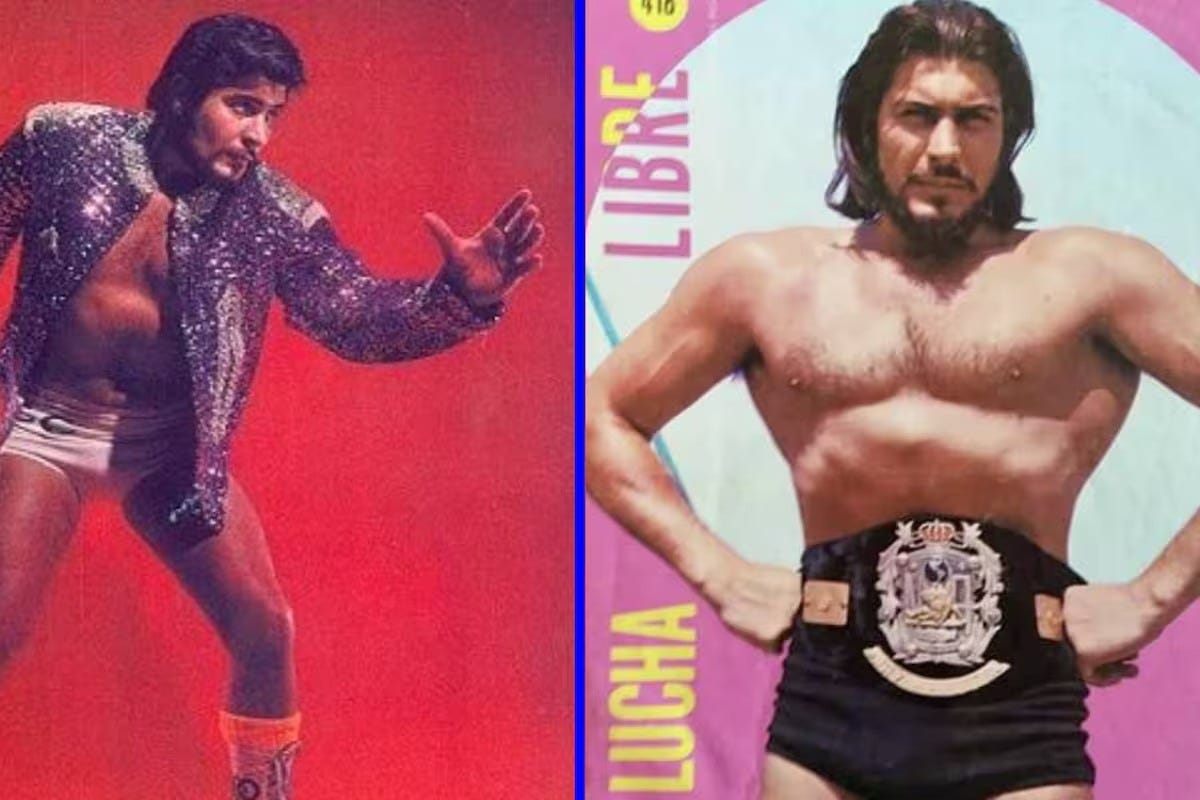
He was a luchador famous for winning the NWA World Light Heavyweight Championship from Ray Mendoza in 1968 and working extensively in Mexico, Southern California (NWA Hollywood), and beyond, also had a side career as an actor in several 1970s–80s Mexican wrestling/action films.
Notable credits include playing “El Asesino del Ring” in Santo vs. the TV Killer (1982) and roles in Los leones del ring (1974), Los leones del ring contra la Cosa Nostra (1974), and De sangre chicana (1974).
This cinematic crossover was common for top luchadores of the era but is a fun, lesser-mentioned aspect of his résumé alongside his in-ring achievements like multiple hair vs. hair losses and tag title runs.
Thank You for Reading
I’m Tony Richards, Pro Wrestling Historian, Author and Storyteller. I share pro wrestling historical items in each issue of the Time Tunnel Pro Wrestling History Newsletter. Thanks for reading! If you enjoy my information on select events, matches and insights, please share it with folks you think might like to be a subscriber!
Remember, premium investors get access to exclusive and special content such as some special issues including a multi-part deep dives on wrestling territories, wrestler bios and championship title histories, special audio and video interviews on territory pro wrestling and more available in the Pro Wrestling Time Tunnel for Premium Investors.