


Happy Birthday to those who have passed on and to those great wrestlers still with us:
In Memoriam:
Adam Weissmuller 1899
Karl Von Hess 1919
Gino Brito\Louis Cerdan 1941
Jimmy Snuka 1943
Edward White\Moondog King\Sailor White 1949
Gary Allbright 1963
Happy Birthday:
Tiger Conway, Jr. (73)
Brian Heffron\Blue Meanie (53)
Katz Hayashi (53)
Colten Gunn (35)
RIP Memorial: We stop & remember those who have passed on this day and gave themselves to the business for us, the fans. We salute you and thank you.
Tetsuo Higami 5-18-1972 at the age of 75

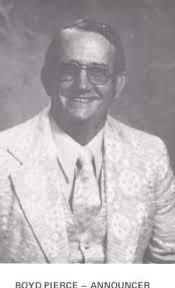
Boyd Pierce 5-18-1999 at the age of 70
Davey Boy Smith 5-18-2002 at the age of 39

Significant Debuts:
Keith Hart 5-18-1973 at the age of 20
7 Stages of The Territory Era Review
50 Year Flashback
Stage of the Territory Era: Stage 6: Fragmentation
Year 2: Spring 1976: May 1976
In the 7 Stages of the Territory Era model, Stage 6 represents Fragmentation: the peak of regional autonomy within the National Wrestling Alliance (NWA) framework and its outliers. By May 1976, the old territorial system had matured into a patchwork of self-contained fiefdoms. Each promotion operated with near-total independence, cultivating local heroes, villains, and storylines tailored to regional audiences while loosely honoring the NWA World Heavyweight Championship through talent exchanges and occasional title defenses. There was no national television dominance or cross-country expansion yet; instead, business thrived on geographic isolation, with promoters guarding their turf fiercely. Talent circulated selectively (often to refresh rosters without overexposure), but loyalty remained territorial. The NWA World Champion toured as a visiting attraction rather than a unifying force. This fragmentation sustained high local gates but sowed subtle vulnerabilities—regional stars rarely crossed borders for sustained feuds, injuries could cripple a territory’s main event scene, and closed-circuit spectacles hinted at future national ambitions. In May 1976, this dynamic played out vividly across North America and internationally, with strong but siloed business.
Northeast: WWWF (World Wide Wrestling Federation – Vincent J. McMahon)
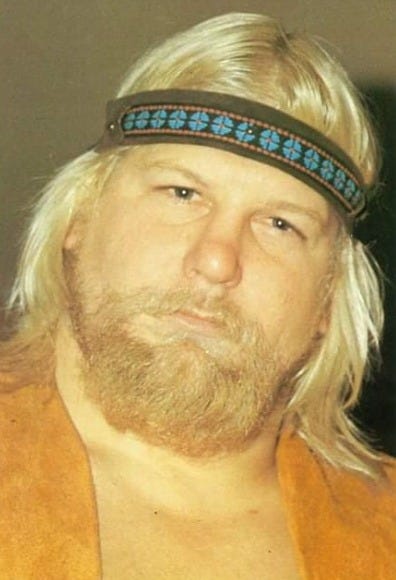
Pictured: Stan Hansen in 1976
The WWWF stood as one of the strongest non-NWA entities, its Northeast stronghold (New York, Pennsylvania, New England) drawing massive crowds on the strength of ethnic heroes and larger-than-life heels. May 1976 was defined by the ripple effects of WWWF World Champion Bruno Sammartino’s legitimate neck injury, suffered on April 26 at Madison Square Garden when Stan Hansen’s lariat botched a bodyslam. Bruno was largely sidelined through May, forcing substitutions and heightening the drama around his eventual return. 
Key programs centered on Hansen’s heat as the man who “broke Bruno’s neck.” On May 8 in Boston Garden, Hansen won a 20-man battle royal (eliminating Jose Gonzalez last with the lariat) and continued his rampage, while sub-main events featured him against tag champions. Superstar Billy Graham, fresh off a strong 1975-76 feud with Bruno, pressed his claims via count-out and blood-stoppage victories over substitutes like Gorilla Monsoon (May 1 in Providence; May 10 in Nassau Coliseum). The Executioners (Killer Kowalski and Big John Studd) emerged as dominant WWWF Tag Team Champions, trading wins with teams like Tony Parisi & Louis Cerdan and Haystacks Calhoun & Ivan Putski. Other angles involved Ernie Ladd’s power game, Skandor Akbar’s camel clutch, and Crusher Blackwell’s brawling.
Business remained robust despite the injury. Madison Square Garden on May 17 drew a 22,000 sellout, while the Philadelphia Spectrum on May 15 pulled 14,012. House shows in smaller venues (e.g., Scranton CYC on May 25 at 1,416; Highland Park on May 26 at 1,350) showed steady regional strength. Fragmentation was evident: the WWWF’s insular Northeast focus insulated it from NWA politics, but Bruno’s absence exposed reliance on one superstar.
Midwest: AWA (American Wrestling Association – Verne Gagne\Wally Karbo)
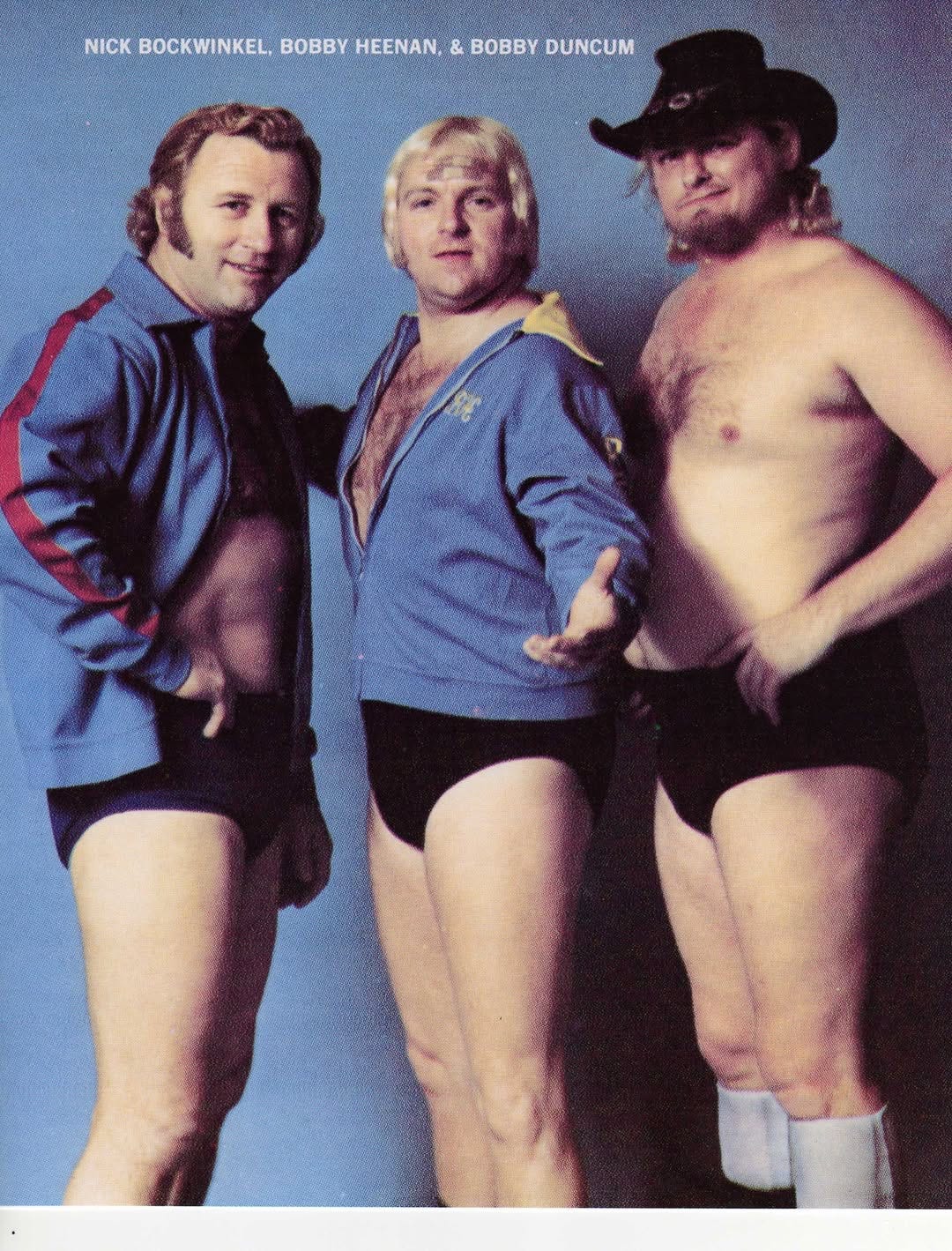
PicturedL Nick Bockwinkel, Bobby Heenan and Bobby Jaggers
The AWA’s Midwest territory (Minnesota, Wisconsin, Illinois, etc.) exemplified classic fragmentation through its emphasis on scientific wrestling and homegrown stars. AWA World Champion Nick Bockwinkel (who dethroned Gagne in November 1975) defended the title methodically in May. On May 4 in Omaha, he beat Chris Taylor in a Loser-Leaves-Town match; on May 8 in Minneapolis, Taylor scored a DQ win over Bockwinkel, while Bockwinkel fought Gagne to a double count-out. Other defenses and six-man tags pitted Bockwinkel (with manager Bobby Heenan and allies like Blackjack Lanza & Bobby Duncum) against The High Flyers (Greg Gagne & Jim Brunzell), The Crusher, and Baron Von Raschke.
Heenan’s managerial antics built long-term heat, foreshadowing the Heenan Family’s dominance. Programs stayed hyper-local—Midwest crowds cheered clean technical bouts over blood-and-guts brawls. Attendance was solid but not MSG-level; the territory’s isolation kept it self-sufficient yet limited national crossover.
NWA Territories: The Southern and Midwestern Heartland:
The NWA’s vast network showcased fragmentation at its purest—each promoter ran autonomous cards while the World Champion Terry Funk (who won the title from Jack Brisco in December 1975) made selective appearances as a touring draw.
The Carolinas and Virginia (Jim Crockett Promotions / Mid-Atlantic):
Tag team wrestling ruled. In May 1976, newcomer Dino Bravo teamed with veteran Tim Woods to dethrone the Minnesota Wrecking Crew (Gene & Ole Anderson) for the NWA World Tag Team titles (Mid-Atlantic version), only for the Andersons to regain them by late June. Wahoo McDaniel and Ric Flair feuded over the Mid-Atlantic Heavyweight Title in a summer-long program of stiff chops and figure-fours.
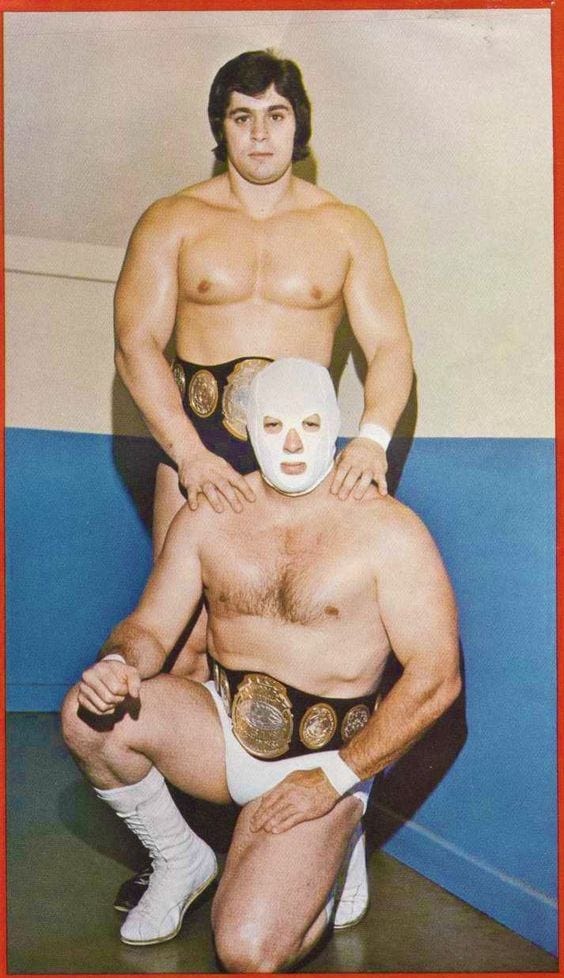
Pictured: Dino Bravo and Mr Wrestling (Tim Woods), NWA World Tag Team Champions
NWA World Tag Team Championship (Mid-Atlantic version): This was the hottest division. On May 5, 1976, in Raleigh, newcomer Dino Bravo teamed with veteran Tim Woods (Mr. Wrestling) to defeat the Minnesota Wrecking Crew (Gene & Ole Anderson) for the titles. The Andersons (with Ole wearing a cast from a real-life May stabbing incident by a fan in Greenville) regained them by late June, but the brief switch created massive heat and multi-man tag chaos.
Mid-Atlantic Heavyweight Championship: A intense, year-long program between Ric Flair (cocky, emerging Nature Boy heel) and Wahoo McDaniel (tough Native American babyface). They traded the title multiple times in 1976 through bloody, chop-heavy matches. In May, their feud peaked with frequent defenses, count-outs, and stipulations. (Flair won a key title vs. hair match later in the year.)
NWA United States Heavyweight Championship and TV Title: Paul Jones and Angelo Mosca were prominent in the US Title scene (Mosca had won the TV Title in April). Programs featured power clashes and grudge matches.Supporting programs included Rufus R. Jones (soulful babyface), Johnny Weaver, Swede Hanson, and others in undercard/tags. The Andersons’ real-life issues added backstage realism to their heel heat.
Attendance at key venues remained strong (Greensboro Coliseum routinely drew 8,000–11,000+ for big shows), supported by weekly TV that built heat through interviews and angle advancement. Ole Anderson’s cast was a visible storyline element into the fall.
JCP exemplified Stage 6 territorial strength in May 1976. Jim Crockett Jr.’s emerging leadership combined with classic Southern booking—tag title musical chairs, the Flair-Wahoo blood feud, and rugged multi-man tags—drove repeat business through personal grudges rather than heavy reliance on the touring NWA champion. The territory’s self-sufficiency (strong local TV, loyal Carolinas/Virginia crowds, selective talent exchanges) generated robust gates while preserving regional identity. Vulnerabilities included reliance on core stars (Wahoo, Flair, Andersons) and real-life incidents (Ole’s stabbing), but overall it thrived as a vibrant, independent NWA powerhouse—profitable, insular, and positioned for future growth into the 1980s SuperStation era. This captured the peak of fragmentation: autonomous regional kingdoms bound loosely by the NWA banner.
Gulas-Welch Tennessee Territory:
In the fragmented Territory Era of May 1976, Tennessee wrestling operated primarily under the Gulas-Wekch Wrestling Enterprises banner, centered in Nashville with Memphis as it’s largest city and the Mid-South Coliseum with spillover into Birmingham, HUntsville Chattanooga, Louisville and other towns. Promoters Nick Gulas and associates (including Jerry Jarrett) ran a self-contained operation emphasizing rugged Southern-style action, tag team wrestling, and blood feuds. The territory featured a mix of veteran heels, rising babyfaces, and comedy elements like wrestling bears, all tailored to local crowds without heavy reliance on the touring NWA World Champion Terry Funk (though he appeared sporadically elsewhere in the South). 
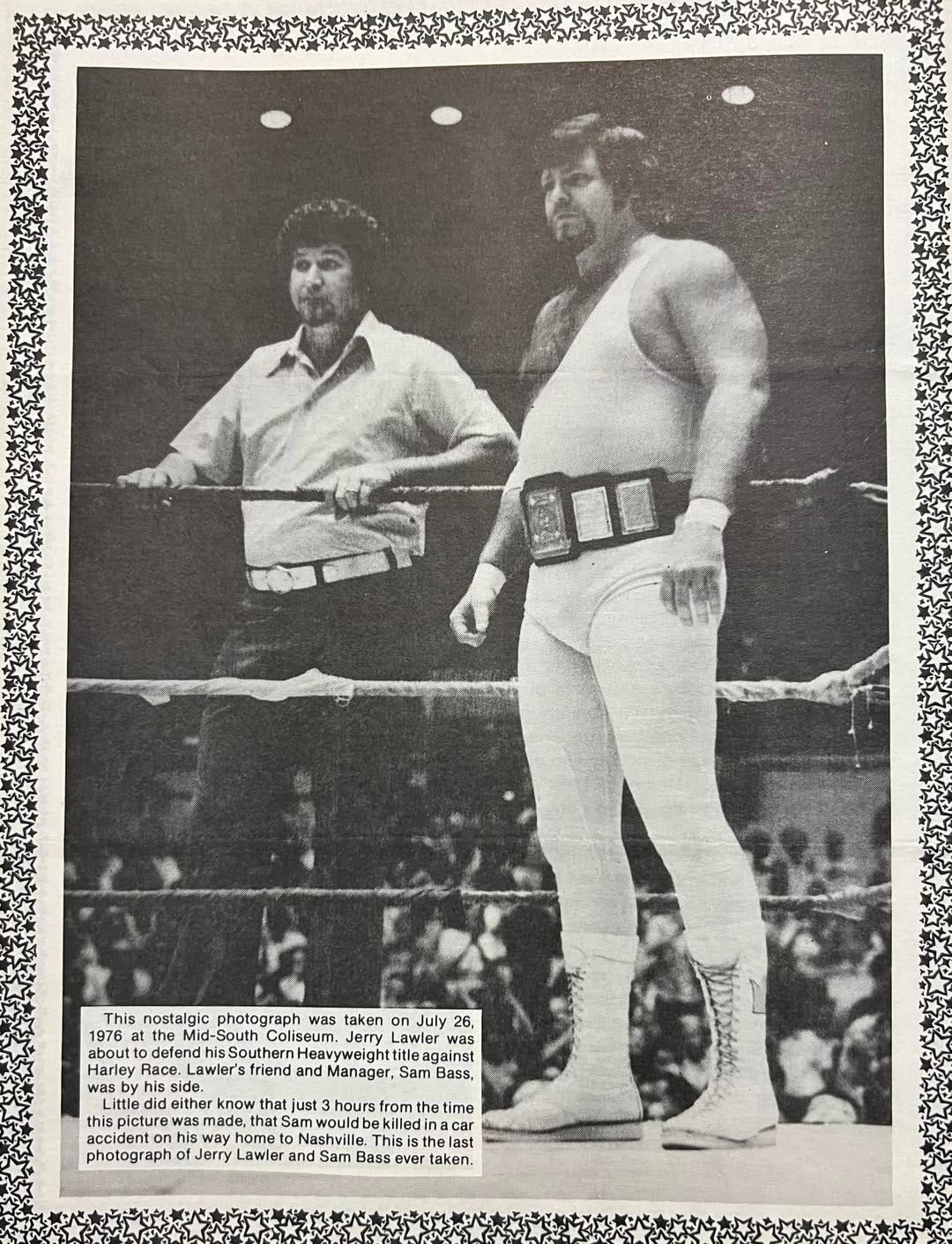
Pictured: Jerry Lawler, NWA Southern Champion with manager, Sam Bass
Jerry “The King” Lawler stood as the dominant figure and NWA Southern Heavyweight Champion for much of this period. His programs mixed power, charisma, and grudge matches, often involving tag partners or rivals like Plowboy Frazier (a big, brawling heel), Sam Bass (manager), and faces such as Tommy Rich, Bill Dundee, and Big Bad John. Tag team divisions were hot, with frequent title changes and DQ finishes building heat for rematches.
Lawler, as Southern Champion, worked both as a heelish champion and crowd-pleasing brawler. His alliance with Plowboy Frazier (who won the Southern Tag Titles with Lawler in mid-April) fractured in May, leading to direct confrontations. Sam Bass managed heels and added interference. Feuds with Tommy Rich (a young, athletic babyface), Bill Dundee, and Big Bad John emphasized generational and stylistic clashes (technical vs. power).
The tag teams were highly active with rapid title switches between teams like Lawler/Frazier, Dundee/Big Bad John, Don Greene/The Scorpion, and others (Bounty Hunters, Jarrett/Rich). DQ and no-DQ stipulations were common to protect finishes while building long-term heat.
Tommy Rich (rising star with TV promos), Tojo Yamamoto (veteran), The Bounty Hunters (masked heels), David Schultz (emerging), Eddie Marlin, Rosey Jones, Bearcat Brown, and comedy acts like wrestling bears or The Scorpion (masked). Women’s and undercard bouts filled cards but were secondary.
NWA Tri-State Oklahoma-Louisiana (McGuirk\Watts):
The dominant storyline in May 1976 involved Terry Funk’s bounties placed on top babyfaces Bill Watts and Dick Murdoch. Funk, as the itinerant NWA World Champion, portrayed an arrogant outsider who viewed the Tri-State stars as threats. This created intense personal heat, with heels like Killer Karl Kox claiming or pursuing the bounties, leading to wild brawls and interference-filled matches. Watts, a dominant power babyface and multiple-time North American Heavyweight Champion, anchored the territory as its biggest draw. Murdoch served as a tough, versatile ally/rival, often teaming with Watts or working in singles programs.
Attendance at key venues like Tulsa’s Expo Square Pavilion and Shreveport shows remained solid for the era (often 3,000–7,000+ depending on the card), supported by local TV that amplified the Funk bounty storyline and tag title chases. No major Superdome spectacles occurred in May (those came later in 1976), but the territory’s self-contained booking sustained consistent business without needing heavy national crossover.
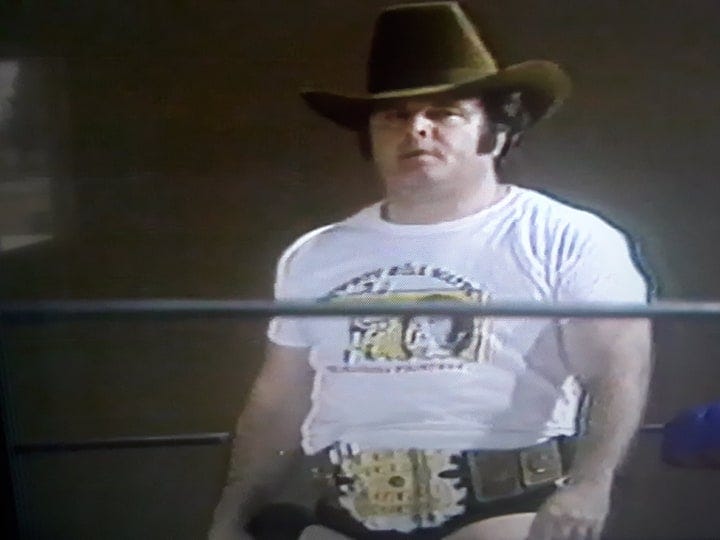
Pictured: Bill Watts, NWA North American Champion
NWA Tri-State exemplified Stage 6 strengths and limitations. McGuirk’s long-term control combined with Watts’ star power created a profitable, insular operation where local grudges (Watts vs. invading heels, tag title musical chairs) drove repeat attendance. Talent rarely strayed far for extended periods, preserving regional identity—Funk’s visits boosted gates as a special attraction rather than a weekly fixture. However, reliance on a few top draws like Watts made the territory vulnerable to injuries or departures. The loose NWA structure allowed McGuirk/Watts to prioritize Oklahoma-Louisiana storytelling over broader coordination, generating steady revenue through house shows and TV but foreshadowing the 1977–79 transitions that would see Watts take fuller control and rebrand as Mid-South.
Championship Wrestling From Florida:
Terry Funk appeared on TV and live events, defending against Sonny Rogers in a high-profile match emphasizing Funk’s resilience versus Rogers’ underdog fire. Dusty Rhodes remained a top babyface draw in multi-man tags and grudge matches. Centered in Tampa with strong shows in Orlando, Miami, Jacksonville, West Palm Beach, St. Petersburg, and other Florida venues, CWF emphasized realistic, blood-soaked storytelling, strong in-ring action, and long-term personal feuds under Gordon Solie’s authoritative announcing. The promotion operated with near-total autonomy, using the touring NWA World Heavyweight Champion Terry Funk sparingly as a special attraction while focusing on homegrown and regional stars. Talent rarely strayed far outside Florida for extended periods, preserving the territory’s insular identity.
Pictured: Dusty Rhodes
NWA Florida Heavyweight Championship: This was the territory’s flagship singles title and a key focal point. Jack Brisco held the belt entering May after regaining it on April 17, 1976. Bob Orton Jr. (often managed or teamed with his father Bob Orton Sr. or Bob Roop) positioned as the primary challenger with a cocky, rule-breaking cowboy heel style. Their program featured stiff technical exchanges mixed with brawling and interference.
Dusty Rhodes as Top Babyface Draw: “The American Dream” remained one of CWF’s biggest crowd-pleasers, working main events in multi-man tags, grudge matches, and occasional non-title shots against Funk. His charisma and brawling style contrasted with more scientific workers, building emotional investment through promos and bloody feuds.
Tag teams were highly active with teams like Eddie & Mike Graham (family loyalty angle), the Ortons (father-son heel tandem), Steve Keirn & others, and various combinations involving Dick Slater, Pak Song, or visiting talent. Title switches and DQs protected finishes while escalating rivalries.
CWF exemplified the strengths of territorial fragmentation: self-contained storytelling drove repeat business through personal grudges (Brisco-Orton, Rhodes vs. world/title contenders) rather than reliance on a single national champion. Eddie Graham’s booking—realistic kayfabe, strong finishes where possible, and family/tag emphasis—created a loyal regional audience. Talent circulation was selective (e.g., occasional Funk visits or crossovers with Georgia/Carolinas), keeping rosters fresh without dilution. Gates were solid but venue-specific, insulated from Northeast or Midwest trends. This model sustained profitability in May 1976 but highlighted vulnerabilities—reliance on stars like Rhodes and Brisco made the territory susceptible to injuries or departures. Graham’s role as NWA President (elected around this time) added prestige without disrupting local autonomy.
Georgia (Jim Barnett’s Georgia Championship Wrestling):
The Omni in Atlanta hosted strong cards with Mr. Wrestling II, Dick Slater, and the Andersons (when not in the Carolinas). Tag and singles programs stayed Georgia-centric, with Funk occasionally visiting. Georgia Championship Wrestling (GCW) was a premier NWA territory, anchored in Atlanta with strong cards at the Omni Coliseum, Macon Coliseum, and other venues like Columbus and Augusta. GCW emphasized athleticism, bloody feuds, tag team excellence, and Gordon Solie’s polished TV presentation on local stations (with WTCG beginning its path toward superstation status). The promotion ran autonomously, using NWA World Champion Terry Funk sparingly as a draw while centering on local stars and personal rivalries. Talent circulation was selective, often with crossovers to Florida or the Carolinas, but programs stayed Georgia-focused.
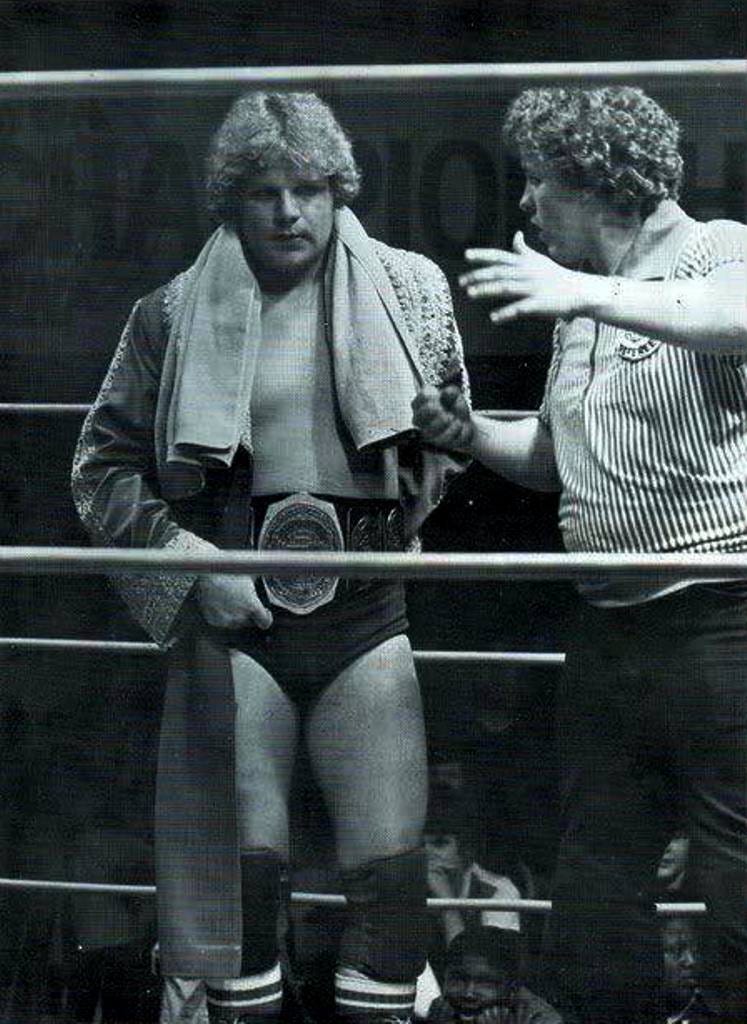
Pictured: Dick Slater, NWA Georgia Heavyweight Champion
Dick Slater held the NWA Georgia title for much of 1976 as a cocky, rule-breaking heel champion. He defended against top babyfaces like Mr. Wrestling II (Johnny Walker), whose masked everyman persona resonated strongly with crowds. Their program mixed technical wrestling with heated brawls. (Slater lost the title later in the year to Mr. Wrestling II on October 26 in Columbus.)
Tag teams like Ted & Jerry Oates, Les Thornton & Tony Charles, Black Gordman & The Great Goliath, and others vied for the NWA Georgia Tag Team Titles. Heels such as the Andersons (Gene & Ole, when in the area) or visiting talent added depth. Mark Lewin vs. The Spoiler (Don Jardine) and Gary Hart’s stable generated heat through disqualification finishes and post-match attacks. Dusty Rhodes appeared as a charismatic babyface draw in multi-man tags. Other programs involved power wrestlers like Stan Stasiak, Abdullah the Butcher, and The Sheik for variety.
Rick Martel (athletic babyface), Ken Mantell, Greg Valentine, Mr. Wrestling II, and veterans like Karl Von Steiger or Dean Ho rounded out cards. Andre the Giant often headlined battle royals as a special attraction.
GCW thrived as a self-contained fiefdom in May 1976. Local angles (Slater vs. Mr. Wrestling II, tag title tournaments, Lewin-Spoiler blood feuds) drove repeat business without heavy dependence on the touring NWA champion. Jim Barnett’s booking balanced athletic matches with Southern-style heat, while the Omni’s big cards (including battle royals and star-studded tags) boosted gates. Talent stayed mostly regional, with selective exchanges preserving the territory’s identity. This insular model generated consistent revenue but left it exposed to star injuries or departures. GCW’s TV reach (foreshadowing national expansion via WTCG) hinted at future shifts, yet in May 1976 it exemplified pure territorial fragmentation—vibrant, independent, and fiercely local under the NWA banner.
Central States (Bob Geigel\Pat O’Connor\Harley Race):
Kansas/Missouri area focused on regional heels versus babyfaces like Harley Race precursors; Funk’s visits boosted gates without disrupting local title scenes.Mike George entered May as NWA Central States champion (having won it on April 17 in Wichita). His reign featured defenses against rugged heels, culminating in a key title change. “Bulldog” Bob Brown, a tough veteran brawler and multi-time champion, positioned as the top challenger in a program built on chain matches and power clashes.
The NWA World Tag Team Championship (Central States version) highlighted the scene. Bob Geigel (promoter-wrestler) teamed with Akio Sato as champions for much of the period, defending in multi-man tags and against teams like The Super Intern, Ed Wiskoski, or visiting combos. Frequent switches and interference built weekly heat.
Other programs revolved around power vs. power (Brown/George), international heels (Sato, Otto Von Heller), and athletic babyfaces (Chris Taylor, Jim Brunzell crossovers). Battle royals and lumberjack matches added variety and protected finishes.
Central States exemplified territorial self-sufficiency in May 1976. Geigel’s dual role as booking office owner and occasional wrestler kept operations lean and family-like, with programs driven by repeatable local grudges (George-Brown chain matches, tag title defenses) rather than world title chases. Talent like Brown, George, Wiskoski, Sato, and Atlas stayed mostly regional, minimizing dilution while occasional visitors (Andre, Brunzell/Taylor) boosted gates as attractions. This model generated consistent but modest revenue through house shows, insulated from Northeast or Southern trends. Vulnerabilities included over-reliance on a small core roster and Geigel’s hands-on style, which sustained the territory through the 1970s but foreshadowed its later absorption by larger entities. In the fragmented landscape, Central States thrived as a proud, independent Midwestern outpost under the NWA banner—hard-hitting, title-focused, and fiercely local.
St. Louis Wrestling Club (Sam Muchnick)
Muchnick’s reputation for fair, athletic matches, credible finishes, and top-tier NWA talent helped maintain strong local interest in a fragmented territory era. The promotion centered on Kiel Auditorium for big house shows and the long-running Wrestling at the Chase.
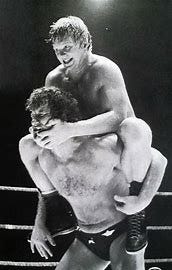
Pictured: NWA Missouri Champion, Bob Backlund rides NWA world Champion, Terry Funk with a rear chinlock
Bob Backlund had just captured the NWA Missouri Heavyweight Championship from Harley Race on April 23 at Kiel Auditorium (in a high-profile match where Backlund was positioned as a rising star). Backlund served as the promotion’s top babyface draw and Missouri champion throughout May, defending the title regularly while getting exposure against NWA World Heavyweight Champion Terry Funk (who had won the NWA title in December 1975 from Jack Brisco). This created natural cross-promotional appeal, as Muchnick frequently brought in out-of-territory stars like the Funks (from Amarillo), the Briscos (from Florida/Mid-Atlantic), Gene Kiniski, and others.
The promotion ran two Kiel Auditorium house shows and several Wrestling at the Chase TV tapings. Here are the key cards:
May 1 – Wrestling at the Chase (TV taping): Featured Bob Backlund vs. Wolf Wiskoski (DQ win for Backlund after interference by Lord Alfred Hayes), Gene Kiniski vs. Pat O’Connor (DQ), and undercard bouts with Omar Atlas and Akio Sato. This built heat on Hayes as a heel antagonist for Backlund.
May 7 – Kiel Auditorium (attendance: 4,680): Missouri Champion Bob Backlund def. Lord Alfred Hayes; Gene Kiniski def. Wilbur Snyder; Pat O’Connor & Ray Candy def. The Valiants via DQ; Greg Gagne (sub for Russ Francis) drew Baron Von Raschke; Blackjack Lanza def. Lanny Poffo (sub for Randy Poffo); Ronnie Etchison & Paul Christy def. Tank Patton & Gary Fulton (best-of-three falls). Attendance was modest, likely due to a less star-studded main event compared to other months.
May 8 – Wrestling at the Chase (TV taping): Backlund drew with Omar Atlas; Kiniski def. Gary Nevins; Pat O’Connor def. Lord Alfred Hayes by countout; Ray Candy & Akio Sato def. Wolf Wiskoski & Tank Patton.
May 9 (approximate; rare 8mm footage exists): Terry Funk & Bob Backlund teamed against Gene Kiniski & Roger Kirby in a notable tag match, highlighting the champion-level crossovers.
youtube.com
May 15 – Wrestling at the Chase (TV taping): Highlight was Gene Kiniski & Roger Kirby def. NWA World Champion Terry Funk & Missouri Champion Bob Backlund (Kiniski pinned Funk after the bell, leading to a post-match melee). This was a key angle to position Kiniski as a top threat and build tension between the world and Missouri title scenes. Other bouts included Lanny Poffo and undercard action.
May 21 – Kiel Auditorium (attendance: 7,656): The marquee event of the month. In the main event, Jack Brisco & Gene Kiniski def. NWA Champion Terry Funk & Dory Funk Jr. in a best-of-three-falls tag match with Pat O’Connor as special referee (a “dream match” featuring multiple former/current NWA champions and top talent). Missouri Champion Bob Backlund def. Roger Kirby; Harley Race def. Jerry Brisco; Wilbur Snyder & Ray Candy def. Killer Karl Krupp & Tank Patton (best-of-three); Hubert Gallant def. Buddy Wayne; Ronnie Etchison def. David Schultz. This card drew better and showcased Muchnick’s booking strength in assembling all-star lineups.
May 28 & 29 – Wrestling at the Chase (TV tapings): Backlund continued winning (def. Gary Fulton and Juan Zapata); Terry Funk appeared in title defenses/victories over Rico Pantera/Vic Rivera and Lanny Poffo; Kiniski and Roger Kirby featured prominently in handicap and singles action. These built toward June cards.
Business performance was respectable but variable. The May 7 show’s lower crowd (4,680) reflected a card without the absolute top draws in the main event, while the May 21 star-studded tag bout boosted attendance to 7,656—still below the 8,000–10,500 range for peak 1976 Kiel shows but competitive for the era. Muchnick’s model relied on television to sell tickets, and Wrestling at the Chase provided consistent weekly exposure that kept the territory viable amid coming growing national pressures (e.g., the rise of regional superstars and eventual cable TV expansion).
Booking emphasized athleticism and credibility. Matches were long, multi-fall, and focused on storytelling through interference, post-match angles (e.g., the May 15 melee), and special referees. Kiniski emerged as a central heel/challenger figure, frequently opposing both Backlund and the Funks. Backlund’s push as Missouri champion positioned him as a reliable main-eventer (he would hold the title until November, when Jack Brisco won it). The inclusion of future stars like Lanny Poffo (subbing for his brother Randy, later “Macho Man” Randy Savage) and undercard talent (Etchison, Candy, Sato) rounded out deep rosters without diluting the top matches.
St. Louis remained a “gold standard” territory under Muchnick—known for treating wrestlers and fans fairly—which helped it weather the fragmentation of the mid-1970s. Terry Funk’s world title reign brought national attention, and cross-territory dream matches (Funks vs. Brisco/Kiniski) exemplified the NWA’s cooperative spirit. In the bicentennial year, this era captured classic territory wrestling: regional pride, live events as community events, and no national TV dominance yet. Attendance and talent flow showed stability, though larger crowds would return later in the year.
Detroit Territory (Ed Farhat)
The Sheik-Bobo Brazil feud was the promotion’s cornerstone for years, frequently selling out Cobo Arena with blood-soaked matches. Bobo Brazil had been awarded the Detroit US Title on April 21 (after previous title situations), positioning him as the top draw. The Sheik, as both wrestler and promoter, booked himself strongly while bringing in talent like Don Kent, Pampero Firpo, Abdullah the Butcher, and undercard workers including future stars. The territory emphasized grudge matches, disqualifications to protect finishes, and post-match chaos to build heat for return bouts. Television (taped for local airings) hyped the violence and sold tickets to live events at Cobo Arena, the primary venue.
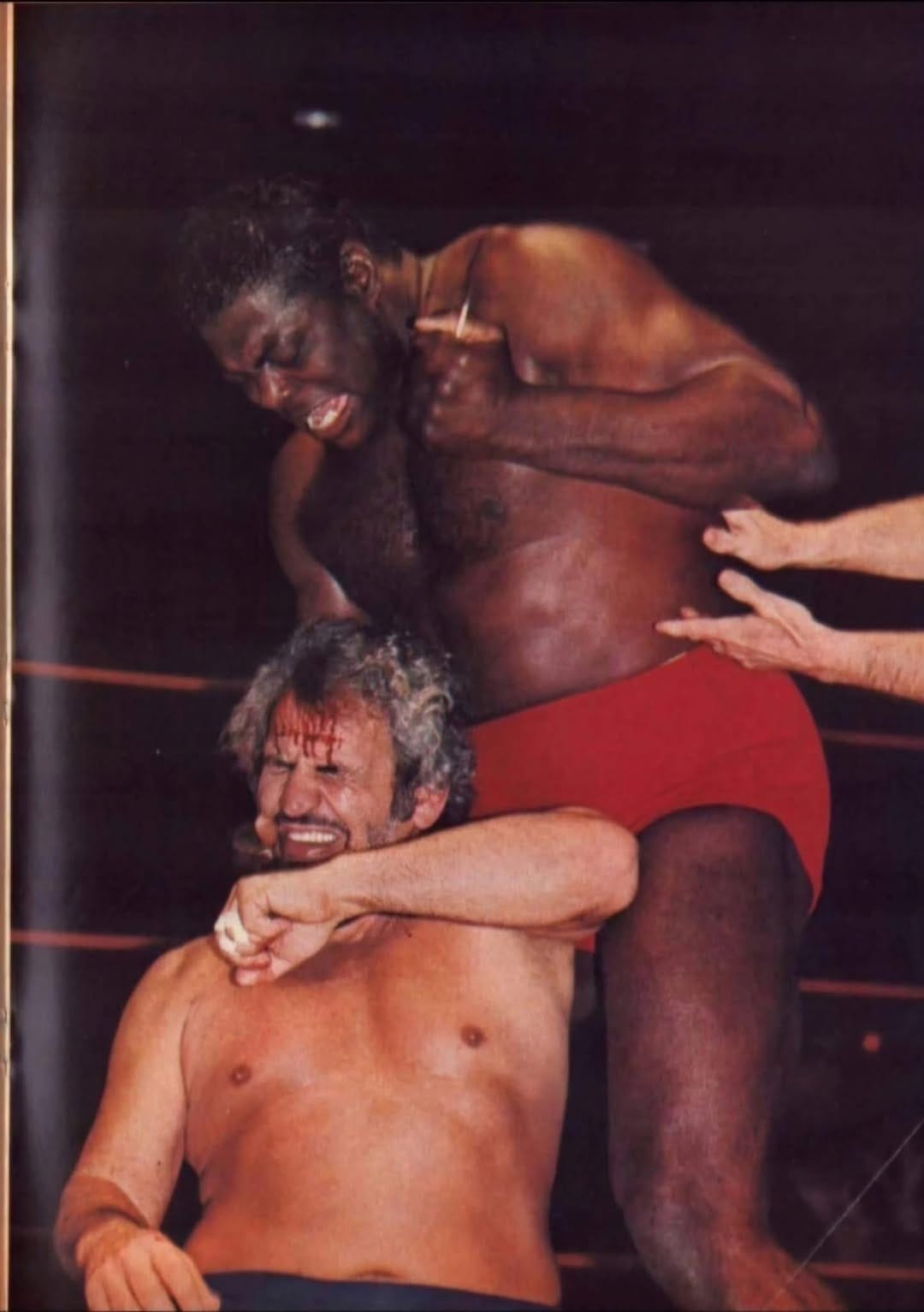
Pictured: Bobo Brazil turns the tables on The Sheik
Major Events and Results in May 1976Big Time Wrestling ran at least two notable Cobo Arena house shows, with the Sheik-Brazil program dominating. Full cards are sparse in archives, but key details include:
May 1 – Cobo Arena (attendance: 6,669): The Sheik defeated Bobo Brazil by disqualification in the featured bout (building directly toward the title switch). Undercard action featured Randy Poffo (later “Macho Man” Randy Savage) defeating John Ruffin; Canadian Wildman defeated Gary Fulton; Lord Athol Layton defeated Canadian Wildman; Rip Hawk defeated Pepe Villa. Attendance was respectable for a non-title main event, reflecting steady interest in the ongoing feud.
May 15 – Cobo Arena (main event title change): In the marquee match, The Sheik defeated Bobo Brazil to win the NWA United States Heavyweight Championship (Detroit version)—his ninth reign with the belt. This was the month’s biggest angle, reigniting their blood feud with classic Sheik tactics (fire, blood, and mayhem). Specific undercard details are limited in surviving records, but the title switch was the clear focus and drew well as a blowoff to recent programs.
No other major title changes occurred. The Sheik held the US Title through the rest of the month (and well into the year), using it as a focal point for defenses and multi-man brawls. Talent like Don Kent, Pampero Firpo, and Abdullah the Butcher likely rounded out cards with tag and singles hardcore-style matches typical of the promotion.
Business performance was solid and feud-driven. The May 1 attendance of 6,669 showed consistent turnout even without a title on the line, while the May 15 title match likely boosted gates further (exact figures for the 15th are not widely archived but aligned with Cobo’s capacity for big Sheik-Brazil draws in the era). Big Time Wrestling thrived on the Sheik-Brazil dynamic, which had been a money machine for over a decade. In the mid-1970s, before national expansions and cable TV eroded territories, Detroit maintained viability through live arena violence and local TV—though crowds were generally smaller than peak years, the promotion stayed competitive in the Midwest NWA landscape.
Booking emphasized brutality and personal grudges. Matches were designed for heat: long, bloody brawls with frequent DQs, weapons (chairs, fire, foreign objects), and post-match beatdowns. The Sheik’s “Mad Arab” gimmick—complete with fireballs and blood—contrasted Brazil’s powerhouse babyface style, creating classic good-vs-evil storytelling. Young talent like Randy Poffo added depth to undercards without overshadowing the main attractions. Special stipulations and interference protected the top stars while funneling fans back for rematches. This hardcore approach predated the “extreme” era and gave Detroit a distinct identity compared to more scientific territories.
Detroit was one of the NWA’s grittier outposts, succeeding through The Sheik’s dual role as promoter/wrestler and his willingness to bleed for business. The May 15 title change kept the Sheik-Brazil saga alive, sustaining momentum into summer. In the bicentennial year, amid rising competition from other promotions and the slow shift toward nationalization, Big Time Wrestling exemplified classic territory wrestling: regional loyalty, violent spectacle, and a core feud that sold tickets without needing outsiders. The promotion remained stable, though larger national changes (like the eventual WWF expansion) would challenge it later.
Indianapolis Territory\WWA (Dick Afflis\Wilbur Snyder)
The WWA World Heavyweight Championship was held by Pepper Gomez heading into the month. The tag team scene was hotter: Bruiser and The Crusher had recently lost the WWA World Tag Team Titles to Ox Baker and Chuck O’Connor (later Big John Studd) in March. May fell during Indy 500 season, so Bruiser typically scaled back big Indianapolis shows to avoid competing with the race crowds and traffic. Booking focused on grudge matches, cage stipulations, loaded objects (like the Strangler’s headbutt), and interference-heavy finishes to protect stars and drive return business. The roster mixed veterans (Bruiser, Snyder, Gomez) with undercard talent and AWA imports.
Major Events and Results in May 1976
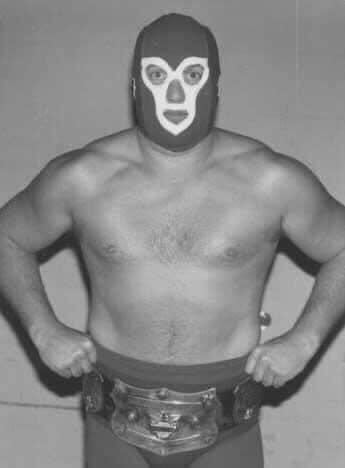
Pictured: The Masked Strangler (Guy Mitchell) WWA World Heavyweight Champion
The promotion ran a limited but impactful schedule, highlighted by one major Indianapolis card. Confirmed key shows included:
May 1 – Market Square Arena, Indianapolis (double title change main events): This was the month’s flagship show despite the usual May slowdown. In the WWA World Heavyweight Title match, The Masked Strangler (Guy Mitchell) defeated Pepper Gomez (c) using a loaded headbutt to win the championship (his first of two reigns). In the co-main, WWA World Tag Team Titles Cage Match: Dick the Bruiser & The Crusher defeated Ox Baker & Chuck O’Connor (c) to regain the belts (their sixth reign together as a team), with a stipulation that the loser of the fall had to leave town. O’Connor bled heavily after a cage spot, adding to the hardcore atmosphere. Undercard included: Wilbur Snyder def. Blackjack Heddon; The Bounty Hunters (David Novak & Jerry Novak) def. Bobby Bold Eagle & Steve Regal; 16-Man Battle Royal won by Art Thomas; and a non-title AWA World Heavyweight Title match where Nick Bockwinkel (c) defeated Art Thomas. The card drew a respectable but not sellout crowd (estimates around 5,000, considered disappointing for the double title switch).
May 9 – Armory, Indianapolis: A follow-up show featuring Bruiser & Wilbur Snyder defeating The Millers (Bill & Dan Miller) in a tag match. Other bouts included undercard action with talents like Angelo Poffo and Nicoli Volkoff. This kept momentum from the May 1 title changes without a major headline shift.
Smaller regional dates (e.g., May 14 in Mississinewa, IN) featured Bruiser in main events against midcard heels, but full cards are not well-documented. No additional Indianapolis house shows occurred mid-month due to the Indy 500 focus.
No further title changes took place in May. The Strangler began a lengthy 308-day reign as WWA champion, while Bruiser & Crusher held the tag titles until August (when they lost them to the Bounty Hunters).
Business performance was steady but challenged by timing and economics. The May 1 card at Market Square Arena provided a solid gate through the dual title switches, but overall May attendance reflected the seasonal dip (Bruiser’s deliberate light scheduling around the Indy 500). Houses in early 1976 had been running in the 4,000–5,000 range for non-holiday shows—respectable for a mid-sized independent territory but flat compared to peak years. Local TV and the AWA crossover (Bockwinkel’s appearance) helped sell tickets without needing national stars every week. The promotion stayed viable by running smaller towns when Indy was unavailable.
Booking emphasized physicality, realism, and long-term feuds. Matches were gritty and violent: cage bouts with real blood (O’Connor’s artery injury on May 1 became ringside lore), loaded foreign objects, and double DQs or countouts to protect finishes. Bruiser’s powerhouse brawling style anchored the main events, often pairing him with The Crusher for tag dominance, while Snyder added scientific credibility in midcard and tag roles. The Strangler’s masked heel persona created instant heat as the new champion. Undercards featured future or regional talent (Bounty Hunters, Paul Christy) without diluting the top draws. This formula kept the territory distinct from more athletic NWA promotions like St. Louis or the hardcore extremes of Detroit.
Overall, May 1976 was a transitional but stable period for WWA under Bruiser and Snyder. The May 1 card served as the pivotal moment, delivering excitement and new champions while navigating seasonal constraints. It highlighted the promotion’s resilience and old-school appeal in an era before cable TV and national expansions changed everything. Fan memories and surviving clips often recall these bloody Indianapolis shows as quintessential 1970s territory action.
Texas (Dallas / Amarillo – Fritz Von Erich’s Big Time Wrestling / NWA Western States Sports)
Dallas, Ft Worth, San Antonio, Corpus Christi and Houston:
In the Dallas Big Time Wrestling Territory, Fritz served as the iron-fisted promoter and top star, centering programs around his “Iron Claw” persona, family legacy (with sons like David beginning involvement), and brutal Texas-style brawls. The territory covered Dallas/Ft. Worth (Sportatorium and Will Rogers Coliseum), Houston, San Antonio, Corpus Christi, and other stops, running autonomously under the NWA banner. Talent stayed mostly regional with selective crossovers, while NWA World Champion Terry Funk appeared as a special attraction. Local TV and weekly house shows built long-term grudges without national TV exposure. Fritz headlined as the top babyface, emphasizing power and the Iron Claw hold. His programs focused on revenge against invading heels, often in DQ or no-DQ finishes to protect clean pins while building heat.
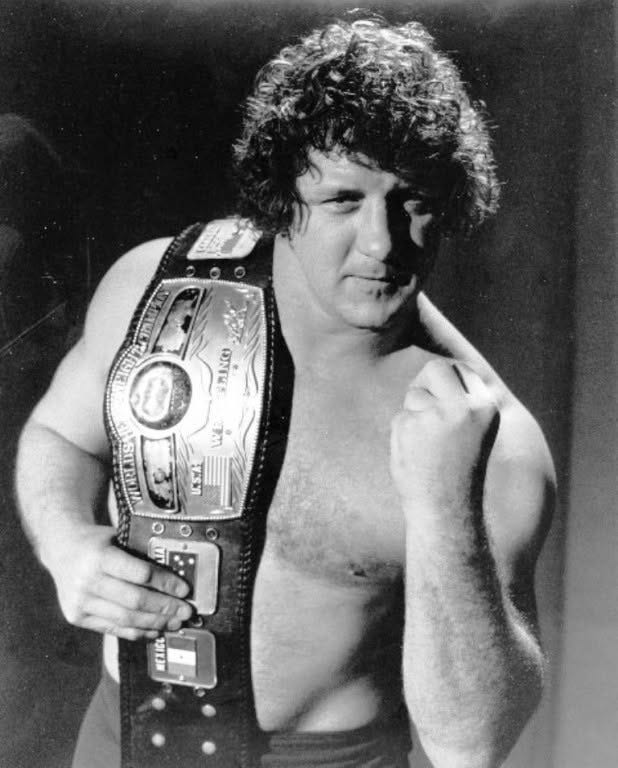
Pictuured; Terry Funk, NWA World Champion
Key Heel antagonists included the Mongolian Stomper (a massive brawler), Lord Alfred Hayes (arrogant British heel), J.J. Dillon (managerial interference), Killer Brooks, Paul Perschmann (later Buddy Rose), and others like Don Fargo. These created personal, blood-feud-style rivalries.
Babyfaces underneath included Jose Lothario (charismatic veteran), Rocky Johnson (athletic powerhouse), Chief Peter Maivia, Red Bastien, and Francisco Flores anchored undercards and tags. Emerging talents filled mid-card roles.
The Dallas Territory under Fritz exemplified territorial self-sufficiency and family-driven loyalty. In May 1976, gates remained strong through repeatable local grudges (Fritz/Stomper, Lothario/Perschmann) rather than constant world title reliance—Funk visits were bonuses. The multi-city circuit (Dallas-Ft. Worth-Houston-San Antonio-Corpus Christi) maximized revenue with minimal talent dilution, as wrestlers stayed regional. This model thrived on geographic isolation and personal storytelling but sowed seeds for later expansion (e.g., the 1980s WCCW boom with Kevin, David, and Kerry). Vulnerabilities included reliance on Fritz’s star power and heel stability. Overall, it stood as a vibrant, independent NWA kingdom in the fragmented landscape—profitable, insular, and fiercely Texan.
Amarillo, Odessa, Lubbock, El Paso, Abilene:
The Amarillo Territory covered key stops including Amarillo, Lubbock, Odessa, Abilene, El Paso, and smaller towns like Hereford. The Funks (Dory Jr. and Terry Funk) anchored the territory as top stars, blending technical prowess, brawling, and family loyalty angles. Programs emphasized rugged Texas-style action: brass knuckles matches, cage/fence matches, battle royals, and frequent title switches to drive weekly house show attendance. The promotion ran autonomously under the NWA banner, with NWA World Champion Terry Funk (their relative) appearing as a special attraction rather than a weekly fixture. Talent stayed largely regional, with selective visitors boosting gates.
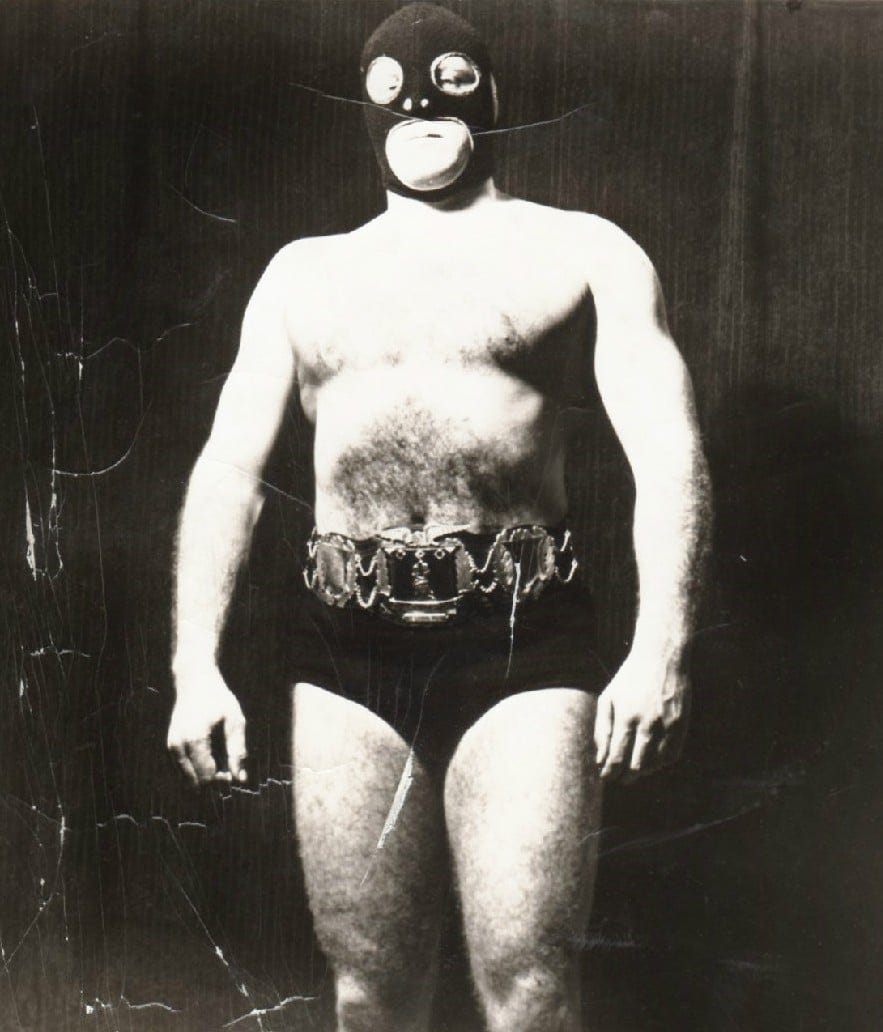
Pixtured: The Super Destroyer (Art Nelson)
The major program of Dory Funk Jr. & Super Destroyer (Art Nelson): A heated, ongoing rivalry featuring disqualifications, draws, and title implications. Dory often worked as the resilient babyface against the masked/powerful heel Destroyer.
Tag Team Division (NWA Western States Tag Team Titles): Highly active with rapid changes. Teams like Scott Casey & Reggie Parks (The Avenger), Bobby Jaggers & Randy Tyler, and others traded the belts, building heat through interference and multi-man tags.
Other Supporting Feuds: Ricky Romero (athletic babyface) vs. heels like Hank James, Randy Tyler, and Bobby Jaggers. Scott Casey in power programs. Visitors like Dick Murdoch, Andre the Giant, and others added variety. Battle royals were common attractions. Along with women’s and undercard Action had occasional bouts (e.g., Sylvia Hackney) and mid-carders like The Lawman, Joe Palardy, Wayne Hammer, El Tartaro, and Frank Goodish filled cards.
The Amarillo territory thrived on its self-contained circuit in May 1976. Weekly rotations across towns (often the same roster moving nightly) maximized efficiency and repeat business through personal grudges and stipulations. Attendance at venues like the Amarillo Sports Arena, Lubbock Fair Park Coliseum, and Odessa venues was solid for the era, driven by local TV, Funk family star power, and attractions like Andre the Giant or visiting world champion Terry Funk. This insular model—minimal national crossover, rapid tag title turnover, and rugged brawls—exemplified Stage 6 strengths: loyal regional audiences and steady gates without dilution. Vulnerabilities included reliance on the Funks and vulnerability to injuries, but in May 1976 it remained a vibrant, independent West Texas kingdom under the NWA umbrella.
West Coast: San Francisco (Roy Shire), Los Angeles (Eaton\LeBell), and Portland (Don Owen)
San Francisco / LA: Roy Shire’s Big Time Wrestling:
Roy Shire’s Big Time Wrestling (NWA San Francisco) remained one of the NWA’s premier West Coast operations. It centered on the iconic Cow Palace in Daly City (near San Francisco) with spillover shows in Oakland, San Jose, Sacramento, Fresno, and other Northern California venues. Shire’s promotion emphasized athleticism, bloody feuds, strong tag team action, and star power, delivered via local TV with announcers like Hank Renner. The territory operated autonomously, with selective talent exchanges (often with Los Angeles or touring NWA stars) while focusing on homegrown and regional draws. NWA World Champion Terry Funk appeared occasionally as a special attraction.
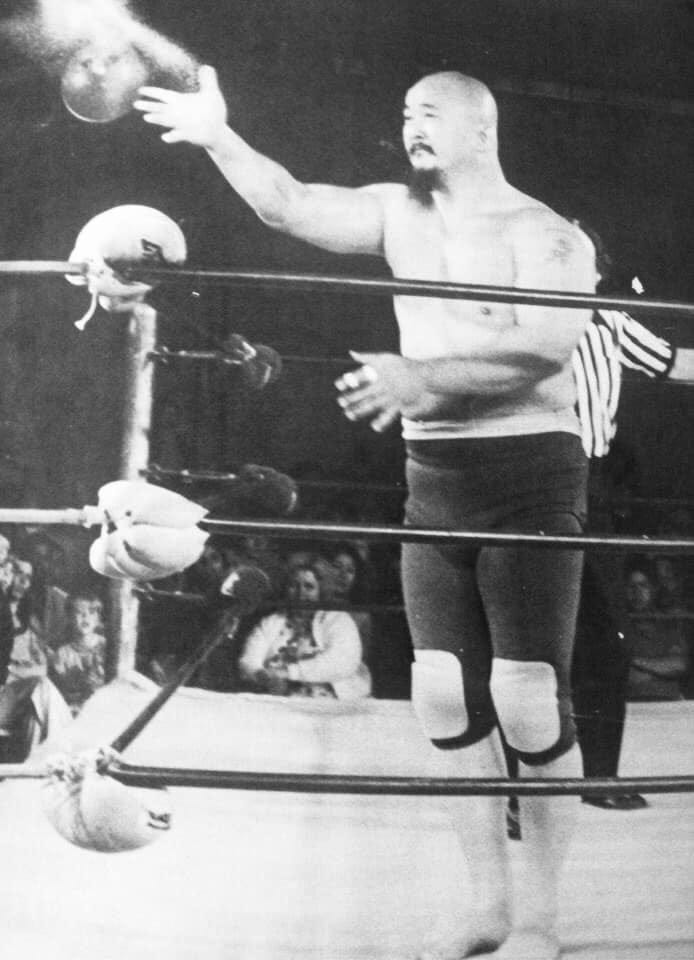
Pictured: The Great Fuji, NWA United States Champion (San Fraancisco)
The NWA United States Heavyweight Title (San Francisco version) was the hey focus with the “Great” Fuji (Mr. Fuji) holding the title as a crafty, rule-breaking heel champion. He defended against top babyfaces like Ray Stevens (a legendary local star known for his suplexes and brawling) in multi-fall matches that built long-term heat.
NWA World Tag Team Championship (San Francisco version had frequent changes and challenges defined the division. Teams like Pat Patterson & Tony Garea (athletic babyface duo) targeted heels such as Don Muraco & Invader 2 (Kurt Von Steiger), using interference and double-team spots to escalate rivalries. Some of the key feuds and programs featured power vs. athleticism clashes, with stars like Rocky Johnson (charismatic powerhouse), Al Madril, Pedro Morales, and visiting international talent. Battle royals remained a Shire signature (though the big annual one occurred in January, won by Mr. Fuji).
Some of the key supporters Included Sgt. LeBeouf, Pepe Lopez, Rock Riddle, Invader 1 (Rocky Montero), women’s tag teams, and mid-carders providing variety. Women’s bouts and undercard tags filled out strong cards.
San Francisco thrived as a self-contained powerhouse in May 1976. Shire’s booking balanced big-match spectacle (Cow Palace main events) with regional house show consistency, driving repeat business through repeatable feuds (Fuji-Stevens, tag title chases) rather than constant reliance on the touring NWA champion. Talent like Patterson, Stevens, Fuji, Muraco, and Johnson stayed mostly loyal to the territory, minimizing dilution while selective visitors boosted gates. This insular model generated strong revenue in Northern California’s isolated market but highlighted vulnerabilities—reliance on a few headliners and Shire’s hands-on style. In the broader fragmented landscape, Big Time Wrestling stood as a vibrant, independent NWA kingdom: athletic, star-driven, and fiercely regional under the Cow Palace lights.
Los Angeles\NWA Hollywood:
Centered at the historic Grand Olympic Auditorium in downtown Los Angeles, with occasional spillover shows in nearby arenas like the Los Angeles Sports Arena or San Diego venues, the territory emphasized athletic lucha-influenced action, bloody personal feuds, tag team excellence, and celebrity-style spectacle. LeBell’s promotion ran with full autonomy under the NWA banner, recognizing the touring NWA World Heavyweight Champion Terry Funk only as an occasional special attraction. Local TV (featuring the legendary voice of Dick Lane) and weekly Olympic cards built long-term heat without national exposure or heavy talent bleed to other regions.
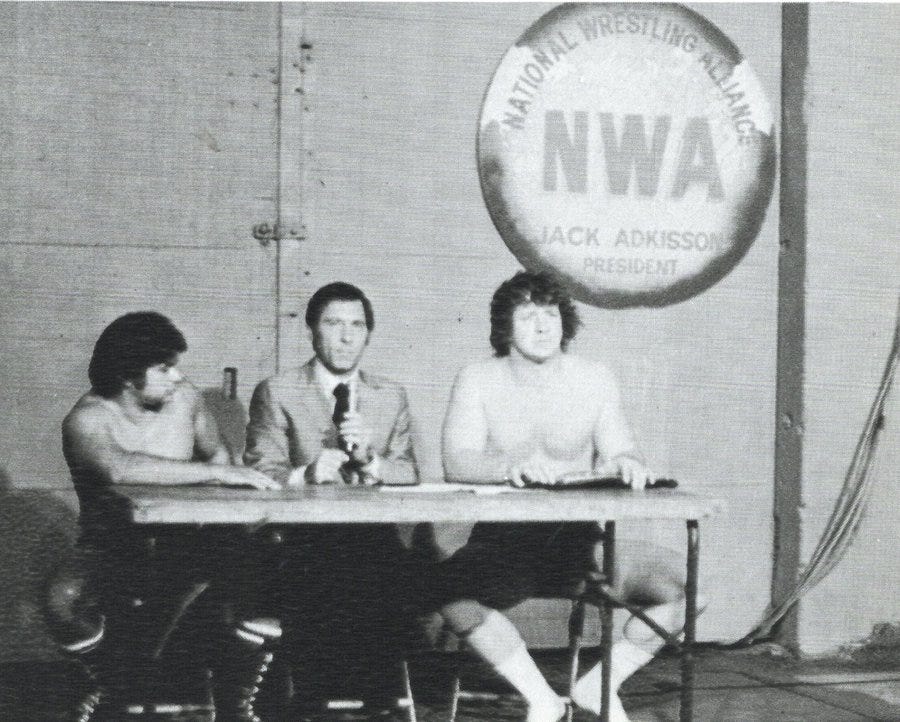
Pictured: Chavo Guerrero, Sr, Gene LeBell and NWA Champion Terry Funk
The NWA Americas Heavyweight title was the primary championship and Chavo Guerrero Sr. entered May as champion after defeating Roddy Piper on April 23, 1976 (in a program that included a high-profile hair-vs-hair match where Piper lost his hair, adding massive personal heat). Chavo’s reign as a resilient, high-flying babyface champion ran through all of May, with defenses and grudge matches against heels like Piper (continuing their rivalry) and Crusher Verdu (who ultimately dethroned him on June 11). The program mixed technical exchanges, brawls, and interference, drawing strong crowds through family pride (Chavo often teamed or supported by father Gory Guerrero).
NWA Americas Tag Team Championship revolved around a highly active division with rapid turnover. Roddy Piper & Crusher Verdu held the belts into mid-May (or around that timeframe), feuding with teams involving Chavo Guerrero & Butcher Vachon, Black Gordman & The Great Goliath, and others. DQ finishes and multi-man tags escalated rivalries week-to-week. Other key fueds included ongoing heat between the Guerrero family (Chavo & Gory) and invading heels like Piper, Verdu, and veterans such as John Tolos or Ernie Ladd. Power brawls featuring “Big Cat” Ernie Ladd, Greg Valentine, and international-style workers. Battle royals remained a signature draw (a major 1976 Olympic Auditorium battle royal featured Andre the Giant, Java Ruuk/Johnny Rodz, Chavo Guerrero, Pat Patterson, Ernie Ladd, John Tolos, Roddy Piper, Greg Valentine, Black Gordman, The Great Goliath, and others; Java Ruuk won in a surprise upset—exact date not pinned to May but reflective of the era’s big-event style). 
Mid-card and undercard talent included Larry Zbyszko, Victor Rivera, Butcher Vachon, and rising or visiting stars for variety. NWA World Champion Terry Funk made selective appearances for title defenses or cross-promotional boosts, but the territory’s storytelling stayed hyper-local. Throughout May, Chavo Guerrero Sr. defended the NWA Americas Heavyweight Title in main events against challengers like Roddy Piper (rematches building on the April hair loss) and Crusher Verdu (positioning for the June title switch). These were typically 2-out-of-3-falls or no-DQ bouts to protect finishes while extending heat.
Tag title action revolved around Piper & Verdu’s reign, with challenges from Guerrero family combinations or teams like Black Gordman & The Great Goliath. Supporting bouts featured Gory Guerrero in tags or singles, athletic showcases with Pat Patterson or Larry Zbyszko, and multi-man scrambles. Battle royals or handicap matches often headlined mid-month shows as special attractions. Olympic Auditorium crowds remained solid for the era, fueled by weekly TV promos, Guerrero family loyalty, and Piper’s emerging heel charisma (fresh off his hair loss angle).
NWA Hollywood exemplified Stage 6 territorial fragmentation at its peak. LeBell’s insular booking—centered on repeatable local grudges (Guerrero-Piper blood feuds, tag title musical chairs, Guerrero family pride)—drove consistent Olympic Auditorium gates without reliance on the national NWA champion or cross-territory invasions. Talent like the Guerreros, Piper, Verdu, Tolos, and Ladd stayed regionally loyal, preserving SoCal identity while selective visitors (Andre, Funk) boosted special-event business. This self-sufficient model generated strong regional revenue through live events and local TV but left the territory vulnerable to star departures or injuries. In May 1976, it thrived as a proud, independent NWA outpost: athletic, family-driven, and fiercely local under the Olympic lights, insulated from Northeast, Midwest, or Texas trends.
Portland (Pacific Northwest):
Don Owen’s territory featured Dutch Savage’s influence (he bought in during 1976) and stars like Buddy Rose precursors. Programs were hard-hitting Pacific Northwest style—stiff, regional, with minimal national bleed-over. The Portland territory was centered at the Portland Sports Arena (a renovated bowling alley), with cards rotating through Portland, Eugene, Salem, Seattle (as Dutch Savage expanded into Washington that year), and smaller Pacific Northwest stops, the territory emphasized stiff, hard-hitting action, blood feuds, and strong tag team wrestling. Owen’s reputation for fair payoffs attracted talent, but programs remained hyper-local with minimal national crossover. NWA World Champion Terry Funk appeared sparingly as a special attraction.
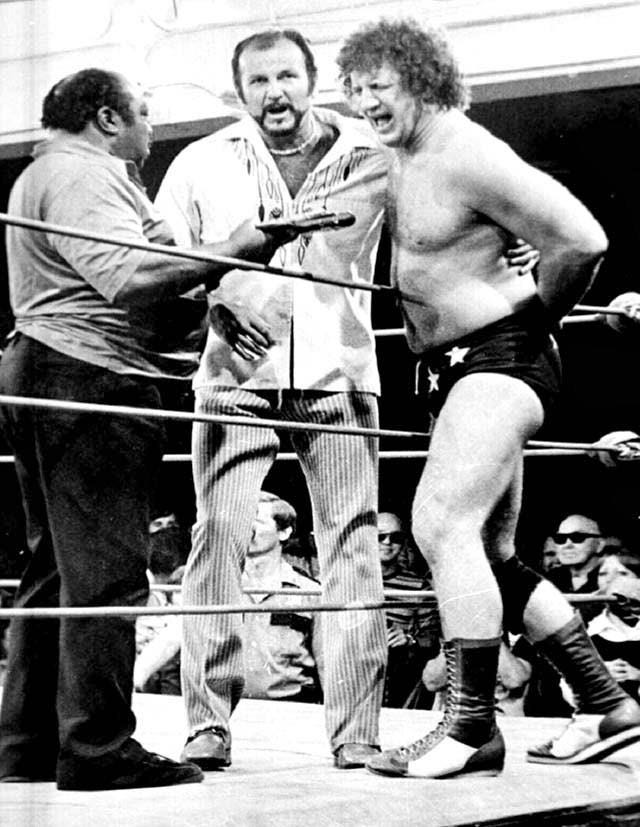
Pictured: Shag Thomas returns the belt to NWA World Champion Terry Funk, as friend Ducth Savage consoles him
Dutch Savage (The Flying Dutchman) held the NWA Pacific Northwest title throughout May 1976. He won it on April 3 from Jesse Ventura and defended it successfully into the summer (losing it back to Ventura on July 16 in Eugene). Savage’s programs mixed brawling, promos, and grudge matches against power heels. The NWA Pacific Northwest Tag Team Championshipm was extremely active with rapid turnover. In spring/early summer 1976, Jesse Ventura & Bull Ramos (Apache Bull Ramos) dominated as a formidable heel tandem, capturing the titles multiple times around April–June. They feuded with babyface combinations involving Dutch Savage, Jimmy Snuka (when in the area), and others.
PNW under Don Owen thrived as a proud, independent territory in May 1976. Owen’s hands-on, honest approach and the Portland Sports Arena as a focal point created loyal regional audiences who responded to rugged, repeatable storylines (Savage’s title defenses, Ventura/Ramos heel dominance) rather than constant world title visits. The addition of Dutch Savage as a partner expanded reach into Washington while preserving autonomy. This model generated steady gates through house shows and TV, insulated from Northeast (WWWF), Midwest (AWA), or Southern NWA trends. Vulnerabilities included a relatively small core roster and reliance on key draws like Savage, but the territory’s isolation and strong payoff reputation made it a stable fragment in the NWA patchwork—vibrant, hard-edged, and fiercely Pacific Northwestern.
International Territories: Canada, Mexico, Japan, Australia/New Zealand
Ontario: Maple Leaf Wrestling (Frank Tunney – Toronto)
Frank Tunney’s Maple Leaf Wrestling, headquartered at the iconic Maple Leaf Gardens, stood as Canada’s highest-profile promotion. It frequently imported WWWF talent (due to Tunney’s strong relationship with Vince J. McMahon) alongside NWA stars, blending ethnic heroes, big men, and bloody heels for sellout crowds.
The Key Event in May: The May 2, 1976 show at Maple Leaf Gardens was cancelled due to WWWF World Champion Bruno Sammartino’s neck injury (suffered April 26 vs. Stan Hansen). This highlighted the territory’s reliance on visiting superstars and the ripple effects of injuries in a fragmented system. 
Typical programs featured:
• The Sheik (Ed Farhat) as a hated invading heel, often in bloody no-DQ matches.
• Babyfaces like Whipper Billy Watson (veteran draw), Tiger Jeet Singh, and imports such as Killer Kowalski, Ox Baker, or Waldo Von Erich.
• Tag action and multi-man brawls.
Business remained strong overall, with Gardens cards routinely drawing 10,000–18,000 in the 1970s when headliners were available. Tunney’s operation exemplified fragmentation: self-sufficient in Ontario but dependent on cross-border talent without deep NWA integration.
Alberta: Stampede Wrestling (Stu Hart – Calgary)
Stu Hart’s Stampede Wrestling dominated Western Canada (Calgary, Edmonton, and prairie towns), known for its rigorous “Dungeon” training system and hard-hitting, athletic style. In May 1976, the promotion ran weekly cards emphasizing family involvement (Hart brothers like Bret, Owen, and Keith in early roles) and tough regional workers.
Major angles included:
• Stampede North American Heavyweight Championship defenses, often featuring heels like Gil Hayes, The Cuban Assassin, or power wrestlers against babyfaces such as Dan Kroffat (Cowboy), Archie Gouldie (Mongolian Stomper when visiting), or Hart family allies.
• Tag team and battle royal action with international flavor (Japanese or European visitors via NWA ties).
Specific May 1976 cards are sparsely documented publicly, but the territory maintained a consistent circuit with strong local gates. Stu Hart’s hands-on booking created a self-contained ecosystem that produced future stars while drawing loyal prairie audiences. It operated independently, with occasional NWA World Champion Terry Funk appearances as a bonus attraction.
Quebec: Grand Prix Wrestling / Transitional Montreal Scene
Montreal/Quebec wrestling in 1976 was in flux. Grand Prix Wrestling (associated with promoters like George Cannon and earlier figures) featured stars like Andre the Giant (who gained major North American exposure here), Don Leo Jonathan and French-Canadian heroes such as the Rougeaus or Yvon Robert Jr..
• Programs mixed technical wrestling, high-flying, and brawls, often at venues like the Verdun Auditorium.
• By mid-1970s, rivalries with emerging groups (prefiguring International Wrestling) created competitive fragmentation within Quebec.
Andre the Giant frequently headlined, drawing big crowds in his “home away from home.” Talent exchanges with Toronto and the U.S. kept rosters fresh, but the territory remained insular and focused on local ethnic appeal.Quebec: Grand Prix Wrestling / Transitional Montreal Scene
Montreal/Quebec wrestling in 1976 was in flux. Grand Prix Wrestling (associated with promoters like George Cannon and earlier figures) featured stars like Andre the Giant (who gained major North American exposure here), Don Leo Jonathan, Jean Ferre, and French-Canadian heroes such as the Rougeaus or Yvon Robert Jr..
• Programs mixed technical wrestling, high-flying, and brawls, often at venues like the Verdun Auditorium.
• By mid-1970s, rivalries with emerging groups (prefiguring International Wrestling) created competitive fragmentation within Quebec.
Andre the Giant frequently headlined, drawing big crowds in his “home away from home.” Talent exchanges with Toronto and the U.S. kept rosters fresh, but the territory remained insular and focused on local ethnic appeal.Quebec: Grand Prix Wrestling / Transitional Montreal Scene
Vancouver Territory (NWA All-Star Wrestling)
In the fragmented Territory Era of May 1976, NWA All-Star Wrestling (often called NWA Vancouver) operated as a strong, independent Pacific Northwest promotion based in Vancouver, British Columbia. Promoted primarily by Sandor Kovacs and Gene Kiniski (with ties to Portland’s Don Owen through Northwest Wrestling Promotions), it ran weekly cards at venues like the Vancouver Coliseum (or PNE Agrodome) and rotated through British Columbia towns. The territory emphasized stiff brawling, tag team excellence, and personal blood feuds, with a mix of veteran heels, athletic babyfaces, and international flavor. It maintained loose NWA affiliation, using Terry Funk sparingly as a touring world champion attraction.
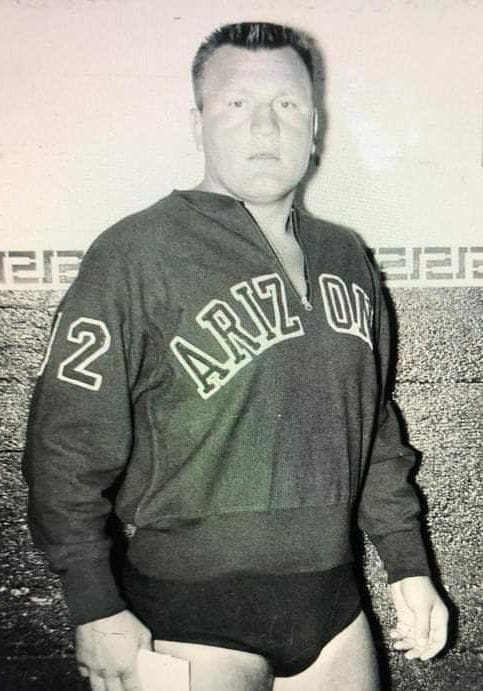
Pictured: Gene Kiniski
Major Angles and Programs
• NWA Pacific Coast Heavyweight Championship: Kinji Shibuya (a crafty, rule-breaking Japanese heel) held the title after winning it on March 8, 1976. He defended it through May against babyfaces like Don Leo Jonathan, George Wells, and others in programs built on cultural clashes and interference. 
• NWA Canadian Tag Team Championship (Vancouver version): A highly active division. On May 17, 1976, John Quinn & Kinji Shibuya defeated the previous champions to win the titles. This marked a key heel tandem shift, with Quinn (a powerful newcomer/heel) and Shibuya generating heat through arrogant tactics. Earlier in the year, teams like Dean Higuchi (Ho) & George Wells were prominent until Higuchi lost a Loser Leaves Town match to Shibuya, escalating personal rivalries.
Key Feuds:
• Shibuya vs. Higuchi (culminating in the Loser Leave Town stipulation).
• John Quinn’s rising heel push, positioning him for a July world title shot against Funk.
• Programs involving veterans like Gene Kiniski, Don Leo Jonathan, and supporting talent such as Carlos Rocha, Siegfried Steinke, and multi-man tags and battle royals provided variety.
Vancouver All-Star Wrestling thrived as a self-contained Canadian West Coast kingdom in May 1976. Kovacs/Kiniski’s booking focused on personal rivalries (Shibuya-Higuchi, emerging Quinn push) and active tag/singles titles rather than heavy dependence on the touring NWA champion. This model generated consistent revenue in British Columbia’s isolated market, insulated from Toronto, Calgary, or U.S. trends. Vulnerabilities included reliance on key veterans and the small roster size, but the territory’s reputation for stiff action and fair payoffs sustained it as a vibrant fragment in the broader NWA and Canadian landscape.
Mexico:
Mexico City: EMLL (Empresa Mexicana de la Lucha Libre)
EMLL (later CMLL), founded in 1933, was the world’s oldest wrestling promotion and the clear leader. It ran flagship weekly cards at Arena México (the “Cathedral of Lucha Libre,” capacity ~16,500) and Arena Coliseo, plus tours across Mexico. Booking focused on técnico (babyface) heroes vs. rudo (heel) villains, with strong emphasis on trios (three-man tags) and apuesta matches.
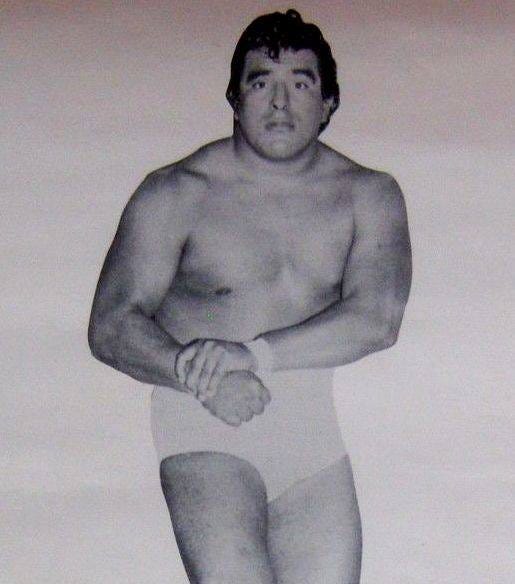
Pictured: El Halcon, Mexican National HEavyweight Champion
Key Angles and Programs:
• Mexican National Titles: These were central. El Halcón defended the Mexican National Heavyweight Championship in programs against power rudos like Gran Markus. Other active titles included Welterweight, Middleweight, and Lightweight divisions.
• Top Stars: Mil Máscaras (high-flying masked icon and international draw), El Santo (cultural legend, though less active in-ring by 1976), Blue Demon, Perro Aguayo (rising rudo with charisma), Fishman, Alfonso Dantés, Ringo Mendoza, El Faraón, Mano Negra, and Gran Markus.
• Trios and Feuds: Frequent multi-man tags featuring rival factions. Apuestas builds (masks vs. hair) generated massive heat.
Specific May 1976 cards are sparsely documented in public archives (typical for the house-show era), but programs revolved around title defenses at Arena México’s Friday “Super Viernes” shows and mid-week Coliseo cards. Attendance remained strong, driven by local TV and the cultural importance of lucha libre.Mexico City: EMLL (Empresa Mexicana de la Lucha Libre)
EMLL (later CMLL), founded in 1933, was the world’s oldest wrestling promotion and the clear leader. It ran flagship weekly cards at Arena México (the “Cathedral of Lucha Libre,” capacity ~16,500) and Arena Coliseo, plus tours across Mexico. Booking focused on técnico (babyface) heroes vs. rudo (heel) villains, with strong emphasis on trios (three-man tags) and apuesta matches.
Key Angles and Programs:
• Mexican National Titles: These were central. El Halcón defended the Mexican National Heavyweight Championship in programs against power rudos like Gran Markus. Other active titles included Welterweight, Middleweight, and Lightweight divisions.
• Top Stars: Mil Máscaras (high-flying masked icon and international draw), El Santo (cultural legend, though less active in-ring by 1976), Blue Demon, Perro Aguayo (rising rudo with charisma), Fishman, Alfonso Dantés, Ringo Mendoza, El Faraón, Mano Negra, and Gran Markus.
• Trios and Feuds: Frequent multi-man tags featuring rival factions. Apuestas builds (masks vs. hair) generated massive heat.
Specific May 1976 cards are sparsely documented in public archives (typical for the house-show era), but programs revolved around title defenses at Arena México’s Friday “Super Viernes” shows and mid-week Coliseo cards. Attendance remained strong, driven by local TV and the cultural importance of lucha libre.
Naucalpan / Mexico State: UWA (Universal Wrestling Association)
Founded in 1975 by Ray Mendoza, Francisco Flores, and Benjamín Mora Jr. as an EMLL breakaway, UWA positioned itself as a fresher alternative with international ambitions. It ran at El Toreo de Cuatro Caminos (Naucalpan) and other venues, emphasizing bigger men, foreign invaders, and emerging stars. By May 1976 it was building momentum (its 1st Anniversary Show occurred earlier in 1976).
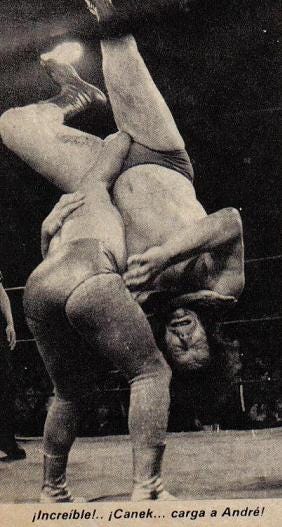
Pictured: El Canek bodyslams Andre The Giant
Key Angles and Programs:
• Early pushes for talents who would later become legends, including El Canek (bodybuilder-style powerhouse in his rise) and others breaking from EMLL.
• International-style matches and trios, with occasional U.S. or Japanese crossovers.
• Opposition to EMLL created competitive fragmentation, though UWA was still in its formative phase.
UWA ran weekly cards with TV tapings (one documented around mid-May), focusing on building new rivalries separate from EMLL’s established hierarchy.
Broader Mexican Scene
• Regional Circuits: Smaller promotions or EMLL/UWA house show loops covered Guadalajara, Monterrey, Tijuana, and provincial arenas. These featured local stars and touring EMLL talent, maintaining the same trios/apuestas focus.
• NWA Ties: Nominal only—Mexican champions like those holding NWA World Light Heavyweight or Welterweight belts defended them selectively, but domestic titles drove most business.
Business Context in Fragmentation (Stage 6): Mexican lucha libre thrived as a culturally self-contained ecosystem in May 1976. EMLL’s dominance through Arena México spectacles and UWA’s emerging challenge created vibrant internal competition without U.S.-style territorial borders. Programs relied on masked identities, family legacies, and high-stakes apuesta matches to drive repeat attendance, insulated from North American trends. Talent loyalty to Mexico preserved the unique high-flying style and massive local popularity. Vulnerabilities included limited international exposure (beyond occasional tours) and reliance on star power like Mil Máscaras. Overall, Mexico exemplified Stage 6 fragmentation at its cultural peak: autonomous, tradition-rich kingdoms operating proudly on their own terms under loose NWA recognition.
Japan:
Japanese pro wrestling operated as a fiercely competitive national duopoly defined by the post-1972 split between All Japan Pro Wrestling (AJPW) and New Japan Pro-Wrestling (NJPW). Both promotions were founded after the collapse of the Japan Wrestling Association (JWA), creating a classic “promotion war” with no talent crossover, separate TV deals, and distinct styles. AJPW remained the loyal NWA affiliate, emphasizing traditional NWA-style wrestling, clean finishes, and international title defenses. NJPW pushed a more athletic, martial-arts-influenced “strong style” under Antonio Inoki’s vision. Programs stayed hyper-local to each promotion, with stars rarely (if ever) appearing on the rival’s cards. The NWA World Heavyweight Champion Terry Funk toured selectively as a special attraction, primarily with AJPW. Major arenas in Tokyo (Korakuen Hall, Sumo Hall, Budokan) and Osaka drove business, supported by weekly TV and house show loops.
All Japan Pro Wrestling (AJPW – Giant Baba)
AJPW, founded by Giant Baba in 1972, was the NWA’s primary Japanese outpost. It ran weekly cards and multi-city tours, focusing on power wrestling, tag team excellence, and international gaijin (foreign) invaders. The Champion Carnival—AJPW’s flagship round-robin tournament—had just concluded its 1976 edition in late April/early May.

Pictured: Giant Baba, PWF Heavyweight Champion
Key Angles and Programs:
• PWF Heavyweight Championship: Giant Baba was the dominant champion and top draw, defending against contenders like Jumbo Tsuruta (his protégé and rising star) in high-profile singles and tag matches.
• NWA World Heavyweight Championship appearances: Terry Funk made selective defenses as the touring NWA champion, building heat as the arrogant American heel against Japanese babyfaces.
• Tag Team Action: Baba & Jumbo Tsuruta frequently teamed as the top babyface duo against gaijin heels like Abdullah the Butcher, The Sheik, or other visitors.
• Supporting Roster: Included Genichiro Tenryu (early in his career), Mitsuharu Misawa precursors, and veterans like Motoshi Okuma or foreign talent.
Attendance at major shows remained strong, driven by Baba’s star power and the prestige of NWA involvement.
New Japan Pro-Wrestling (NJPW – Antonio Inoki)
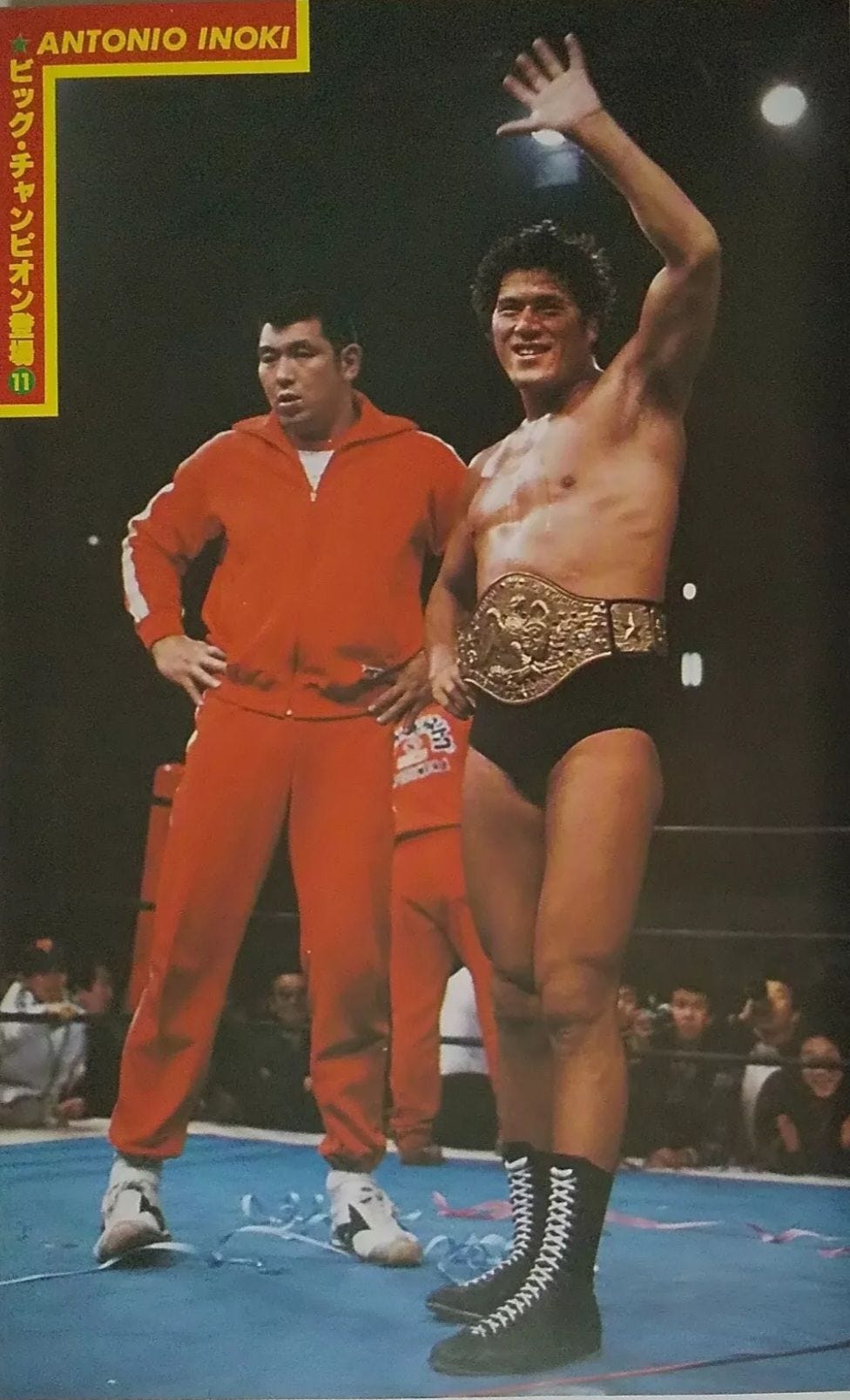
Pictured: Seiji Sakagucji, 1976 World LEague Champion, Antonio Inoki, NWF World Heavyweight Champion
NJPW, founded by Antonio Inoki in 1972, emphasized “strong style” (stiff strikes, submissions, and martial-arts realism). It ran its own tours and focused on Inoki’s larger-than-life persona alongside a deep roster of athletic workers. In May 1976, the promotion was riding momentum from its annual World League tournament.
Key Angles and Programs:
• NJPW World League Tournament: The 3rd annual edition culminated on May 11, 1976, at Tokyo Metropolitan Gymnasium. Seiji Sakaguchi defeated Pedro Morales by count-out in the final to win the tournament, solidifying Sakaguchi as a top contender and elevating the promotion’s athletic credibility.
• Antonio Inoki’s Martial-Arts Push: Inoki positioned himself as a real-fighting icon. Heavy buildup was already underway for his June 26 closed-circuit “war” against Muhammad Ali (the famous boxer vs. wrestler match), with Inoki facing judoka and other martial artists in special-rules bouts to hype realism.
• Tag and Singles Feuds: Programs featured Seiji Sakaguchi, Strong Kobayashi, Kantaro Hoshino, and gaijin like Killer Karl Krupp or Victor Rivera. Tag divisions and multi-man tags built around factional rivalries.
• Supporting Roster: Included young talents like Tatsumi Fujinami (early push) and veterans anchoring undercards.
No significant third promotions existed; the AJPW–NJPW split created a pure national fragmentation where each guarded its TV slots, arenas, and talent jealously. Talent exchanges with North America were selective (Funk with AJPW; occasional NJPW imports), but domestic loyalty was absolute. Business thrived on the rivalry—fans debated which promotion was superior, driving TV ratings and live gates in a booming post-Rikidōzan era. AJPW’s NWA alignment brought world-title prestige; NJPW’s martial-arts angle foreshadowed its global ambitions (Inoki-Ali). Vulnerabilities included over-reliance on single superstars (Baba/Inoki) and the risk of injuries disrupting tours, but in May 1976 both promotions stood as vibrant, self-sustaining kingdoms—profitable, insular, and fiercely independent under the loose global NWA umbrella. This duopoly captured Stage 6 at its purest: no unified national champion or coordination, just parallel empires carving out their own paths to supremacy.
Australian and New Zealand Promotions
In the Stage 6 Territory Era of May 1976, professional wrestling in Australia and New Zealand functioned as highly insular, geographically isolated operations with only nominal ties to the NWA. There was no unified national promotion in either country; instead, promoters ran self-contained circuits focused on local heroes, visiting international talent, and rugged, crowd-pleasing action tailored to regional audiences. Australia’s flagship was World Championship Wrestling (WCW Australia), while New Zealand was dominated by Steve Rickard’s All Star Pro Wrestling (billed internationally as NWA New Zealand). Talent exchanges were selective (often with occasional NWA World Champion Terry Funk appearances or crossovers to the Pacific Northwest), but loyalty remained fiercely local. Weekly television and house show loops drove business without national TV dominance or heavy coordination with North American territories. The style leaned toward hard-hitting brawls, tag team emphasis, and personal grudges rather than high-flying lucha or strong-style martial arts.
Australia: World Championship Wrestling (WCW Australia)
WCW Australia, headquartered in Melbourne with strong cards in Sydney and other stops, was the country’s premier NWA-affiliated promotion (joined 1969). It ran at venues like Melbourne’s Festival Hall and Sydney’s Hordern Pavilion, supported by popular television on the Nine Network. Booking emphasized veteran Australian and international stars in blood-and-brawls style programs.
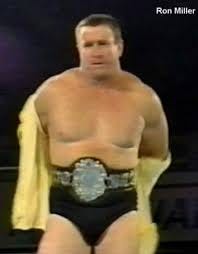
Pictured: Ron Miller, NWA Austra-Asian Heavyweight Champion
Key Angles and Programs:
• NWA Austra-Asian Heavyweight Championship: The territory’s flagship singles title. Ron Miller was the dominant champion entering and through much of 1976 (having won it in January, possibly in New Zealand). He defended against power heels and visiting talent in programs built on rugged singles and tag action. A brief, disputed reign by Ernie Ladd in Melbourne around mid-1976 added heat but Miller regained prominence.
• NWA Austra-Asian Tag Team Championship: Highly active division featuring teams like local combos and international invaders.
• Top Stars and Feuds: Core roster included Mario Milano (charismatic babyface draw), Spiros Arion, Larry O’Day, Ron Miller, and heels such as Cyclone Negro, Hito Tojo, Steve “Crusher” Rackman, Les Roberts, and Moose Morowski. Programs mixed grudge matches, tag action, and occasional NWA World Champion visits.
Specific May 1976 cards are sparsely documented in public archives (typical for the house-show era), but the promotion maintained its regular circuit with title defenses and multi-man bouts at Festival Hall and Hordern Pavilion. Weekly TV amplified local rivalries and built attendance.
New Zealand: All Star Pro Wrestling (NWA New Zealand – Steve Rickard)
Steve Rickard’s All Star Pro Wrestling served as New Zealand’s dominant (and virtually sole major) promotion, running from Wellington with tours across the country and a popular weekly television series called On the Mat. Rickard, a globetrotting veteran wrestler and promoter, anchored the territory with his own in-ring presence alongside international visitors.
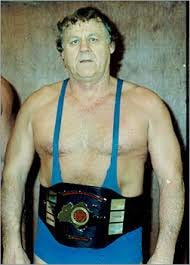
Pictured: Steve Rickard, NWA New Zealand Heavyweight Champion
Key Angles and Programs:
• NWA New Zealand Heavyweight Championship and NWA British Empire/Commonwealth Championship (New Zealand version): Rickard held the latter a record eight times across his career; in 1976 he remained a central figure and multi-time champion in both divisions, working programs as a tough babyface/promoter.
• Tag Team Action: Frequent focus on teams like The Sheepherders (Butch Miller & Luke Williams), who were active in New Zealand around this period and generated heat with their wild brawling style.
• Supporting Feuds and Roster: Programs featured Rickard in main events or tags, local talent, and touring stars. Emphasis on stiff action and personal rivalries.
As with Australia, exact May 1976 house show cards are limited in surviving records, but the promotion ran consistent weekly TV tapings and live events, with Rickard’s star power and international crossovers sustaining interest.
Australia and New Zealand exemplified the strengths and limitations of Stage 6 territorial isolation. WCW Australia generated solid regional gates through TV exposure and repeatable local feuds (Miller’s title defenses, Milano/Arion programs) without heavy reliance on the touring NWA champion—Funk visits were rare bonuses. New Zealand’s All Star Pro Wrestling thrived on Rickard’s dual role as wrestler/promoter and the On the Mat TV platform, creating loyal domestic audiences in a small market.
Both operations stayed self-sufficient, with minimal talent bleed to the U.S. or Japan, preserving a distinct Oceania flavor of hard-hitting, no-frills wrestling. Vulnerabilities included geographic isolation (limiting crossover revenue) and dependence on a handful of veteran draws, but in May 1976 they stood as proud, independent fragments under the NWA banner. Australia’s World Championship Wrestling was struggling somehwat and never really got back to the business being done during the Barnett and Doyle era.
Business Analysis: Strength Through Isolation
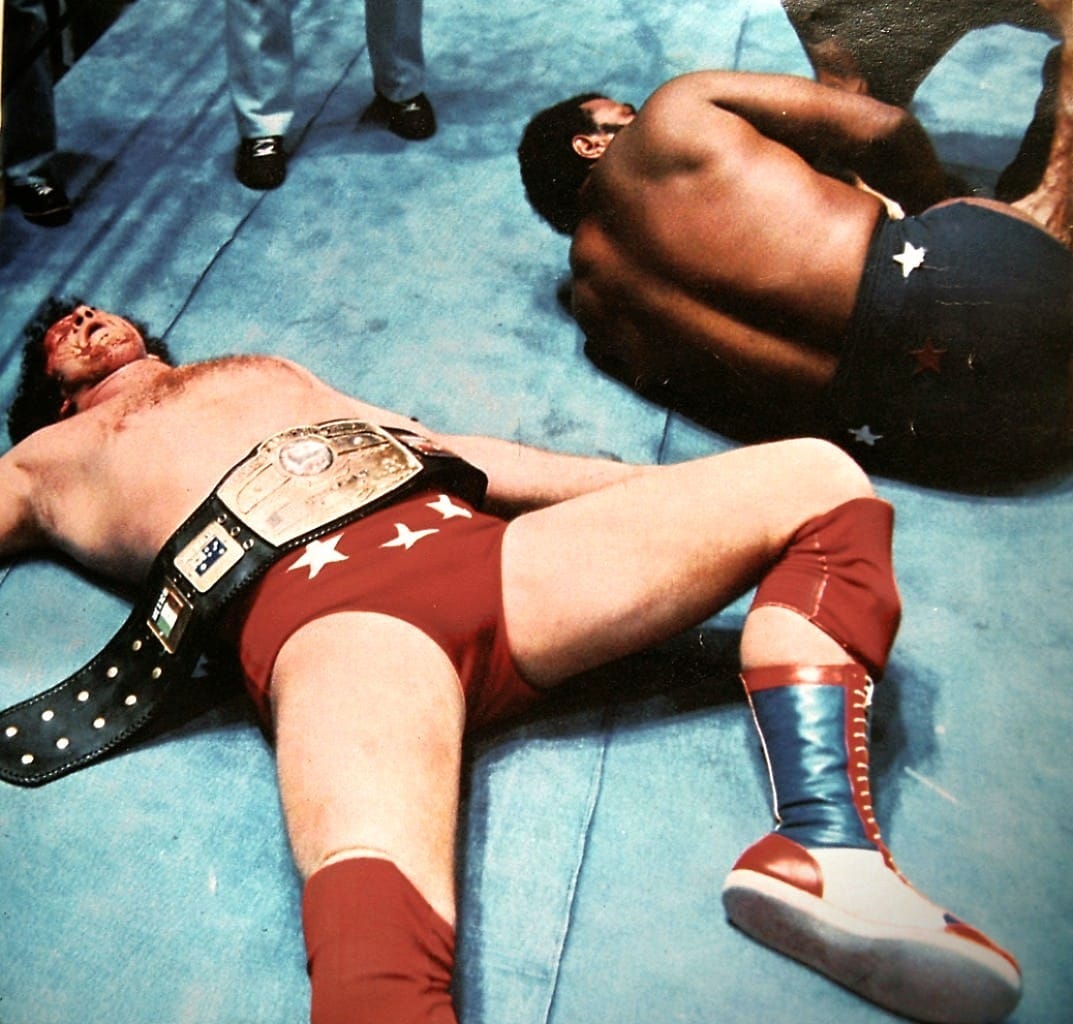
Pictured: NWA World Champion, Terry Funk, exhausted and bloody after a match with Rocky johnson
May 1976 gates proved fragmentation from one cosoladated NWA contrinued to have upside: WWWF sellouts, AWA steady houses, NWA territories packing arenas for Funk defenses or local heroes, and international crowds loyal to homegrown styles. Talent exchanges (e.g., Andersons bouncing between Carolinas and Georgia) kept rosters fresh without diluting local heat. Yet cracks showed—Bruno’s injury exposed over-reliance on single draws, while the NWA’s loose governance allowed promoters to prioritize turf over collective growth. Closed-circuit experiments (foreshadowing June’s Ali-Inoki/Bruno-Hansen Shea Stadium event) hinted at cracks in the model. Overall, the system was profitable precisely because it was fragmented: no single entity could dominate, but none could expand beyond its borders.
The whole of Stage 6 thus captured the Territory Era’s zenith—vibrant, self-sustaining regional kingdoms bound not only by the NWA banner but percieved variety through AWA, WWWF and others. This very fragmentation, while lucrative in 1976, would later prove exploitable as national ambitions (and cable TV) eroded the walls. In May 1976, however, the territories stood proudly divided, each carving its own path under the wrestling moon.
Thank You for Reading
I’m Tony Richards, Pro Wrestling Historian, Author and Storyteller. I share pro wrestling historical items in each issue of the Time Tunnel Pro Wrestling History Newsletter. Thanks for reading! If you enjoy my information on select events, matches and insights, please share it with folks you think might like to be a subscriber!
Remember, premium investors get access to exclusive and special content such as some special issues including a multi-part deep dives on wrestling territories, wrestler bios and championship title histories, special audio and video interviews on territory pro wrestling and more available in the Pro Wrestling Time Tunnel for Premium Investors.
The WWWF should've done a emergency title change in MSG with Stan Hansen briefly holding their World title until the Shea Stadium show where Bruno Sammartino regains the title for a record 3rd time. And start building more main event talent to help the company and lay the foundation to expand into Cleveland, Cincinnati and eventually Detroit by 1980.