


Happy Birthday to those who have passed on and to those great wrestlers still with us:
In Memoriam:
Mark Rocco 1951
Happy Birthday:
El Espirito\Pentagon (70)
Paul Diamond (65)
Billy Kidman (52)
Bobby Roode (50)
Lance Dorado (39)
RIP Memorial: We stop & remember those who have passed on this day and gave themselves to the business for us, the fans. We salute you and thank you.
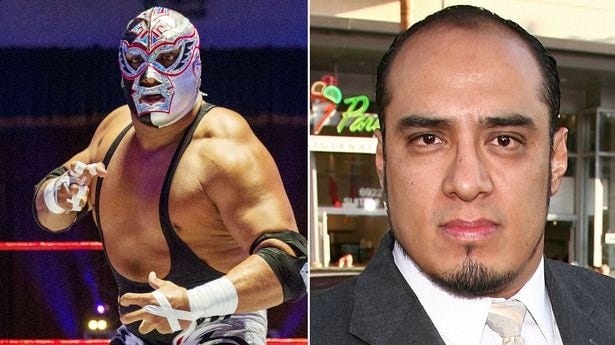
Silver King 5-11-2019 at the age of 51
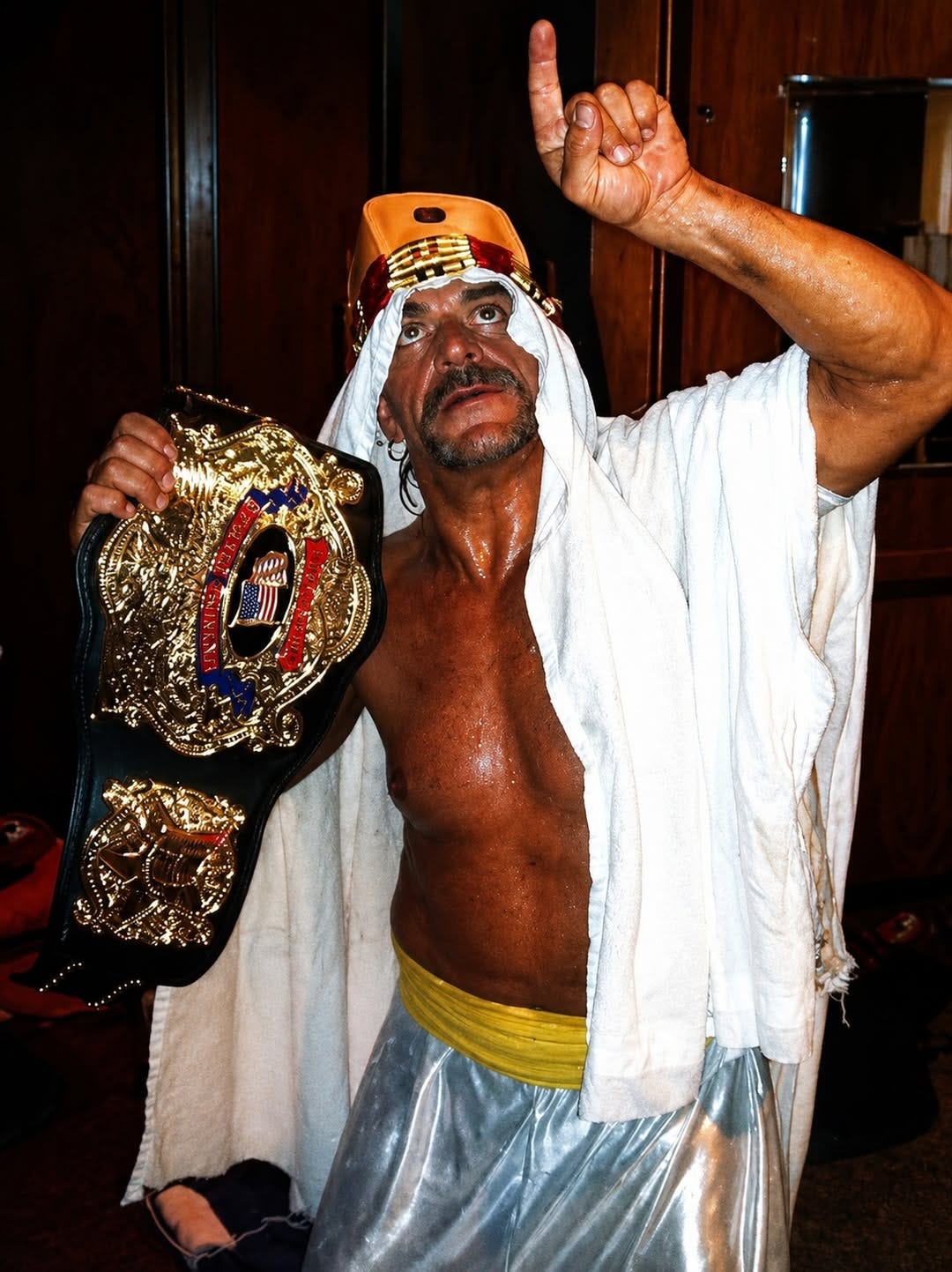
Terry Brunk\Sabu 5-11-2025 at the age of 61
Significant Debuts:
Dick Hutton 5-11-1953 at the age of 30
Steve Austin 5-11-1989 at the age of 24
7 Stages of The Territory Era Review
60 Year Flashback
Stage of the Territory Era: Stage 5: Re-Consolidation
Month 4 of Year 2: May 1966: The Month In Pro Wrestling
In my seven-stage framework of the Territory Era, Stage 5—Re-Consolidation (1965–1975)—saw the National Wrestling Alliance tighten its grip after earlier fractures by enforcing territorial boundaries, coordinating talent loans, and positioning the world heavyweight champion as a unifying touring figure who boosted—but never eclipsed—regional draws. Regional promotions stabilized around protected babyface anchors and stipulation-laden feuds built for weekly and monthly repeat business. May 1966 perfectly captured this era’s steady rhythm: no seismic title shifts but packed houses, carefully booked champions, and reliable revenue across North America and internationally. The NWA machine hummed efficiently, with regional stars driving gates while the Alliance’s world title reinforced harmony rather than disruption.
Northeast: WWWF – Bruno Sammartino’s Unstoppable Era

The Northeast remained the WWWF’s impregnable stronghold under Vincent J. McMahon Sr., with Bruno Sammartino as the immovable WWWF World Heavyweight Champion. Bruno headlined virtually every major card, dispatching monster heels in decisive-yet-non-finish main events that guaranteed return business. Key May defenses included May 5 in Washington, DC (pinned “the Beast”), May 9 in Trenton, NJ (defeated Baron Mikel Scicluna), and May 11 in Philadelphia (pinned Smasher Sloan), plus multiple bouts against Curtis Iaukea and Bill Miller (often ending in count-outs or DQs to protect the champion while building heat). The U.S. Tag Team Championship stayed with Johnny Valentine & Antonio Pugliese, defended in Best 2-out-of-3-falls matches against heel teams like the Beast & Curtis Iaukea. Attendance was solid (e.g., 750 paid in Cumberland, MD on May 4), and TV syndication amplified gates. Business health was outstanding—Bruno’s babyface magnetism and McMahon’s disciplined booking made the WWWF one of the Alliance’s top earners.
Midwest: AWA and NWA – Powerhouse Tags and Carefully Booked Champions

The AWA, centered in Minnesota and the Upper Midwest under Verne Gagne, continued its brawling style. Mad Dog Vachon held the AWA World Heavyweight Championship through the month. The marquee event occurred May 28 in Minneapolis when Dick the Bruiser & The Crusher defeated Larry Hennig & Harley Race in a two-out-of-three-falls match to capture the AWA World Tag Team Titles, injecting fresh heat into the division and setting up brutal return bouts. AWA non-title angles featured Bruiser vs. Vachon and mid-card monsters like the Assassins. Crowds responded to the blood-and-brawls format; TV syndication and arena loops (Chicago, Milwaukee, Minneapolis) drove consistent revenue. Kansas City’s NWA Central States outpost saw NWA World Champion Gene Kiniski defend on May 17 against the Mongolian Stomper in a 2-out-of-3-falls victory, reinforcing the champion’s credibility without risking the belt. Re-consolidation shone through the AWA’s cooperation with the NWA while preserving its identity and giving the impression of non-monopoly.
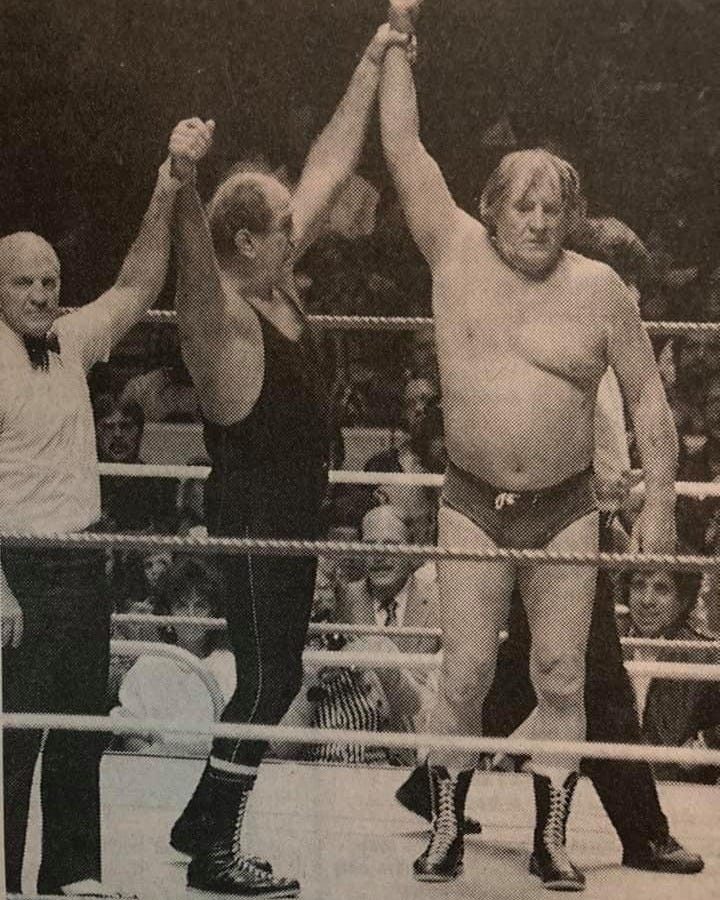
Pictured: Lou Thesz and Pat O’Connor’s hands raised in victory at the Kiel Auditorium in St. Louis, Missouri on My 6th, 1966
St. Louis stood as a flagship NWA territory under the respected promoter Sam Muchnick and his St. Louis Wrestling Club. On May 6 at the Kiel Auditorium, a sellout crowd of 11,850 fans packed the historic venue for a premium card headlined by Lou Thesz & Pat O’Connor defeating NWA World Champion Gene Kiniski & Dick the Bruiser in a two-out-of-three-falls tag-team main event (Kiniski pinned O’Connor in the first fall, O’Connor defeated Bruiser by disqualification in the second, and Thesz pinned Kiniski in the third). The protected finish elevated the champion’s credibility while giving the St. Louis audience a star-studded payoff. The undercard featured strong supporting bouts, including Ernie Ladd drawing with Fritz Von Erich, Cowboy Bob Ellis defeating Bulldog Henning, Mario Milano defeating Moose Cholak by disqualification, Terry Funk defeating The Viking, and Angelo Poffo defeating Johnny Kace. This high-profile show exemplified re-consolidation at its best: the world champion toured strategically to boost gates without destabilizing the region, while Muchnick’s booking maintained the territory’s reputation for credible, athletic wrestling. Re-consolidation shone through the AWA’s and St. Louis’s cooperation with the broader NWA while preserving distinct identities.
South and Southwest: NWA Strongholds, Texas Feuds, and Southern Angles
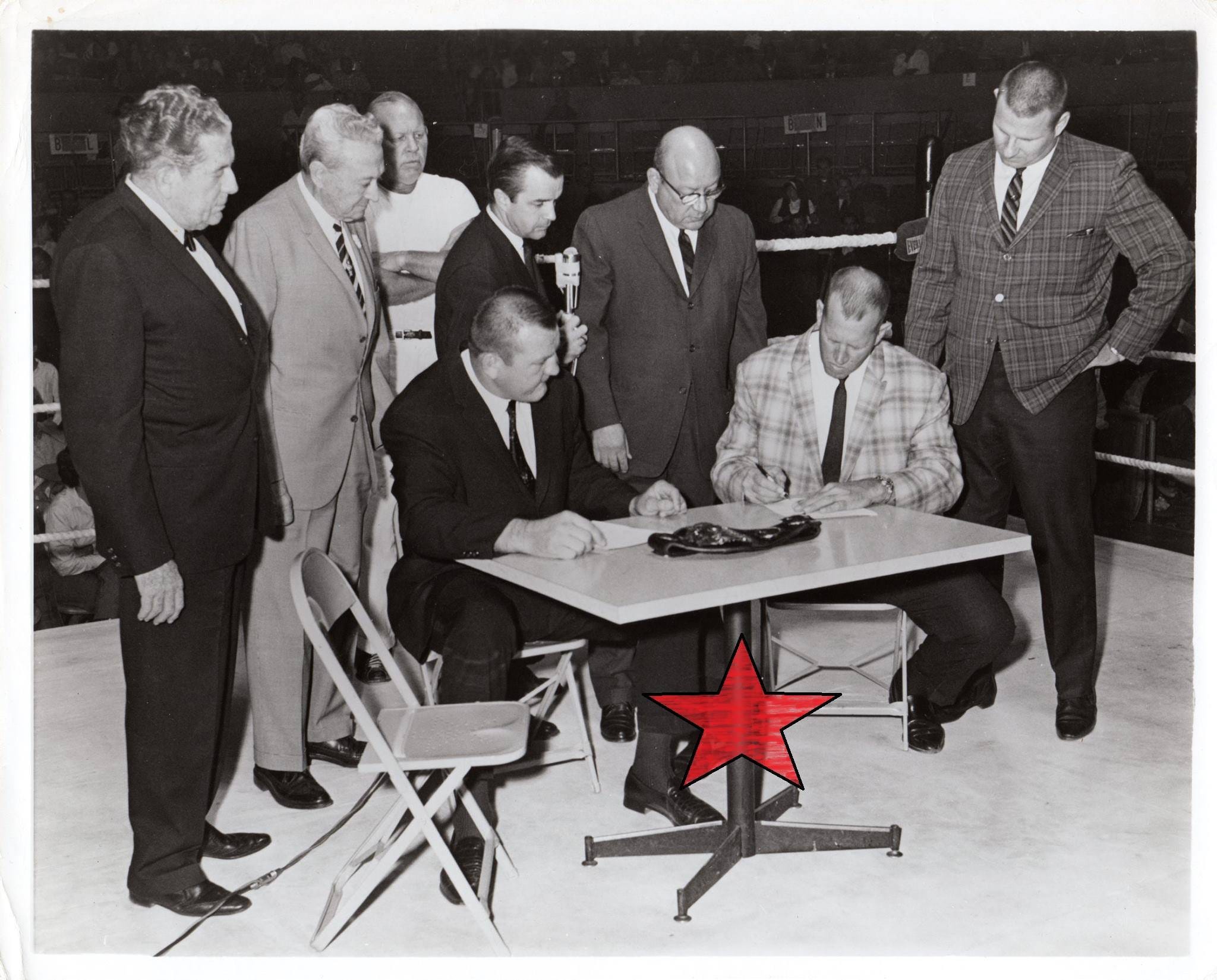
Pictured: One of the contract signings for the many Gene Kinski (ch) vs Fritz Von Erich NWA World Title Matches in the late 1960s
Southern and Southwestern territories operated as classic NWA outposts with regional flavor. In Texas in Big Time Wrestling, Fritz Von Erich anchored as the top babyface draw. In Dallas on May 3 at the Sportatorium, Texas Heavyweight Champion Fritz defeated Louie Tillet in a 2-out-of-3-falls main event. The territory’s biggest angle unfolded May 10 in Dallas when NWA World Champion Gene Kiniski defeated Fritz in 2-out-of-3 falls (third fall by DQ), a protected finish that protected both men and fueled ongoing heat. Similar cards in Houston featured Fritz in main events against touring heels, often with interference from allies like Waldo Von Erich or The Destroyer (who drew with Ernie Ladd in Dallas).
In Amarillo (Western States Sports, the Funk family territory), action mixed family teamwork with NWA title defenses. On May 5, Gene Kiniski defended the NWA World Title against Fritz Von Erich (Kiniski won 2-1 via count-out in the third fall). May 12 brought a wild Texas Death Match where Dory Funk Jr. & Terry Funk defeated Dutch Savage & Don Jardine. Later in the month (May 26), Terry Funk scored a quick win over Jack Donovan with his spinning toe hold. These programs emphasized rugged Texas-style brawls and protected finishes to ensure repeat business.
Tennessee (Gulas-Welch Wrestling) focused on tag-team warfare and scientific vs. rulebreaker clashes. Late May saw tournament activity around the NWA World Tag Team Championship (Mid-America version); on May 30 in Nashville, Herb Welch & Al Costello captured the titles in a tournament final against Karl & Eric Von Brauner, refreshing the division. Stars like Jackie Fargo, Len Rossi, and Tojo Yamamoto drove weekly loops in Nashville and Memphis, with Southern Tag Team Title programs keeping fans engaged.
Georgia (NWA Georgia Championship Wrestling) saw a significant local title change on May 27 when Louie Tillet defeated Buddy Fuller to win the NWA Georgia/Southern Heavyweight Championship. Fuller had been a dominant figure, but the switch injected new storylines while Kiniski’s occasional Atlanta-area defenses (protected via DQ or time-limit draws) maintained Alliance prestige. In Florida (CWF), Eddie Graham & Bob Orton Sr. had recently captured the NWA World Tag Team Championship (Florida version) in a May 17 tournament final. The Assassins remained top heels, clashing in disqualification-filled bouts. Overall, Southern/Southwestern business remained robust: weekly loops in Tampa, Miami, Dallas, Houston, Amarillo, and Atlanta drew steady crowds, with TV and live gates funding territorial stability. No major world-title upheavals disrupted the balance—precisely the re-consolidation ideal.
Jim Crockett Promotions (the Mid-Atlantic territory covering the Carolinas and Virginia) emphasized rugged tag-team excellence as its core drawing power. The NWA Southern Tag Team Championship (Mid-Atlantic version) drove consistent gates in Greensboro, Charlotte, Norfolk, and Raleigh, with popular babyface teams like George Becker & Johnny Weaver clashing against heel duos such as Rip Hawk & Swede Hanson, Aldo Bogni & Bronco Lubich, or emerging combinations featuring the Andersons (Lars & Gene). These stipulation-heavy, best-of-three-falls programs built long-term rivalries without burning out the audience. NWA World Champion Gene Kiniski made select defenses in the territory, boosting prestige and attendance while never risking the belt in a way that would destabilize the region.
In Florida Championship Wrestling (CWF), Eddie Graham & Bob Orton Sr. captured the NWA World Tag Team Championship (Florida version) by winning a three-team tournament final on May 17 in Tampa, refreshing the division and setting up strong follow-up programs (titles were vacated shortly afterward when Orton departed the territory). Earlier in the month, Graham teamed with Orton in key tag bouts, including a May 10 victory in Tampa over Sputnik Monroe & Tarzan Tyler. The Missouri Mauler captured the Florida Southern Heavyweight Championship early in May, adding mid-card heat. The Assassins remained top heels, clashing in disqualification-filled bouts, while Eddie Graham’s ongoing scientific vs. rulebreaker programs (including elements involving Boris Malenko) kept fans engaged across Tampa, Miami, Jacksonville, and Fort Lauderdale loops.
Overall, the South and Southwest remained highly stable and profitable: weekly loops, TV exposure, and protected finishes ensured repeat business without major disruptions.
West: Pacific Northwest, California, and San Francisco Loops
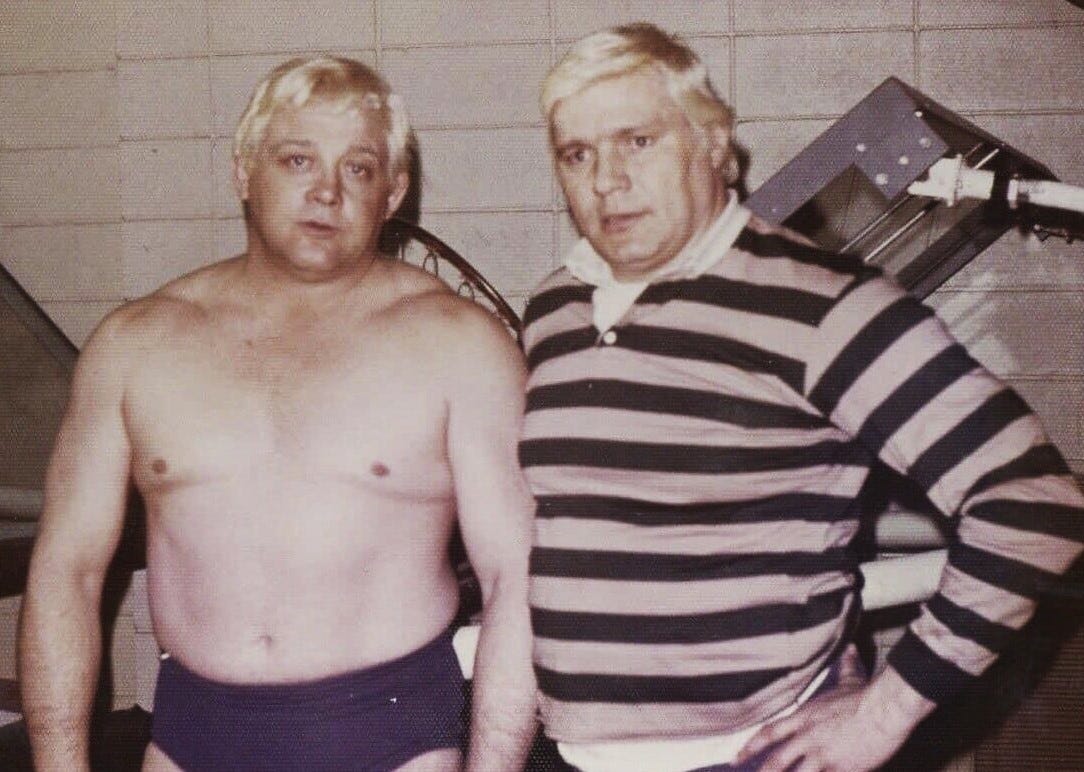
Pictured: Ray Stevens and Pat Patterson, The Blond Bombers
The West Coast delivered solid, lower-profile action that supported the broader ecosystem. In the Pacific Northwest, Stan Stasiak captured the NWA Pacific Northwest Heavyweight Championship on May 18 in Salem, Oregon, launching a short program with Pepper Martin.
San Francisco (Roy Shire’s Big Time Wrestling) emphasized athletic, high-spot wrestling at the Cow Palace. While exact May 1966 cards are sparsely documented, the territory thrived on tag-team excellence with Pat Patterson & Ray Stevens, the Blond Bombers, as perennial draws, alongside touring talent like Bobo Brazil and Bearcat Wright. The AWA San Francisco United States Heavyweight Championship remained active amid ongoing scientific vs. rulebreaker feuds.
Los Angeles (WWA, transitioning to NWA Hollywood under Mike LeBell after Cal Eaton’s January death) featured strong Olympic Auditorium sellouts. Pedro Morales served as a major champion and draw heading into summer title programs. Around early May (noted on May 6 cards), WWA World Tag Team Champions Buddy Austin & El Mongol defeated Bobo Brazil & Thunderbolt Patterson in a featured tag match, highlighting the promotion’s international flair and monster-heel vs. babyface storytelling. Feuds involving Don Jardine (The Butcher), Hard Boiled Haggerty, and others kept mid-card heat high. Regional gates in Los Angeles, Portland, and San Francisco helped sustain the West’s contribution to the NWA network.
International Scene: Global Echoes of the Territory Model
Japan (JWA): Giant Baba held the NWA International Heavyweight Championship and anchored cards with scientific style and tag work alongside Michiaki Yoshimura. International tours brought U.S. stars, drawing capacity crowds in the post-Rikidozan era.
Mexico (EMLL): Lucha libre thrived on mask-vs-mask and hair-vs-hair spectacles at Arena México, with El Santo as the eternal top star fueling weekly revenue.
Australia: American talent (including WWWF stars) toured successfully, boosting cross-promotional interest.
Other Countries: Canadian and European loops with NWA talent added supplementary income streams.
Overall Business Health and Revenue Generation
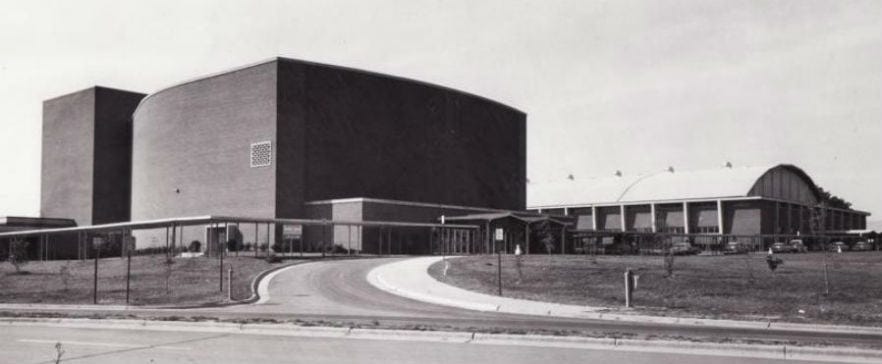
Pictured: The Greensboro Coliseum, Greensboro, North Carolina, completed in 1959
May 1966 epitomized peak re-consolidation health. The NWA world title (Kiniski) toured strategically without destabilizing regions; regional champions like Bruno Sammartino, Mad Dog Vachon, Fritz Von Erich, Pedro Morales, and Giant Baba anchored their territories; and tag divisions delivered repeatable violence via stipulations and DQs. Live gates and TV syndication sustained the model—arenas from Madison Square Garden to the Sportatorium, Kiel Auditorium, Olympic Auditorium, Cow Palace, Greensboro Coliseum, and local armories filled reliably. Northeast and Midwest promotions led in dollars, while Southern, Southwestern, and Western loops, including the tag-heavy Mid-Atlantic and Florida circuits, maintained profitability through volume. International tours added extra revenue. No scandals or boundary wars threatened the map.
The biggest names—Bruno Sammartino, Gene Kiniski, Mad Dog Vachon, Dick the Bruiser & The Crusher, Fritz Von Erich, Dory & Terry Funk, Eddie Graham & Bob Orton Sr., George Becker & Johnny Weaver, Buddy Austin & El Mongol, Giant Baba, and Louie Tillet—drove the action without upending the territorial order. This month illustrated why Stage 5 of the Territory Era sustained wrestling’s golden territorial age: profitable, predictable, and built for longevity. The pieces were firmly in place, and the gates proved it.
Thank You for Reading
I’m Tony Richards, Pro Wrestling Historian, Author and Storyteller. I share pro wrestling historical items in each issue of the Time Tunnel Pro Wrestling History Newsletter. Thanks for reading! If you enjoy my information on select events, matches and insights, please share it with folks you think might like to be a subscriber!
Remember, premium investors get access to exclusive and special content such as some special issues including a multi-part deep dives on wrestling territories, wrestler bios and championship title histories, special audio and video interviews on territory pro wrestling and more available in the Pro Wrestling Time Tunnel for Premium Investors.