


Happy Birthday to those who have passed on and to those great wrestlers still with us:
In Memoriam:
Stu Hart 1915
Alejandro Ortiz\The Black Shadow 1921
Lester Welch 1924
Eric Froelich 1937
Happy Birthday:
(none)
RIP Memorial: We stop & remember those who have passed on this day and gave themselves to the business for us, the fans. We salute you and thank you.
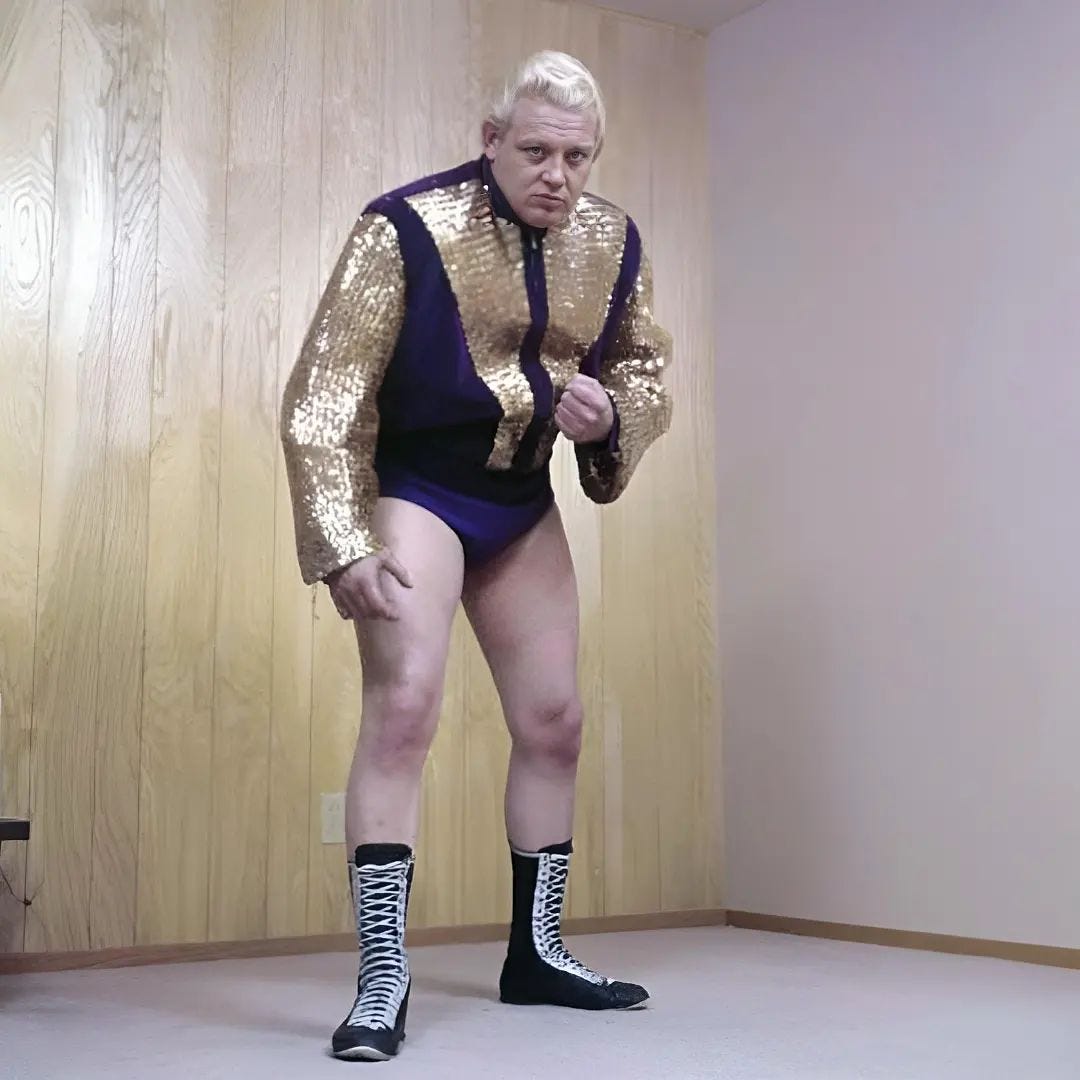
Ray Stevens 5-3-1996 at the age of 60
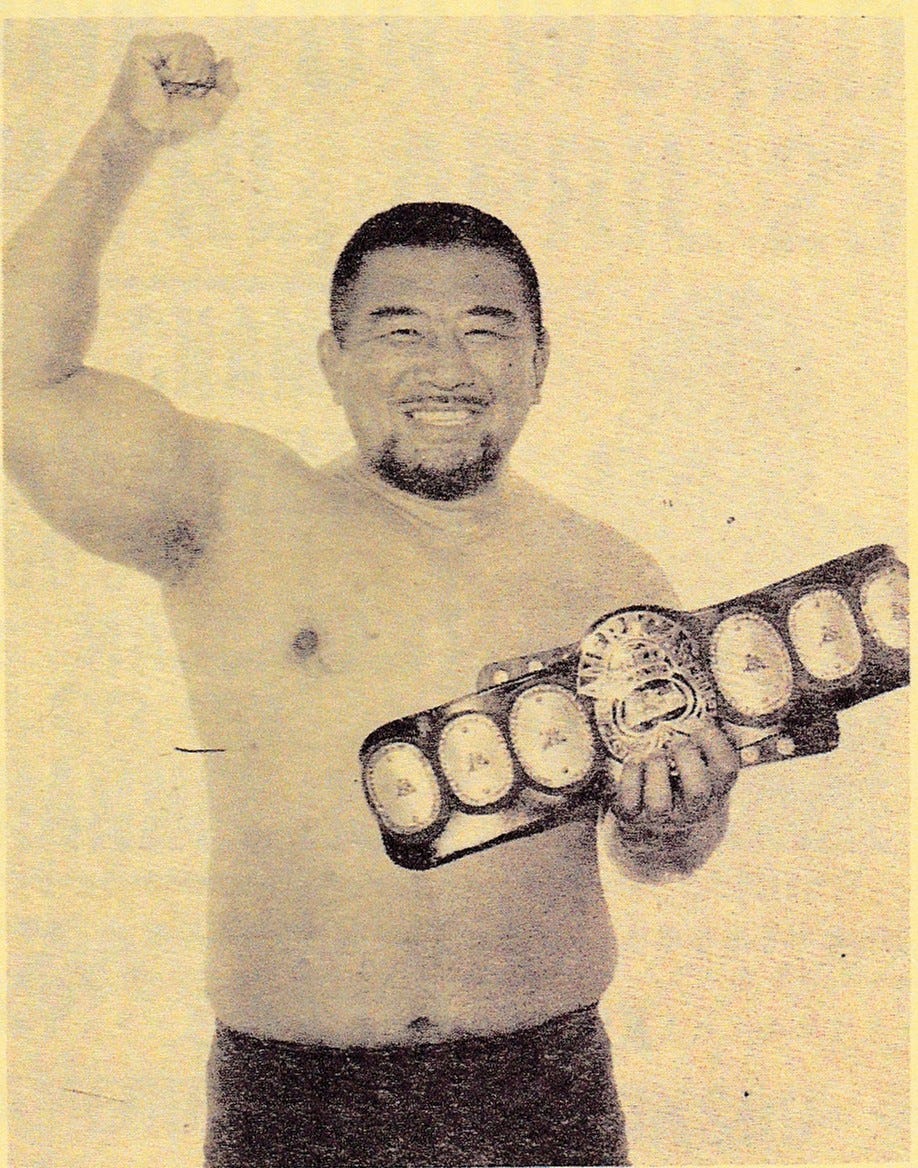
Kinji Shibuya 5-3-2010 at the age of 88
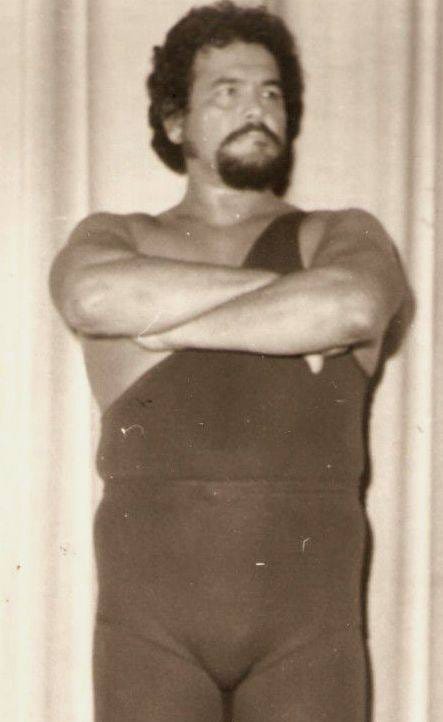
Jerry Novak 5-3-2023 at the age of 73
50 Year Flashback
Q2 Analysis (April-June) World Wide Wrestling Federation, New York City, New York Booking Office
In the spring of 1976, the World Wide Wrestling Federation—still operating under Vincent J. McMahon Sr. as the dominant Northeast promotion—experienced one of its most dramatic quarters of the decade. Centered around the unbreakable draw of WWWF World Heavyweight Champion Bruno Sammartino, the period from April through June featured a legitimate injury that was masterfully turned into a red-hot feud, a refresh of the tag team division, and a landmark supercard tied to global crossover hype. Key wrestlers included Sammartino, newcomer Stan Hansen, top heel Superstar Billy Graham, rising babyfaces like Ivan Putski and Chief Jay Strongbow with Billy White Wolf, the monstrous masked Executioners, and special attractions like André the Giant. Storylines blended intense singles rivalries with tag team turmoil, while business remained robust amid the NWA territory system, culminating in a massive outdoor show that underscored the WWWF’s cultural reach.
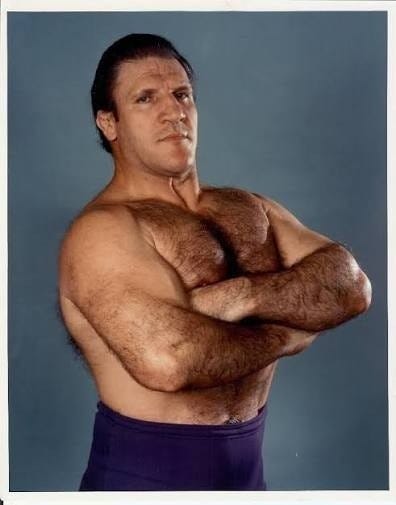
April opened with Sammartino firmly entrenched as champion in his second reign (ongoing since late 1973). He defended against established heels like Ivan Koloff in high-stakes matches, including a steel cage bout at the Philadelphia Spectrum on April 3 and a Russian chain match at the Boston Garden on April 10. Tag champions Tony Parisi and Louis Cerdan held the WWWF World Tag Team Titles, fending off challenges from teams involving Superstar Billy Graham and Ivan Koloff, often with interference from managers like the Grand Wizard and Capt. Lou Albano.
The month’s—and year’s—pivotal moment came on April 26 at Madison Square Garden (attendance ~17,493). In the main event, Stan Hansen—making his MSG debut, managed by Freddie Blassie—faced Sammartino. Hansen, a rugged Texas brawler known for his devastating lariat, used a storyline foreign object (loaded elbow pad) to bust Sammartino open. The referee stopped the match due to excessive bleeding, awarding Hansen the win by referee’s decision—but not the title, which could only change hands by pinfall or submission. Unbeknownst to fans at the time, Hansen had accidentally bodyslammed Sammartino improperly during the bout, causing a legitimate broken neck that sidelined the champion for roughly two months. Kayfabe blamed the injury on the lariat’s impact, creating instant sympathy for Bruno and white-hot heat for Hansen. Post-match, Sammartino attacked Hansen in retaliation, further fueling the angle.
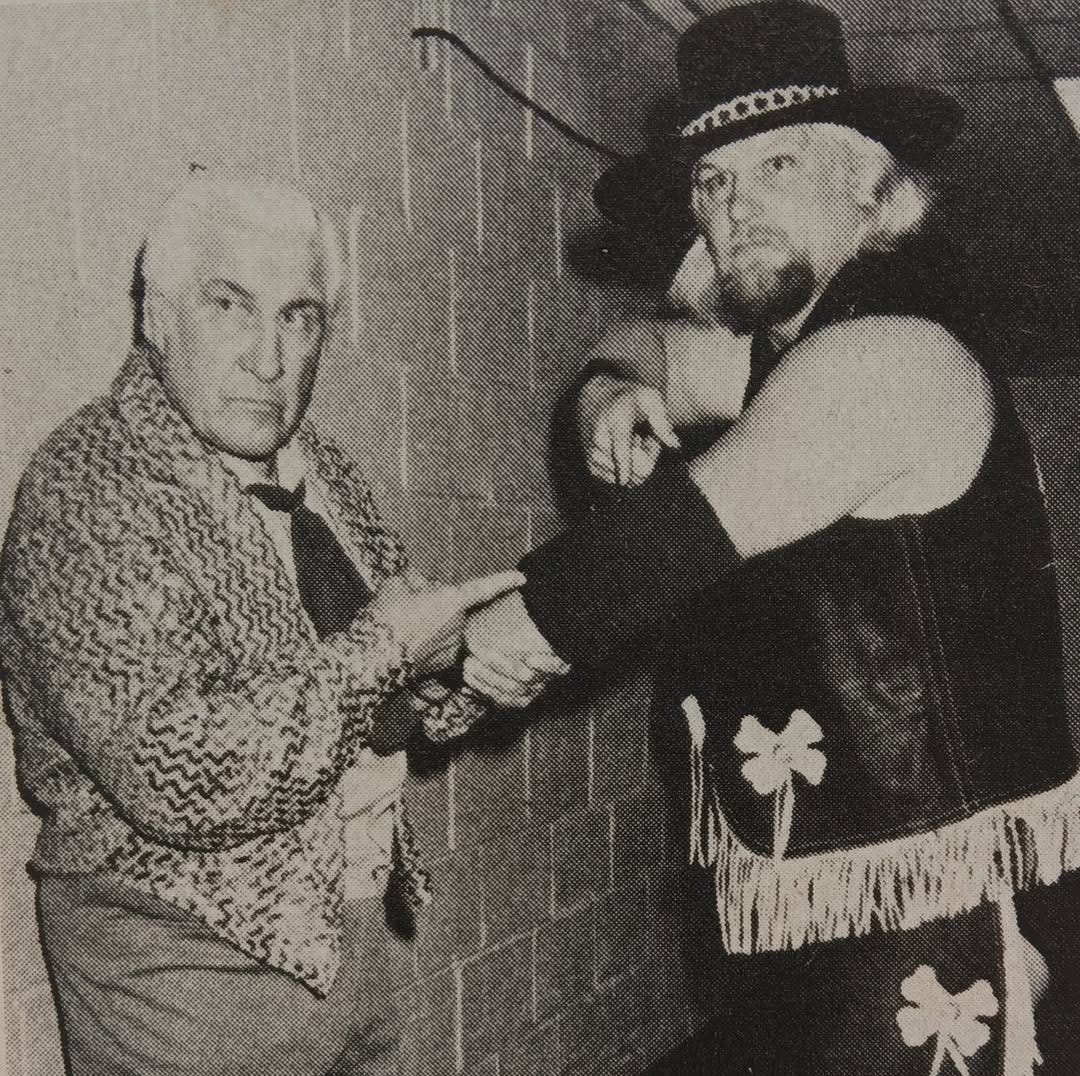
Pictured: Freddie Blassie and Stan Hansen in the WWWF 1976
This incident elevated Hansen as a credible threat and set up a long-term program. Other April activity included Graham and Koloff clashing with Parisi & Cerdan, while midcarders like Crusher Blackwell, Ernie Ladd, Haystacks Calhoun, Baron Mikel Scicluna, and Dominic DeNucci filled undercards. TV tapings for Championship Wrestling and All Star Wrestling began building anticipation for a major mixed-rules attraction: Muhammad Ali vs. Antonio Inoki, with Gorilla Monsoon and others cutting promos.
With Sammartino recovering (and some shows cancelled or using substitutes like Monsoon), May focused on elevating heels and refreshing divisions. On or around May 11 (with the title change aired on TV tapings dated May 22), the masked Executioners (#1 and #2, portrayed by Killer Kowalski and Big John Studd, managed by Capt. Lou Albano) defeated Parisi & Cerdan in a best-of-three-falls match to capture the WWWF Tag Team Titles. The Executioners’ double-team tactics and mysterious masked gimmick positioned them as dominant heels, defending against teams like Haystacks Calhoun & Kevin Sullivan or Pat Barrett & others in best-of-three-falls bouts.
Singles storylines continued Hansen’s rampage (often winning via lariat-induced blood stoppages or count-outs against Putski and others) and Graham’s feuds with Putski and Monsoon (subbing for Bruno). TV angles featured Strongbow’s return after an absence, teaming with Billy White Wolf to target the new tag champs. Women’s matches (Fabulous Moolah defending) and battle royals added variety. MSG on May 17 drew a reported sellout of 22,000, with Hansen beating Putski (sub for Bruno) by referee’s decision.
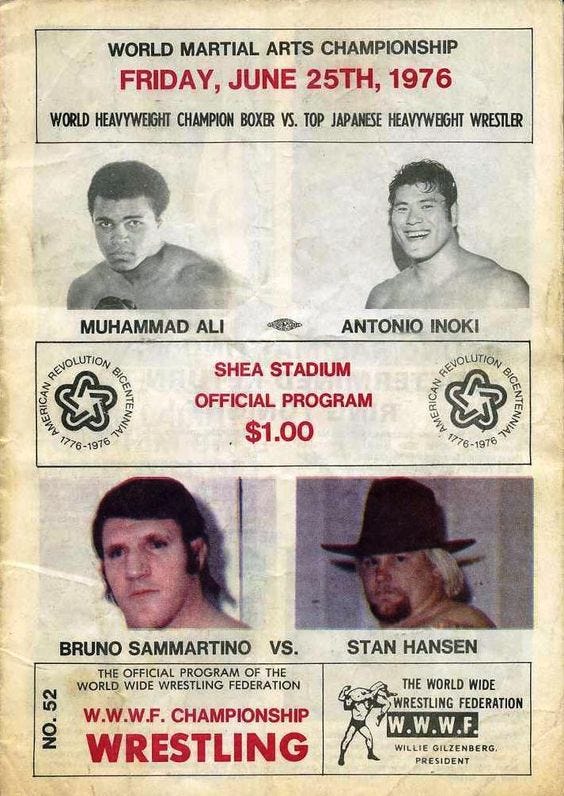
Bruno returned prematurely in late June, still wearing a protective brace. The marquee event was Showdown at Shea on June 25/26 at Shea Stadium in Flushing, New York (32,000 attendance). Promoted as part of closed-circuit TV for the Ali vs. Inoki boxer-vs.-wrestler match in Tokyo, it was one of the WWWF’s earliest supercards. In the key undercard bout, Sammartino defeated Hansen by count-out in a heated rematch for the world title—revenge for the April injury, with Bruno cutting Hansen open. Police reportedly escorted Hansen for safety due to crowd heat.
The tag title match saw Strongbow & White Wolf challenge the Executioners in a best-of-three-falls bout, winning by disqualification in the final fall (titles retained by the champs). André the Giant defeated boxer Chuck Wepner by count-out in a special “wrestler vs. boxer” match. Other bouts included Putski over Scicluna and a draw between José González and Kevin Sullivan. TV tapings in early June featured an in-ring angle where Ali appeared and sparred lightly with Monsoon, boosting crossover buzz.
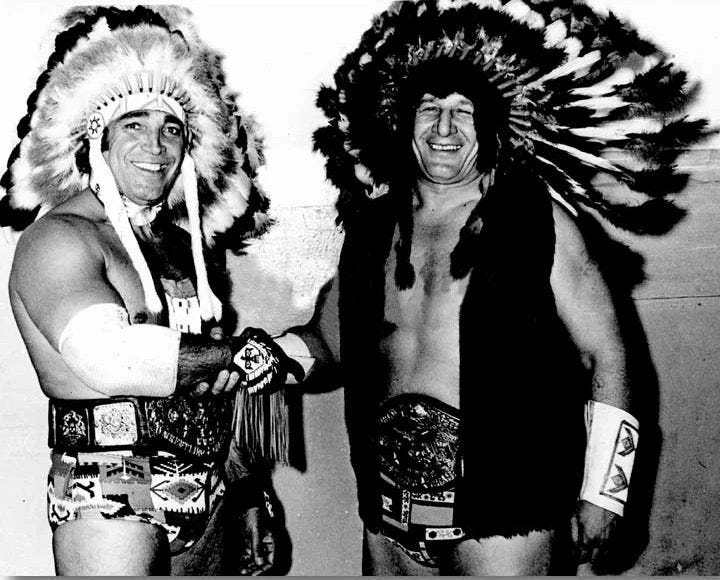
Pictured: Billy White Wolf and Chief Jay Strongbow
The WWWF thrived in this era. Monthly MSG shows consistently drew 17,000–22,000 (near or at sellouts), while Shea’s 32,000 fans demonstrated outdoor drawing power uncommon outside major territories. The Bruno injury angle—real peril turned into compelling drama—kept arenas packed even during his absence, as substitutes and Hansen’s heat maintained momentum. Tie-ins with the Ali-Inoki spectacle (a global media event, despite the fight’s boredom) elevated wrestling’s mainstream visibility.
The period’s impact was profound. The Sammartino-Hansen program became legendary, showcasing how the WWWF turned adversity into box-office gold and cementing Hansen’s reputation (though it reportedly caused backstage tension). The Executioners’ reign stabilized and energized the tag division, paving the way for future Native American babyface pushes with Strongbow & White Wolf. Showdown at Shea served as a blueprint for later supercards like the 1980 edition and, indirectly, WrestleMania—proving big-venue spectacles could work. Overall, spring 1976 reinforced the WWWF’s Northeast stronghold amid the territorial era, with Bruno as its enduring symbol of resilience. By summer’s end, the promotion entered a strong phase leading into 1977’s title transition to Superstar Billy Graham.
This quarter encapsulated classic WWWF booking: larger-than-life characters, blood-and-guts storytelling, and unwavering fan loyalty to its champion. It was not just wrestling—it was Northeast pro wrestling at its gritty, golden peak.
Thank You for Reading
I’m Tony Richards, Pro Wrestling Historian, Author and Storyteller. I share pro wrestling historical items in each issue of the Time Tunnel Pro Wrestling History Newsletter. Thanks for reading! If you enjoy my information on select events, matches and insights, please share it with folks you think might like to be a subscriber!
Remember, premium investors get access to exclusive and special content such as some special issues including a multi-part deep dives on wrestling territories, wrestler bios and championship title histories, special audio and video interviews on territory pro wrestling and more available in the Pro Wrestling Time Tunnel for Premium Investors.