


Happy Birthday to those who have passed on and to those great wrestlers still with us:
In Memoriam:
Neff Maivia 1924
Happy Birthday:
Dave Taylor (69)
Gary Steele (53)
Ace Romero (36)
Tiffany Stratton (27)
RIP Memorial: We stop & remember those who have passed on this day and gave themselves to the business for us, the fans. We salute you and thank you.
Jos LeDuc 5-1-1999 at the age of 54
Elizabeth Hulette 5-1-2003 at the age of 42

Kurt Von Poppenheim 5-1-2003 at the age of 89

Joe Turner 5-1-2014 at the age of 74
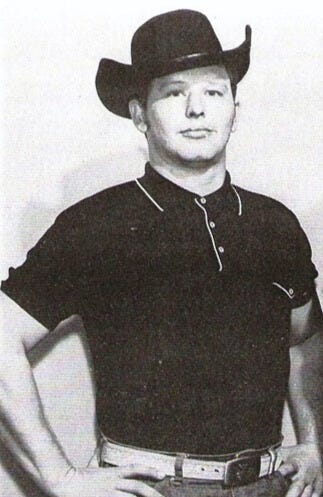
The Life and Career of Elizabeth Hulette (Miss Elizabeth)
Elizabeth Ann Hulette, universally known in professional wrestling as Miss Elizabeth, stands as one of the most iconic figures in the history of the industry. Born on November 19, 1960, in Frankfort, Kentucky, she rose to international fame not as a competitor in the ring but as the elegant, poised manager who brought sophistication, emotional depth, and dramatic tension to some of wrestling’s most memorable storylines. From 1985 to 1992 in the World Wrestling Federation (WWF, now WWE) and from 1996 to 2000 in World Championship Wrestling (WCW), Miss Elizabeth served as the calm, glamorous counterpoint to the bombastic machismo of the era. She was the “First Lady of Wrestling,” a title that captured her grace under pressure and her ability to sell storylines through subtle reactions rather than athletic prowess.
Her career was inextricably linked to “Macho Man” Randy Savage, both professionally and personally. Yet Hulette’s story extends beyond any single partnership: she navigated the turbulent worlds of 1980s WWF excess and 1990s WCW politics, briefly pursued broadcasting, endured real-life personal challenges, and ultimately met a tragic end at age 42. Her legacy endures as a pioneer who humanized the valet role and influenced generations of women in wrestling.
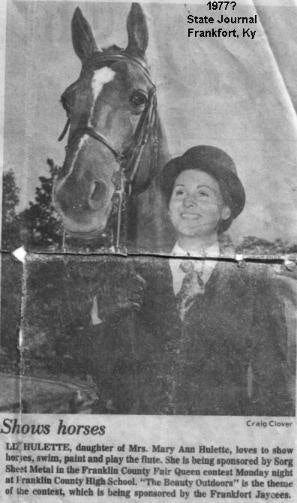
Hulette grew up in Kentucky, graduating from Franklin County High School before earning a degree in communications from the University of Kentucky. Her poised demeanor and telegenic presence made her a natural fit for media work. In the early 1980s, while working at a gym in Lexington, she met Randall Poffo—better known as Randy Savage—who, along with his brother Lanny and father Angelo, was trying to sustain their independent promotion, International Championship Wrestling (ICW). Hulette began appearing on ICW television as an announcer and host, gaining early on-camera experience. The two struck up a relationship and married on December 30, 1984, shortly after ICW folded.
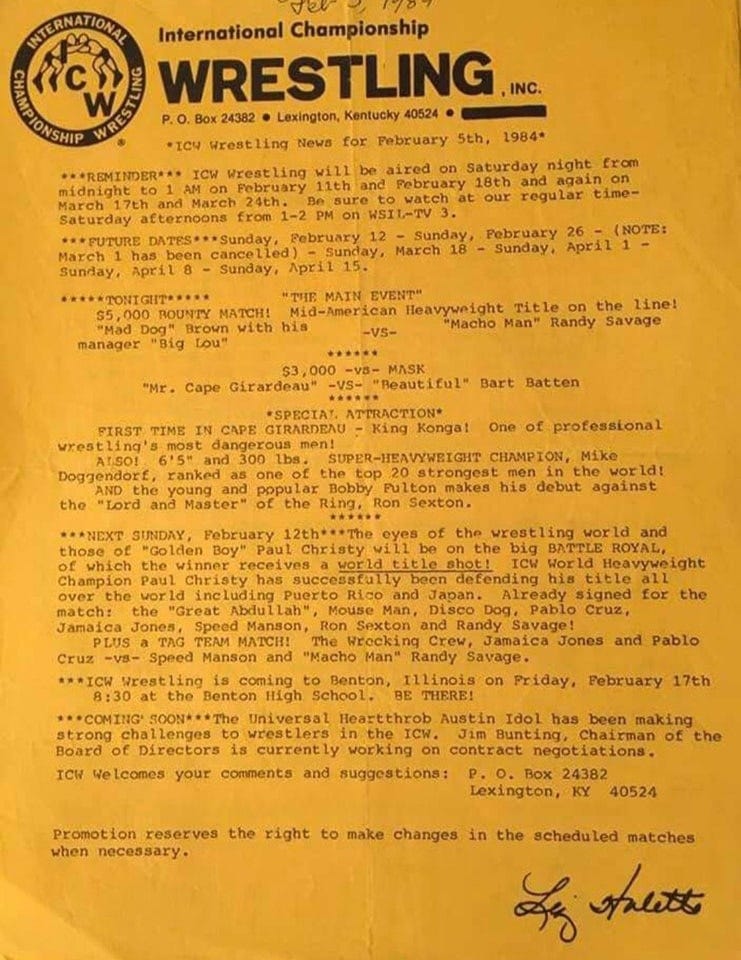
Pictured: ICW Newsletter for fans signed by the editor, Liz Hulette
This real-life union laid the foundation for her wrestling career. When Savage signed with the WWF in June 1985, he brought Hulette with him, though their marriage remained a closely guarded secret for years to preserve kayfabe.
Miss Elizabeth made her WWF debut on July 30, 1985 (aired August 24 on Prime Time Wrestling), in a now-legendary angle. Savage, positioned as a free agent, had managers like Bobby Heenan and Jimmy Hart vying for his services. After a match, he introduced the glamorous, unnamed woman at ringside as his choice. Jesse “The Body” Ventura quipped on commentary that she “must be some sort of movie star.” Billed from Louisville, Kentucky, at 5’4” and 115 pounds, Elizabeth’s elegant gowns, soft-spoken style, and minimal movement contrasted sharply with the era’s flamboyant managers. She let her facial expressions and body language tell the story.
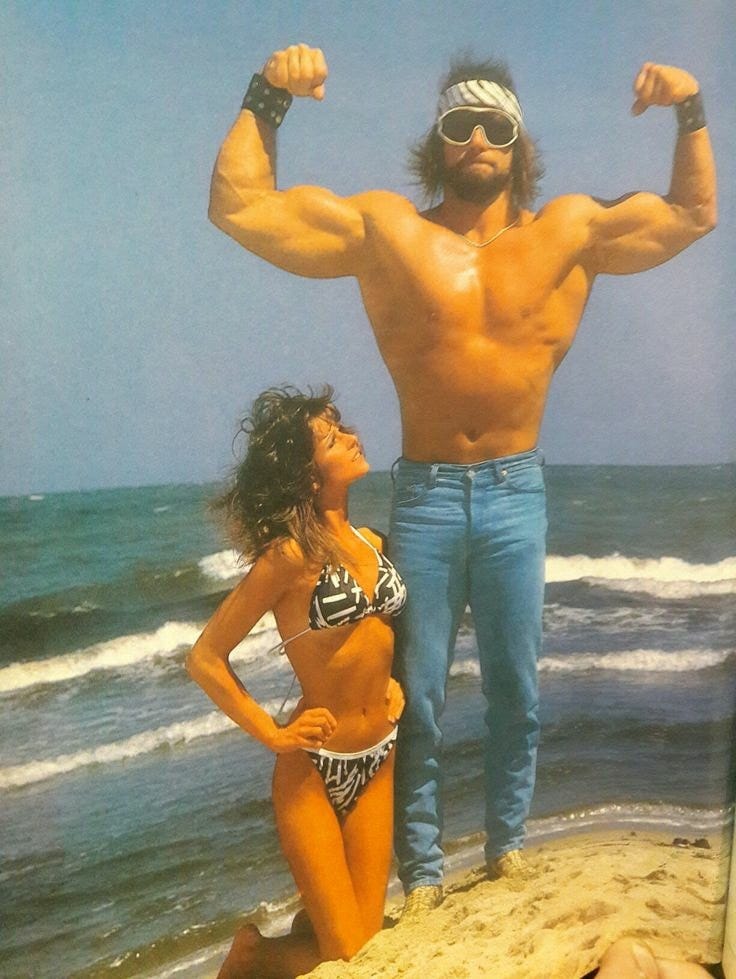
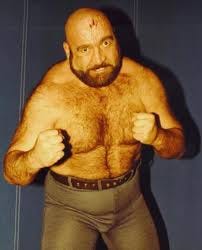
From 1985 to 1988, she managed Savage to the Intercontinental Championship (won February 1986 against Tito Santana) and played a pivotal role in high-profile feuds. George “The Animal” Steele’s lovesick obsession with her fueled a year-long storyline. The Honky Tonk Man’s harassment of her in 1987 led Savage to enlist Hulk Hogan’s help, planting the seeds for the Mega Powers. At Saturday Night’s Main Event, Honky’s guitar shot on Savage prompted Elizabeth to recruit Hogan, solidifying her as the emotional heart of the narrative.
The Mega Powers era (1988–1989) showcased Elizabeth’s storytelling importance. At SummerSlam 1988, she served as the “secret weapon” against the Mega Bucks (André the Giant and Ted DiBiase), stripping to a bikini to distract them. Tension built as Hogan’s protectiveness toward her fueled Savage’s paranoia. The explosive breakup occurred on The Main Event II (February 1989) when Savage, after being thrown onto the unconscious Elizabeth by Akeem, turned on Hogan. This led to Savage’s WWF Championship victory at WrestleMania IV and his loss to Hogan at WrestleMania V, with Elizabeth in a neutral corner before being removed. Post-match, Savage aligned with Sensational Sherri and dismissed Elizabeth.
Her appearances became sporadic in 1989–1990 as she managed Hulk Hogan, Brutus Beefcake, and Dusty Rhodes & Sapphire in mixed-tag feuds against Savage and Sherri. At WrestleMania VI (1990), she participated in the first mixed tag match in WWF history.
The emotional peak came in 1991–1992. At WrestleMania VII, Elizabeth returned from the audience to save the defeated Savage from Sherri’s attack, reuniting them. On the June 17, 1991, episode of Superstars, Savage proposed (kayfabe referencing their real 1984 marriage), and they had a lavish on-air wedding at SummerSlam 1991 dubbed “A Match Made in Heaven.” The reception turned nightmarish when Jake “The Snake” Roberts and the Undertaker attacked, sparking a vicious feud. Roberts’ psychological torment—including forcing Elizabeth to beg on her knees—highlighted her vulnerability and strength. The arc culminated at WrestleMania VIII (1992) when Savage defeated Ric Flair, who had claimed to have dated Elizabeth pre-Savage and used doctored photos. Elizabeth slapped Flair after he cornered her, helping Savage retain the WWF Championship.
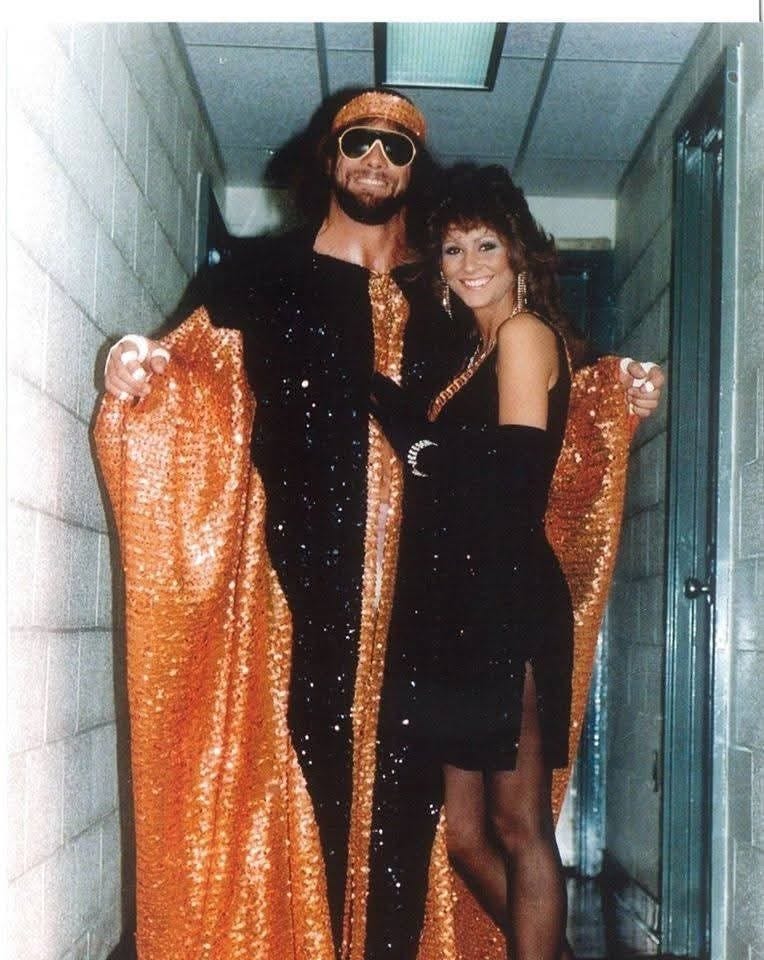
Her final WWF appearance was at the UK Rampage event in April 1992. In real life, she and Savage divorced in August 1992—a rare public acknowledgment in WWF Magazine. The road life, Savage’s intense jealousy (blending kayfabe with reality), and the pressures of constant travel had strained their marriage. Elizabeth had also struggled with an eating disorder during this period.
After leaving WWF, Hulette used her communications degree for a new chapter in South Florida. From 1994 to 1995, she worked as a color commentator and correspondent for ESPN’s SpeedWorld, covering offshore powerboat racing under her real name. It was a deliberate step away from the “Miss Elizabeth” persona, showcasing her versatility.
In January 1996, Hulette returned at WCW’s Clash of the Champions XXXII, managing Savage and Hogan. The nostalgia was short-lived. At SuperBrawl VI (February 1996), she turned heel, helping Ric Flair defeat Savage and joining the Four Horsemen as co-manager with Woman. She later joined the nWo after Hogan spray-painted her face in a post-WarGames assault, then reconciled with Savage when he joined the group in 1997. Feuds with Diamond Dallas Page and Kimberly Page followed.
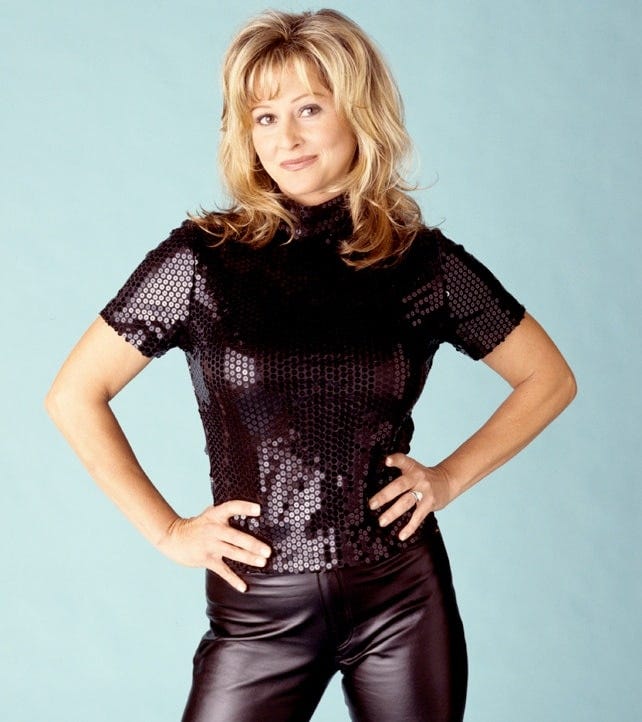
By 1998, she shifted to nWo Hollywood, accompanying Eric Bischoff and exchanging barbs with Savage. In 1999, she briefly played a role in an nWo-orchestrated false stalking accusation against Goldberg. Her final major run came managing Lex Luger (with whom she had begun a real-life relationship). She became more physical, wrestling Meng to a draw and striking Sting with a bat at Starrcade 1999. She managed the short-lived “Team Package” (Luger and Flair) in 2000 and had a no-contest with Daffney. Her contract expired on August 17, 2000; her last appearance was on the May 29, 2000, Nitro.
Beyond wrestling, Hulette’s life was marked by quiet resilience. Her 1984–1992 marriage to Savage ended amid the stresses of the road and his controlling tendencies. She married South Florida attorney Cary Lubetsky on December 6, 1997; they divorced in 1999. By the late 1990s, she was in a relationship with Luger. After WCW, she worked the front desk at Luger’s gym, Main Event Fitness, in Marietta, Georgia.
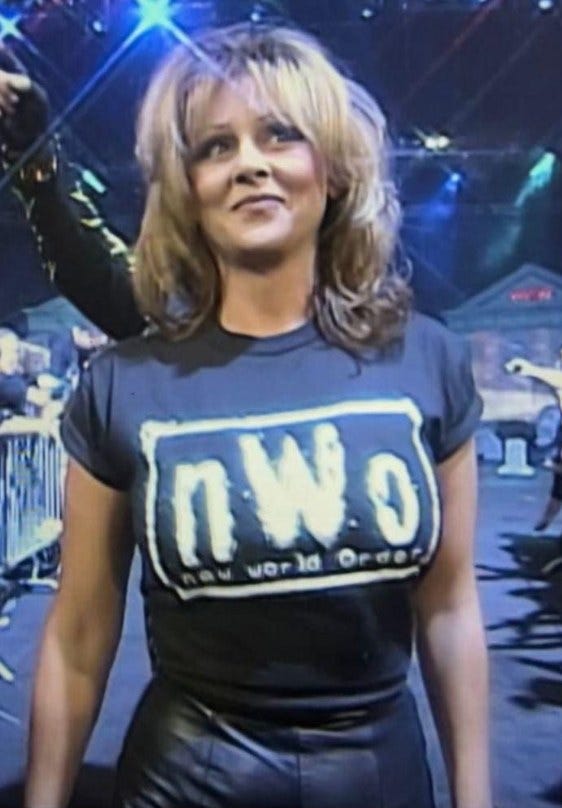
On April 19, 2003, police responded to a domestic dispute at their townhouse; Luger was charged with battery after Elizabeth sustained bruises and a cut lip. Two days later, Luger was arrested for DUI with Elizabeth as a passenger. On May 1, 2003, Luger called 911 reporting she was unresponsive. Paramedics pronounced her dead at WellStar Kennestone Hospital. The medical examiner ruled the cause “acute toxicity” from a combination of painkillers (including hydrocodone) and alcohol (blood-alcohol level of 0.29). It was deemed accidental. She was buried at Frankfort Cemetery in her hometown.
Miss Elizabeth never held a title or won major matches, yet she revolutionized the valet role. Her elegance, loyalty, and vulnerability elevated angles, making fans invest emotionally. She contrasted the era’s larger-than-life personalities with quiet dignity, proving subtlety could be powerful in wrestling. Universally loved by peers and fans for her professionalism and kindness, she influenced future generations of women in the industry—from valets to full-time performers—who sought to blend athleticism with storytelling depth.
One Thing I Learned About Joe Turner
Turner wrestled under several gimmicks, including his real name, Black Hand, Joe Sky, and (most famously) the masked Intern alongside his longtime partner Bill Bowman. As the Interns, they feuded directly with the Fields brothers (or their partners), won the Gulf Coast tag titles from them four times in 1968, and generally got to slug it out with the very heroes he’d idolized growing up. He also beat Rocket Monroe for the Mobile city title as the Intern in 1970 before unmasking. Turner later said it was one of the greatest thrills of his life to finally get in the ring with his boyhood favorites and come out on top.
It’s a classic “fan becomes rival” story that perfectly captures the small-town territory era of wrestling, where local heroes and hometown kids could cross paths in the ring for real. Turner was known as a dependable, tough worker who also helped break in his brother-in-law Dennis Condrey (later of Midnight Express fame) and teamed with Bowman as the Sky Brothers in other territories. He stayed connected to the business long after retiring, attending reunions and visiting old friends like Cowboy Bob Kelly right up until his death from brain cancer in 2014.
Thank You for Reading
I’m Tony Richards, Pro Wrestling Historian, Author and Storyteller. I share pro wrestling historical items in each issue of the Time Tunnel Pro Wrestling History Newsletter. Thanks for reading! If you enjoy my information on select events, matches and insights, please share it with folks you think might like to be a subscriber!
Remember, premium investors get access to exclusive and special content such as some special issues including a multi-part deep dives on wrestling territories, wrestler bios and championship title histories, special audio and video interviews on territory pro wrestling and more available in the Pro Wrestling Time Tunnel for Premium Investors.