


Happy Birthday to those who have passed on and to those great wrestlers still with us:
In Memoriam:
Don Leo Jonathan 1931
Beauregarde 1936
Pete Sanchez 1959
Billy Joe Travis 1961
Happy Birthday:
Paul Roma 1961
Valerie French\Sunshine (64)
Titus O’Neil (49)
Aksusa (44)
Jay Lethal (41)
RIP Memorial: We stop & remember those who have passed on this day and gave themselves to the business for us, the fans. We salute you and thank you.
Joe Stecher 4-29-1974 at the age of 81
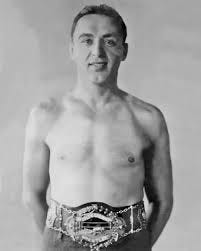
Murray Downs\Little butcher 4-29-1995 at the age of 45
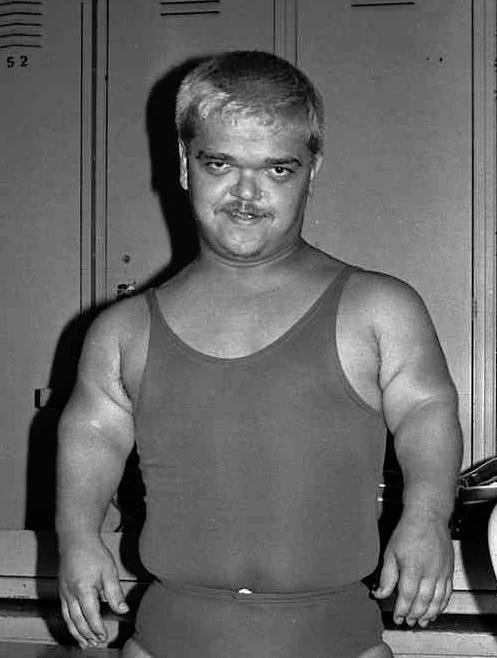
Timothy Geohagen 4-29-1998 at the age of 75

Hans Schroeder 4-29-2017 at the age of 75
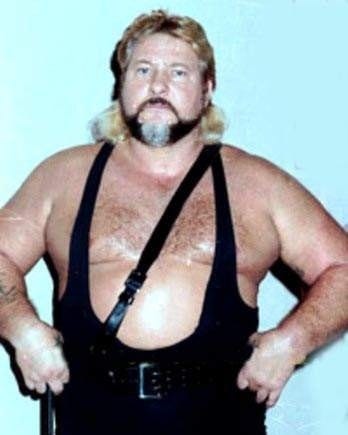
Snake Brown 4-29-2019 at the age of 66

Pro Wrestling Time Tunnel Community Update
Pro Wrestling Time Tunnel Territory History Show Episode 59: WWWF 1976!
Contributed by Rich Harris
The latest episode of The Pro Wrestling Time Tunnel History Show—hosted by acclaimed pro wrestling historian, author, and storyteller Tony Richards—drops with a special focus on one of the most pivotal stretches in the World Wide Wrestling Federation’s (WWWF) storied history. Joining Richards as co-host and WWWF Analyst is the ever-knowledgeable Steve Gennerelli, whose expertise on the McMahon family’s Northeast territory makes this collaboration pure gold for fans craving authentic, in-depth coverage of the pre-WWF era.
For those unfamiliar, The Pro Wrestling Time Tunnel isn’t just another wrestling podcast. It’s a meticulously researched journey through the territorial days (roughly 1930–1990), where Richards and his rotating cast of guests and analysts resurrect forgotten angles, sellout crowds, and the gritty realities of regional booking offices. The show’s ongoing 1976 Territory Review Series has already taken listeners through hotspots like St. Louis and Championship Wrestling from Florida. Now, with this fresh installment, Richards and Gennerelli zero in on the WWWF from January through May 1976—the opening act of America’s bicentennial year, when Vincent J. McMahon’s promotion was still very much a Northeast powerhouse built on larger-than-life personalities, weekly TV tapings at the Philadelphia Arena and Hamburg Fieldhouse, and monthly sellouts at Madison Square Garden.
Why does this five-month window matter so much? Because it captures the WWWF at a fascinating crossroads. Bruno Sammartino was still the undisputed WWWF World Heavyweight Champion, the living embodiment of the territory’s Italian-American fanbase and old-school credibility. But storm clouds were gathering. Superstar Billy Graham, managed by the Grand Wizard, was already making noise with his flamboyant, bodybuilder charisma—foreshadowing the larger-than-life villains who would dominate the next decade. Ernie Ladd, Ivan Koloff, and emerging monsters like Stan Hansen and Bruiser Brody added layers of physical intimidation. Meanwhile, the tag team division was in flux: Tony Parisi and Louis Cerdan held the WWWF Tag Team Titles early in the year before the mysterious, masked Executioners (managed by Lou Albano) stormed in around mid-May to claim the gold in a best-of-three-falls classic.
The episode promises to unpack all of it with the signature Time Tunnel style—episode-by-episode TV breakdowns, house show recaps, and the human stories behind the booking. Listeners will hear about the January 12 Madison Square Garden showdown where Superstar Billy Graham scored a count-out victory over champion Bruno, planting the seeds for one of the era’s most heated rivalries. They’ll relive the electric crowds that packed arenas from North Attleboro to Kingston, New York, and the way Vince McMahon Sr. and his son (already learning the family business) used Championship Wrestling and All-Star Wrestling to build weekly narratives that kept fans coming back month after month.
One of the most dramatic moments covered—and a true turning point—comes on April 26, 1976, at Madison Square Garden. In what many historians regard as one of the most consequential matches of the decade, Stan Hansen unleashed his devastating lariat on Bruno Sammartino. The champion bled heavily; the referee stopped the contest. The neck injury that resulted would sideline Bruno for weeks and force him to wrestle with a protective brace for the rest of his reign. It wasn’t just a match—it was the beginning of the end of an era, even if fans at the time didn’t fully realize it. Gennerelli’s deep knowledge of the WWWF booking sheets and Richards’ storytelling flair turn these moments into vivid, you-are-there radio theater.
What makes this particular release special is the chemistry between Richards and Gennerelli. Steve has been a staple on the show for years—whether recapping the final months of 1975 WWWF or lending his encyclopedic recall to mailbag episodes. As the designated WWWF Analyst, he brings the kind of granular detail that only a true student of the territory can: the way certain angles played differently in Boston versus Philadelphia, the quiet contributions of undercard talent like Kevin Sullivan (already paying his dues in enhancement matches), and the subtle shifts in crowd psychology that told McMahon the product was evolving.
In an age when modern wrestling often feels polished and corporate, The Pro Wrestling Time Tunnel reminds us why the territorial era was magic. No pyrotechnics. No branded merchandise empires. Just two-out-of-three-falls matches, blood feuds built over months of television, and the pure joy of watching a champion like Bruno defend his honor against a parade of giants. This January–May 1976 episode is more than a history lesson—it’s a love letter to the men who built the foundation for what would eventually become the global phenomenon of WWE.
If you’re a longtime fan who remembers flipping through Pro Wrestling Illustrated in the checkout line, or a newer viewer curious about how the Northeast territory became the launching pad for Hulkamania, today’s release is essential listening (or watching on YouTube). Head over to Tony Richards’ Pro Wrestling Time Tunnel channel, Substack, or your favorite podcast platform and step into the Tunnel. With Tony Richards and Steve Gennerelli at the wheel, you’ll emerge on the other side with a deeper appreciation for why 1976 wasn’t just another year in wrestling—it was the year the old guard started to feel the future breathing down its neck.
Welcome back to 1976, friends. The Time Tunnel is open.
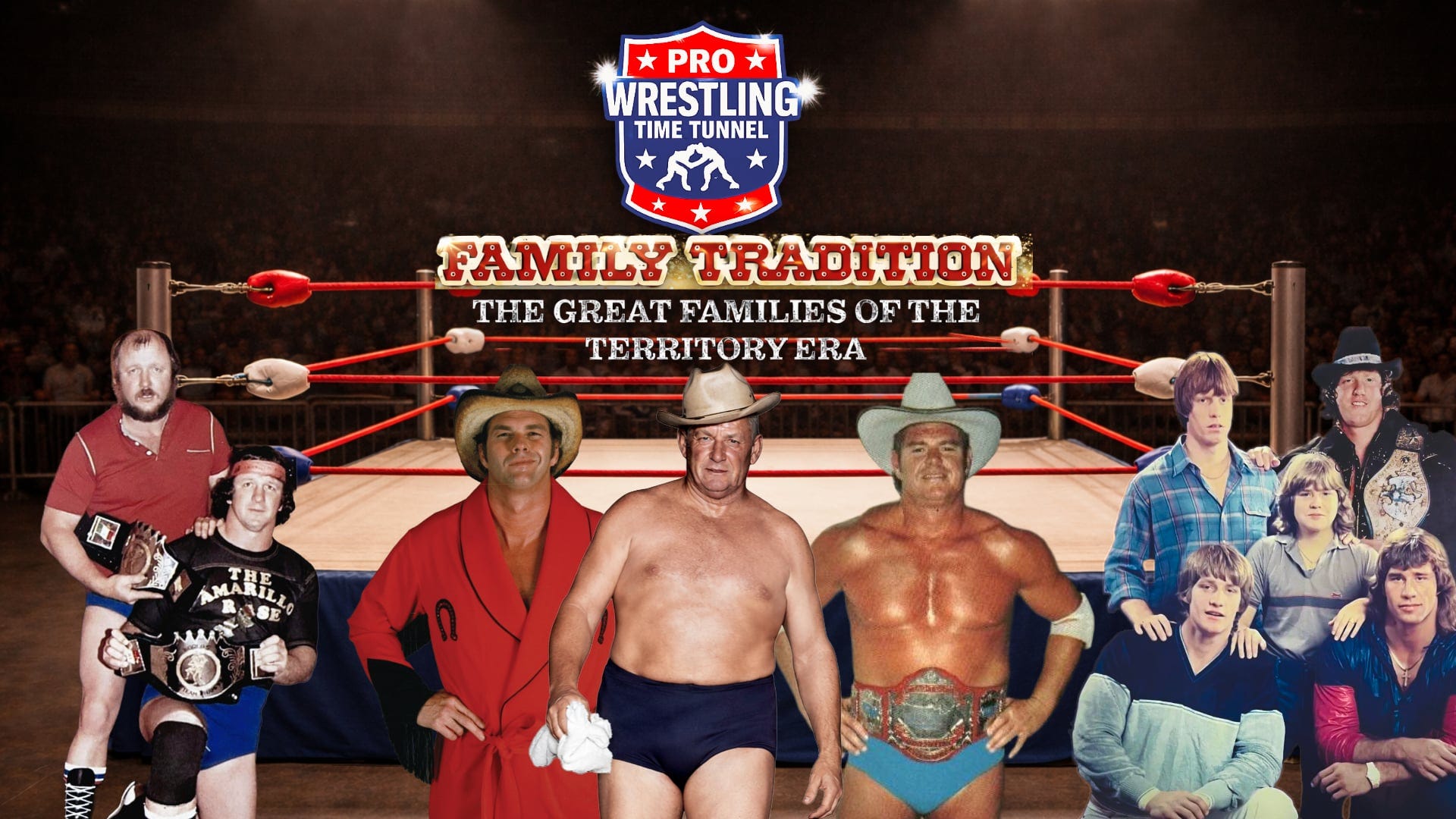
This Week The First Entry in the Family Tradition Series, The Orton Family: Bob Orton, Sr.
Contributed by Rich Harris
On Monday, April 27, 2026, The Pro Wrestling Time Tunnel quietly rolled out something special for its paid subscribers: the debut installment of a brand-new written series dedicated entirely to wrestling’s greatest bloodlines. Titled “The Orton Family: The Life and Career of Bob Orton, Sr.”, this in-depth, long-form written feature is now live and available exclusively in the Time Tunnel premium archive.
reated and authored by wrestling historian and storyteller Tony Richards, the Family Tradition Series will deliver meticulously researched, magazine-style deep dives into the multi-generational families that helped shape professional wrestling across decades. Rather than quick-hit biographies, each piece will explore the full arc of a family’s influence—the territories they worked, the titles they won, the rivalries they built, and the quiet lessons passed from father to son (and sometimes grandson).
The choice to open the series with Bob Orton Sr. feels perfect. Born in 1929 in Kansas City, Missouri, “The Big O” broke into the business in the early 1950s and remained a respected, durable presence for more than four decades. He was never the flashy national champion chasing mainstream headlines; instead, he was the ultimate territory veteran—a tough, versatile “wrestler’s wrestler” who could anchor a main event, elevate a mid-carder, or teach the next generation how the business really worked.
Subscribers will read about Orton Sr.’s early days in the Kansas City territory, his lengthy and successful runs in Florida where he captured NWA Southern Heavyweight Championship gold and formed a memorable tag-team partnership with Eddie Graham (winning the NWA World Tag Team titles on two separate occasions in 1966), and his later appearances in the AWA and WWWF. The feature also examines his role as locker-room leader and mentor, and the way he consciously built the foundation for the Orton dynasty: father to “Cowboy” Bob Orton Jr.—the legendary 1980s heel famous for his cast-wielding attack on Hulk Hogan—and grandfather to Randy Orton, who would become one of WWE’s modern-era superstars.
What sets this written piece apart is Richards’ signature approach: exhaustive research drawn from old territory records, newspaper archives, and firsthand interviews, combined with a narrative style that places Bob Sr.’s career in the broader context of the territories he helped sustain. Readers get the human story behind the grappler—the long drives between towns, the smoky armories, the pride of watching his sons and grandson carry the family name forward. In an era when wrestling legacies are often reduced to highlight packages or quick social-media tributes, this feature treats the Ortons with the respect and depth they’ve always deserved.
Premium (paid) subscribers can now read the complete debut feature right inside the Pro Wrestling Time Tunnel members’ area. No ads, no teasers—just pure, long-form wrestling history presented in clean, engaging prose.
The Family Tradition Series is off to a strong start, and the Orton family is only the beginning. Future installments will explore other legendary dynasties that defined the regional era. For anyone who has ever been fascinated by how certain last names became synonymous with excellence in this business, this is the definitive written account you’ve been waiting for.
The Time Tunnel just added a powerful new chapter—and it’s one you can read, savor, and return to anytime. Welcome to the Family Tradition Series. The Ortons are just the beginning.
This Week in The Daily Chronicle
Contributed by Rich Harris
For seven straight mornings, The Daily Chronicle—your essential daily history newsletter for the territory era of wrestling—delivered another powerhouse week of in-depth features, dropping every day at 5:56 a.m. Central Time. From April 26 through May 2, 2026, Issues 376 through 382 took subscribers on a sweeping journey across decades, spotlighting everything from 1970s Florida glory to the turbulent 1986 disintegration of the territories, plus heartfelt tributes to three legendary figures. Here’s your complete issue-by-issue recap of one of the strongest weeks yet in Chronicle history.
Sunday, April 26 – Issue 376: The week opened with the regular Sunday deep-dive tradition: a full April-through-May 1976 recap of Championship Wrestling from Florida. Readers relived the electric run that saw Jack Brisco capture the NWA Florida Heavyweight Championship for an eighth reign, Dusty Rhodes battling The Assassin for Southern Heavyweight gold, and the rising presence of “Cowboy” Bob Orton Jr. as he dethroned Brisco late in the period. Gordon Solie’s commentary, packed arenas in Tampa and West Palm Beach, and the territorial flavor that made Florida one of the hottest regions in the NWA all came alive in rich detail.
Monday, April 27 – Issue 377: Monday shifted gears to the ongoing “7 Stages of the Territory Era” framework with a sobering look at Stage 7: Disintegration—specifically the month of April 1986. The issue unpacked the seismic events that signaled the old territory system was cracking: WrestleMania 2 drawing huge mainstream attention, the inaugural Jim Crockett Memorial Cup Tournament in Greensboro showcasing the NWA’s star power, and the chaotic energy of WrestleRock ’86 in Chicago. It was a masterclass in how national expansion, cable TV, and big-money spectacles were accelerating the decline of the traditional regional model.
Tuesday, April 28 – Issue 378: Tuesday continued the Stage 7 analysis with a special two-part focus on April and May 1986, zeroing in on the explosive influence of the Four Horsemen. Ric Flair, Arn Anderson, Ole Anderson, and Tully Blanchard (with J.J. Dillon pulling the strings) were portrayed not just as a dominant heel stable, but as a symptom and accelerant of the territory’s final chapter—drawing record crowds while simultaneously exposing the vulnerabilities of individual promotions against the rising national machine.
Wednesday, April 29 – Issue 379: Midweek brought the weekly Pro Wrestling Time Tunnel community update. This issue served as the official hub for Time Tunnel Premium subscribers, recapping recent audio and written releases, sharing subscriber feedback, and teasing upcoming Family Tradition Series installments and 1976 territory reviews. It was the perfect “family meeting” moment for the growing community of territory historians.
Thursday, April 30 – Issue 380: Thursday will pay tribute to one of the toughest women ever to step between the ropes: Kay Noble. The feature honored the life and career of the no-nonsense pioneer (1957–1987) who held the Texas Women’s Championship, Central States Women’s Championship, and AWA World Women’s Championship while raising five children and wrestling some of the most brutal matches of her era. Noble’s story was presented as a blueprint of resilience in an era when women’s wrestling was often overlooked.
Friday, May 1 – Issue 381: Friday keeps the spotlight on women in wrestling with the next generation: Elizabeth Hulette, better known as the iconic Miss Elizabeth. The long-form career retrospective tracing her journey from the ICW territory in the early 1980s through her legendary run as the First Lady of Wrestling alongside Randy Savage, charting her evolution from manager to cultural phenomenon and the quiet strength she brought to one of the most memorable on-screen romances in wrestling history.
Saturday, May 2 – Issue 382: The week will close out on a hard-hitting note with the life and career of Jos LeDuc (real name Michel Pigeon), the wild Canadian lumberjack brawler whose brutal style and legendary strength made him a terror across Stampede, Montreal, Florida, and beyond. From his tag-team wars with “brother” Paul LeDuc to his 32 total championship reigns and unforgettable hardcore reputation, Saturday’s feature captured the raw essence of a true territory tough guy.
Seven issues. Seven distinct windows into wrestling’s past. Whether you’re studying the slow crumble of 1986, soaking in 1976 Florida sunshine, or honoring the pioneers who built the business, The Daily Chronicle delivered it all with the depth, respect, and storytelling that subscribers have come to expect.
Missed any issues? They’re all archived and ready to read in the members’ area. The next week’s lineup is already shaping up to be another must-read run through the territory era.
The Daily Chronicle—your daily history newsletter for the territory era of wrestling—drops every morning at 5:56 a.m. Central Time. See you tomorrow.
Thank You for Reading
I’m Tony Richards, Pro Wrestling Historian, Author and Storyteller. I share pro wrestling historical items in each issue of the Time Tunnel Pro Wrestling History Newsletter. Thanks for reading! If you enjoy my information on select events, matches and insights, please share it with folks you think might like to be a subscriber!
Remember, premium investors get access to exclusive and special content such as some special issues including a multi-part deep dives on wrestling territories, wrestler bios and championship title histories, special audio and video interviews on territory pro wrestling and more available in the Pro Wrestling Time Tunnel for Premium Investors.
**Special entries in this issue contributed by reader and guest contributor Rich Harris