


Happy Birthday to those who have passed on and to those great wrestlers still with us:
In Memoriam:
Ox Baker 1934
Sam Bass 1935
Happy Birthday:
(none)
RIP Memorial: We stop & remember those who have passed on this day and gave themselves to the business for us, the fans. We salute you and thank you.
Sr. Benjamin Roller 4-19-1933 at the age of 56
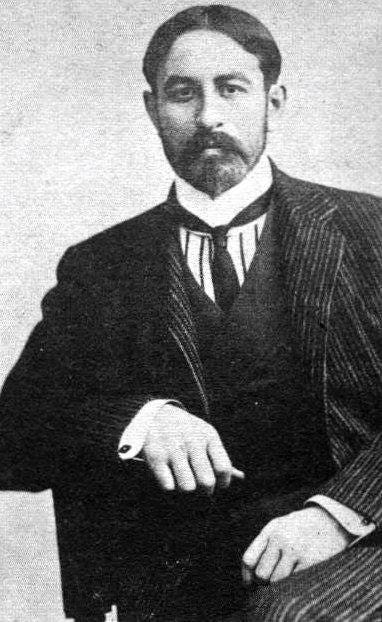
Ray Fabiani 4-19-1073 at the age of 82
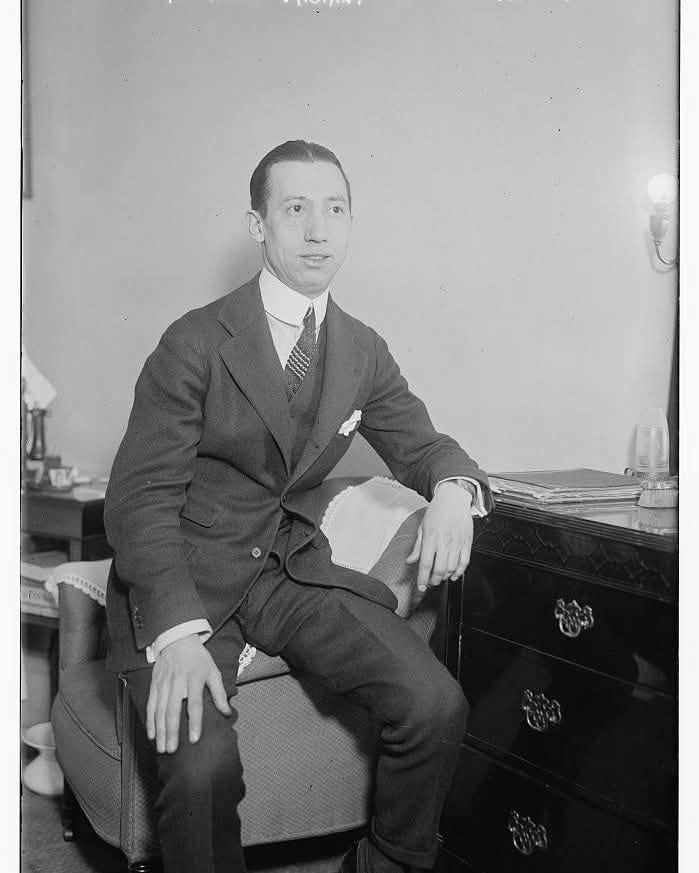
Silo Sam\Little John 4-19-1973 at the age of 82
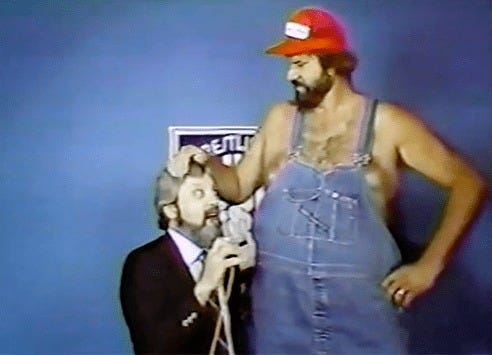
40 Year Flashback
4-19-1986: The Road Warriors defeated Magnum T.A. and Ron Garvin to win the 1st annual Jim Crockett Sr. Memorial Cup in the Superdome in New Orleans, Louisiana
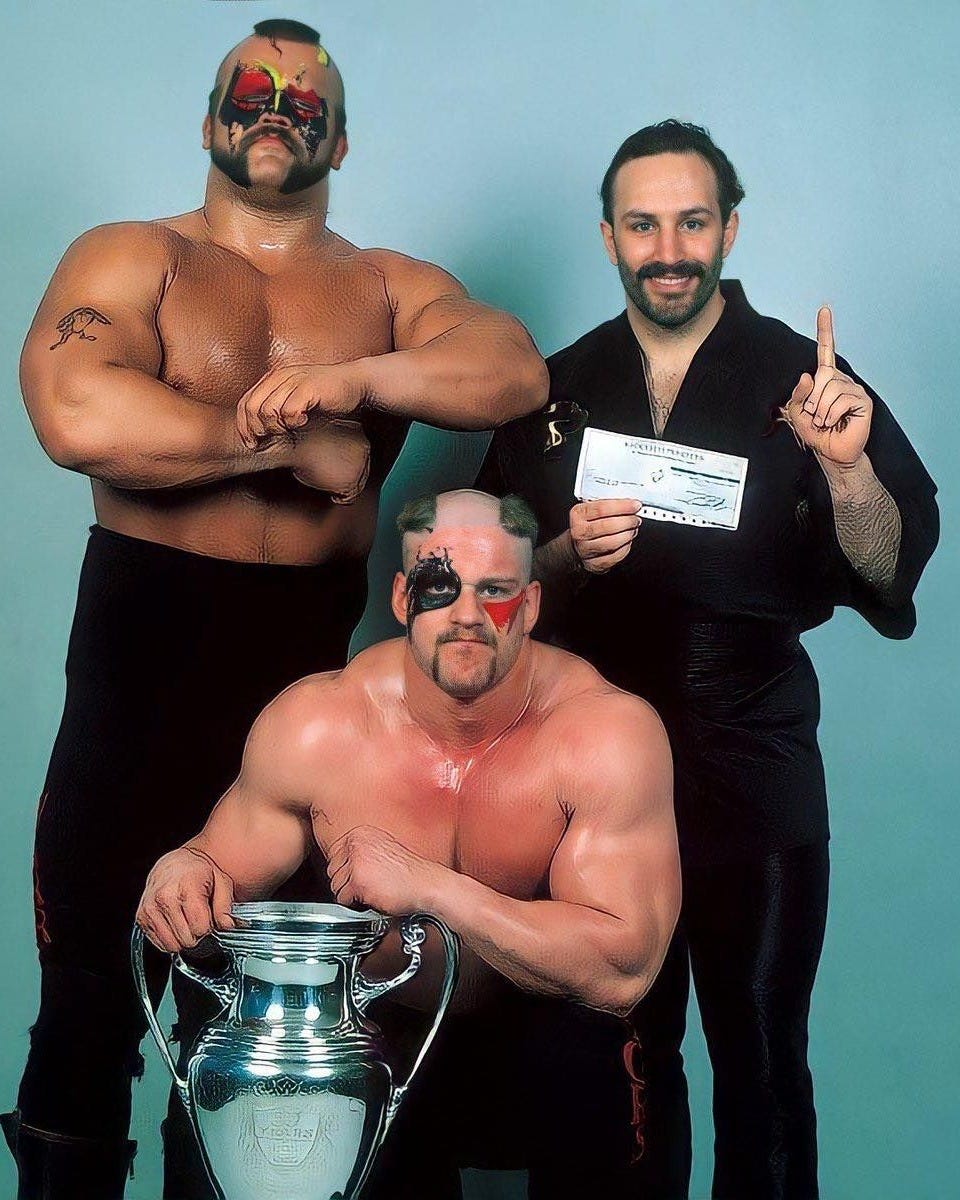
The Louisiana Superdome in New Orleans played host to one of the most ambitious events in National Wrestling Alliance (NWA) history: the first annual Jim Crockett Sr. Memorial Cup Tag Team Tournament. Named in honor of the late father of promoter Jim Crockett Jr., the single-elimination tournament featured 24 of the top tag teams from across the NWA territories, a $1,000,000 storyline prize, and a massive silver trophy. The Superdome was packed for the afternoon and evening sessions that combined into one historic card, also featuring a high-profile singles main event between Ric Flair and Dusty Rhodes. In the end, the night belonged to the most feared and revolutionary team of the era—the Road Warriors (Road Warrior Hawk and Road Warrior Animal, managed by “Precious” Paul Ellering)—who bulldozed their way through the bracket and defeated the popular babyface duo of “Hands of Stone” Ron Garvin and Magnum T.A. in the tournament finals to claim the Cup.
The Road Warriors entered the 1986 Crockett Cup as the clear favorites and the most intimidating force in professional wrestling. Fresh off dominating runs in the AWA and Georgia Championship Wrestling, Hawk and Animal arrived in full post-apocalyptic glory: spiked shoulder pads, face paint, mohawks, and the now-legendary “What a Rush!” energy. Managed by the strategic Paul Ellering, they had already revolutionized tag-team wrestling with their explosive power style, short squashes, and devastating Doomsday Device finisher. By 1986 they were the NWA’s ultimate wrecking crew, drawing massive crowds wherever they appeared.
Their opponents in the finals, Ron Garvin and Magnum T.A., were a formidable babyface pairing built on toughness and charisma. Magnum T.A. (Terry Allen) was a rising star known for his mat-based technical wrestling and good looks, while Garvin—billed from Louisville, Kentucky—was the veteran brawler whose “Hands of Stone” right-hand punch was one of the most feared strikes in the business. The team had advanced through a grueling bracket that included victories over teams like Buzz Sawyer & Rick Steiner. Garvin entered the final nursing a storyline hand injury from earlier in the tournament (or prior angles), which would play directly into the finish.
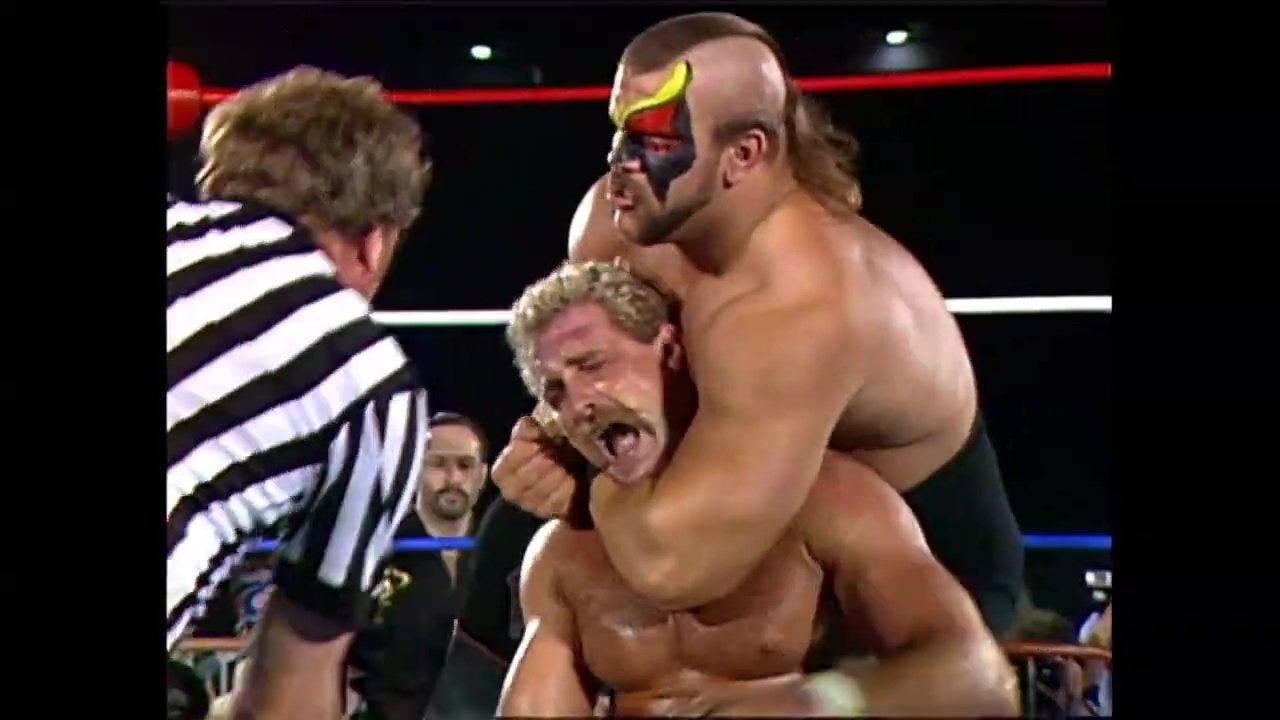
Pictured” Road Warrior Animal rear chin locks Magnum T.A. in the finals
The final match itself lasted approximately 9:18 and was a hard-hitting, back-and-forth war that perfectly contrasted the two teams’ styles. The Road Warriors brought their signature brute force and intimidation, while Garvin and Magnum relied on heart, scientific wrestling, and Garvin’s vaunted punch. The action was fast and physical, with the Superdome crowd split between cheers for the beloved babyfaces and awe at the unstoppable Warriors. Late in the bout, Garvin attempted his signature “Hands of Stone” punch on Road Warrior Hawk. The blow landed flush—but Garvin’s already-injured hand buckled under the impact. He clutched the hand in pain, momentarily distracted. That split-second opening was all the Road Warriors needed. Animal immediately capitalized with a thunderous lariat (clothesline) that flattened Garvin. Hawk covered for the pin, and the bell rang at roughly 9:18. The Road Warriors were crowned the inaugural Crockett Cup champions.
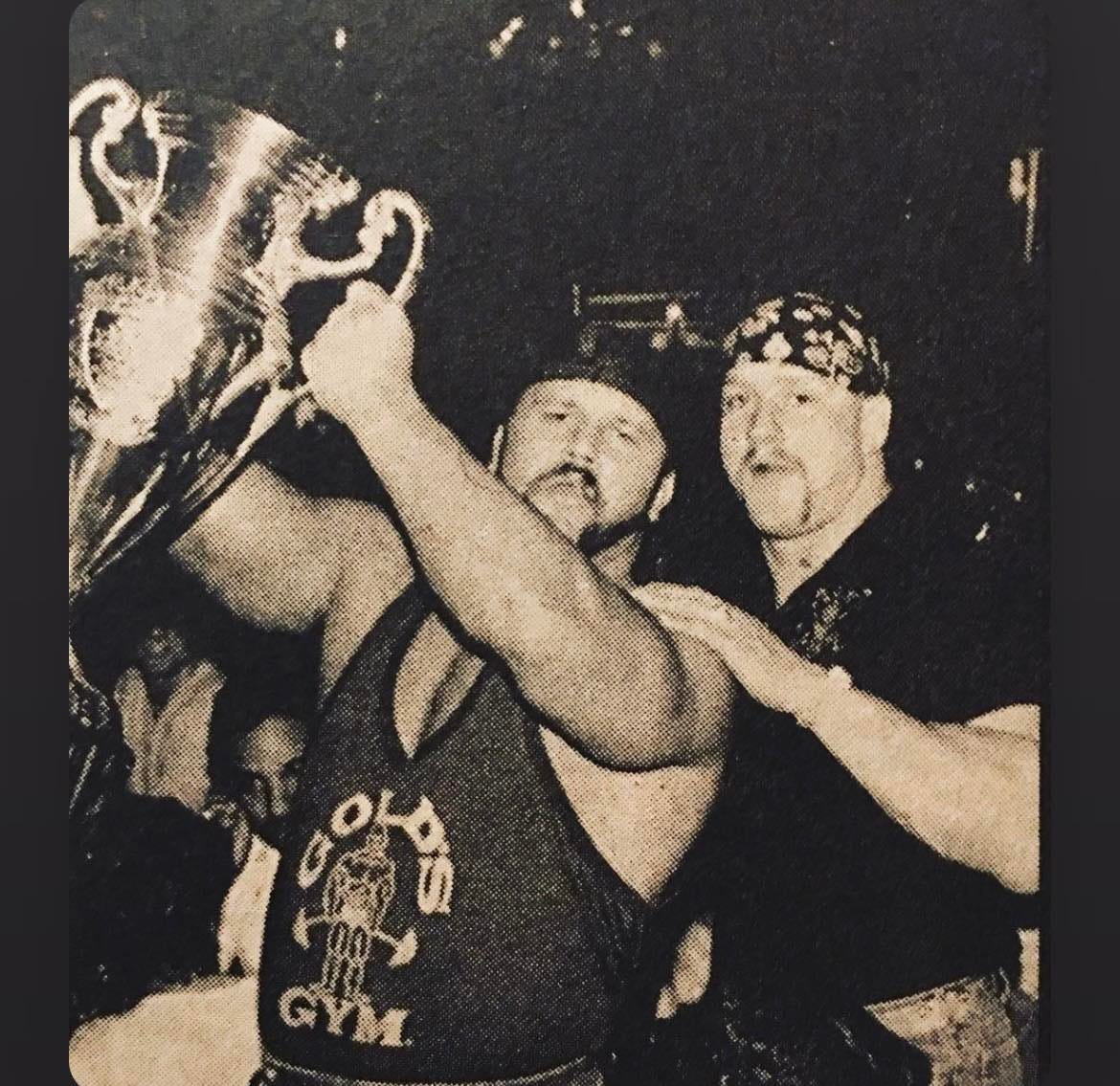
The post-match celebration was unforgettable. Ellering accepted the oversized trophy on behalf of his team while the Superdome erupted. Jim Crockett Sr.’s widow was even brought into the ring for a heartfelt moment, adding emotional weight to the victory. The Warriors’ win wasn’t just about the $1 million prize or the hardware—it was a statement. They had survived a gauntlet of NWA’s best and proven once again that no team could stand in their way when the spikes were on.
The 1986 Crockett Cup victory marked a major milestone in the Road Warriors’ legendary career. It solidified their status as the premier tag team of the mid-1980s and helped bridge the territorial era into what would become the national expansion period. Though the Crockett Cup would only be held three times (1986–1988), the inaugural event remains the most iconic, remembered for its massive scope, star power, and the crowning of the most destructive duo in wrestling history.
For Ron Garvin and Magnum T.A., the loss was disappointing but did nothing to diminish their popularity. Both men continued as top stars in the NWA, with Garvin later challenging for the World Heavyweight Championship and Magnum T.A. tragically forced into early retirement after a near-fatal car accident in 1986. The match itself is still regarded by historians as a solid, if not five-star, tournament finale that put over the Road Warriors exactly as it should have.
50 Year Flashback
Q2 Analysis (April-June) Big Time Wrestling, Dallas, Texas Booking Office
In the spring and early summer of 1976, the Dallas-based NWA Big Time Wrestling office (also referred to as Southwest Sports, Inc.) stood as one of the National Wrestling Alliance’s most reliable territorial strongholds. Promoted by Jack Adkisson—better known as the iconic Fritz Von Erich—the territory encompassed regular loops through Dallas and Fort Worth (headquartered at the legendary Dallas Sportatorium), with spillover shows in San Antonio, Corpus Christi, Houston, and Austin. At this point, the promotion was still very much in the “Fritz era,” before his sons David, Kevin, and Kerry became the central babyface attractions that would later turn World Class Championship Wrestling into a national phenomenon.
Fritz himself remained the top star and drawing card, blending veteran psychology with his signature Iron Claw finisher. The territory’s business in April–June 1976 was characterized by consistent mid-card action at the Sportatorium, a heavy focus on the ongoing feud with the monstrous Mongolian Stomper, and one landmark outdoor spectacular that demonstrated the promotion’s ability to scale up for major events.
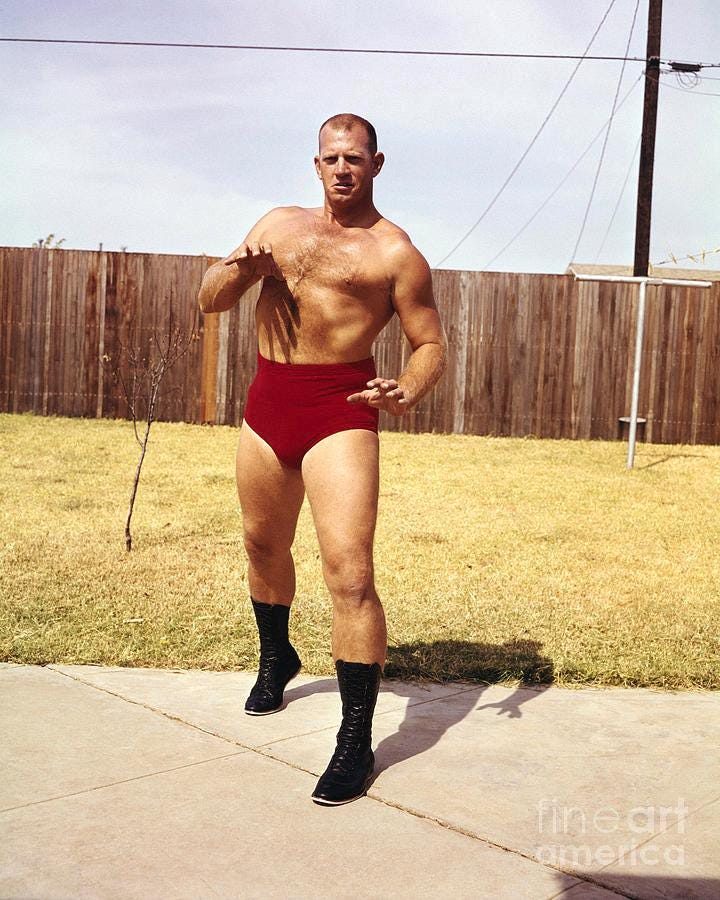
Pictured: Fritz Von Erich
Weekly cards at the Dallas Sportatorium featured a mix of established veterans and solid mid-card talent. The Mongolian Stomper (Archie Gouldie) served as the primary heel antagonist, frequently teaming with J.J. Dillon or Lord Alfred Hayes to battle babyface combinations. Notable April results included:
April 13: Mongolian Stomper & J.J. Dillon defeated Rocky Johnson & Cowboy Lang; Red Bastien defeated Kim Duk; Chief Peter Maivia defeated Don Fargo.
April 20: Mongolian Stomper defeated Rocky Johnson in a singles main event.
April 27: Fritz Von Erich & Red Bastien defeated Mongolian Stomper & Lord Alfred Hayes in the featured tag match.
These bouts emphasized stiff, physical brawling and the classic territorial formula of babyfaces overcoming numbers. Rocky Johnson, Chief Peter Maivia, Jose Lothario, and Red Bastien provided reliable support, while undercard names like Francisco Flores, Killer Brooks, and Paul Perschmann filled out multi-match cards. No specific weekly attendance figures survive in contemporary reports, but the Sportatorium’s roughly 4,500–5,000 capacity was routinely filled for Fritz-involved shows, reflecting steady regional loyalty in the pre-cable era. Houston and San Antonio runs followed similar patterns, often featuring the same core roster on a rotating loop.
In May, The Stomper feud continued to dominate. Fritz scored a disqualification victory over the Stomper on May 18, while a strap match on May 25 saw Danny Plechas defeat J.J. Dillon. Tag-team action remained prominent, with Chief Peter Maivia & Rocky Johnson and Red Bastien & Maivia frequently opposing the Stomper’s crew. Jose Lothario and Rocky Johnson also teamed successfully against Killer Brooks & Johnny Eagles. These programs built heat through interference and disqualification finishes—standard NWA psychology of the time—while keeping the focus on Fritz as the territory’s protector. The roster showed early glimpses of future stars; Gino Hernandez and Tully Blanchard (the latter subbing in one June card) were beginning to appear more regularly. Business remained solid but unspectacular, with the weekly Sportatorium cards serving as the territorial backbone
June 1976: The Super Bowl of Wrestling and Territory-Wide Momentum
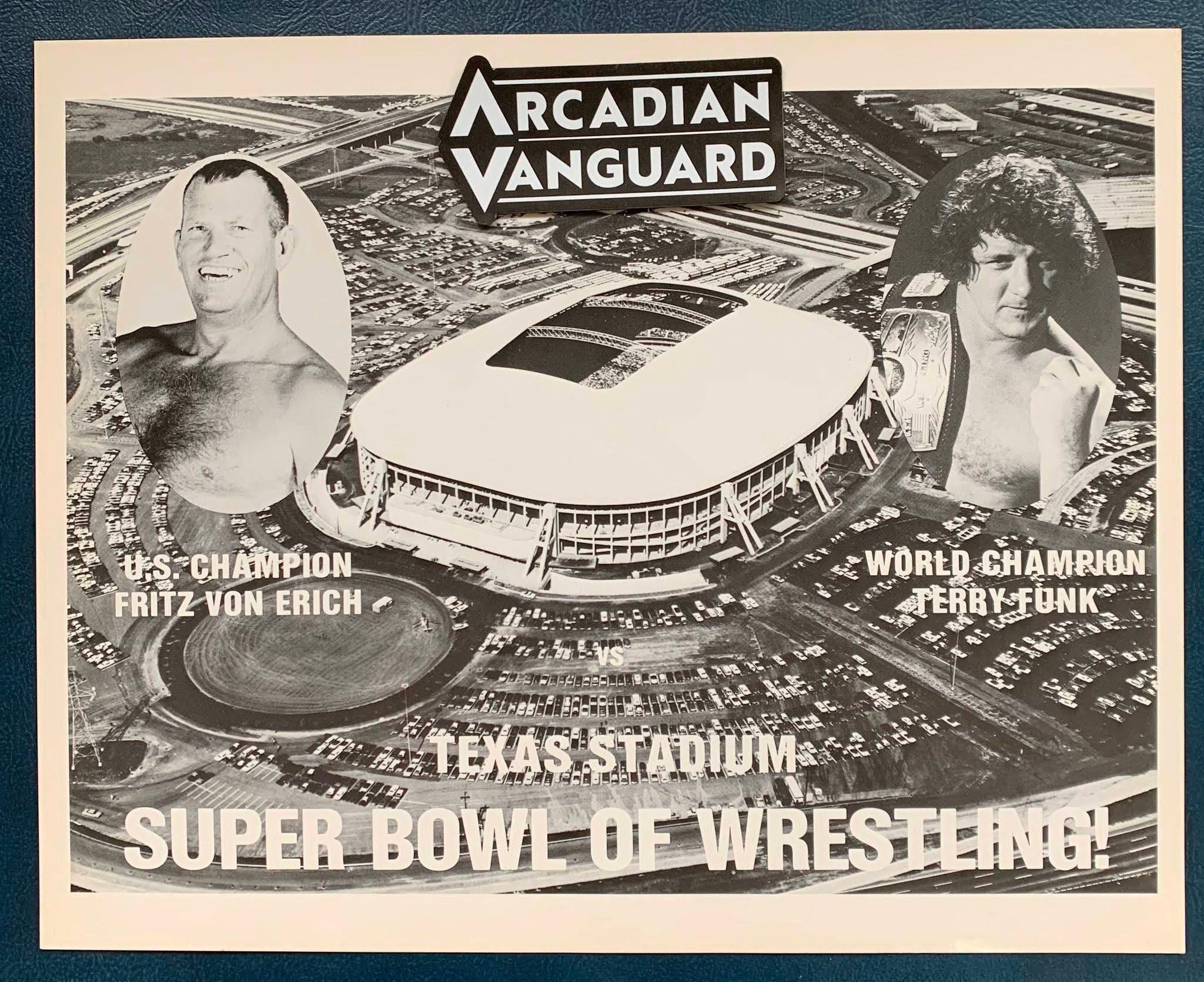
June delivered the quarter’s (and arguably the year’s) highlight: the Super Bowl of Wrestling on June 5 at Texas Stadium in Irving. Billed as a major outdoor spectacular, the event drew approximately 17,000 fans—an impressive gate for 1976 and a clear demonstration of the territory’s ability to attract large crowds when stacked with national talent. The stacked card included:
Peter Maivia defeated Don Fargo
Rick Martel drew Red Bastien
Rocky Johnson defeated Larry Sharpe
André the Giant defeated The Mongolian Stomper & J.J. Dillon in a handicap match
Diamond Lil defeated Darling Dagmar (women’s match)
El Santo & Jose Lothario defeated Killer Tim Brooks & Paul Perschmann (Buddy Rose)
Main event: NWA World Heavyweight Champion Terry Funk battled Fritz Von Erich to a double count-out
The Funk–Von Erich main event was the emotional centerpiece. Fritz, the hometown hero and NWA stalwart, challenged the champion in a high-stakes, no-decision finish that protected both men while satisfying the live crowd. The presence of international legend El Santo and the massive André the Giant added star power and international flavor. This event was a financial and promotional success, boosting visibility across Dallas–Fort Worth and the broader Texas loop.
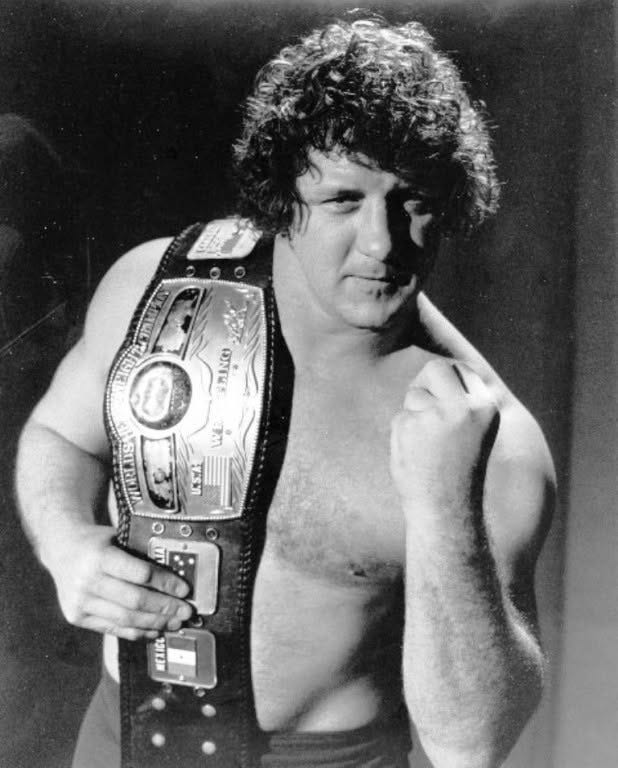
Pictured: NWA World Heavyweight Champion, Terry Funk
Later June cards at the Sportatorium and Fort Worth continued the momentum. Fritz defeated the Mongolian Stomper in a Texas Death Match on June 21 in Fort Worth. Moondog Mayne arrived as a new heel challenger, feuding with Chief Peter Maivia and Red Bastien. Lumberjack and DQ finishes kept crowds engaged, and emerging talent like Gino Hernandez and Larry Sharpe gained TV exposure. Shows continued in San Antonio, Corpus Christi, Houston, and Austin, maintaining the territory’s multi-city footprint.
Q2 1976 reflected a healthy, well-run NWA territory operating at a sustainable level. Weekly Sportatorium attendance hovered in the solid 3,000–4,500 range (typical for the era’s regional promotions), driven by Fritz’s star power and the Stomper’s effective heel work. The June 5 Texas Stadium spectacular, however, was the standout—17,000 paying fans proved that big-stadium booking could generate major revenue spikes and national buzz. Gate receipts from the event (estimated in the high five figures) helped offset slower weeks and reinforced Fritz’s dual role as wrestler and promoter.
Compared to other NWA offices, Dallas was neither the hottest (that was still Mid-Atlantic or Florida) nor struggling; it was reliably profitable with room for growth. The roster mix of veterans (Red Bastien, Rocky Johnson, Peter Maivia), monsters (Mongolian Stomper, Moondog Mayne), and international guests (El Santo) kept programming fresh. Notably, this quarter predated the full Von Erich family explosion—Kevin Von Erich would debut later in 1976, with David and Kerry following—yet the foundation was already being laid. Fritz’s booking emphasized strong babyface comebacks and grudge matches, a formula that would explode in popularity in the 1980s.
April–June 1976 captured NWA Big Time Wrestling at a transitional yet prosperous moment: a traditional territorial office with one foot in the classic era and the other stepping toward the family-driven dynasty that would define Texas wrestling for the next decade. The 17,000-fan Super Bowl of Wrestling stood as proof that Fritz’s promotion could deliver spectacle on a grand scale, while the weekly loops through Dallas, Fort Worth, San Antonio, Corpus Christi, Houston, and Austin kept the territory financially sound and fan-loyal. It was a quarter of steady business, memorable feuds, and one unforgettable stadium night—hallmarks of a promotion on the verge of something bigger.
Thank You for Reading
I’m Tony Richards, Pro Wrestling Historian, Author and Storyteller. I share pro wrestling historical items in each issue of the Time Tunnel Pro Wrestling History Newsletter. Thanks for reading! If you enjoy my information on select events, matches and insights, please share it with folks you think might like to be a subscriber!
Remember, premium investors get access to exclusive and special content such as some special issues including a multi-part deep dives on wrestling territories, wrestler bios and championship title histories, special audio and video interviews on territory pro wrestling and more available in the Pro Wrestling Time Tunnel for Premium Investors.