



Happy Birthday to those who have passed on and to those great wrestlers still with us:
In Memoriam:
Tank Morgan 1933
Little Beaver 1934
Happy Birthday:
Debbie Combs (67)
Steve Lombardi (65)
Todd Pettingill (60)
RIP Memorial: We stop & remember those who have passed on this day and gave themselves to the business for us, the fans. We salute you and thank you.
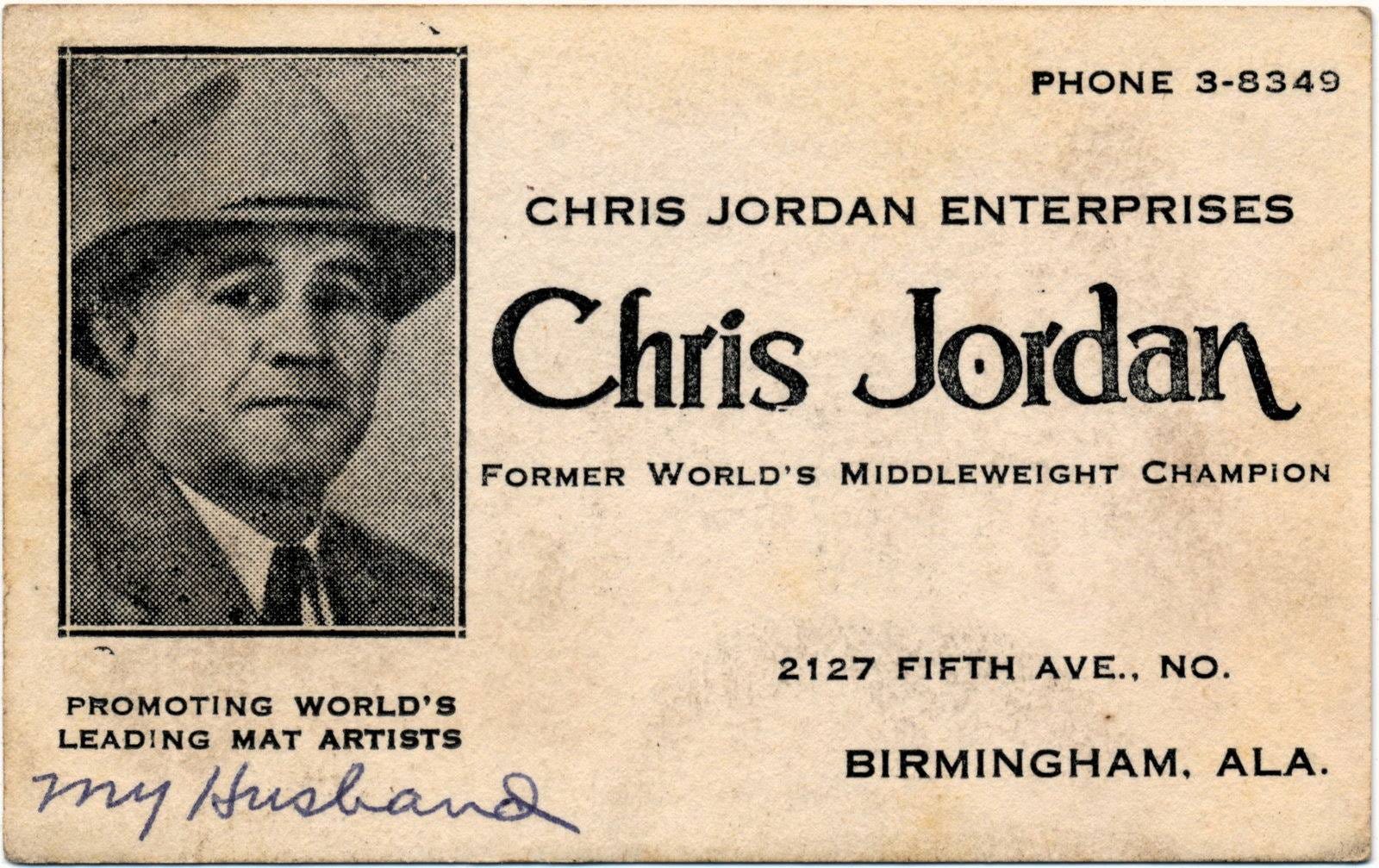
**Chris Jordan 4-18-1940 at the age of 54
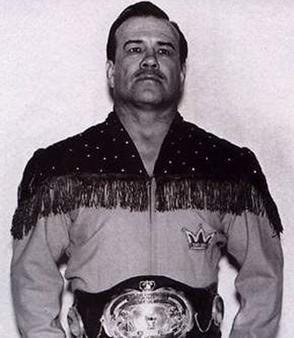
Gory Guerrero 4-18-1990 at the age of 69
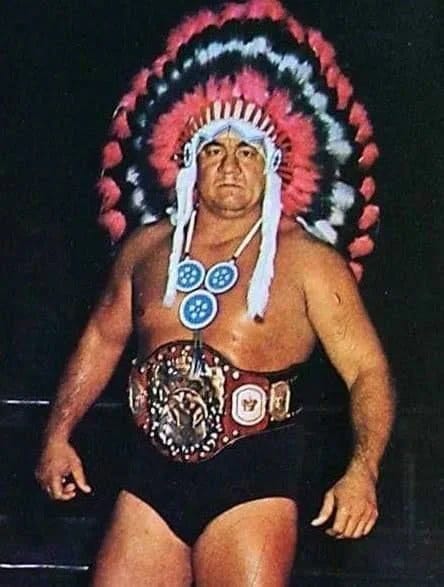
Wahoo McDaniel 4-18-2002 at the age of 63
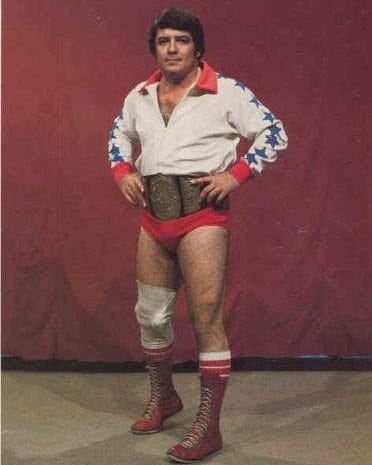
Paul Frederick\Paul Jones 4-18-2018 at the age of 75
Bruno Sammartino 4-18-2018 at the age of 82
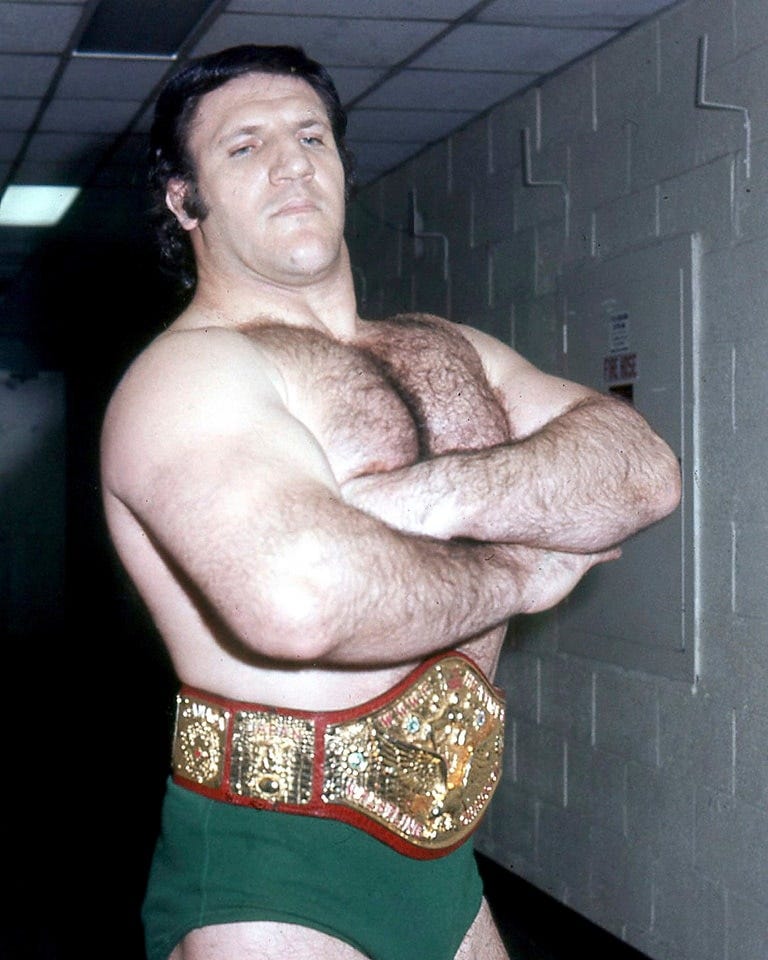
Jack Lotz 4-18-2020 at the age of 86
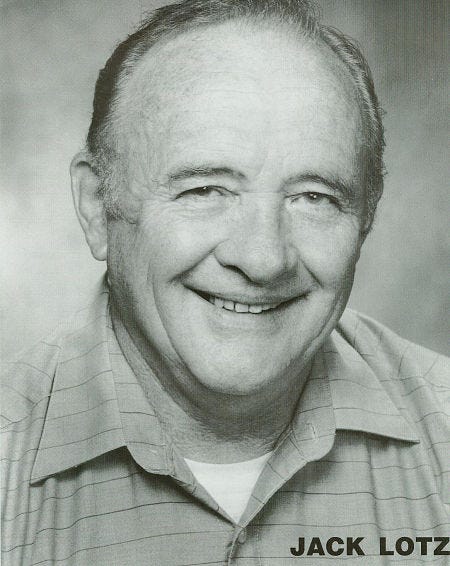
Dick Steinborn 4-18-2020 at the age of 86
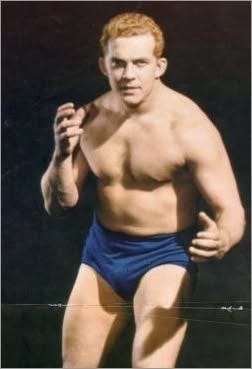
Significant Debut:
Michael Hegstrand\Road Warrior Hawk 4-18-1983 at the age of 26
The Life and Career of Ella Waldek
Elsie Schevchenko—better known to the wrestling world as Ella Waldek—was one of the most formidable and overlooked pioneers of women’s professional wrestling during its Golden Age in the 1950s and 1960s. A natural blonde standing 5’5” and weighing around 137–140 pounds, she combined athletic grace, technical mastery, and raw toughness that earned her the nickname “The Policewoman.” She was a trailblazer who helped legitimize women’s wrestling as a high-drawing attraction, holding tag team gold and multiple singles titles while enduring the physical and emotional toll of a brutal industry. Her story, however, extends far beyond the ring: it is a Dickensian tale of poverty, abuse, adventure, tragedy, and reinvention that took her from a Washington farm to bomber factories, roller rinks, wrestling arenas, security firms, and a Florida greenhouse.
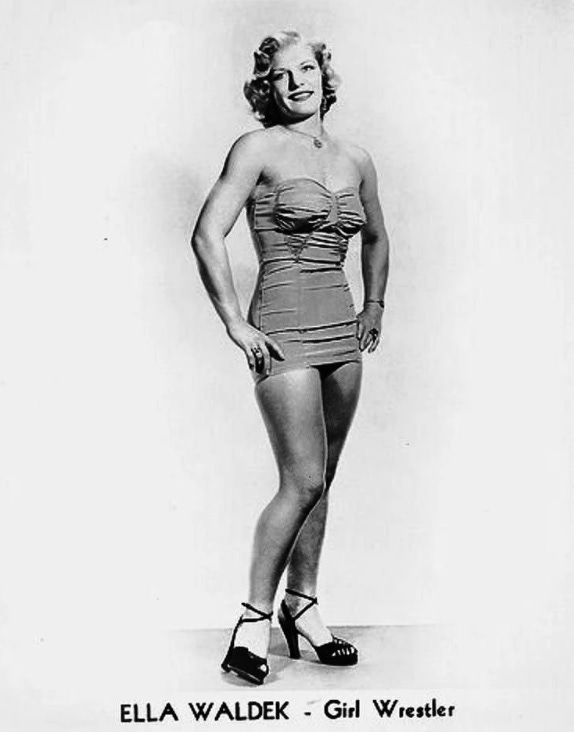
Born on December 2, 1929, in Custer, Washington, Elsie was the daughter of Ukrainian (sometimes described as Russian) and German immigrant farm laborers who lived in a converted barn. Her father abandoned the family when she was three, leaving her mother to raise Elsie and an older sister in grinding poverty. Young Elsie grew up fast—“I was raised on a farm driving tractors and throwing around 50-pound bales of hay,” she later recalled. She walked three miles to school and three-and-a-half to her mother’s job, always the biggest and most mature kid in class, earning the cruel nickname “Elsie the Cow.”
At age 10 or 11, she and her mother worked as waitresses at a drive-in diner until authorities intervened; given a choice between reform school and a convent, Elsie chose the latter and planned to take vows as a nun by age 14. Her remarried mother pulled her out, only for Elsie to face an abusive stepfather and stepsons. She fled at 15, marrying a man on an Indian reservation in Canada in a one-night union that ended in near-fatal violence when he disbelieved her virginity. She survived only because a maid intervened.
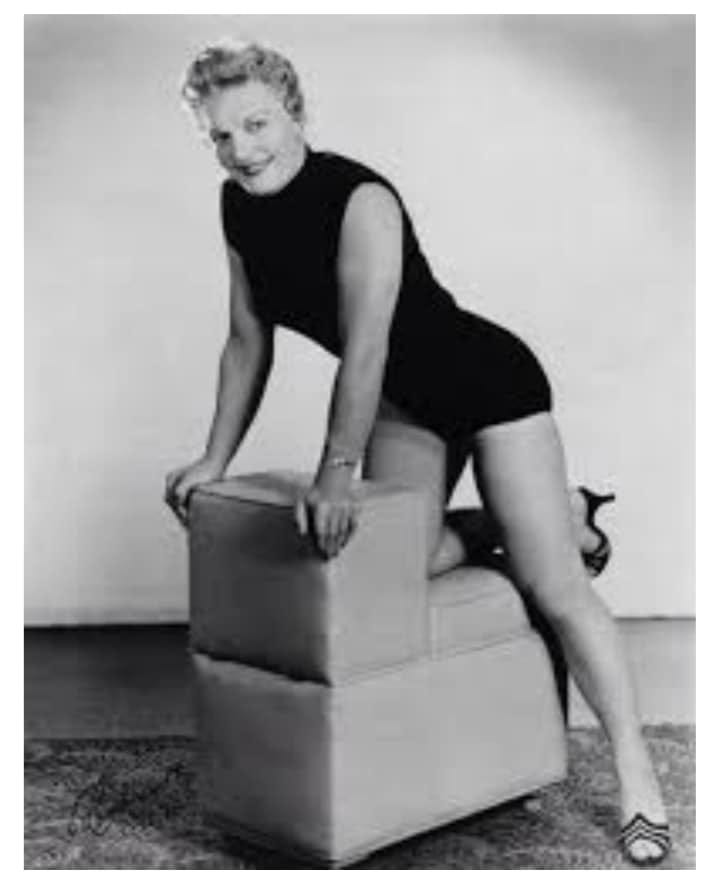
World War II offered escape and purpose. With men overseas, she worked as a mechanic on B-24 Liberator bombers for the Air Force, inspecting turrets, bomb bays, and urinals—sometimes flying with just the pilot and radar operator. A chemical fire severely burned her left leg from ankle to knee, yielding a settlement that funded further wandering. She sold magazine subscriptions from a station wagon, waitressed in Texas and a New Orleans country club, then landed in Columbus, Ohio, around age 16 to train as a roller-derby jammer under promoter Tommy Ward.
Wrestling entered her life almost by accident. While in roller derby, Ward introduced her to the sport. Watching Lillian Ellison (later The Fabulous Moolah) and Lady Angel, Waldek thought, “My God, I can do better than that.” Billy Wolfe—the powerful promoter and husband of champion Mildred Burke—saw her potential. He renamed her Ella Waldek (shortening her lengthy surname for autographs and billing her as 28 instead of 19), trained her in “shoot” (legitimate) wrestling, and positioned her as his “policeman” to test new talent. In an August 1949 gym tryout, she dominated veterans like Johnnie Mae Young and Dot Dotson. Her debut came around 1951–1952 in Chicago, where she quickly adopted signature moves: the short-arm scissor, leg locks, body slams, and flashy top-rope maneuvers.
Waldek thrived in the rough-and-tumble territory system. She teamed with Mae Young to become the inaugural NWA World Women’s Tag Team Champions in 1952. She captured the NWA Southern Women’s Championship (Florida version) multiple times (sources cite between two and six reigns, including victories in 1957, 1958, and 1959) and the NWA Florida Women’s Championship in 1970 by defeating Sherri Lee. She wrestled across the U.S., including high-profile bouts in Cuba, and occasionally mixed tags against male college wrestlers from Ohio State, whom she dispatched with arm locks and Japanese toeholds. Crowds loved the women’s division for its speed and flash: “The people didn’t come to see the guys, they came to see the women,” she said. “We were faster. We were flashier.”
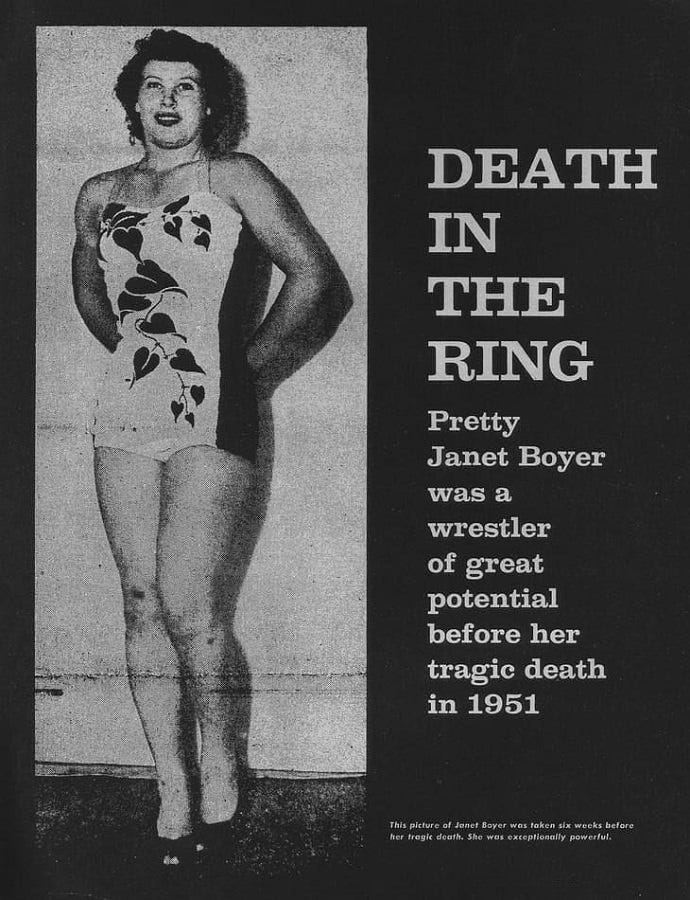
Her career was not without darkness. On July 27, 1951, in East Liverpool, Ohio, Waldek bodyslammed 18-year-old Janet Boyer (adopted daughter of Billy Wolfe) during a tag match involving Mae Young and Eva Lee. Boyer later collapsed at ringside after tagging out, having eaten a heavy meal beforehand. She died the next day from a ruptured stomach and a pre-existing subdural hematoma. Police briefly arrested Waldek, Young, and Lee on suspicion of manslaughter, but all were cleared after autopsy.
The incident made national headlines; fans chanted “murderer” at Waldek, and Billy Wolfe reportedly fueled the narrative in the press. Ironically, it boosted attendance, but the stigma lingered. Months later, a kick to the solar plexus from Cora Combs in West Virginia caused devastating internal injuries—damaged ovaries, a torn stomach, and eventual removal of one ovary—leaving Waldek infertile and in early menopause by her early 20s. She missed nine months of action and endured the collapse of one marriage.
Despite these setbacks, Waldek remained a top draw into the 1960s and early 1970s, settling in Florida under promoter Cowboy Luttrall as women’s wrestling began its decline. She retired around 1971–1972 after roughly two decades in the ring.

Post-wrestling, Waldek channeled her toughness into new battles. She trained as a private investigator, founded her own security agency, served as a sheriff’s deputy, and worked undercover as a store detective for Wackenhut. She spent four years heading security at Montgomery Ward and 13 at J.C. Penney in Tampa, physically confronting shoplifters until a group of professionals slammed her into a glass window, nearly breaking her neck. She met her third husband, James Mecouch, through her security work; they married and ran a thriving seven-acre greenhouse and nursery (with four acres of woody ornamentals and eight greenhouses) in Lutz, Florida, for 31 years until his death in 1987. Widowed, she gardened part-time and reconnected with wrestling peers at Cauliflower Ear Club events.
In 2005, Waldek appeared in the documentary Lipstick & Dynamite: The First Ladies of Wrestling, reuniting with contemporaries and sharing candid stories. Through the film’s music contributor, singer-songwriter Neko Case, she discovered a family tie: Case was her great-niece on the Schevchenko side.
Waldek had battled lymphoma since 1993 but remained characteristically resilient. She died peacefully on April 17, 2013, at age 83 in Pinellas Park, Florida.
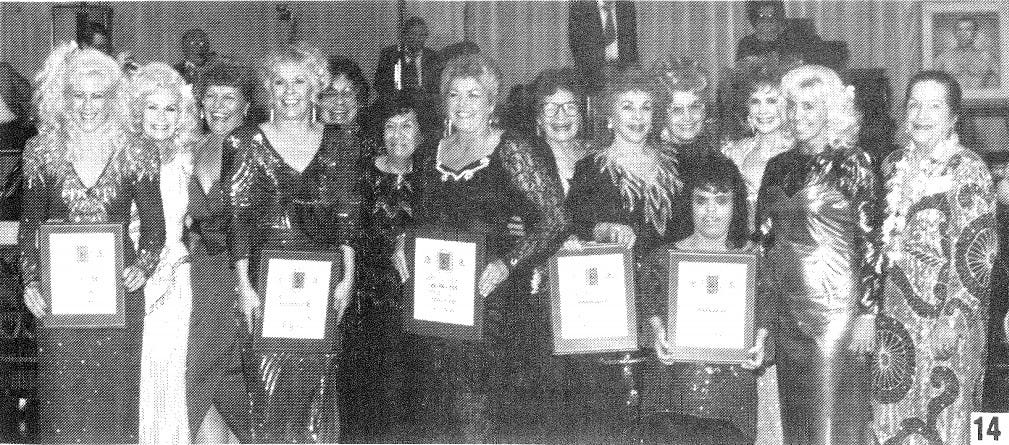
***Pictured: A gathering of legends of Women Wrestlers at the 1992 Cauliflower Alley Club. 1992 Cauliflower Alley Club - Women of Wrestling Honorees and Presenters
L to R: Debbie Combs, Cora Combs, Ella Waldek, Penny Banner, Theresa Theis, Ida Mae Martinez, Belle Starr, Mae Weston, Fabulous Moolah, Mae Young, Diamond Lil, Valerice Boesch (Wife of Texas Promoter Paul Boesch) Betty Clarke, and Maria Bernardi.
Ella Waldek’s legacy is that of a self-made woman who turned hardship into horsepower. From farm laborer to bomber mechanic, roller-derby star to ring enforcer, and finally security professional and nurturer of plants, she embodied the grit of the post-war era. In an industry that often exploited and discarded women, she demanded respect through skill and survival.
As one of the true “first ladies” of wrestling, her story reminds us that the squared circle was never just about spectacle—it was about women who refused to stay down, whether in the ring or in life. Her life was one of triumphs earned the hard way and tragedies overcome with quiet strength. In the words of her own reflection on wrestling’s golden days: “I was really thrilled that I was able to get something to use up all the excess energy I had.” That energy defined an extraordinary American life.
One Thing I Learned About Wahoo McDaniel
One of the coolest little-known facts about Chief Wahoo McDaniel is that, as a kid growing up in Midland, Texas, he played Pony League baseball—and one of his coaches was future U.S. President George H.W. Bush.
Bush was living and working in the oil business in Midland at the time and coached local youth teams. Wahoo (then just a standout athlete from a Choctaw-Chickasaw family) was one of the kids on his squad. It’s a wild crossover: the hard-hitting NFL linebacker and pro wrestling legend who later chopped Ric Flair and Johnny Valentine into hamburger meat once took baseball pointers from the guy who’d become the 41st President. Bush even remembered Wahoo years later.
It’s the kind of random historical footnote that makes wrestling history feel even more connected to the real world. Wahoo’s wildman reputation is legendary, but this quiet early-life link to presidential history flies pretty far under the radar.

**Photo credit: Jason Presley
***Photo Credit: Chris Bergstrom
Thank You for Reading
I’m Tony Richards, Pro Wrestling Historian, Author and Storyteller. I share pro wrestling historical items in each issue of the Time Tunnel Pro Wrestling History Newsletter. Thanks for reading! If you enjoy my information on select events, matches and insights, please share it with folks you think might like to be a subscriber!
Remember, premium investors get access to exclusive and special content such as some special issues including a multi-part deep dives on wrestling territories, wrestler bios and championship title histories, special audio and video interviews on territory pro wrestling and more available in the Pro Wrestling Time Tunnel for Premium Investors.