



Happy Birthday to those who have passed on and to those great wrestlers still with us:
In Memoriam:
Ad Santel 1887
El Mongol 1930
Ciclon Negro 1932
Miguel Perez 1937
Karl Von Shotz 1949
Michael Jones\Virgil 1951
Darren Drozdov 1969
Matthew Anoa’i\Rosey 1970
Happy Birthday:
Steve DiSalvo\Steve Strong (77)
David Otunga (46)
Sonjay Dutt (44)
RIP Memorial: We stop & remember those who have passed on this day and gave themselves to the business for us, the fans. We salute you and thank you.
Charley Perry\Sailor Moran 4-7-1978 at the age of 70

Matt Jewel\Bearcat Brown 4-7-1996 at the age of 60

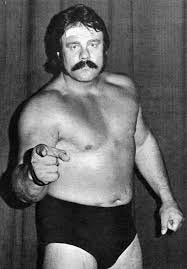
Bob Windham\Blackjack Mulligan 4-7-2016 at the age of 74
Silento Rodriguez 4-7-2024 at the age of 90
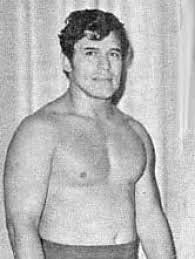
The Life and Career of Sailor Moran
Sailor Moran, whose real name was Charley Perry Croy, was a rugged, old-school professional wrestler whose career spanned more than three decades in the territorial era of American wrestling. Born on July 5, 1907, in Mississippi, Croy passed away on April 7, 1978, in Donelson, Tennessee (near Nashville). He was later buried in Wilson County Memorial Park in Lebanon, Tennessee. Though he never achieved national superstardom like contemporaries in the NWA or later WWF, Moran earned respect as a legitimate “shooter”—a wrestler skilled in real fighting and submission holds—and as a mentor to younger talent. His gimmick as a sailor drew from what appears to have been a merchant marine background, giving him an authentic, salty persona that fit the rough-and-tumble Southern and Midwestern circuits of the 1930s through the 1960s.
By the early 1930s Moran had entered professional wrestling, sometimes billed as Sailor Moran, Sailor Jack Moran, or simply Jack Moran. Historical records show he was active as early as 1922 in some accounts, with documented matches beginning in 1932 and continuing sporadically until 1964. Databases like Cagematch record only about 82 matches, but this underrepresents the era; veterans of the time often worked hundreds or even thousands of bouts in small towns and regional arenas where record-keeping was inconsistent. Moran wrestled primarily in National Wrestling Alliance (NWA) territories, including NWA Mid-America, Central States Wrestling, and promotions across the South and Midwest. He was never a world champion but served reliably as a veteran hand who could deliver solid, realistic matches and protect the business when needed.
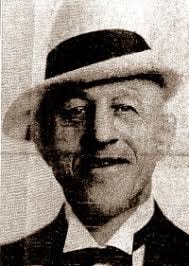
Pictured: Alfred Albert Joseph de Real Gardiur, The Original Dutch Mantell
One of the most telling anecdotes about Moran’s toughness came in 1935. Trained earlier by the legendary Dutch Mantell in Amarillo, Texas, Moran faced his mentor in a charity match and famously kicked Mantell’s teeth out—literally ending Mantell’s in-ring career. The incident cemented Moran’s reputation as a legitimate tough guy who could handle himself in a real fight, a quality highly valued in an era when promoters sometimes needed enforcers to keep unruly wrestlers or fans in line.

Pictured: Roy Welch
The original Dutch Mantell trained and developed some of pro wrestling’s most influenctial pro wrestlers. Besides Sailor Moran, the documented trainees from this Amarillo/West Texas cohort include people like Roy Welch, most likely the most prominent and influential.
Welch initially sought out Cal Farley (a promoter and shooter) but was sent to Mantell for serious training around the early 1930s. After enduring Mantell’s brutal “entrance exams,” Welch trained for roughly four years. He became a skilled light heavyweight, tag specialist, and eventually a major promoter, co-founding the Gulas-Welch promotions that dominated Memphis, Nashville, and much of the South. Welch’s family legacy (sons, grandsons like Ron Fuller and Jimmy Golden) kept his influence alive for decades.

Pictured: Pat Malone
Pat Malone, A key member of the same West Texas training group. Malone went on to wrestle, promote (including in Miami), and become famous as a bear handler/trainer—most notably with the wrestling bear Ginger. He claimed a version of the World Light Heavyweight title and was a reliable territorial worker who stayed close to Roy Welch throughout their careers. It was his masked heel persona The Green Shadow, adopted around 1944, that turned him into one of the biggest drawing cards in the post-war Southern wrestling scene. Operating primarily in the Gulas-Welch Enterprises Tennessee Territory, with parimary cities of Nashville and Knoxville, Tennessee, Malone’s Green Shadow became the ultimate heat magnet of the mid to late 1940s, a despised villain whose chicanery routinely packed arenas and sparked near-riots.

Pictured: Charlie Carr
Charlie Carr was another longtime associate trained alongside Welch, Moran, and Malone in Amarillo. Carr became a respected veteran “old pro” in the South and later trained his own students (including members of the Fields brothers family). He wrestled under various gimmicks, including masked characters, and was part of the same traveling crew that worked Michigan, Ohio, and Southern circuits together. While he never achieved the massive heat-drawing stardom of Pat Malone’s Green Shadow run, Carr was a reliable old-school “shooter” and masked heel who used anonymity to generate solid villain heat in the pre-television territorial era. His masked gimmicks—most notably The Black Bat and The Black Menace—fit the classic formula: mysterious, rule-breaking antagonists who teamed with other heels and tormented local babyfaces. Carr basically fulfilled the role of his mentor Mantell and the role that Pat Malone filled for Welch, but Carr did it for Welch’s son, Buddy Fuller. Enforcer, Policeman and trainer. Carr trained Joe Turner and Bill Bowman, who were tag team heels as one of the versions of The Masked Interns. Turner and Bowman in turn, trained Dennis Condrey, further perpetuating the Mantell generational legacy.
These four—Roy Welch, Sailor Moran, Pat Malone, and Charlie Carr—are repeatedly described in historical accounts as having trained together “in West Texas with Roy” under Mantell’s guidance. They formed a tight brotherhood that traveled and worked as a unit in the 1930s and beyond. Mantell’s training style emphasized legitimate grappling, toughness, and real fighting skills—very much in line with the “hooker”/shooter tradition of the era. Because it was informal and pre-dated modern record-keeping, the full list is likely small; these were the core group who carried his influence into the territorial era. Basically these four men formed the foundation of what would become “Southern Wrestling.” based on their original training with Dutch Mantell in West Texas with some innovations along the way based on crown reactions and ticket sales.
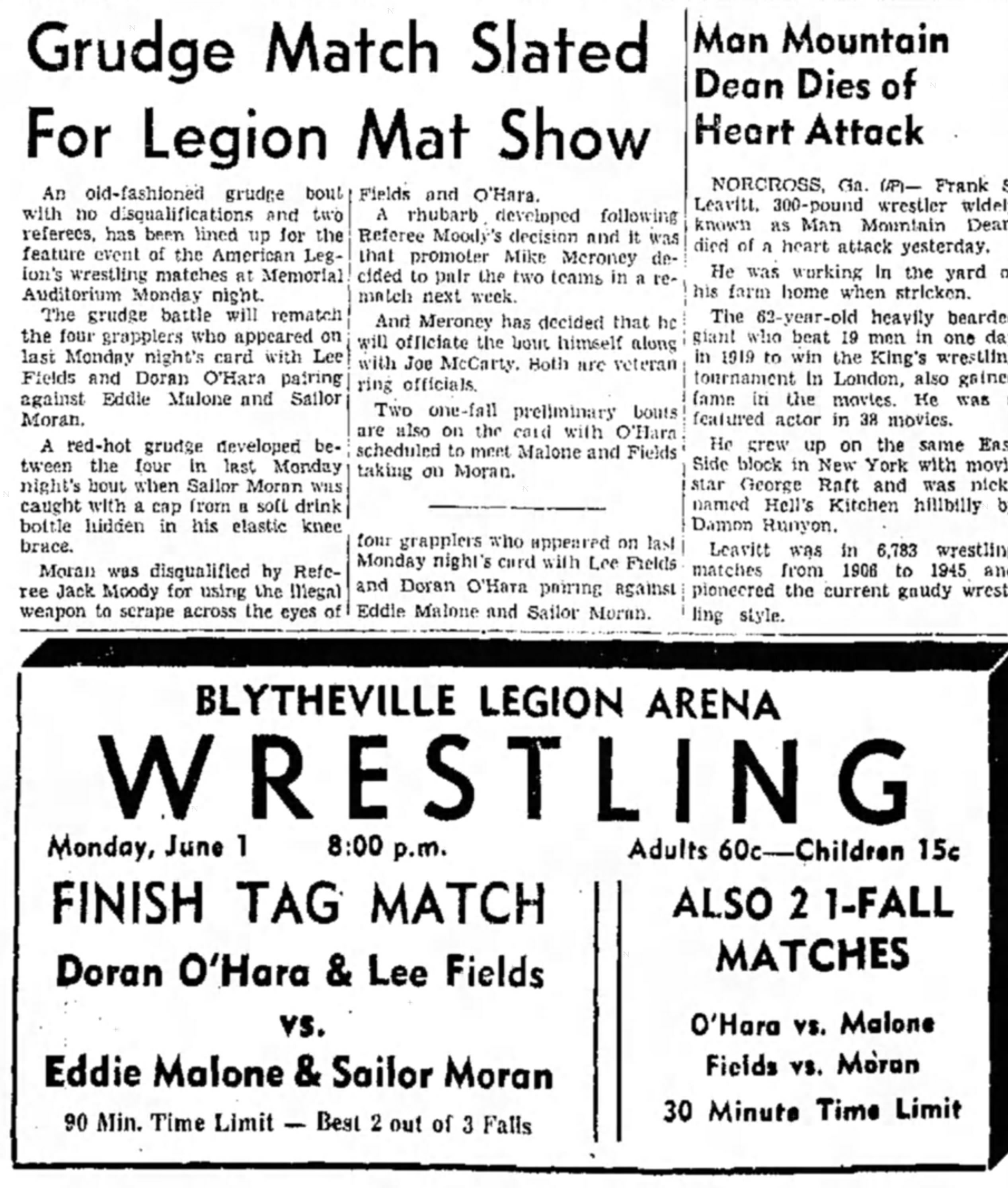
Pictured: The hot heel tag team of Pat (Eddie) Malone and Sailor Moran in a grudge match with Doran O’Hara and hugely popular babyface, Lee Fields, two out of three falls and a 90 minute time limit.(Fields was Roy Welch’s nephew) on Monday, June 1st, 1953 at the American Legion Arena in Blytheville, Arkansas, (which also included a singles math between the four men).
Sailor Moran’s career peaked in visibility during the 1950s and early 1960s. He appeared regularly in the NWA Tennessee Territory and made stops in Georgia Championship Wrestling toward the end of his active years. By the early 1960s he had transitioned into a trainer role. In the territorial era, promoters sometimes needed wrestlers who could “handle business” against uncooperative opponents, rowdy fans, or jealous veterans. Moran’s training reflected this: it was less about selling moves to the crowd and more about building toughness, pain tolerance, and dangerous submission skills. As one historical discussion noted, “The submission holds were devised to rip ligaments, tear muscle from bone and pass people out. A hooker was trained in these deadly moves.” Moran embodied that hooker ethos.
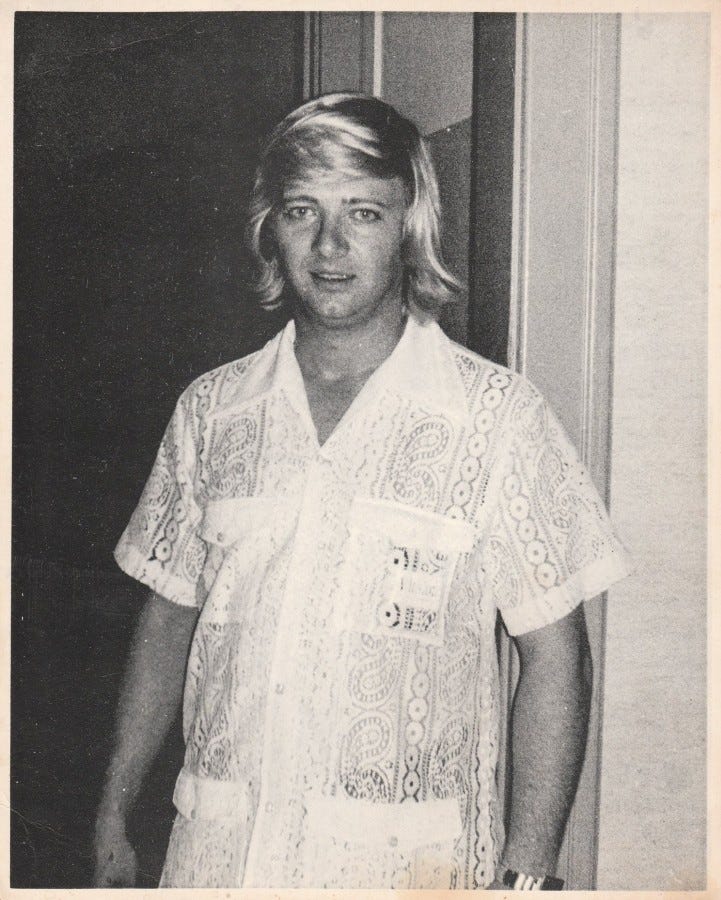
Pictured: Jerry Jarrett
Jerry Jarrett’s path to the ring began as a referee in the Roy Welch and Nick Gulas territory. He initially pestered Tojo Yamamoto for training sessions, but Yamamoto had reservations about Jarrett’s size and suggested a more practical foundation. Jarrett’s mother, Christine, concerned about nepotism backlash in the tight-knit and kayfabe-driven territory, specifically requested that Sailor Moran teach her son real self-defense skills. Yamamoto handled some early, simple work, but the bulk of Jarrett’s serious training—roughly six months—fell to Moran.
Jarrett later in his book, “The Best of Times”, described the experience in stark terms: “When I decided that I really wanted to wrestle, I began training with an old timer named Sailor Moran. After that rather painful ordeal that lasted about six months, Sailor called the office and advised Roy Welch that he felt I could sufficiently fend for myself in the business.” The “painful ordeal” was typical of shooter-style training: intense physical conditioning, repetitive drilling of holds until they became instinctive, and sessions designed to simulate real resistance. Moran pushed Jarrett through grueling workouts that built not only technical proficiency but also mental and physical resilience—the kind that prepared a wrestler to “shoot” back if an opponent tried to stiff him or take liberties.
Tojo Yamamoto later added the “performance” and “selling” side—how to work a match, sell moves, and entertain—but Moran’s foundation remained the defensive and combative core. After the six months, Moran personally vouched for Jarrett’s readiness, a significant endorsement in an era when breaking in new talent carried real risk. Jarrett later credited Moran and Yamamoto with teaching him not only the mechanics of wrestling but also real “shooting” skills—submission holds and strikes to use if a match ever went “into the weeds.” Jarrett described Moran as comparable to Stu Hart in Canada: a grizzled veteran who demanded respect and prepared his students for the harshest realities of the business.
The most vivid example of Moran’s methods came years later in the mid-1970s. During a match with Jerry Lawler, aging heel Mario Galento (dispatched by promoter Roy Welch to “teach Jarrett a lesson”) attacked Jarrett post-bell with a nightstick. Jarrett responded exactly as Moran had taught him: he jammed his finger into Galento’s eye and pulled it out (or at least attempted to gouge and dislodge it). The eye protruded from the socket—though Galento did not permanently lose it due to a prior injury. Lawler then joined in with the nightstick to finish the “shoot.”
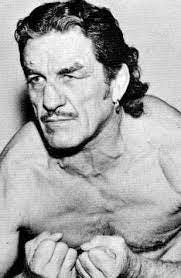
Pictured: Mario Galento
This eye-gouge technique was classic “hooker” emergency self-defense: a fast, disabling move taught for situations where a match went “into the weeds.” Moran’s curriculum evidently included such dirty tactics alongside more traditional submissions—wristlocks, armbars, leg holds, and chokes that could transition from work to shoot in an instant. Training likely involved live sparring, pressure testing, and making trainees tap or endure pain to prove they could handle themselves.
After retiring from the ring around 1964, Croy settled in Lebanon, Tennessee, where he ran a modest fruit and vegetable stand. He lived quietly, far from the spotlight that would later shine on the Tennessee wrestling scene he had helped sustain. Family members, including a granddaughter, have occasionally reached out to wrestling historians and figures like Jarrett to learn more about his life and stories from the road. These personal connections underscore how deeply respected Moran remained among those who knew him, even decades later.
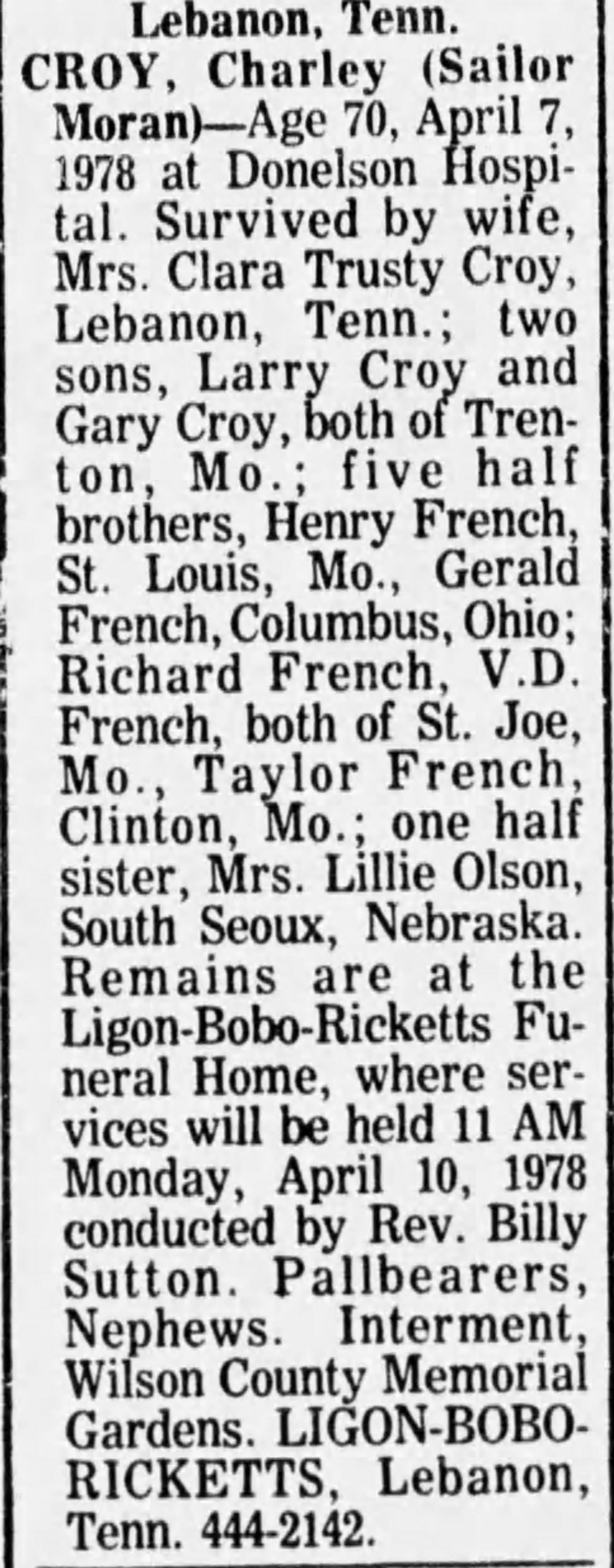
Sailor Moran’s legacy is typical of many territorial wrestlers of his generation: hardworking, tough, and largely anonymous to modern fans. He never headlined Madison Square Garden or appeared on national television, yet he helped keep regional wrestling alive through two world wars, the television boom of the 1950s, and the slow consolidation of the NWA territories. His influence lived on through students like Jerry Jarrett, who would later co-found the Continental Wrestling Association (Memphis Territory) and play a major role in the Memphis wrestling renaissance of the 1970s and 1980s.
Charley Perry Croy may not have been a household name, but for those who shared the locker room with him or learned from his hard-earned wisdom, he was the real deal—a sailor, a shooter, and a true old-school wrestler.
One Thing I Learned About El Mongol
Raul Molina, a Mexican wrestler who got the “El Mongol” name from lucha legend Gory Guerrero, was a devoted family man who also ran popular Mexican restaurants in the Atlanta area with his wife Maria—spots that often doubled as hangouts for other wrestlers and fans.
Thank You for Reading
I’m Tony Richards, Pro Wrestling Historian, Author and Storyteller. I share pro wrestling historical items in each issue of the Time Tunnel Pro Wrestling History Newsletter. Thanks for reading! If you enjoy my information on select events, matches and insights, please share it with folks you think might like to be a subscriber!
Remember, premium investors get access to exclusive and special content such as some special issues including a multi-part deep dives on wrestling territories, wrestler bios and championship title histories, special audio and video interviews on territory pro wrestling and more available in the Pro Wrestling Time Tunnel for Premium Investors.
As usual, great stuff! I actually just rewatched the 1981 Burt Reynolds classic Sharky's Machine (filmed in Atlanta) and spotted El Mongol in a small role.