


Happy Birthday to those who have passed on and to those great wrestlers still with us:
In Memoriam:
Tiger Jeet Singh 1944
Ron Starr 1951
Marie LaVeau 1952
Russ Francis 1953
Happy Birthday:
Jeff Van Camp (64)
Lance Storm (57)
Alex MArvez (55)
Aron Stevens\Damien Sandow (44)
Tasha Steelz (39)
RIP Memorial: We stop & remember those who have passed on this day and gave themselves to the business for us, the fans. We salute you and thank you.
Ben Sherman 4-3-1981 at the age of 72

Bobby Managoff 4-3-2002 at the age of 84

Joe Scarpa\Chief Jay Strongbow 4-3-2012 at the age of 83
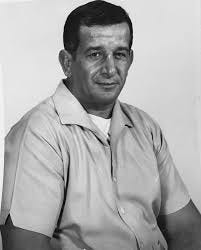
Bobby Whitlock 4-3-2005 at the age of 68
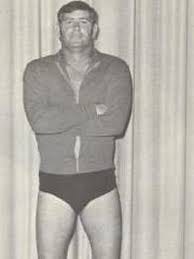
Butch Miller 4-3-2023 t the age of 78
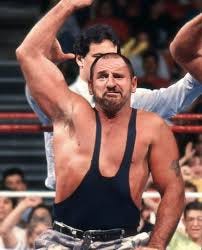
The Life and Career of Butch Miller
Robert “Bob” Miller—universally known in the wrestling world as Butch Miller, and later as Bushwhacker Butch—was a New Zealand-born tag-team specialist whose 37-year career spanned the globe, from bloody brawls in NWA territories to the cartoonish, crowd-pleasing antics that made The Bushwhackers a WWF staple. Standing 5 ft 11 in and weighing around 245–250 pounds, Miller was never the biggest man in the ring, but his durability, ring psychology, and unbreakable partnership with Brian “Luke” Wickens (Bushwhacker Luke) made them one of the most enduring and adaptable duos in professional wrestling history. From hard-hitting “Sheepherders” heels who left riots in their wake to loveable, arm-swinging babyfaces who licked fans and marched to the ring in perfect sync, Miller embodied the transition from territorial blood-and-guts wrestling to the national entertainment era. Born on October 21, 1944, in Auckland, New Zealand, he passed away on April 2, 2023, in Los Angeles at age 78, leaving behind a legacy cemented by inductions into the WWE Hall of Fame (2015) and the Professional Wrestling Hall of Fame (2020).
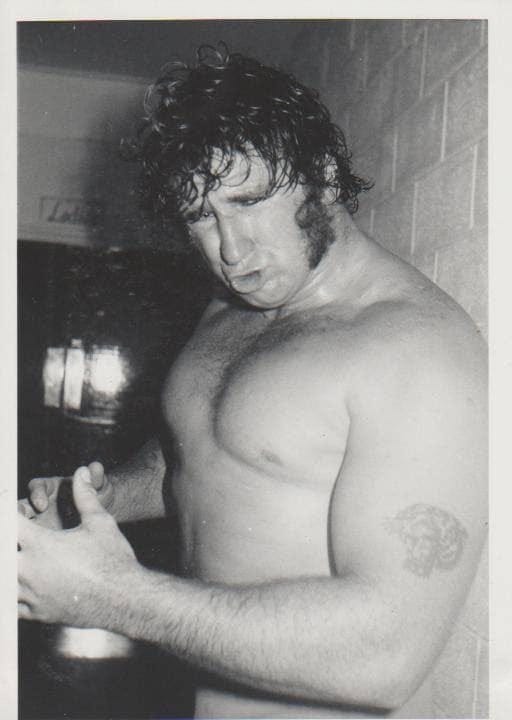
Pictured: Butch Miller
Miller’s entry into wrestling came naturally in the rugged New Zealand scene. He debuted in 1964 (some sources cite 1966) for NWA New Zealand (later All-Star Pro Wrestling), quickly finding regional success. In 1965 he teamed with lifelong partner Luke Williams, and the duo—billed as The Kiwis (Miller sometimes as “Nick Carter” or “The Tiger”)—were brought to North America by fellow Kiwi Steve Rickard. They first landed in Stu Hart’s Stampede Wrestling in Calgary, where they honed their craft as a scientific yet physical team. A brief hiatus followed, but by the mid-1970s they were back, adding Japanese tours with International Wrestling Enterprise to their résumé.
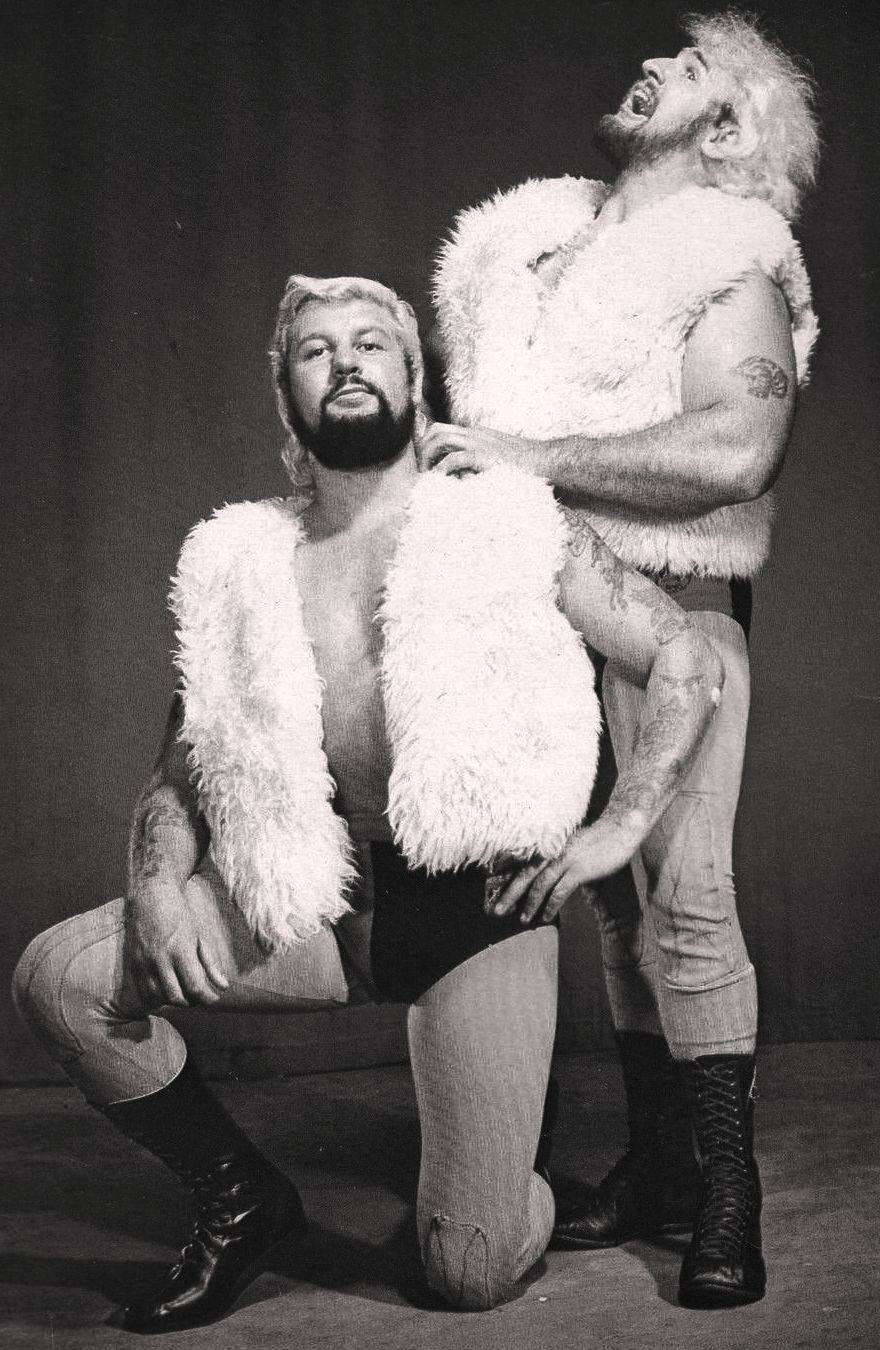
Pictured: Luke Williams and Butch Miller
The pair truly exploded as The Sheepherders (or Kiwi Sheepherders) in the late 1970s and 1980s, adopting a vicious, bloodthirsty heel persona that contrasted sharply with their later gimmick. Working NWA territories across the U.S., Canada, Puerto Rico, Australia, and beyond, they became infamous for wild, riot-inducing brawls. Miller and Williams captured dozens of tag titles through sheer toughness and psychology: the NWA Pacific Northwest Tag Team Championship three times, the NWA Mid-Atlantic Tag Team Championship, the NWA Florida Tag Team Championship, the UWF World Tag Team Championship (twice), the NWA Canadian Tag Team Championship (Vancouver version), Stampede’s NWA International Tag Team Championship (Calgary version), and multiple reigns with the WWC North American and World Tag Team titles in Puerto Rico, among others. They feuded intensely with teams like The Fantastics, The Invaders, and Badd Company, often in “Boot Camp” or cage matches that highlighted their brawling style. Their reputation was so fierce that promoter George Napolitano once described their “wild antics, which led to riots in Boston,” combined with scientific skill that made “mutton out of all of the ‘dirty American dogs.’”
Perhaps the most memorable and certainly the bloodiest rivalry in Butch Miller and Luke Williams’ long run as the New Zealand Sheepherders was their savage, long-running war against The Fabulous Ones—Stan Lane and Steve Keirn—that stretched across multiple territories from late 1982 through 1987 and perfectly encapsulated the stylistic clash that defined 1980s territorial wrestling. Debuting in the Continental Wrestling Association (CWA) in Memphis in October 1982, the ugly, no-nonsense brawlers (initially Williams with Jonathan Boyd, then Miller after Boyd’s injury) immediately targeted the polished, “pretty-boy” technicians known for their flashy moves and good looks, creating instant heat through a contrast that promoters milked for every drop of crowd reaction. The feud ignited with weekly bloodbaths at the Mid-South Coliseum, quickly escalating into a series of brutal matches for the AWA Southern Tag Team Championship: the Sheepherders ripped the belts away from the Fabs in December 1982, only for the teams to trade them four times in a two-month span through early 1983 amid disqualifications, interference, and all-out brawls that often ended with no decisive winner and both sides left crimson-masked.
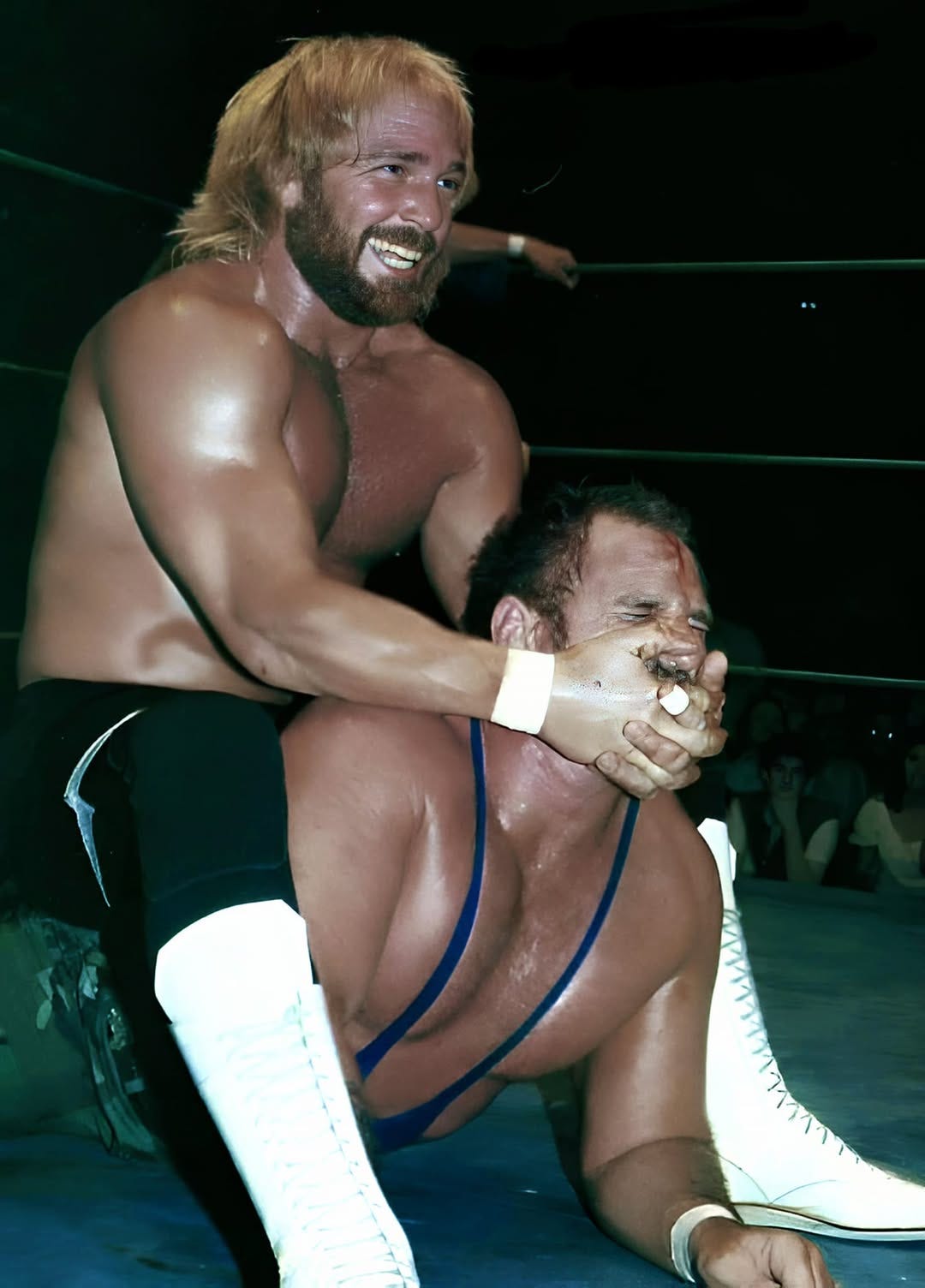
Pictured: Steve Kiern sits on Butch Miller and holds him in a reverse chin lock
After the Sheepherders were “run out” of Memphis in March 1983, the rivalry refused to die; it reignited in Southwest Championship Wrestling where Miller and Williams dethroned the Fabs for the SWCW World Tag Team titles on March 4, 1984, holding them until the belts were retired later that year, and later exploded again in Florida’s Championship Wrestling from Florida in October 1986 when the Sheepherders ended the Fabs’ first NWA United States Tag Team Championship reign, sparking another string of violent defenses until Lane and Keirn reclaimed the gold on November 30. By the time the two teams collided one final time back in Memphis in early 1987—culminating in a “massacre” match on February 9 and a barbed-wire cage war on February 16—the feud had become legendary for its unscripted-looking chaos, with the Sheepherders’ foreign-object assaults, head-butts, and sheer savagery pushing the Fabulous Ones to their physical limits (Keirn once required around 80 stitches after a particularly gruesome brow-to-ear gash). What made the program truly iconic was not just the repeated title exchanges or the stipulations like Coal Miner’s Glove and cage matches, but the way it elevated both teams: the Sheepherders cemented their reputation as the most feared heel duo in the business, while the Fabs used the violence to prove their toughness and draw record crowds wherever the war traveled.
One of the rawest and most chaotic matches from Butch Miller and Luke Williams’ legendary run as the New Zealand Sheepherders unfolded on June 27, 1986, at the Sam Houston Coliseum when the villainous Kiwi duo challenged UWF Tag Team Champions The Fantastics (Bobby Fulton and Tommy Rogers) in a “New Zealand Boot Camp Match”—a no-holds-barred, tornado-rules street fight that played directly to the Sheepherders’ merciless brawling style. The bout ignited before the opening bell: as the clean-cut, flag-waving babyfaces made their entrance, the Sheepherders launched a preemptive aisleway ambush, turning the contest into an all-out war from the very first second. For roughly fourteen minutes the four men tore into each other with zero regard for rules or safety; Miller and Williams dominated the early portion with vicious foreign-object work, choking Fulton and Rogers with a length of rope and stabbing at them with a wooden fork scavenged from ringside. Both Fantastics were quickly “juiced” and wearing the crimson mask, with Bobby Fulton especially absorbing a savage beating that left him a bloody mess.
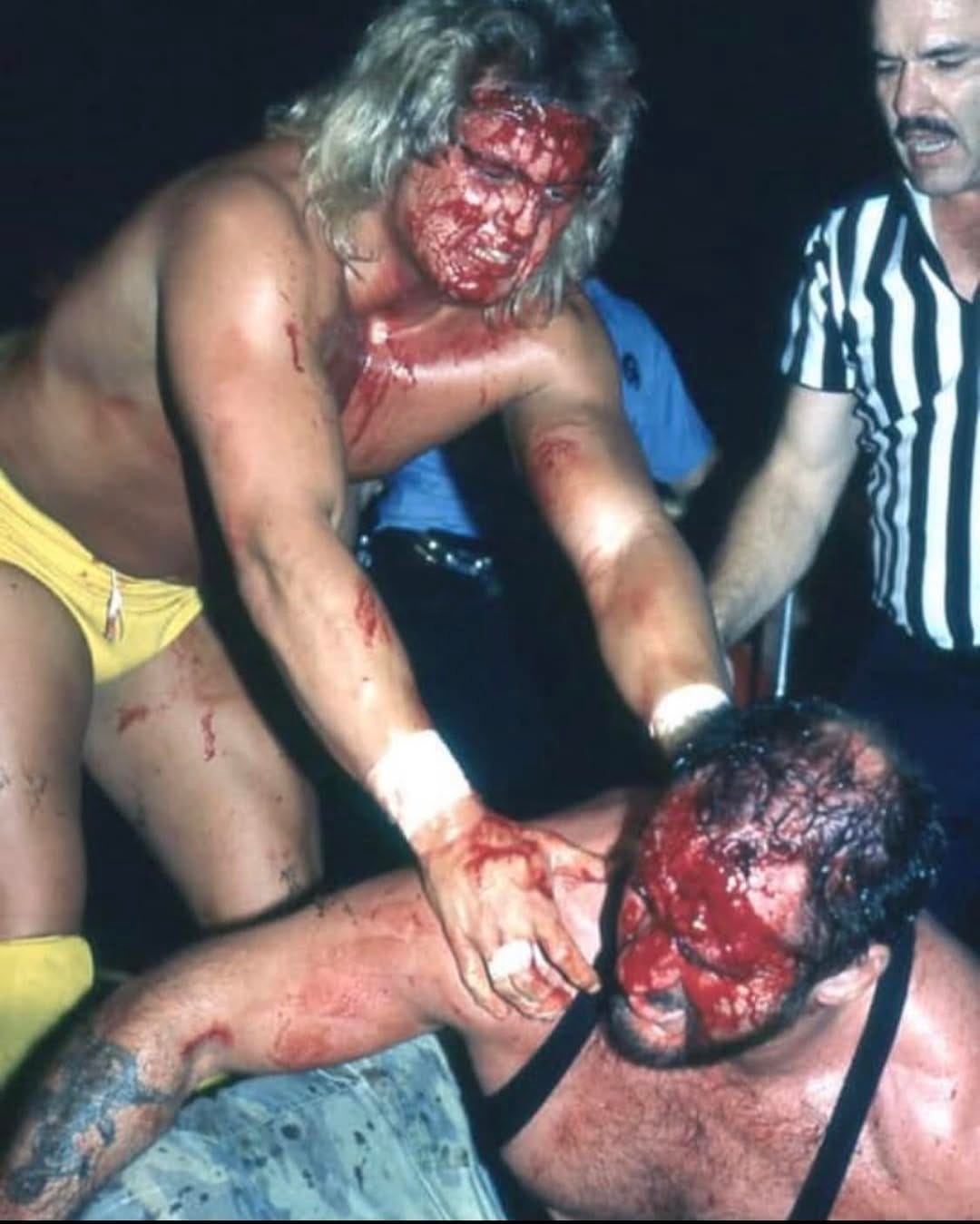
Pictured: A bloody Bobby Fulton of The Fantastics and a battered Butch Miller of The Sheepherders in one of their iconic and crazy matches in the 1980s
The Houston crowd was white-hot, repeatedly chanting “U-S-A!” only for the despised foreigners to shut them down with stiff clubbing blows and stomps. In a memorable crowd-interaction spot, the Sheepherders tried to seize a steel chair from fans at ringside, but the audience refused to surrender it, heightening the real heat against the heels. The Fantastics eventually fired back with desperate fire, snatching a policeman’s nightstick for revenge shots that had the bloodied babyfaces rallying with heart and momentum. The action grew so uncontrollably wild that the referee finally waved off the match around the thirteen-minute mark in a referee-stoppage no-contest, allowing the Fantastics to retain the UWF titles while the four men continued brawling post-bell until officials could pry them apart. Widely praised by tape traders and historians as a textbook example of 1980s territorial hardcore wrestling, this Boot Camp war perfectly encapsulated why the Sheepherders were feared as one of the toughest, most believable heel teams of the era—stiff, unrelenting, and willing to bleed (and make others bleed) to sell the violence.
By late 1988 the duo signed with Vince McMahon’s expanding WWF. Sensing a shift in audience tastes, they rebranded as The Bushwhackers—a comedic, good-guy act from “the Outback” complete with the signature Bushwhacker Walk (arms swinging wildly), tongue-licking of fans and opponents, and over-the-top vignettes with “Mean” Gene Okerlund. Their WWF debut came on December 26, 1988, defeating The Bolsheviks. Never serious title contenders, they thrived as mid-card entertainers, feuding with The Fabulous Rougeaus, Rhythm and Blues, The Natural Disasters, The Beverly Brothers, The Headshrinkers, and Well Dunn. They appeared at multiple WrestleManias (including the memorable 1991 “Grandma” segment and the 1994 Gimmick Battle Royal) and became favorites with younger fans during the federation’s national boom. Though they never won WWF gold, their six-year run (1988–1996) introduced them to mainstream audiences and proved their adaptability after decades as violent heels.

Miller’s post-WWF career was limited but memorable. The team briefly reunited on the independents and in Puerto Rico, with spots at Terry Funk’s WrestleFest and Heroes of Wrestling (1999). Their final notable appearance together was the 2001 Gimmick Battle Royal at WrestleMania X-Seven. Miller retired on September 8, 2001, after a severe neck injury and a near-fatal staph infection that left him hospitalized and swollen; Luke saved his life by checking on him when he didn’t answer calls. The duo opened a restaurant together after leaving WWF but eventually drifted into quieter lives—Miller in New Zealand and later the U.S.
Off the mat, Miller was known as a prankster and loyal friend. He and Luke shared more than 50 years as “brothers,” traveling the world from New Zealand to Malaysia, Singapore, Japan, and every major U.S. territory. Miller was survived by his wife Helen, daughters Sharon and Kirsten, and grandchildren. He passed away in Los Angeles while traveling for WrestleMania weekend; complications from a medication issue landed him in the ICU. Tributes poured in from the wrestling community, with Luke calling him “my friend, brother and tag team partner of over 50 years” and Brian Knobbs remembering the Sheepherders as “the toughest sons-of-bitches” he ever faced.
Butch Miller’s story is one of remarkable evolution. From rugby-influenced tough guy in the 1960s New Zealand rings to a globe-trotting heel who drew heat through genuine violence, and finally to a Hall of Fame comedy act who helped WWF connect with families, he never lost his core: resilience, showmanship, and an unbreakable bond with his partner. In an industry that often discards its veterans, Miller and The Bushwhackers proved that longevity and reinvention could turn two Kiwi sheep farmers into international icons.
One Thing I Learned About Bobby Whitlock
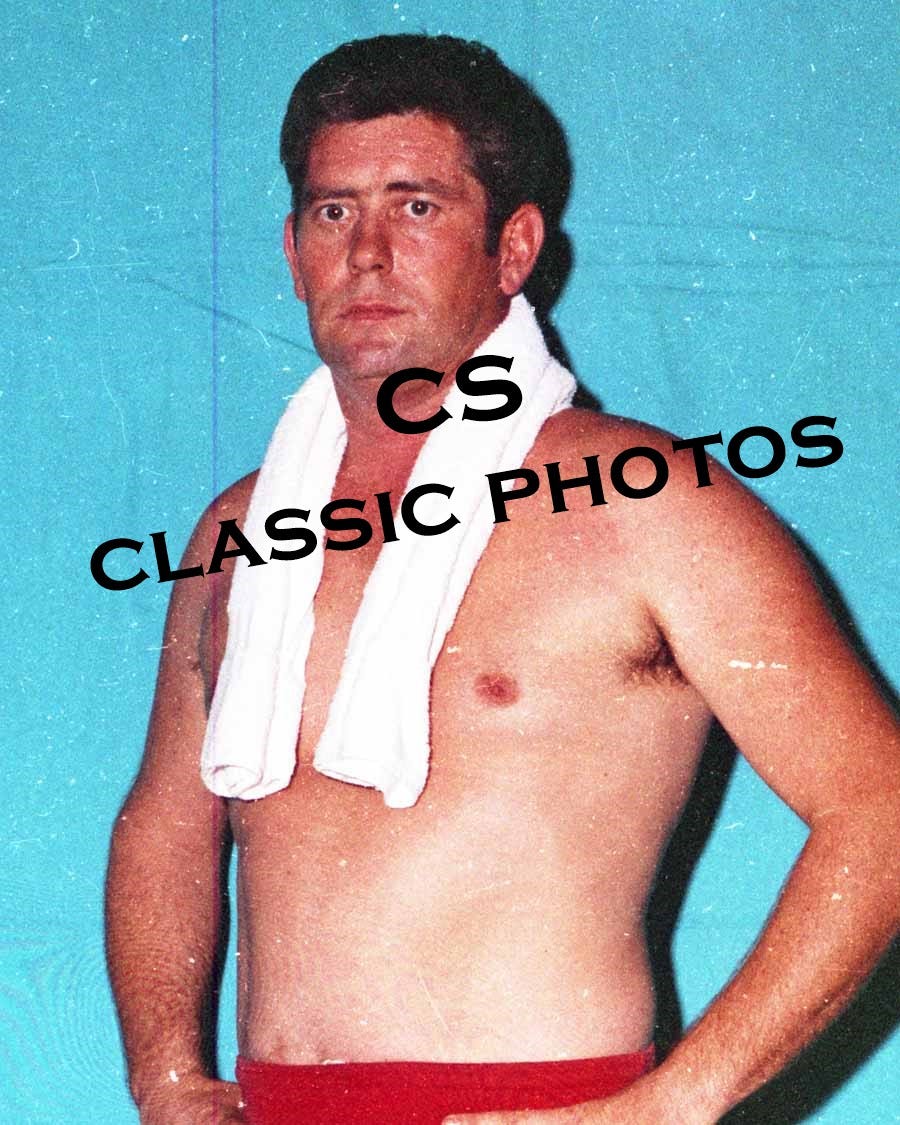
After serving nearly six years in the U.S. Air Force, the Kansas-born/Kentucky-raised Whitlock decided he wanted to break into wrestling and called an old childhood friend from Memphis who had already been in the business for years. That friend—Buddy Wayne—agreed to train him but gave him the ultimate old-school “toughness test” during their very first workout: Wayne deliberately did everything he could to hurt Whitlock (without actually disabling him) and refused to teach a single move or reveal any secrets of the business. The idea was simple—if Whitlock came back for a second session, he was serious; if not, he wasn’t cut out for it. Whitlock was in so much pain the next day he could barely get out of bed… but he never let on, showed up anyway, and kept coming back until Wayne finally started properly training him. Wayne later said he booked Whitlock on all his cards out of Nashville and always respected how hard the man worked in the ring.
**Photo provided and used courtesy of Chris Swisher, CS Classic Photos, all rights reserved
Thank You for Reading
I’m Tony Richards, Pro Wrestling Historian, Author and Storyteller. I share pro wrestling historical items in each issue of the Time Tunnel Pro Wrestling History Newsletter. Thanks for reading! If you enjoy my information on select events, matches and insights, please share it with folks you think might like to be a subscriber!
Remember, premium investors get access to exclusive and special content such as some special issues including a multi-part deep dives on wrestling territories, wrestler bios and championship title histories, special audio and video interviews on territory pro wrestling and more available in the Pro Wrestling Time Tunnel for Premium Investors.