


Happy Birthday to those who have passed on and to those great wrestlers still with us:
In Memoriam:
(none)
Happy Birthday:
Michael Hayes (67)
RIP Memorial: We stop & remember those who have passed on this day and gave themselves to the business for us, the fans. We salute you and thank you.
Joe Stecher 3-29-1974 at the age of 80
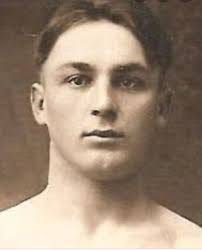
Herb Welch 3-29-1999 at the age of 90

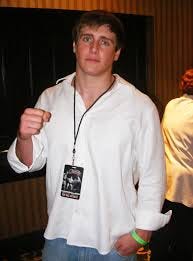
Reid Flair 3-29-2013 at the age of 25
50 Year Flashback
January-March 1976 Minneaapolis, Minnesota Office, AWA Territory Analysis
In early 1976, the American Wrestling Association (AWA), under promoter Verne Gagne, operated as one of the most respected and athletic territories in North American professional wrestling. Based primarily in the Upper Midwest (Minnesota, Wisconsin, Illinois, Iowa, with regular stops in Manitoba, Colorado, and Nebraska), the AWA emphasized scientific wrestling, tag-team action, and strong regional storytelling rather than the cartoonish spectacle that would define later eras. Nick Bockwinkel had dethroned Gagne for the AWA World Heavyweight Championship on November 8, 1975, in a landmark title change that ended Gagne’s record seven-year reign. Managed by the cunning Bobby “The Brain” Heenan, Bockwinkel embodied the arrogant, technically superior heel champion—polished, precise, and reliant on interference and disqualifications to retain his gold.
The first quarter of 1976 served as a consolidation phase: no major title changes occurred, but the promotion steadily built heat through house shows, TV tapings in Minneapolis and Moline, and multi-man tags. Recurring feuds centered on the Heenan “family” (Bockwinkel, Bobby Duncum, and occasional allies like Baron Von Raschke or Jos Leduc) clashing with babyface stalwarts: the Gagne family/High Flyers (Verne Gagne, Greg Gagne, Jim Brunzell), Dick the Bruiser & The Crusher (AWA World Tag Team Champions since August 1975), and midcard powerhouses like Pampero Firpo and Larry Hennig.

Pictured: The Heenan Family, Blackjack Lanza, Nick Bockwinkel, Bobby Duncum and Bobby Heenan
Attendance was solid for a territory circuit—Milwaukee Auditorium sellouts of 6,112 were routine, Winnipeg drew near-capacity crowds of 8,000–10,000, and Chicago/Denver shows pulled 7,000+. Storylines relied on athleticism, manager interference, and gimmick matches like Texas Death Matches, tug-of-wars, no-DQ brawls, rather than shock angles. This was classic AWA: grind-it-out territory wrestling that rewarded loyal fans with consistent rivalries.
January of 1976 kicked off with Bockwinkel firmly entrenched as champion, defending against a rotating cast of challengers while the tag division spotlighted the Bruiser/Crusher vs. Valiant Brothers (Jimmy & Johnny) rivalry. On January 2 in St. Louis (Kiel Auditorium, 10,290 fans), Bockwinkel drew a double-DQ with Joe Blanchard in a non-title bout, signaling his willingness to bend rules. The Bruiser & Crusher retained their AWA Tag Team titles against the Valiants in a 2/3-falls war in Milwaukee on January 3 (6,112 sellout).
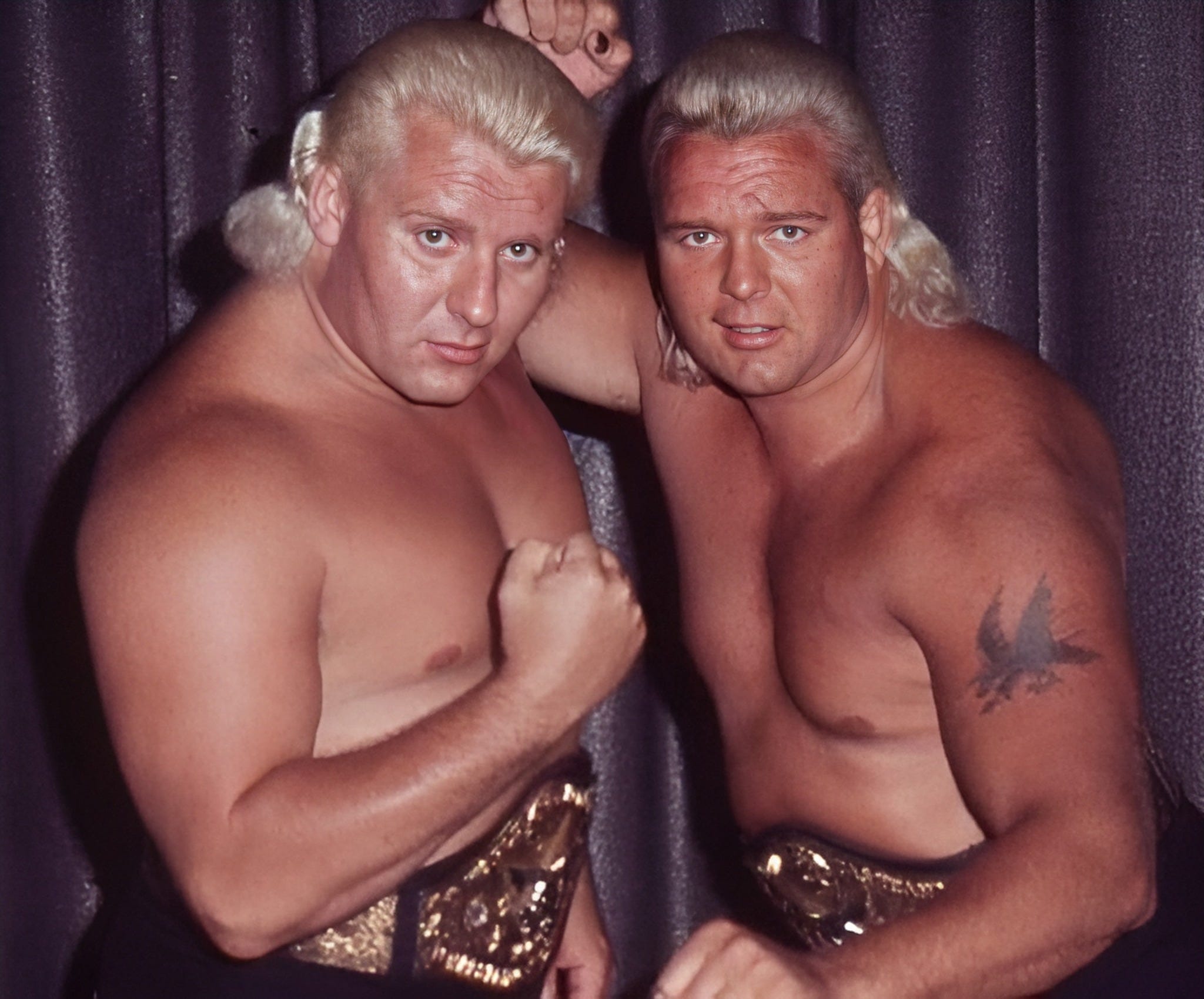
Pictured: Jimmy and Johnny Valiant, The Valiant Brothers
TV tapings in Moline and Minneapolis introduced or reinforced midcard talent: Pampero Firpo (the “Wild Bull”) clawed his way through jobbers, while Greg Gagne & Jim Brunzell (the emerging High Flyers) showed aerial promise against lower-card heels. Bobby Duncum, a rugged cowboy heel managed by Heenan, emerged as a key enforcer, frequently teaming with Heenan in handicap-style tags against the younger faces.Key house shows highlighted the pattern:
January 10 (Minneapolis Auditorium): Bockwinkel pinned Larry Hennig cleanly; Duncum & Heenan beat Gagne & Brunzell in 2/3 falls.
January 15 (Winnipeg Arena, ~8,082 fans): Bruiser/Crusher retained tags vs. Valiants; Bockwinkel & Heenan defeated Gagne & Brunzell after Duncum interference.
January 16 (Denver): Verne Gagne (subbing for an “injured” Greg) pinned Bockwinkel in a non-title match, planting seeds for a future rematch.
January 24 (Milwaukee): Firpo won a no-time-limit/no-DQ “Death Match” over Baron Von Raschke.
A notable angle involved Jos Leduc (a French-Canadian powerhouse) and his strength feats (e.g., pulling a bus on TV). Leduc frequently no-contested or DQ’d the Valiants, building him as a credible challenger. The Valiants’ foreign-object heel tactics and the Bruiser/Crusher’s brawling babyface style created reliable heat in 2/3-falls matches across multiple cities. No major turns or betrayals—just steady escalation of existing rivalries.
February saw Verne Gagne step up more actively as a babyface protagonist, often teaming with Brunzell and Hennig against Bockwinkel, Duncum, and Heenan in six-man tags. This format became the promotion’s workhorse, allowing high work rates while protecting the champion via interference.
Standout cards:
February 1 (Minneapolis Auditorium, 6,531 fans): Gagne, Brunzell & Hennig defeated Duncum, Heenan & Von Raschke (sub for Bockwinkel).
February 5 (Winnipeg, near-sellout ~10,000): Gagne family trio beat Bockwinkel/Duncum/Heenan in 2/3 falls, with Verne applying his signature sleeper for the decisive pin in the third fall.
February 7 (Chicago International Amphitheatre): Bruiser/Crusher no-contested the Valiants; Duncum DQ’d Gagne.
February 14 (Milwaukee sellout): Another Gagne/High Flyers 2/3-falls victory over the Heenan crew.
February 26 (Winnipeg, 9,383 fans): Bockwinkel no-contested Brunzell (sub for sick Greg Gagne); Duncum pinned Gagne amid Heenan interference. A tug-of-war between Hennig/Leduc and the Valiants added a carnival-style spectacle.
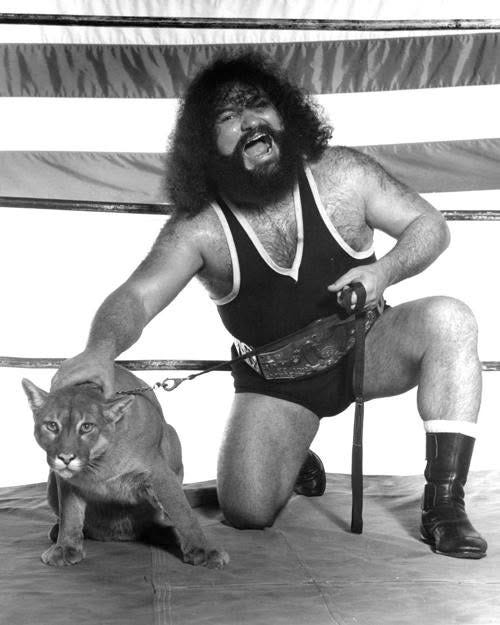
Pictured: Pampiero Firpo and friend
Greg Gagne’s reported “influenza and strep throat” (February 26–27) forced subs and created sympathy angles, while Firpo and Mad Dog Vachon brawled in no-contests. Leduc’s power continued to shine in no-DQ bouts. The Heenan Family’s cheating (eye rakes, foreign objects, manager bumps) contrasted with the clean-cut athleticism of the faces, reinforcing babyface comebacks. Tag title defenses remained consistent, with Bruiser/Crusher fending off Valiant sneak attacks.
March maintained the formula with slight intensification. Early examples (from available records):
March 3 (Omaha): Leduc defeated Bockwinkel by DQ in the third fall (title retained); Gagne/Hennig/Brunzell beat Duncum/Heenan.
March 5–6 shows in Rockford and Milwaukee featured Bockwinkel pinning Greg Gagne cleanly in one bout while multi-man tags continued.
The Crusher & Bruiser kept rolling in tag defenses, while Firpo, Vachon, and Von Raschke rotated as midcard enforcers. No blowoff matches or major angles concluded the quarter—Bockwinkel remained untouchable, the tags stayed with the veterans, and the High Flyers gained experience against top heels. TV segments (Moline/Minneapolis tapings) recycled strength spots (Leduc) and brawls to hype house shows.
AWA in the first three months of 1976 exemplified territory era wrestling at its most sustainable. Bockwinkel’s reign (which would last until 1980 with interruptions) showcased Gagne’s preference for credible technicians over monsters. Heenan’s interference added heat without cheapening matches—fans knew the champion could wrestle but chose to cheat. The High Flyers’ push foreshadowed their 1977 tag title run, while Bruiser/Crusher’s longevity as a draw (five-time tag champs overall) anchored the undercard.
Key Angles and AWA Booking Nuances:
The AWA did not utilize outside bookers for the most part until the 1980s. According to historian George Schire, it was mostly a collaboration between Verne Gagne, Wally Karbo and the wrestlers, who had input into their matches and programs.
Heenan Family vs. Gagne Dynasty: The six-man tags were the emotional core. Verne’s sleeper pins and Greg’s resilience built generational appeal.
Valiants vs. Bruiser/Crusher: A pure brawl feud with 2/3-falls stipulations allowing extended storytelling.
Power vs. Power: Leduc/Firpo/Vachon segments (tug-of-wars, Death Matches) provided variety and sold the AWA’s “real athleticism” ethos.
Protective Booking: Frequent DQs/NCs and subs (e.g., Greg’s “illness”) protected talent and extended programs without rushed payoffs.
Crowds in teh AWA Territory responded to regional heroes in a pre-WWF national expansion world. The AWA avoided bloodbaths or hardcore excess, focusing on chain wrestling and promos that felt authentic. Limitations? Predictability—few surprises—and reliance on the same faces/heels. Yet this stability helped the territory thrive into the 1980s before national competition eroded it.
By the end of March 1976, the AWA had successfully transitioned from the Gagne era to the Bockwinkel/Heenan one without losing momentum. The stage was set for later 1976 developments: Lanza joining the tag division, Muhammad Ali’s cameo appearances, and André the Giant challenges. Q1 1976 was not flashy, but it was quintessential AWA—solid, athletic, and built for the long haul in the Midwest strongholds.
Starting next Sunday, we will start analyzing territories each Sunday morning for the 2nd quarter, April through June of 1976.
Thank You for Reading
I’m Tony Richards, Pro Wrestling Historian, Author and Storyteller. I share pro wrestling historical items in each issue of the Time Tunnel Pro Wrestling History Newsletter. Thanks for reading! If you enjoy my information on select events, matches and insights, please share it with folks you think might like to be a subscriber!
Remember, premium investors get access to exclusive and special content such as some special issues including a multi-part deep dives on wrestling territories, wrestler bios and championship title histories, special audio and video interviews on territory pro wrestling and more available in the Pro Wrestling Time Tunnel for Premium Investors.
Happy Birthday to Michael “Purely Sexy” Hayes. My favorite Freebird. I can remember Michael Hayes wrestling with Ron Fullers Se Championship Wrestling and he was wrestling Ron Fuller. Michael did a TV promo had his wallet wrapped with a chain. He told Ron Fuller “Looks like you spent all your money on that KMART suit you’re wearing.” I died laughing. Michael was good on the mic. Michael was on Undertakers podcast a few weeks ago it was a good one if you haven’t listened to it. He talked about Gulas accusing him taking marijuana pills.