


Happy Birthday to those who have passed on and to those great wrestlers still with us:
In Memoriam:
Ray Villmer 1912
Duke Keomuka 1921
Omar Atlas 1938
Heather Feather 1949
Arturo Mendoza\Villano III 1952
Happy Birthday:
Hiroshi Tenzan (55)
Tyson Tomko (50)
Ray Gordy (47)
RIP Memorial: We stop & remember those who have passed on this day and gave themselves to the business for us, the fans. We salute you and thank you.
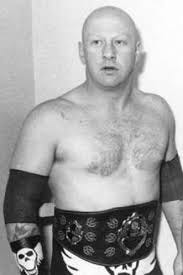
Skull Murphy 3-23-1970 at the age of 39
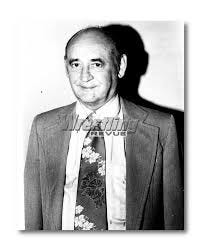
Wally Karbo 3-23-1993 at the age of 77
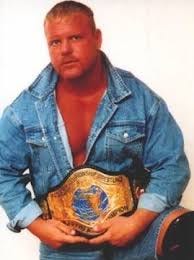
Bruiser Brian Cox 3-23-2003 at the age of 33
50 Year Flashback
March 1976: The Month In Pro Wrestling
Stage of the Territory Era: Fragmentation
In the grand narrative of professional wrestling’s Territory Era, Stage 6—Fragmentation (roughly 1975–1985)—occupies a pivotal and bittersweet chapter. As I have developed this framework, this ten-year span began with unmistakable vitality in its first half, where the National Wrestling Alliance’s regional territories operated as a well-oiled ecosystem of cooperation and competition. Promoters respected geographic boundaries, talent circulated freely yet loyally, world champions toured to elevate local gates, and weekly television programs turned regional heroes into household names.

Yet by the latter five years (1980–1985), the same system began to fracture under the weight of emerging technologies, aggressive expansionism, and shifting economics—culminating in the territory system’s slow death. Ironically, in the later part of 1976, the one technology change, satellite uplink transmission to cable companies, would begin to change the landscape with semi-national distribution of the Georgia Territory.
What made March 1976 emblematic of Stage 6’s strong first half was the absence of the centrifugal forces that would later dominate. Cable television had not yet nationalized the product; there was no single promoter with the infrastructure to blanket the country with syndicated programming. The NWA’s board still functioned as a loose governing body that protected member territories rather than dissolving them. Talent raids were rare and frowned upon. Fans in Greensboro, Tampa, Dallas, or Los Angeles felt genuine ownership of “their” promotion, and the regional flavor—whether it was the hardcore brawls of the Mid-Atlantic or the high-flying lucha influence in the Southwest—remained distinct and marketable. Wrestling magazines of the era (The Wrestler, Inside Wrestling) celebrated this mosaic, running features on stars from multiple territories side by side. The system was fragmented in name only; in practice, March 1976 proved it was still a cohesive, mutually reinforcing network.
Of course, the seeds of later decline were already present, even if dormant. The very mobility that allowed Funk to tour and Flair to debut in New York hinted at a future where talent could be centralized. Economic pressures and the coming explosion of cable TV would soon allow one ambitious promoter—Vince McMahon Jr.—to ignore the old borders starting around 1982–1983, raiding rosters and nationalizing the product. By 1985 the old territory map would be in tatters, ushering in the disintegration phase. But in March 1976 those cracks were invisible to the naked eye. The arenas were full, the champions were respected, and the territories felt eternal.
In my framework of Stage 6, March 1976 therefore stands not as the beginning of the end, but as proof that the end was not yet imaginable. It captures the Territory Era at its most confident: a time when fragmentation was a structural feature (regional autonomy) rather than a fatal flaw. The month’s events—Bruno’s defenses, Funk’s travels, Flair’s first big-stage steps, Hollywood’s star-packed battle royals—illustrate a system operating at peak efficiency, its first-half strength masking the vulnerabilities that would surface only after 1980. For historians and fans revisiting the era, March 1976 remains a poignant reminder: before the territories died, they lived vividly, proudly, and profitably—one region, one arena, one unforgettable night at a time.
March 1976, falling squarely in that strong opening phase, serves as a vivid microcosm of this early robustness: a month when the territories were not merely surviving but thriving, their independent identities intact and their collective prestige at a high watermark. Far from the fragmentation that would later erode them, March 1976 illustrated a wrestling landscape still firmly anchored in regional sovereignty.
March 1976 captured professional wrestling at the height of the territorial system. The National Wrestling Alliance (NWA) still reigned as the unifying body for most North American promotions, with its World Heavyweight Champion Terry Funk touring extensively to defend the title. Independent powerhouses like the World Wide Wrestling Federation (WWWF) in the Northeast and the American Wrestling Association (AWA) in the Midwest operated with their own world titles, while dozens of NWA-affiliated territories from Florida to Georgia to the Midwest drew solid crowds through live events, local TV, and blood-and-guts storylines. Internationally, Japan’s All Japan Pro Wrestling (AJPW) hosted Funk as part of its NWA Champion Series, and other regions like Mexico’s EMLL continued their own traditions. Economically, the industry was robust—arena gates were strong, television syndication was expanding, and the fragmented structure kept regional rivalries hot without national oversaturation. Wrestler health was typical for the era (hard bumps and occasional legitimate injuries), but the business showed no signs of decline; it thrived on weekly house shows and charismatic stars.
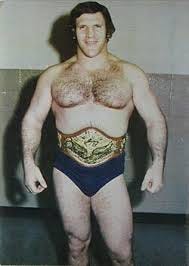
Pictured; Bruno Sammartino, WWWF Heavyweight Champion
The WWWF, run by Vincent J. McMahon in the Northeast, remained one of the most lucrative territories. Bruno Sammartino was in the midst of his second world championship reign (having reclaimed the title years earlier), portraying the ultimate babyface hero against a gallery of vicious heels. On March 1 at Madison Square Garden—televised on HBO with Vince McMahon on commentary—Sammartino pinned Ernie “Big Cat” Ladd in the main event after Ladd missed a splash. The same card featured Ric Flair’s MSG debut (pinning jobber Pete Sanchez as a cocky heel) and a best-of-three-falls non-title tag match in which Superstar Billy Graham and Ivan Koloff challenged WWWF Tag Team Champions Tony Parisi & Louis Cerdan. Graham and Koloff’s interference and brawling set up ongoing feuds that would dominate spring programming.
Bruno defended the title almost nightly on the house-show circuit. He traded double disqualifications with Graham in places like Augusta, Maine (March 4), and drew or won by count-out against Ivan Koloff in Boston Garden (March 6, attendance 12,473). Tag-team storylines simmered as well: the masked Executioners (managed by Captain Lou Albano) were rising as contenders, while Bobo Brazil held the U.S. Championship and Ivan Putski provided power-house support. Crowds were excellent—21,004 at MSG on March 29 for another Bruno main event—and the territory’s syndicated TV (Championship Wrestling and All-Star Wrestling tapings in Philadelphia and Hamburg) amplified storylines nationwide. The WWWF was financially rock-solid, relying on the Northeast’s dense population and Madison Square Garden’s prestige.
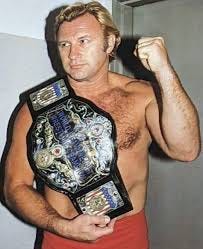
Pictured: Nick Bockwinkel, AWA World Heavyweight Champion
In the Midwest, the AWA under Verne Gagne was a technical and athletic showcase with a strong emphasis on tag teams and battle royals. Nick Bockwinkel, who had dethroned Gagne for the AWA World Heavyweight Championship in November 1975, was the arrogant, Heenan-managed heel champion. March saw him defend successfully in multiple cities: he pinned Greg Gagne in Milwaukee on March 6 (attendance 6,112) and survived disqualifications against Jos Leduc in Omaha (March 3). Bobby Heenan’s stable—including Bockwinkel, Bobby Duncum, and Blackjack Lanza—clashed constantly with babyfaces like the Crusher, Mad Dog Vachon, Baron Von Raschke, and the young High Flyers (Greg Gagne & Jim Brunzell).
Andre the Giant made sporadic appearances, winning battle royals and feuding with Raschke. Multi-man $20,000 battle royals headlined shows in Davenport and Chicago, while Texas Death Matches and tug-of-war stipulations added variety. Attendance was healthy: 11,500 in Winnipeg on March 18 (with over 2,500 turned away) and 7,981 in Denver on March 17. TV tapings in Minneapolis and Moline kept the product visible across the region. The AWA’s emphasis on athleticism and faction warfare kept gates steady and positioned it as one of the “Big Three” promotions highlighted in contemporary wrestling magazines.
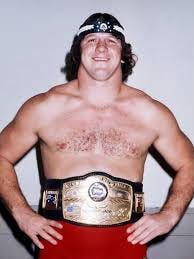
Pictured: Terry Funk. NWA World Heavyweight Champion
As NWA World Heavyweight Champion, Terry Funk embodied the “fighting champion” ideal. He defended the title across the alliance, including a documented defense on March 2 in San Diego, California, and participated in AJPW’s NWA Champion Series tour in Japan (setting up later high-profile bouts). His brawling, hardcore style—complete with spinning toe-holds and piledrivers—fit every territory’s audience.
Florida (CWF, Eddie Graham Promoter Tampa Office): One of the hottest territories. The Florida Heavyweight Championship changed hands rapidly—Pak Song won it on March 17 in Miami, only to lose it two days later to Jack Brisco in St. Petersburg. Dusty Rhodes feuded intensely with Funk (non-title encounters and angles involving Rhodes’ “facial paralysis” after a Funk attack fueled sympathy and heat). Gordon Solie’s TV interviews with Funk amplified the drama.
Mid-Atlantic (Jim Crockett Promotions, Charlotte NC Office): The U.S. Heavyweight Championship scene was electric. On March 13 in Greensboro, Blackjack Mulligan defeated Paul Jones to win the title, igniting a bloody feud. Wahoo McDaniel and others headlined tournaments, while Funk’s occasional defenses kept the world title relevant. Crowds were strong in arenas across the Carolinas and Virginia.
Georgia (GCW, Jim Barnett Promoter, Atlanta Office): March 19 saw Ted & Jerry Oates capture the Georgia Tag Team Titles from Les Thornton & Tony Charles at the Atlanta Municipal Auditorium. Stars like Mr. Wrestling II, Dick Slater, the Anderson Brothers, and Dusty Rhodes (when not in Florida) drew well on Superstation TV. The territory was expanding its national reach via cable.
In Texas (Fritz Von Erich’s World Class precursor), Funk defended against locals like Jose Lothario earlier in the year; St. Louis (Sam Muchnick) hosted cross-promotional cards; and smaller territories like Central States and the Pacific Northwest maintained steady house-show business. The NWA’s cooperative booking allowed talent and the world champion to rotate, boosting attendance everywhere Funk appeared.
The Amarillo wrestling territory—operated as Western States Sports by the Funk family out of the Texas Panhandle—thrived as a rugged NWA stronghold, running weekly house shows across Amarillo, Lubbock, Odessa, Abilene, El Paso, and smaller towns like San Angelo. NWA World Heavyweight Champion Terry Funk (who had captured the belt from Jack Brisco the previous December) made limited but high-profile appearances amid his national commitments, retaining the title via count-out over masked heel The Super Destroyer on March 18 at Amarillo’s Sports Arena and battling Harley Race to a draw the next night in Lubbock; he also scored another win over the Super Destroyer on March 31.
His brother Dory Funk Jr., fresh off claiming the NWA International Heavyweight Championship earlier in the year, anchored most main events with technical prowess against foes like The Beast and Leo Burke, while the tag division heated up with Ricky Romero and The Silver Streak (Romero’s Son) defending the Western States Tag Team belts in multi-man brawls against teams featuring Hank James, Lord Al Hayes, and Randy Tyler.
In the Detroit Territory, the NWA United States Heavyweight Championship (Detroit version) remained vacant all month after being stripped on February 14 following The Sheik’s brutal feud with Mark Lewin, setting up a tournament that would eventually award the belt to Bobo Brazil in April before The Sheik reclaimed it in May. On the tag side, Chris Colt and Lanny Poffo captured the Detroit version of the NWA World Tag Team Championship early in the month when the injured Count Drummer handed his half of the titles to Poffo. With a stacked roster featuring stars like Brazil, Don Kent, and the Poffo Brothers, plus weekly TV shows hosted by Chuck Allen and Bob Finnegan, the Motor City territory stayed one of the NWA’s most passionate and violent outposts, drawing solid crowds to its signature fire-throwing, blade-heavy main events.
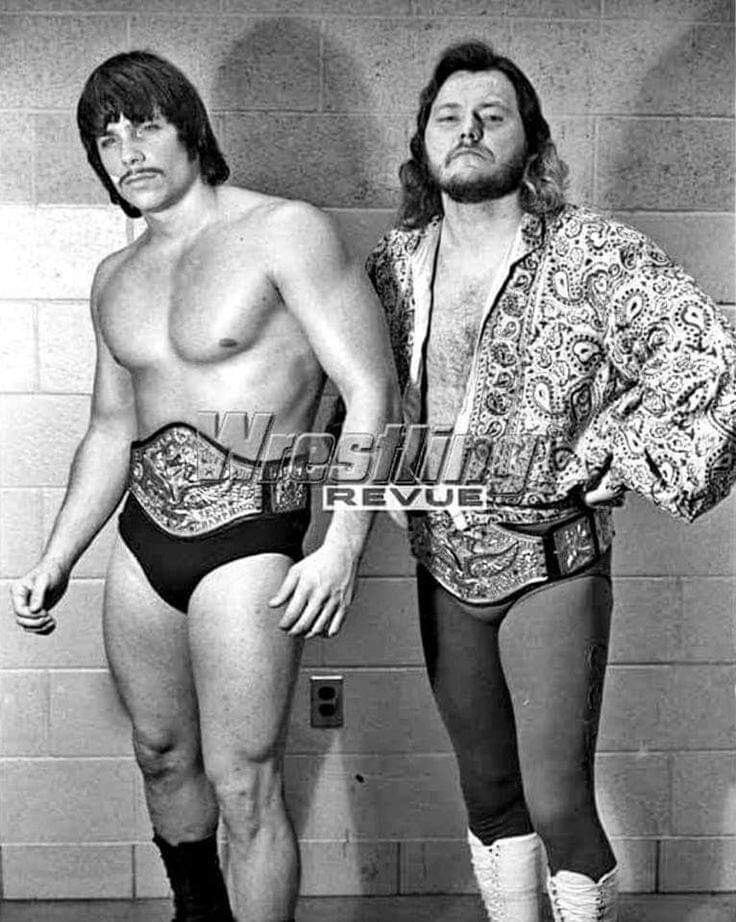
Pictured: Lanny Poffo and Chris Colt, NWA World Tag Team Champions (Detroit version)
In March 1976, the St. Louis, Missouri wrestling territory—operated by the respected National Wrestling Alliance promoter Sam Muchnick out of the historic Kiel Auditorium and via its flagship “Wrestling at the Chase” television program—remained one of the NWA’s most prestigious and consistently strong draws during the territorial era. Weekly TV tapings on March 6, 13, and 20 built ongoing angles, such as Harley Race attacking Lord Alfred Hayes after a match and featuring stars like Jack Brisco, Pat O’Connor, and Missouri Heavyweight Champion Race himself.
The month’s highlight cards at the Kiel drew solidly: on March 12, 9,608 fans saw Race defeat Hayes, André the Giant win a handicap bout over Tank Patton and Ox Baker, and hometown favorite Dick the Bruiser triumph in a loaded battle royal that also included André, O’Connor, Blackjack Lanza, Dick Murdoch, and others; then on March 26, another 8,510 attendees watched NWA World Heavyweight Champion Terry Funk successfully defend his title against Jack Brisco in a best two-out-of-three-falls main event, with Bob Backlund scoring a non-title DQ win over Race on the undercard. The territory’s mix of credible athletic bouts, star power, and reliable attendance underscored Muchnick’s reputation for fair booking and top-tier NWA showcases.
The Los Angeles wrestling territory—operated as NWA Hollywood Wrestling by promoter Mike LeBell and based out of the iconic Olympic Auditorium—thrived as a vibrant hub of the National Wrestling Alliance’s territorial system, blending American brawling, technical wrestling, and lucha libre flair to draw solid crowds across Southern California. The month of March 1976 centered on high-profile visits from NWA World Heavyweight Champion Terry Funk, who clashed with local hero Chavo Guerrero in a controversial March 5 main event that featured heated promos, a piledriver on the concrete, and a disqualification finish after time-limit drama, building intense heat for the territory. This set the stage for March 12 at the Olympic Auditorium, when a rising heel “Rowdy” Roddy Piper defeated Guerrero to capture the NWA Americas Heavyweight Championship for the first time, igniting a long-running cultural and personal feud that would dominate cards for months. The roster mixed established NWA talent with Guerrero family stars, tag teams like Black Gordman & The Great Goliath, and international draws, keeping LeBell’s promotion a multicultural staple of West Coast wrestling during the height of the territory era.
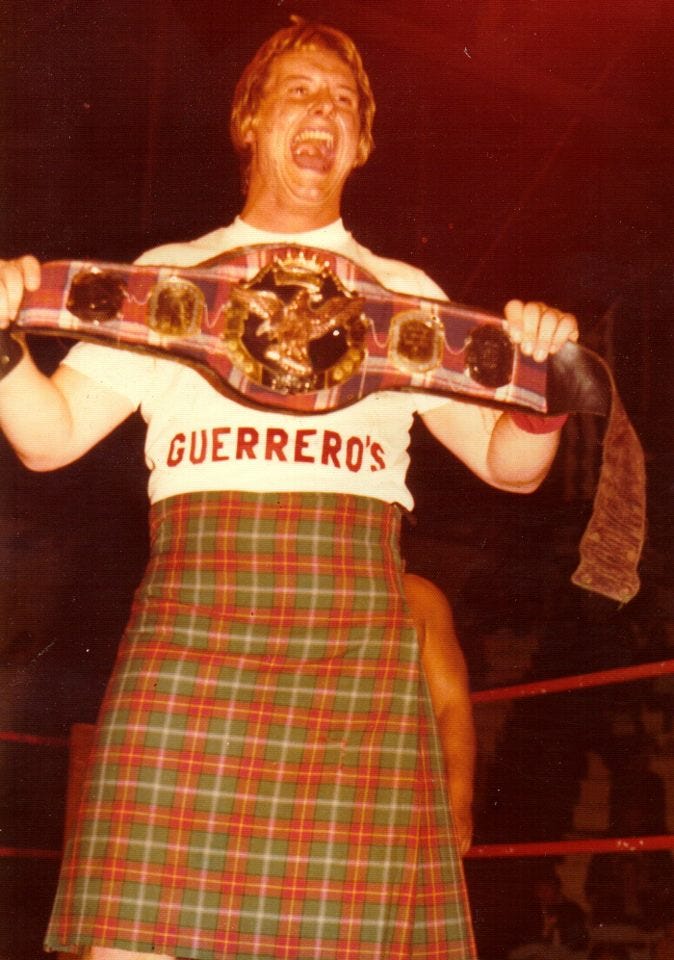
Pictured: Roddy Piper, NWA Americas Heavyweight Champion
Funk’s March visit to All Japan Pro Wrestling marked the beginning of the NWA Champion Series, exposing Japanese audiences to American-style brawling and setting up June title defenses against Jumbo Tsuruta. New Japan Pro-Wrestling (NJPW) continued Antonio Inoki’s “strong-style” era, while Mexico’s EMLL focused on lucha libre traditions with stars like El Santo’s successors. Women’s wrestling (AJW in Japan) and Australian promotions added global flavor, though North America remained the financial center.
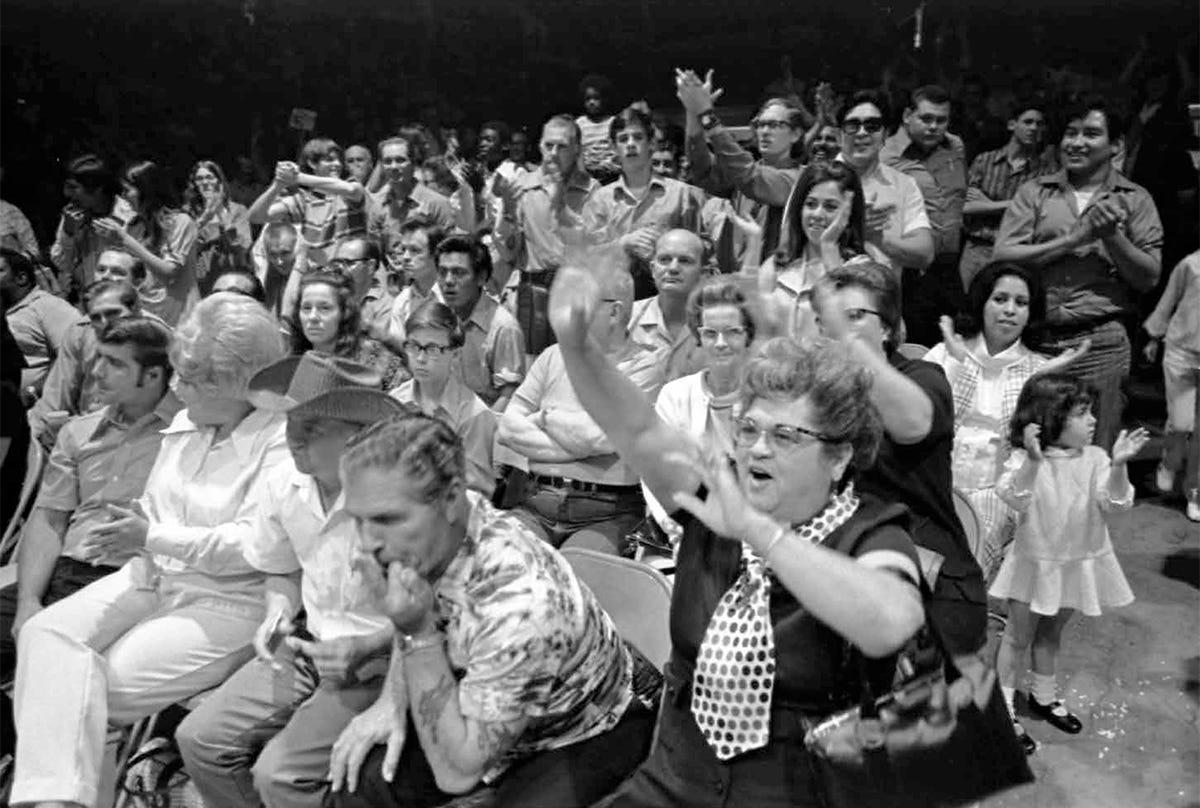
March 1976 was economically vibrant. The “Big Three” (WWWF, AWA, and the NWA collective) topped wrestling-magazine ratings, with live gates driving revenue—MSG sellouts, Boston Garden crowds of 12,000+, and AWA turnaways proved demand. Television was crucial but regional; no single promotion had national cable dominance yet. Talent exchange and champion tours kept costs low and interest high. Wrestler health reflected the grind—legitimate injuries occurred (e.g., minor neck issues noted in some territories), but the era predated widespread steroid scandals or concussion awareness; performers were seen as tough road warriors. The territorial system’s “gentleman’s agreements” prevented cutthroat competition, ensuring stability. No major promotion was struggling; instead, the business hummed with weekly cards and growing TV exposure.
March 1976 represented the territorial golden age in miniature. Funk’s tireless defenses, Bruno’s heroism, Bockwinkel’s sophistication, and dozens of regional angles kept fans engaged across continents. The economics were sound, the storylines visceral, and the health of the industry robust—setting the stage for the dramatic national shifts that would arrive later in the decade.
Thank You for Reading
I’m Tony Richards, Pro Wrestling Historian, Author and Storyteller. I share pro wrestling historical items in each issue of the Time Tunnel Pro Wrestling History Newsletter. Thanks for reading! If you enjoy my information on select events, matches and insights, please share it with folks you think might like to be a subscriber!
Remember, premium investors get access to exclusive and special content such as some special issues including a multi-part deep dives on wrestling territories, wrestler bios and championship title histories, special audio and video interviews on territory pro wrestling and more available in the Pro Wrestling Time Tunnel for Premium Investors.