


Happy Birthday to those who have passed on and to those great wrestlers still with us:
In Memoriam:
Ruffy Silverstein 1914
Paul Christy 1939
Johnny Powers 1943
Rick Hazzard 1954
Happy Birthday:
Steve Borden\Sting (67)
Robert Vick\Sick Boy (53)
Nelson Frazo\Homicide (49)
Caprice Coleman (49)
Matt Taven (41)
Jonathan Gresham (38)
Damon Kemp (27)
RIP Memorial: We stop & remember those who have passed on this day and gave themselves to the business for us, the fans. We salute you and thank you.
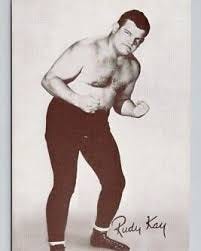
Rudy Kay 3-20-1982 at the age of 68
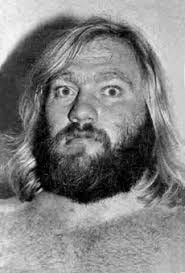
Chuck O’Connor\Big John Studd 3-20-1995 at the age of 47
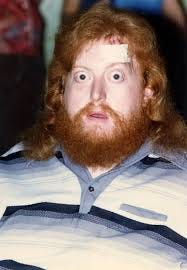
Sailor Art Thomas 3-20-2003 at the age of 79

Baron Mikel Scicluna 3-20-2010 at the age of 80

Sir Oliver Humperdink 3-20-2011 at the age of 62
Perro Aguayo, Jr. 3-20-2015 at the age of 35

The Life & Career of Sailor Art Thomas
He was known for his chiseled physique, immense strength, and seagoing gimmick, Arthur Thomas transitioned from a life of service in the Merchant Marine to becoming one of the first major African-American wrestling stars. His career spanned nearly four decades, from 1943 to 1981, during which he competed across North America and Japan, earning championships and respect despite facing significant challenges.
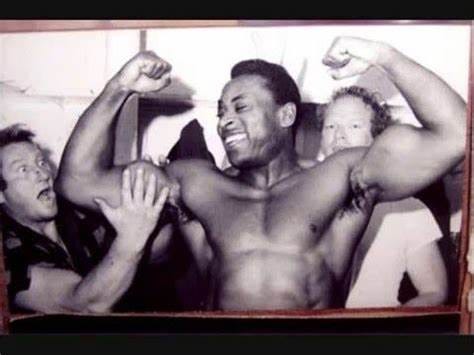
Arthur Thomas was born on January 30, 1924, in Gurdon, Arkansas, to parents Alfred and Jessie (Lunon) Thomas. His childhood was marked by hardship; in 1935, at the age of 11, he moved to Madison, Wisconsin, following his mother’s death. Raised in an orphanage and various foster homes, Thomas experienced an unstable upbringing that instilled in him a resilience that would later define his character. He dropped out of high school to work odd jobs, supporting himself in a time when opportunities for young Black men were limited. Despite these difficulties, Thomas developed a passion for physical fitness, which would become the foundation of his future success.
Thomas’s life took a pivotal turn when he enlisted in the United States Merchant Marine during World War II, serving for 27 months. As part of a construction battalion, he contributed to building an airstrip on Guam, a critical effort in the Pacific theater. This service not only honed his physical strength through manual labor but also inspired his eventual wrestling persona as “Seaman” or “Sailor” Art Thomas. During his time at sea, he engaged in informal boxing and wrestling matches among sailors, winning bouts through sheer brute force and discovering his natural aptitude for combat sports.
Upon his discharge, Thomas returned to civilian life, initially working for Greyhound Lines as a bus driver—a job that reflected his preference for travel but was hampered by his poor eyesight, which prevented him from obtaining a driver’s license. Seeking greater fulfillment, he turned to professional bodybuilding. Touring the United States with a bodybuilding troupe, Thomas showcased his remarkable physique: standing at 6 feet 6 inches (billed height) and weighing 265 pounds, with 21-inch biceps and a 52-inch chest. He competed in contests like the Mr. Wisconsin tournament, often as the only Black participant, and finished second despite facing racial prejudice that barred him from top honors. His impressive build caught the eye of wrestling promoter Jimmy Demetral, who trained him for the ring.
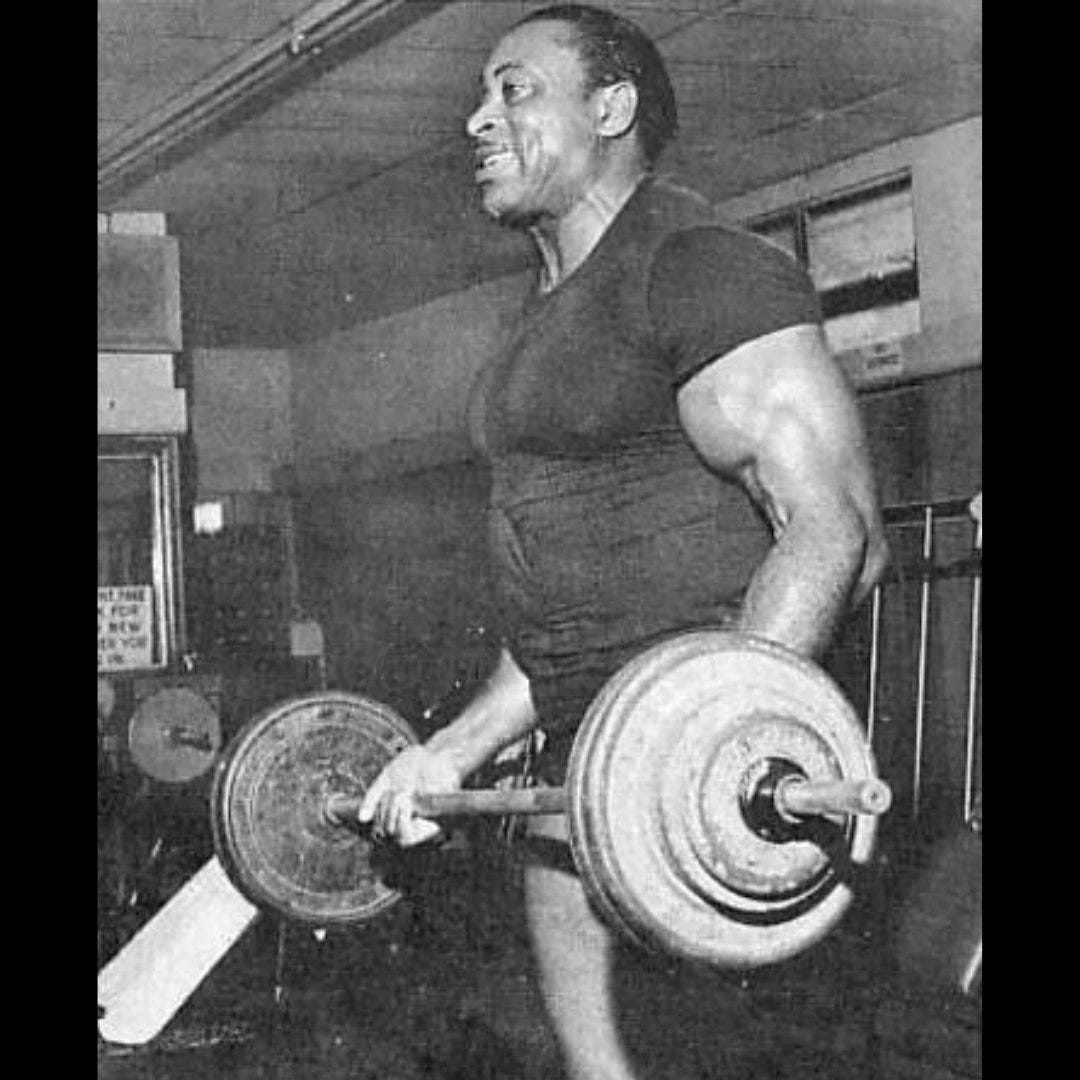
Thomas made his professional wrestling debut in 1943, initially presented as a “just discharged” Navy seaman in a regulation uniform and pea coat. This gimmick positioned him as a heroic figure intervening against villains, resonating with post-war audiences. Early in his career, he toured with carnivals, challenging locals at county fairs to demonstrate his strength. His big break came in 1961 at age 36, when NWA World Champion “Nature Boy” Buddy Rogers recommended him to Vince McMahon Sr. for the World Wide Wrestling Federation (WWWF). Thomas quickly became a fan favorite, known for power moves like the bear hug, though peers noted his limited technical skills—he relied on his physique and was often paired with more skilled wrestlers to compensate.
Throughout the 1960s and 1970s, Thomas competed in major territories, including Chicago, Detroit, St. Louis, Texas, Florida, the Carolinas, and Canada. He was a regular in Grand Prix Wrestling in Montreal and even toured Japan. As a top draw, he participated in high-profile matches, such as challenging Buddy Rogers for the NWA World Championship at Comiskey Park in Chicago, drawing 31,000 fans with boxing legend “Jersey” Joe Walcott as referee. Thomas claimed he had Rogers beaten but lost due to a fluke, calling it the thrill of his career.
Thomas’s accolades reflect his impact on the sport. In the early 1960s, he captured multiple tag team titles: the Worldwide Wrestling Associates International Television Tag Team Championship with Lou Thesz in California, the Maple Leaf Wrestling NWA International Tag Team Championship (Toronto version) three times with John Paul Henning, and the NWA World Tag Team Championship (Detroit version) once with Bobo Brazil. He won the NWA Texas Heavyweight Championship twice in 1962 and 1963. His crowning achievement came in April 1972 when he defeated Baron von Raschke for the WWA World Heavyweight Championship in Indianapolis, though the title was held up a month later. He also teamed with Dick The Bruiser to win the AWA tag-team belts from Black Jack Mulligan and Black Jack Lanza.
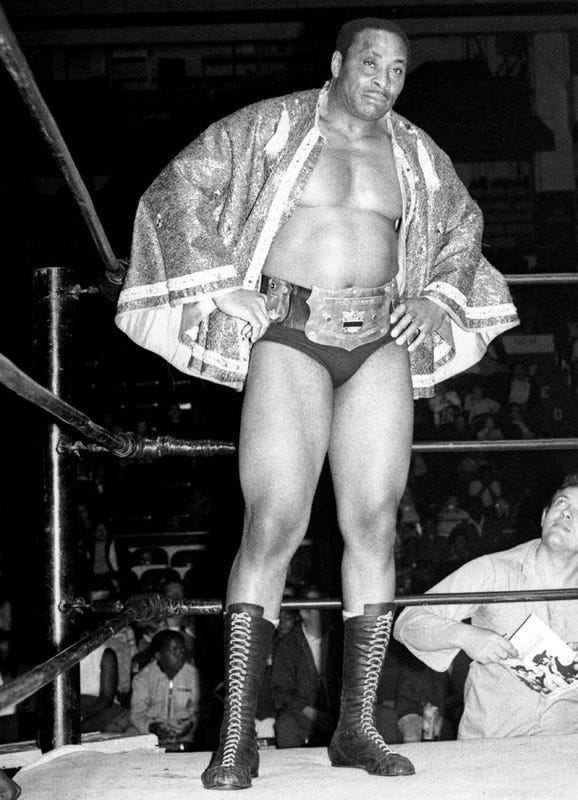
Thomas frequently partnered with other Black wrestlers like Thunderbolt Patterson, Ernie Ladd, Dory Dixon, and Sweet Daddy Siki, as well as white stars such as Bruno Sammartino, George Becker, Johnny Weaver, and Abe Jacobs. These alliances highlighted his versatility and helped him navigate the era’s racial dynamics.
Thomas, along with Bobo Brazil were both two trailblazing African-American wrestlers who rose to prominence in the mid-20th century, a time when professional wrestling was heavily segregated and opportunities for Black performers were scarce. Both men, born in 1924 in Arkansas, overcame significant racial barriers to become fan favorites known for their immense physical strength, athleticism, and contributions to desegregating the sport. While their careers overlapped in many ways—competing in similar territories like Detroit, Chicago, and Canada, and facing similar prejudices—their paths, styles, and levels of fame diverged in notable aspects.
Both shattered color barriers in wrestling during an era of segregation. They drew massive crowds across racial lines, helping to integrate the sport. Thomas and Brazil are often mentioned alongside Bearcat Wright as key figures who paved the way for future Black wrestlers like Rocky Johnson and Tony Atlas. Brazil is frequently called the “Jackie Robinson of wrestling” for his role in breaking down racial divides, while Thomas’s success as a bodybuilder-turned-wrestler demonstrated that Black athletes could excel in mainstream promotions.
Art Thomas and Bobo Brazil stood at 6’6” and weighed around 265-270 pounds, both were billed as giants with chiseled physiques that intimidated opponents. They relied on power-based wrestling, with moves emphasizing strength rather than high-flying acrobatics. Their presence helped them become box-office draws in the pre-steroid era. They competed in many of the same promotions, including the WWWF (now WWE), NWA territories, and WWA. Both had notable runs in Detroit and Chicago, and they faced similar high-profile opponents like Buddy Rogers and The Sheik. Their partnership extended to tag team success, and they shared a clean-living lifestyle, avoiding vices common in the industry.
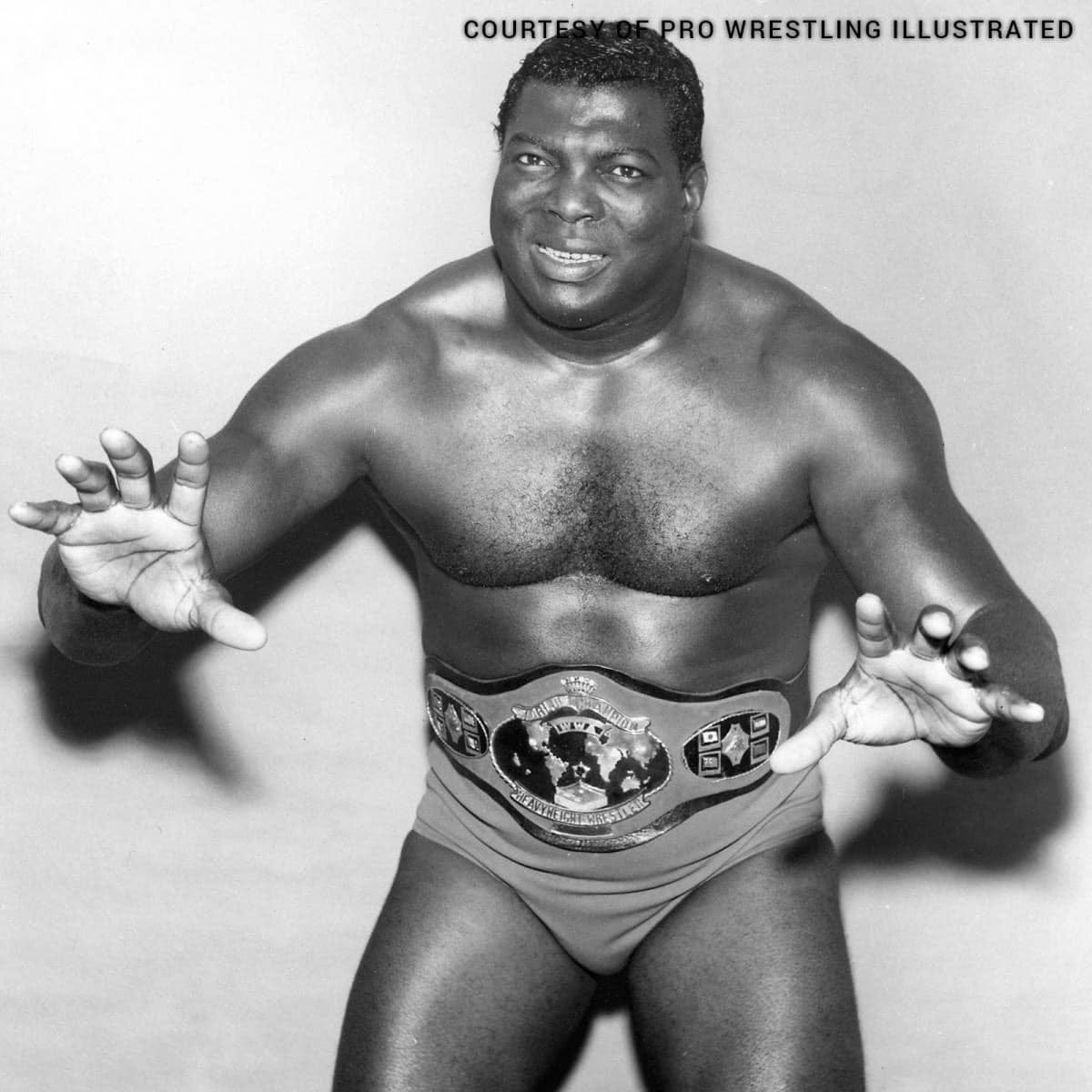
Pictured: Bobo Brazil (Houston Harris)
As Black wrestlers, they encountered discrimination, including limited opportunities in the South and being typecast or underpaid. Despite this, their professionalism and crowd appeal forced promoters to book them in main events. Both were inducted into the WWE Hall of Fame—Brazil in 1994 and Thomas in the 2016 Legacy Wing—recognizing their pioneering roles.
Just as there were comps between the two territory stars, there were some interesting differences as well.
Thomas’s early life was marked by tragedy and hardship, including losing his mother young and growing up in orphanages and foster homes. His military service in the U.S. Merchant Marine during WWII shaped his “Sailor” gimmick and built his physique through manual labor. He transitioned from bodybuilding contests to wrestling, debuting earlier in 1943. In contrast, Brazil (Houston Harris) had a more stable but labor-intensive upbringing, working odd jobs and playing in the Negro leagues baseball before being scouted at a steel mill. He had no military background and debuted later in 1951, trained by Joe Savoldi.
Brazil enjoyed a longer career, spanning over four decades until 1993, and achieved greater mainstream recognition. He was a national star with high-profile feuds and is remembered for his charisma and signature “Coco Butt” headbutt. Thomas’s career, while impressive (1943-1981), was more regional, and he was known as a “gentle giant” who relied on raw power like the bear hug but lacked technical finesse.
Brazil amassed more titles, including multiple NWA World Tag Team wins (eight times with various partners, including Thomas), NWA United States Heavyweight Championship, and an unofficial NWA World Heavyweight win over Buddy Rogers. He also broke ground with the first racially mixed match in Atlanta. Thomas’s highlights included the WWA World Heavyweight Championship in 1972, NWA Texas Heavyweight (twice), and tag titles with legends like Lou Thesz and Bobo Brazil himself.
Thomas retired to work in a meatpacking plant, focusing on family (seven children) and maintaining a humble, religious life until his death from cancer in 2003. Brazil ran a restaurant, trained wrestlers like Kamala, and had a son who wrestled as Bobo Brazil Jr.; he passed away in 1998 from strokes.
In a pre-steroid era dominated by white performers, Thomas faced significant obstacles as one of the few prominent Black wrestlers. Racism limited his opportunities in bodybuilding and wrestling, and he was often taken advantage of due to his amiable, soft-spoken nature—described by peers as a “gentle giant” or “big kid. He traveled by Greyhound bus, avoiding air travel, and maintained a clean lifestyle, abstaining from alcohol and smoking while prioritizing fitness and religion. Despite these challenges, his brute strength and professionalism made him a box-office attraction, paving the way for future Black stars like Tony Atlas and Rocky Johnson.
Thomas retired from wrestling in 1981, returning to Wisconsin where he worked at a meatpacking plant to support his family of seven children. A devoted family man, he emphasized humility and gentleness in interviews, stating, “I don’t look for trouble... I’m a very gentle person.” Tragically, Thomas was diagnosed with cancer in early 2003 and passed away on March 20, 2003, in Fitchburg, Wisconsin, at age 79.
Watch Video: Dr. Charles A. Taylor interviews Sailor Art Thomas in 1981
His legacy endures through his 2016 induction into the WWE Hall of Fame’s Legacy Wing, recognizing him as a pioneer who broke barriers and inspired generations. Lou Thesz praised him as “a wrestler before his time” with a “great, great body,” while fans and peers remembered his politeness, strength, and class.
One Thing I Learned About Paul Christy
His brief 1986 stint in WWF featured a notoriously bizarre appearance on Tuesday Night Titans, where he portrayed a flamboyant magician-hypnotist-property owner who shot fireballs, ranted at action figures, and performed mind-programming tricks—resulting in him being released after just that single segment.
Thank You for Reading
I’m Tony Richards, Pro Wrestling Historian, Author and Storyteller. I share pro wrestling historical items in each issue of the Time Tunnel Pro Wrestling History Newsletter. Thanks for reading! If you enjoy my information on select events, matches and insights, please share it with folks you think might like to be a subscriber!
Remember, premium investors get access to exclusive and special content such as some special issues including a multi-part deep dives on wrestling territories, wrestler bios and championship title histories, special audio and video interviews on territory pro wrestling and more available in the Pro Wrestling Time Tunnel for Premium Investors.