


Happy Birthday to those who have passed on and to those great wrestlers still with us:
In Memoriam:
Duncan C. Ross 1856
Dory Detton 1912
Mae Young 1923
Happy Birthday:
James Maritaro\Nunzio (54)
KENTA Kobayashi (45)
RIP Memorial: We stop & remember those who have passed on this day and gave themselves to the business for us, the fans. We salute you and thank you.
Jack Carkeek 3-11-1924 at the age of 63
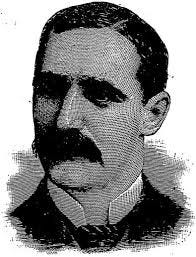
John Pesek 3-12-1978 at the age of 84

Antone Leone 3-12-1994 at the age of 77
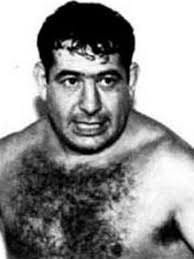
Dick Woehrle 3-12-2012 at the age of 81
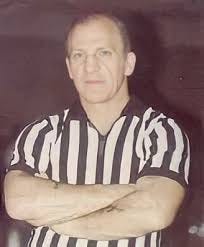
Charlie Fulton 3-12-2016 at the age of 67

The Life & Career of Dory Detton
A wrestler for roughly two decades and the founder of one of the National Wrestling Alliance’s (NWA) key territorial promotions, Detton helped revive and sustain wrestling in West Texas during a transitional era. His work laid the groundwork for what became the legendary Amarillo territory, later dominated by the Funk family. Though he never achieved the mainstream fame of his brother Dean Detton or the Funks, Dory Detton’s contributions as both an in-ring performer and a behind-the-scenes promoter bridged the pre-NWA era of the 1930s with the post-World War II territorial system.
Born on March 12, 1912, in Texas (with strong family ties to Utah), Dory Detton grew up in a large family immersed in athletics and wrestling. He was one of eleven siblings, several of whom entered professional wrestling. His older brother Dean Detton achieved national prominence, capturing a version of the World Heavyweight Championship in 1936 under the early NWA predecessor organization. Other wrestling brothers included Lawrence Eugene “Gene” Detton and Glen Johnson Detton. The family likely had connections to Utah’s renowned Deseret Gymnasium in Salt Lake City, a training hub that produced numerous professional wrestlers in the early 20th century. Dory may have honed his skills there or in similar regional amateur programs before turning pro.
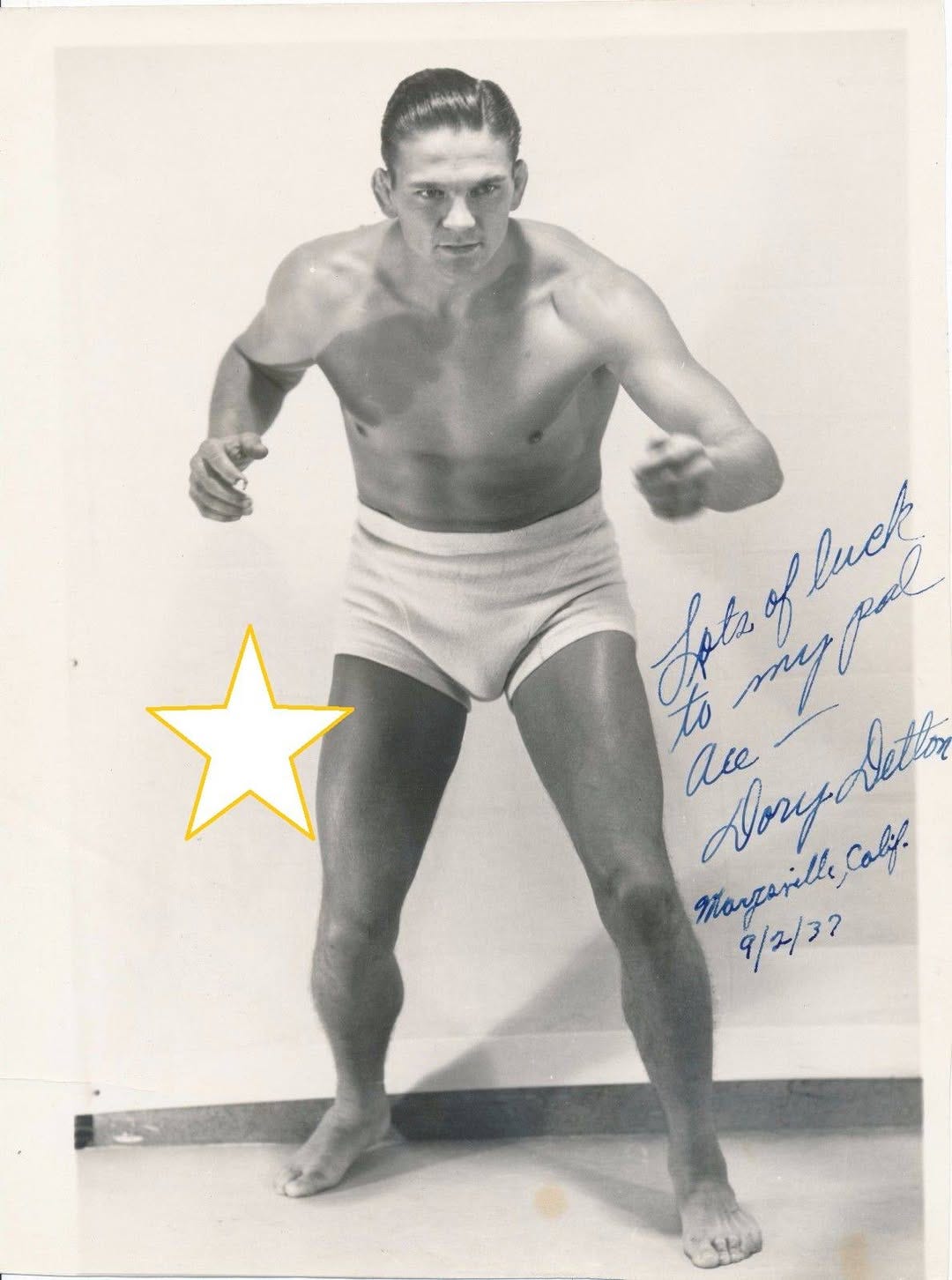
Detton’s in-ring career spanned approximately 20 years, primarily in the 1930s and into the 1940s–1950s. Records from the era are incomplete, but he was active as early as 1933, competing in various U.S. territories. His most notable achievement was claiming a version of the World Light Heavyweight Championship around 1939—a regional or independent title lineage common in the fragmented pre-NWA landscape. He worked as both a singles and tag-team competitor, though specific match details and major feuds are sparsely documented compared to bigger stars of the time. Detton was described in contemporary accounts as a reliable, “high-class” performer who helped fill cards in smaller markets. His wrestling background gave him credibility when he later stepped into promotion.
By the early 1940s, Detton had begun transitioning toward promotional work. In 1940, he participated as a principal in wrestling events organized by Lubbock promoter Sled Allen in West Texas. Professional wrestling had largely disappeared from Amarillo since the death of the original Dutch Mantel in 1941 and then during World War II, creating an incredible opportunity. On March 14, 1946, Detton staged his first major show at the Tri-State Fairgrounds Automobile Building—the first professional wrestling card in Amarillo in more than five years. The main event featured his brother Dean Detton against Jack Carter, with supporting bouts including George Curtis vs. Tarzan Lopez. This event marked the official launch of Western States Sports (also known as the Amarillo territory or NWA Western States Sports), which Detton founded and operated as an NWA affiliate.

Under Detton’s leadership from 1946 to 1955, Western States Sports became a stable presence in the NWA’s territorial system. He promoted regularly in Amarillo and collaborated with nearby promoters like Sled Allen in Lubbock and Mance Allen, often focusing on light and junior heavyweight divisions to differentiate the product. The territory emphasized athletic, regionally flavored wrestling that appealed to West Texas audiences. Detton ran the promotion out of Amarillo while maintaining alliances with other NWA members, helping sustain the post-war wrestling boom. In 1955, he sold the entire operation to Karl “Doc” Sarpolis and Dory Funk Sr. for approximately $75,000 (a significant sum at the time). This handover proved pivotal: Sarpolis and Funk Sr. (later succeeded by his sons Dory Funk Jr. and Terry Funk) transformed the territory into one of the NWA’s most influential outposts, known for producing world champions, hardcore matches, and international talent exchanges. Detton’s decision to sell allowed him to step away while ensuring the territory’s longevity.
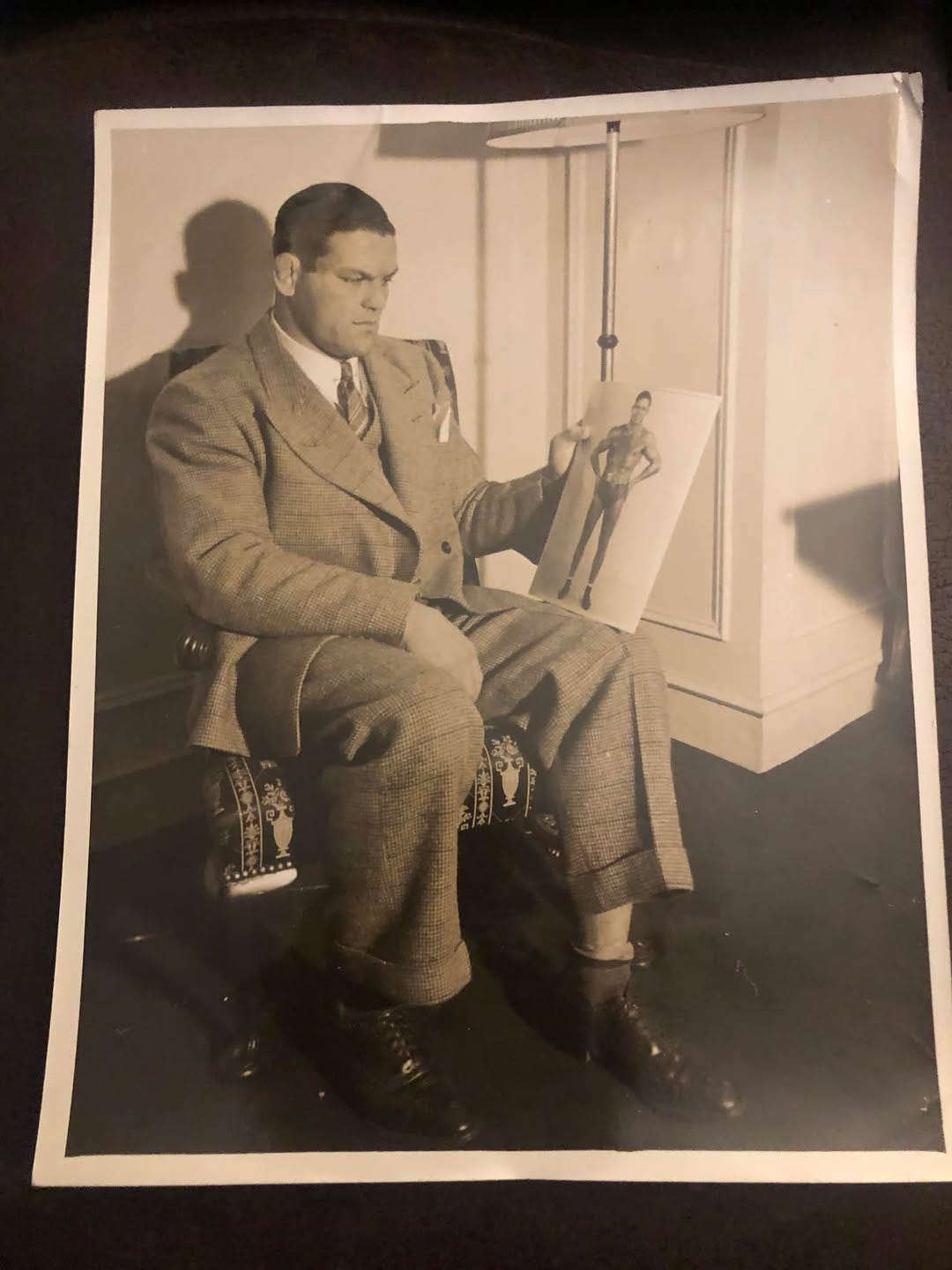
Little is documented about Detton’s life after the 1955 sale. He appears to have retired from both active wrestling and full-time promoting, though he remained connected to the wrestling community through family ties. The Detton brothers’ legacy endured—Dean’s earlier championship run and Dory’s foundational promotional work in Amarillo became points of pride in wrestling historian circles. Dory Detton passed away on September 17, 1991, at the age of 79. His death was noted quietly in wrestling publications and blogs, reflecting his status as a behind-the-scenes pioneer rather than a spotlight personality.
Dory Detton’s career exemplifies the unsung builders of professional wrestling’s territorial golden age. As a wrestler, he competed during wrestling’s chaotic pre-NWA years and earned a light heavyweight title claim that added to the Detton family’s athletic reputation. As a promoter, he single-handedly revived wrestling in Amarillo at a critical moment, establishing Western States Sports and creating the infrastructure that Doc Sarpolis would take to greater prosperity and notoriety and later on in 1967, the Funk family would begin to elevate to legendary status. Without Detton’s vision in 1946, the famous “Amarillo territory” that launched stars like Dory Funk Jr., Terry Funk, Bruiser Brody, Stan Hansen, and many others might never have existed in its influential form.
Today, Detton is remembered primarily by wrestling historians and fans of NWA territorial history. He was never inducted into major halls of fame, yet his fingerprints remain on one of wrestling’s most storied regions.
One Thing I Learned About Dick Woehrle
He took real, painful bumps like the wrestlers and once powered through a scary one to finish officiating. At a 2011 Pro Wrestling Hall of Fame event (where he was later inducted posthumously in 2020), Woehrle recalled being knocked clean over the top rope by Ivan Putski: “My neck, I thought I broke it. They were trying to drag me back into the dressing room. I said, ‘Wait a minute, I’ve got to finish this match.’ I’m seeing stars every colour in the book and I’m hanging onto the drape of the ring. All of a sudden I hear BOOM! And I reached up with my hands — smack, smack, smack — that was the end of the match, and I made it.”
His boxing background, he was a middleweight fighter and trainer who transitioned into wrestling reffing almost by accident when the Pennsylvania athletic commission sent him to a CYO show, made him tough as nails—he insisted on real contact, took shoulder surgery from mat impacts, and even let Ric Flair spots where Woehrle punched back. But that Putski story perfectly captures the old-school grit that made him a legend among peers like Ray Apollo and Davey O’Hannon, who called him Vince McMahon Sr.’s go-to guy for title matches.
Thank You for Reading
I’m Tony Richards, Pro Wrestling Historian, Author and Storyteller. I share pro wrestling historical items in each issue of the Time Tunnel Pro Wrestling History Newsletter. Thanks for reading! If you enjoy my information on select events, matches and insights, please share it with folks you think might like to be a subscriber!
Remember, premium investors get access to exclusive and special content such as some special issues including a multi-part deep dives on wrestling territories, wrestler bios and championship title histories, special audio and video interviews on territory pro wrestling and more available in the Pro Wrestling Time Tunnel for Premium Investors.