


Happy Birthday to those who have passed on and to those great wrestlers still with us:
In Memoriam:
Lorraine Johnson 1930
Charlie Cook 1941
Mike Von Erich 1964
Lance Cade 1981
Happy Birthday:
Lola Gonzalez (67)
Debra Marshall (66)
Manami Toyota (55)
RIP Memorial: We stop & remember those who have passed on this day and gave themselves to the business for us, the fans. We salute you and thank you.
Gus Kallio 3-2-1962 at the age of 70
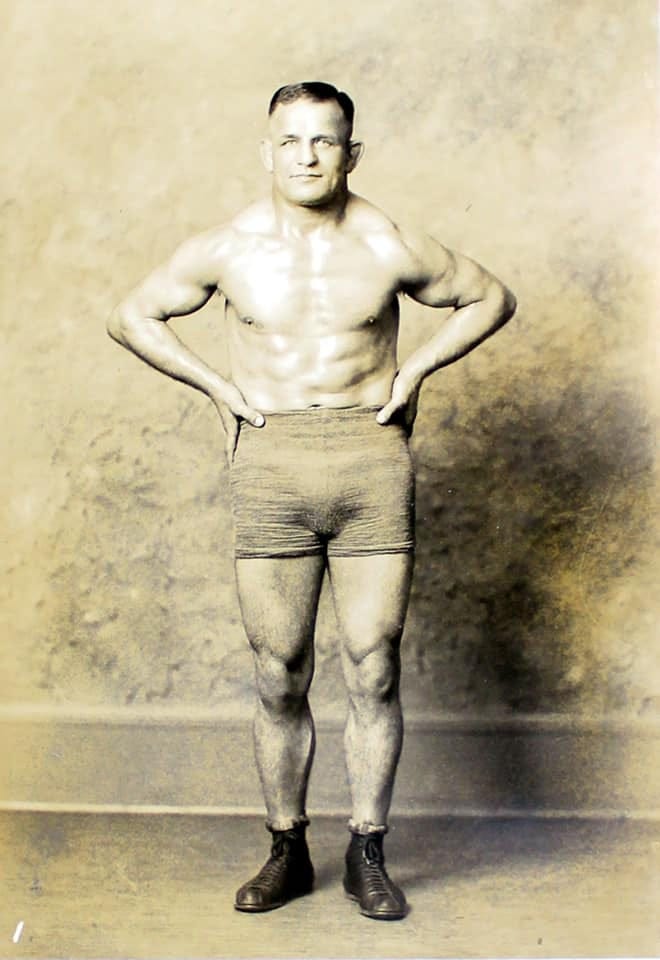
Jean Baillargeon 3-2-1994 at the age of 78

Doug Furnas 3-2-2012 at the age of 52
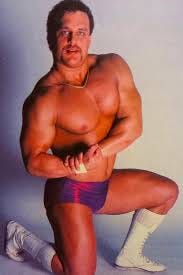
80 Year Flashback
Flashback 1946: The Month In Pro Wrestling
Territory Era Stage of Growth: Stage Three: Innovation and Expansion
World War II had disrupted promotion of the sport with many wrestlers serving in the military and arenas repurposed for other uses. By 1946, however, the industry was regaining momentum across North America, particularly in the United States, Canada, and Mexico. Regional territories were solidifying, and championships were being contested with renewed vigor. Figures like Bill Longson, who held the National Wrestling Association World Heavyweight Championship, dominated the American scene, while in Mexico, lucha libre was flourishing under promotions like Empresa Mexicana de Lucha Libre (EMLL). March 1946 exemplified this resurgence, featuring key title changes, high-profile matches, and the birth of future stars, setting the stage for wrestling’s post-war boom.
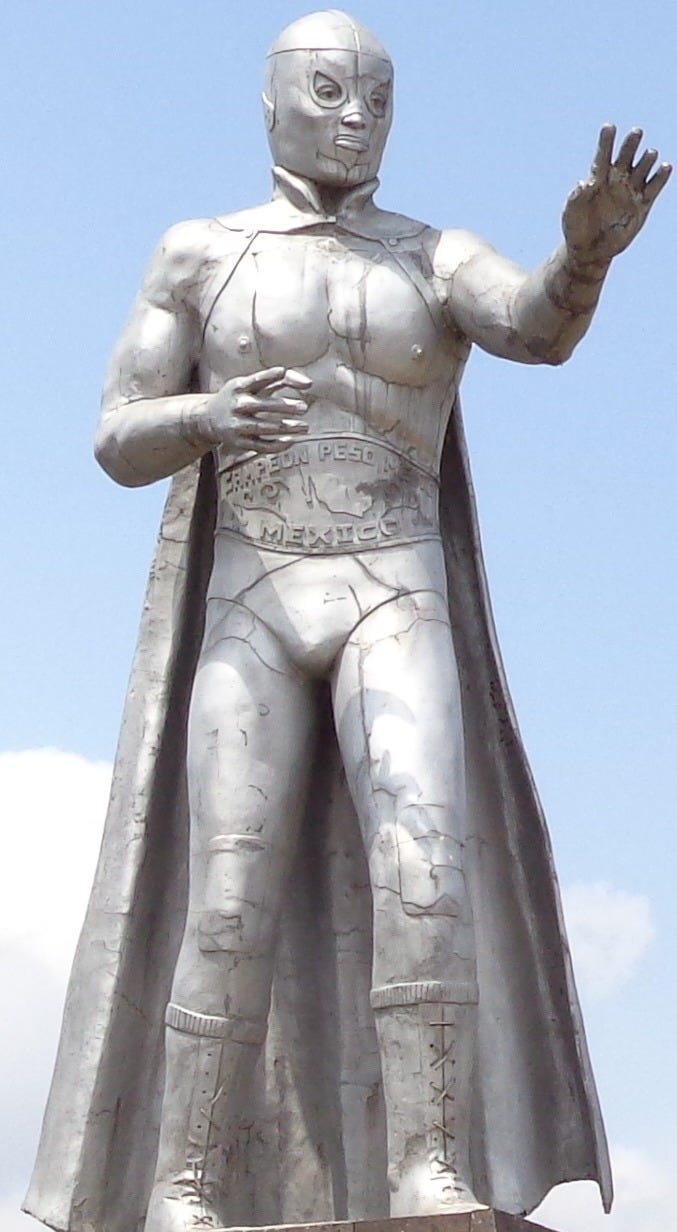
Pictured: Statue of El Santo in Mexico City, Mexico
One of the most notable events of the month was the tournament to crown the inaugural NWA World Welterweight Champion, held by EMLL in Mexico City from March 1 to 15. This competition highlighted the growing international appeal of wrestling, blending athleticism with dramatic storytelling. The tournament culminated on March 15, when El Santo defeated Peter Pancoff (also referred to as Pete Sancof in some records) in the final to become the first champion.
El Santo, whose real name was Rodolfo Guzmán Huerta, was already a rising star in Mexican wrestling, known for his masked persona and technical prowess. This victory marked a pivotal moment in his career, propelling him toward legendary status in lucha libre and influencing generations of wrestlers. The title, recognized under the nascent National Wrestling Alliance (NWA) umbrella, underscored the efforts to standardize championships across borders, even though the full NWA formation would come two years later in 1948.
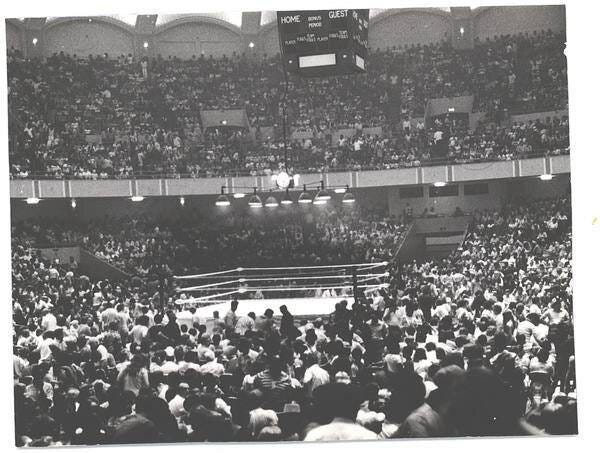
Pictured: Kiel Auditorium in St. Louis, Missouri
St. Louis’s prominence in professional wrestling during 1946 can be traced to its competitive promotional environment, which fostered innovation and drew national attention. The city had long been a wrestling hotbed, but the post-war era intensified rivalries between promoters. Tom Packs, a veteran promoter who had dominated St. Louis since the 1920s, faced growing competition from Sam Muchnick, a former sports journalist turned promoter. Muchnick, honorably discharged from the U.S. Army in September 1945 after 40 months of service, invested approximately $13,000 from his discharge pay to launch his own promotion. His first major show on December 5, 1945, at the Kiel Auditorium drew 3,771 fans, featuring veterans like Ed “Strangler” Lewis, and marked the beginning of his challenge to Packs’ dominance.
By 1946, Muchnick’s approach—treating wrestling as a legitimate sport with dignity, avoiding excessive gimmicks, and focusing on athletic competition—began to pay off. He drew talent from maverick promoters like Jack Pfefer and emphasized credible matchmaking, which resonated with audiences. This competition elevated St. Louis’s status, as the city became a battleground for promotional supremacy. Muchnick’s efforts in 1946 were instrumental in his eventual victory in the “promotional war” of the 1940s, establishing St. Louis as a flagship territory. The city’s role extended beyond local rivalries; it operated under the National Wrestling Association, a precursor to the NWA, hosting world title defenses that underscored its national relevance.
March of 1946 saw intense action in St. Louis and other established hotbeds like Dallas and Los Angeles. On March 1 in St. Louis at the Kiel Auditorium, an attendance of over 10,000 fans witnessed NWA (Association) World Heavyweight Champion Bill Longson defend his title against Yvon Robert in the main event, with Longson emerging victorious. The card also featured bouts like Buddy Rogers defeating Gino Vagnone and Warren Bockwinkel over Jack Hader, showcasing a mix of established and up-and-coming talent. Rogers, in particular, would later become a flamboyant heel icon as “Nature Boy.” Just days later, on March 4, Orville Brown was recognized as the “National Wrestling Alliance” World Champion in Des Moines, Iowa, by promoter Pinkie George. This recognition reflected the fragmented nature of wrestling titles at the time, with multiple bodies claiming world championships amid calls for unification.
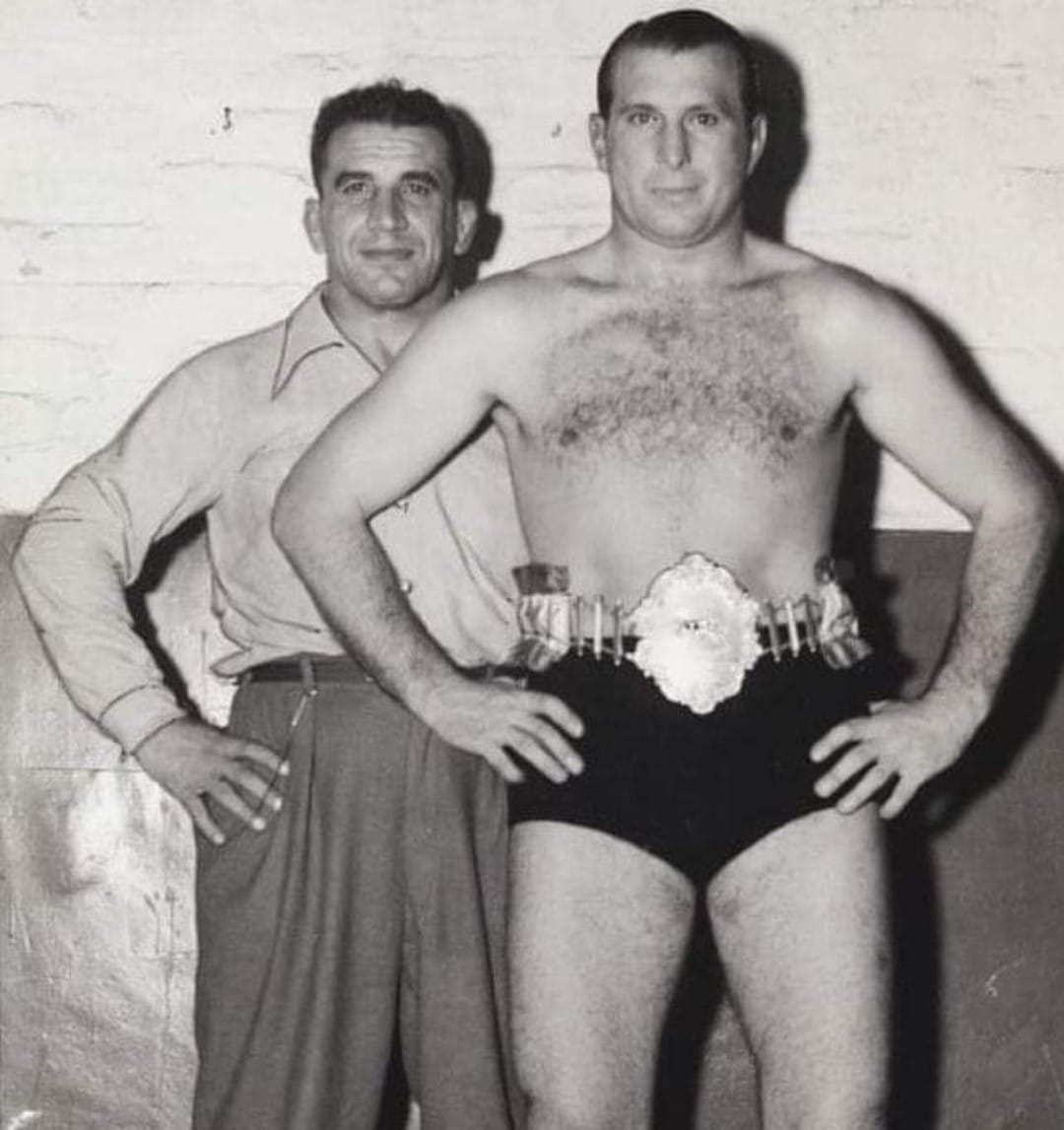
Pictured: Ray Steele and NWA World Champion, Wild Bill Longson
Mid-month brought more title defenses and regional rivalries. On March 12 in Dallas, Texas, at the Sportatorium, Longson again defended his NWA (Association) title, this time against Leo Numa, securing another win. The following day, March 13, in Montreal, Canada, at the Forum with 10,000 in attendance, Montreal World Heavyweight Champion Bobby Managoff defeated Ernie Dusek in a two-out-of-three falls match. The undercard included family feuds among the Dusek brothers, adding a layer of personal drama that was a staple of wrestling narratives. Later, on March 19, Longson continued his dominant run in Dallas by defeating perennial World Junior Champion, Leroy McGuirk. McGuirk, a skilled technician despite being legally blind in one eye, represented the resilience of wrestlers overcoming personal challenges.
Toward the end of the month, action shifted westward. On March 27 in Los Angeles at the Olympic Auditorium, before 9,000 fans, a tag team match saw Henry Kulkovich and Tony Martinez triumph over Marvin Jones and Rebel Russell in two falls to one. The card also included singles bouts like George Temple defeating Housepainter Hogan, illustrating the colorful gimmicks that drew crowds. Finally, on March 29 back in St. Louis, Longson capped the month by defeating Bobby Bruns in front of over 11,000 spectators, with Lou Thesz also on the card besting Bull Morgan. Thesz, who would soon become a multi-time world champion, was honing his skills in these mid-card spots.
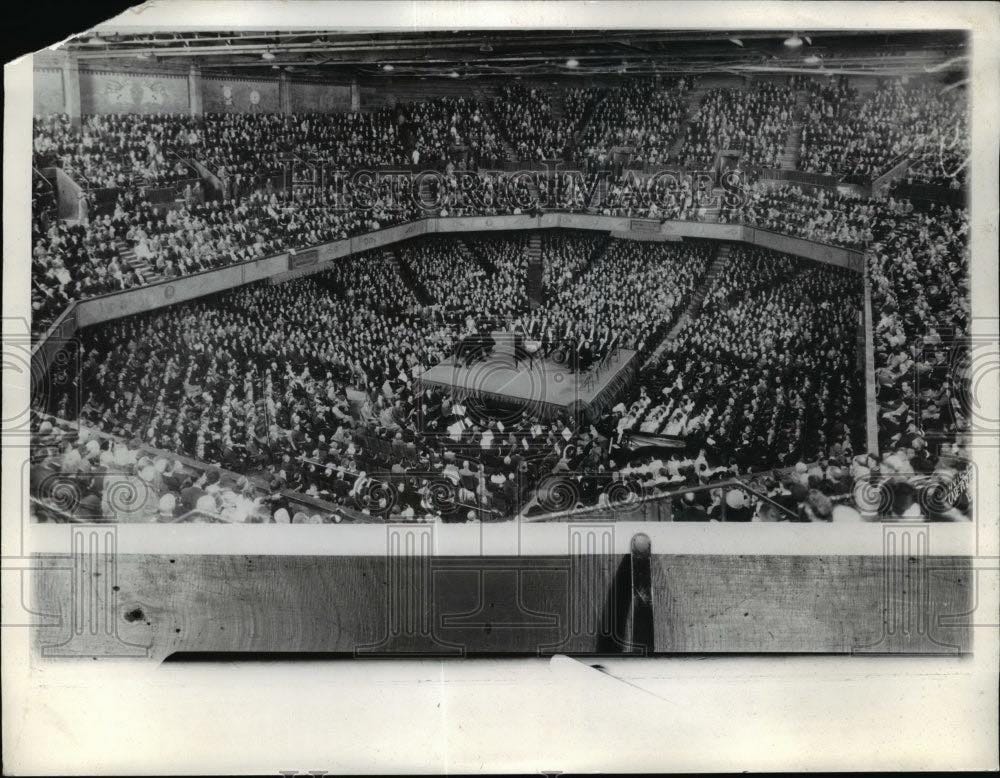
Pictured: The Grand Olympic Auditorium in Los Angeles, California
Beyond the ring, March 1946 was a month of new beginnings, with several future wrestling personalities born. On March 10, George Julio entered the world, later becoming a journeyman wrestler. Don Bass, born March 14, would gain fame as a tag team specialist before his passing in 2016. Yoshihiro Momota (March 15) and José González (March 18) also arrived, with González notably involved in the infamous Bruiser Brody incident decades later. Rich Landrum, born March 31, became a prominent announcer for Jim Crockett Promotions in the Carolinas. No major deaths were recorded in the wrestling community that month.
In retrospect, March 1946 captured the essence of professional wrestling’s post-war renaissance. From El Santo’s historic title win in Mexico to Bill Longson’s title defenses across the U.S., the month highlighted the sport’s regional diversity and global aspirations. Large crowds in cities like St. Louis and Montreal signaled renewed fan interest, while the births of future stars ensured the industry’s longevity. Though data from this era is often incomplete due to limited record-keeping, these events laid foundational stones for the territorial system that would define wrestling until the national expansion of the 1980s
One Thing I Learned About Lorraine Johnson
She secretly visited drugstores to flip through wrestling magazines in search of photos of her daughter Nickla Roberts’ (Baby Doll) career, even though she herself refused to discuss or revisit her own time in the ring after retiring.
Thank You for Reading
I’m Tony Richards, Pro Wrestling Historian, Author and Storyteller. I share pro wrestling historical items in each issue of the Time Tunnel Pro Wrestling History Newsletter. Thanks for reading! If you enjoy my information on select events, matches and insights, please share it with folks you think might like to be a subscriber!
Remember, premium investors get access to exclusive and special content such as some special issues including a multi-part deep dives on wrestling territories, wrestler bios and championship title histories, special audio and video interviews on territory pro wrestling and more available in the Pro Wrestling Time Tunnel for Premium Investors.