


Happy Birthday to those who have passed on and to those great wrestlers still with us:
In Memoriam:
Farmer Burns 1861
Mitsu Hirai 1943
Happy Birthday:
Hugo Savinovich (67)
LuFisto (46)
Jenna Morasca (45)
Rich Swann (35)
RIP Memorial: We stop & remember those who have passed on this day and gave themselves to the business for us, the fans. We salute you and thank you.
Louie Spicolli 2-15-1998 at the age of 27

Johnny Weaver 2-15-2008 atthe age of 72

Gran Hamada 2-15-2025 at the age of 74

50 Year Flashback
January-March 1976 Amarillo Office, West Texas Territory Analysis
This region encompassed cities like Amarillo, Lubbock, Odessa, Abilene, and El Paso, with occasional extensions into New Mexico and Colorado. The territory was known for its rugged, hard-hitting style, emphasizing technical wrestling, bloody feuds, and titles like the NWA Western States Heavyweight Championship, the Brass Knuckles Championship, and tag team belts. The first quarter of 1976 was particularly notable as it coincided with Terry Funk’s reign as NWA World Heavyweight Champion, bringing prestige and excitement to the Panhandle region. This period featured title defenses, family-driven storylines, and the emergence of key rivalries, drawing crowds eager to see the champion in his home turf.
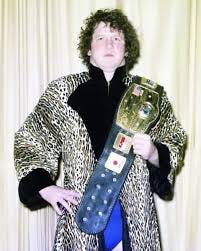
Pictured: Terry Funk, NWA World Heavyweight Champion
January 1976 marked the triumphant return of Terry Funk to the West Texas territory as the newly crowned NWA World Heavyweight Champion. Funk had won the prestigious title from Jack Brisco on December 10, 1975, in Miami, Florida, ending Brisco’s long reign and becoming the first Texan to hold the belt since his brother Dory Jr.’s run from 1969 to 1973. Funk’s victory was a point of pride for the Amarillo promotion, and he wasted no time defending the title locally, emphasizing his intention to keep the championship in Texas rather than touring extensively elsewhere—a stance that echoed the territory’s independent spirit.
The month kicked off with regular house shows, but the highlight was a series of defenses against former world champion Pat O’Connor, a respected veteran known for his technical prowess and previous NWA title reign in the 1950s. On January 13, in Odessa, Texas, Funk faced O’Connor in a grueling two-out-of-three falls match at the Ector County Coliseum. Funk retained the title, winning 2-1 after pinning O’Connor in the decisive fall. This match drew strong crowds, showcasing Funk’s brawling style against O’Connor’s mat-based offense.
Two days later, on January 15, the action moved to the Sports Arena in Amarillo, Funk’s hometown. This was Terry’s first world title defense in Amarillo, a symbolic homecoming that packed the venue with local fans. Again, in a two-out-of-three falls format, Funk defeated O’Connor 2-1, securing the win with his signature spinning toe hold submission. The event was promoted heavily on local TV, with interviews highlighting Funk’s pride in bringing the belt back to West Texas. Other matches on the card likely included territory staples like Ricky Romero, a popular babyface, and heels such as The Super Destroyer (Art Nelson under a mask), setting up future feuds.
Later in the month, on January 28 at the Sports Arena in Amarillo, Dory Funk Jr. took center stage in a non-world title bout, defeating The Super Destroyer. This match built momentum for Dory Jr., who was positioning himself as a top contender in the territory. The Super Destroyer, a masked powerhouse, was a recurring villain in West Texas, and his loss to Dory Jr. hinted at an escalating rivalry. January also saw ongoing defenses of the NWA Brass Knuckles Championship, a hardcore title that fit the territory’s tough reputation, with Thunderbolt Patterson holding the belt after victories over Frank Goodish (later Bruiser Brody) in related bouts, though some defenses occurred outside Texas.
February 1976 continued the momentum from January, with weekly shows maintaining the territory’s consistent schedule—typically Thursdays in Amarillo, Tuesdays in Odessa or Lubbock, and weekends in smaller towns. The month focused on building storylines around the Funk brothers, with Terry continuing to defend the world title sporadically while Dory Jr. pursued regional gold.
A key event occurred on February 5 at the Sports Arena in Amarillo, where the card featured high-stakes matches amid ongoing feuds. Details are sparse, but the show likely included tag team action involving local favorites like Ricky Romero and The Lawman (Don Slatton, a real-life sheriff who wrestled part-time). The Lawman was a fan favorite, often involved in law-and-order gimmick matches against heels.
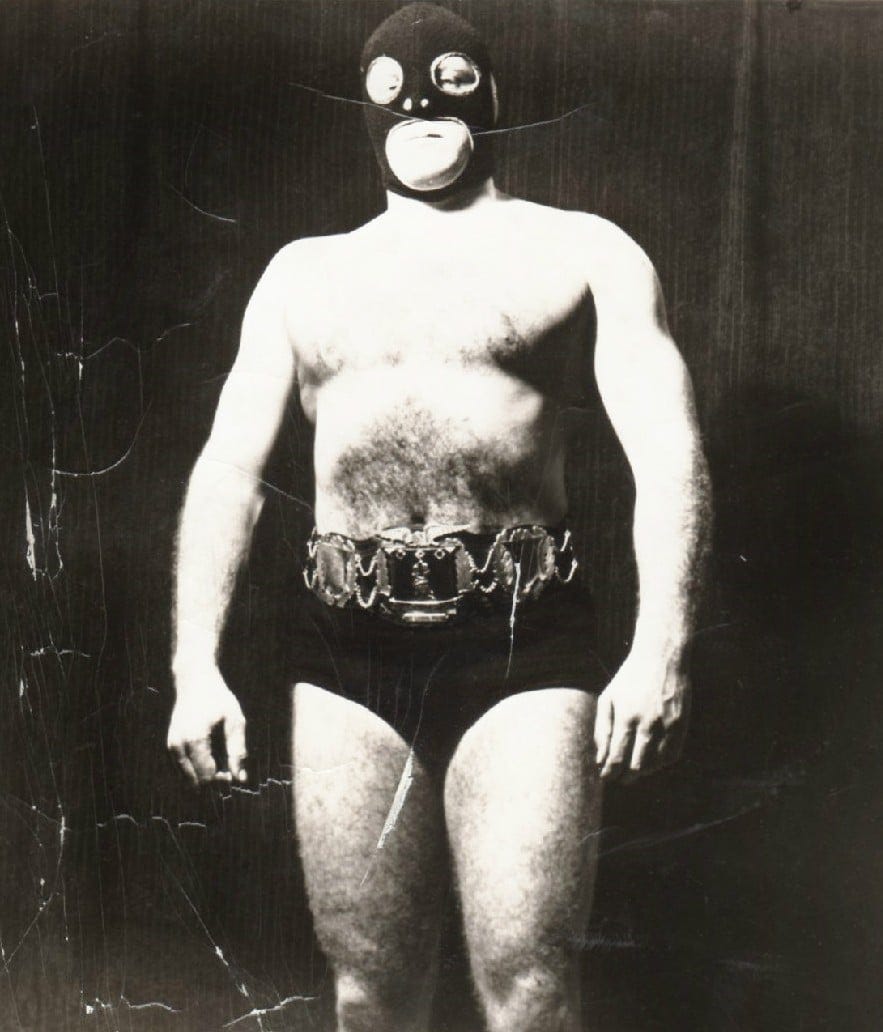
Photo: This is only known photo of Art Nelson as The Super Destroyer in West Texas
Photo Credit: Chris Swisher, CS Classic Photos, All Rights Reserved
On February 12, another Amarillo show at the Sports Arena highlighted the territory’s blend of athleticism and drama. While specific matches from this date are not fully documented, the period saw Dory Funk Jr. challenging for the NWA International Heavyweight Championship, a title that added international flair to the promotion. Dory Jr. captured the belt from The Super Destroyer, February 11th on a card in San Angelo, marking a significant title change. This victory avenged earlier clashes and positioned Dory Jr. as a co-main eventer alongside his brother, reinforcing the Funk family’s control over the top spots.
Terry Funk made appearances throughout the month, though his world title defenses in West Texas were limited to avoid overexposure. Instead, he wrestled in non-title matches or tag teams with Dory Jr., drawing on their brotherly bond to create compelling narratives. Feuds with heels like The Super Destroyer and Hank James (a rough brawler who would later win the Brass Knuckles title) began to simmer, leading to bloody encounters that defined the territory’s style. Attendance remained strong, with the world champion’s presence helping sell tickets in an era when wrestling was a major draw in rural Texas.
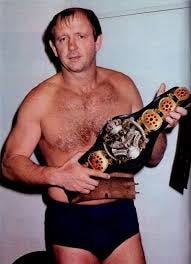
Pictured; Dory Funk, Jr. NWA International Heavyweight Champion
March 1976 saw the territory shift toward mid-card development and tag team action, as Terry Funk’s world title commitments took him on the road more frequently. The month featured regular cards in Amarillo and surrounding areas, with an emphasis on local talent and visiting stars to keep things fresh.
One notable event was on March 4, though specific results are limited; it likely involved defenses of the Western States Tag Team Championship, a title frequently held by teams like Ricky Romero and partners against heel duos. Dory Funk Jr., fresh off his International title win, defended against challengers like The Beast or Leo Burke in matches across West Texas towns.
A standout card occurred on March 13 in Pueblo, Colorado (part of the extended territory), featuring a losers-leave-town tag match where Leo Burke and The Beast faced Reggie Parks and Hank James in a two-out-of-three falls bout. Other matches included Paul Perschmann (later Mr. Wonderful Paul Orndorff) vs. Silver Streak. While not in Texas, this show reflected the promotion’s reach and the interchange of talent with neighboring areas.
Back in Amarillo, March shows at the Sports Arena continued to draw well, with storylines building toward spring events. The Brass Knuckles Championship saw activity, with Hank James holding the title by April, suggesting a transition or defense in late March. Terry Funk’s occasional appearances kept the world title in the spotlight, but the focus was on territory-specific feuds, such as those involving Don Slatton (The Lawman) and visiting heels like Swede Hanson.
The first three months of 1976 were a golden period for the Amarillo and West Texas territory, fueled by Terry Funk’s NWA World Heavyweight Championship reign and the booking office and local town promoter’s promotion and marketing savvy, along with strong television in all the key markets. Events like Terry’s defenses against Pat O’Connor and Dory Jr.’s title win over The Super Destroyer highlighted the region’s blend of athletic wrestling and dramatic storytelling.
One Thing I Learned About Johnny Weaver
After retiring from professional wrestling in 1987, Johnny Weaver became a deputy sheriff with Mecklenburg County, North Carolina, starting the job in his 50s as one of the oldest people to pass the basic law enforcement test, and he spent 19 years transporting prisoners along back roads he was familiar with from his wrestling days.
Thank You for Reading
I’m Tony Richards, Pro Wrestling Historian, Author and Storyteller. I share pro wrestling historical items in each issue of the Time Tunnel Pro Wrestling History Newsletter. Thanks for reading! If you enjoy my information on select events, matches and insights, please share it with folks you think might like to be a subscriber!
Remember, premium investors get access to exclusive and special content such as some special issues including a multi-part deep dives on wrestling territories, wrestler bios and championship title histories, special audio and video interviews on territory pro wrestling and more available in the Pro Wrestling Time Tunnel for Premium Investors.