


Happy Birthday to those who have passed on and to those great wrestlers still with us:
In Memoriam:
Gorilla Poggi 1902
Dominic DeNucci 1932
Shohei “Giant” Baba 198
Vivian Vachon 1951
Happy Birthday:
Lelani Kai (69)
Nigel McGuinness (50)
Will “Powerhouse” Hobbs (35)
RIP Memorial: We stop & remember those who have passed on this day and gave themselves to the business for us, the fans. We salute you and thank you.
Bobby Bruns 1-23-1983 at the age of 68
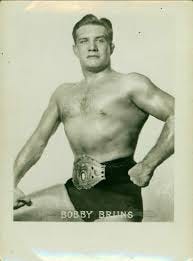
Arthur White\Tarzan White 1-23-1996 at the age of 80
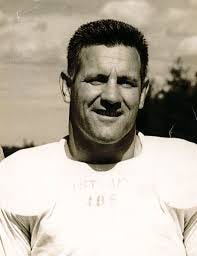
Archie Gouldie\The Mongolian Stomper 1-23-2016 at the age of 79

Harold Houge\Ice Train 1-23-2024 at the age of 58

The Life and Career of Bobby Bruns
Known not only for his in-ring prowess but also for his innovative contributions to the sport’s global expansion, Bobby Bruns left an indelible mark on wrestling history. From his early days as a champion in the United States to his groundbreaking work in establishing professional wrestling in Japan, Bruns embodied the resilience and entrepreneurial spirit that defined mid-20th-century grapplers. This essay explores his life, career milestones, and lasting legacy as both a performer and an innovator.
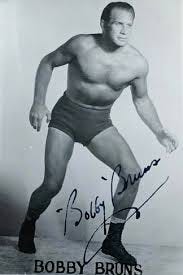
Bruns grew up in Chicago and later made his home in the suburb of Oak Park. Standing at 6’2” and weighing around 225 pounds, he possessed the physical build ideal for combat sports. His early training regimen was rigorous, involving daily runs before breakfast, blacksmithing as a day job for strength building, and hands-on wrestling experience. Bruns entered the professional wrestling scene in the 1930s, a era when the sport was transitioning from carnival sideshows to organized promotions.
During World War II, Bruns served with the 5th Army, participating in the historic invasion of mainland Europe south of Salerno, Italy, as part of the first American forces to do so. This military service interrupted his budding career but instilled discipline that would later define his approach to wrestling and promotion. Upon returning, he resumed wrestling under various names, including Bobby Burns and Bob Burns, and quickly established himself as a formidable competitor.
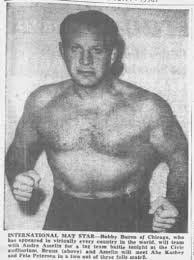
Bruns’ in-ring career was marked by championship success and high-profile matches. He held the NWA Hawaii Heavyweight Championship from September 14, 1952, to June 7, 1953, and shared the NWA Hawaii Tag Team Championship during parts of 1952. His style was that of a classic heavyweight: powerful, technical, and crowd-pleasing. Footage from the late 1930s and early 1940s shows him competing in battle royals against opponents like John Melas, Prince Emir Jo Jo, and Chief Bamba Tabu, highlighting his agility and endurance in multi-man chaos.
One of the most pivotal—and tragic—moments in Bruns’ career occurred in 1949 when he was involved in a car accident with NWA World Heavyweight Champion Orville Brown.
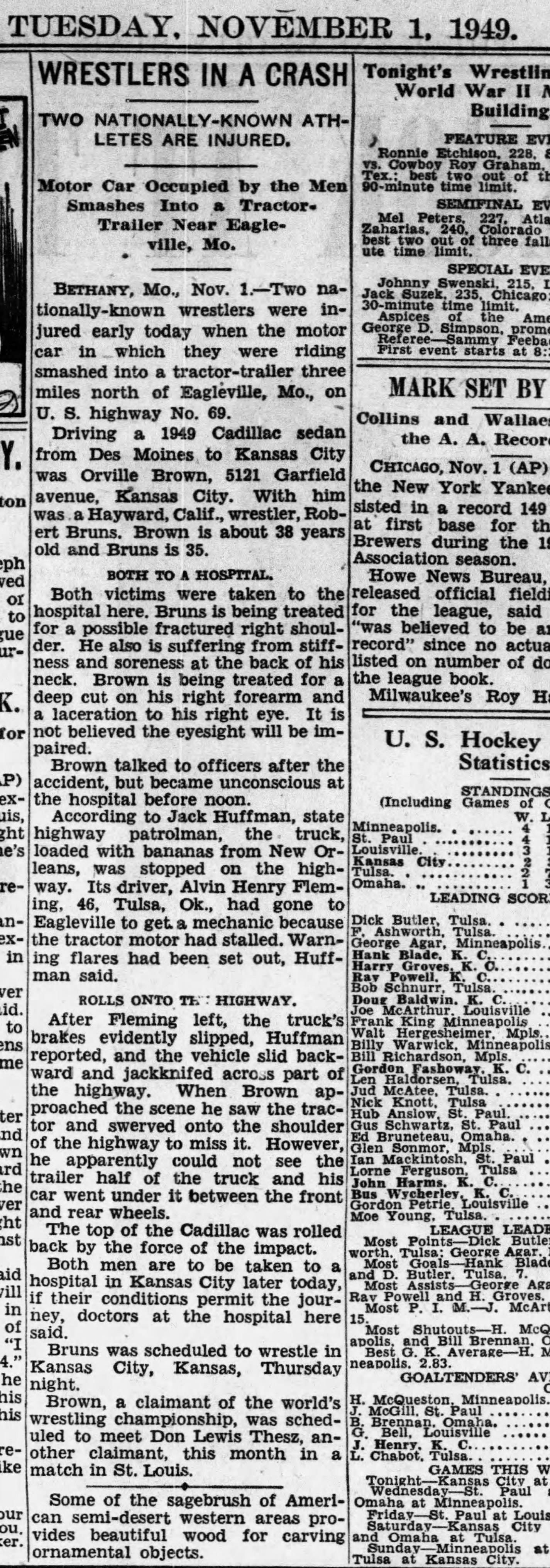
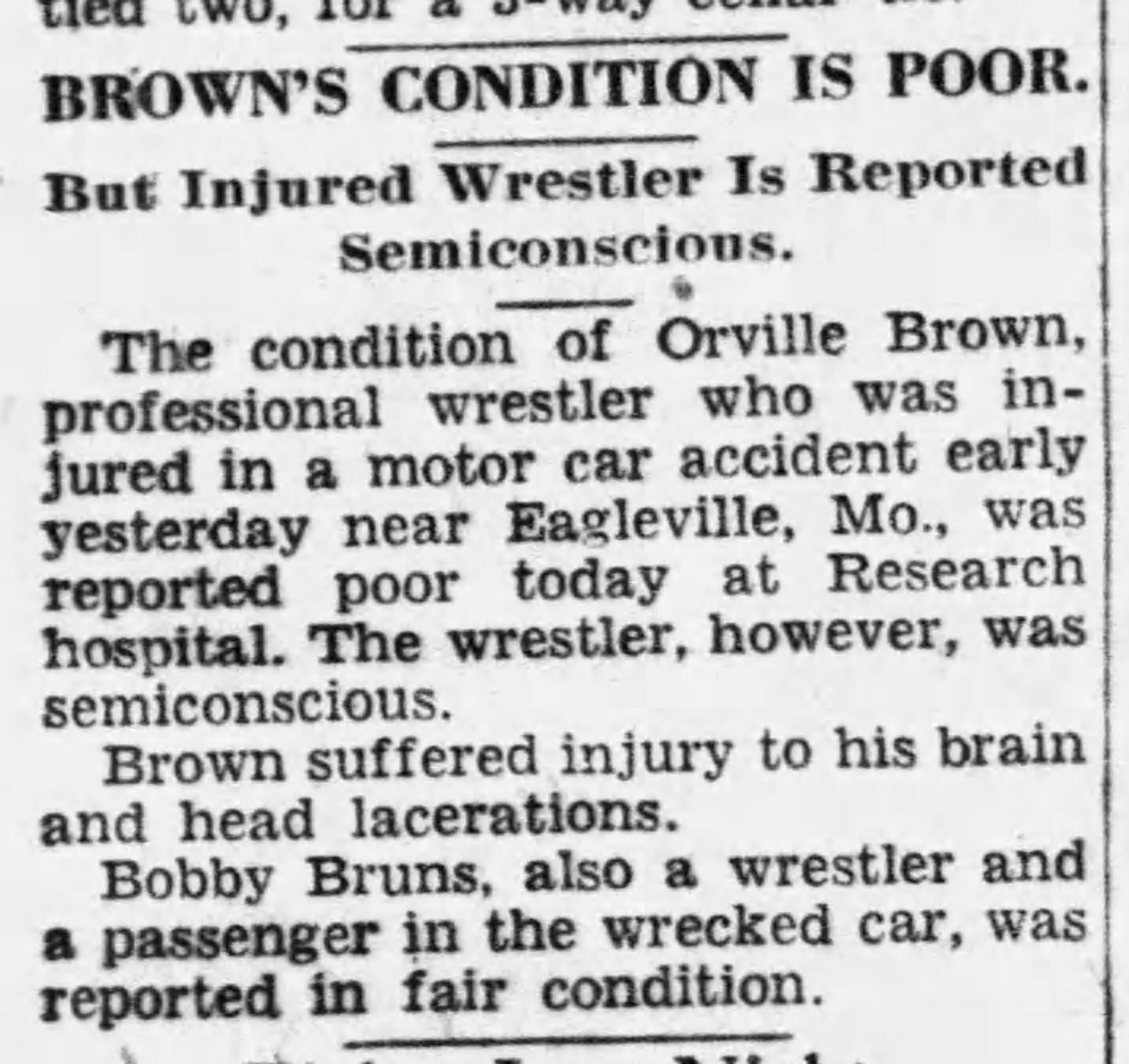
Pictured: Kansas City Star, Tuesday, November 1st and 2nd, 1949
The crash severely injured both men, effectively ending Brown’s full-time wrestling career and curtailing Bruns’ own in-ring activities. While this event is often cited as a turning point, it paradoxically opened doors for Bruns’ transition into promotion and training, showcasing his adaptability.
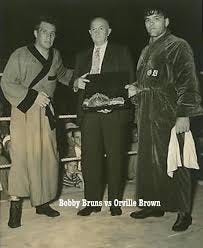
Pictured: Bobby Bruns and Orville Brown
Bruns’ true innovation shone in the post-war era when he turned his attention to international expansion. After the accident, he traveled to Japan, recognizing an untapped market for professional wrestling. In 1951, as part of promoter Al Karasick’s tour—the first featuring American wrestlers in Japan—Bruns recruited former sumo wrestler Rikidozan (born Mitsuhiro Momota) along with judokas to draw local interest. Rikidozan, who had immigrated from Korea and achieved moderate success in sumo before retiring, trained under Bruns for just one month before debuting on October 28, 1951.
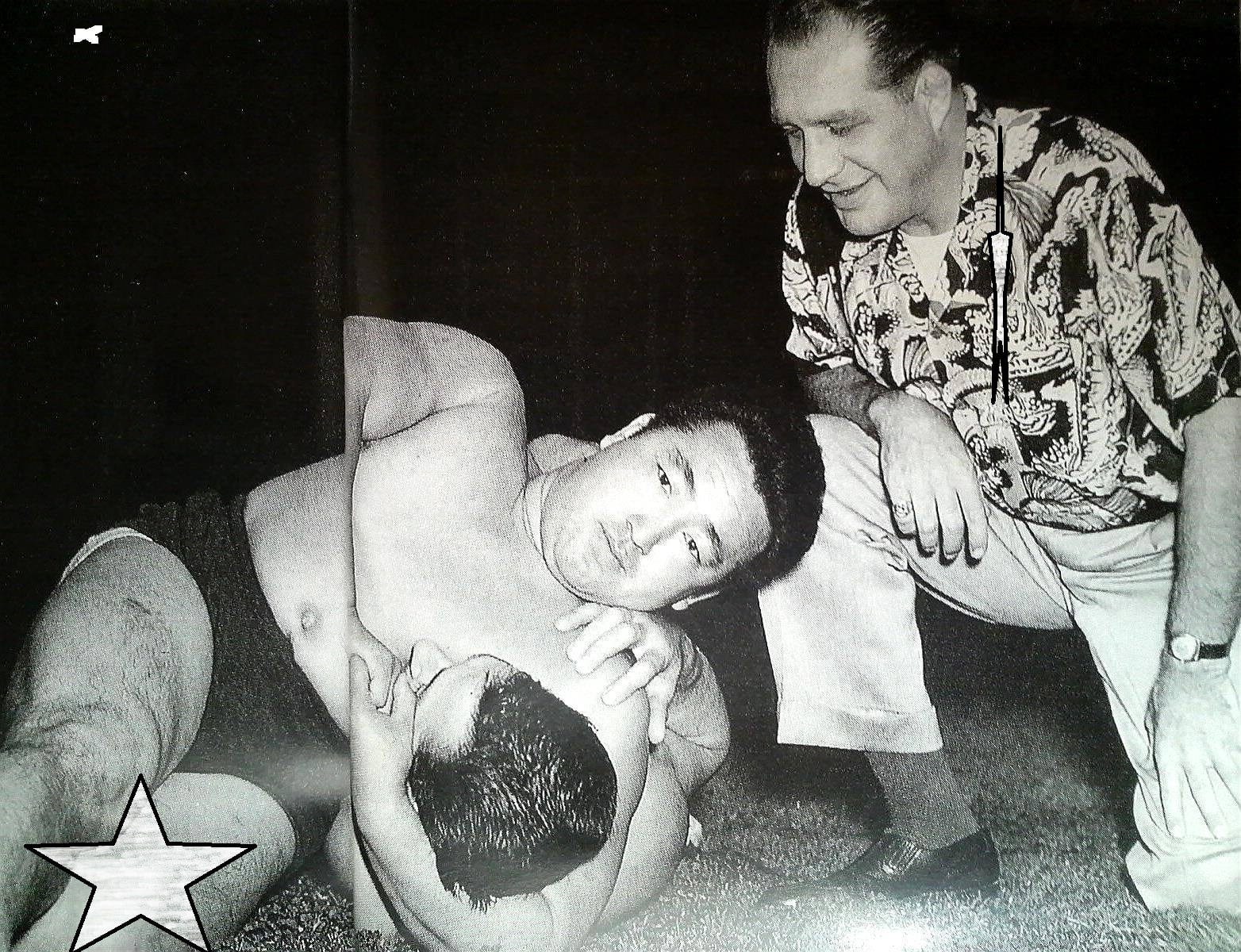
Pictured: Bobby Bruns and Rikidozan
This collaboration was revolutionary. Bruns mentored Rikidozan in Hawaii starting in February 1952, helping him refine his skills beyond sumo techniques.
Rikidozan went on to become Japan’s biggest wrestling star, defeating American opponents with his signature chops and strength, which resonated deeply in a post-occupation Japan seeking national heroes. Bruns organized tours that introduced “puroresu” (Japanese professional wrestling), blending American storytelling with Japanese athleticism. Without Bruns’ vision, milestones like All Japan Pro Wrestling’s “King’s Road” style, the Three Musketeers era, or the five-star match phenomenon might never have materialized. His efforts laid the foundation for puroresu’s global influence, reshaping wrestling in America and beyond.
In his later years, Bruns continued as a trainer and occasional performer until retiring. He passed away on January 23, 1983, at the age of 68. Though often overshadowed by the Orville Brown accident in popular memory, Bruns’ contributions earned him posthumous recognition. In 2023, he was inducted into the Wrestling Observer Newsletter Hall of Fame, acknowledging his role in internationalizing the sport.
One Thing I Learned About The Mongolian Stomper
During a stint in Knoxville, he allowed fellow wrestler Jos LeDuc to smash a concrete block on his head with a sledgehammer—resulting in lifelong neck arthritis.

Thank You for Reading
I’m Tony Richards, Pro Wrestling Historian, Author and Storyteller. I share pro wrestling historical items in each issue of the Time Tunnel Pro Wrestling History Newsletter. Thanks for reading! If you enjoy my information on select events, matches and insights, please share it with folks you think might like to be a subscriber!
Remember, premium investors get access to exclusive and special content such as some special issues including a multi-part deep dives on wrestling territories, wrestler bios and championship title histories, special audio and video interviews on territory pro wrestling and more available in the Pro Wrestling Time Tunnel for Premium Investors.