


Written and Produced by Tony Richards
January 17th in the Time Tunnel:
Happy Birthday to those who have passed on and to those great wrestlers still with us:
In Memoriam:
Fred Beall 1876
Corsica Joe 1920
Cassius Clay\Muhammad Ali 1942
Andy Kaufman 1949
Happy Birthday:
Kevin Thorn\Mordecai (49)
Chase Stevens (47)
Dexter Lumis (42)
Alexander Hammerstone (35)
RIP Memorial: We stop & remember those who have passed on this day and gave themselves to the business for us, the fans. We salute you and thank you.
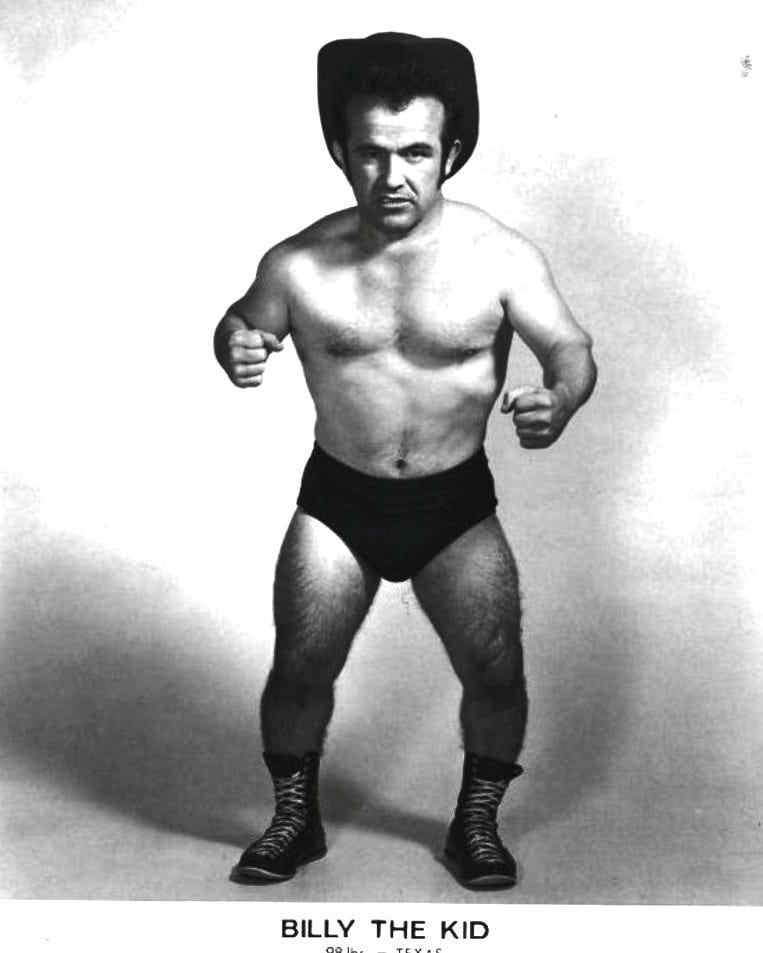
William Reid Guillot\Billy The Kid 1-17-2013 at the age of 76
Romeo Cormier\Bobby Kay 1-17-2020 at the age of 70
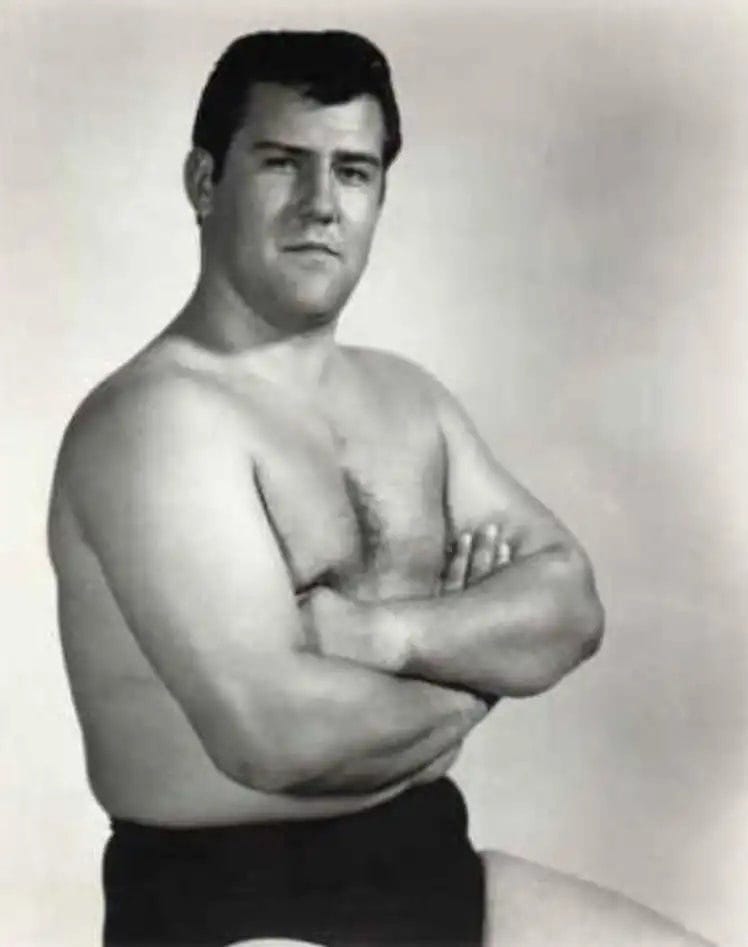
The Life and Career of Bobby Kay
As the youngest of the renowned Cormier wrestling brothers, he embodied the grit, family loyalty, and regional pride that defined Canadian wrestling in the latter half of the 20th century. Growing up on a family farm amidst eight brothers and four sisters, Cormier’s path to the ring was almost inevitable, inspired by his siblings’ successes and the vibrant wrestling scene in the Maritimes. His career spanned from 1967 to the mid-1980s, marked by international tours, multiple championships, and a brief foray into promotion. Beyond the ropes, he pursued music and a stable family life, leaving a legacy of humility and mentorship until his passing in 2020. This essay explores his early life, wrestling journey, achievements, retirement, and enduring impact.
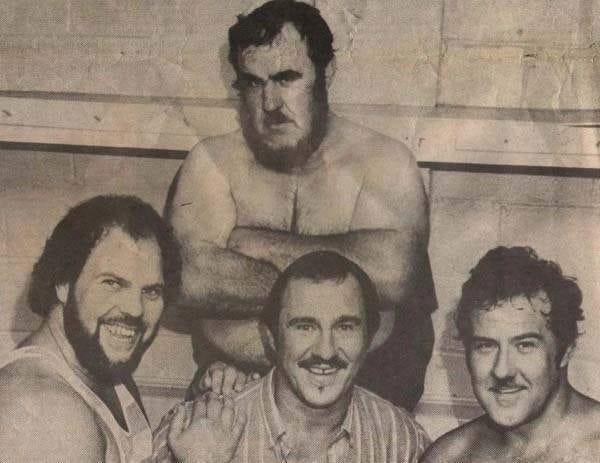
Pictured: Jean-Louis, Yvon, Leonce and Romeo Cormier
Romeo Cormier was raised in a large, close-knit family in rural New Brunswick, where farming instilled a strong work ethic. The youngest of 11 siblings (with discrepancies in accounts noting 13 total family members including parents), he was drawn to wrestling through his older brothers: Jean-Louis (Rudy Kay), Yvon (The Beast), and Léonce (Leo Burke). These brothers had already made names for themselves, and their exploits ignited Romeo’s passion. “I sort of fell in love with it through my brothers. I was the youngest one to start,” he later reflected. At just 17, Yvon took him to Calgary, Alberta, for training under the legendary Stu Hart in Stampede Wrestling. Initially, Cormier served as a referee to gain experience, absorbing the nuances of the business before stepping into the ring himself.
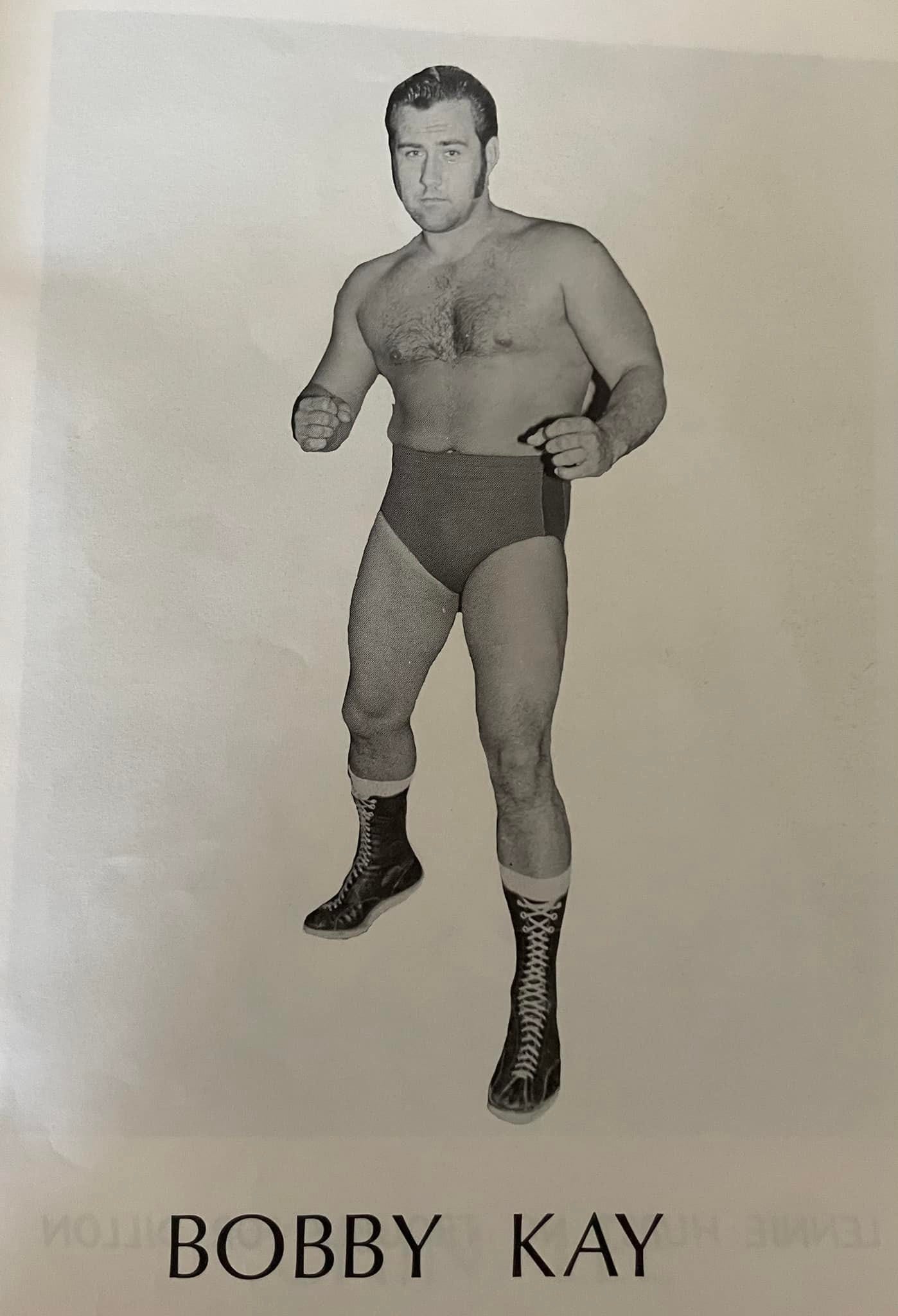
His debut came in 1967, and he adopted various ring names to suit different promotions, including Norton Jackson in Stampede Wrestling, Terry Martin in Central States Wrestling, Bobby Burke back in Stampede, and Terry Kay in Toronto and Charlotte, North Carolina. The name “Bobby Kay” emerged when he returned to the Maritimes, inspired by his brother Rudy Kay’s moniker—Jean-Louis resembled the original Rudy, and the familial branding stuck. Cormier explained the shift from his birth name: “If you’ve travelled all over the world, you know why I wouldn’t call myself Romeo! In the Maritimes, it’s pretty familiar, but everywhere else, they were weird.” Standing at 5’9” and weighing 220 pounds, he was built for the physical demands of the era’s rugged style, blending athleticism with storytelling.
Bobby Kay’s career was defined by tag team excellence, international travel, and deep roots in Maritime promotions. The first decade was particularly thrilling: “First ten years were the best. I toured all over the world,” he recalled. “I was still young, so some of the heroes I grew up watching, I actually wrestled them.” He faced legends like Pat O’Connor, Lou Thesz, Buddy Rogers, and even Wild Bull Curry, whom he had feared as a child attending shows in Moncton. Wrestling in Canada, the United States, and beyond, Kay competed in promotions like Central States Wrestling, Eastern Sports Association (ESA), Stampede Wrestling, and Atlantic Grand Prix Wrestling (AGPW).
As a tag specialist, he often partnered with his brothers, though they weren’t always promoted as such to maintain kayfabe. In Central States, as Terry Martin, he and Léonce (Tommy Martin) wrestled in 1976 and 1976 having amazing, spectacularly strong technical matches with another set of brothers, Jerry and Ted Oates. On another occasion, they captured the NWA North American Tag Team Championship (Central States version) on October 31, 1968, albeit for just a week. Back in the ESA, under the Bobby Kay name, he won the ESA International Tag Team Championship five times—twice with Leo Burke and three times with The Beast—feuding with teams like Fred Sweetan and Mike Dubois, or Kurt Von Steiger. These reigns involved dramatic trades, vacancies, and defenses, highlighting the era’s storytelling feuds that built over weeks.
In 1974, Kay claimed the NWA Central States Heavyweight Championship as a singles competitor. Returning to Stampede as Bobby Burke, he and Leo Burke secured the Stampede Wrestling International Tag Team Championship twice, in 1977 and 1980. Later, as Terry Kay, he won the NWA Canadian Television Championship in 1982. His final title came in 1990 with AGPW’s North American Tag Team Championship alongside Leo Burke. Summers in the Maritimes were highlights, with ESA and AGPW drawing crowds through regional rivalries, short travel, and local flavor—complete with seafood and scenic drives. Opponents like Michel “Le Justice” Dubois and Freddie Sweetan earned his respect for their authenticity: “They weren’t cartoons. They were real men, and they had a lot of respect for the wrestling.”
Kay also dabbled in promotion. In 1975, he and Léonce bought out Rudy’s share of the ESA, but conflicts with partner Al Zinck over TV rights led to its quick fold as AGPW rose. A mid-1980s attempt in Moncton and Halifax faltered against the World Wrestling Federation’s (WWF) expansion, which secured better venues and budgets.
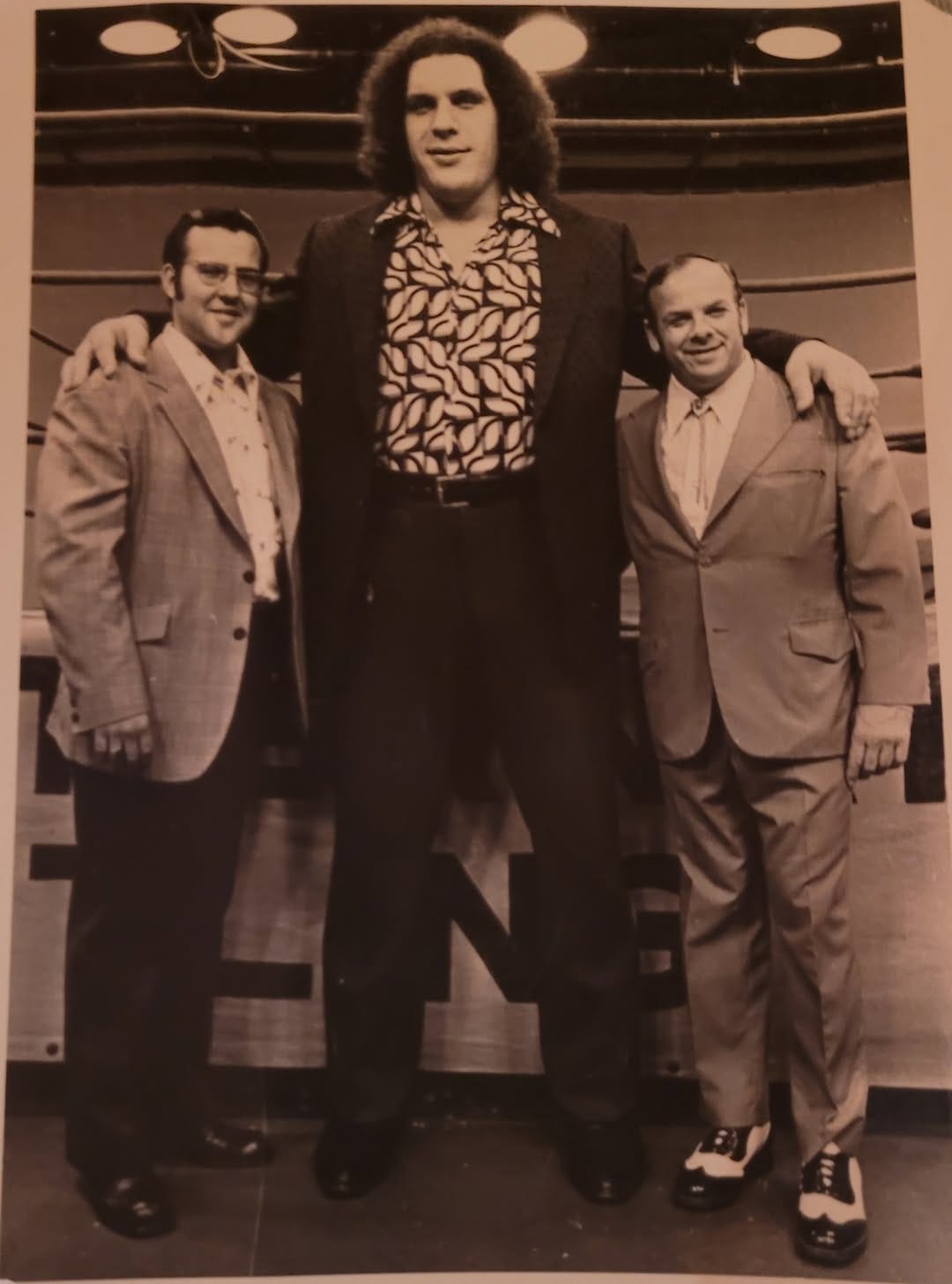
Pictured: Bobby Kay, Andre The Giant, Al Zinck
By the mid-1980s, Kay retired from full-time wrestling to prioritize family, marrying and raising two children. The decision was pragmatic: wrestling offered no pensions or healthcare, and injuries were constant. “I got out of it because I wanted to be with the family more,” he said. He balanced comebacks, like a 2009 Maritimes tour with Leo Burke and others, with a steady job in shipping and receiving at Loblaws (Loblaw Group).
Music became a second career. As a babyface wrestler, Kay incorporated singing into promos, strumming guitar during interviews. Post-retirement, he fronted the Bobby Kay Band, performing country music in Moncton clubs, drawing wrestling fans initially. He even taught referee Hubert Gallant guitar. However, he regretted how music tours kept him away more than wrestling ever did. In mentorship, he guided newcomers like Robert Maillet during 1990 AGPW tours, opening doors for the next generation.
Honors came later: A 2006 celebration in Memramcook feted the Cormier brothers, and in 2009, Kay received the Cauliflower Alley Club’s Men’s Wrestling Award as part of the family. Even in his 50s, fans’ recognition surprised him: “I’ve been out of wrestling for 20, 21 years now. I’m just surprised that people are still talking about it.”
Bobby Kay passed away on January 17, 2020, at a hospital in Moncton, New Brunswick, at age 70, after battling health issues.Tributes poured in, emphasizing his gentle demeanor. Wrestling writer Greg Oliver called him a “nice guy” who never bragged, while Maillet remembered him as a “gentleman” who mentored with open arms. With Rudy (2008) and The Beast (2009) predeceasing him, Leo Burke remains the last surviving brother.
Bobby Kay’s legacy endures in Maritime wrestling’s folklore. The Cormiers elevated the region nationally by staying local, fostering fan loyalty unlike wrestlers who fled for bigger stages. His career bridged old-school authenticity—real feuds, mutual respect—with personal balance, proving one could thrive in wrestling without losing sight of family. Bobby Kay wasn’t just a wrestler; he was a symbol of New Brunswick’s resilient spirit.
50 Year Flashback:
1-17-1976 Jesse Ventura defeated Jimmy Snuka (ch) for the NWA Pacific Northwest Heavyweight Championship at the Sports Arena in Portland, Oregon
The Pacific Northwest territory, encompassing Oregon, Washington, and parts of British Columbia, was known for its hard-hitting style and loyal fanbase. Matches at the Portland Sports Arena often featured a mix of technical prowess, brawling, and high-flying maneuvers, drawing thousands of spectators weekly. The NWA Pacific Northwest Heavyweight Championship, affiliated with the National Wrestling Alliance, was the promotion’s top prize, symbolizing dominance in the region. By 1976, the title had a storied history, having been held by icons like Dutch Savage and Tony Borne.
Jimmy Snuka, the defending champion entering that fateful night, was a force to be reckoned with. Born Deuce Snuka in Fiji and trained in Hawaii, Snuka had burst onto the PNW scene in the early 1970s, quickly becoming a fan favorite with his athleticism and charisma. Known for his innovative aerial attacks—including leaps from the top rope that would later earn him the “Superfly” moniker—Snuka had already secured the heavyweight title five times by January 1976. His fifth reign began in August 1975, and he defended the belt against a roster of tough competitors, often teaming with Dutch Savage in tag matches against heels like Bull Ramos and Ventura himself.
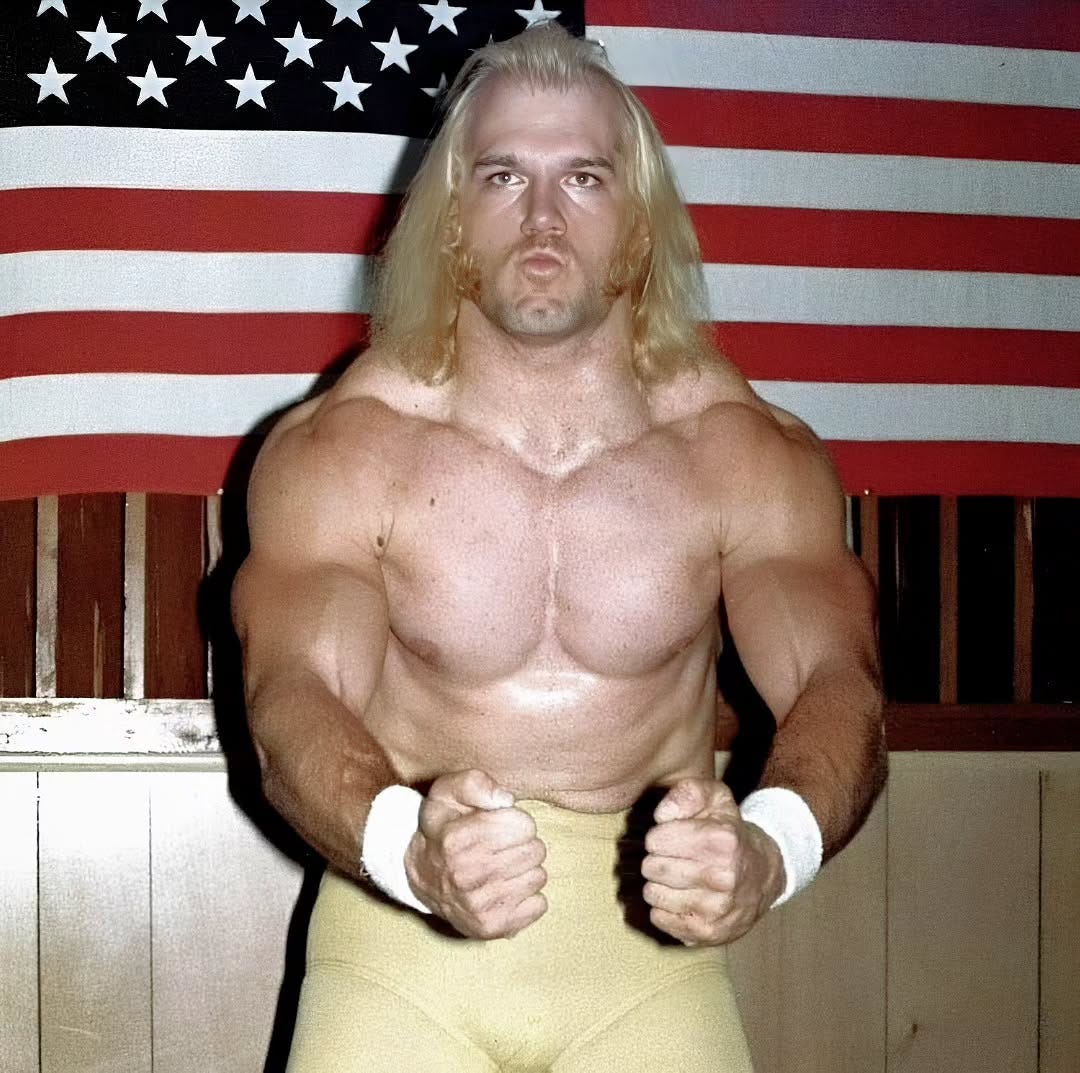
Pictured: Jesse Ventura in 1975
Jesse Ventura, a relative newcomer whose larger-than-life persona and physique hinted at future stardom. Born James George Janos in Minneapolis, Minnesota, Ventura served in the U.S. Navy as an Underwater Demolition Team member before transitioning to wrestling in 1975. Trained by Eddie Sharkey, he debuted in the Central States territory but soon migrated to PNW, where he adopted the ring name Jesse “The Great” Ventura and honed his craft at Loprinzi’s Gym in Portland. At 6’4” and 245 pounds, Ventura brought a bodybuilder’s aesthetic to the ring, combined with a cocky, villainous attitude that made him an instant heel. By late 1975, he had already formed alliances with Bull Ramos, engaging in heated tag team feuds against Snuka and Savage. These battles built tension, with Ventura’s brute strength clashing against Snuka’s speed, setting the stage for their singles showdown.
In the end, Ventura’s raw power prevailed, pinning Snuka to end his fifth reign and claim his first major championship after only nine months in the business. Holding the belt for nearly three months before losing it to Dutch Savage on April 3, 1976, Ventura used the win to solidify his heel persona and expand his resume. He would recapture the title later that year and accumulate five PNW Tag Team Championships, often partnering with Ramos or Buddy Rose. The rivalry with Snuka extended beyond this match, influencing Ventura’s development as he moved to the American Wrestling Association (AWA) and eventually the World Wrestling Federation (WWF), where he became a color commentator and household name. For Snuka, the loss was a temporary setback; he continued to thrive in PNW and later achieved national fame in the WWF with his iconic splash off the steel cage.
40 Year Flashback:
1-17-1986 Ron Bass defeated Black Bart (ch) for the NWA Mid-Atlantic Brass Knuckles Championship at the Coliseum in Richmond, Virginia (att 8,500)
A relatively unknown title in the storied Mid-Atlantic territory, this belt, introduced in 1978, symbolized the raw, unregulated side of wrestling, though it was defended sporadically and never gained widespread popularity, leading to its eventual abandonment in 1986.
Ron Bass honed his craft across various NWA promotions throughout the 1970s, adopting monikers like “Cowboy” Ron Bass and “Outlaw” Ron Bass. His gimmick was pure frontier justice: a burly frame, a signature bullwhip named “Miss Betsy,” and a no-nonsense style that blended brawling with technical prowess. By the early 1980s, Bass had migrated to Championship Wrestling from Florida and Mid-Atlantic, where he oscillated between heroic “face” roles and villainous “heel” turns. Notable feuds included battles with Angelo Mosca and Kendo Nagasaki, as well as a high-profile betrayal of Dusty Rhodes that sparked a memorable rivalry with Barry Windham. Bass’s charisma and in-ring intensity made him a fan favorite for dramatic storylines, and his accomplishments in Mid-Atlantic included holding the heavyweight, TV, and tag-team titles—culminating in his brass knuckles triumph.
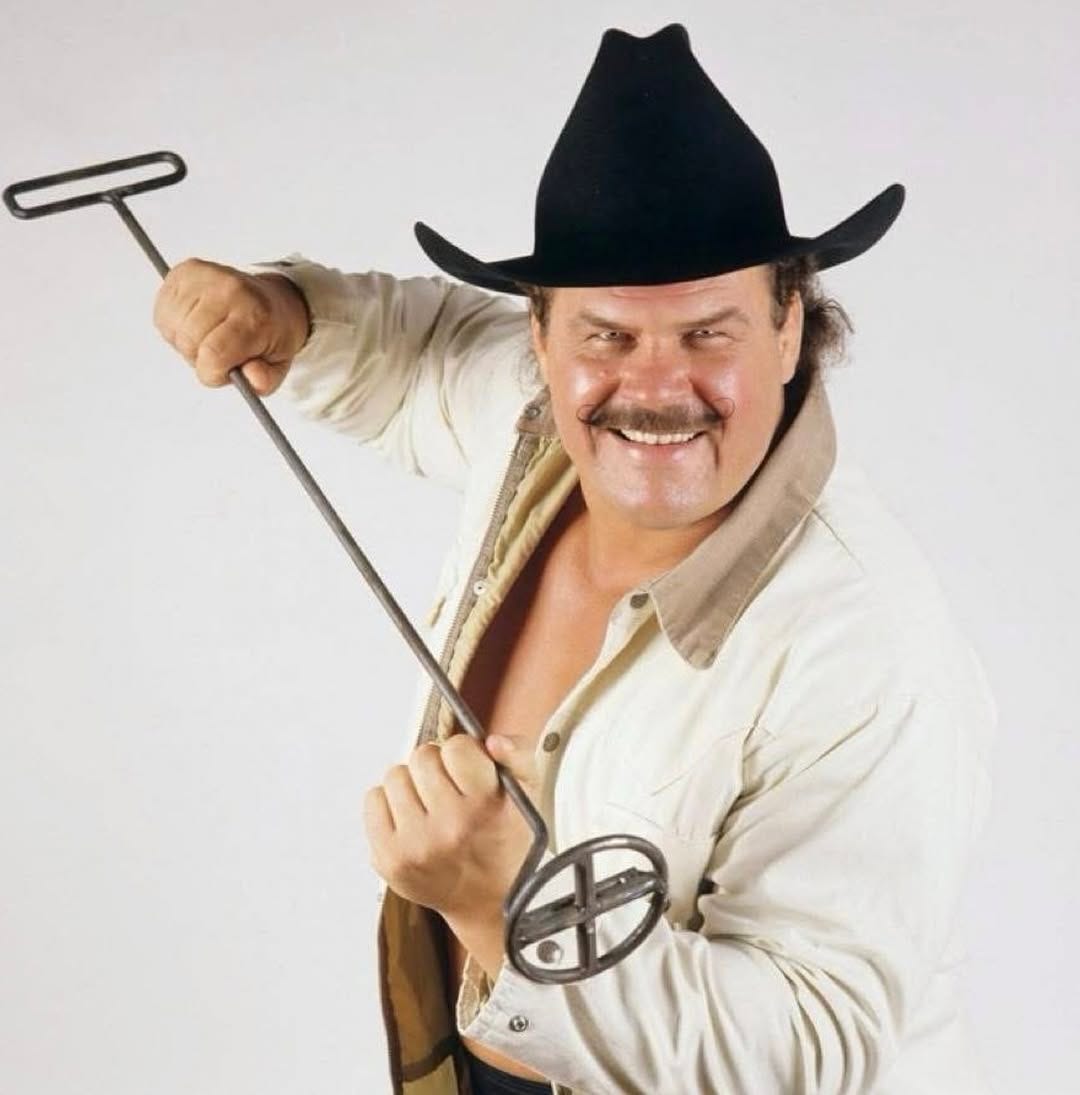
Pictured: Ron Bass in 1990
Black Bart, whose real name is Rick Harris, was cut from similar rugged cloth. Emerging in the wrestling scene in the late 1970s, Bart adopted a Wild West persona complete with a black hat, mustache, and a penchant for hardcore violence. In the 1980s, he became a staple in NWA territories, particularly Mid-Atlantic and Florida, where he racked up championships like the NWA Florida Brass Knuckles title after defeating Blackjack Mulligan in 1984. Bart’s style was that of a menacing enforcer, often relying on power moves and underhanded tactics to dominate opponents. He captured the Mid-Atlantic Brass Knuckles title in 1984 upon his arrival in the territory and held it intermittently, including a second reign starting January 16, 1985, after defeating Manny Fernandez in Raleigh, North Carolina. His career highlights also featured a brief Mid-Atlantic Heavyweight Championship run in 1986, but it was his tag-team exploits that initially linked him indelibly to Bass.
The paths of Bass and Bart converged dramatically in 1984 when they formed The Long Riders, a cowboy-themed tag team managed at times by J.J. Dillon. This alliance was a force in both Florida and Mid-Atlantic, where they captured the NWA Florida United States Tag Team titles twice—first from Barry Windham and Mike Rotundo, and later from Mike Davis and Mike Rotundo. On August 25, 1984, they claimed the NWA Mid-Atlantic Tag Team titles, defending them in grueling matches against teams like Brian Adidas and Rufus R. Jones, and Angelo Mosca. Their partnership epitomized the era’s emphasis on rugged, storyline-driven tag wrestling, blending their outlaw personas into a cohesive, intimidating unit. However, like many great teams, cracks eventually formed, leading to a bitter rivalry.
The dissolution of The Long Riders set the stage for their explosive feud. By late 1985, tensions boiled over, culminating in a high-stakes Bullrope Match at Starrcade 1985 on November 27 in Greensboro, North Carolina, where Bass emerged victorious over Bart. This hardcore stipulation—where wrestlers are tethered by a rope with a cowbell—amplified their cowboy gimmicks and foreshadowed the brutality to come. The brass knuckles title, which Bart had held for over a year in his second reign, was mysteriously vacated prior to their next encounter. Whether due to injury, storyline progression, or promotional decisions remains unclear from historical records, but it created the perfect opportunity for a decisive showdown.
In this no-disqualification environment, both men unleashed a torrent of punches augmented by the legal use of both men having their fists taped with heavy athletic tape, turning the ring into a war zone. Bass’s resilience and strategic use of his outlaw tactics ultimately prevailed. He pinned Bart to claim the championship, ending Bart’s dominance and etching his name as the final holder of the belt. This victory was Bass’s first and only reign with the title, lasting an impressive 343 days until the championship was deactivated on December 26, 1986.
One Thing I Learned About Billy The Kid
Despite never winning a championship title throughout his decades-long career, he became a beloved fan favorite in the “little-people” wrestling circuit due to his clever in-ring tactics and exceptional showmanship as a “bad guy” heel.
Thank You for Reading
I’m Tony Richards, Pro Wrestling Historian, Author and Storyteller. I share pro wrestling historical items in each issue of the Time Tunnel Pro Wrestling History Newsletter. Thanks for reading! If you enjoy my information on select events, matches and insights, please share it with folks you think might like to be a subscriber!
Remember, premium investors get access to exclusive and special content such as some special issues including a multi-part deep dives on wrestling territories, wrestler bios and championship title histories, special audio and video interviews on territory pro wrestling and more available in the Pro Wrestling Time Tunnel for Premium Investors.