



Written and Produced by Tony Richards
January 14th in the Time Tunnel:
Happy Birthday to those who have passed on and to those great wrestlers still with us:
In Memoriam:
Lionel Giroux\Little Beaver 1934
Guillotine Gordon 1935
Happy Birthday:
Jim Duggan (72)
Ernest “Big Cat” Miller (62)
Gene Snitsky (56)
Matt Riddle (40)
Katana Chance (36)
Cora Jade (24)
RIP Memorial: We stop & remember those who have passed on this day and gave themselves to the business for us, the fans. We salute you and thank you.
Mae Young 1-14-2014 at the age of 90
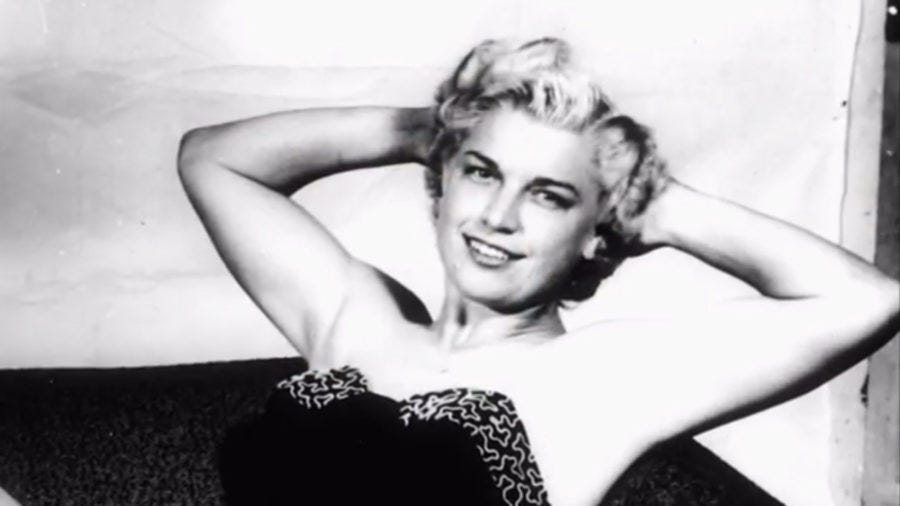
90 Year Flashback
1-14-1936: Boxer Max Baer Gets Wrestling Offer, But Its Nixed By His Wife
During the Great Depression era, transitions between boxing and professional wrestling were not uncommon. Fighters sought new avenues for fame and fortune as the economic hardships of the 1930s pushed athletes to diversify their careers. One such intriguing episode unfolded in early 1936, involving the flamboyant former heavyweight boxing champion Max Baer and a persistent Los Angeles wrestling promoter, Lou Daro. On January 14, 1936, reports emerged of Daro’s lucrative offer to Baer, tempting the ex-champ to step from the boxing ring into the wrestling mat. However, the proposition was met with firm opposition from Baer’s wife, Mary Ellen Baer, highlighting the personal dynamics that often influenced professional decisions in the spotlight of sports entertainment.
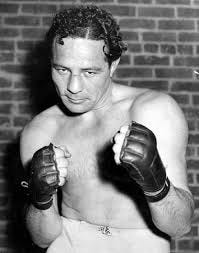
Pictured: Max Baer
Max Baer, born Maximilian Adelbert Baer Sr. on February 11, 1909, in Omaha, Nebraska, had risen to prominence as one of boxing’s most colorful personalities. Known for his powerful right hand, charismatic showmanship, and a penchant for clowning in the ring, Baer captured the World Heavyweight Championship in 1934 by defeating the Italian giant Primo Carnera in a spectacular upset. His reign was short-lived, however; he lost the title to James J. Braddock in 1935 in what became known as the “Cinderella Man” fight. Later that year, Baer suffered a devastating knockout loss to Joe Louis, further diminishing his boxing prospects. By 1936, at the age of 26, Baer was contemplating his future. He had already dabbled in entertainment, appearing in films and even refereeing wrestling matches, which exposed him to the grappling world. Financially savvy and ever the opportunist, Baer was open to ventures that promised better pay than his waning boxing career, including a return to ranch life if necessary.

Pictured: Lou Daro
Enter Lou Daro, a prominent figure in the West Coast wrestling scene. Daro was a savvy promoter based in Los Angeles, known for staging high-profile events at venues like the Olympic Auditorium. He recognized Baer’s star power—his fame from boxing could draw massive crowds to wrestling cards, blending the allure of celebrity with the theatrical spectacle of pro wrestling. On January 14, 1936, news broke that Daro had extended a formal offer to Baer: $25,000 in cash upfront, with the option for a percentage of the gate receipts if Baer agreed to wrestle under Daro’s banner. This was no small sum during the Depression, equivalent to over half a million dollars in today’s value, and it underscored Daro’s belief in Baer’s potential as a wrestling attraction. Daro even planned to send wrestler Nick Lutze to train Baer, confident that with proper preparation, the former boxer could become a top draw and perhaps even challenge for a world championship in wrestling.
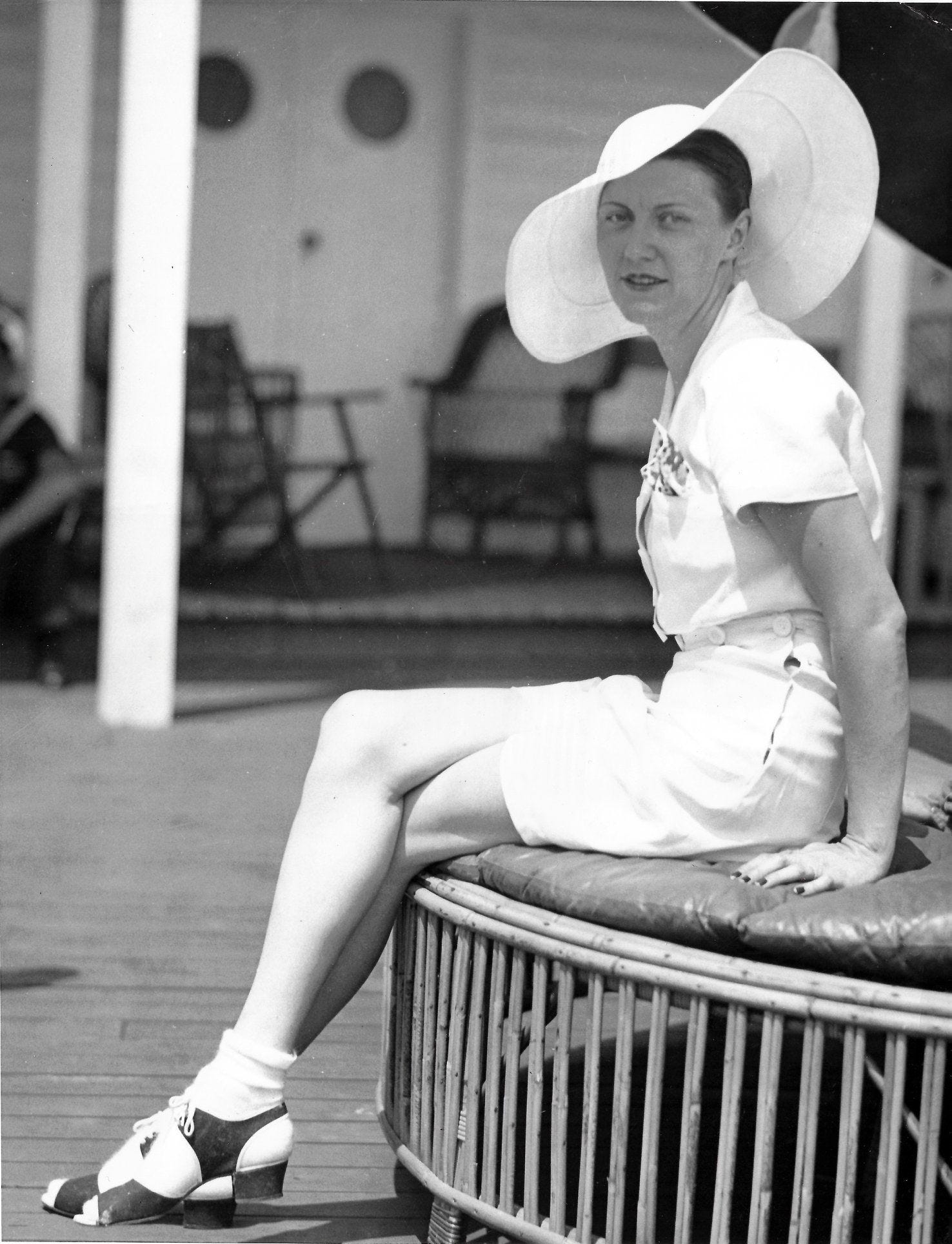
Pictured: Mary Ellen Baer
Baer himself expressed tentative interest, stating he would consider wrestling if it proved more lucrative than boxing. He had recently refereed a match between Emil Dusek and Joe “Elbows” Malcewicz on January 13, 1936, giving him a firsthand look at the sport’s physical demands and entertainment value. However, the decision wasn’t solely his to make. Baer’s manager, Ancil Hoffman, held veto power and had not yet greenlit the deal, citing other commitments. More crucially, Mary Ellen Baer, Max’s wife, emerged as the decisive voice against the venture. Having attended the January 13 wrestling match alongside her husband, she was appalled by the brutality she witnessed, particularly when one wrestler developed a visible cauliflower ear during the bout. Mary Ellen firmly declared that there would be “no wrestling for Max if she could prevent it,” though she had no objections to his continuing as a referee. Her refusal stemmed from concerns over the sport’s physical toll, which she deemed excessive compared to boxing’s already grueling nature. In an era when athletes’ spouses often played supportive but silent roles, Mary Ellen’s outspoken stance added a layer of domestic drama to the story, capturing the public’s imagination.
The offer and subsequent refusal reflect broader trends in 1930s sports. Professional wrestling was booming on the West Coast, with promoters like Daro capitalizing on crossover appeal to fill arenas. Boxers like Baer were prime targets for such transitions, as seen in later years when Baer did eventually participate in wrestling exhibitions, including a mixed-rules match against Man Mountain Dean in April 1936—suggesting that Daro’s persistence paid off in some form, albeit delayed. However, the January incident underscores how personal relationships could override financial incentives. Mary Ellen’s intervention may have spared Baer from immediate entry into wrestling, allowing him to focus on sporadic boxing bouts and his burgeoning Hollywood career, where he appeared in films like The Prizefighter and the Lady (1933).
This episode encapsulates the precarious balance between ambition and caution in the lives of Depression-era athletes. Lou Daro’s bold offer represented the entrepreneurial spirit of promoters eager to innovate, while Max Baer’s openness and Mary Ellen’s refusal highlighted the human elements at play. Though Baer never fully committed to wrestling as a career, the 1936 proposition remains a footnote in sports history, illustrating how a wife’s resolve could shape the trajectory of a champion’s legacy. By November 1959, when Baer passed away at age 50, his story had evolved beyond the ring, but moments like this remind us of the crossroads he faced in his prime.
One Thing I Learned About Mae Young
Mae Young, alongside fellow wrestler Eva Lee, briefly ventured into promoting wrestling events in Paris, Texas, starting in late 1950. They organized just two Tuesday night cards at a local skating rink using independent talent, but the short-lived promotion ended in early 1951 after they attempted to sell the franchise to a local businessman.
Thank You for Reading
I’m Tony Richards, Pro Wrestling Historian, Author and Storyteller. I share pro wrestling historical items in each issue of the Time Tunnel Pro Wrestling History Newsletter. Thanks for reading! If you enjoy my information on select events, matches and insights, please share it with folks you think might like to be a subscriber!
Remember, premium investors get access to exclusive and special content such as some special issues including a multi-part deep dives on wrestling territories, wrestler bios and championship title histories, special audio and video interviews on territory pro wrestling and more available in the Pro Wrestling Time Tunnel for Premium Investors.