



Written and Produced by Tony Richards
January 11th in the Time Tunnel:
Happy Birthday to those who have passed on and to those great wrestlers still with us:
In Memoriam:
Dick Shikat 1897
Gory Guerrero 1921
Tommy Marlin 1933
Haruka Eigen 1945
Kunaki Kobayashi 1956
Happy Birthday:
Larry Shreve\Abdullah The Butcher (85)
Mascarita Sagrada (61)
King Mo (45)
Natalia Markova (37)
RIP Memorial: We stop & remember those who have passed on this day and gave themselves to the business for us, the fans. We salute you and thank you.
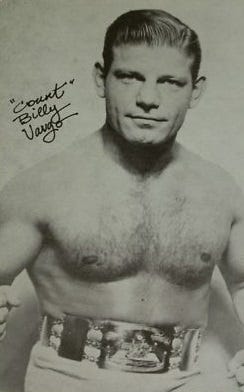
Count Billy Varga 1-11-2013 at the age of 94
Jesus Escoboza\LaParka II 1-11-2020 at the age of 54

The Life and Career of Count Billy Varga
Varga’s path was influenced profoundly by his family heritage. His father, Joe Varga—originally from Hungary and known in the ring as Count Joseph Varga—was a professional wrestler who began his career in 1914 and later transitioned to refereeing in 1936. Joe taught young Billy the fundamentals of wrestling starting at the tender age of five, instilling in him a deep respect for the sport’s technical aspects. The family relocated to California during Billy’s childhood, where he honed his skills at the local YMCA by age 11. He attended Hollywood High School and pursued higher education at the University of Southern California for two years, balancing academics with his growing passion for wrestling. This early exposure set the stage for Varga’s professional debut in the 1930s. Billed at 5 feet 11 inches and 200 pounds, he was trained rigorously by his father, emphasizing speed, agility, and intricate holds like the abdominal stretch. Varga’s style was described as that of a “fast grappler” with “tricky maneuvers,” though some contemporaries noted his awkwardness in the ring made him challenging to work with. Despite initial fears of living up to his father’s reputation—who famously won three world titles in one night using a signature “salto” hold—Billy quickly made his mark.
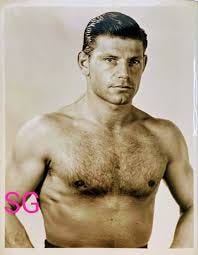
Varga’s wrestling career took off in earnest during the late 1930s and early 1940s. At just 17 years old, he captured a version of the world’s light-heavyweight title from Wild Red Berry in December 1941, showcasing his precocious talent. However, World War II interrupted his momentum when he enlisted in the U.S. Navy, serving as a Boatswain’s Mate First Class until 1947. Upon his return, Varga reclaimed the light-heavyweight title from Danny McShain and resumed competing with renewed vigor. Throughout the 1950s and 1960s, Varga became a prominent figure in regional promotions, particularly in California and Hawaii. He held the NWA Hawaii Heavyweight Championship once, the NWA Hawaii Tag Team Championship with partner Sam Steamboat, and the NWA International Television Tag Team Championship three times—twice with Hardy Kruskamp and once with Mario LaPentero. In 1959, his father bestowed upon him the aristocratic “Count” moniker, claiming lineage from the House of Hapsburg, which added a flamboyant heel persona to his repertoire. Varga also possessed a unique “vanity belt”—the Los Angeles-based North American Wrestling championship, adorned with $7,000 worth of diamonds—which he defended for over a decade.
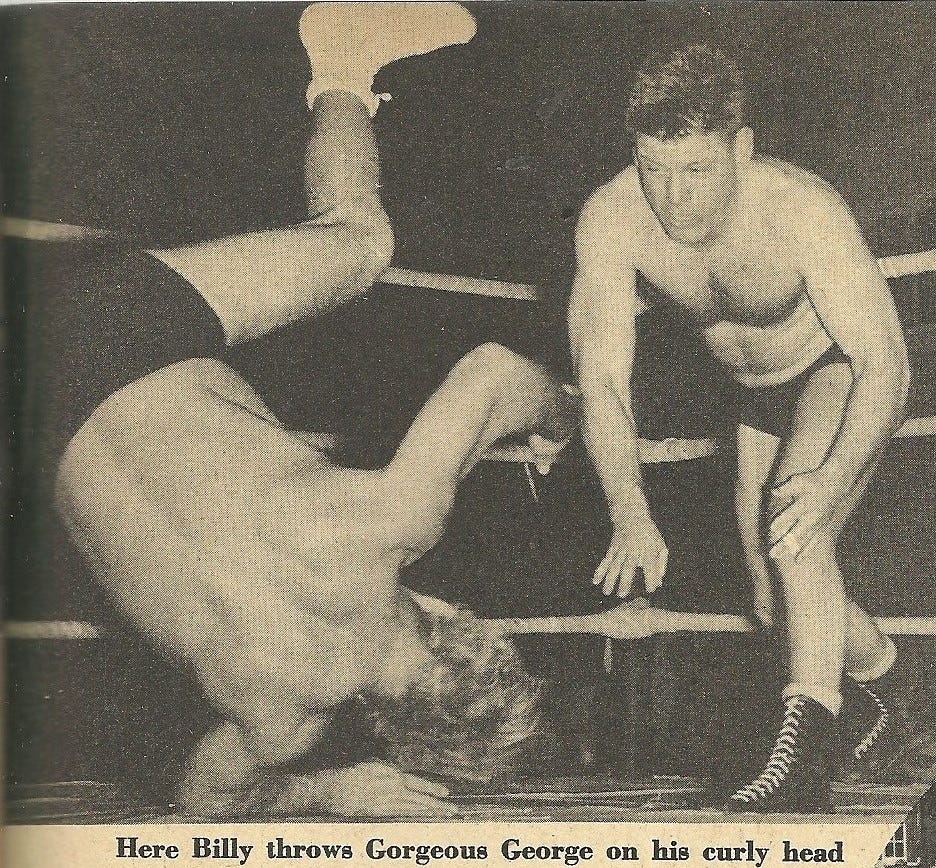
By the late 1950s, Varga had shifted to a semi-permanent heel role, drawing crowds in areas like California and Hawaii. His career spanned over 500 matches from the 1930s to the 1970s, with victories in more than half of them. Known for his finishing move, the Airplane Spin, Varga’s technical prowess and speed made him a standout, even as he balanced wrestling with emerging opportunities in Hollywood. His in-ring work began to wind down in the early 1970s, as he prioritized acting, though he never fully retired until the decade’s end.
Varga’s proximity to Hollywood facilitated a natural pivot to acting, where he leveraged his wrestling background for authentic portrayals. His film debut came in 1949 with roles as a wrestler in Alias the Champ and Marvelous Milton in Bodyhold. Over the next four decades, he appeared in numerous films and television shows, often typecast in wrestling-related or tough-guy parts. Notable film credits include uncredited roles as a Marine in Miss Sadie Thompson (1953) and a guy outside the theater in Abbott and Costello Meet the Keystone Kops (1955). He played Guard #7 in Convicts 4 (1962), a cook in Oklahoma Crude (1973), the ring announcer in Martin Scorsese’s Raging Bull (1980)—a highlight where he appeared during the third Robinson fight—and a referee in Bad Guys (1986). His final film role was as an announcer in Alligator II: The Mutation (1991).
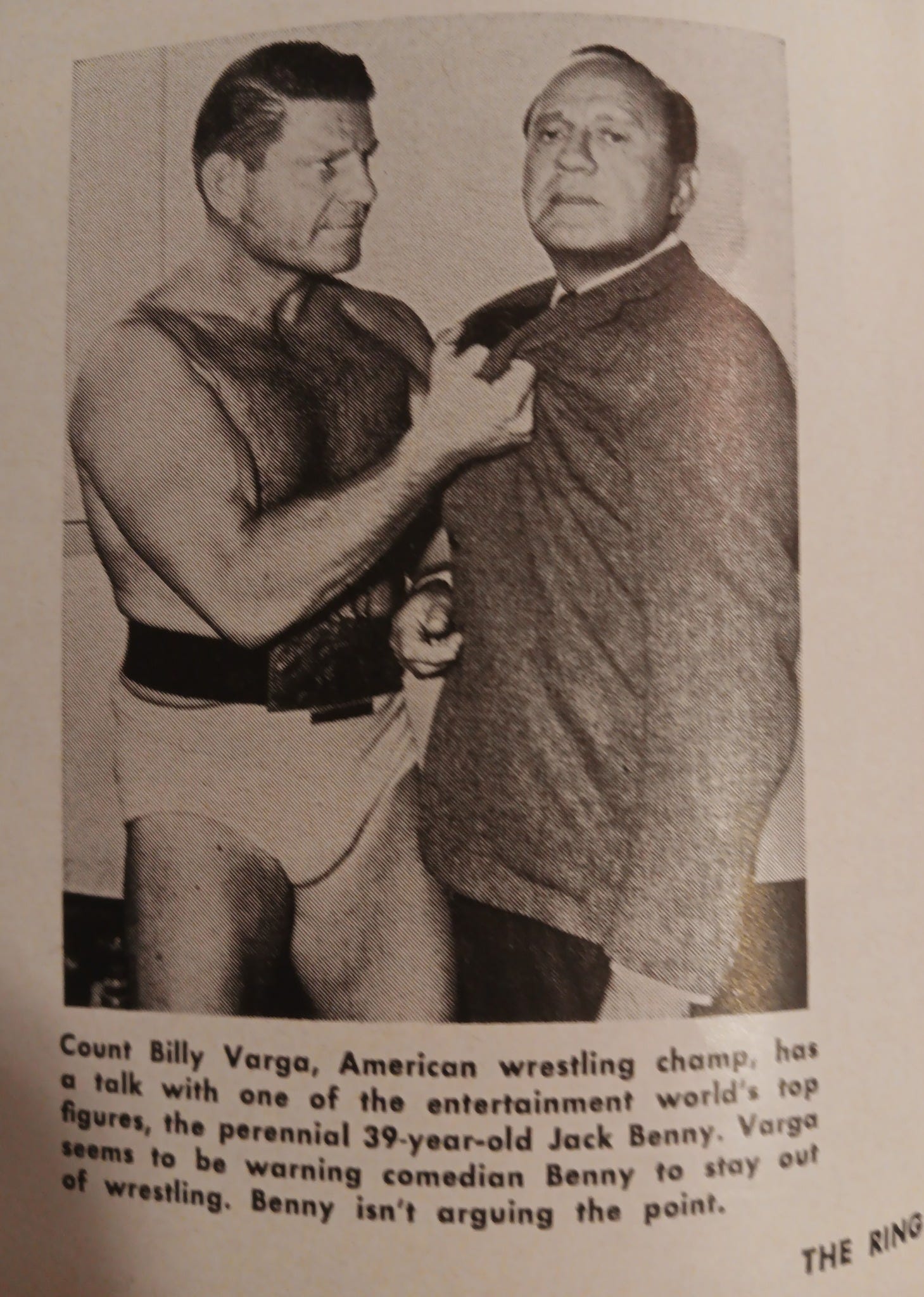
On television, Varga guest-starred as The Big Guy in The Abbott and Costello Show (1953), Snag in an episode of Shotgun Slade (1960), himself in The Jack Benny Program (1962), and memorably as Strangler Murphy in The Munsters (1964), where he wrestled Herman Munster. Other appearances included The Count in Burke’s Law (1965), a security guard in Ellery Queen (1976), Coach Rocko in Grunt! The Wrestling Movie (1985), and roles in Hard Time on Planet Earth (1989). He also featured in wrestling instructional videos like Pro Wrestling Finishing Holds Vol. 1 (1985) with Gene LeBell.
This dual career allowed Varga to sustain his relevance beyond the physical demands of wrestling, blending his athletic identity with entertainment.
Varga married Rosabelle (nicknamed “Rosebud”), a dancer, who passed away in 1992. The couple had three sons—Billy Varga II, Courtland, and Royce—all of whom tragically predeceased him. He was survived by five grandchildren: Billy Varga III, Lisa Varga-Hamrick, Eain Varga, Tania Varga, and Joseph Varga. Residing in Northridge, California, Varga was an active member of the Cauliflower Alley Club, a fraternal organization for wrestlers, boxers, and stunt performers, where he socialized with industry peers.
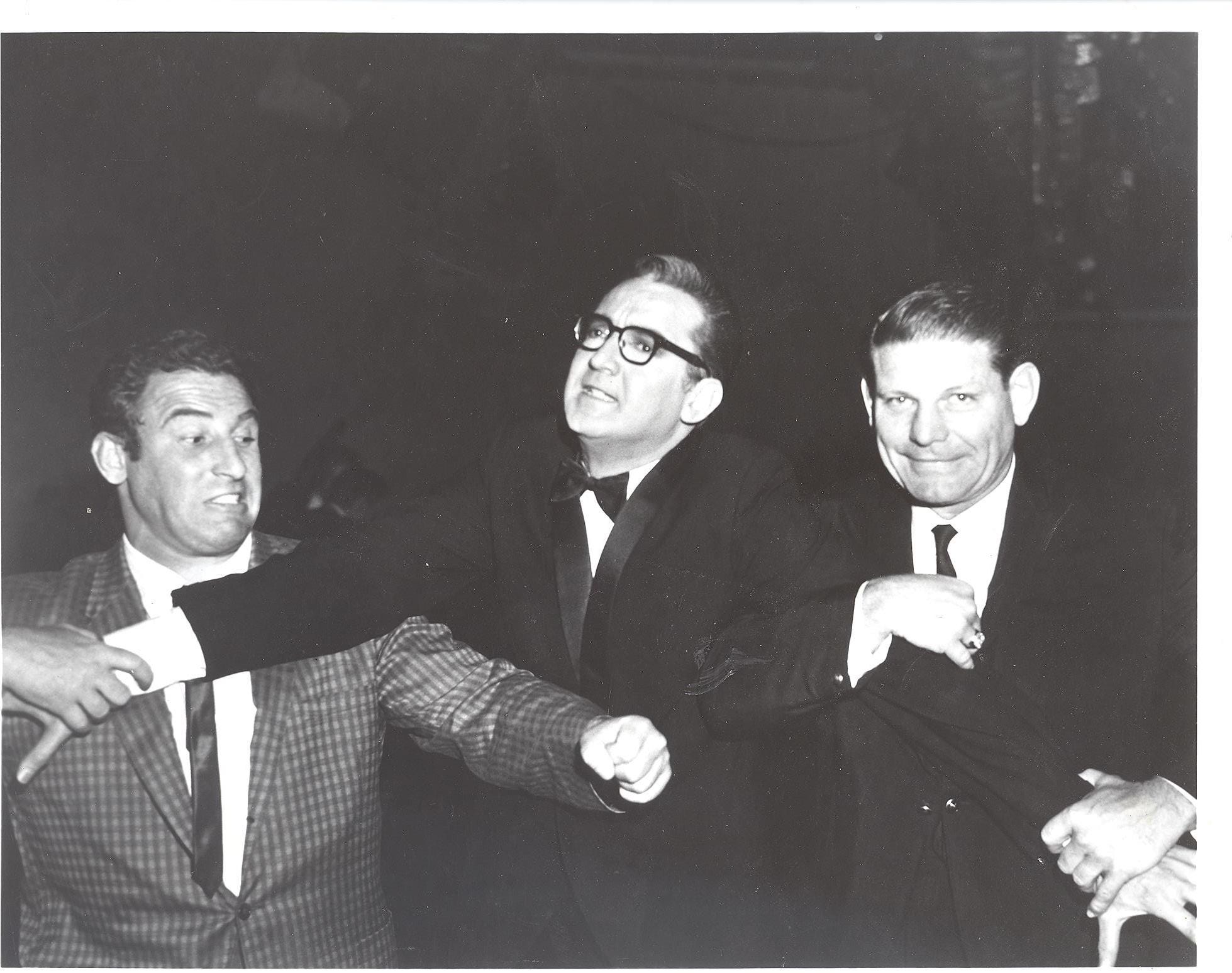
Pictured: Count Billy Varga, Television Personality Steve Allen and Gene LeBell
In his later years, Varga battled Alzheimer’s disease, diagnosed in early 2005, which led him to enter hospice care that fall. He died on January 11, 2013, in Burbank, California, from complications related to the illness, just one day after his 94th birthday.
Count Billy Varga’s legacy endures as a bridge between wrestling’s territorial era and its integration with mainstream entertainment. As a champion who held multiple titles and influenced the sport’s technical style, he paved the way for future wrestlers to pursue crossover careers in film and television. His roles in iconic productions like Raging Bull and The Munsters introduced wrestling to broader audiences, while his involvement in the Cauliflower Alley Club preserved the camaraderie of the industry. Varga’s story is one of resilience—overcoming wartime service, family expectations, and health challenges—to leave an indelible mark on both the squared circle and the silver screen.
One Thing I Learned About Dick Shikat
Shortly after defeating Jim Londos to win the World Heavyweight Championship in Philadelphia on August 23, 1929, he was presented with an elaborate 18-karat gold belt valued at $5,000 and adorned with 19 diamonds—only to lose it less than a week later when he accidentally left it in a taxi at Pennsylvania Station in New York City, with the belt never being recovered

Thank You for Reading
I’m Tony Richards, Pro Wrestling Historian, Author and Storyteller. I share pro wrestling historical items in each issue of the Daily Chronicle History Newsletter on select performers, events, matches and insights, please share it with folks you think might like to be a subscriber!
Remember, premium investors get access to exclusive and special content such as some special issues including a multi-part deep dives on wrestling territories, wrestler bios and championship title histories, special audio and video interviews on territory pro wrestling and more available in the Pro Wrestling Time Tunnel for Premium Investors.