


Written and Produced by Tony Richards
January 9th in the Time Tunnel:
Happy Birthday to those who have passed on and to those great wrestlers still with us:
In Memoriam:
Cesar Barron\Silver King 1968
Happy Birthday:
Samantha Irvin (37)
Dori Prange\Ruby Soho (35)
RIP Memorial: We stop & remember those who have passed on this day and gave themselves to the business for us, the fans. We salute you and thank you.
Wayne Munn 1-9-1932 at the age of 34

Heywood Allen 1-9-1958 aty the age of 76
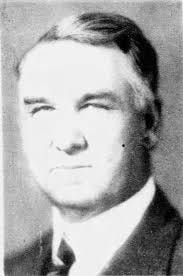
Ed McLemore 1-9-1969 at the age of 63

Cocoa Samoa 1-9-2007 at the age of 61
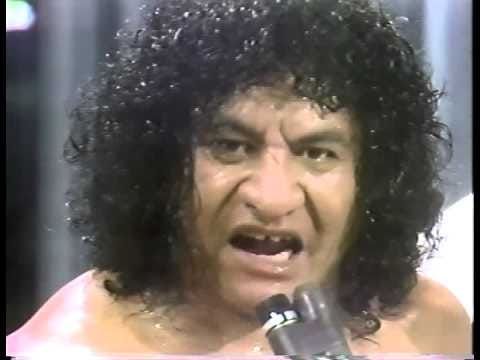
Timothy Well\Rex King 1-9-2017 at the age of 55
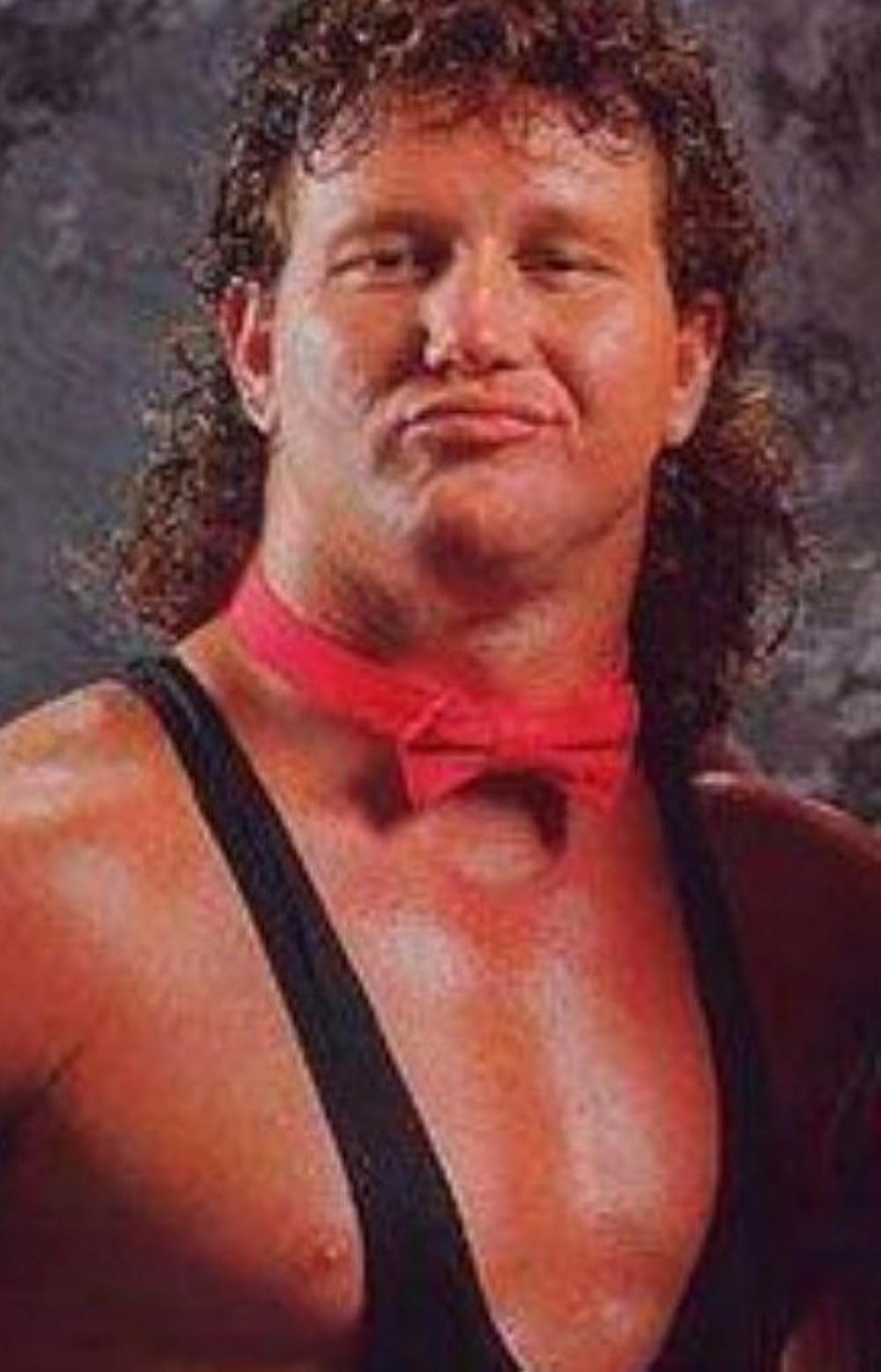
Juan Kachmanian\Pampiero Firpo 1-9-2020 at the age of 89

Rick Harris\Black Bart 1-9-2025 at the age of 69

The Life & Career of Heywood Allen
His journey from humble beginnings in the entertainment world to becoming a legendary promoter in Louisville, Kentucky, spanned over four decades and left an indelible mark on the sport. Allen’s career encapsulated the evolution of professional wrestling from its rough-and-tumble carnival roots to a structured, fan-beloved spectacle, all while navigating regulatory battles, economic challenges, and the shifting tides of the industry. Through his innovative promotions and relentless passion, he transformed Louisville into a wrestling hotspot, fostering a legacy that influenced generations of grapplers and wrestling fans.
Allen’s early life was steeped in the gritty underbelly of show business. As a young man around 1905, he worked as a “circus wrecker,” a dubious role involving sabotage tactics to undermine rival circuses—a job he later expressed regret over. Seeking more legitimate pursuits, he transitioned into sports announcing at a fight club on the West Coast, where he was immersed in the raw intensity of boxing and wrestling matches. This exposure ignited his fascination with combat sports, honing his skills in promotion and audience engagement. By the mid-1910s, Allen had relocated to Louisville, Kentucky, where he began blending entertainment forms. He operated a candy and songbook concession at the Buckingham Theatre, a burlesque house, and started incorporating sports attractions—primarily boxing and wrestling bouts—at the end of burlesque shows to draw larger crowds. These early experiments laid the groundwork for his future dominance in the local wrestling scene.
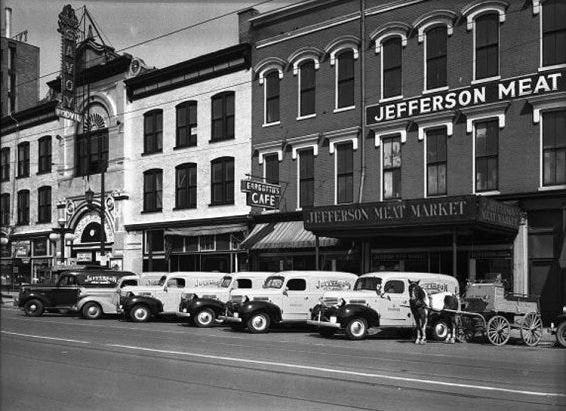
Pictured: The Savoy Theatre, Louisville, Kentucky
The 1930s marked Allen’s ascent as a key player in Louisville’s wrestling landscape. In 1930, he joined the Savoy Theater as a referee-turned-booker, managing Thursday night wrestling shows that quickly gained popularity for featuring agile welterweight grapplers. Partnering with promoter Cincinnatus B. Blake, Allen resisted efforts by the Kentucky State Board of Athletic Control to impose licensing fees and regulations on wrestling events, following a 1928 law amendment. Their defiance culminated in a 1931 court victory, allowing unlicensed operations to continue. However, competition arose in 1932 when the Board licensed rival promoter Abe Finberg and his Olympic Athletic Club, leading to promotional skirmishes, including a failed attempt by Finberg to host a heavyweight Derby Eve show in 1933. Tensions peaked in 1935 after a financial dispute over the Savoy’s successful Derby Eve event, prompting Allen to part ways with Blake.
Undeterred, Allen founded the Allen Athletic Club in 1935, partnering with Francis and Betty McDonogh (and later Francis A. McDonough, Jr.). This organization became synonymous with Louisville wrestling, promoting both wrestling and boxing under the Midwest Wrestling Alliance banner until 1947. Allen’s promotional style was distinctive; he often renamed star wrestlers to add flair, such as dubbing Lou Thesz “Don Louis Thesz,” Frank Sexton “Mike Sexton,” and Warren Bockwinkel “Frankie Bockwinkel.” With wrestling manager William Barton, he brought in renowned talents, creating memorable cards that drew thousands. A notable event was the May 4, 1935, Derby Eve show, featuring title defenses like Jack Reynolds reclaiming the World Welterweight Championship from Patrick Lansdown Finnegan and Hugh Nichols defeating Leroy McGuirk for the World Light Heavyweight Title. Over his 42-year tenure in Louisville, Allen witnessed pivotal moments in wrestling history, including the rise of Ed “Strangler” Lewis, the golden age stars like Earl Caddock and Stanislaus Zbyszko, the impacts of two world wars, the establishment of the National Wrestling Association, the formation of the National Wrestling Alliance (NWA), and the emergence of Lou Thesz as a dominant force.
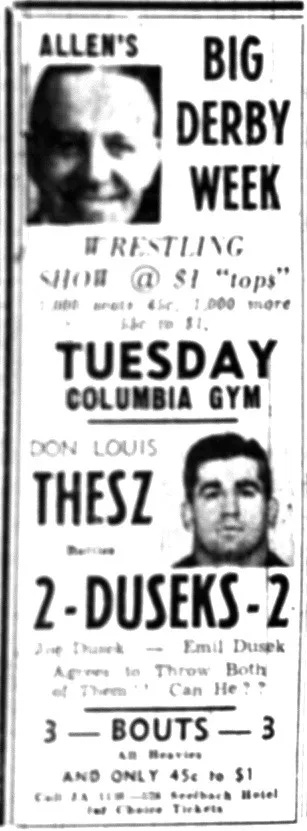
Pictured: Poster for Heywood Allen’s February 18th, 1947 card, Louisville, Kentucky
Allen’s career culminated in a poignant farewell on February 18, 1947, when he promoted his final show at the Louisville Armory after selling his stake in the Allen Athletic Club to McDonough. The event attracted 5,000 fans and featured high-profile matches, including World Champion Bill Longson defeating Felix Miquet in a two-out-of-three-falls main event, alongside bouts with Babe Sharkey, Miguel Torres, Ed Meske, Ralph Garibaldi, Mickey Gold, and Joe Millich. Attendees included regional promoters, NWA officials, and Allen’s longtime associates, dubbed the “Ole Gang of Allen’s,” such as Charley Schullman and Billy Love. Even Kentucky Governor Simeon S. Willis was invited, underscoring Allen’s stature. An anecdote from the era highlights Allen’s deep roots: a search for his oldest fan uncovered Robert T. Brown, who recalled attending one of Allen’s earliest matches in 1912 featuring William Demetral versus Jack Stone.
Following retirement, Allen stepped away from the spotlight, though his influence lingered. He passed away on January 9, 1958, in Madison, Indiana, at the age of 76 and was buried in Eastern Cemetery in Jeffersonville, Indiana.
My friend and colleague, John Cosper has written an excellent book Allen and his accomplishments titled “Louisville’s Greatest Show: The Story of the Allen Athletic Club”, available through Amazon or his website: Eat, Sleep and Wrestle.
One Thing I Learned About Pampiero Firpo
He once received a legitimate shrunken head from a tribal leader in Ecuador as a token of respect for his wrestling prowess; he named it Chimu after the tribe’s god of good luck and carried it with him throughout his career in a velvet bag for protection.
Thank You for Reading
I’m Tony Richards, Pro Wrestling Historian, Author and Storyteller. I share pro wrestling historical items in each issue of the Time Tunnel Pro Wrestling History Newsletter. Thanks for reading! If you enjoy my information on select events, matches and insights, please share it with folks you think might like to be a subscriber!
Remember, premium investors get access to exclusive and special content such as some special issues including a multi-part deep dives on wrestling territories, wrestler bios and championship title histories, special audio and video interviews on territory pro wrestling and more available in the Pro Wrestling Time Tunnel for Premium Investors.