



Written and Produced by Tony Richards
January 8th in the Time Tunnel:
Happy Birthday to those who have passed on and to those great wrestlers still with us:
In Memoriam:
Ashura Hara 1947
Bobby Jaggers 1948
Ricky Romero, Jr 1952
Ken Raper 1955
Peggy Lee Leather 1959
Happy Birthday:
Luke Williams\Bushwacker Luker (79)
Keiko Aoki\Bull Nakano (58)
Simi Fale\Bad Luck Fale (44)
Chris Masters (43)
RIP Memorial: We stop & remember those who have passed on this day and gave themselves to the business for us, the fans. We salute you and thank you.
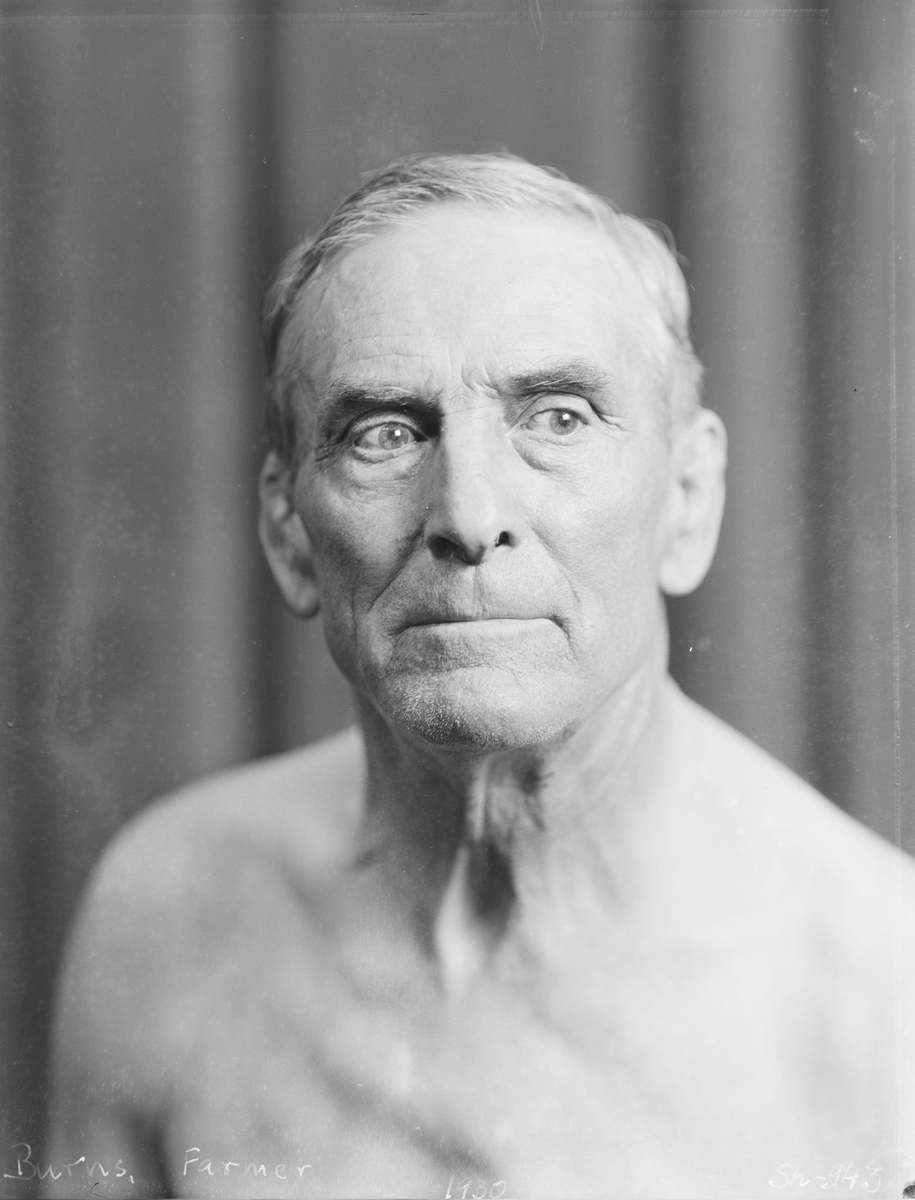
Martin “Farmer” Burns 1-8-1937 at the age of 75
K.O. Koverly 1-8-1989 at the age of 86

Tony Halme\Ludvig Barga 1-9-2010 at the age of 47

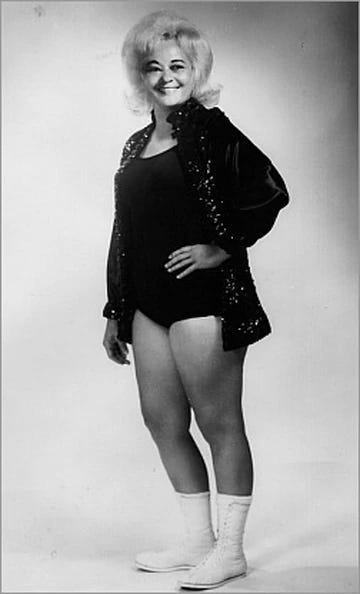
Dottie Downs 1-9-2015 at the age of 78
The Life and Career of Farmer Burns
Born in the rural heartland of Iowa during the Civil War era, Burns rose from humble farm beginnings to become a world-renowned wrestler, innovative trainer, and tireless promoter. His career spanned nearly seven decades, encompassing over 6,000 matches with only a handful of losses, the development of groundbreaking training methods, and the mentorship of legends who shaped modern wrestling. Burns’ influence extended beyond the mat, contributing to Iowa’s emergence as a wrestling powerhouse and inspiring generations through his emphasis on physical culture, discipline, and technique. His story is one of resilience, ingenuity, and enduring legacy in a sport that evolved from carnival sideshows to global entertainment.
Martin Burns was born on February 15, 1861, in a modest log cabin in Springfield Township, Cedar County, Iowa, amidst the turmoil of the American Civil War. The son of Irish immigrants, he grew up in an environment where wrestling was a popular pastime, influenced perhaps by tales of President Abraham Lincoln’s own exploits as a grappler. From a young age, Burns displayed a natural affinity for the sport. At just eight years old, he engaged in his first impromptu match against an older boy named James Magrin, winning a 15-cent prize that ignited his passion. This early victory was more than child’s play; it set the tone for a lifetime dedicated to wrestling.
Tragedy struck when Burns was 11, as his father passed away, leaving him to support his mother, brother, and five sisters. He took on grueling farm work for a neighboring landowner, earning a meager $12 per month, while also digging graves, sawing wood, and plowing fields. Formal education was sparse, but the physical demands of rural life forged his body into a powerhouse of lean muscle and endurance. By his teens, Burns was wrestling in the evenings after long days in the fields, honing his skills against local strongmen in grading camps. These informal bouts taught him the value of technique over brute strength, as he often bested larger opponents through intellect and conditioning.

Burns’ professional aspirations solidified around age 19. In Dennison, Iowa, he gained a reputation as an undefeated local wrestler. His first notable encounter was a two-hour, 19-minute draw against David Grafft (or Graft, in some accounts), a seasoned grappler who briefly mentored him. Early losses in 1886 to Henry Clayton (wrestling under the alias Evan “Strangler” Lewis) and in 1887 to Tom Connors were pivotal; they exposed weaknesses, particularly in neck defense, prompting Burns to innovate.He developed a legendary 20-inch neck through rigorous exercises, famously demonstrating its strength by surviving a six-foot drop from a noose while whistling “Yankee Doodle”—a stunt that became a carnival staple.
Burns’ breakthrough came in the spring of 1889 during a trip to Chicago to sell hogs. Spotting an advertisement at the Olympic Theatre for challenges against British wrestler Jack Carkeek and American champion Evan “Strangler” Lewis, he accepted the $2-per-minute dare to last 15 minutes. Dressed in baggy overalls, Burns was introduced comically by an inebriated announcer, J.W. Kelly, who dubbed him the “farmer from Iowa.” To the crowd’s astonishment, he not only survived but defeated both men, earning $50 and instant fame. Chicago newspapers lauded the “Farmer” Burns, and the nickname stuck, symbolizing his rustic roots and unassuming demeanor. From 1890 to 1893, Burns toured carnival circuits, challenging all comers and remaining undefeated in hundreds of falls. A highlight was his swift four-minute pin of Japanese wrestler Sorakichi Matsuda in Troy, New York, on May 13, 1891. These victories established him as a master of catch-as-catch-can wrestling, a style emphasizing submissions, pins, and holds without time limits. He specialized in techniques like the full and half Nelson, hammerlock, double-wrist lock, chicken wing, and toe holds, often defeating heavier foes despite weighing only 165 pounds.
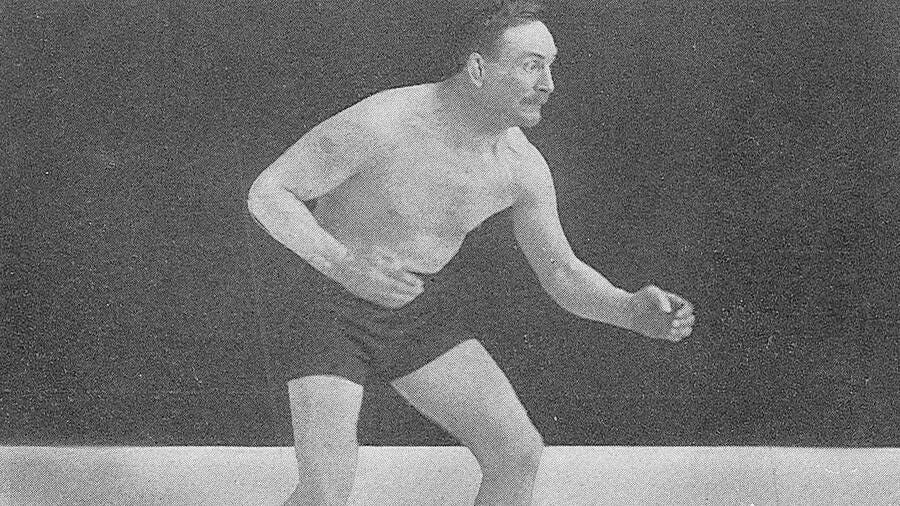
Burns’ pinnacle arrived on April 20, 1895, when he pinned Evan “Strangler” Lewis to capture the American Heavyweight Championship in Chicago. He held the title for two years, defending it successfully until losses to Dan McLeod and Tom Jenkins in 1897. Burns also claimed a version of the World Catch-as-Catch-Can Championship and excelled in mixed-style bouts, including Cornish wrestling victories over Frank Rowett in 1899 and M.J. Dwyer multiple times between 1905 and 1908. His career record was extraordinary: over 6,000 matches with only seven official losses, avenging most of them. One defining moment was on December 19, 1898, in Fort Dodge, Iowa, where Burns defeated a young Frank Gotch, another Iowa farmer. Impressed by Gotch’s potential, Burns recruited him as a student, marking the start of his transition to training.
By the late 1890s, Burns shifted focus to education, opening his first gymnasium in Rock Island, Illinois, in 1893, followed by a wrestling and physical culture school in Omaha, Nebraska. He trained over 1,600 wrestlers, emphasizing a holistic approach that blended Eastern martial arts principles, deep breathing (akin to chi kung), calisthenics, light dumbbells, bridging for neck strength, isometrics, running, and partner drills. His “Farmer Burns Workout” was divided into phases: bodyweight warm-ups, resistance exercises, and grappling for endurance. Burns’ most famous pupil was Frank Gotch, whom he molded into the undisputed World Heavyweight Champion after Gotch’s 1908 victory over George Hackenschmidt.
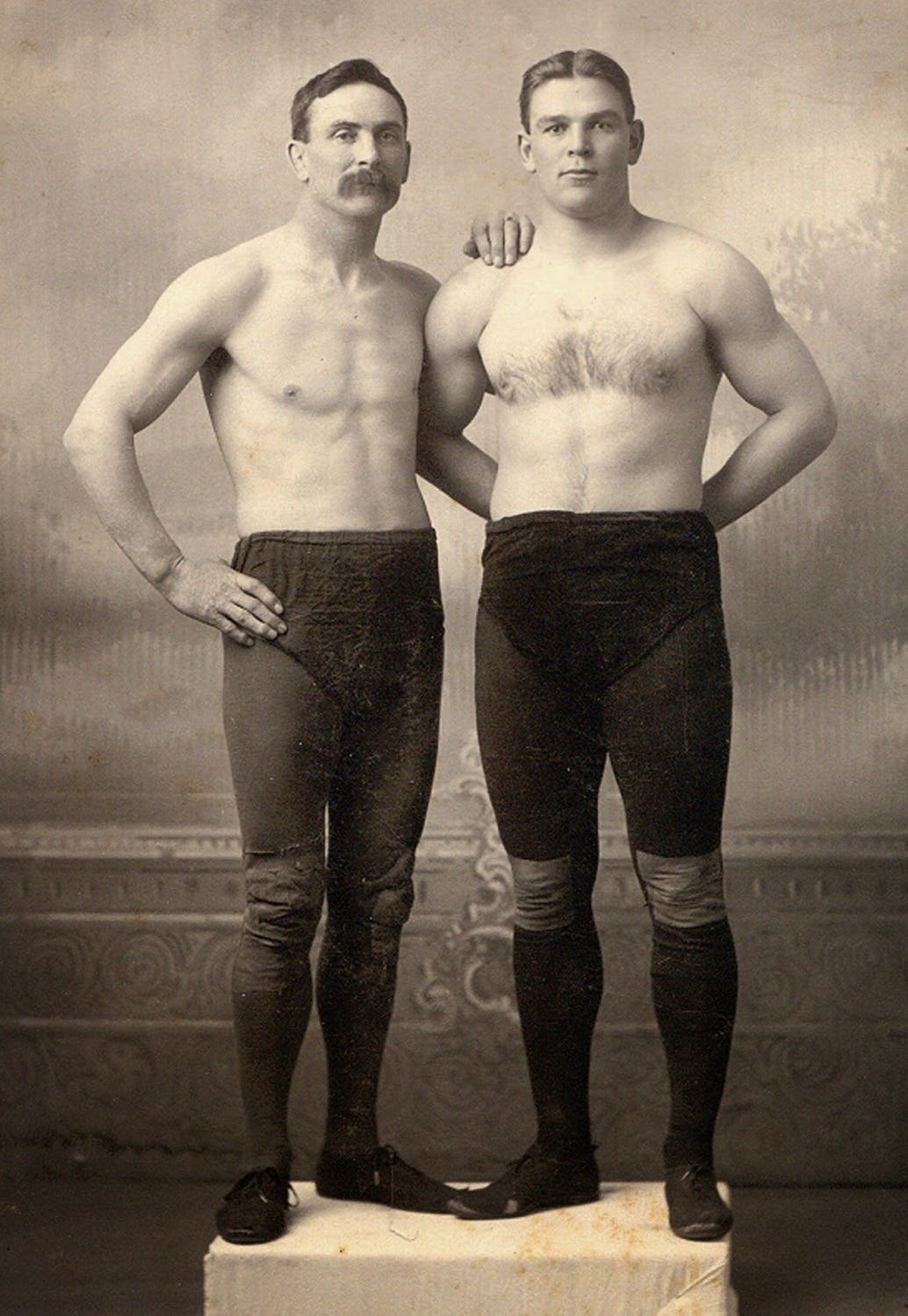
Pictured: Farmer Burns and Frank Gotch
Other notable trainees included Earl Caddock (World Heavyweight Champion 1917-1920), Ralph Parcaut (Middleweight World Champion), Joseph “Toots” Mondt (co-founder of Capitol Wrestling, precursor to WWE), Rudy Dusek, Joe Malcewicz (NWA promoter), Emil Klank, Jess Westergaard, Fred Beell, Jack Sherry, and Jack Reynolds. Burns extended his expertise to boxing, conditioning heavyweight champion Jim Jeffries for his 1910 bout against Jack Johnson. In a Reno street brawl that year, the 49-year-old Burns submitted boxer Billy Papke, showcasing his grappling prowess. In 1914, Burns published Lessons in Wrestling and Physical Culture, a 96-page mail-order course in six booklets, detailing 12 lessons on exercises, techniques, and stamina-building. This manual influenced wrestlers like Ed “Strangler” Lewis and solidified his role in physical education. Burns also coached amateur wrestling, teaching catch-as-catch-can in Iowa high schools and leading Cedar Rapids Washington to the state’s first championship in 1921. His efforts helped establish wrestling clubs and positioned Iowa as the amateur wrestling capital, with institutions like the University of Iowa becoming NCAA dominant.
As a promoter, Burns traveled the Midwest with carnivals and fairs, performing feats like his noose stunt to draw crowds and promote catch wrestling. He organized matches, established schools, and advocated for the sport’s growth, blending it with physical culture to appeal to broader audiences. Through his trainees like Mondt, who pioneered a faster-paced style incorporating multiple wrestling traditions, Burns indirectly influenced the transition of pro wrestling from theaters to arenas and the formation of major promotions.
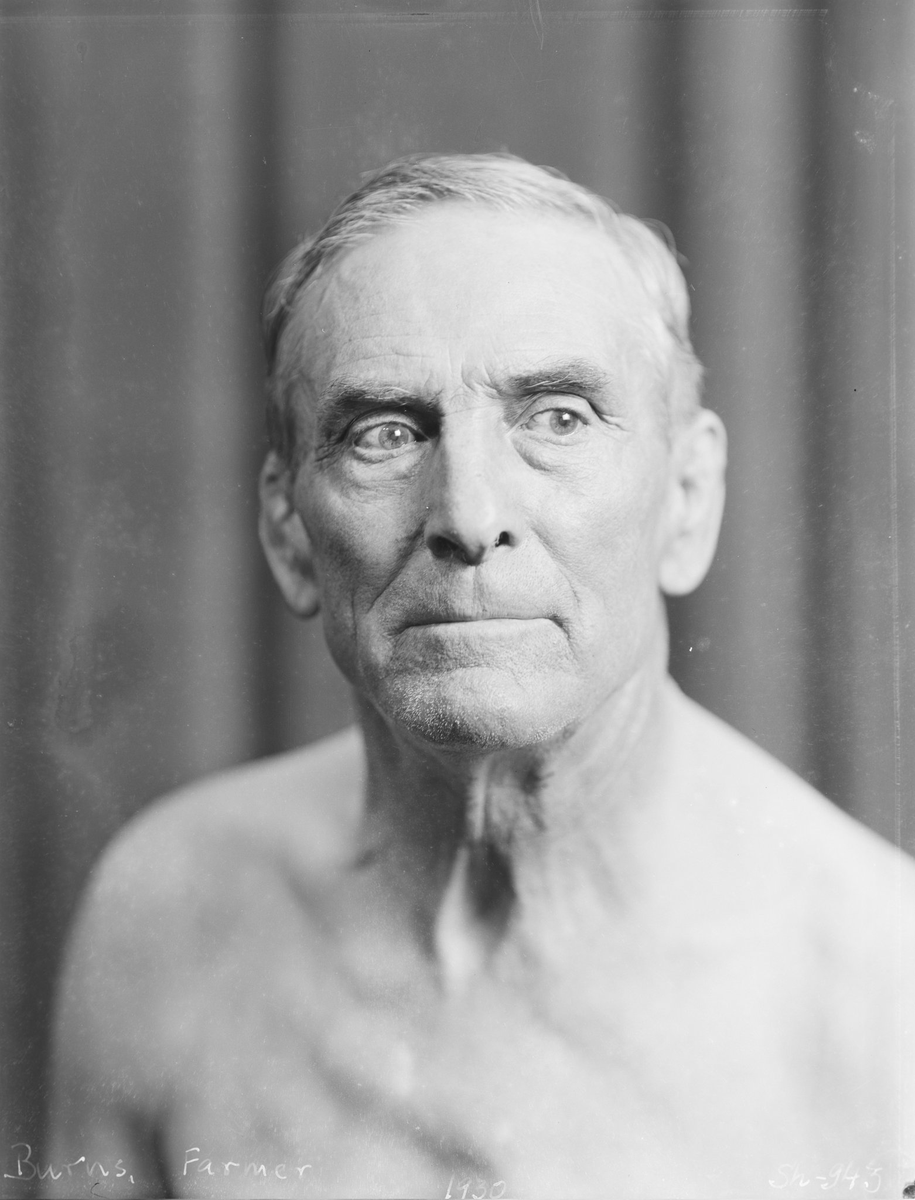
Burns married Amelia, with whom he had three children: sons Raymond and Charlie (musicians in Chicago) and daughter Celia Burns Beem. Amelia’s death in 1930 devastated him, leading to a decline in health. He lived with Celia until his passing on January 8, 1937, at age 75 in Council Bluffs, Iowa, buried in St. James Cemetery in Toronto, Iowa.
Burns’ legacy is profound. Inducted into numerous halls of fame—including the Iowa Sports Hall of Fame (1951), George Tragos/Lou Thesz Professional Wrestling Hall of Fame (2001), International Wrestling Institute and Museum (2001), Wrestling Observer Newsletter (2002), Professional Wrestling Hall of Fame (2003, Pioneer Era), WWE Hall of Fame (2017, Legacy Wing), and International Professional Wrestling Hall of Fame (2021)—he is celebrated as a cornerstone of the sport.
His techniques and trainees, from Gotch to Mondt, ripple through modern wrestling, influencing organizations like WWE and NWA. Dave McCuskey, a renowned coach, called him the “cornerstone” of Iowa wrestling. Even Lou Thesz, a later champion, revered Burns after witnessing his prowess in 1930. Martin “Farmer” Burns exemplified the American dream: a self-made man whose grit transformed wrestling from a frontier pastime into a professional spectacle
One Thing I Learned About Dottie Downs
Dottie Downs and her daughter Debbie Johnson may be the only mother-daughter duo to have trained and wrestled for The Fabulous Moolah at the same time.
Thank You for Reading
I’m Tony Richards, Pro Wrestling Historian, Author and Storyteller. I share pro wrestling historical items in each issue of the Time Tunnel Pro Wrestling History Newsletter. Thanks for reading! If you enjoy my information on select events, matches and insights, please share it with folks you think might like to be a subscriber!
Remember, premium investors get access to exclusive and special content such as some special issues including a multi-part deep dives on wrestling territories, wrestler bios and championship title histories, special audio and video interviews on territory pro wrestling and more available in the Pro Wrestling Time Tunnel for Premium Investors