



Written and Produced by Tony Richards
January in the Time Tunnel:
Happy Birthday to those who have passed on and to those great wrestlers still with us:
In Memoriam:
George Gordienko 1928
Chavo Guerrero, Sr 1949
Happy Birthday:
Masami Yoshida\Devil Masami (64)
C.W. Anderson (55)
Melanie Gorenson\Melanie Cruse (39)
Gentleman Jaclk Gallagher (36)
Samuel Ratsch\Darby Allin (33)
RIP Memorial: We stop & remember those who have passed on this day and gave themselves to the business for us, the fans. We salute you and thank you.
Jack Claybourne 1-7-1960 at the age of 49
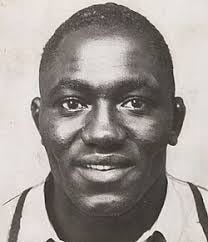
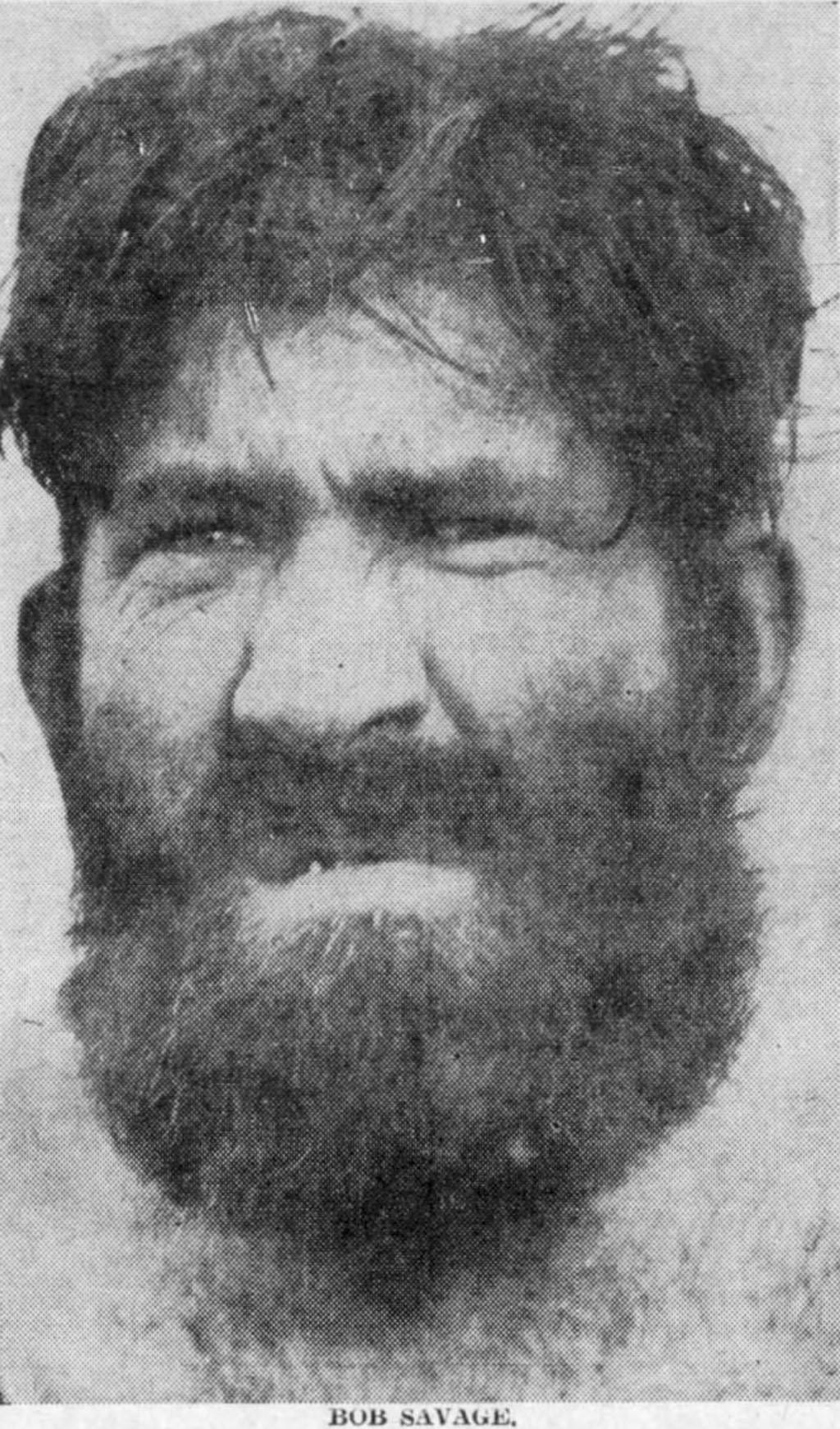
Leo “Daniel Boone” Savage 1-7-1967 aty the age of 67
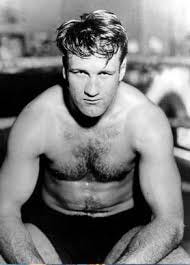
Bronko Nagurski 1-7-1990 at the age of 81
Sam Menacker 1-7-1994 at the age of 79

Gary Allbright 1-7-2000 at the age of 36
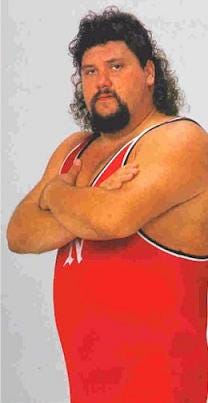
Mighty Igo Vodik 1-7-2002 at the age of 70
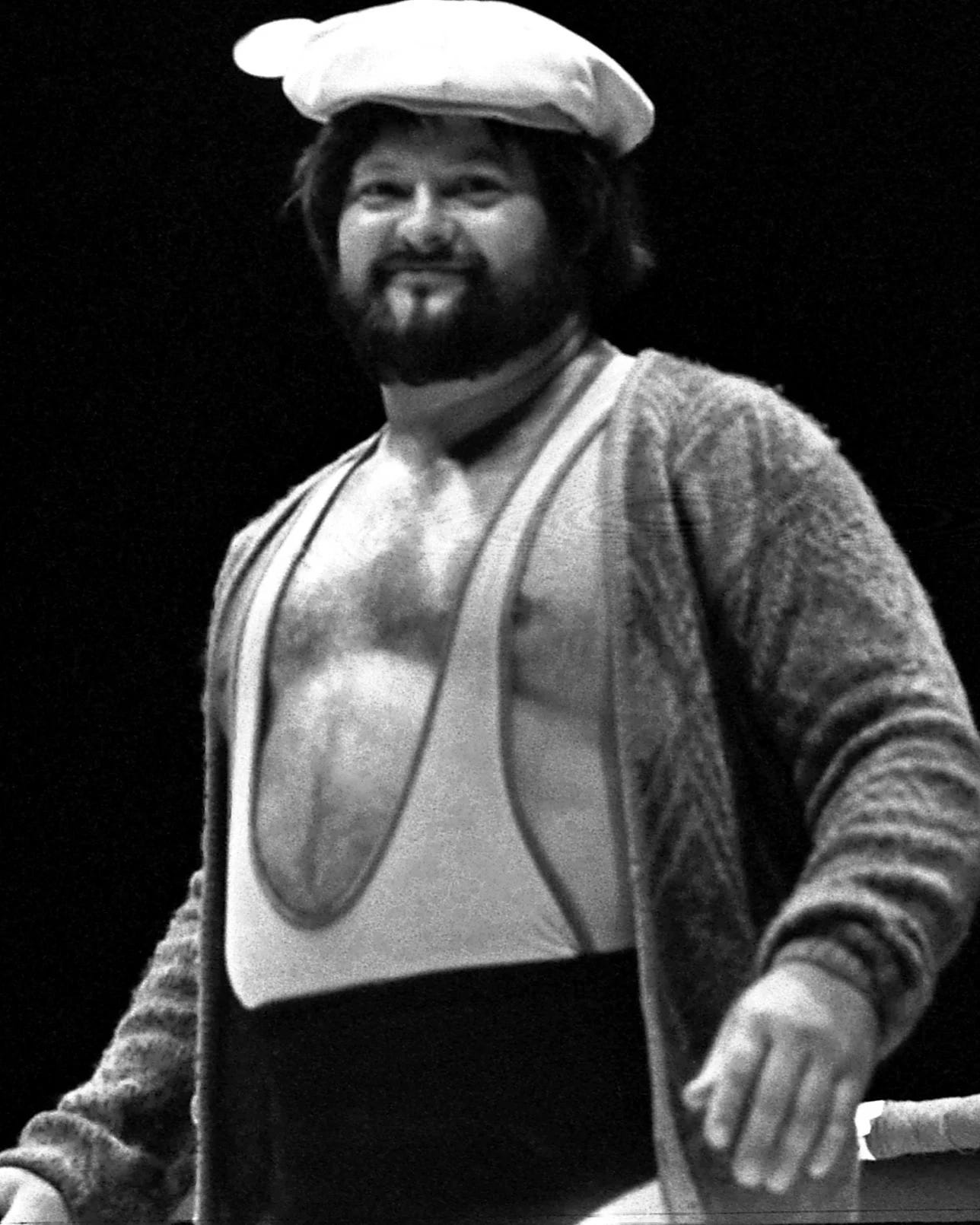
Jim White 1-7-2010 at the age of 67

Reginald Love 1-7-2018 at the age of 90
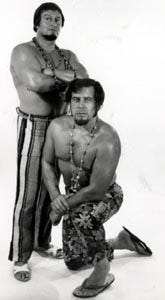
Matilda The Hun\Queen Kong 1-7-2022 at the age of 73

60 Year Flashback:
1-7-1966: Gene Kiniski defeated Lou Thesz (ch) for the NWA World Heavyweight Champiomship at the Kiel Auditorium in St. Louis, Missouri
On January 7, 1966, at the Kiel Auditorium in St. Louis, Missouri, the biggest title in professional wrestling changed hands in a match that marked the end of one legendary reign and the beginning of another. Gene Kiniski, the brash Canadian heel known as “Canada’s Greatest Athlete,” defeated the incomparable Lou Thesz in a two-out-of-three-falls contest, capturing the championship before a raucous crowd of 11,612 fans. his victory not only elevated Kiniski to the pinnacle of the sport but also symbolized a shifting guard in professional wrestling, as Thesz’s final title run came to a close at age 49. This essay delves into the backgrounds of these two titans, the build-up to their historic clash, the match itself, its immediate aftermath, and its enduring legacy.
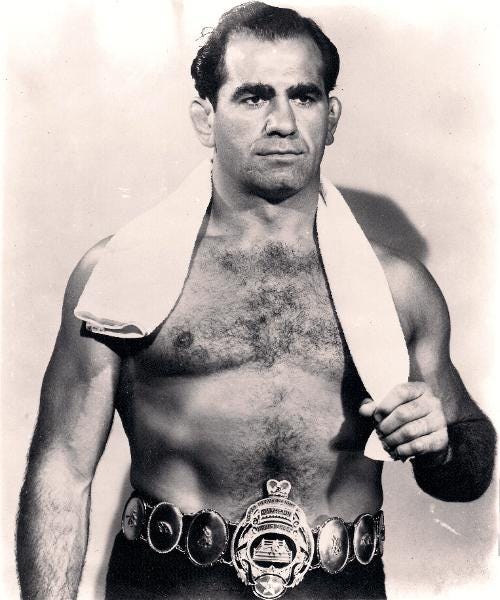
Pictured: Lou Thesz, NWA World Champion
To understand the magnitude of Kiniski’s achievement, we should first appreciate the dominance of Lou Thesz as titleholder, often hailed as one of the greatest wrestlers of all time. Born Aloysius Martin Thesz on April 24, 1916, in Banat, Michigan, to Hungarian-German immigrant parents, Thesz was introduced to Greco-Roman wrestling by his father at just eight years old. He honed his skills in amateur wrestling during high school, dropping out at 14 to work in his family’s shoe repair business while training rigorously under mentors like George Tragos and Ad Santel. Thesz was a “shooter”—a legitimate grappler capable of submitting opponents in real fights—making him a enforcer for the NWA to maintain the title’s credibility.
Thesz debuted professionally in 1932 at age 16 and quickly rose through the ranks. In 1937, at 21, he became the youngest world heavyweight champion by winning the American Wrestling Association (AWA) World Heavyweight Title (Boston version) from Everett Marshall in a marathon three-hour match.
He went on to capture the National Wrestling Association World Heavyweight Title twice and played a key role in the formation of the NWA in 1948. Awarded the inaugural NWA World Heavyweight Championship in 1949 after an injury sidelined the planned unifier Orville Brown, Thesz embarked on three official NWA reigns, holding the belt for a combined 3,749 days—the longest in history. He unified various regional titles, defended globally, and even popularized wrestling in Japan through draws with Rikidōzan in 1957..
By 1963, at age 46, Thesz reclaimed the NWA title from Buddy Rogers, embarking on his sixth and final world championship run (counting pre-NWA reigns). Known for his technical prowess, inventions like the German suplex, Lou Thesz press, STF, and powerbomb, Thesz was the epitome of a “wrestler’s wrestler.” Peers like Ric Flair and Jack Brisco revered him for his speed, conditioning, and legitimacy. However, by 1966, Thesz was nearing 50, and the NWA sought a fresh champion to invigorate the territories. Enter Gene Kiniski.
Gene Kiniski, born Eugene Nicholas Kiniski on November 23, 1928, in Edmonton, Alberta, Canada, was a multi-sport athlete whose path to wrestling mirrored Thesz’s in its amateur roots but diverged in its rugged, villainous flair. One of six children of Polish immigrant and local politician Julia Kiniski, he excelled in football and wrestling at St. Joseph’s High School, growing to over six feet tall by 17. Kiniski played defensive line for the Edmonton Eskimos in the Canadian Football League (then Western Interprovincial Football Union) from 1949, alongside future wrestlers like Stu Hart and Wilbur Snyder. A scholarship to the University of Arizona from 1950-1952 furthered his football career, but a torn kneecap in 1952 ended it, pivoting him to professional wrestling.
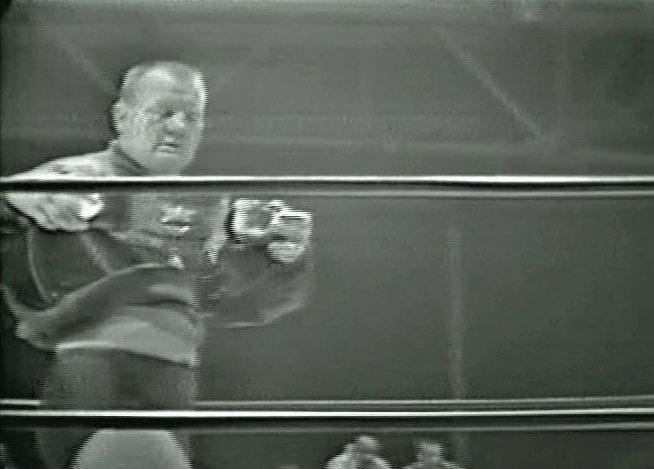
Pictured: Gene Kiniski
Debuting on February 13, 1952, in Tucson, Arizona, against Curly Hughes after training with Dory Funk and Tony Morelli, Kiniski quickly amassed titles across North America. In 1954, he won the NWA Los Angeles International Television Tag Team Championship with John Tolos. Under the alias “Gene Kelly” in Texas, he captured the NWA Texas Heavyweight Title in 1956. Kiniski challenged Thesz multiple times in the 1950s, including a 1954 loss at the Olympic Auditorium, building a rivalry. He won the AWA World Heavyweight Title from Verne Gagne in 1961 (holding it for 28 days), the NWA British Empire Heavyweight Title (various versions), and tag titles in Vancouver and elsewhere.
By 1965, Kiniski had established himself as a top heel in the NWA’s St. Louis territory, promoted by Sam Muchnick. Teaming with Bobby “Hercules” Graham, he won matches against notable pairs, and a pivotal pinfall victory over Pat O’Connor on December 3, 1965, made him the number-one contender. Billed as “Canada’s Greatest Athlete,” Kiniski’s cocky persona and physical style—featuring chops, backbreakers, and hair-pulling—made him a perfect foil for the stoic Thesz.
The St. Louis territory was wrestling’s epicenter, with the Kiel Auditorium hosting marquee events drawing massive crowds. Thesz, as NWA champion since 1963, had defended against stars like Rogers and Kiniski in prior encounters, but the January 7, 1966, bout was positioned as a clash of eras. Kiniski’s recent successes, including his tag team wins and contender status, built anticipation. Promoters saw Kiniski as a reliable touring champion who could draw in Canada and the U.S. territories. Thesz, aware of his advancing age, agreed to drop the title, ensuring a smooth transition. The match was hyped as a two-out-of-three-falls affair, the standard for title bouts, emphasizing endurance and strategy.
On a cold Friday night, 11,612 fans packed the Kiel Auditorium, generating an electric atmosphere. Refereed by Joe Schoenberger, the contest showcased Thesz’s technical mastery against Kiniski’s brawling aggression. Footage from the era, including a surviving clip, depicts Thesz dominating early with flying head scissors and suplexes, taking Kiniski “to school” despite his age. Kiniski countered with leg scissors, figure-four arm locks, chops, throat jabs, and backbreakers, often bending rules by using the ropes or corners for rest.
In the first fall, after 18 minutes and 8 seconds of back-and-forth action, Thesz pinned Kiniski with a signature move, taking a 1-0 lead. The second fall saw Thesz’s frustration boil over; he tossed Kiniski over the top rope, resulting in a disqualification that evened the score at 1-1. The decisive third fall was swift and stunning. Just 1 minute and 17 seconds in, Kiniski executed a backdrop followed by a body press, pinning Thesz cleanly for the 1-2-3. he crowd erupted as Kiniski was awarded the belt, becoming the first wrestler to hold both the AWA and NWA World Titles. The hard ring amplified the bumps, underscoring the match’s physicality.
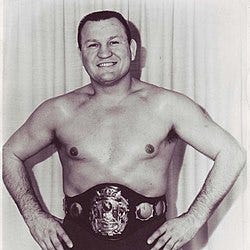
Pictured: Gene Kiniski, NWA World Heavyweight Champion
Kiniski’s victory ushered in a three-year reign as NWA champion, during which he defended against legends like Bobo Brazil, Dick the Bruiser, Johnny Valentine, and the Funk brothers. He traveled globally, including to Japan and Honolulu, and became the first world champion to appear in Los Angeles in over a decade. Exhausted by the schedule, Kiniski dropped the title to Dory Funk Jr. on February 11, 1969, in Tampa, Florida, via a spinning toehold—though he later claimed it was accidental, mistaking the match format. Kiniski continued wrestling into the 1990s, winning more titles, promoting in Vancouver, and earning inductions into halls like the Wrestling Observer Newsletter (1996) and WWE (2017). He passed away in 2010 at 81.
For Thesz, the loss marked the end of his championship days, but not his career. He wrestled part-time until 1990, winning the Universal Wrestling Alliance Heavyweight Title in 1978 at 62. Post-retirement, he trained wrestlers in Japan, served as Cauliflower Alley Club president, and helped found the George Tragos/Lou Thesz Hall of Fame in 1999. Thesz criticized modern wrestling’s choreography while praising MMA’s grappling roots. He died in 2002 at 86, leaving a legacy as the “God of Wrestling.”
The January 7, 1966, match endures as a pivotal moment, ending Thesz’s era of technical dominance and launching Kiniski’s heel-driven championship. It exemplified the NWA’s territorial system, where St. Louis served as a neutral ground for title changes. Modern fans and historians, via social media remembrances and archival footage
Thank You for Reading
I’m Tony Richards, Pro Wrestling Historian, Author and Storyteller. I share pro wrestling historical items in each issue of the Time Tunnel Pro Wrestling History Newsletter. Thanks for reading! If you enjoy my information on select events, matches and insights, please share it with folks you think might like to be a subscriber!
Remember, premium investors get access to exclusive and special content such as some special issues including a multi-part deep dives on wrestling territories, wrestler bios and championship title histories, special audio and video interviews on territory pro wrestling and more available in the Pro Wrestling Time Tunnel for Premium Investors.