


Written and Produced by Tony Richards
January in the Time Tunnel:
Happy Birthday to those who have passed on and to those great wrestlers still with us:
In Memoriam:
Romeo Cormier\Bobby Kay 1950
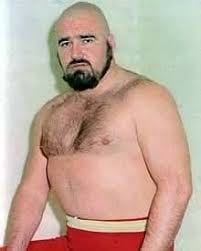
Robert “Jeep” Swenson 1957
Happy Birthday:
Marche Rockett\Carnage (41)
Willie McClinton\Willie Mac (39)
Jessica Woyniko\Tiffany Stratton (27)
RIP Memorial: We stop & remember those who have passed on this day and gave themselves to the business for us, the fans. We salute you and thank you.
Michel Lamarche\Alexis Smirnoff 1-5-2019 at the age of 71
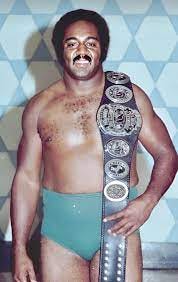
Charlie Cook 1-5-2020 at the age of 78
60 Year Flashback:
January 5th, 1966: The JWA Announces Toyonobori has vacated the office of President of the JWA
Toyonobori’s journey to the JWA presidency was rooted in the foundational years of Japanese wrestling. Born on March 21, 1931, in Fukuoka, Japan, he transitioned from sumo to professional wrestling in 1954 after retiring from the former due to injuries. Trained by Rikidōzan, the father of modern Japanese wrestling, Toyonobori debuted with the JWA on December 12, 1954. The JWA, established in 1953, dominated the scene as Japan’s premier promotion, blending athleticism, drama, and national pride in the post-World War II era. Toyonobori quickly became a tag team specialist, capturing the All Asia Tag Team Championship multiple times alongside Rikidōzan and partners like Michiaki Yoshimura. His prowess extended to singles competition, culminating in a controversial reign as WWA World Heavyweight Champion from December 1964 to September 1965, where he defended the title amid disputes with American promotions. These achievements solidified his status as a top draw, but it was Rikidōzan’s untimely death on December 15, 1963, from a stabbing incident, that thrust Toyonobori into leadership.
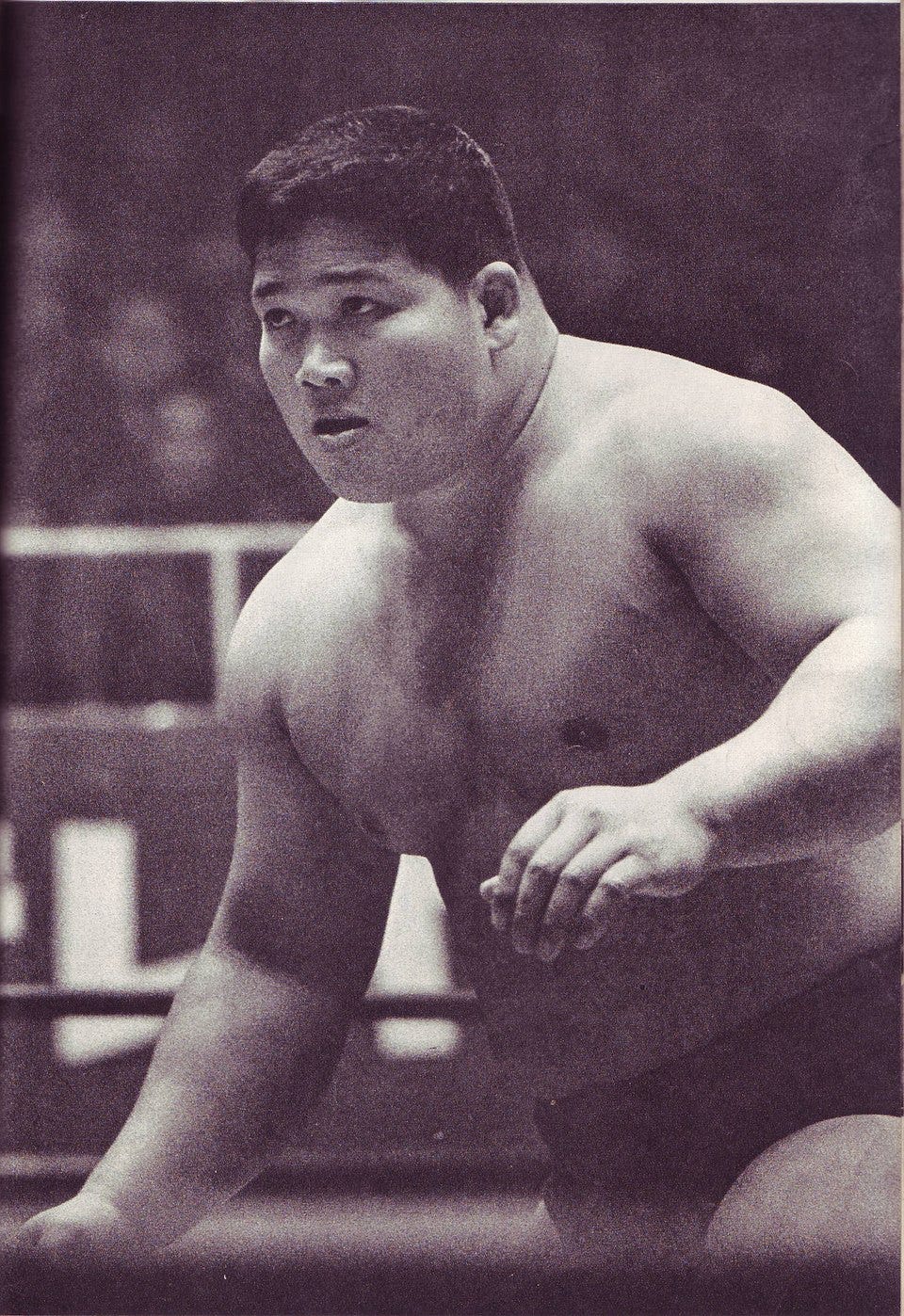
On January 10, 1964, Toyonobori, along with Yoshinosato, Koukichi Endo, and Yoshimura, publicly committed to sustaining the JWA in Rikidōzan’s absence. As president, he navigated the promotion through a transitional period, forming successful tag teams with emerging stars like Giant Baba and continuing to win titles. However, cracks soon appeared. Toyonobori’s presidency coincided with the rise of Baba, who captured the NWA International Heavyweight Championship in 1965 and began eclipsing Toyonobori as the company’s ace. Behind the scenes, Toyonobori’s personal vices—particularly his chronic gambling—led to embezzlement of JWA funds, eroding trust among the board and wrestlers. Reports indicate he was formally dismissed from the presidency on November 24, 1965, but the public narrative was carefully managed to preserve the promotion’s image.
The pivotal announcement came on January 5, 1966, when the JWA officially declared Toyonobori’s resignation and departure as president. This date has since been etched in wrestling history as a moment of calculated deception. Publicly, the resignation was attributed to health issues, specifically ureteral stones, portraying it as a voluntary step down for medical treatment. In reality, it was a forced ouster orchestrated by the JWA board, led by figures like Yoshihiro Muchnick (Sam Muchnick’s Japanese counterpart in booking) and internal allies who sought to stabilize the company amid financial irregularities. Toyonobori’s gambling debts had not only drained personal resources but also compromised the JWA’s operations, prompting a boardroom coup. The announcement was terse and formal, issued through press releases and internal memos, avoiding overt scandal to maintain fan loyalty. It elevated Kokichi Endo as interim leader, with Baba positioned as the new face of the promotion.
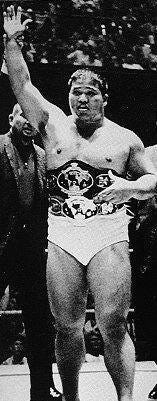
The resignation’s aftermath was swift and dramatic, exposing the underbelly of wrestling’s business side. On March 21, 1966, Toyonobori was expelled from the JWA, alongside rising star Antonio Inoki, whom he had recruited during a trip to Hawaii. Inoki, feeling undervalued by the JWA during his American excursion, was lured by Toyonobori’s promise to make him the “president’s ace” in a new venture. This “Pillage on the Pacific Ocean,” as it was dubbed, involved Toyonobori using embezzled funds to secure Inoki’s defection, further tarnishing his reputation. Together, they founded Tokyo Pro Wrestling (TPW) on April 23, 1966, with backing from businessman Nobuo Shinma and his son Hisashi. TPW debuted on October 12, 1966, at Sumo Hall, drawing 11,000 fans for Inoki’s win over Johnny Valentine. However, Toyonobori’s mismanagement persisted: He gambled away profits, failed to secure a TV deal, and left the promotion in debt. TPW collapsed after just 20 events, culminating in the infamous “Itabashi Incident” on November 21, 1966, where enraged fans set the ring ablaze after a canceled show. Inoki sued Toyonobori for embezzlement and returned to the JWA, while Toyonobori joined the International Wrestling Enterprise (IWE) in 1967, where he won more titles before retiring in 1970. He made a brief comeback in 1972 with Inoki’s New Japan Pro-Wrestling (NJPW), wrestling his final match in 1973.
One Thing I Learned About Charlie Cook
On August 11, 1981, he substituted for an injured Jack Brisco in a match and defeated Dory Funk Jr. to win the NWA Florida Heavyweight Championship.
Thank You for Reading
I’m Tony Richards, Pro Wrestling Historian, Author and Storyteller. I share pro wrestling historical items in each issue of the Time Tunnel Pro Wrestling History Newsletter. Thanks for reading! If you enjoy my information on select events, matches and insights, please share it with folks you think might like to be a subscriber!
Remember, premium investors get access to exclusive and special content such as some special issues including a multi-part deep dives on wrestling territories, wrestler bios and championship title histories, special audio and video interviews on territory pro wrestling and more available in the Pro Wrestling Time Tunnel for Premium Investors.