



Written and Produced by Tony Richards
December 30th in the Time Tunnel:
Happy Birthday to those who have passed on and to those great wrestlers still with us:
In Memoriam:
Joe Dusek 1910
Luther Lindsey 1924
Karl Von Brauner 1930
Happy Birthday:
Bill Kazmeier (73)
Tony Zane (67)
Carl Ouellet\PCO (58)
Eddie Edwards (42)
The Laredo Kid (39)
Rey Fenix (35)
RIP Memorial: We stop & remember those who have passed on this day and gave themselves to the business for us, the fans. We salute you and thank you.
Corbin James “Cyclone” Mackey 12-30-1979 at the age of 76

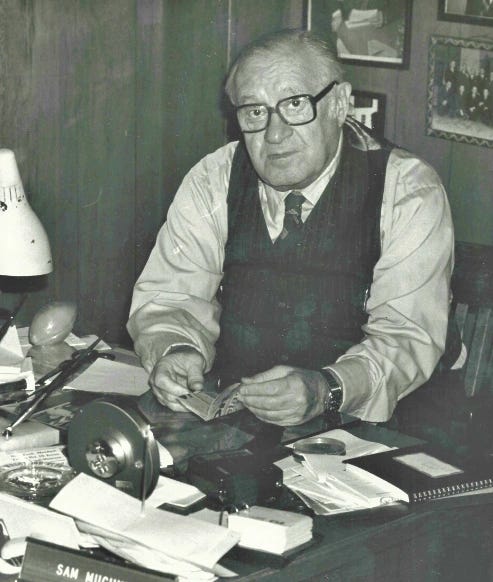
Sam Muchnick 12-30-1998 at the age of 98
Don West 12-30-2022 at the age of 59

Dennis Waters\Johnny Powers 12-30-2022 at the age of 79

The Life and Career of Cyclone Massey
Cyclone Mackey, born Corbin James Massey, stands as a pivotal figure in the history of professional wrestling, particularly for his role in introducing the iconic masked persona to Mexican Lucha Libre. Though details of his early life remain somewhat obscure, Massey was born in Greenbrier, Missouri, United States, and emerged as a compact yet formidable athlete, standing at 5’5” and weighing around 175 pounds. His journey from regional American circuits to international acclaim not only shaped his own career but also left an indelible mark on the global wrestling landscape, influencing generations of performers who embraced anonymity and spectacle through masks.
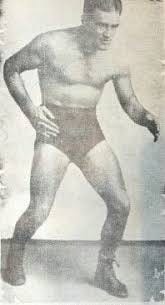
Massey’s wrestling career began in the early 1930s in Texas under the guidiance of the original Dutch Mantell in Amarillo, where he honed his skills as an agile and strong competitor under the ring name Cyclone Mackey. During this period, professional wrestling in the United States was evolving from carnival sideshows into organized promotions, and Massey quickly gained recognition for his technical prowess and athleticism. His style, characterized by speed and resilience despite his smaller stature, caught the eye of influential promoters. This early phase laid the foundation for his international breakthrough, as he transitioned from local Texas rings to more prominent opportunities.
In 1933, Massey’s career took a transformative turn when Salvador Lutteroth, the founder of Empresa Mexicana de Lucha Libre (EMLL, now CMLL), invited him to perform in Mexico. Lutteroth, often hailed as the father of modern Lucha Libre, was building a wrestling empire in Mexico City, and Massey debuted at the old Arena Mexico in September of that year—coinciding with the inaugural EMLL event. Initially performing without a mask, Massey impressed audiences with his American-style grappling, blending power moves with acrobatic flair. His presence helped bridge cultural divides, introducing U.S. wrestling elements to Mexican fans at a time when Lucha Libre was still defining its identity.
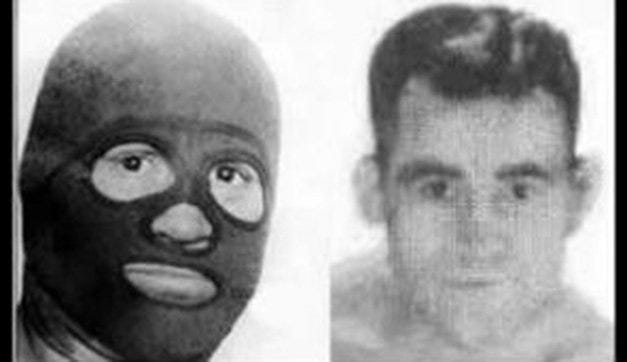
The most enduring aspect of Massey’s legacy emerged in 1934 during his return to Mexico. Seeking to maintain anonymity—possibly to protect his identity or add mystique to his persona—Massey commissioned a custom mask from Mexican craftsman Antonio H. Martinez (or Don Antonio Torres, as some accounts vary). The process involved taking 17 precise measurements of Massey’s head, a standard that persists in mask-making to this day. Early prototypes were uncomfortable due to seams that impaired vision and movement, but refinements allowed for better functionality in the ring. Adopting the moniker “La Maravilla Enmascarada” (The Masked Marvel or Wonder), Massey became the first wrestler to compete masked in Mexico, debuting this innovation in the national ring. While masked wrestling existed in the U.S., Massey’s adoption in Mexico sparked a cultural phenomenon, paving the way for legendary figures like El Santo and Blue Demon in the 1950s. He was not the first masked wrestler globally, but his influence in Lucha Libre was groundbreaking, as he preceded the first Mexican masked performer, Murciélago Velázquez, who debuted an all-black mask shortly after.
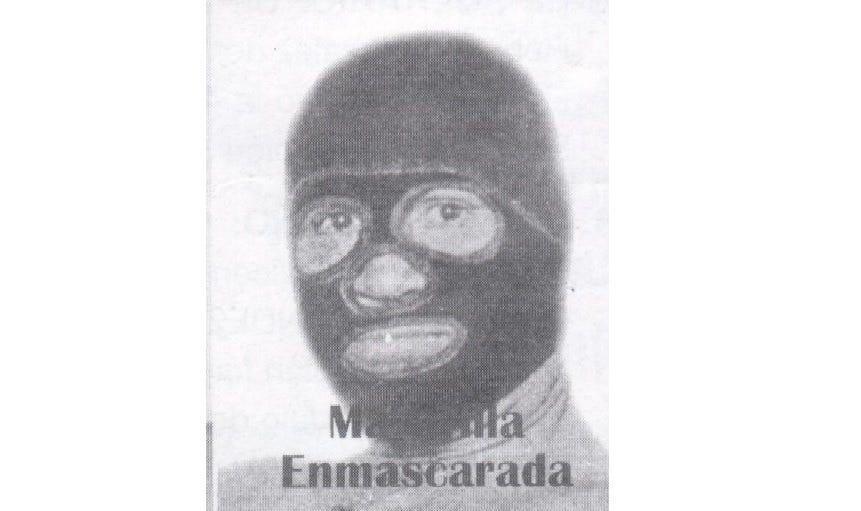
Massey’s time in Mexico was relatively brief but impactful. He returned to the United States later in the 1930s, where he continued wrestling under various aliases, including Cyclone Mackey and the Masked Marvel. In the mid-1930s, Dutch Mantell booked a program around West Texas with Mackey against another wrestler playing the character Mackey established, The Masked Marvel.
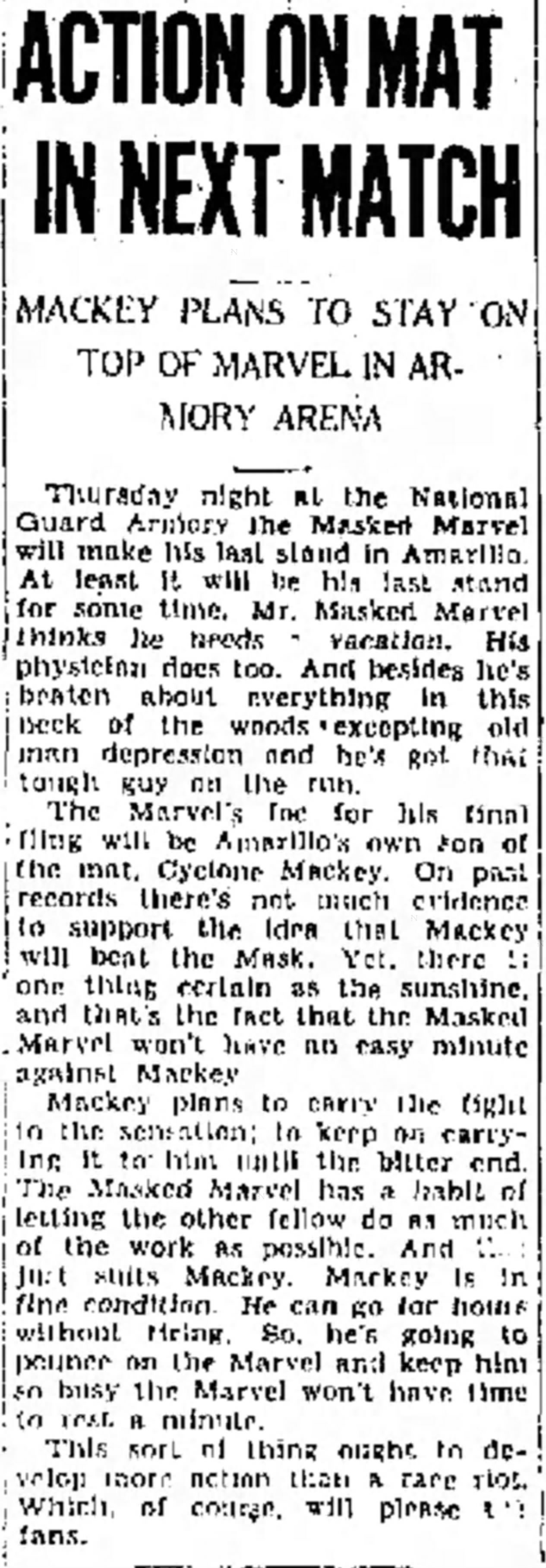
Pictured: July 11th, 1935, Amarillo Globe-Times
Tragically, he lost his mask in a high-stakes match upon his return to Mexico, a common trope in wrestling where “luchas de apuestas” (bet matches) often involve unmasking as the ultimate humiliation. Despite this, Massey remained active in the American wrestling scene well into the 1940s. Notably, in 1947, performing as Gray Mask, he defeated Billy Goelz to capture the Pacific Coast Light Heavyweight Championship in Portland, Oregon—a testament to his enduring skill and adaptability in the light heavyweight division.
Beyond his in-ring achievements, Massey’s personal life remains largely undocumented in historical records, with no widely confirmed birth or death dates available. Active during the Great Depression era, his career reflects the grit required to succeed in a physically demanding and nomadic profession. He is remembered not for championship reigns or flashy rivalries but for his innovative spirit. By introducing the mask to Lucha Libre, Massey transformed wrestling from mere athletic competition into a theatrical art form, where identity, mystery, and drama became central elements. His legacy endures in Mexico, where masks symbolize honor, secrecy, and cultural pride, influencing modern promotions like CMLL and AAA.
Cyclone Mackey’s life and career encapsulate the cross-cultural evolution of professional wrestling. From humble beginnings in Missouri and Texas to becoming a masked pioneer in Mexico, Massey’s contributions extended far beyond his own era. Though he may not be as household a name as later icons, his innovation laid the groundwork for Lucha Libre’s global appeal.
Thank You for Reading
I’m Tony Richards, Pro Wrestling Historian, Author and Storyteller. I share pro wrestling historical items in each issue of the Time Tunnel Pro Wrestling History Newsletter. Thanks for reading! If you enjoy my information on select events, matches and insights, please share it with folks you think might like to be a subscriber!
Remember, premium investors get access to exclusive and special content such as some special issues including a multi-part deep dives on wrestling territories, wrestler bios and championship title histories, special audio and video interviews on territory pro wrestling and more available in the Pro Wrestling Time Tunnel for Premium Investors.
Thank you Tony for this piece. What I find fascinating about not just wrestling culture, but all stories, folklore, history and culture is that nothing exists in isolation. Our heritage is influenced by, and influences others. As many know both inside and outside wrestling the mask is synonymous with lucha libre and is incredibly culturally significant. It seperates lucha from other forms of wrestling. And yet, like the pro wrestling industry it is not so old. There was always a first person to wear a mask, and I wonder Cyclone Mackay would feel knowing how decades of luchadors would craft stories, identities and the heroes off a mask. Love your work Tony