



Written and Produced by Tony Richards
December 23nd in the Time Tunnel:
Happy Birthday to those who have passed on and to those great wrestlers still with us:
In Memoriam:
(none)
Happy Birthday:
Keiji Muto (63)
James Gibson\Jamie Noble (49)
RIP Memorial: We stop & remember those who have passed on this day and gave themselves to the business for us, the fans. We salute you and thank you.
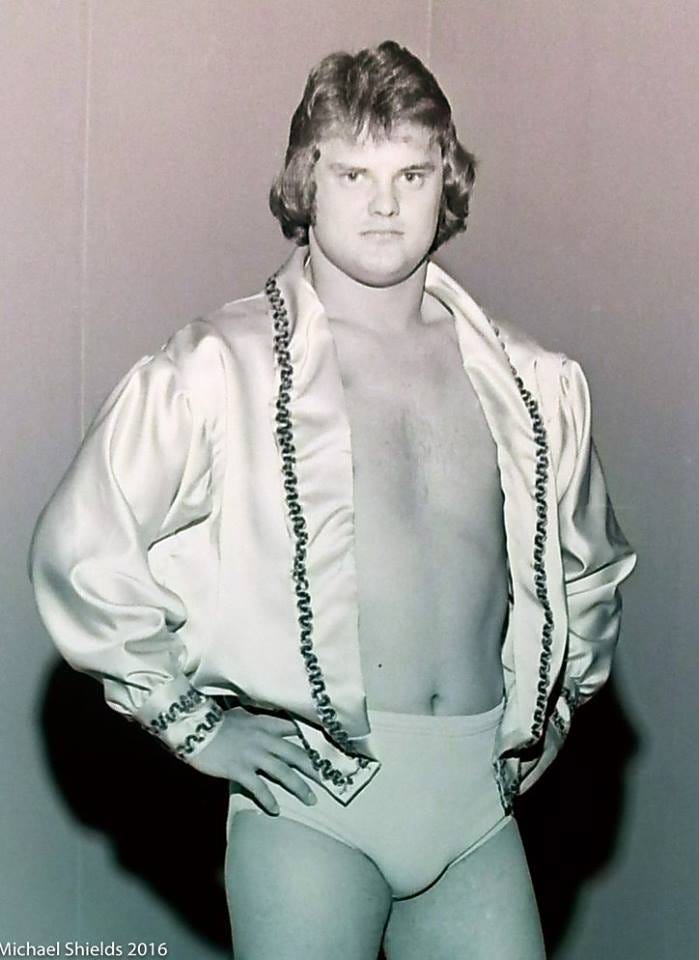
Jerry Bryant 12-23-1989 at the age of 36
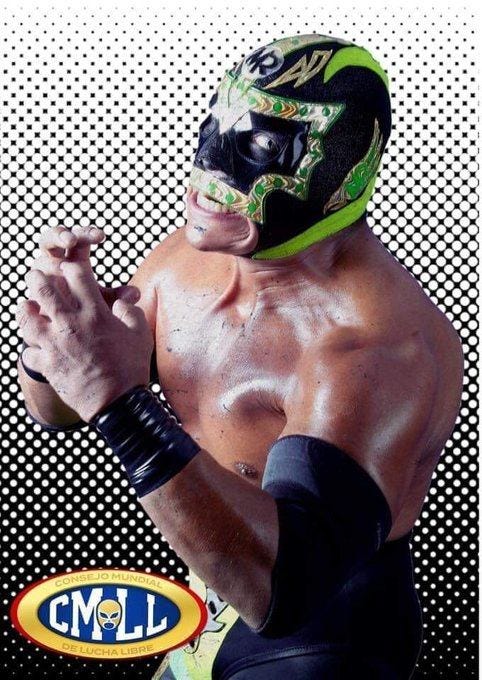
Efron Marquez\Mr Niiebla 12-23-2019 at the age of 46
The Life and Career of Ann LeVerne
Ann LaVerne, born Anna Catherine Turkaly around 1922 in Canton, Ohio, emerged from humble beginnings to become a trailblazing figure in professional wrestling.
Raised on Harmont Avenue during the Great Depression, her early life was marked by hardship and resilience. At just three years old, she suffered severe burns from scalding water, leaving a prominent scar on her left side that she would later conceal with long black tights in the ring. Leaving school early, LaVerne worked at the Sugardale meatpacking plant—an unconventional job for a young woman in the 1930s—while nurturing her athletic passions and developing impeccable penmanship. By age 17, driven by a desire for competition, she traveled to Columbus, Ohio, to train under legendary wrestler Mildred Burke and promoter Billy Wolfe, enduring a grueling year of preparation before stepping into the professional arena.
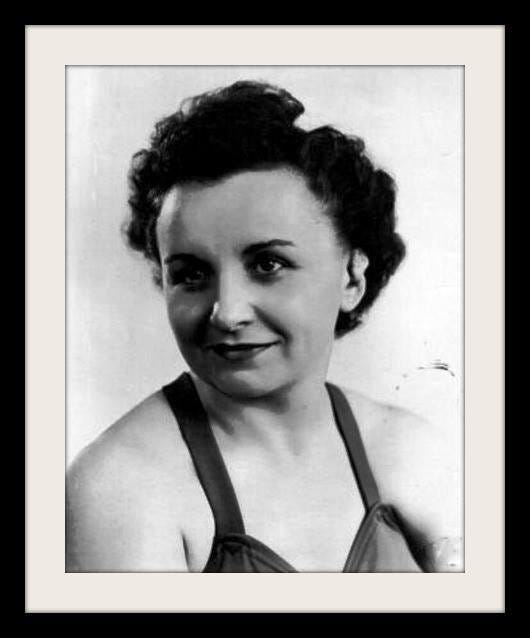
LaVerne’s wrestling career spanned three decades, from the 1940s to the 1960s, making her one of the earliest pioneers in women’s professional wrestling. She debuted against Burke herself and quickly became known for her toughness, often described as “tough as boot leather.” Touring with Wolfe’s troupe, she performed under primitive conditions: wrestling on horsehair mats in carnival tents without ropes or rings, relying on catch-as-catch-can grappling. As a notorious heel, she embraced a villainous persona that drew intense crowd hostility. In Mexico, clad in black attire, she earned monikers like “the black devil” and “the black panther” after a dramatic incident where she rammed an opponent’s head into a turnbuckle, collapsing the ring structure. She even incorporated a sequined black panther on her robe to provoke audiences further. LaVerne’s fearlessness extended to facing male challengers, and she developed cauliflower ear—a rarity among women wrestlers—from the sport’s physical toll. Though she never held a major world title (often due to politics favoring more glamorous figures), she captured the NWA Florida Women’s Championship on March 10, 1952, in Tampa. Her career was not without danger; in Daytona, Florida, a fan struck her with a glass bottle, requiring stitches, yet she persevered.
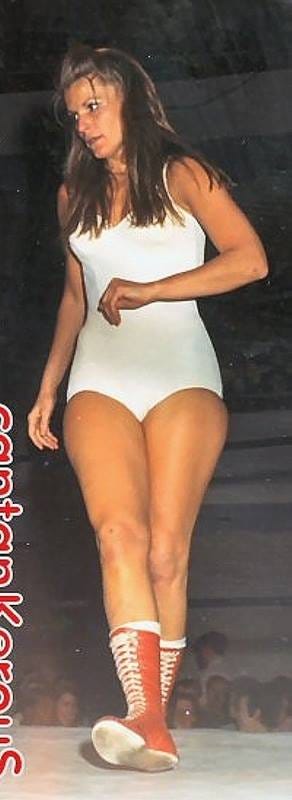

Pictured: Ann LaVerne’s Children, Marie LaVerne and Bobby Lane
On a personal level, LaVerne married fellow wrestler Robert Pico, who performed under names like Pancho Villa and Bobby Lane. Together, they became mixed-tag world champions as Mr. and Mrs. Pancho Villa, blending their professional and family lives. She was a devoted mother to wrestler Bobby Lane and Marie LaVerne, the latter of whom followed in her footsteps, creating a multi-generational wrestling legacy that included her grandson, Steve Nelson. Despite her fierce in-ring persona, LaVerne remained humble and private, rejecting the glamorization of women’s wrestling and focusing on skill over sex appeal, famously stating, “I’m not out to sell sex.”

LaVerne retired in the 1960s and passed away in August 1999 at age 77. Her contributions were posthumously honored with induction into the Professional Wrestling Hall of Fame in 2019, cementing her status as a resilient innovator who paved the way for future generations of female wrestlers. In an era when women’s roles in sports were limited, Ann LaVerne’s unyielding spirit and athletic prowess left an indelible mark on professional wrestling history.
The Life and Career of Pancho Villa
Roberto Pico, better known in the wrestling world as Pancho Villa among other ring names, was a pioneering Mexican-American professional wrestler whose career spanned the mid-20th century, leaving a mark on the regional circuits of the United States. Born on January 4, 1914, in Laredo, Mexico (likely Nuevo Laredo, given the border region’s wrestling history), Pico grew up in an era when professional wrestling was gaining popularity as a blend of athleticism and entertainment. He entered the squared circle in the early 1950s, adopting various personas including Pancho Villa, Bobby Pico, Bobby Lane, El Masqueres, and The Plum to appeal to diverse audiences. His real name is often listed as Roberto Pico, though variations like Robert appear in some records, reflecting the fluid identities common in wrestling’s golden age.
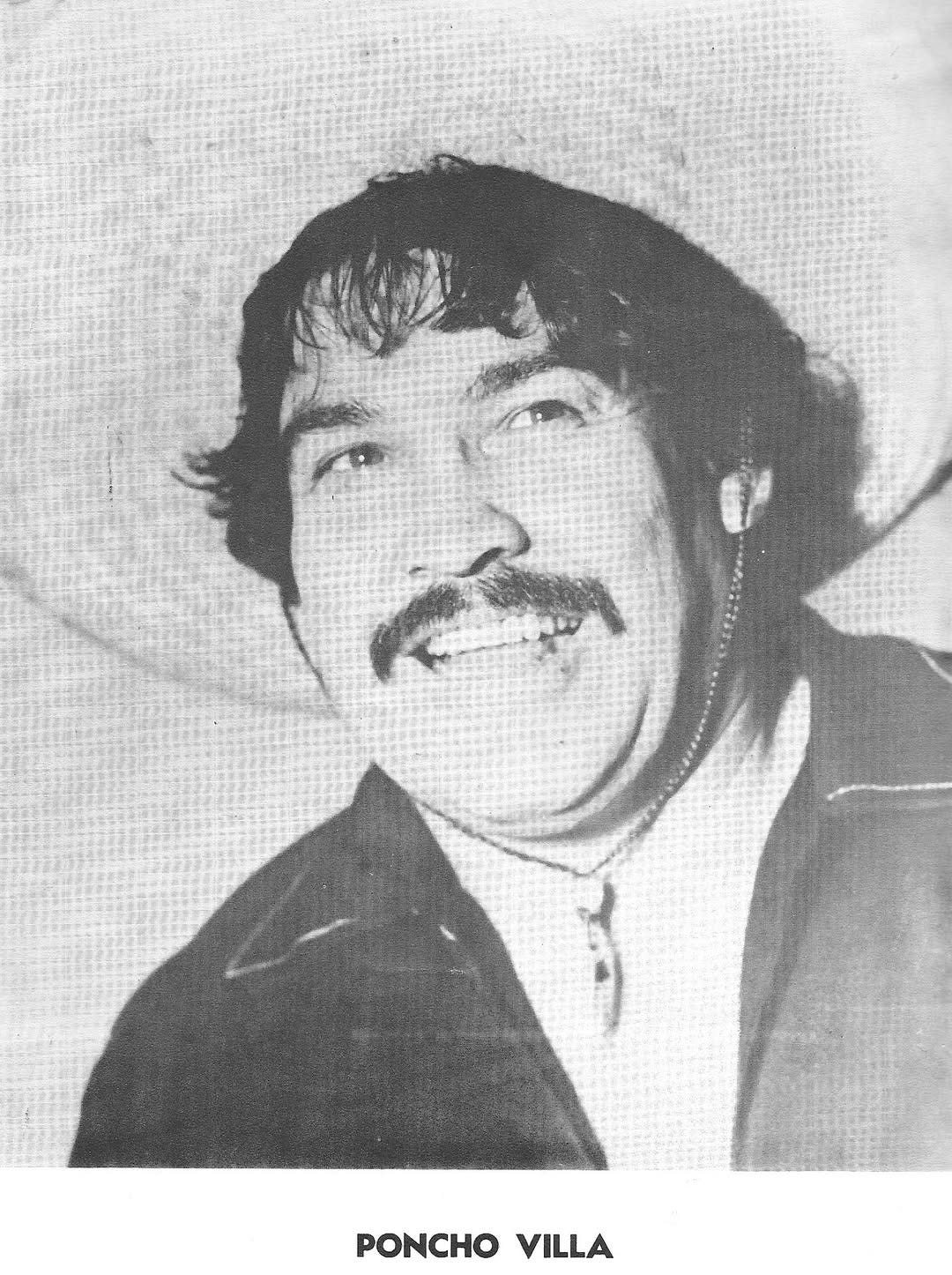
Pico’s career was rooted in technical prowess rather than sheer spectacle, earning him respect as a sound mat wrestler who could hold his own against larger opponents. He was particularly active in the American Southwest, including Arizona and Texas, where he became a fan favorite among Hispanic crowds for his underdog spirit and fiery comebacks. Notable feuds included intense rivalries with Don Arnold, often involving dramatic finishes like surprise pins, sneaky maneuvers, or count-outs that set up rematches. Pico also excelled in tag team wrestling, partnering with Cisco Grimaldo as Los Toros or under the nicknamed duo “Pancho & Cisco” during tours in the Deep South. He competed in promotions affiliated with the National Wrestling Alliance (NWA), participating in tournaments such as the 1957 NWA Amarillo North American Heavyweight Title event, though he was eliminated early.
His matches in 1958 alone numbered over 80 in the U.S., showcasing his workhorse ethic across venues from Muskogee, Oklahoma, to larger circuits. Beyond the ring, Pico’s personal life intertwined with wrestling; he married fellow wrestler Ann Laverne (also known as Mrs. Pancho Villa), and together they had a son, Robert Pico Jr., who followed in his footsteps as Bobby Lane and Bobby Pico.
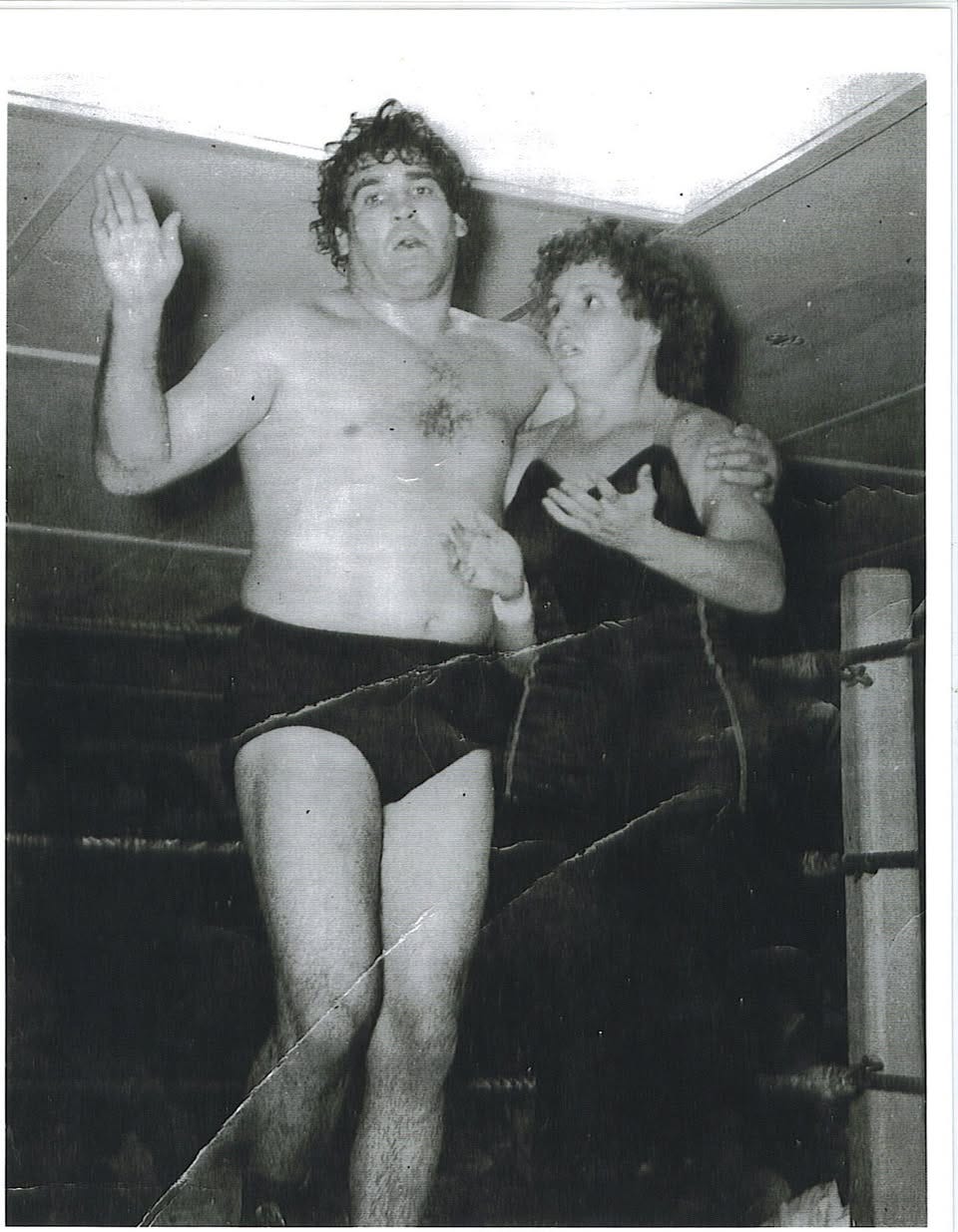
Pico also mentored talents like Jimmy Golden, contributing to the next generation. His legacy is preserved in collectibles, such as 1954-55 Parkhurst wrestling cards featuring him as Roberto Pico. Pico retired amid the evolving wrestling landscape and passed away on June 30, 1989, at age 75. Pancho Villa exemplified the grit of border-town wrestlers, bridging cultural divides and inspiring regional heroes in an era of territorial promotions.
One Thing I Learned About Keiji Muto
On July 20, 2002, he wrestled three separate matches on the same All Japan Pro Wrestling card under different personas: as Kokushi Muso, as himself, and as The Great Muta.
Thank You for Reading
I’m Tony Richards, Pro Wrestling Historian, Author and Storyteller. I share pro wrestling historical items in each issue of the Time Tunnel Pro Wrestling History Newsletter. Thanks for reading! If you enjoy my information on select events, matches and insights, please share it with folks you think might like to be a subscriber!
Remember, premium investors get access to exclusive and special content such as some special issues including a multi-part deep dives on wrestling territories, wrestler bios and championship title histories, special audio and video interviews on territory pro wrestling and more available in the Pro Wrestling Time Tunnel for Premium Investors.