


Written and Produced by Tony Richards
December 21st in the Time Tunnel:
Happy Birthday to those who have passed on and to those great wrestlers still with us:
In Memoriam:
Cecil Ray McDonald\Chuck Malone 1946
Ron Heard\Ron Bass 1948
Del Wilkes 1961
Happy Birthday:
Mike Shane (58)
Todd Shane (58)
Mauro Ranallo (56)
Dana Warrior (55)
Eddie Primo Colon (43)
Christopher Girard\Oney Lorcan (40)
Nikola Bogojovic\Otis (34)
RIP Memorial: We stop & remember those who have passed on this day and gave themselves to the business for us, the fans. We salute you and thank you.
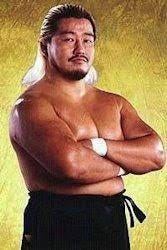
Umanosuke Ueda 12-21-2011 at the age of 71
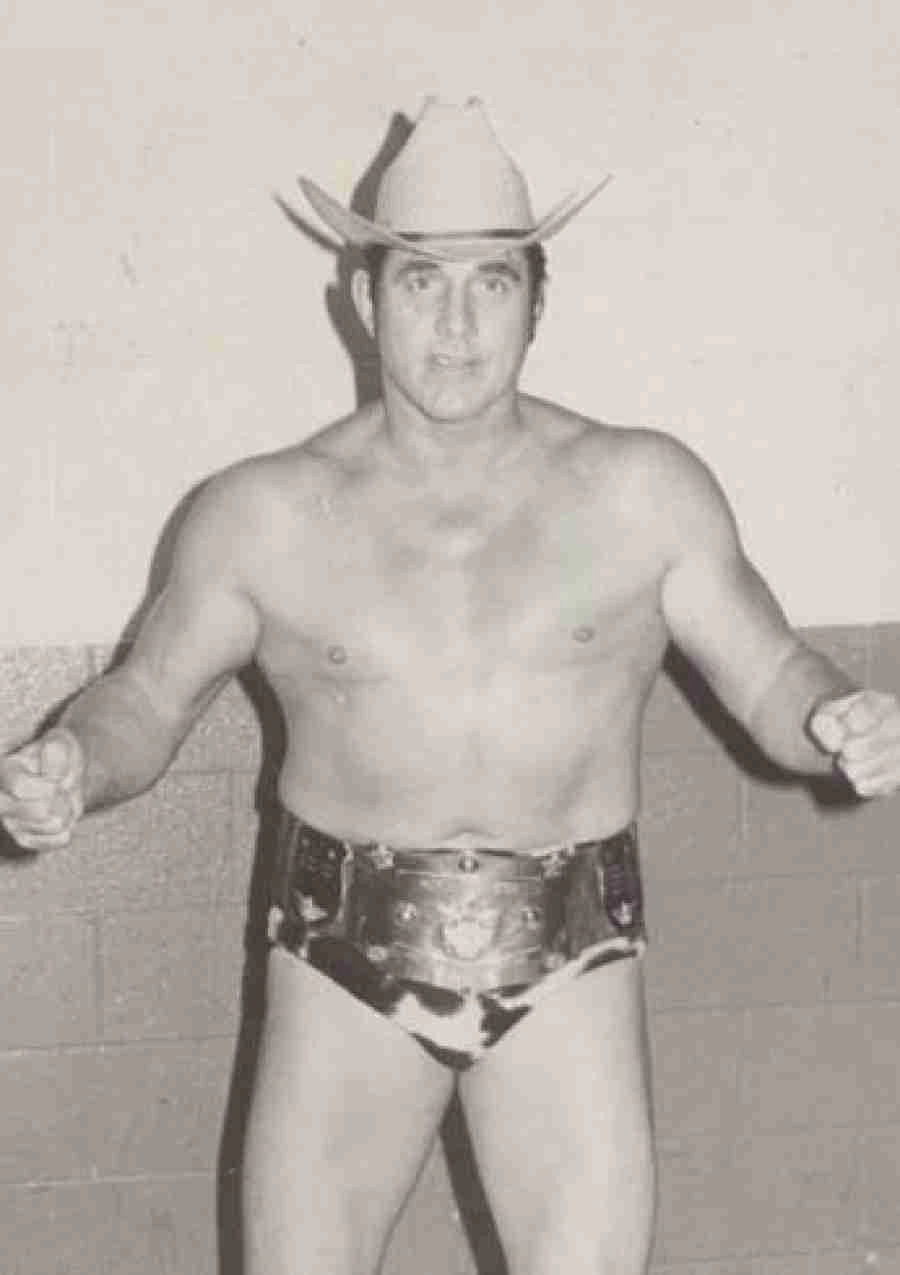
Cowboy Bob Ellis 12-21-2018 at the age of 89
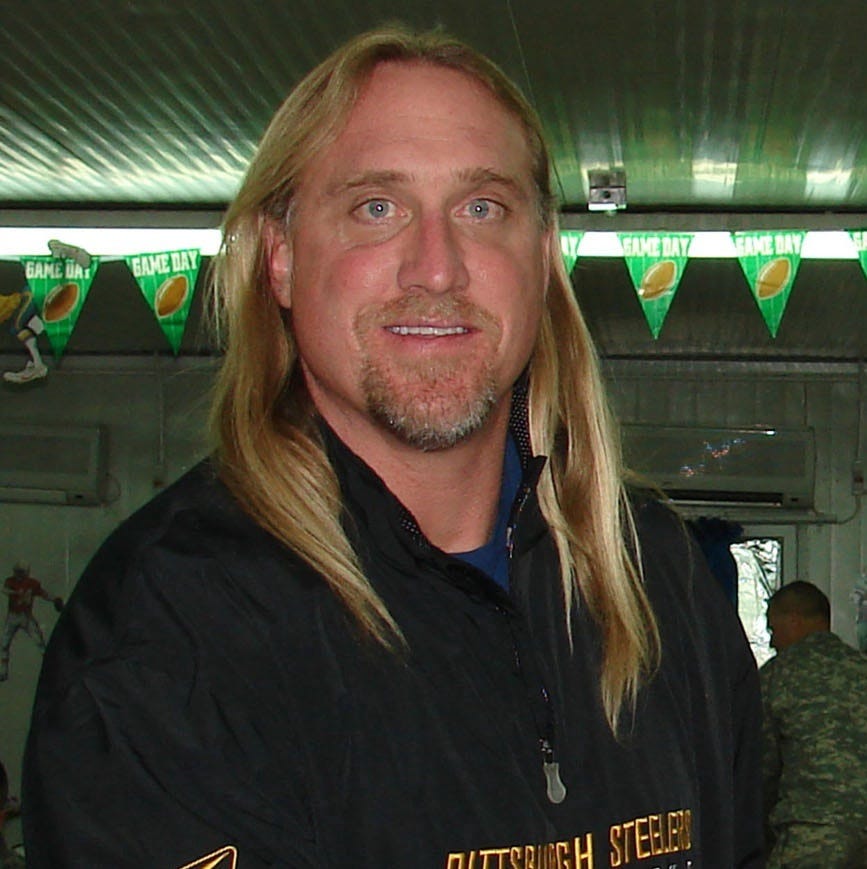
Kevin Greene 12-21-2020 at the age of 58
The Life and Career of Outlaw Ron Bass
Ronald Heard’s path to the squared circle was rooted in his Arkansas upbringing. Growing up in a rural environment, he developed a passion for sports, particularly football, which he pursued at Arkansas State University. There, he earned a bachelor’s degree, showcasing an intellectual side that would later resurface in his post-wrestling endeavors. Standing at an imposing 6 feet 4 inches and weighing around 289 pounds, Heard had the physical build for athletic pursuits beyond the gridiron. After college, he gravitated toward professional wrestling, a booming industry in the American South.
Heard made his in-ring debut in 1971 in the Gulf Coast territory, initially wrestling under names like “Cowboy” Ron Bass or Sam Oliver Bass, depending on the promotion. His gimmick quickly solidified as a rugged Texan outlaw, complete with cowboy hat, boots, and a bullwhip named “Miss Betsy” that he cracked to intimidate opponents and thrill crowds. Billed from places like Pampa or Houston, Texas, Bass drew on Western archetypes to create a persona that resonated with audiences in NWA-affiliated territories. This early period was one of honing his craft, traveling the circuit, and building a reputation as a reliable performer who could work both as a singles competitor and in tag teams.
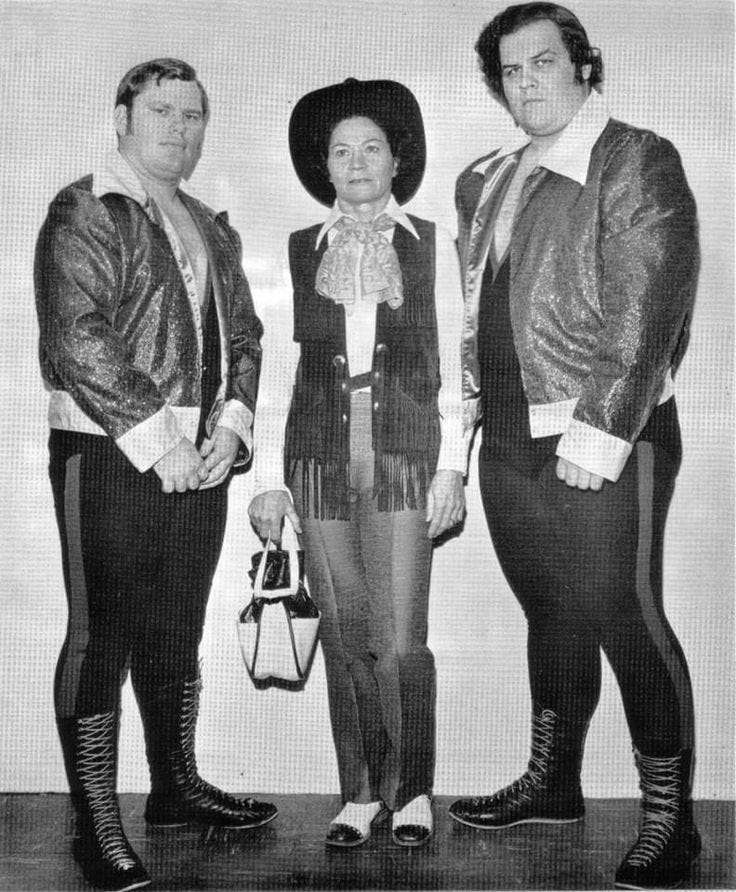
Pictured: Ron, Don and Maw Bass
Throughout the 1970s, Bass became a staple in various NWA promotions, where tag team wrestling was often the highlight. He achieved early success in Gulf Coast Championship Wrestling (later Southeastern Championship Wrestling), capturing the NWA Gulf Coast Tag Team Championship twice—once with Don Bass and once with Dutch Bass. His versatility shone in other regions: in NWA Hollywood Wrestling, he won the NWA Americas Tag Team Championship three times with partners like Dr. Hiro Ota, Moondog Lonnie Mayne, and Roddy Piper. Further north, in Pacific Northwest Wrestling, he secured the NWA Pacific Northwest Tag Team Championship twice, teaming with John Anson and Moondog Mayne.

By the early 1980s, Bass had moved to Championship Wrestling from Florida (CWF), where he formed memorable alliances and rivalries. Teaming with Black Bart as “The Long Riders,” a cowboy-themed duo, they dominated the tag scene, winning the NWA United States Tag Team Championship (Florida version) three times. Bass also partnered with One Man Gang for another reign. As a singles wrestler, he feuded with Barry Windham, a storyline that turned personal when Bass betrayed Dusty Rhodes—serving as a special referee in a match against Harley Race, costing Rhodes the NWA World Heavyweight Championship. This heel turn led to a heated program with Windham over a saddle gifted by Rhodes, culminating in Windham losing a loser-leaves-town match and returning masked as “Dirty Yellow Dog.” Bass’s time in Jim Crockett Promotions further solidified his status, with feuds against Angelo Mosca and Kendo Nagasaki adding to his resume.
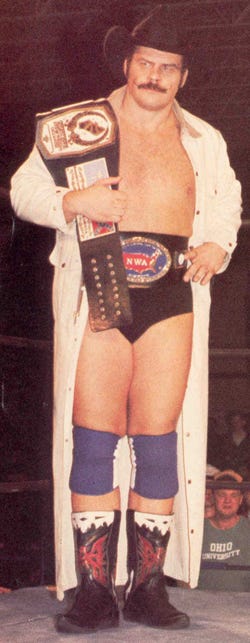
His championship haul extended to other territories: the NWA Central States World Tag Team Championship twice with Dutch Mantell, the NWA Southeastern Tag Team Championship with Randy Rose, and the NWA Tennessee Tag Team Championship twice with Don Bass. In NWA Mid-America, he won the AWA Southern Tag Team Championship with Stan Lane and the NWA United States Tag Team Championship (Mid-America version) with Don Bass. Even internationally, in All Japan Pro Wrestling, he captured the NWA International Tag Team Championship with Stan Hansen. These accomplishments highlighted Bass’s adaptability, earning him recognition like being named Wrestler of the Year in 1977 by the Ring Around The Northwest Newsletter and ranking #294 in Pro Wrestling Illustrated’s 2003 list of the 500 best singles wrestlers.
In 1987, Bass transitioned to the WWF, where his outlaw persona gained national exposure. Debuting as “Outlaw” Ron Bass, he issued bold challenges to top stars like Hulk Hogan and Brutus Beefcake, though a planned feud with Blackjack Mulligan over “Texas toughness” fizzled when Mulligan left the company. Bass settled into midcard matches against the likes of Hillbilly Jim, Lanny Poffo, and Sam Houston.
He participated in major events, including the inaugural Survivor Series in 1987 as part of The Honky Tonk Man’s team, the first Royal Rumble in 1988, and the battle royal at WrestleMania IV, where his elimination by Junkyard Dog sparked a feud. Bass attacked Dog with Miss Betsy on WWF Wrestling Challenge, escalating their rivalry. At the 1988 King of the Ring, he defeated a young Shawn Michaels but faked an injury to help Ted DiBiase. His most infamous WWF storyline came in August 1988 against Brutus Beefcake: on Superstars of Wrestling, Bass gouged Beefcake’s head with spurs named “Bret” and “Bart,” forcing Beefcake to miss a title opportunity at the first SummerSlam. This led to Bass co-captaining a team with Honky Tonk Man at Survivor Series 1988, where he was eliminated by Ultimate Warrior. The feud climaxed on January 7, 1989, with Beefcake defeating Bass in a hair vs. hair match on Saturday Night’s Main Event XIX. Bass competed in the 1989 Royal Rumble before departing WWF in March 1989, primarily as enhancement talent in his final months.
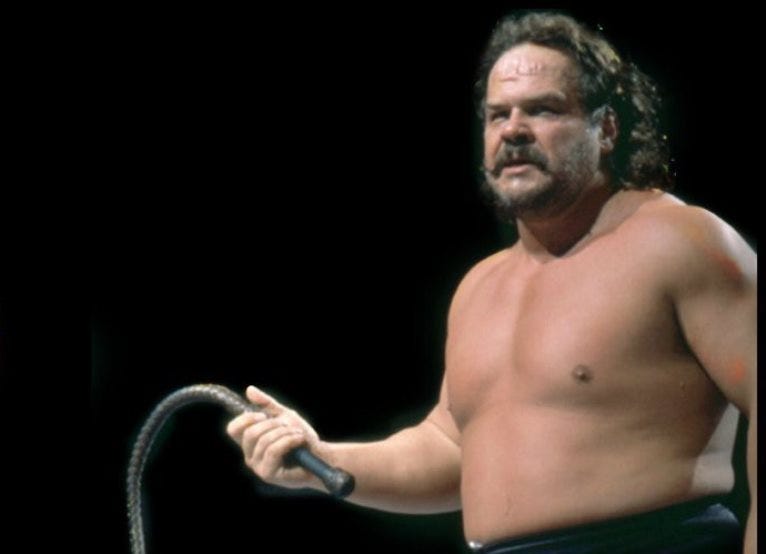
Injuries forced Bass to retire from full-time wrestling in 1991, though he made sporadic independent appearances until 2013. A notable comeback was at WrestleReunion in 2005, teaming with Larry Zbyszko against Barry Windham and Mike Rotunda.
Post-retirement, he settled in Tampa, Florida, embracing a quieter life. He worked as a sales representative in the construction industry, capitalizing on Florida’s booming market, and also sold Amway products. Bass became deeply religious, enjoyed golfing, and pursued acting, appearing in the 2018 film Silent Times as a 1920s football coach.
In July 2016, Bass joined a class action lawsuit against WWE over traumatic brain injuries, alleging the company concealed risks. Tragically, he was hospitalized in March 2017 for a burst appendix and died on March 7, 2017, at age 68 from surgical complications. A posthumous report confirmed he suffered from chronic traumatic encephalopathy (CTE), a condition linked to repeated head trauma in wrestling.
His son, Joe, debuted as Ron Bass Jr. in 2019, carrying on the family legacy.
One Thing I Learned About Chuck Malone
In 1978, he was tricked by Jerry Lawler and Bill Dundee into signing what he believed was a petition to allow female wrestler Heather Feather (who had recently lasted three minutes against a wrestling bear) to compete against men—only for it to be revealed as a contract forcing him to wrestle her instead. Malone, visibly upset and calling her “that gorilla,” still went through with the match on November 13, 1978, defeating her by disqualification before losing his hair later that night due to a stipulation in a separate tag team bout involving his team, The Bounty Hunters.
Thank You for Reading
I’m Tony Richards, Pro Wrestling Historian, Author and Storyteller. I share pro wrestling historical items in each issue of the Time Tunnel Pro Wrestling History Newsletter. Thanks for reading! If you enjoy my information on select events, matches and insights, please share it with folks you think might like to be a subscriber!
Remember, premium investors get access to exclusive and special content such as some special issues including a multi-part deep dives on wrestling territories, wrestler bios and championship title histories, special audio and video interviews on territory pro wrestling and more available in the Pro Wrestling Time Tunnel for Premium Investors.