


Written and Produced by Tony Richards
December 16th in the Time Tunnel:
Happy Birthday to those who have passed on and to those great wrestlers still with us:
In Memoriam:
Dr. Jerry Graham 1928
Sid Eudy 1960
Brodie Lee 1979
Happy Birthday:
(none)
RIP Memorial: We stop & remember those who have passed on this day and gave themselves to the business for us, the fans. We salute you and thank you.
Frank Gotch 12-16-1917 at the age of 40
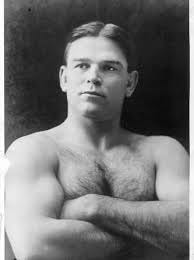
George Gadaski 12-16-1982 at the age of 66

Dean Peters\Brady Boone 12-16-1998 at the age of 40
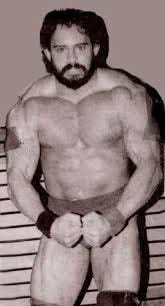
Alejandro Moreno\Blue Demon 12-16-2000 at the age of 76

Don Jardine\Super Destroyer\The Spoiler 12-16-2006 at the age of 66
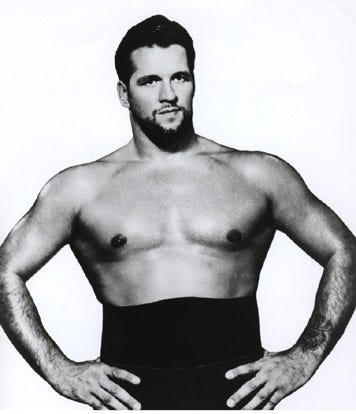
Juan Banos\Lizmark 12-16-2015 at the age of 64

The Life and Career of Dr. Jerry Graham
Known for his bleach-blond hair, imposing 245-pound physique, and a penchant for inciting riots, Graham became one of the most notorious heels (villains) of the 1950s and 1960s. He founded the fictional “Graham wrestling family,” which included kayfabe (storyline) brothers like Eddie Graham and “Crazy” Luke Graham, and his antics both in and out of the ring influenced generations of wrestlers, including a young Vince McMahon. Over a career spanning nearly five decades across promotions in the United States, Canada, and Australia, Graham captured multiple championships while battling inner demons that led to tragic episodes. His story is one of triumph, controversy, and ultimate self-destruction, cementing him as a hall-of-fame legend whose legacy endures in WWE history.
Graham’s early life set the stage for his unconventional path. Born in Phoenix, Arizona, he began wrestling at the remarkably young age of 14 in his hometown, honing his skills in local circuits before breaking into major promotions. Little is documented about his childhood, but his entry into the physically demanding world of professional wrestling as a teenager reflected a raw determination and athletic talent that would define his in-ring style. By the 1950s, Graham had adopted the “Dr.” moniker, portraying himself as a sophisticated yet ruthless intellectual heel, complete with flamboyant robes and a cigar-chomping persona that drew heat (crowd boos) like few others. His real breakthrough came when he formed the Golden Grahams tag team with Eddie Graham (real name Edward Gossett, not a biological relative), creating a dynasty that dominated the tag team scene. The duo’s bleach-blond looks and arrogant demeanor made them instant villains, selling out arenas like Madison Square Garden multiple times.
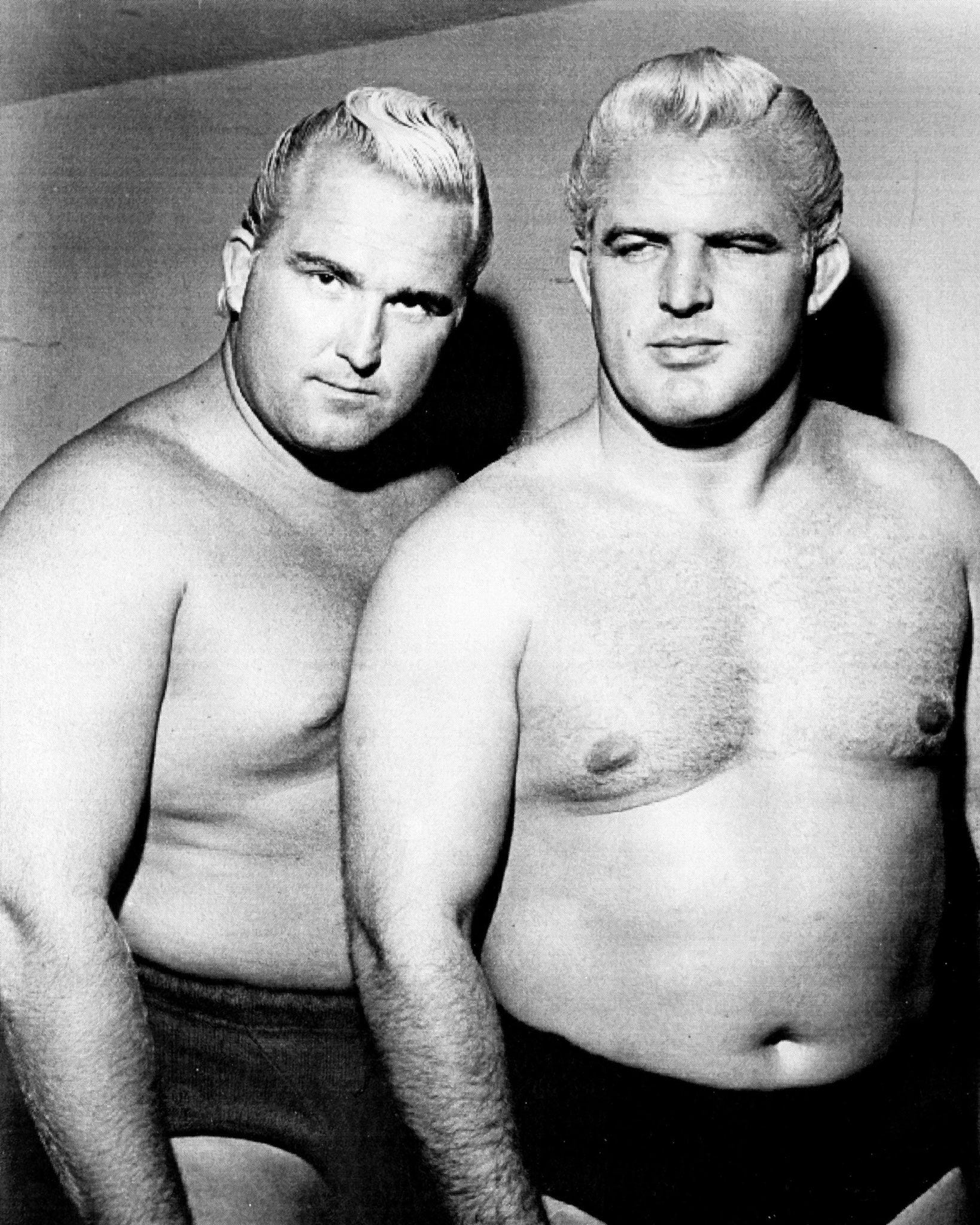
Pictured: The Golden Grahams, Dr. Jerry and Eddie
Graham’s career highlights were marked by championship success and groundbreaking crowd reactions. He became a five-time United States Tag Team Champion—four times alongside Eddie and once with Luke—showcasing his ability to work seamless, high-energy matches that blended brawling with technical skill. Wrestling primarily for the Capitol Wrestling Corporation (precursor to WWE/WWWF) and the National Wrestling Alliance (NWA), Graham competed in high-profile bouts against legends like Bruno Sammartino, Argentina Rocca, and Edouard Carpentier. One of his most infamous moments occurred on November 19, 1957, at Madison Square Garden, where a tag team match against Rocca and Carpentier devolved into a post-match brawl. Graham bladed (cut) himself and Rocca to draw blood, inciting a riot among the 12,987 fans that resulted in destroyed seats, injured police officers, and fines from the New York State Athletic Commission.The chaos led to a 20-year ban on attendees under 14 at MSG events and a lifetime ban for his partner, Dick the Bruiser, in New York. Despite the backlash, such incidents boosted Graham’s drawing power; a 1960 title challenge against Sammartino turned away over 10,000 fans due to sellouts. His influence extended beyond the ring—young Vince McMahon idolized him, emulating his style by dyeing his hair blond and riding in Graham’s blood-red 1959 Cadillac, which McMahon later credited as shaping his own ruthless business persona.

However, Graham’s career was overshadowed by controversies and personal struggles that blurred the line between his on-screen character and real life. Known as a “hell-raiser,” he blew through earnings on alcohol, women, and extravagances, earning a reputation for self-sabotage among peers like Freddie Blassie and Superstar Billy Graham (who adopted the Graham surname in tribute). Suspensions plagued him: In 1959, the Virginia Athletic Commission suspended his license over monopoly charges; in 1960, the NWA issued an indefinite ban “for the best interest of wrestling,” lasting at least two years. He faced no-shows, such as missing a 1960 match against Sammartino due to a flight issue from Cuba, and even promoted a failed event at Griffith Stadium in Washington, D.C., where wrestlers didn’t appear. The most tragic episode unfolded in 1969 following his mother Mary’s death in a Phoenix hospital. Devastated and enraged, Graham stormed the facility armed with a hunting knife and sawed-off shotgun, accompanied by his 12-year-old son. He assaulted staff, hoisted his mother’s body over his shoulder, and was subdued by police after a standoff that blocked streets and involved squad cars surrounding the building. No charges were filed, but he sought treatment at the Arizona State Mental Hospital. Compounding the pain, he discovered his mother had willed her $500,000 estate to the Baptist church, leaving him destitute and embittered against religion. These events highlighted Graham’s battles with mental health and addiction, which derailed what could have been an even more storied career.
In his later years, Graham continued wrestling sporadically into the 1970s and 1980s, but his prime had passed amid ongoing personal issues. He passed away on January 24, 1997, at age 75, from complications following a stroke.His legacy was honored posthumously when WWE inducted him into the Hall of Fame’s Legacy Wing in 2017, recognizing his contributions to the sport’s entertainment value and villain archetype.
One Thing I Learned About Don Jardine
He taught the top-rope walk maneuver to a young Mark Calaway, who later became The Undertaker and popularized it as “Old School.
Thank You for Reading
I’m Tony Richards, Pro Wrestling Historian, Author and Storyteller. I share pro wrestling historical items in each issue of the Time Tunnel Pro Wrestling History Newsletter. Thanks for reading! If you enjoy my information on select events, matches and insights, please share it with folks you think might like to be a subscriber!
Remember, paid subscribers get access to exclusive and special content such as some special issues including a multi-part deep dives on wrestling territories, wrestler bios and championship title histories, special audio and video interviews on territory pro wrestling and more available in the Pro Wrestling Time Tunnel for Premium Subscribers.