



The Daily Chronicle is written and produced by Tony Richards with help from an amazing host of historians and graphics professionals.
November 29th in the Time Tunnel:
Happy Birthday to those who have passed on and to those great wrestlers still with us:
In Memoriam:
Bert Ruby 1910
Gene Okerlund 1942
Eiji Ezaki\Hayabusa 1968
Happy Birthday:
Jerry Lawler (76)
Wayne Cowan\Dutch Mantell (76)
John Bradshaw Layfield (59)
Holly Letkeman\Rosemary\Courtney Rush (42)
Ashley Maw Sebera\Dana BRooke (37)
RIP Memorial: We stop & remember those who have passed on this day and gave themselves to the business for us, the fans. We salute you and thank you.
Martin Ruane\Giant Haystacks\Loch Ness 11-29-1998 at the age of 52
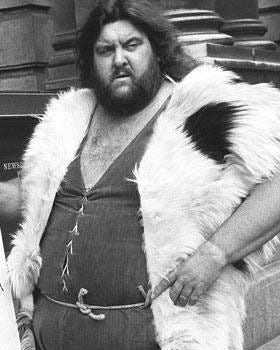
George “Two-Ton” Harris 11-29-2002 at the age of 75
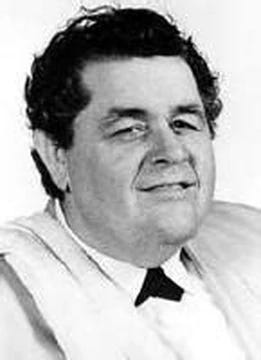
Joey Rossi 11-29-2003 at the age of 51
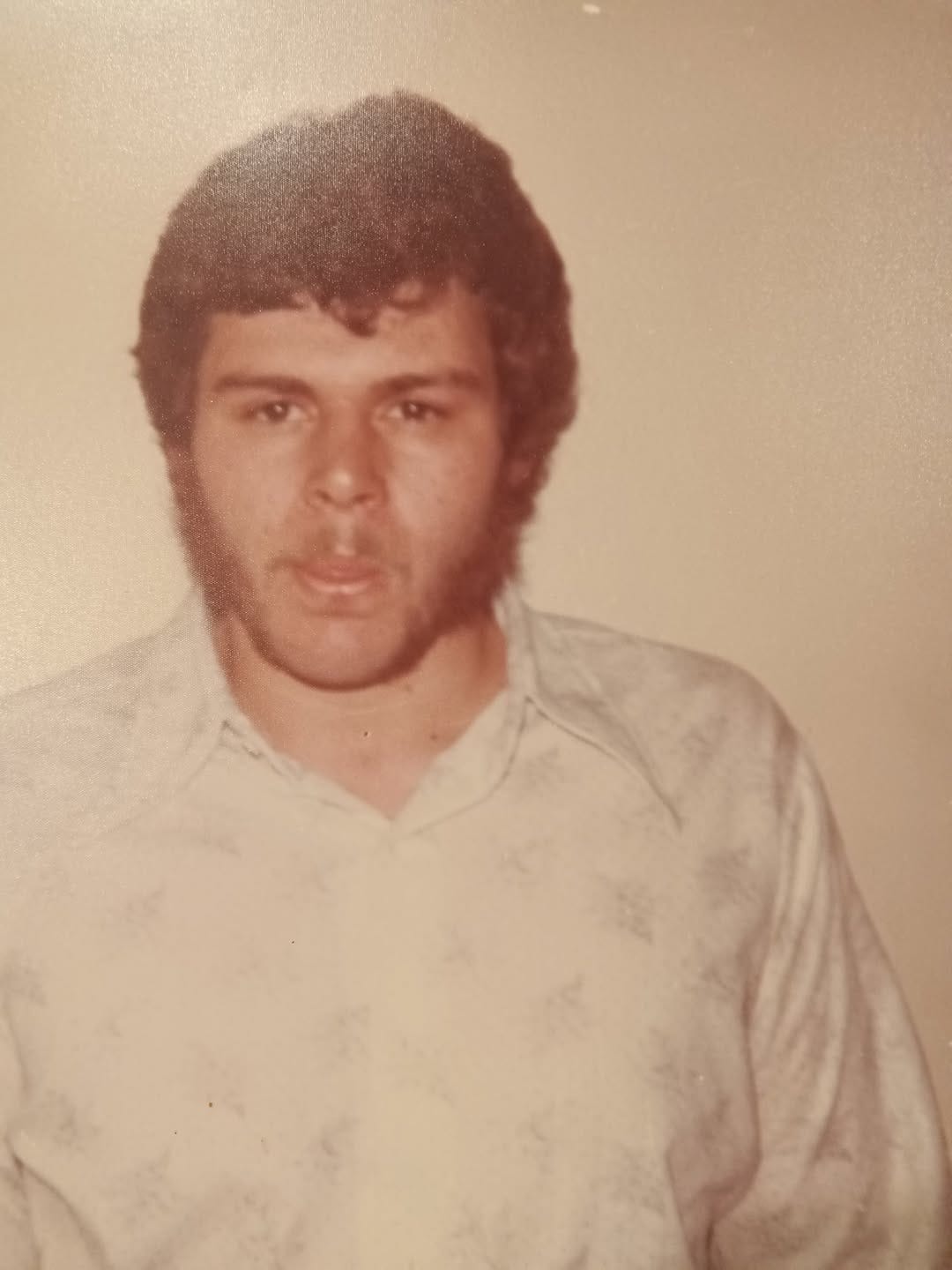
Larry Latham\Moondog Spot 11-29-2003 at the age of 51
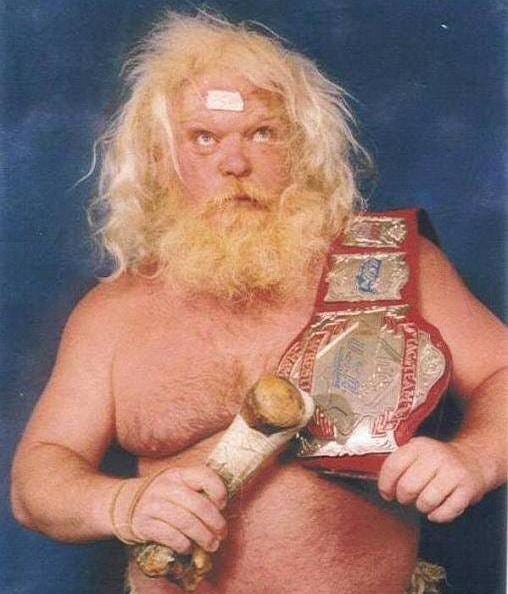
Dale Hey\Buddy Roberts 11-29-2012 at the age of 65

The Life and Career of Larry Booker Latham
Larry Wayne Booker, better known in the world of professional wrestling as Larry Latham and later Moondog Spot, was a towering figure whose career spanned over two decades of high-impact tag team action, memorable feuds, and championship glory. Born on June 6, 1952, in Louisiana, United States, Booker grew up in the American South, a region rich with wrestling tradition that would shape his path into the wrestling business. Standing at 6 feet tall and weighing around 375 pounds, he embodied the larger-than-life persona that defined many wrestlers of his era. His life was one of grit, transformation, and tragedy, culminating in his untimely death on November 29, 2003, at the age of 51, during a match in Memphis,
Booker was trained by Herb Welch, he debuted around 1977–1979 under the ring name Larry Latham, quickly making a name for himself in the Gulf Coast territory. His first notable tag team was “The Ragin’ Cajuns” with partner Carl Fergie, managed by Billy Spears. This alliance captured the raw, regional flavor of Southern wrestling, blending athleticism with storytelling that resonated with local audiences. Booker’s early style was aggressive and powerhouse-oriented, setting the stage for his future success in tag team divisions.
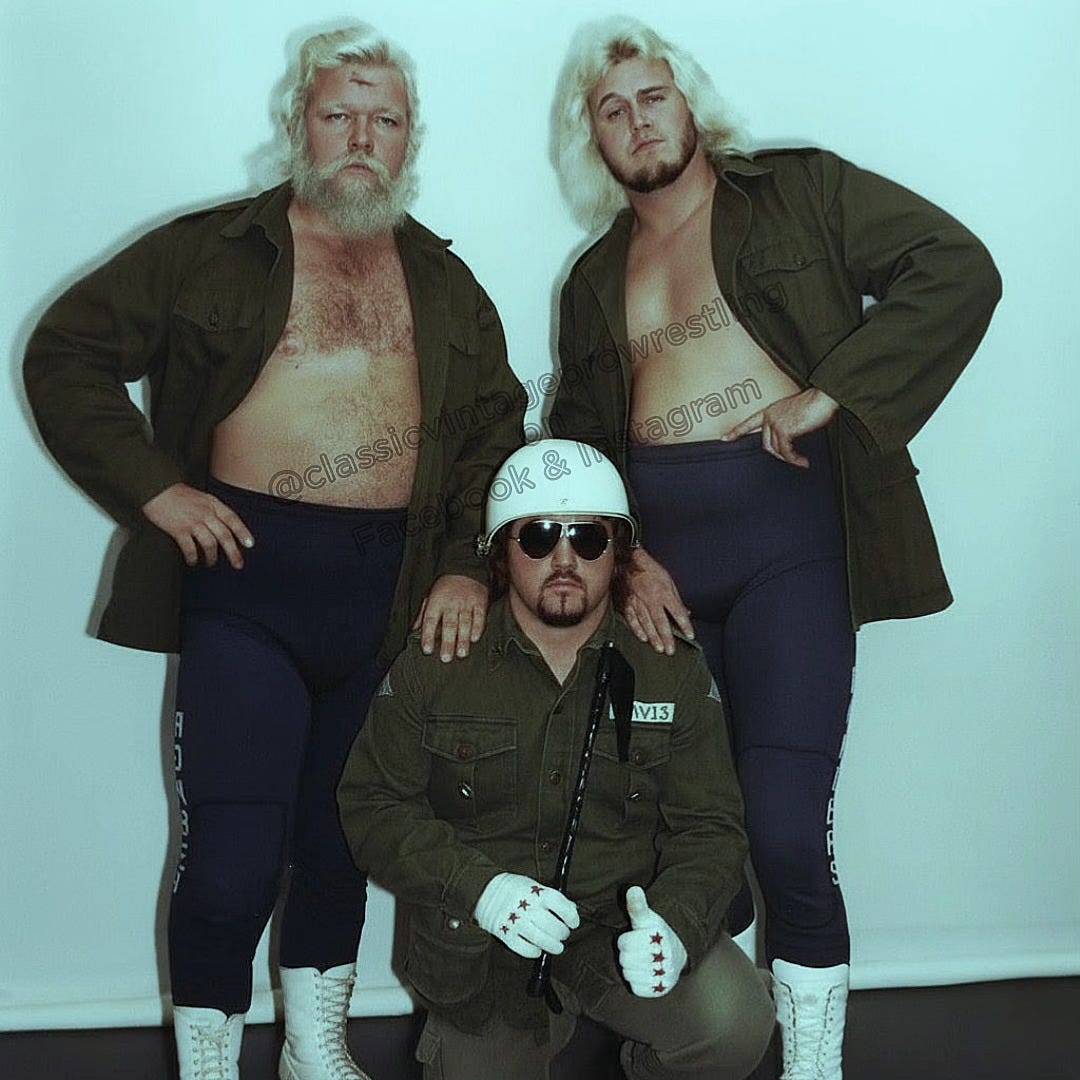
Pictured: Larry Latham, Wayne Ferris and manager Danny Davis
By 1979, Booker had transitioned to one of his most defining early roles as part of “The Blond Bombers” alongside Wayne Farris (who would later become The Honky Tonk Man), managed by Danny Davis. This team operated across competing Tennessee promotions, including Nick Gulas’ Nashville-based territory and Jerry Jarrett’s Memphis circuit. Their feuds with babyface wrestlers were intense and innovative, often pushing the boundaries of in-ring violence. The pinnacle of this period was the infamous “Tupelo Concession Stand Brawl” on June 15, 1979, against Jerry Lawler and Bill Dundee—a chaotic, no-holds-barred fight that spilled into the arena’s concession area. This match is credited as a precursor to hardcore wrestling styles later seen in promotions like Extreme Championship Wrestling (ECW). Retrospectively, it earned Pro Wrestling Illustrated’s Feud of the Year award in 1992, underscoring its lasting influence. During this time, The Blond Bombers also claimed multiple championships, including the AWA Southern Tag Team Championship three times with Farris and the NWA Mid-America Tag Team Championship three times, solidifying Booker’s reputation as a tag team specialist.
In 1981, Booker’s career took a dramatic turn when he adopted the gimmick that would define him: Moondog Spot. Suggested by Vincent J. McMahon, the persona drew from the wild, unkempt “Moondogs” stable, featuring scraggly hair, beards, tattered jeans, and oversized bones as weapons. As a replacement for Moondog King, Booker teamed with Moondog Rex (Randy Colley) to capture the WWF World Tag Team Championship on March 17, 1981, defeating Rick Martel and Tony Garea. They held the titles until July 21, 1981, when they lost to the same duo. This stint in the World Wrestling Federation (WWF, now WWE) exposed Booker to a national audience, where The Moondogs’ feral antics made them memorable heels.

Pictured: Larry Latham as Moondog Spot
The Moondogs gimmick became a staple in Memphis wrestling, with Booker rotating partners like Moondog Spike, Cujo, Splat, Rex, and Rover in a “revolving door” system that kept the act fresh. Managed at times by Jimmy Hart, they engaged in legendary feuds with teams such as The Fabulous Ones (Steve Keirn and Stan Lane), The Rock ‘n’ Roll Express (Ricky Morton and Robert Gibson), and The Midnight Express. These rivalries often involved high-stakes matches, including steel cages and lights-out bouts. In 1984, The Moondogs returned to the WWF but were soon split when Rex joined Demolition as the original Smash. Booker continued as Spot, competing in the 1985 WWF Wrestling Classic tournament, where he defeated Terry Funk by count-out in the first round before losing to Junkyard Dog in the quarterfinals. By 1987, he had transitioned to jobber status in the WWF and left the promotion.
Booker’s post-WWF career was prolific on the independent and regional scenes. In late 1987, he toured All Japan Pro Wrestling with Moondog Spike. From 1991 to 1996, he dominated the United States Wrestling Association (USWA) in Memphis, winning the USWA World Tag Team Championship an astonishing 13 times with various partners: three times with Spike, two with Cujo, four with Splat, three with Rex, and one with Rover. Notable victories included defeating the Bruise Brothers (Don and Ron Harris) multiple times and engaging in rematches with Jerry Lawler and Jeff Jarrett, earning the Wrestling Observer Newsletter’s Feud of the Year in 1992. He also appeared in Smoky Mountain Wrestling (SMW) from 1993 to 1994 and won titles in other promotions, such as the WWC North American Tag Team Championship, WWC Caribbean Tag Team Championship (twice), and WWC World Tag Team Championship with Rex in 1982. Later, in Power Pro Wrestling (PPW), he captured the PPW Tag Team Championship with Derrick King in 2000.
Beyond competing, Booker operated a wrestling school in Osceola, Arkansas, mentoring the next generation.
In early 2003, Booker made a brief comeback in Total Nonstop Action Wrestling (TNA), teaming with Jim Duggan to defeat Mike Sanders and Disco Inferno (Glen Gilbertti) on March 19.
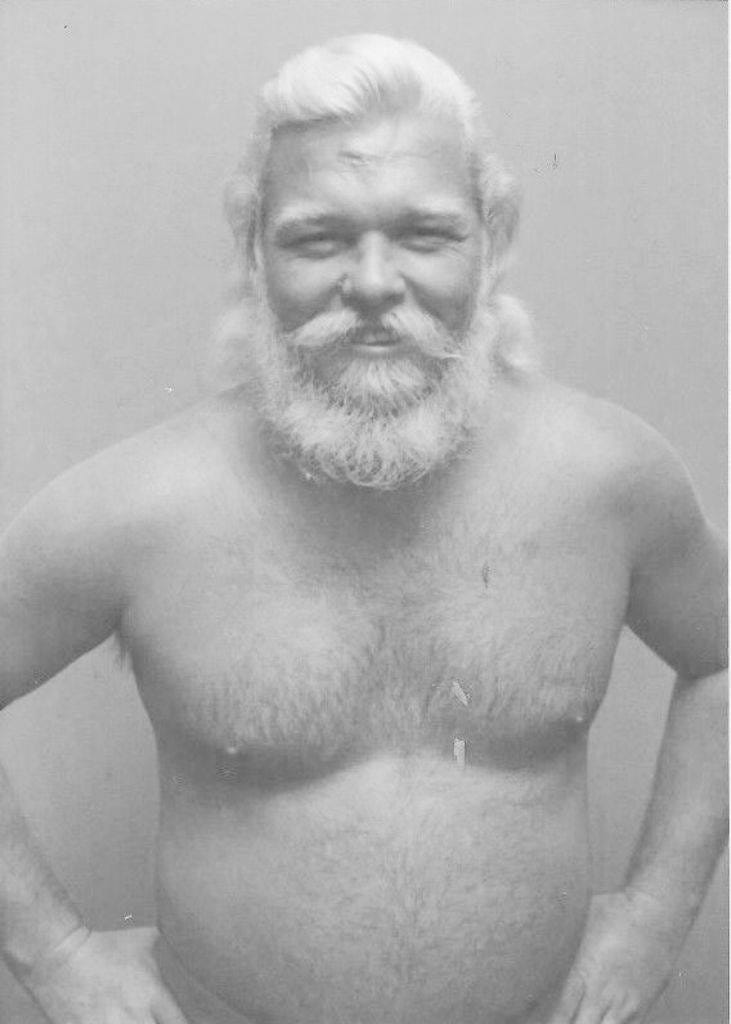
Tragically, his career ended that same year. On November 29, 2003, during Jerry Lawler’s “Birthday Bash” show at the Mid-South Coliseum in Memphis, Booker collapsed in the ring amid a four-way tag team match due to a massive heart attack, complicated by diabetes and other health issues. He was rushed to Methodist Central Hospital, where he was pronounced dead. The event included a ten-bell salute, and his family, who were in attendance, received prayers from fans and wrestlers like Brian Christopher. Booker was laid to rest at Zion Hill Church Cemetery in Friendship, Dyer County, Tennessee, with Jerry Lawler attending the funeral.
Larry Booker’s legacy endures as a pioneer of hardcore elements in wrestling and a master of the tag team format. Inducted into the Memphis Wrestling Hall of Fame in 2022 as part of The Moondogs, his contributions influenced generations of performers.
One Thing I Learned About Buddy Roberts
In 1978 in Texas, he wrestled under the name Dale Valentine and was portrayed as the younger brother of Johnny Valentine as his manager.
Thank You for Reading
I’m Tony Richards, Pro Wrestling Historian, Author and Storyteller. I share pro wrestling historical items in each issue of the Time Tunnel Pro Wrestling History Newsletter. Thanks for reading! If you enjoy my information on select events, matches and insights, please share it with folks you think might like to be a subscriber!
Remember, paid subscribers get access to exclusive and special content such as some special issues including a multi-part deep dives on wrestling territories, wrestler bios and championship title histories, special audio and video interviews on territory pro wrestling and more available in the Pro Wrestling Time Tunnel for Premium Subscribers.