


November 13th in the Time Tunnel:
Happy Birthday to those who have passed on and to those great wrestlers still with us:
In Memoriam:
Al Haft 1886
Walter Johnson III 1942
Jerry Novak 1949
Harold Hauge\Ice Train 1967
Happy Birthday:
Hiroshi Tanahashi (49)
Sara Del Rey (45)
Sunil Singh (41)
Bear Bronson (30)
RIP Memorial: We stop & remember those who have passed on this day and gave themselves to the business for us, the fans. We salute you and thank you.
Ventura Tenario\Chief Little Wolf 11-13-1984 at the age of 72

Rufus R Jones 11-13-1993 at the age of 60
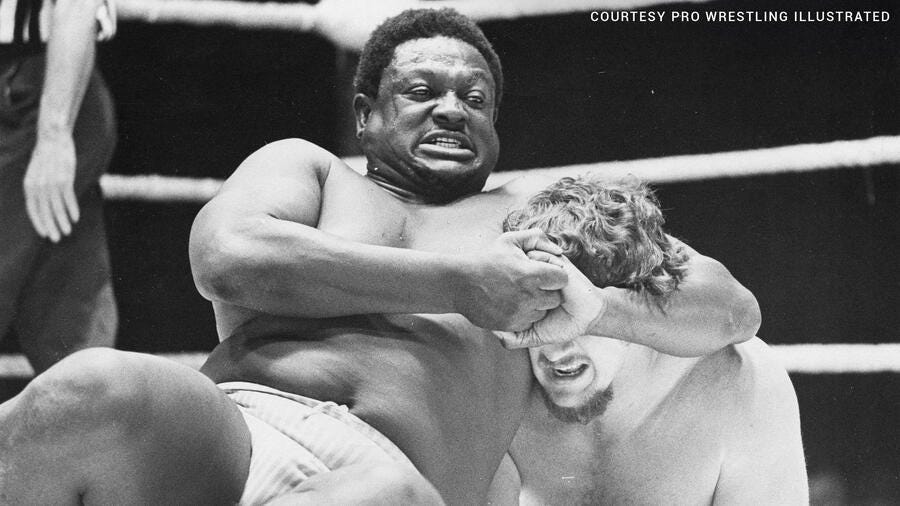
“Boston Bad Boy” Tony Rumble 11-13-1999 at the age of 48

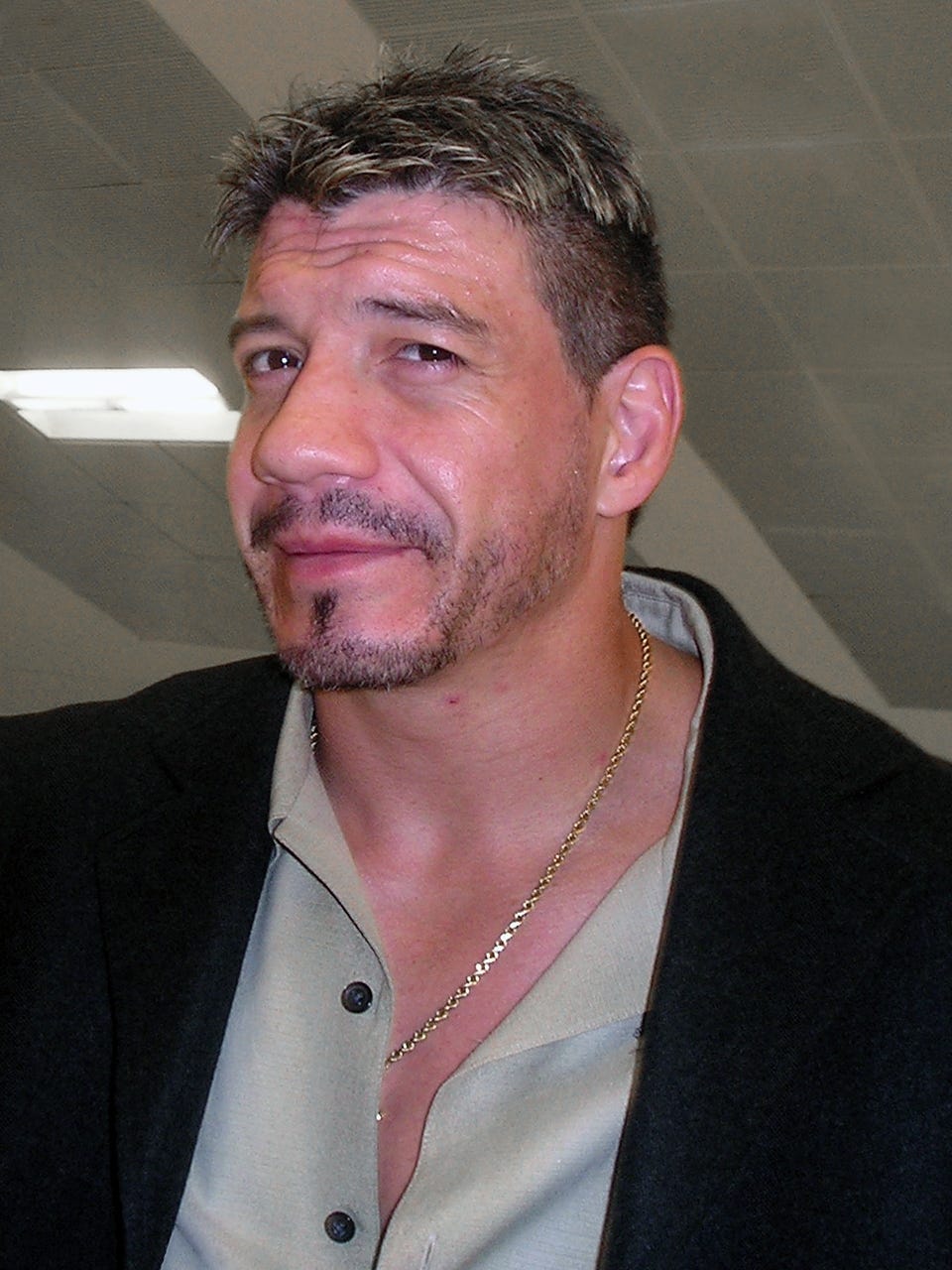
Eddie Guerrero 11-13-2005 at the age of 38
Tiger Conway, Sr 11-13-2006 at the age of 74
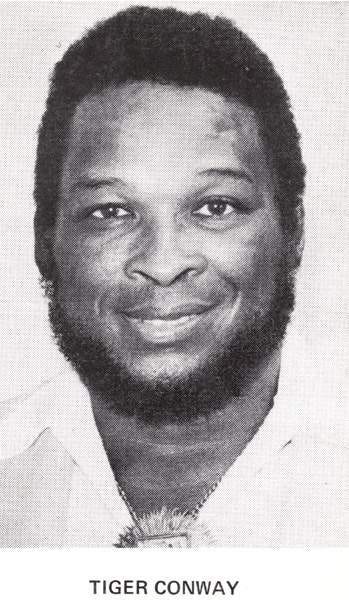
The Life and Career of Tiger Conway, Sr
Tiger Conway Sr., born Plasse Dennis Bradford Conway, was a pioneering figure in professional wrestling whose career spanned the mid-20th century, a time marked by racial segregation and limited opportunities for African American athletes. His journey from humble beginnings on a Louisiana plantation to becoming a respected wrestler who challenged racial divides exemplifies resilience and determination. Conway’s contributions extended beyond the ring, influencing the integration of wrestling and inspiring future generations, including his own son who followed in his footsteps.
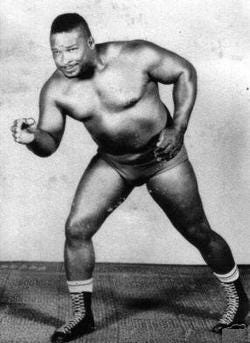
Conway’s early years were rooted in the rural South, where he was born on August 4, 1932, in Shreveport, Louisiana. Raised on a plantation with his parents, he experienced the hardships of agricultural life during the era of Jim Crow laws. In 1947, at the age of 15, he relocated to Houston, Texas, seeking better prospects. There, he found employment at a local hotel, a job that serendipitously connected him to the world of professional wrestling. It was during this time that he encountered Danny McShain, a seasoned wrestler who recognized Conway’s potential and took him under his wing for training. This mentorship proved pivotal, transforming a young hotel worker into a budding athlete ready to step into the squared circle.
Conway made his professional wrestling debut in 1955, a period when the industry was deeply segregated. As an African American wrestler, he was initially confined to competing against other Black performers on what was derogatorily known as the “chitterling circuit”—a network of matches limited by racial barriers, named after the food scraps, historically given to enslaved people. Despite these restrictions, Conway’s talent shone through from the outset. In his very first match, he captured the Texas Negro Championship, a title that, while segregated, marked him as a champion in his community and highlighted his raw athleticism. This early success set the tone for a career defined by perseverance in the face of systemic racism.
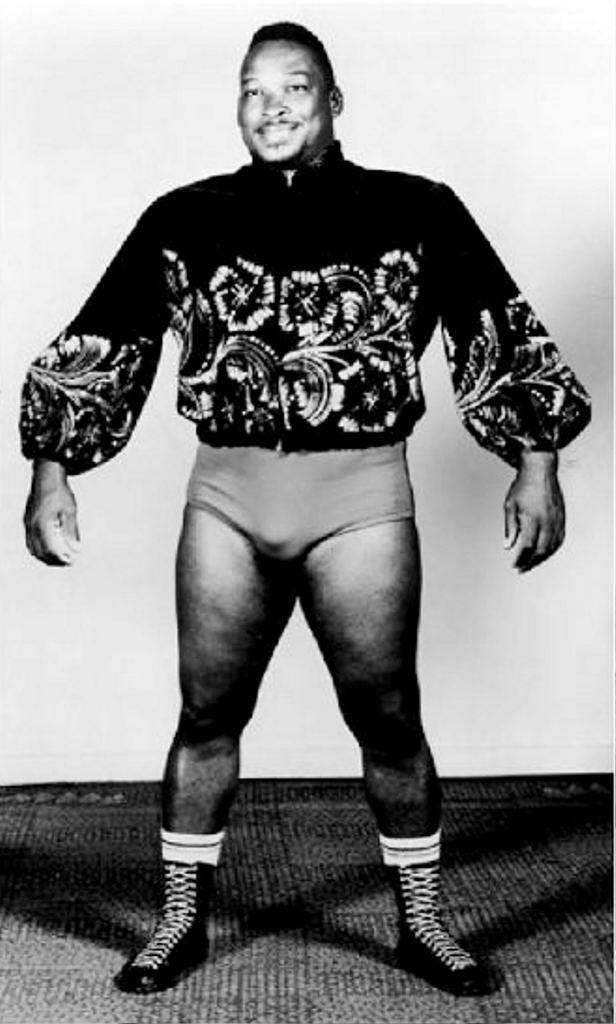
As the civil rights movement gained momentum in the 1960s, Conway’s opportunities expanded, allowing him to compete against Caucasian opponents for the first time. This shift represented a significant breakthrough, as he became one of the early African American wrestlers to cross racial lines in the ring, paving the way for greater integration in the sport. His career took him to prominent southern promotions affiliated with the National Wrestling Alliance (NWA), including Jim Crockett Promotions and Big Time Championship Wrestling under the influential Ed McLemore and Fritz Von Erich. Known for his powerful build—earned from his high school football days where he was nicknamed “Powerhouse”—Conway became a fan favorite for his strength and charisma. One notable match in the 1960s pitted him against Maurice “Mad Dog” Vachon, a brutal encounter that resulted in Conway suffering a broken kneecap, underscoring the physical toll of his profession. Throughout the 1970s, he formed a successful tag team with his son, Tiger Conway Jr., blending family bonds with professional synergy and further cementing his status in the wrestling world.

Pictured: Tiger Conway, Sr and Tiger Conway, Jr
Conway’s achievements, while not laden with numerous titles due to the era’s limitations, were groundbreaking in their context. His Texas Negro Championship win remains a symbol of excellence within segregated circuits, and his inter-racial matches helped dismantle barriers that had long excluded Black wrestlers from mainstream competition. He retired from active wrestling in 1979 but continued contributing to the industry in non-competitive roles, such as security, demonstrating his enduring passion for the sport. Beyond wrestling, Conway’s life was enriched by a stable family foundation. He married Inita Conway in 1950, and their union lasted 56 years until his passing. Their partnership provided a grounding force amid the nomadic demands of wrestling life, and his collaboration with his son in the ring added a personal legacy to his professional one.
In his later years, Conway transitioned to entrepreneurship, running a fence-building business in Houston. He also dedicated time to community service, serving on the board of directors for the Christian Alliance for Humanitarian Aid, Inc., and maintaining involvement with the Cauliflower Alley Club, a fraternal organization for retired wrestlers and boxers. Tragically, on November 13, 2006, Conway suffered a massive stroke and brain aneurysm, leading to his death at the age of 74 in Houston.
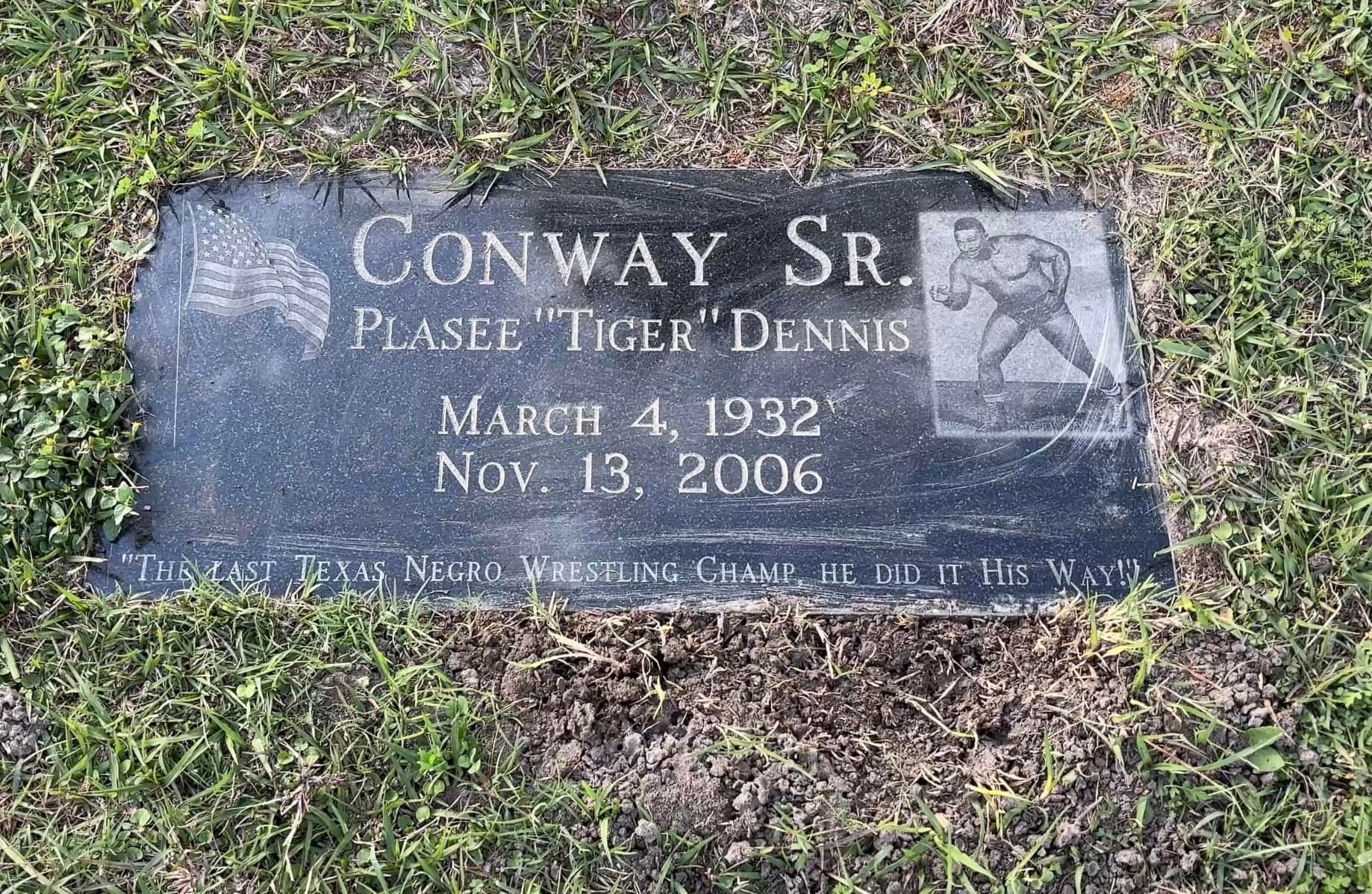
Tiger Conway Sr.’s life and career stand as a testament to overcoming adversity in pursuit of one’s passion. In an industry rife with prejudice, he not only succeeded but also helped forge a more inclusive path for wrestlers of color. His story reminds us that true champions are defined not just by titles, but by the barriers they break and the lives they inspire. Conway’s legacy lives on through his family, the wrestlers who followed him, and the ongoing evolution of professional wrestling toward greater diversity.
Thank You for Reading
I’m Tony Richards, Pro Wrestling Historian, Author and Storyteller. I share pro wrestling historical items in each issue of the Time Tunnel Pro Wrestling History Newsletter. Thanks for reading! If you enjoy my information on select events, matches and insights, please share it with folks you think might like to be a subscriber!
Remember, paid subscribers get access to exclusive and special content such as some special issues including a multi-part deep dives on wrestling territories, wrestler bios and championship title histories, special audio and video interviews on territory pro wrestling and more available in the Pro Wrestling Time Tunnel for Premium Subscribers.