



November 8th in the Time Tunnel:
Happy Birthday to those who have passed on and to those great wrestlers still with us:
In Memoriam:
Dizzy Davis 1914
Ilio DiPaulo 1926
Happy Birthday:
Boni Blackstone (60)
Ted DiBiase, Jr (43)
Keith Lee (41)
Kazuchika Okada (38)
Richard Holliday (33)
Julia Hart (24)
RIP Memorial: We stop & remember those who have passed on this day and gave themselves to the business for us, the fans. We salute you and thank you.
Martin “The Blimp” Levy 10-8-1961 at the age of 56

Al Romero 10-8-2000 at the age of 54

Charley Garza\The Mysterious Medic #1 10-8-2011 at the age of 83

Don Fargo 10-8-2015 at the age of 85
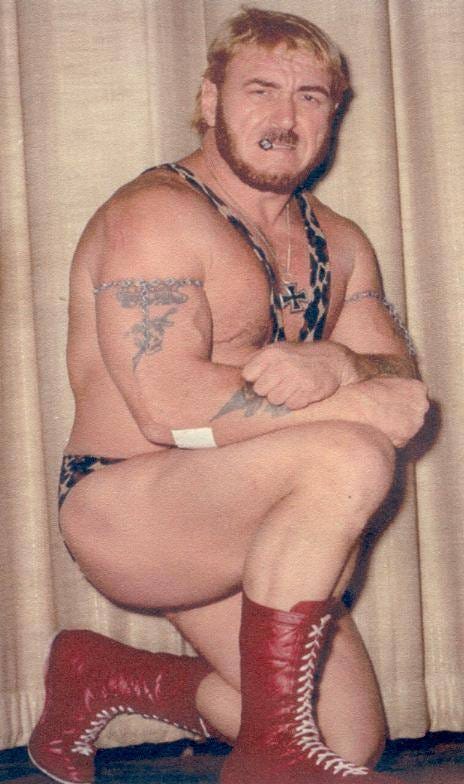
Bobby Stephens\Sputnik Monroe, Jr 10-8-2021 at the age of 76
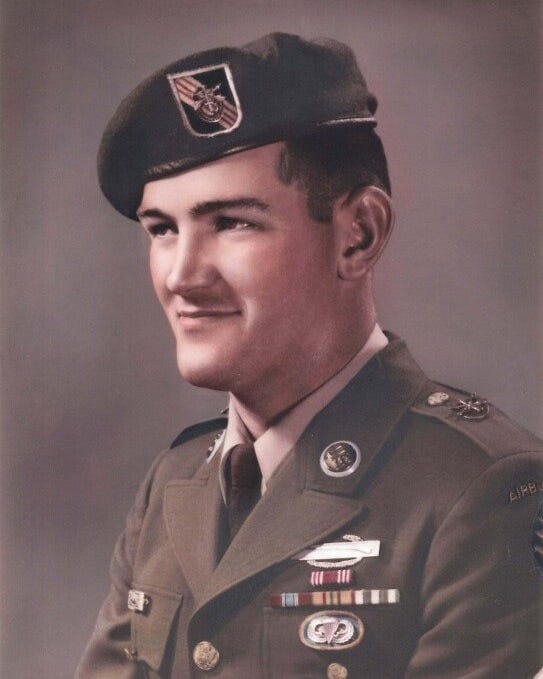
Edward Corlett\Karl Von Steiger 10-8-2022 at the age of 80

Significant Pro Debut
11-8-1947: Bob Clay vs Stu Hart at the City Hall in Muskogee, Oklahoma
Born on July 25, 1924, in Muskogee, Oklahoma, Charles Robert Clay grew up in a region where wrestling was more than entertainment; it was a cultural staple. Weighing in at around 200 pounds, Clay possessed a solid, athletic build suited for the mat. His entry into professional wrestling was facilitated by LeRoy McGuirk, a prominent promoter and former wrestler who ran operations across Oklahoma, Arkansas, and neighboring states under the National Wrestling Alliance (NWA) banner. McGuirk, a blind promoter after a childhood accident cost him one eye (and later both, as detailed below), took Clay under his wing as a pupil. This mentorship was crucial, as McGuirk’s territory emphasized technical skill and storytelling, drawing crowds to venues like Muskogee’s City Hall for Saturday night showdowns. Clay’s hometown debut added a layer of personal stakes, transforming the event into a local rite of passage.

Pictured: Bob Clay
The opener of the card on November 8th pitted the debuting Charles Robert Clay against Stu Hart, while the main event saw a tag team clash between Danny Savich and Jimmy Lott versus LeRoy McGuirk himself teaming with Farmer Jones. The average age of the participants hovered around 34 years, reflecting a blend of experience and youth. Attendance figures and exact gate receipts from such events are often lost to history, but these shows drew enthusiastic local crowds, eager for the escapism of body slams and submission holds amid the economic recovery of the time.
Stu Hart, Clay’s opponent, was already a rising figure in wrestling circles. Hailing from Canada, Hart was a skilled amateur wrestler turned pro, known for his technical prowess, submission expertise, and no-nonsense style. By 1947, he had competed across North America, honing a reputation that would later see him found Stampede Wrestling in Calgary and train legends like his sons Bret and Owen Hart. Facing Hart in a debut match was no small challenge; it was a trial by fire against a grappler who could stretch opponents with legitimate holds derived from his catch-as-catch-can background. While specific results of the Clay-Hart bout remain unrecorded in available historical archives—common for pre-television era matches—one can infer the intensity. Debuts often favored the veteran to “school” the rookie, building the newcomer’s resilience. For Clay, stepping into the ring against Hart in front of his Muskogee neighbors likely involved a mix of nerves, adrenaline, and raw determination, setting the tone for his career.
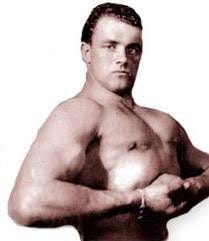
Pictured: Stu Hart
Clay’s performance that night propelled him into a modest but steady wrestling tenure. He competed primarily in the Central States region from 1949 to 1952, with a brief return in 1956, adopting the ring name Bob Clay. His style emphasized fundamentals, likely influenced by McGuirk’s emphasis on credible athleticism. However, Clay’s in-ring days were relatively short-lived. By the early 1950s, he transitioned into a behind-the-scenes role as a matchmaker for McGuirk’s territory, booking talent across Oklahoma, Arkansas, parts of Missouri, Louisiana, and Texas. This shift showcased his deeper understanding of the business, collaborating with figures like Leo Voss and Bill Watts to curate cards that kept crowds coming.
Tragically, Clay’s association with McGuirk took a somber turn in February 1950. While driving McGuirk to a restaurant after a show, Clay swerved to avoid an oncoming vehicle on a rain-slicked road. In slamming on the brakes, the car skidded, hurling McGuirk into the windshield. The impact shattered McGuirk’s glasses, embedding shards into his remaining good eye and rendering him fully blind. Though Clay emerged physically unscathed, the incident underscored the perils of the road life in wrestling—a constant companion to the glamour of the ring. McGuirk, remarkably, continued promoting successfully for decades, but the accident forever linked Clay to one of the sport’s poignant tales of resilience.
Also, after “Cowboy” Bob Clay retired from the ring, often he and McGuirk would do an angle to bring him back “out of retirement” to draw a house or two, such as this one in 1962, involving Don Kent and the dastardly Dalton Gang:
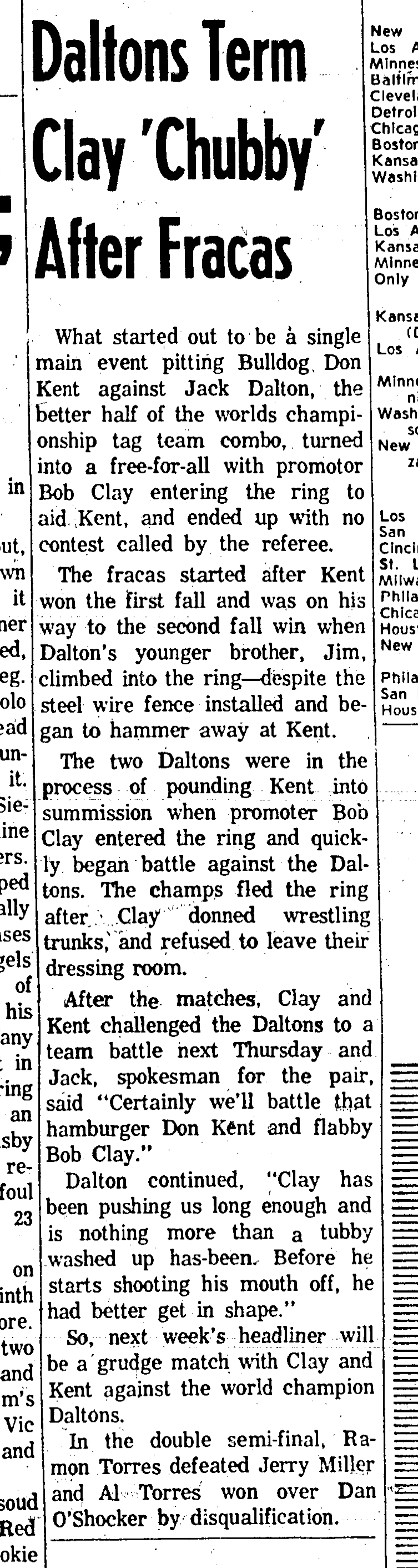
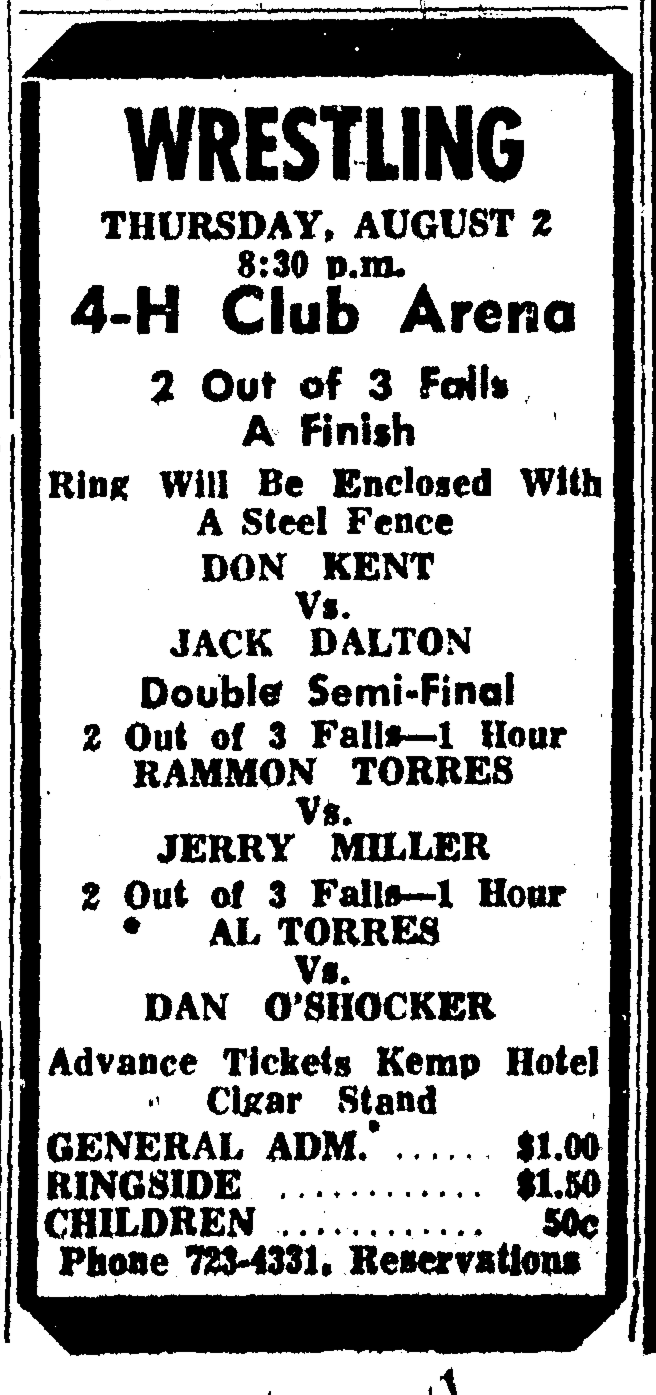
Pictured: August 2nd, 1962: Wichita Falls, Texas
Thank You for Reading
I’m Tony Richards, Pro Wrestling Historian, Author and Storyteller. I share pro wrestling historical items in each issue of the Time Tunnel Pro Wrestling History Newsletter. Thanks for reading! If you enjoy my information on select events, matches and insights, please share it with folks you think might like to be a subscriber!
Remember, paid subscribers get access to exclusive and special content such as some special issues including a multi-part deep dives on wrestling territories, wrestler bios and championship title histories, special audio and video interviews on territory pro wrestling and more available in the Pro Wrestling Time Tunnel for Premium Subscribers.