


April 30 in the Tunnel:
Happy Birthday to those who have passed on and to those great wrestlers still with us:
In Memoriam:
Joe McHugh 1904
Joe McCarthy 1929
Happy Birthday:
Shawn Daivari (41)
Santos Escobar\El Hijo del Fantasma (41)
RIP Memorial: We stop & remember those who have passed on this day and gave themselves to the business for us, the fans. We salute you and thank you.
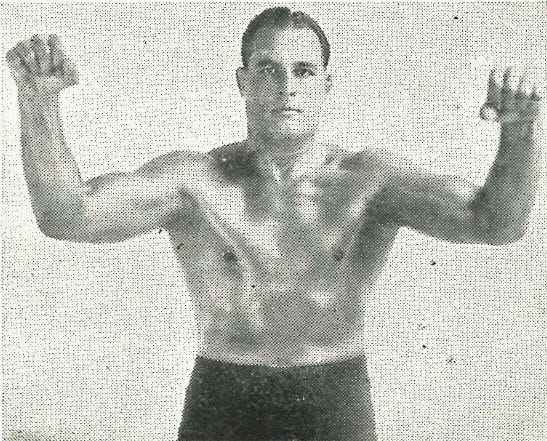
Lee Wyckoff 4-30-1974 at the age of 76
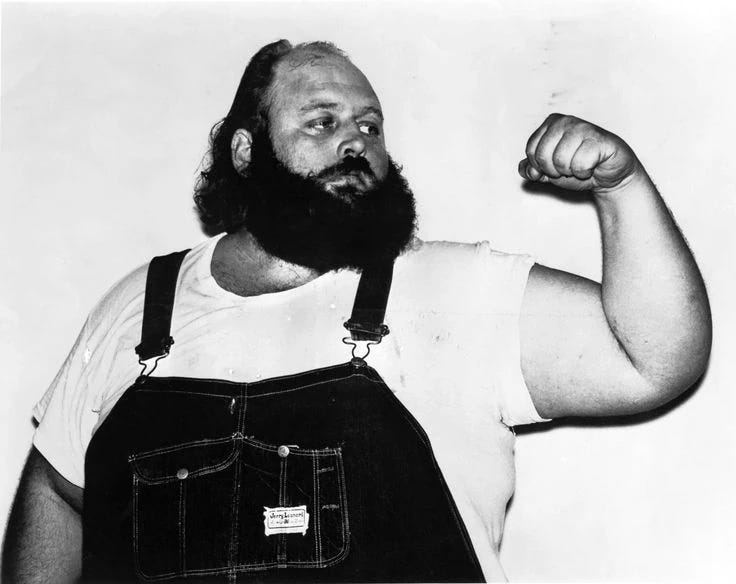
Man Mountain Mike 4-30-1988 at the age of 47
Special WWWF World Championship Change Flashback:
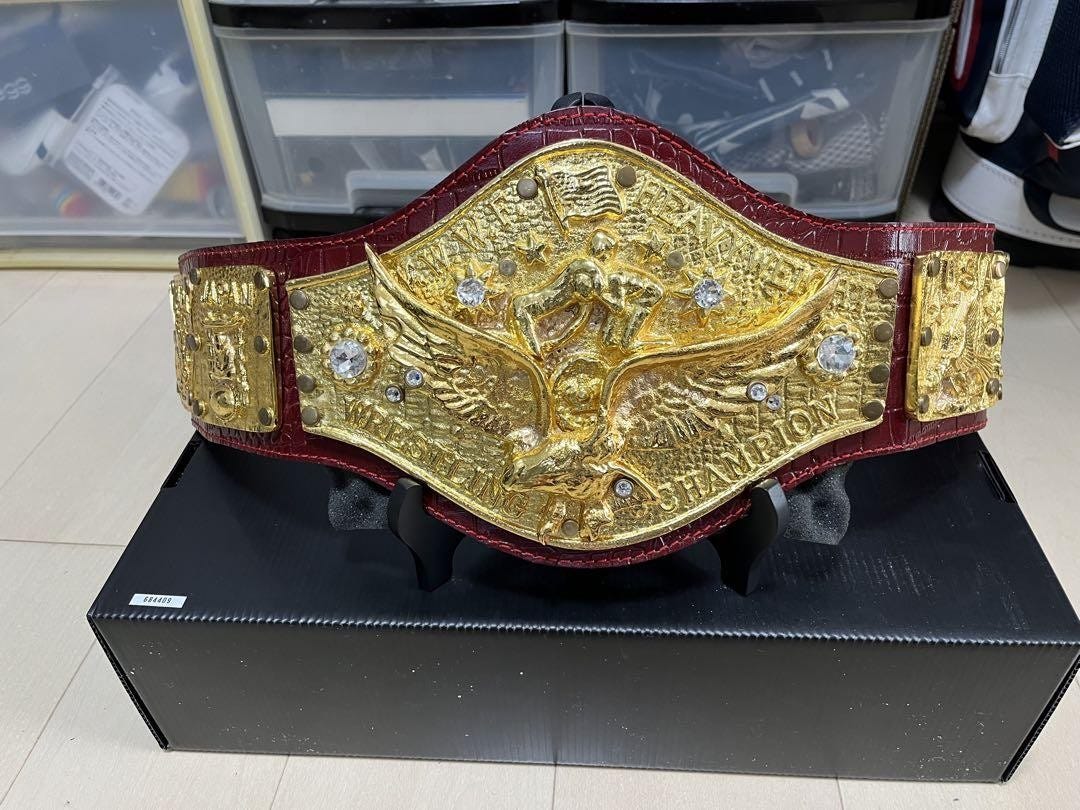
48-Year Flashback 4-30-1977: Superstar Billy Graham defeated Bruno Sammartino to win the WWWF World Heavyweight Championship at the Civic Center in Baltimore, Maryland
*Tony Note: Bruno was such a legendary figure only 25% of the way into his career. His amazing run as WWWF Champion through the 1960s before his first title loss to Ivan Koloff had made him such an invulnerable figure, the Italian Superman was perceived to always defeat the evil heel and goodness, right and Italian pride would prevail in the end. Even though Koloff had beaten him for the title, after Sammartino started his next reign after beating the transitional Champion, Stan Stasiak, Bruno still held his amazing powers. However, while it was unintentional, when Sammartino suffered a broken neck at the hands of the cowboy outlaw, Stan Hansen did fans suspect he might have a weakness. Actually, Sammartino was weakening as a shoot. He suffered a series of injuries after the Hansen even with a lighter schedule he was involved in putting together and not taking the same amount or kind of bumps the NWA Champions would take or wrestle their almost impossible schedule; he was getting worn down. I'm not being extra critical of Sammartino's schedule or his bump card, it was just a different company, a different type of championship and a different type of work style. If Harley Race wrestled that type of match and that kind of schedule, he might have been Champion until 1986 or later.

Another shame of the video era of wrestling is the majority of Superstar Billy Graham's career that is video-documented, he's slower, more methodical and does a ridiculous martial arts gimmick. The Graham of the 1970s was a tremendous stick man, had agility, speed and good work. From 1972 through 1975, he was a main event draw in several cities across the country including Houston, Dallas, St. Louis, San Antonio, Chicago, Minneapolis, Denver and others. His tag team matches in early 1975 with Dusty Rhodes and occasionally 6-man tags with Andre the Giant against the evil foreign team of Baron Von Raschke, Horst Hoffman and Boris Breznikoff (Nikolai Volkoff) drew big crowds in the AWA as well as the tag team program he and Dusty had with the Tag Champs, Nick Bockwinkel and Ray Stevens. When he made his move into the WWF in 1975 to start his program with Sammartino, he was explosive. Even though I was oblivious to the WWWF in 1975, as a fan, I did know "about" them through magazines on my local news stand that I religiously and carefully reviewed and looked through each Saturday morning while my mom grocery shopped. Later in life, I became very thankful for them for the amount of video tape they did preserve, without them the best years of Sammartino and Graham would be lost like much of Pro Wrestling history from a film and tape standpoint.
Graham was unsuccessful in defeating Sammartino in his first stint, so he departed for Japan and a new opponent, Antonio Inoki. Graham was impressive enough for the WWWF Braintrust, including majority shareholder Vince McMahon, Sr that he kept him in mind for another run in 1977. Earlier in April, Graham was brought back and worked out a deal with McMahon and the others to work in the company and become the new Champion. Even though the NWA and the WWWF were separate federations since McMahon had pulled out of the Alliance in the early 1960s, there were still an abundance of book room politics, arrangements and deals. One of those occurred in early 1977, when McMahon and Sam Muchnick, longtime NWA kingpin and local promoter in St. Louis, had a deal for Graham to work a St. Louis card working with Harley Race, who had just beaten Terry Funk in Toronto days earlier to begin his second NWA Title run. There were benefits to be had in this match for everyone, especially Graham and the WWWF. McMahon would get a bit of a "test drive" on Graham working in one of the most passionate and knowledgeable fan bases in the history of the business. If Graham wasn't a legit challenger, especially against someone as credible as Missouri's own Race, the crowd would not buy as many tickets, nor would they put up with anything less than a stellar effort and performance from Graham. Graham himself credits Harley with helping get him over in St Louis with the match, but the important thing was that Billy and Harley drew close to 8,000 to the legendary Kiel Auditorium and the match went all three falls with Harley and Billy each getting a pin, with Harley retaining with a DQ on Graham in the third fall.
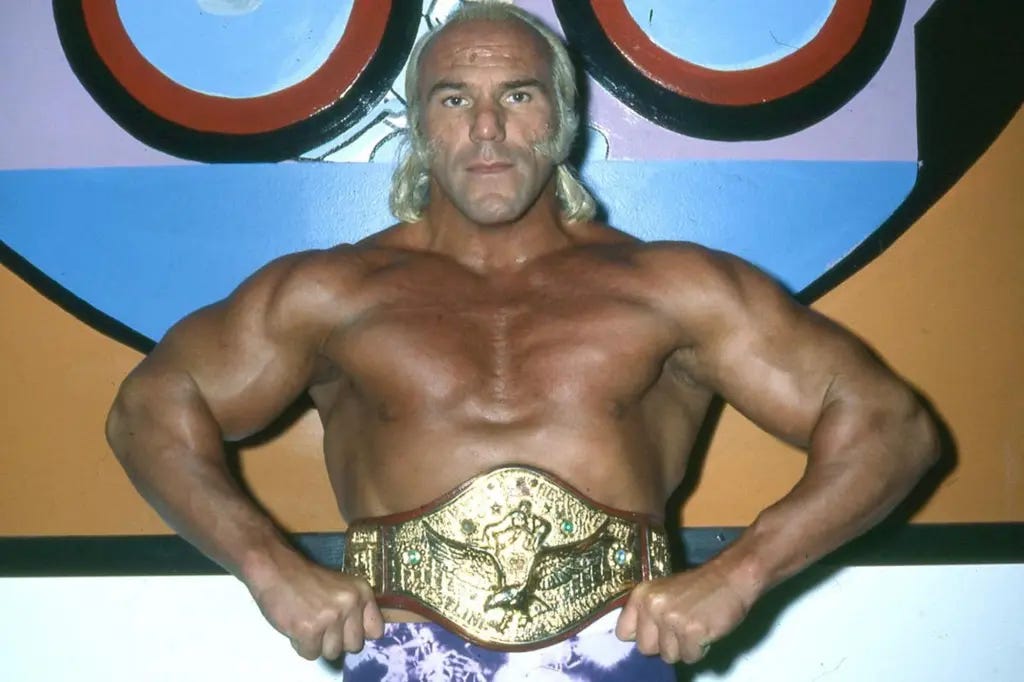
One of the amazing things about Graham's title run with McMahon to me was that he told Graham not only the date he was going to beat Bruno for the belt, but he also told him the date he was going to lose it to Bob Backlund in not quite the space of a year in 1978. McMahon sold the deal to Graham as "the longest run for a heel WWWF Champion ever!" Another item of note is that WWWF Title changes were few and far between and when they did happen, it was usually in New York or Boston, certainly not Baltimore, and Graham fully admits to clueing in some of the wrestling press at the time about the historic event to make sure somebody was covering it, since no one at the time would have suspected Bruno to lose the title and definitely not in Baltimore, Maryland. In the finish, Graham juiced after being thrown into the post by Bruno. Graham made a comeback putting his bear hug on Bruno and Sammartino breaking and escaping and launching another offensive of his own, then Bruno clamped down on his own bear hug, lifting Graham up off the mat until finally reaching the ropes for a break. Bruno countered by throwing hands on Graham one after another and the pin came in lightening-like swiftness. Graham swept the ankle of Sammartino taking him down from the corner and as he covered him, draped his legs over the top rope, cheating very obviously to the crowd to get the pinfall and the World Championship. The match lasted almost 14 minutes and the 12,000 in the Civic Center that night waited for the referee to be told by someone what happened so he could reverse the decision. There's an obvious nervous anxiety in the crowd like they don't know what to do or how exactly to react. It really does feel like to me they were waiting for their cue, to explode with cheers when the referee would jerk the title away from Graham and raise Bruno's hand. But that didn't happen.
When Graham tells the story, he says the crowd went wild with pandemonium and not being there I couldn't say, it just seems to me from the audio on the tapes, they have a confused to quiet reaction. That being said, you can't always totally trust what you hear on a broadcast or recording. I'll give you an example. Growing up and going to basketball games and wrestling matches in the massive 24,000-seat Rupp Arena in Lexington, Kentucky, I can tell you that the crowd is often crazy wild with chants and cheers in the building, but on television broadcasts or recordings going back years, the crowd cannot be heard legit like they are reacting in the building. Many times, depending on how the building is set up for sound recording and the mix being done by the audio techs, the crowd can't be picked up or heard the same way as they are in the building. In 1977 with a simple set-up in Baltimore, which is not a regular television taping location, they were just trying to capture the match for showing clips on television, especially the visual of the finish and the method of achieving the title win by Graham. So, that being said, perhaps the crowd did react in a different away from my perception, but it seemed like to me, they were waiting for a reversal of the decision. Perhaps the other reason the crowd was confused is the signal for the match to be over to the fans was that the house lights would be turned on. Today, fans are accustomed to being lit up by the lights to give the impression on how successful the promotion is and the big crowds at the event. In the 1970s, the crowd sat in the dark with only the ring and ringside being lit, actually giving fans in the upper parts of large buildings a better view of the match and any activities outside the ring. Evidently, on this night, the person in charge of the house lights was asleep at the switch and was very late about bringing the lights up.
Once the lights came on and fans realized Graham actually pulled off stealing the title from their hero, that's when debris and garbage started flying toward the ring. The previously dumb-struck fans had now turned irate with beer, soda and spit all flying as Graham fled the scene. I can only imagine the fear that was probably creeping in to Graham neurosystem as the excitement of winning the championship was turning to fear of safety as ring barricades were very flimsy and security was sparse. Graham was kicked and punched as he ran back toward the safety of the dressing room. I'm clearly speculating when I say that I am fairly certain both Sammartino and Graham were relieved when this title change was accomplished. Bruno had put in his time with two championship runs. He had made more money than he had ever fully imagined when he had started this journey back in the early 1960s when winning the title was first proposed to him, but it wasn't just the money. His elderly parents were starting to really show signs of failing health and in old school Italian tradition, family was everything. He was now in a position to spend their remaining days with them being released from the demanding wrestling schedule. It wasn't just his parents; he loved his wife dearly as well as his children and he relished being a family man and having the ability and resources to enjoy them as he always imagined.
Superstar Billy Graham wanted something completely different. He was cut from a different cloth than Bruno. Not better by any means, just different. Graham who had worked the previous decade working his way up the cards to become a main event draw in major markets, was counted on by promoters to draw money and crowds, no promoter had ever given him the ultimate affirmation by actually giving him the ball and telling him to run with it. Graham wanted something Bruno had attained many, many years before, an acknowledgement of his ability and hard work. Today, the world championship is handled in a totally different way than in this era. In those days, the world championship was the ultimate prize for many in the business. It is true that some workers and performers wanted nothing to do with it. They just wanted to perform and be paid. They wanted nothing to do with the pressure of being on top of having the promotion on your back, of having the responsibility of being the World champion. For others, like Graham, it was all that mattered. It became the primary objective for his being in the business. A guy with a personality like Graham's needed stroking and being given the title was the ultimate stroke of belief in his abilities. Billy Graham never fooled himself into thinking he had the working skills to be a heel champion in the mold of an NWA champion. He knew he wasn't Funk Jr, Brisco or Race with their skillset. However, he had a skillset of his own and one that was conducive to the WWWF and being crowned as a heel champion for a year was the stroke Graham wanted and needed. In fact, it spurred him on to give the greatest year of matches in his career.
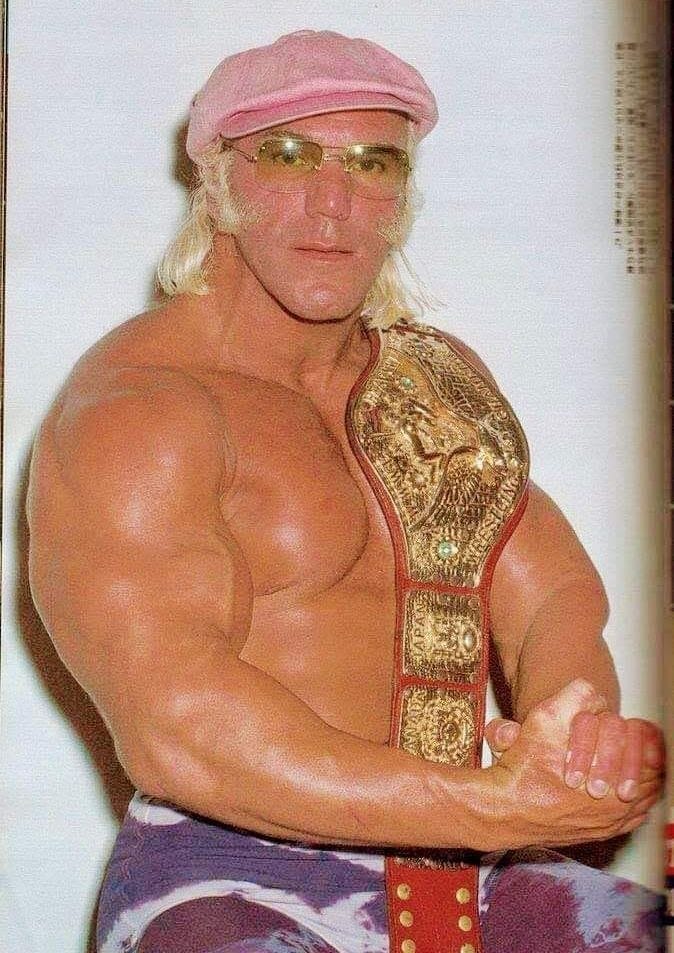
A lot of that credit has to be given to his old friend Dusty Rhodes, who was carving his own nationwide notoriety, except his was on the babyface side, which taking both his growing talent and brand and mixing it with Graham's own growing persona and presence was an explosive cocktail to be set off in "the world's most famous arena" in months to come. We'll save that part of the story for a coming issue. Superstar Billy Graham's other amazing attribute, in my opinion, is that much like Gorgeous George had been in the 1950s, was created and made for television. The television camera lens loved him and embraced him. His interviews. His colorful attire. His ring presence. They were all very television friendly. His cosmetic appearance was amazing. He was the kind of heel that, if you had been a talented wrestling booker in the 1970s, you would have been trying to hold yourself back from turning this guy babyface too soon. Much like the aforementioned Rhodes, who had been a much-hated heel in all of his career, sometime in early 1974 in Florida, fans began to like him. Dusty was nowhere near as cosmetically appealing like Graham, but his persona and his interviews endeared fans to want to "be him" and kids wanted to emulate him in the backyard with their brother while they "played wrestling". Eddie Graham and Bill Watts didn't turn Rhodes babyface, the Florida crowds did. In my opinion, Graham had the same appeal and what happened with Rhodes in 1974 and the success that followed, could have been the exact path for Billy Graham in 1978.
Graham himself has said that he was confident McMahon would change his mind in between April 1977 and February 1978 and deviate from his plan to put the title on Backlund, whose personality was not even in the same galaxy as Graham's. No matter how hard Graham worked to achieve that mind shift with McMahon, no matter how successful he was and no matter how much logic was in turning Graham babyface for another year or two with the title, McMahon would not change his plans. In many ways, the Hulk Hogan babyface run from 1984 to 1990 could be looked at with some possibility of what could have happened if McMahon would have turned Billy and stuck with him. It's not exactly apples to apples because environments and crowds were not exactly the same, but a type and shadow can be seen between the two of what happened for Hogan and never did for Graham. I believe just as strong an exhilarating, intoxicating and positive stimulating experience it was for Superstar Billy Graham to be given the title win on this night in Baltimore in 1977, it was a terrible, depressing and disempowering experience for it to end and for McMahon to not have the belief in him to continue as champion and I'm not totally certain he ever recovered from it.
One Thing I Learned Today About Pro Wrestling History:
Dave Levin, who scored a pro wrestling world championship for the first time on June 12th, 1936, had comparisons made of himself to the "Russian Lion" George Hackenschmidt early in his career. He was an early draw and attraction in the early 1930s for Jess McMahon, the first generation of the McMahon wrestling promoting family. He had been discovered working in a butcher's shop when a local promoter discovered him. His ring name he used in his debut was "Butcher Boy".
Thank You for Reading
I'm Tony Richards, Pro Wrestling Historian, Author and Storyteller. I share pro wrestling historical items in each issue of the Time Tunnel Pro Wrestling History Newsletter. Thanks for reading! If you enjoy my information on select events, matches and insights, please share it with folks you think might like to be a subscriber!
Remember, paid subscribers get access to exclusive and special content such as to commemorate his induction to the WWE Hall of Fame, I'll be publishing some special issues including a multi-part career retrospective on Dory Funk, Sr, a multi-part flashback on the Tennessee Territory in April 1975 including all the recorded cards for the month, some special audio and video interviews and more.