


The Orton Family: Bob Orton, Sr.
In the vast, colorful tapestry of professional wrestling history, few families embody the concept of legacy quite like the Ortons. While modern fans instantly recognize Randy Orton—the Apex Predator, 14-time world champion, and third-generation superstar—as the face of that dynasty, the roots stretch back to a rugged, no-nonsense pioneer who laid the groundwork decades earlier. Robert Keith Orton Sr., better known as “The Big O,” was not a flashy national headline-grabber or a household name in the manner of later WWE superstars. Yet he was the quintessential “wrestler’s wrestler”: a tough, scientific technician and brawler whose career spanned territories from the Midwest to Florida, the AWA, Stampede Wrestling, and even a run in the WWWF. Born on July 21, 1929, in Kansas City, Missouri, Orton Sr. became the patriarch of one of wrestling’s most enduring bloodlines—father to “Cowboy” Bob Orton Jr. and Barry Orton, grandfather to Randy Orton, and the man whose lessons in resilience, ring psychology, and family pride echo through three generations.
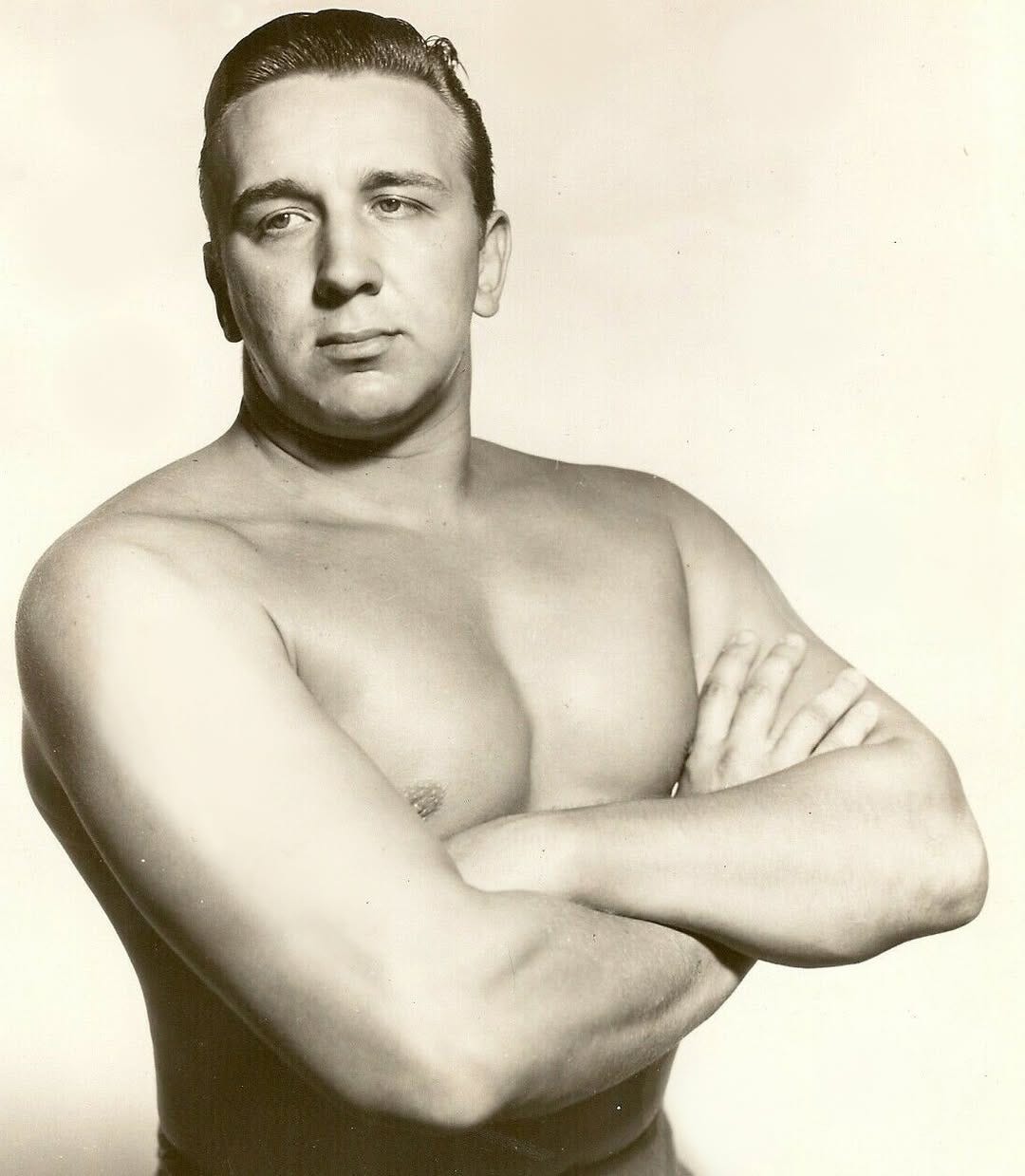
Orton Sr.’s journey into wrestling was forged in the heartland grit of the post-World War II era. Hailing from Ozark Country near Springfield, Missouri (though billed from Kansas City), he was discovered by promoter Ernie Dusek and quickly earned the nickname “The Big O” for his imposing 6-foot-2, 245-pound frame and commanding presence. Some accounts place his debut as early as 1947 or 1949 in Wichita, Kansas, though his documented rise begins in earnest around 1951 in the Central States territory. There, he wasted no time making an impact.
On December 20, 1951, he defeated Alo Leilani to capture the NWA Heart of America Heavyweight Championship in Kansas City’s Memorial Hall—a two-fall victory that showcased his scientific skill and finishing power. He would regain the title in 1954 from Dave Sims and also claim the NWA Missouri Heavyweight Championship that same year. These early reigns established him as a reliable main-eventer in the Midwest, a region where technical wrestling and hard-hitting realism still ruled the day.
